More Than Conquerors.

As it is written, “For your sake we are being killed all the day long; we are regarded as sheep to be slaughtered.” No, in all these things we are more than conquerors through him who loved us. For I am sure that neither death nor life, nor angels nor rulers, nor things present nor things to come, nor powers, nor height nor depth, nor anything else in all creation, will be able to separate us from the love of God in Christ Jesus our Lord. – Romans 8:36-39 ESV

There are those two words again: “These things.” It is as if Paul is presenting us with a juxtaposition that presents all of the “these things” related to our position in Christ and all of the “these things” that are tied to our time of suffering in this world. They appear contradictory and in conflict with one another. On the one hand, we are sons and daughters of God. We are joint-heirs with Jesus Christ. We have the Holy Spirit living within us, empowering us to deny our sin natures and live godly lives. He helps us in our times of weakness, even interpreting our prayers and bringing them into alignment with God’s will. We have the assurance of God’s unstoppable purpose for our lives and the promise of our future glorification. And yet, while we live on this earth, we suffer just as Jesus did. We face temptation. We have to constantly fight our own sin nature and fend off the attacks of the enemy. But Paul asks, “Who shall separate us from the love of Christ?” (Romans 8:35 ESV). Then he goes on to list just a few of the obstacles standing in our way: Tribulation, distress, persecution, famine, nakedness, danger and the sword. These are just a few of the “these things” Paul is referring to in verse 37. And he adds to the list in verses 38-39: Death, life, angels, rulers, things present, things to come, powers, heights, depths, or anything else in creation. The New Testament In Modern English puts those two verses in language we can understand.

I have become absolutely convinced that neither death nor life, neither messenger of Heaven nor monarch of earth, neither what happens today nor what may happen tomorrow, neither a power from on high nor a power from below, nor anything else in God’s whole world has any power to separate us from the love of God in Jesus Christ our Lord!

We are more than conquerors, Paul emphatically states. We are over-comers and, ultimately, victors over anything and everything that stands in our way in this life. Why? Because of Christ’s finished work on the cross. He loved us enough to die for us. He loved us so much He rose for us. He loved us even though He left us, because He sent His Spirit to live within us. He loves us enough to intercede for us with His Father. He loves us enough that one day He is returning for us. Jesus told His disciples, “In my Father’s house are many rooms. If it were not so, would I have told you that I go to prepare a place for you? And if I go and prepare a place for you, I will come again and will take you to myself, that where I am you may be also” (John 14:2-3 ESV).

The problem we face is the constant temptation to judge the love of God based on what is happening to us at a particular moment in time. If we find ourselves in a desperate circumstance, we can easily begin to wonder whether God really loves us. We can be tempted to doubt His faithfulness. We may begin to question His power or even debate His presence. But rather than focusing on what is happening, we need to learn to keep our attention on has already happened. God has already sent His Son to die for us. He has redeemed us with the blood of His innocent, sinless Son. He has adopted us as His Son and daughters. He has justified us – removing our sin and replacing it with His Son’s righteousness. He has given us His Spirit to live within us, providing us with the same power that raised Jesus from death to life. He has conquered sin and death. He has written our names in the Lamb’s Book of Life. In other words, God HAS loved us, all the way to the end. And NOTHING will ever separate us from that love. Nothing can snatch us from His hands. No one can change what God has ALREADY done.

The writer of the book of Hebrews reminds us, “But when Christ had offered for all time a single sacrifice for sins, he sat down at the right hand of God, waiting from that time until his enemies should be made a footstool for his feet. For by a single offering he has perfected for all time those who are being sanctified.” (Hebrews 10:12-14 ESV). Look at what he says. “He has perfected for all time those who are being sanctified.” That is us. All who have a saving relationship with Jesus Christ are being perfected for all time. His sanctifying work in our lives is not yet finished, but it will be. The day is coming when we will be like Him. We will see Him. We will be with Him. The purpose of God for our lives will be finalized. We have been saved. We are being sanctified. And we will one day be glorified. We are more than conquerors, we are victors.

There is a wonderful song we tend to sing only at Christmas. It is by Thomas Kinkade and is called Joyful, Joyful, We Adore Thee. The closing lines fit perfectly with our verses for today.

Mortals, join the happy chorus,
Which the morning stars began;
Father love is reigning o’er us,
Brother love binds man to man.
Ever singing, march we onward,
Victors in the midst of strife,
Joyful music leads us Sunward
In the triumph song of life.


.
Case Closed.

Who shall bring any charge against God’s elect? It is God who justifies. Who is to condemn? Christ Jesus is the one who died—more than that, who was raised—who is at the right hand of God, who indeed is interceding for us. Who shall separate us from the love of Christ? Shall tribulation, or distress, or persecution, or famine, or nakedness, or danger, or sword? – Romans 8:33-35 ESV

Not guilty! That is the verdict. Let the magnitude of that statement sink in. In these verses, Paul provides us with a stunning reminder of the staggering reality of our status as completely innocent and totally righteous sons and daughters of God. As he stated when he began this chapter, “There is therefore now no condemnation for those who are in Christ Jesus” (Romans 8:1 ESV). In his letter to the Corinthians, Paul gave them unbelievably good news. “Do not be deceived: neither the sexually immoral, nor idolaters, nor adulterers, nor men who practice homosexuality, nor thieves, nor the greedy, nor drunkards, nor revilers, nor swindlers will inherit the kingdom of God. And such were some of you. But you were washed, you were sanctified, you were justified in the name of the Lord Jesus Christ and by the Spirit of our God” (1 Corinthians 6:9-11 ESV). At one time, we were all guilty before God, condemned and deserving of His just judgment: Death. But how we stand before His presence not only forgiven, but sinless in His eyes. We have been justified. So not only have we had our sins forgiven and removed, we have been given the righteousness of Christ. And as a result, no one can condemn us. No one can bring a charge against us. Our debt has been paid. Our death sentence has been commuted. “For our sake he made him to be sin who knew no sin, so that in him we might become the righteousness of God” (2 Corinthians 5:21 ESV). We have received the righteousness of Christ. He took on our sin and we took on His righteousness.

And nothing can change our forgiven, guiltless, uncondemned, fully righteous status. We are completely covered by the unfailing love of Christ. Even at this moment, He intercedes on our behalf. His very presence at the side of God the Father is a constant reminder of the payment that was made and the complete satisfaction of God’s justice that was supplied by His death in our place. And Paul would have us consider the fact that nothing can separate us from that love. He rhetorically asks, “Can anything ever separate us from Christ’s love?” (Romans 8:35 NLT). And the answer is: Nothing. Absolutely, positively nothing. Even when things appear to be less-than-perfect in our lives or it feels as if God is not there, Paul asks us to consider: “Does it mean he no longer loves us if we have trouble or calamity, or are persecuted, or hungry, or destitute, or in danger, or threatened with death?” And again, the answer is, “No!” Christ died for us, as a payment for our sin. He was resurrected by the Spirit as a confirmation that His sacrifice was acceptable to God. And He ascended to the right hand of God, where He intercedes on our behalf. “Consequently, he is able to save to the uttermost those who draw near to God through him, since he always lives to make intercession for them” (Hebrews 7:25 ESV). We must always remember that our salvation will not be complete until we experience glorification – our finalized adoption as sons and daughters and the redemption of our bodies. Until that day, we must not let the troubles and trials of this life tempt us to doubt God’s love, Christ’s work, or our status as God’s children.

Our case has been completely settled. Our sentence of innocence has been pronounced. Our debt has been settled and our future is secure. Nothing can change that. No one can do anything to reverse God’s declaration of our guiltlessness. Not even us. There is no longer any condemnation for those who are in Christ Jesus. Let that sink in. Don’t take it for granted. Don’t treat it lightly or flippantly. As the old hymn says, “Amazing grace, how sweet the sound, that saved a wretch like me. I once was lost, but now am found; was blind, but now I see.”

What Shall We Say?

What then shall we say to these things? If God is for us, who can be against us? He who did not spare his own Son but gave him up for us all, how will he not also with him graciously give us all things? – Romans 8:31-32 ESV

God’s redemptive plan is perfect and complete. Paul reminds us that “all things work together for good, for those who are called according to his purpose” (Romans 8:28 ESV). In spite of all of the suffering, heartache, difficulty or pain we may see or experience in this life, God’s purpose regarding our salvation and ultimate glorification will be done. He has given us His Spirit as a guarantee and as a constant reminder of His love for us and constant presence with us. He is in the process of transforming us into the likeness of His Son. He is using the presence of His Spirit within us and the constant pressure of difficulties that are always around us, to mature and perfect us. 

So Paul asks us a question. What shall we say to these things? To what “things” is Paul referring? Most likely he is pointing back to all that he has discussed in the verses that have preceded.

•  We have been set free from the law of sin and death
•  We now walk according to the Spirit, not the flesh
•  We are putting to death the deeds of the flesh with the help of the Spirit
•  We are led by the Spirit
•  We are adopted sons and daughters of God
•  We are children of God and fellow heirs of Christ
•  We experience suffering in this life just as Jesus did
•  We have our future glorification to look forward to
•  We have the Spirit to help is in our current weakness
•  We have the Spirit’s assistance even when we pray
•  We have the assurance that God’s plan for us is perfect
•  We can know that all things really do work together for our ultimate good
•  We can rest in the fact that we will one day be glorified

So how should be our response to all of “these things”? With an awareness that God is for us. That He is on our side and in complete control, regardless of what we may see going on all around us. If God is for us, who can be against us? Even Satan himself can’t stand against the purposes of God for our lives. He can’t thwart the plan of God. Jesus made that point clear when He said, “The thief’s purpose is to steal and kill and destroy. My purpose is to give them a rich and satisfying life” (John 10:10 NLT). Satan will attempt to steal our joy, kill our faith and destroy our hope in God. He will bombard us with reasons to doubt. Just as he did with Eve in the garden, Satan will whisper in our ear, “Did God actually say…?” (Genesis 3:1 ESV). He is the father of lies (John 8:44) and the accuser of the brethren (Revelation 12:10). But Paul started out this great chapter with the reassuring words, “There is therefore now no condemnation for those who are in Christ Jesus” (Romans 8:1 ESV). Satan can attack us. He can accuse us. He can attempt to demoralize us and distract us from our God-given purpose. He can try to derail God’s plan for us. But if God is for us, who can be against us?

Paul gives us undeniable proof of God’s unwavering love for and commitment to us. He did not spare His own Son, but gave Him up for us. Earlier, in chapter five, Paul wrote, “God shows his love for us in that while we were still sinners, Christ died for us” (Romans 5:8 ESV). Jesus, the Son of God, “was delivered up for our trespasses and raised for our justification” (Romans 4:25 ESV). “For while we were still weak, at the right time Christ died for the ungodly” (Romans 5:6 ESV). If God was willing to give His own Son as the sacrifice for our sins, “will he not also with him graciously give us all things?” (Romans 8:32 ESV). God WILL conform us to the image of His Son. God WILL supply all our needs. God WILL answer our prayers. God WILL work all things together for our good. God WILL one day redeem our bodies. God WILL one day give us our full inheritance as His sons and daughters. God WILL one day complete His purposes for us by glorifying and perfecting us. So what should be our response to these things? Gratitude. Obedience. Praise. Joy. Peace. Hope. Trust. Contentment. Faith. Boldness. Fearlessness. If God is for us, there is no one or nothing that can stand against us. I am reminded of the words from an the old hymn, Leaning On The Everlasting Arms.

Oh, how sweet to walk in this pilgrim way,
Leaning on the everlasting arms;
Oh, how bright the path grows from day to day,
Leaning on the everlasting arms.

What have I to dread, what have I to fear,
Leaning on the everlasting arms?
I have blessed peace with my Lord so near,
Leaning on the everlasting arms.

Called According To His Purpose.

For those whom he foreknew he also predestined to be conformed to the image of his Son, in order that he might be the firstborn among many brothers. And those whom he predestined he also called, and those whom he called he also justified, and those whom he justified he also glorified. – Romans 8:29-30 ESV

All things work together for good. That’s a promise given to us by Paul, but provided through him by the very Spirit of God. So we have God’s word of assurance that our circumstances will always, ultimately, work according to His divine plan for our lives. Paul writes, “all things work together for good,for those who are called according to his purpose” (Romans 8:28 ESV). You see, God has a purpose, a plan, and a program that He is bringing about. This is not some fly-by-the-seat-of-your-pants, make-it-up-as-you-go-along affair. It may feel that way at times. We may wonder if God has a plan in place or whether that plan has somehow left us out. But God would have us remember that He is in control – at all times. The message of these two verses is plain. God did not look down the corridors of time and somehow see who it was who would accept His Son as their Savior. This isn’t a case of God’s foreknowledge of what we would do, but of what He would do for us. He predetermined or pre-ordained our salvation through His Son long before any of us were even born. Even before the universe had been spoken into existence. And the divine purpose of God was not just for our salvation, but our transformation. His plan was and is complete. It has a beginning and an end. He foreknew us. He predestined us. He called us. He justified us. He glorified us. All of these words are in the past tense. They are as good as done. His plan is complete, even though His work is not yet done. As Paul has made clear, we do not yet have glorified, redeemed bodies. We still battle with our fallen flesh and our old sin nature. We endure suffering of all kinds in this life. But our ultimate outcome has been predetermined by God. We are being conformed to the image of His Son. “For our present troubles are small and won’t last very long. Yet they produce for us a glory that vastly outweighs them and will last forever!” (2 Corinthians 4:17 NLT). We have been justified, made right with God. While at one time we were sinners, condemned and destined to an eternity separated from God, we have been declared innocent, sinless and righteous by God. We stand before Him completely forgiven and entirely covered by the righteousness of Christ. And our future, glorified bodies are as good as ours – right here, right now. That is part of God’s plan and God’s plan for us is unstoppable and unchangeable.

This whole process of our salvation is the work of God. He is the one who foreknew, predestined, called, justified and glorified. This was His plan, from beginning to end. And because it is His plan and not ours, it is without error and totally independent of our effort or input. That is why ALL THINGS work together for our good. His plan cannot be stopped, altered or ignored. He WILL conform us to the image of His Son. He will do for us all that He predetermined to do. He has an end in mind and He will not stop until His plan is completely fulfilled. That is why we must learn to look past our circumstances and focus our attention on the future promises of God. Paul tells us, “So we don’t look at the troubles we can see now; rather, we fix our gaze on things that cannot be seen. For the things we see now will soon be gone, but the things we cannot see will last forever” (2 Corinthians 4:18 NLT).

We must never forget that we have been called according to His purpose, not ours. He is out to accomplish His will for us, not ours. While we may suffer from tunnel-sightedness at times, we must constantly remind ourselves to see our circumstances through the lens of God’s full redemptive plan. He IS conforming us, whether we see it or not. He IS glorifying us, whether we feel like it or not. “And the Lord–who is the Spirit–makes us more and more like him as we are changed into his glorious image” (2 Corinthians 3:18 NLT). From “one degree of glory to another” as the English Standard Version translates it. God didn’t simply save us and leave us to somehow make it on our own. He didn’t redeem us and then leave us to fend for ourselves. His plan included sending His Son to die for our sins, as well as providing His Spirit to comfort, guide and empower us while we live out our days on this planet. Then one day He is going to send His Son again. He will complete the work His Father gave Him and finalize the plan of God. God promised it and we can count on it. 

And We Know…

And we know that for those who love God all things work together for good, for those who are called according to his purpose. – Romans 8:28 ESV

This is one of the most frequently quoted verses in the Bible; but, sadly, it is too often one of the most misquoted and misused verses in the Bible. It seems to be the one verse we all bring up when we encounter someone who is struggling or suffering. We reach into our Bible Band-aid Box and pull out what we hope will be something to soothe the pain of our brother or sister in Christ. The problem is that this verse can end up sounding hollow and empty when quoted to someone who is knee-deep in difficulty. What it says may be true, but that doesn’t mean that it will bring comfort to the individual who is smack-dab in the middle of a difficult situation. While we may mean well when we throw around this verse like some kind of secret elixir or cure-all, we can actually end up aggravating rather than alleviating someone’s pain and suffering. Our efforts can do more harm than good.

Part of the problem is that we lift this verse out of its context. Paul has been talking about “the sufferings of this present time” (Romans 8:18 ESV). He describes us as groaning inwardly “as we wait eagerly for adoption as sons, the redemption of our bodies” (Romans 8:24 ESV). He tells us we are weak and do not know what or how to pray. But he says, “The Spirit himself intercedes for us with groanings too deep for words” (Romans 8:26 ESV). We are surrounded by suffering. We have to constantly battle our own sin nature and “put to death the deeds of the body” (Romans 8:13 ESV). We have to remind ourselves daily that we are children of God and heirs with Christ (Romans 8:16). And our very existence as sons and daughters of God puts us at odds with this world and with Satan, the prince of this world. And while “the sufferings of this present time are not worth comparing with the glory that is to be revealed to us” (Romans 8:18 ESV), they are still real and difficult to handle at times.

But as we suffer and pray, struggling with uncertainty and seeking to understand God’s will in all that is going on around us, Paul tells us “we know…” We know what? That “God causes everything to work together for the good of those who love God and are called according to his purpose for them” (Romans 8:28 NLT). This does not mean that everything works out perfectly. It does not mean that God removes all our pain, heals all our diseases, or eliminates all our suffering. It means that our pain, sickness and suffering have a divine purpose behind them, because God is in control. He is sovereign. This is not to say that He is the cause behind our pain, sickness and suffering, but that God is not thwarted by or somehow limited by them when it comes to accomplishing His good in our lives.

The phrase “all things work together” is all-encompassing. It means ALL things – the good, the bad and the ugly. We may not understand how good can come out of the bad experiences of life, but the Holy Spirit is there to remind us that God is sovereignly at work in our lives, using each and every moment of life to accomplish His divine will. There is a story in the Old Testament that speaks of this very truth. Joseph had been sold into slavery by his own brothers. They hated him and were jealous of him, so they pawned him off on some slave traders then told Joseph’s father that his son was dead. Joseph ended up as a slave in Egypt. His life is one of constant ups and downs. There are incredible highs followed by unbelievable lows. At one point he gets falsely accused and imprisoned. But the next thing he knows, he finds himself occupying the second-highest position in the land, subject only to Pharaoh himself. And when his brothers arrive in town and discover that their long-lost brother is not only alive, but in a position to punish them for all they did to him, they panic. But Joseph tells them, “now do not be distressed or angry with yourselves because you sold me here, for God sent me before you to preserve life” (Genesis 45:5 ESV). He surprises them by saying, “it was not you who sent me here, but God” (Genesis 45:8 ESV). And then he drops the bombshell, “you meant evil against me, but God meant it for good” (Genesis 50:20 ESV).

God had worked “all things” together for good – not only for Joseph, but for the people of God. He took all the bad things that happened in Joseph’s life and used them to accomplish His divine will. God didn’t just turn Joseph’s apparent bad luck into good luck. He orchestrated the whole affair, having sent Joseph ahead of time into Egypt in order to preserve life. And everything that happened from the moment Joseph arrived in Egypt was part of God’s plan. But sometimes we don’t see His plan until we have the opportunity to look back in retrospect. It’s then that we perceive the sovereign hand of God in our lives.

You see, God had a bigger plan in store for Joseph and for the people of Israel. And He has a bigger plan in mind than just our own comfort and personal convenience. God is pushing all things toward the ultimate fulfillment of His divine plan for mankind. Yes, we must suffer for this present time. But there is a time coming when all our suffering will make sense to us. Yes, we have to live in these bodies of flesh, but there is a day coming when we will receive new bodies. Yes, we have a lot to cry about right now, but we have been promised an eternity with no more tears, sorrow or pain. Yes, we have to daily struggle against our sin nature, but there is a time coming when sin will be no more. All things will work together for good. If not in this life, in the one to come. There is a reason for our suffering. There is a purpose behind our pain. And if nothing else, it should drive us to Him for comfort and teach us to trust Him for a good and godly outcome.

Our Prayer Partner.

Likewise the Spirit helps us in our weakness. For we do not know what to pray for as we ought, but the Spirit himself intercedes for us with groanings too deep for words. And he who searches hearts knows what is the mind of the Spirit, because the Spirit intercedes for the saints according to the will of God. – Romans 8:26-27 ESV

In the preceding verses, Paul encourages us to wait eagerly, hopefully, and yet patiently for the final stage of our adoption as sons and daughters of God and for the redemption of our bodies. There is a day coming when we will freed from these bodies of death as Paul called them (Romans 7:24). We will be given new bodies and the long-awaited opportunity to live in perfect, unbroken fellowship with God, fully enjoying our position as His children and all the benefits that come with being His heirs. But in the meantime, we must continue to live in a fallen world, dealing with the ongoing presence of our sin natures and struggling against the persistent attacks of Satan. Back in verse 17, Paul told us “we suffer with him in order that we may also be glorified with him.” Our glorification is coming, but in the meantime we sometimes find ourselves suffering as a result of our faith in Christ and our relationship with Him. And as we suffer as God’s children, we naturally call out to Him as our Father. We find ourselves too weak at times to handle all that is happening to us and around us in this world. We are constantly experiencing and witnessing the effects of sin. And so, in our weakness, we cry out for help. But there are times when we don’t even know what to pray. We aren’t even sure what to ask God for. And when we do ask, we sometimes never see the answer to our request.

In our present circumstances, our needs are constant, but Paul assures us that so is the help of the Holy Spirit. He helps us in our weakness. As we patiently, eagerly, hopefully wait for our final adoption and redemption, He comes alongside and assists us during this time of suffering. Paul says we “groan inwardly as we wait eagerly for adoption as sons, the redemption of our bodies” (Romans 8:23 ESV). That word, “groan”, means to sigh or pray inaudibly. As we attempt to live holy lives in the midst of an unholy world, we find ourselves struggling with our own sin and the constant emotional bombardment from witnessing sin’s damaging influence over the world. So we pray. We call out. And when we do, we find ourselves asking God to remove the cause of our struggles. We beg Him to remove sickness from our loved ones. We ask Him to provide us with resources when our bank account is low or our pantry is bare. We plead with Him to remove our pain and restore our strength when we are weak. And when He doesn’t seem to answer those prayers, we become defeated, confused and, at times, even bitter and disillusioned. But Paul would have us consider that the Holy Spirit helps us in our times of weakness. When we don’t know what to pray, how to pray, or how to get what we pray for, He intercedes on our behalf. “For we do not know what to pray for as we ought, but the Spirit himself intercedes for us with groanings too deep for words.” The truth is, we don’t know what we need. Paul says, we don’t know what to pray for. We are like little children who ask for the obvious. Driven by our fallen human nature, we tend to ask for what we want, not necessarily what we need. If we have pain, we want it removed. If we experience sickness, we can think of nothing better than having it healed. Paul provided us with a personal testimony regarding this very thing. “So to keep me from becoming conceited because of the surpassing greatness of the revelations, a thorn was given me in the flesh, a messenger of Satan to harass me, to keep me from becoming conceited. Three times I pleaded with the Lord about this, that it should leave me. But he said to me, ‘My grace is sufficient for you, for my power is made perfect in weakness’” (2 Corinthians 12:7-9 ESV). Whatever the “thorn” in Paul’s flesh might have been, Paul prayed that it be removed. But God had other plans and a higher purpose. He was protecting Paul from conceited, proud and arrogant over his position as God’s spokesman. Paul pleaded for the removal of the thorn, but the Holy Spirit interceded and turned those self-centered, comfort-oriented requests into prayers that matched the will of God.

We are children of God, but like all children, we rarely know what we truly need. The Spirit does, because He knows the heart and mind of God. If you ask a small child what he or she wants for dinner, they are likely to respond, “Ice cream!” That is what they want, but that is not what they need. And a loving parent would not give in to their request. Instead, they would provide them with what they truly needed, even though the child may feel like their “needs” are not being met. The difference between our prayers and those that the Spirit prays on our behalf are that He “intercedes for the saints according to the will of God.” I don’t always know the will of God. I don’t always know what is best for me. But the Spirit does. And He is constantly taking my sighs, moans, and silent prayers, and turning them into requests that align with God’s will for my life as His child. So when His answers come, I may not always recognize them, but I can trust that they are just what I needed. I have a prayer partner who intercedes on my behalf. He knows the desires of my heart, the will of God, and how the two can become one. Like any loving Father, God is not interested in giving us all that we want, but He is determined to provide us with all that we need for life and godliness. And His Spirit helps us pray within His will so that we can always know that we are receiving the right answer at just the right time.

Hopefully, Eagerly Waiting.

And not only the creation, but we ourselves, who have the firstfruits of the Spirit, groan inwardly as we wait eagerly for adoption as sons, the redemption of our bodies. For in this hope we were saved. Now hope that is seen is not hope. For who hopes for what he sees? But if we hope for what we do not see, we wait for it with patience. – Romans 8:23-25 ESV

While we live in this world, we find ourselves praying for the healing of those who are sick, the restoration of marriages that are broken, and the salvation of those who are lost. We long for peace in the world, an absence of pain, the presence of joy, and the removal of all sorrow. But we must understand that while we might get a glimpse of some of these things in this life, they are reserved for the life to come. Paul says, “we groan inwardly as we wait eagerly for adoption as sons.” He is insinuating that we lack sonship in this life, but that the final stage of our adoption will take place when we receive the inheritance that has been reserved for us.

Like the prodigal son, many of us demand our full inheritance in this life. We want it all now. And while Jesus did promise us abundant life, life to the full, He did not say that we would receive the full measure of our promised resurrection life right here, right now. In these verses, Paul describes us as having the “firstfruits of the Spirit,” He is NOT saying that we are firstfruits of the Spirit, but that we have received the firstfruits of the Spirit. He provides us with a foretaste of future glory. The Holy Spirit within us gives us glimpse of what our glorification will be like. Paul is not telling us we have only a part of the Holy Spirit. But as he told the believers in Corinth, the Holy Spirit is a kind of down-payment or earnest money, the first installment on all that is to come. “Now it is God who makes both us and you stand firm in Christ. He anointed us, set his seal of ownership on us, and put his Spirit in our hearts as a deposit, guaranteeing what is to come” (2 Corinthians 1:21-22 NIV).

Paul mentions two aspects of our future glorification that should grab our attention. The first is the completion of our adoption by God as His sons and daughters. In an adoption, the paperwork can be completed, the financial transactions finalized and the child official status as an adopted son established, but the process is not really complete until the child and the parent are together. So it will be with us. Paul wrote to the Galatian believers, “But when the fullness of time had come, God sent forth his Son, born of woman, born under the law, to redeem those who were under the law, so that we might receive adoption as sons. And because you are sons, God has sent the Spirit of his Son into our hearts, crying, ‘Abba! Father!’ So you are no longer a slave, but a son, and if a son, then an heir through God” (Galatians 4:4-7 ESV). We have been adopted, but we are not yet with our heavenly Father. We have yet to receive our full inheritance as sons and daughters. And that brings us to the second aspect of Paul’s emphasis: “the redemption of our bodies.” We are still living in these bodies of flesh, what Paul elsewhere described as “tents”. “For we know that when this earthly tent we live in is taken down (that is, when we die and leave this earthly body), we will have a house in heaven, an eternal body made for us by God himself and not by human hands” (2 Corinthians 5:1 NLT). He goes on to say, “we want to put on our new bodies so that these dying bodies will be swallowed up by life. God himself has prepared us for this, and as a guarantee he has given us his Holy Spirit” (2 Corinthians 5:4-5 NLT).

Our finalized adoption and the redemption of our bodies. We should long for that day – eagerly and hopefully. In fact, Paul tells us “For in this hope we were saved.” That is the true purpose for our salvation in Christ. Not our best life now, but His perfect life later. In these bodies we groan. In this life we face trials and troubles. “We grow weary in our present bodies, and we long to put on our heavenly bodies like new clothing” (2 Corinthians 5:2 NLT). We should long for our adoption and the redemption of our bodies. And while we most certainly enjoy the indwelling presence of the Holy Spirit, the day is coming when God will make His dwelling among us. We will be with Him and He will be with us. I love the words of the Apostle John in his first letter. “Dear friends, we are already God’s children, but he has not yet shown us what we will be like when Christ appears. But we do know that we will be like him, for we will see him as he really is” (1 John 3:2 NLT). “Now we see things imperfectly,” Paul writes, “like puzzling reflections in a mirror, but then we will see everything with perfect clarity. All that I know now is partial and incomplete, but then I will know everything completely, just as God now knows me completely” (1 Corinthians 13:12 NLT).

The presence of the Holy Spirit within us gives us a glimpse of our future glory and should provide us with an incentive to live lives of holiness now. He is a constant reminder of what is to come. He is our comforter. But the day is coming when we will no longer need to be comforted. There will be no more tears, sorrow, pain, disease, suffering, sin or death. We will have new, resurrected bodies. We have unbroken fellowship with God, our Father. We will enjoy fellowship with Jesus in an atmosphere of perfect righteousness and justice. Can I explain it? Can I fully comprehend it? No. But I can hopefully, eagerly hope for it. “So we don’t look at the troubles we can see now; rather, we fix our gaze on things that cannot be seen. For the things we see now will soon be gone, but the things we cannot see will last forever” (2 Corinthians 4:18 NLT).

Suffering and Glory.

For I consider that the sufferings of this present time are not worth comparing with the glory that is to be revealed to us. For the creation waits with eager longing for the revealing of the sons of God. For the creation was subjected to futility, not willingly, but because of him who subjected it, in hope that the creation itself will be set free from its bondage to corruption and obtain the freedom of the glory of the children of God. For we know that the whole creation has been groaning together in the pains of childbirth until now. – Romans 8:18-22 ESV

Suffering and glory. You can’t have one without the other. Jesus Himself had to suffer and die before He could experience the miracle of the resurrection and His restoration to His rightful place at His Father’s side in heaven. Just hours before His death, Jesus told the disciples, “The hour has come for the Son of Man to be glorified” (John 12:23 ESV). His choice of words is interesting, because what He said next made it clear that He was talking about both His death.Truly, truly, I say to you, unless a grain of wheat falls into the earth and dies, it remains alone; but if it dies, it bears much fruit” (John 12:24 ESV). Jesus’ suffering would result in not only His ultimate glorification, but the salvation of many who would place their faith in Him.

Our future glorification is what makes it possible for us to endure any suffering we encounter in this life. And we see suffering all around us. Even the creation itself suffers as a result of sin. “For the creation was subjected to futility…” The Greek word Paul uses to describe the condition of the created world is mataiotēs and it refers to a state of meaninglessness, lack of purpose, and dissatisfaction. Even the natural world is plagued with a sense of purposelessness and even perverseness. It is not operating as God had intended. And yet, Paul describes creation as “groaning together in the pains of childbirth until now.” It longs for something better – not in a literal sense – but through its own seemingly self-destructive existence. It has been subjected to futility – by God Himself. Think about it. Earthquakes, tornadoes, tsunamis, droughts, floods – even the cycles of the seasons speak of the relentless futility of this present existence. The constant cycle of birth, life and death seen in the creative order speaks of the purposeless of life apart from God. But Paul tells us there is hope. There is a glorification to some. Even the creation itself will one day be recreated by God. It will be restored to its original glorified, pre-sin state. Paul would have us remember that “the creation itself will be set free from its bondage to corruption and obtain the freedom of the glory of the children of God” (Romans 8:21 ESV).

Peter speaks of the day when this will all take place. “But the day of the Lord will come like a thief, and then the heavens will pass away with a roar, and the heavenly bodies will be burned up and dissolved, and the earth and the works that are done on it will be exposed” (2 Peter 3:10 ESV). And what should our response be to this news? Peter tells us. “Since all these things are thus to be dissolved, what sort of people ought you to be in lives of holiness and godliness, waiting for and hastening the coming of the day of God, because of which the heavens will be set on fire and dissolved, and the heavenly bodies will melt as they burn! But according to his promise we are waiting for new heavens and a new earth in which righteousness dwells” (2 Peter 3:11-13 ESV). We are to live lives of holiness and godliness as we wait, with our eyes fixed on what is to come.

The apostle, John, was given the privilege of seeing this future event and he included the vision of what he saw in his Book of the Revelation. “Then I saw a new heaven and a new earth, for the first heaven and the first earth had passed away, and the sea was no more. And I saw the holy city, new Jerusalem, coming down out of heaven from God, prepared as a bride adorned for her husband” (Revelation 21:1-2 ESV). And John gives us the reason behind this remaking of the creation. “Behold, the dwelling place of God is with man. He will dwell with them, and they will be his people, and God himself will be with them as their God” (Revelation 21:3 ESV). God will remove all sin and any residual influences of its existence. For Him to dwell with man, all sin must be removed. The fallen creation must be remade. And when God recreates creation, He will make His dwelling place among man, just as it was in the beginning. Not only that, “He will wipe away every tear from their eyes, and death shall be no more, neither shall there be mourning, nor crying, nor pain anymore, for the former things have passed away” (Revelation 21:4 ESV).

We are to live with our hope set on the glorification to come – our own glorification and the glorification of God’s creation. At the present time, we live surrounded by daily reminders of the futility and meaningless of life apart from God. Even the creative order reminds us that there is something wrong with the world in which we live. We witness sickness, disease, acts of inhumanity and violence. We watch as those we love suffer and die. We each experience the effects of aging. We cry, we mourn, and suffer both physical and emotional pain. But there is hope. There is a glory to come. God is not done. This is not all there is. Like Paul, we must learn to say and believe that “the sufferings of this present time are not worth comparing with the glory that is to be revealed to us.”

Sharing In His Suffering.

For you did not receive the spirit of slavery to fall back into fear, but you have received the Spirit of adoption as sons, by whom we cry, “Abba! Father!” The Spirit himself bears witness with our spirit that we are children of God, and if children, then heirs—heirs of God and fellow heirs with Christ, provided we suffer with him in order that we may also be glorified with him. – Romans 8:15-17 ESV

These three verses contain some incredible promises to us who are believers in Jesus Christ. First of all, we have been adopted into God’s family. Paul puts it this way: “Remember that you were at that time separated from Christ, alienated from the commonwealth of Israel and strangers to the covenants of promise, having no hope and without God in the world. But now in Christ Jesus you who once were far off have been brought near by the blood of Christ” (Ephesians 2:12-13 ESV). There was a time when we were alienated from God because of our sin. But because of Jesus’ death on the cross in our place, we have been made right with God. Not only that, He has adopted us into His family and made us His children. That phrase, “Abba! Father!” can literally be translated, “Father, my own Father!” He is not only our God, He is our Heavenly Father and we are His children and heirs. Adopted. Family members. Heirs. That’s incredible news. But Paul adds a rather sobering caveat. He includes the somewhat surprising condition of suffering.

Our adoption as sons and our new-found position as God’s children have their ultimate fulfillment in the future. Our inheritance awaits us somewhere out there in eternity future. As the old hymn states, “This world is not my home, I’m just a-passin’ through, my treasures are laid up somewhere beyond the blue.” At one time we were alienated from God, now we are aliens living in a strange land. Which is why Peter tells us, “So you must live in reverent fear of him during your time as ‘foreigners in the land’” (1 Peter 1:17 ESV). The fact is, God saved us and made us His children. But we are not yet living in His home with Him. We find ourselves living on this earth, having to deal with our old sin nature, the attacks of a formidable enemy and the hostility and hatred of a world system that is diametrically opposed to us. This is our time of “suffering”. Peter reminds us, “For to this you have been called, because Christ also suffered for you, leaving you an example, so that you might follow in his steps” (1 Peter 2:21 ESV).

The apostle Paul described his earthly life in very honest terms. “But we have this treasure in jars of clay, to show that the surpassing power belongs to God and not to us. We are afflicted in every way, but not crushed; perplexed, but not driven to despair; persecuted, but not forsaken; struck down, but not destroyed; always carrying in the body the death of Jesus, so that the life of Jesus may also be manifested in our bodies” (2 Corinthians 4:7-10 ESV). This life is not an easy one. Living Christ-like lives in the midst of a sin-saturated society is far from a walk in the park. But Paul gives us some words of encouragement. “So we do not lose heart. Though our outer self is wasting away, our inner self is being renewed day by day. For this light momentary affliction is preparing for us an eternal weight of glory beyond all comparison, as we look not to the things that are seen but to the things that are unseen. For the things that are seen are transient, but the things that are unseen are eternal” (2 Corinthians 4:16-18 ESV).

One of the things we have to realize is that our future glorification is preceded by what the Puritans called mortification – the daily dying to self. Jesus said, “If any of you wants to be my follower, you must turn from your selfish ways, take up your cross, and follow me” (Matthew 16:24 NLT). He also told us, “Here on earth you will have many trials and sorrows. But take heart, because I have overcome the world” (John 16:33 NLT). Paul warned Timothy, “all who desire to live a godly life in Christ Jesus will be persecuted” (2 Timothy 3:12 ESV). So the path to our future glorification will take us through our own mortification or death to sin and self. But Paul felt this journey well worth the effort. Which is why he could say, “For I consider that the sufferings of this present time are not worth comparing with the glory that is to be revealed to us” (Romans 8:18 ESV). What we endure now is nothing compared with what we will inherit later. Yes, the cross precedes the crown. Mortification comes before glorification. Suffering will be our lot until the time God calls us home or sends His Son to take us to be with Him. But our suffering is far from wasted. It is perfecting and purifying us. It is transforming us into the likeness of Christ. We share in His sufferings in order that, one day, we may share in His glorification.

Jesus came to earth and took on human flesh. He endured hunger, thirst, temptation, lack of sleep, rejection, ridicule, weariness, false accusations, humiliation, physical pain and, ultimately, death. Paul succinctly described the suffering and glorification of Jesus. “And being found in human form, he humbled himself by becoming obedient to the point of death, even death on a cross. Therefore God has highly exalted him and bestowed on him the name that is above every name, so that at the name of Jesus every knee should bow, in heaven and on earth and under the earth, and every tongue confess that Jesus Christ is Lord, to the glory of God the Father” (Philippians 2:8-11 ESV). We are the children of God and joint-heirs with Christ. We will one day share in His glory, but for now, we share in His suffering. The writer of Hebrews tells us that even Moses went through what we are experiencing. “By faith Moses, when he was grown up, refused to be called the son of Pharaoh’s daughter, choosing rather to be mistreated with the people of God than to enjoy the fleeting pleasures of sin. He considered the reproach of Christ greater wealth than the treasures of Egypt, for he was looking to the reward” (Hebrews 11:24-26 ESV).

We Are Debtors.

So then, brothers, we are debtors, not to the flesh, to live according to the flesh. For if you live according to the flesh you will die, but if by the Spirit you put to death the deeds of the body, you will live. For all who are led by the Spirit of God are sons of God. – Romans 8:12-14 ESV

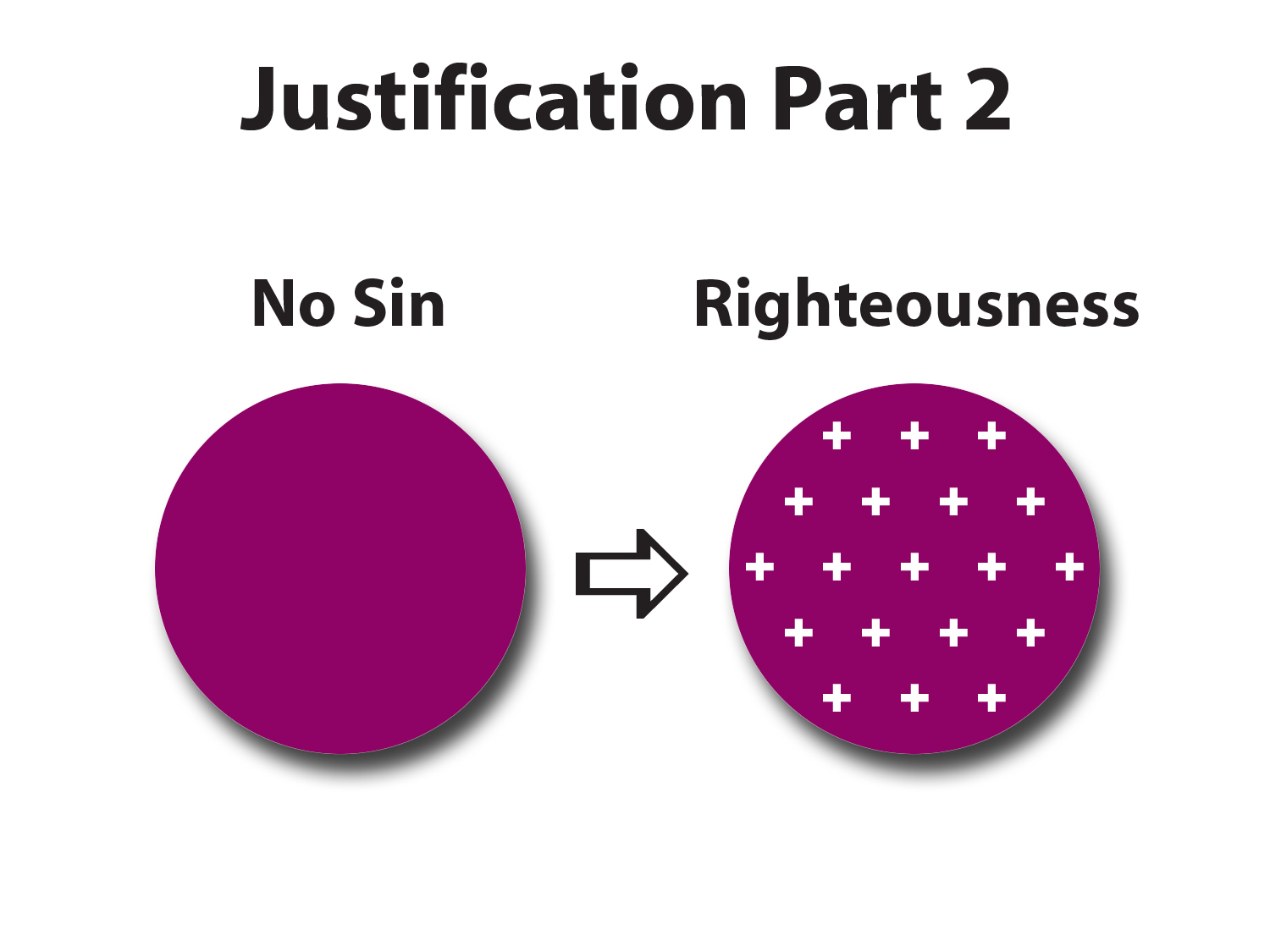
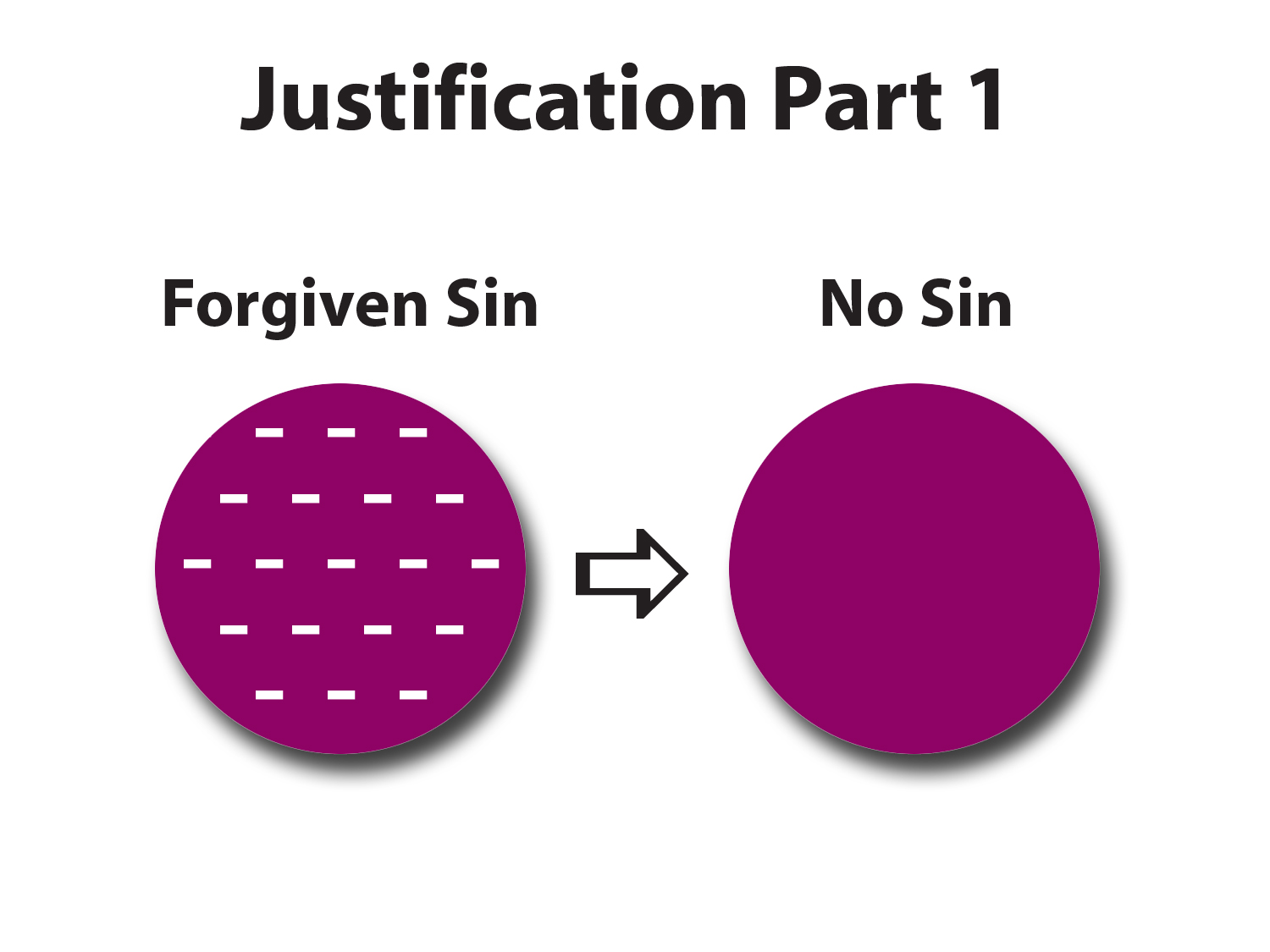
There is a sense in which, as Christians, we relish the idea of redemption. And we should. After all, the overwhelming debt of our sin has been paid for by Christ’s death on the cross. We have been released from our indebtedness and that is good news, because the wages or payment for our sin was our own death. But Jesus Christ became our sin substitute, taking our place on the cross and bearing the righteous wrath of God as our unblemished, sinless sacrifice. As a result, Paul tells us, “we are debtors, not to the flesh” (Romans 8:12 ESV). We have had our debt cancelled. Our sin ledger has been reconciled, and it now shows a zero balance. No sin. Nothing owed. But wait. Even as good as that news is, there is something missing. Our sin debt has been paid, but we need righteousness. Jesus said, “For I tell you, unless your righteousness exceeds that of the scribes and Pharisees, you will never enter the kingdom of heaven” (Matthew 5:20 ESV). The absence of sin is not righteousness. Having our sin debt paid was just part of the equation.

Justification1Justification

Paul gives us the rest of the good news. “For our sake he made him to be sin who knew no sin, so that in him we might become the righteousness of God” (2 Corinthians 5:20 ESV). Earlier in his letter to the Roman believers, Paul states that Jesus “was delivered up for our trespasses and raised for our justification. Therefore, since we have been justified by faith, we have peace with God through our Lord Jesus Christ” (Romans 4:25-5:1 ESV).

You see, in verses 12-14 of Romans, Paul was careful in his sentence structure. He said “we are debtors”, but not to sin. The Greek word he used was opheiletēs and it means “one who owes another, one held by some obligation, bound by some duty”. Yes, we are free from slavery to sin. Our sin debt has been cancelled in full. But we “owe” Christ for our righteousness. He has deposited into our account the righteousness we could never have produced on our own. We are debtors to Christ. And we will never be able to pay Him back for what He has done. But we can live according to the Spirit. We can show our gratitude for all He has done for us by living our lives in obedience to the His Spirit who lives within us. Paul states that it is by the Spirit that we are able to put to death the deeds of the body. We should want to distance ourselves from our old way of life – our sin-controlled, debt-filled life before Christ. We have been given the righteousness of Christ and are therefore, justified in the eyes of God. He sees us as righteous and just. And we owe it all to Jesus.

Earlier in his letter to the Romans, Paul states, “But now that you have been set free from sin and have become slaves of God, the fruit you get leads to sanctification and its end, eternal life” (Romans 6:22 ESV). Peter provides us with a similar admonition. “Live as free people, but do not use your freedom as a cover-up for evil; live as God’s slaves” (1 Peter 2:16 NET). We tend to overlook the fact that God paid a high price for our salvation. He gave His only Son as the payment for our sin. Peter reminds us, “you were ransomed from the futile ways inherited from your forefathers, not with perishable things such as silver or gold, but with the precious blood of Christ, like that of a lamb without blemish or spot” (1 Peter 1:18-19 ESV). Which is exactly why Paul unapologetically tells us, “Or do you not know that your body is a temple of the Holy Spirit within you, whom you have from God? You are not your own, for you were bought with a price. So glorify God in your body” (1 Corinthians 6:19-20 ESV).

We are sons and daughters of God. Not only have our sins been paid for and our debt forgiven, we have been adopted by God and placed into His family because we have had the righteousness of Christ imputed to us. And we have had the Spirit of God placed within us. So we are to live according to our new standing as God’s children, with the help of God’s indwelling Spirit. We are debtors to God. Our lives belong to Him. Our righteousness is not our own, but was made possible because of His Son’s death on the cross in our place. We have eternal life secured for us by virtue of Christ’s sacrificial death. We can’t lose it. We can’t do anything to un-earn it, because we didn’t earn it to begin with. But we can live with a sense of gratitude for all that God has done to make it possible. We can choose to live like children of God and not children of this world. We can choose to live according to the Spirit rather than according to our old sin nature. While we can never repay God for all He has done for us, we can express our appreciation through the way we live our lives.