I Will Love Them No More

15 Every evil of theirs is in Gilgal;
    there I began to hate them.
Because of the wickedness of their deeds
    I will drive them out of my house.
I will love them no more;
    all their princes are rebels.

16 Ephraim is stricken;
    their root is dried up;
    they shall bear no fruit.
Even though they give birth,
    I will put their beloved children to death.
17 My God will reject them
    because they have not listened to him;
    they shall be wanderers among the nations. – Hosea 9:15-17 ESV

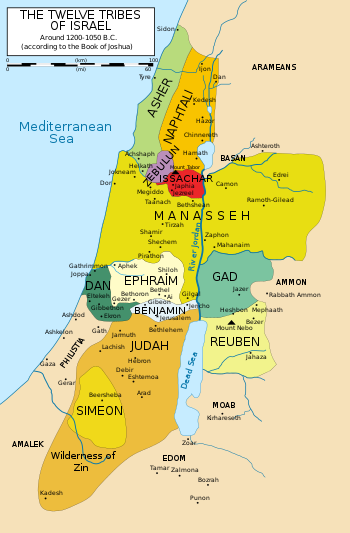
For the second time, Hosea mentions the city of Gilgal. It was located just north of Jericho on the western side of the Jordan River. Back in chapter 4, Hosea warns the southern kingdom of Judah about emulating the sinful behavior of its northern neighbor, Israel.

Though you play the whore, O Israel,
    let not Judah become guilty.
Enter not into Gilgal,
    nor go up to Beth-aven,
    and swear not, “As the Lord lives.”
– Hosea 9:4 ESV

Hosea will bring up the city of Gilgal one more time before closing out his book.

But the people of Gilead are worthless
    because of their idol worship.
And in Gilgal, too, they sacrifice bulls;
    their altars are lined up like the heaps of stone
    along the edges of a plowed field. – Hosea 12:11 NLT

Gilgal was a city that should have held special significance to the people of Israel. It was at Gilgal that Joshua built a stone memorial to commemorate the Israelite’s successful crossing of the Jordan River. God had miraculously divided the waters of the river, allowing the Israelites to pass over on dry ground. Joshua had picked one man from each of the 12 tribes of Israel and commanded them to pick up one large stone from the middle of the river bed and carry it to the western side. When they arrived safely in Canaan, Joshua built the memorial with those stones.  Then he told the people:

“‘They remind us that the Jordan River stopped flowing when the Ark of the Lord’s Covenant went across.’ These stones will stand as a memorial among the people of Israel forever.” – Joshua 4:7 NLT

Gilgal was intended to be a place of memorial, a site of remembrance. It was there that Yahweh proved Himself powerful and faithful to His chosen people – yet again. And Joshua had instructed the Israelites to pass on the meaning of the stone memorial to the succeeding generations.

Then Joshua said to the Israelites, “In the future your children will ask, ‘What do these stones mean?’ Then you can tell them, ‘This is where the Israelites crossed the Jordan on dry ground.’ For the Lord your God dried up the river right before your eyes, and he kept it dry until you were all across, just as he did at the Red Sea when he dried it up until we had all crossed over. He did this so all the nations of the earth might know that the Lord’s hand is powerful, and so you might fear the Lord your God forever.” – Joshua 4:21-24 NLT

But the Israelites had turned Gilgal into one more sacred site for the worship of its false gods. They had forgotten all about the powerful, gracious, and loving God who had rescued them from captivity in Egypt, led them across the wilderness, and provided them with the land of Canaan as their inheritance. The miracle of the crossing of the Jordan River had become a distant memory and their commitment to honor God had long ago been replaced by their infatuation with false gods.

Chapter 5 of the book of Joshua records another important aspect of Gilgal’s history that heightens the Israelites disrespectful actions there. It was Gilgal that Joshua commanded that the next generation of Israelite males be circumcised. The people had been wandering in the wilderness for 40 years, as punishment for their refusal to enter the land when they had first arrived on the shore of the Jordan River.

Those who left Egypt had all been circumcised, but none of those born after the Exodus, during the years in the wilderness, had been circumcised. The Israelites had traveled in the wilderness for forty years until all the men who were old enough to fight in battle when they left Egypt had died. For they had disobeyed the Lord, and the Lord vowed he would not let them enter the land he had sworn to give us—a land flowing with milk and honey.– Joshua 5:5-6 NLT

So, before crossing the Jordan River and entering the land of Canaan, Joshua had ordered the circumcision of all the males who had been born during the 40 year period.

Then the Lord said to Joshua, “Today I have rolled away the shame of your slavery in Egypt.” So that place has been called Gilgal to this day. – Joshua 5:9 NLT

By reinstituting the rite of circumcision, Joshua had faithfully obeyed God’s command and set apart the people of Israel as His chosen possession. This ordinance had been given to Abraham by God more than half a millennium earlier.

Then God said to Abraham, “Your responsibility is to obey the terms of the covenant. You and all your descendants have this continual responsibility. This is the covenant that you and your descendants must keep: Each male among you must be circumcised. You must cut off the flesh of your foreskin as a sign of the covenant between me and you. From generation to generation, every male child must be circumcised on the eighth day after his birth. This applies not only to members of your family but also to the servants born in your household and the foreign-born servants whom you have purchased. All must be circumcised. Your bodies will bear the mark of my everlasting covenant.” – Genesis 17:9-13 NLT

Gilgal should have been a place of memorial. Its very presence should have reminded the people of Israel about their God and the covenant commitment to remain faithful to Him. But they had desecrated this place of remembrance, proving yet again that they had no intentions of honoring their covenant commitments to Yahweh. And God delivers His ultimatum against His chosen people.

“All their wickedness began at Gilgal;
    there I began to hate them.
I will drive them from my land
    because of their evil actions.” – Hosea 9:15 NLT

Gilgal was to have been a place where the people could go and recover the rich heritage of their history. It was intended to be a visual and tangible reminder of God’s grace and power in their lives. They belonged to Him. He had rescued them out of captivity in Egypt and delivered them to the land He had promised to give to Abraham as his inheritance. God had helped them cross the Red Sea on dry ground, so they could leave the land of Egypt. Then He had repeated the very same miracle so they could enter the land of Canaan. He had given them victories over their enemies, including the nearby city of Jericho. He had provided them with kings and prophets, the sacrificial system, and His holy law. It was at Gilgal that they had celebrated their first Passover in the land of promise.

While the Israelites were camped at Gilgal on the plains of Jericho, they celebrated Passover on the evening of the fourteenth day of the first month. – Joshua 5:11 NLT

And from that point forward, the people never had to eat manna again.

The very next day they began to eat unleavened bread and roasted grain harvested from the land. No manna appeared on the day they first ate from the crops of the land, and it was never seen again. So from that time on the Israelites ate from the crops of Canaan. – Joshua 5:11-12 NLT

Yet, the people of Israel had failed to appreciate all that God had done for them. Now, God was warning them that His patience had run out, and He described His change of relationship in startling terms.

I will love them no more…” – Hosea 9:15 NLT

These words do not indicate that God no longer loved the people of Israel. That would require a change in His character, which is immutable and unchanging. But it does indicate that God was no longer going to express His love for them in tangible ways. They would receive no more blessings from His hand. They would enjoy no more of His bounty and provision. He would remove His protection and provision. If they wanted to live as if God did not exist, they would experience exactly what it was like to no longer enjoy His many blessings.

They would learn the painful lesson of what it feels like to live without God in their lives. They would be struck down, dried up, fruitless, and bereaved of their children. The one who had redeemed them would now reject them. Rather than living in the land of promise, they would become homeless wanderers. And all because they had refused to obey their loving, compassionate, and covenant-keeping God.

English Standard Version (ESV) The Holy Bible, English Standard Version. ESV® Permanent Text Edition® (2016). Copyright © 2001 by Crossway Bibles, a publishing ministry of Good News Publishers.

New Living Translation (NLT) Holy Bible, New Living Translation, copyright © 1996, 2004, 2015 by Tyndale House Foundation. Used by permission of Tyndale House Publishers Inc., Carol Stream, Illinois 60188. All rights reserved.

The Message (MSG)Copyright © 1993, 1994, 1995, 1996, 2000, 2001, 2002 by Eugene H. Peterson


Faithlessness Produces Fruitlessness

11 Ephraim’s glory shall fly away like a bird—
    no birth, no pregnancy, no conception!
12 Even if they bring up children,
    I will bereave them till none is left.
Woe to them
    when I depart from them!
13 Ephraim, as I have seen, was like a young palm planted in a meadow;
    but Ephraim must lead his children out to slaughter.
14 Give them, O Lord
    what will you give?
Give them a miscarrying womb
    and dry breasts.– Hosea 9:11-14 ESV

According to God, the glory of Israel was not to be measured by power, possessions, or their place in the global community of nations. They were not to find their identity and worth in their many accomplishments or their ability to accumulate wealth, status, and temporal significance. Their glory was their children, the fruit of their wombs. Even King Solomon, the man who had accumulated for himself great wealth, wisdom, fame, and power, had willingly admitted the intrinsic value of children.

Children are a gift from the Lord;
    they are a reward from him. – Psalm 127:3 NLT

Yet God makes a startling announcement to the stubbornly rebellious people of Israel.

The glory of Israel will fly away like a bird, for your children will not be born or grow in the womb or even be conceived. –Hosea 9:11 NLT

He was informing the Israelites that the greatest gift or reward that He had given them was about to be removed from them. The pending Assyrian invasion of the northern kingdom would result in many Israelites being captured and enslaved. Family members would be separated and transported back to Assyria, never to see one another again. But equally as devastating, those who would be allowed to remain in the land would see the nation’s birth rate drop precipitously. The loss of thousands of able-bodied men due to death in battle or enslavement would have long-term implications. But to fully understand the gravity of God’s pronouncement, one must consider the promise that He had made to Abraham.

“I will surely bless you, and I will surely multiply your offspring as the stars of heaven and as the sand that is on the seashore. And your offspring shall possess the gate of his enemies, and in your offspring shall all the nations of the earth be blessed, because you have obeyed my voice.” – Genesis 22:17-18 ESV

God’s promise to bless Abraham entailed the provision of a multitude of offspring. But it’s important to note that the promise came immediately after Abraham had shown his willingness to obey God’s command to offer up his son, Isaac, as a sacrifice. Abraham and Sarah had waited a long time for the birth of Isaac. They were both advanced in years and she was barren. Yet God had blessed them with a son, through whom He would bring about the creation of a mighty nation. And God kept that promise.

Years later, Jacob, the son of Isaac and the grandson of Abraham would lead his small family into Egypt to seek respite from a famine in the land of Canaan. The book of Exodus states that “All the descendants of Jacob were seventy persons” (Exodus 1:5 ESV) when they arrived in Egypt. Yet, by the time they left some four centuries later, they numbered in the millions. In fact, the book of Exodus goes on to state that “they multiplied so greatly that they became extremely powerful and filled the land” (Exodus 1:7 NLT). During their prolonged stay in the land of Egypt, God had blessed the people of Israel by making them fruitful. And when the Pharaoh attempted to institute a plan that would curtail the prolific birthrate of the Israelites, he failed.

…the Israelites continued to multiply, growing more and more powerful. – Exodus 1:20 NLT

By the time God rescued the nation of Israel from their enslavement in Egypt, their numbers had grown exponentially. When Moses eventually led them out of the land, there were far more than 70 descendants of Jacob in line behind him.

That night the people of Israel left Rameses and started for Succoth. There were about 600,000 men, plus all the women and children. A rabble of non-Israelites went with them, along with great flocks and herds of livestock. – Exodus 12:37-38 NLT

Some 40 years later, the people of Israel would find themselves standing on the eastern shore of the Jordan River, preparing to enter Canaan, the land God had promised to give Abraham’s descendants as their inheritance. And as they looked across the river to their future home, Moses told them:

“…if you faithfully obey the voice of the Lord your God, being careful to do all his commandments that I command you today, the Lord your God will set you high above all the nations of the earth. And all these blessings shall come upon you and overtake you…Blessed shall be the fruit of your womb and the fruit of your ground and the fruit of your cattle, the increase of your herds and the young of your flock.

And the Lord will make you abound in prosperity, in the fruit of your womb and in the fruit of your livestock and in the fruit of your ground…” – Deuteronomy 28:1-2, 4, 11 ESV

Now, centuries after that momentous occasion, Hosea was informing the Israelites that their God-ordained fruitfulness was about to come to an end. As God had faithfully multiplied their numbers, they had simply multiplied their sins. They had taught their children to live in disobedience to Yahweh. And this was exactly what Moses feared they would do. That’s why, long before their ancestors had entered the land of Canaan, Moses had warned them:

“For what great nation has a god as near to them as the LORD our God is near to us whenever we call on him? And what great nation has decrees and regulations as righteous and fair as this body of instructions that I am giving you today?

“But watch out! Be careful never to forget what you yourself have seen. Do not let these memories escape from your mind as long as you live! And be sure to pass them on to your children and grandchildren.” – Deuteronomy 4:7-9 NLT

Moses had made it clear that God expected cross-generational sharing of His commands and a perpetual, intergenerational adherence to His will.

“…you and your children and grandchildren must fear the LORD your God as long as you live.…Listen closely, Israel, and be careful to obey. Then all will go well with you, and you will have many children in the land flowing with milk and honey, just as the LORD, the God of your ancestors, promised you.” – Deuteronomy 6:2, 3 NLT

But they had failed to heed Moses’ warning. And, as a result, each successive generation had become increasingly more apostate and idolatrous. And God had seen enough. He had watched Israel “become as beautiful as Tyre” (Hosea 9:13 NLT). They had enjoyed His many blessings and become prosperous and affluent. But all that was about to end.

“…now Israel will bring out her children for slaughter.” – Hosea 9:13 NLT

Even Hosea is appalled by the stubborn disobedience of the people. Rather than intercede with God and plead that He show them mercy, the prophet asks, “what should I request for your people?” (Hosea 9:14 NLT). And then he answers his own question: “I will ask for wombs that don’t give birth and breasts that give no milk” (Hosea 9:14 NLT). From his perspective, the people of Israel did not deserve to enjoy the fruits of the womb because they had been unwilling to raise up those children to honor and obey God.

For centuries, God had blessed the people of Israel. All the way back to their unpleasant sojourn in the land of Egypt, God had blessed them and made them fruitful. he had multiplied their number and then provided them with a land fully capable of holding and sustaining them. Under the reigns of David and Solomon, God had continued to expand their number and their significance in the region. Israel had become a major player in the middle east. But rather than respond to God’s gift of fruitfulness with faithfulness, the people of Israel had chosen to forsake Him. They had gladly appropriated His many blessings but returned the favor by refusing to honor, obey, and trust Him. Now, their stubbornness was about to result in barrenness.

English Standard Version (ESV) The Holy Bible, English Standard Version. ESV® Permanent Text Edition® (2016). Copyright © 2001 by Crossway Bibles, a publishing ministry of Good News Publishers.

New Living Translation (NLT) Holy Bible, New Living Translation, copyright © 1996, 2004, 2015 by Tyndale House Foundation. Used by permission of Tyndale House Publishers Inc., Carol Stream, Illinois 60188. All rights reserved.

The Message (MSG)Copyright © 1993, 1994, 1995, 1996, 2000, 2001, 2002 by Eugene H. Peterson


The Same Old Sin

The days of punishment have come;
    the days of recompense have come;
    Israel shall know it.
The prophet is a fool;
    the man of the spirit is mad,
because of your great iniquity
    and great hatred.
The prophet is the watchman of Ephraim with my God;
yet a fowler’s snare is on all his ways,
    and hatred in the house of his God.
They have deeply corrupted themselves
    as in the days of Gibeah:
he will remember their iniquity;
    he will punish their sins.

10 Like grapes in the wilderness,
    I found Israel.
Like the first fruit on the fig tree
    in its first season,
    I saw your fathers.
But they came to Baal-peor
    and consecrated themselves to the thing of shame,
    and became detestable like the thing they loved. – Hosea 9:7-10 ESV

Hosea warns the Israelites that the day of their judgment has arrived. God will no longer delay their inevitable destruction. They will now reap what they have sown. They will be repaid in full for their willful rebellion against God. Up until now, the prophets of God and all those who have received a divine revelation from God have been considered as little more than crazy. The NET Bible provides a more accurate translation of verse 7:

The prophet is considered a fool—the inspired man is viewed as a madman…

Despite their repeated warning of pending judgment, the people of Israel had continued to sin with abandon, making it appear as if the prophets and seers were little more than madmen. Their predictions had failed to come to fruition. But that was about to change, in a significant way.

All the prophets, including Hosea, Amos, and even Jonah, had been sent by God to the rebellious nation of Israel, and commissioned to call them to repentance. Yet, Hosea reveals that he and his fellow prophets had met with stiff and sometimes violent resistance.

…yet traps are laid for him along all his paths; animosity rages against him in the land of his God. – Hosea 9:8 NET

Not only had their message been rejected and their ministries resisted, their lives had been threatened by the very ones they had been trying to redeem and restore. And it was all because the spiritual state of the people of Israel had declined to such a low level that they were no longer capable of doing what was right and righteous in the eyes of the Lord. And Hosea paints a starkly bleak picture of the moral decay within Israel, comparing them to the people of Gibeah. This is a reference to a particularly unflattering low-point in the history of God’s people, and it is recorded in the book of Judges with great detail.

Chapter 19 of the book of Judges opens up with an ominous statement that seems to foreshadow what is about to happen.

In those days, when there was no king in Israel – Judges 19:1 ESV

This is the second time this phrase appears in the book of Judges. The first time it is found in chapter 17, where it is joined with another sentence that provides a certain degree of consequence.

In those days there was no king in Israel. Everyone did what was right in his own eyes.
 – Judges 17:6 ESV

In other words, it was a moral free-for-all. But there problem was not that they didn’t have a physical human king. It was that they had refused to let Yahweh be their King. And in the midst of this moral mess, we have the story of a young Levite who had taken for himself a concubine. This priest wasn’t exactly providing the people with a stellar example to follow. But it gets worse. His concubine proved unfaithful and ran away. He chased after her and found her, but as they were making their way back to their hometown of Bethlehem, they decided to stop for the night in the town of Gibeah, which belonged to the tribe of Benjamin. He and his concubine were shown hospitality by an elderly man who happened to be from the tribe of Ephraim and was living in Gibeah temporarily.

While the Levite and his concubine were enjoying a pleasant evening meal with their Ephraimite host, they heard a commotion outside followed by banding on the door.

…behold, the men of the city, worthless fellows, surrounded the house, beating on the door. And they said to the old man, the master of the house, “Bring out the man who came into your house, that we may know him.” – Judges 19:22 NLT

This scene is eerily reminiscent of what happened in the immoral city of Sodom centuries earlier (Genesis 19). The Ephraimite attempted to assuage the perverse lusts of the men of Gibeah by offering them his virgin daughter and the Levite’s concubine. But these men, driven by their wicked desires, refused to accept his offer. Finally, in a desperate attempt to save his own skin, the Levite shoved his concubine out the door and locked it behind her. What happens next is the whole point of Hosea’s reference to this story.

So the man seized his concubine and made her go out to them. And they knew her and abused her all night until the morning. And as the dawn began to break, they let her go. And as morning appeared, the woman came and fell down at the door of the man’s house where her master was, until it was light. – Judges 19:25-26 NLT

The young woman eventually died from the abuse she was forced to endure. And don’t miss the fact that this heart-rending atrocity had been committed by men who were members of the tribe of Benjamin. They were supposedly followers and worshipers of Yahweh. But they did what was right in their own eyes. Which is exactly what Hosea seems to be pointing out about the Israelites in his day.

The things my people do are as depraved
    as what they did in Gibeah long ago.
God will not forget.
    He will surely punish them for their sins. – Hosea 9:9 NLT

How had the Benjamites sunk to such an extreme low? The same thing could be asked about the people of Israel to whom Hosea was delivering this message. And he records God’s description of the shockingly stark transformation that had taken place in the people of God.

“O Israel, when I first found you,
    it was like finding fresh grapes in the desert.
When I saw your ancestors,
    it was like seeing the first ripe figs of the season.
But then they deserted me for Baal-peor,
    giving themselves to that shameful idol.” – Hosea 9:10 NLT

There had been a time when God found delight in the people of Israel. He compares them to finding refreshing grapes in a harsh and inhospitable desert environment. God had looked on them with pride like a farmer seeing his fig trees begin to bear their first fruit of the season. But then, something happened. A change took place that turned their fruitfulness into faithlessness and spiritual barrenness. And it all began at a place called Baal-peor.

The book of Numbers records this life-altering moment in Israel’s history, when the people of Israel “yoked themselves to Baal of Peor” (Numbers 25:5 ESV). They made a fateful and ill-advised decision to commit immoral acts with the pagan women living in the land of Moab. But worse than that, they allowed these women to draw them away from Yahweh by encouraging their worship of the false god, Baan.

While the Israelites were camped at Acacia Grove, some of the men defiled themselves by having sexual relations with local Moabite women. These women invited them to attend sacrifices to their gods, so the Israelites feasted with them and worshiped the gods of Moab. In this way, Israel joined in the worship of Baal of Peor, causing the Lord’s anger to blaze against his people. – Numbers 25:1-3 NLT

Hosea is reaching back into Israel’s sordid past, drawing out embarrassing moments from their history in order to illustrate just how bad things had become. Their immorality and idolatry had reached an all-time low that more than mirrored some of their worst and most condemning sins of the past.

So, as a result, they stood equally guilty and worthy of God’s imminent judgment. Like their ancestors who ended up defiling themselves with the Moabite women and worship Baal, the Israelites in Hosea’s day had become “vile, as vile as the god they worshiped” (Hosea 9:10 NLT).

English Standard Version (ESV) The Holy Bible, English Standard Version. ESV® Permanent Text Edition® (2016). Copyright © 2001 by Crossway Bibles, a publishing ministry of Good News Publishers.

New Living Translation (NLT) Holy Bible, New Living Translation, copyright © 1996, 2004, 2015 by Tyndale House Foundation. Used by permission of Tyndale House Publishers Inc., Carol Stream, Illinois 60188. All rights reserved.

The Message (MSG)Copyright © 1993, 1994, 1995, 1996, 2000, 2001, 2002 by Eugene H. Peterson


The Foolishness of Forsaking God

1 Rejoice not, O Israel!
    Exult not like the peoples;
for you have played the whore, forsaking your God.
    You have loved a prostitute’s wages
    on all threshing floors.
Threshing floor and wine vat shall not feed them,
    and the new wine shall fail them.
They shall not remain in the land of the Lord,
    but Ephraim shall return to Egypt,
    and they shall eat unclean food in Assyria.

They shall not pour drink offerings of wine to the Lord,
    and their sacrifices shall not please him.
It shall be like mourners’ bread to them;
    all who eat of it shall be defiled;
for their bread shall be for their hunger only;
    it shall not come to the house of the Lord.

What will you do on the day of the appointed festival,
    and on the day of the feast of the Lord?
For behold, they are going away from destruction;
    but Egypt shall gather them;
    Memphis shall bury them.
Nettles shall possess their precious things of silver;
    thorns shall be in their tents. Hosea 9:1-6 ESV

In these verses, the prophet Hosea delivers his own stinging criticism of the people of Israel. He warns them not to rejoice prematurely, falsely assuming that they will somehow escape God’s judgment. It is important to recall that, under the reign of King Jeroboam II, they were experiencing an unprecedented time of peace and prosperity. Things were looking up. If they judged their status on circumstances alone, they would wrongly assume that they were in a very good spot, politically, financially, and spiritually. To all appearances, it would seem that their decision to worship the false gods of the pagan nations that surrounded them was actually paying off.

But Hosea warns them against making that faulty assumption. The truth was that God was upset with them and was preparing to rain down judgment on their parade. And Hosea makes sure they understand why God was about to turn their prosperity into poverty and disrupt their peace with a time of confusion and chaos.

…you have been unfaithful to your God,
    hiring yourselves out like prostitutes,
    worshiping other gods on every threshing floor. – Hosea 9:1 NLT

The people of Israel had grown accustomed to bountiful harvests, and they had attributed their fruitfulness to their false gods. Each year, they would offer sacrifices  on the threshing floors as they celebrated the obvious blessings provided by their false gods. Rather than acknowledge the goodness and grace of Yahweh, they robbed Him of glory by attributing His blessings to lifeless idols. So, Hosea warns them that the tap to God’s bounty was about to be turned off.

So now your harvests will be too small to feed you.
    There will be no grapes for making new wine. – Hosea 9:2 NLT

They had forgotten the words of the psalm that had been intended to remind God’s people that He was the source of all blessings, including their annual harvests.

Truth springs up from the earth,
    and righteousness smiles down from heaven.
Yes, the Lord pours down his blessings.
    Our land will yield its bountiful harvest. – Psalm 85:11-12 NLT

In the book that bears his name, James would echo this sentiment by describing God’s gracious provision for all our needs in poetic terms.

Every good and perfect gift is from above, coming down from the Father of the heavenly lights, with whom there is no change or shifting shadow. – James 1:17 BSB

The people of Israel had removed God from the picture. As they enjoyed all the benefits of a bountiful harvest, they neglected to give thanks to the one who had provided it all. And, in doing so, they showed disdain and disrespect for God – a mistake that would cost them dearly.

Centuries earlier, God had warned His chosen people what would happen if they forgot Him. As they stood on the border to the land of Canaan, preparing to enter in and take possession of it, Moses addressed them.

“It is a land of wheat and barley; of grapevines, fig trees, and pomegranates; of olive oil and honey. It is a land where food is plentiful and nothing is lacking. It is a land where iron is as common as stone, and copper is abundant in the hills. When you have eaten your fill, be sure to praise the LORD your God for the good land he has given you.

“But that is the time to be careful! Beware that in your plenty you do not forget the LORD your God and disobey his commands, regulations, and decrees that I am giving you today. For when you have become full and prosperous and have built fine homes to live in, and when your flocks and herds have become very large and your silver and gold have multiplied along with everything else, be careful! Do not become proud at that time and forget the LORD your God…” – Deuteronomy 8:8-14 NLT

And Moses would go on to tell them what would happen if they became proud and forgot the Lord.

“You will plant much but harvest little, for locusts will eat your crops. You will plant vineyards and care for them, but you will not drink the wine or eat the grapes, for worms will destroy the vines. You will grow olive trees throughout your land, but you will never use the olive oil, for the fruit will drop before it ripens. You will have sons and daughters, but you will lose them, for they will be led away into captivity. Swarms of insects will destroy your trees and crops. – Deuteronomy 28:38-42 NLT

Now, Hosea was letting them know that they were about to experience much more than famine, drought, and a drastic drop in their agricultural production. God was going to remove them from the land altogether.

You may no longer stay here in the Lord’s land.
    Instead, you will return to Egypt,
and in Assyria you will eat food
    that is ceremonially unclean. – Hosea 9:3 NLT

This news would have shocked and surprised them because they believed the land to be theirs by right. It had been given to them by God as part of the inheritance He had promised to Abraham. Surely God would not evict His chosen people from their own land. But they were deadly wrong. God had given them ample warning about what would happen if they defiled the land He had so graciously provided. In giving them the land of promise, God had chosen to evict its current inhabitants because of their “detestable sins.” And before they ever set foot in Canaan, God had warned His people about emulating the ways of the pagan nations living in the land.

“Do not defile yourselves in any of these ways, for the people I am driving out before you have defiled themselves in all these ways. Because the entire land has become defiled, I am punishing the people who live there. I will cause the land to vomit them out. You must obey all my decrees and regulations. You must not commit any of these detestable sins.” – Leviticus 18:24-26 NLT

And He went on to tell the Israelites what would happen if they chose to disobey His command.

“All these detestable activities are practiced by the people of the land where I am taking you, and this is how the land has become defiled. So do not defile the land and give it a reason to vomit you out, as it will vomit out the people who live there now.” – Leviticus 18:27-28 NLT

But, once again, the Israelites failed to listen to God’s warning and, as a result, they were about to be vomited out of the land. In a sense, their sinful behavior had sickened the land, causing it to spew them out. It could no longer tolerate their existence. God’s displeasure with them would take the form of their violent discharge from the very land God had promised to Abraham and his descendants. In a sense, the Israelites would be going backwards, returning to the same abysmal condition they had suffered in Egypt generations earlier. But this time, their “Egypt” would be Assyria. And rather than enjoying the bounty of God’s harvest in the land of milk and honey, they would find themselves having to eat food that was forbidden by God, rendering them as further unclean and unacceptable to Him.

They will have no way of receiving forgiveness for their sins because their sacrifices to God will be deemed unclean and unacceptable. They will be relegated to eating this defiled food for mere survival. It will edible but totally ineffectual for relieving the biggest need they faced: Their guilt and condemnation. So, when the annual feast days came around, the people would have nothing to offer to God. Their rejection from the land would prove costly and, ultimately, deadly. They would be destined to die in their sinful state, unforgiven and unable to be restored to a right relationship with their God.

Hosea describes their future as filled filled with unrelenting destruction and eventual death. Their once-beautiful homes will end up overrun by weeds. The treasures they had accumulated through greed and graft, would disappear. Their fate was sealed because they had chosen to forsake the God who had graciously set them apart as His own. Now they would discover what life without God was really like, and it would not be pleasant.

English Standard Version (ESV) The Holy Bible, English Standard Version. ESV® Permanent Text Edition® (2016). Copyright © 2001 by Crossway Bibles, a publishing ministry of Good News Publishers.

New Living Translation (NLT) Holy Bible, New Living Translation, copyright © 1996, 2004, 2015 by Tyndale House Foundation. Used by permission of Tyndale House Publishers Inc., Carol Stream, Illinois 60188. All rights reserved.

The Message (MSG)Copyright © 1993, 1994, 1995, 1996, 2000, 2001, 2002 by Eugene H. Peterson

A Useless Vessel

Israel is swallowed up;
    already they are among the nations
    as a useless vessel.
For they have gone up to Assyria,
    a wild donkey wandering alone;
    Ephraim has hired lovers.
10 Though they hire allies among the nations,
    I will soon gather them up.
And the king and princes shall soon writhe
    because of the tribute.

11 Because Ephraim has multiplied altars for sinning,
    they have become to him altars for sinning.
12 Were I to write for him my laws by the ten thousands,
    they would be regarded as a strange thing.
13 As for my sacrificial offerings,
    they sacrifice meat and eat it,
    but the Lord does not accept them.
Now he will remember their iniquity
    and punish their sins;
    they shall return to Egypt.
14 For Israel has forgotten his Maker
    and built palaces,
and Judah has multiplied fortified cities;
    so I will send a fire upon his cities,
    and it shall devour her strongholds. Hosea 8:8-14 ESV

With these seven verses, God issues some of His harshest words of criticism against the two kingdoms of Israel and Judah. He pulls no punches in delivering His well-deserved indictment against His chosen people because they stand before Him as condemned and worthy of all that is coming their way.

And God doesn’t mince words. He comes right out and predicts their coming defeat and does so by talking in the past tense – as if it has already taken place.

The people of Israel have been swallowed up;
    they lie among the nations like an old discarded pot. – Hosea 8:8 NLT

The English Standard Version translation renders that last phrase as “a useless vessel.” The Hebrew word for “useless” is ḥēp̄eṣ and it can mean “that in which one takes delight or pleasure.” The inference is that Israel was at one time a delight to God, but not longer holds that distinction. The people of Israel had been a valuable instrument in the hands of God but had now been rendered useless or undesirable because of their constant sin. Their constant rebellion against God had turned them from vessels of honor to vessels of dishonor. They were soiled beyond use. And the apostle Paul would later warn the believers in Rome to not repeat the same mistake.

Do not let any part of your body become an instrument of evil to serve sin. Instead, give yourselves completely to God, for you were dead, but now you have new life. So use your whole body as an instrument to do what is right for the glory of God. – Romans 6:13 NLT

Paul, as a good Jew and a former Pharisee, would have known all these Old Testament passages concerning Israel’s loss of standing and usefulness in the eyes of God. That is why he used it as a constant illustration for followers of God in his day. He warned his young protégé Timothy:

In a wealthy home some utensils are made of gold and silver, and some are made of wood and clay. The expensive utensils are used for special occasions, and the cheap ones are for everyday use. If you keep yourself pure, you will be a special utensil for honorable use. Your life will be clean, and you will be ready for the Master to use you for every good work. – 2 Timothy 2:20-21 NLT

Israel and Judah had both forfeited their right to be used by God because they had failed to keep themselves pure. Their value was not to be found in who they were (gold, silver, clay, or wood), but in the One who had set them apart as His own. It was God who gave their lives worthy, whether they were vessels of gold or clay. He had chosen to sanctify or set them apart for His use and glory, but they had used their bodies for something other than what God had intended. And, in doing so, they had rendered themselves useless and worthy of being discarded.

Amazingly, the very nation God was going to use to deliver His judgment against the nation of Israel was the same nation they had turned to for help. Rather than seek the aid of God, they had thrown themselves at the Assyrians, in the hopes that they could deliver them from their enemies. God unflatteringly describes them as “a wild donkey looking for a mate” (Hosea 8:9 NLT). Like an animal in heat, they allowed their physical urges to override their natural instinct to avoid danger. They knew the Assyrians were wicked, cruel, idolatrous, and highly ambitious. They were the up-and-coming would-be world superpower that was throwing its weight around the region. The Assyrians had aspersions of greatness and Israel had been dumb enough to make an alliance with them. Now the Israelites would pay for turning their backs on God and turning to the pagan Assyrians instead.

But this was just one of many ill-conceived alliances that Israel had made. They had a long and abysmal track record for signing treaties with foreign powers. And God describes them as having “sold themselves to many lovers” (Hosea 8:9 NLT). They had become like a prostitute that just can’t say no. But no matter how many peace treaties they had made, they would soon discover that no one was going to be able to save them from the wrath of God Almighty.

I will now gather them together for judgment.
Then they will writhe
    under the burden of the great king. – Hosea 8:10 NLT

God was going to bring King Sennacherib and all the forces of Assyria against His rebellious people. Their former ally would become their destroyer. The prophet Isaiah described with great detail what would happen and why.

…the people will still not repent.
    They will not seek the Lord of Heaven’s Armies.
Therefore, in a single day the Lord will destroy both the head and the tail,
    the noble palm branch and the lowly reed.
The leaders of Israel are the head,
    and the lying prophets are the tail.
For the leaders of the people have misled them.
    They have led them down the path of destruction. – Isaiah 8:13-16 NLT

It was not as if the people of Israel were irreligious. It was that they practiced the wrong religions and worshiped the wrong gods. They had altars all over Israel where they made sacrifices to their false gods in order to receive forgiveness for their sins. But God announces that every time the Israelites used these religious sites they were actually increasing their sin debt to Him.

Israel has built many altars to take away sin,
    but these very altars became places for sinning! – Hosea 8:11 NLT

They were only making matters worse. In worshiping other gods, they were actually breaking the law that God had given them. And God accuses them of acting “as if those laws don’t apply to them” (Hosea 8:12 NLT). In a sense, they had deemed themselves “above the law.”

What is amazing to consider is that the Israelites were still worshiping Yahweh all during this time. They had not completely abandoned Him but had simply added a whole litany of other gods to their religious activities. They had become syncretic, which simply means they had combined a variety of religious practices into one amalgamated concoction that was totally offensive to God.

Even when they offered sacrifices to God, they ended up violating His law to do so. They broke His command to abstain from eating meat that had been sacrificed. Instead, they consumed the meat with total disregard for God’s law. And God had had enough.

The people love to offer sacrifices to me,
    feasting on the meat,
    but I do not accept their sacrifices.
I will hold my people accountable for their sins,
    and I will punish them. – Hosea 8:13 NLT

God warns them that they are about to find themselves reliving the experience of their ancestors. He tells them that “They will return to Egypt” (Hosea 8:13 NLT). This was meant to recall the 400 years of slavery and oppression the Israelites had suffered in the land of Egypt. This generation would soon find themselves in their own “Egypt” but it would actually be the land of Assyria. God makes the clear in chapter 11.

“But since my people refuse to return to me,
    they will return to Egypt
    and will be forced to serve Assyria.” – Hosea 11:5 NLT

Because of their sin and rebellion, the formerly freed and redeemed people of God would become the enslaved people of God. They would reverse the journey of their ancestors, going from the land of promise to the land of captivity.

In the end, both Israel and Judah would be punished by God. They had acted as if God was unnecessary, building fine homes for themselves and constructing fortified cities to provide them with protection from their enemies. God points out these actions as evidence of their self-sufficiency and autonomy. They no longer needed Him. And now there were going to learn what life would be like without Him.

English Standard Version (ESV) The Holy Bible, English Standard Version. ESV® Permanent Text Edition® (2016). Copyright © 2001 by Crossway Bibles, a publishing ministry of Good News Publishers.

New Living Translation (NLT) Holy Bible, New Living Translation, copyright © 1996, 2004, 2015 by Tyndale House Foundation. Used by permission of Tyndale House Publishers Inc., Carol Stream, Illinois 60188. All rights reserved.

The Message (MSG)Copyright © 1993, 1994, 1995, 1996, 2000, 2001, 2002 by Eugene H. Peterson

A Tale Told By An Idiot

1 Set the trumpet to your lips!
    One like a vulture is over the house of the Lord,
because they have transgressed my covenant
    and rebelled against my law.
To me they cry,
    “My God, we—Israel—know you.”
Israel has spurned the good;
    the enemy shall pursue him.

They made kings, but not through me.
    They set up princes, but I knew it not.
With their silver and gold they made idols
    for their own destruction.
I have spurned your calf, O Samaria.
    My anger burns against them.
How long will they be incapable of innocence?
For it is from Israel;
a craftsman made it;
    it is not God.
The calf of Samaria
    shall be broken to pieces.

For they sow the wind,
    and they shall reap the whirlwind.
The standing grain has no heads;
    it shall yield no flour;
if it were to yield,
    strangers would devour it. Hosea 8:1-7 ESV

Israel’s repeated decisions to engage in treaties and alliances with foreign powers produced little more than moral compromise and further idolatry. These agreements provided Israel with a false sense of security that resulted in no real protection from its enemies. If anything, these ill-advised partnerships made Israel weaker by encouraging trust and dependence on something other than Yahweh. These countries offered the promise of assistance in times of trouble but, when the time came, they would always prove unreliable and untrustworthy. They were fairweather friends who profited from their relationship with Israel but had no intentions of putting their own well-being at risk. Like Hosea’s adulterous wife, these nations were prone to sell themselves to the highest bidder, constantly jumping from one relationship to another if it promised to be more profitable.

But Israel continued to place their trust in these unreliable suitors, even choosing to adopt their false gods as their own. And, in chapter eight, God turns His attention to Israel’s ever-present proclivity for idolatry. He commands Hosea to blow the trumpet, signaling the imminent arrival of God’s judgment. The enemy was at the gate. The end was near.

“Sound the alarm!
    The enemy descends like an eagle on the people of the Lord,
for they have broken my covenant
    and revolted against my law. – Hosea 8:1 NLT

These words are reminiscent of those spoken by Moses to the people of Israel as they prepared to enter the land of promise generations earlier. In his last speech to the nation,  Moses warned them to keep their covenant agreement with God and to obey His law. Their successful conquest and settlement of the land of Canaan would be dependent upon their faithful adherence to covenant and Mosaic law. And Moses assured them that obedience would result in the blessings of God.

…if you faithfully obey the voice of the Lord your God, being careful to do all his commandments that I command you today, the Lord your God will set you high above all the nations of the earth. – Deuteronomy 28:1 ESV

But he also warned them that if they chose to disobey, they would suffer the consequences.

The Lord will bring a nation against you from far away, from the end of the earth, swooping down like the eagle, a nation whose language you do not understand, a hard-faced nation who shall not respect the old or show mercy to the young. It shall eat the offspring of your cattle and the fruit of your ground, until you are destroyed; it also shall not leave you grain, wine, or oil, the increase of your herds or the young of your flock, until they have caused you to perish. – Deuteronomy 28:49-51 ESV

Now, the time had come. The eagle was preparing to swoop down on the unsuspecting and defenseless sheep of God’s flock. Israel was about to learn the very painful lesson that God keeps His word. He always does what He says He will do. Unlike Israel’s fickle and unreliable allies, God always followed through on His covenant commitments. And He had clearly articulated what He would do if Israel obeyed and if they chose to disobey.

If you obey the commands of the Lord your God and walk in his ways, the Lord will establish you as his holy people as he swore he would do. Then all the nations of the world will see that you are a people claimed by the Lord, and they will stand in awe of you.” – Deuteronomy 28:8-10 NLT

If you do not serve the Lord your God with joy and enthusiasm for the abundant benefits you have received, you will serve your enemies whom the Lord will send against you. You will be left hungry, thirsty, naked, and lacking in everything. The Lord will put an iron yoke on your neck, oppressing you harshly until he has destroyed you.” – Deuteronomy 28:47-48 NLT

And God knew that, when the trumpet blew and the eagle flew, the people would have a sudden change of heart and begin to call on Him for aid and assistance. Their collective memory would be jogged and they would remember that salvation belongs to the Lord.

“Help us, for you are our God!” – Hosea 8:2 NLT

But it would be too late. They had made habit of rejecting the good things of God, including His covenant and His law. Now, they were going to have to pay for it. The enemy was going to hunt them down, like an eagle chasing its prey. They would run but they would find no place of shelter. They would enjoy no rescue at the hands of their allies. They would experience no miracle of redemption from their false gods. And while they would call out to Yahweh in one last-ditch effort to escape annihilation, their prayers would go unanswered.

And God makes it clear why He will refuse to rescue His people.

“The people have appointed kings without my consent,
    and princes without my approval.
By making idols for themselves from their silver and gold,
    they have brought about their own destruction.” – Hosea 8:4 NLT

They had lived their entire lives as if God was nonexistent. They conducted their civic and sacred lives without giving Yahweh a second thought. The God of Israel had become persona non grata in Israel. So, now they were going to experience what it would be like when the tables were turned – when God refused to acknowledge their existence. They were going to have to rely on the gods they had made with their own hands. They were going to have to trust in the nations with whom they had made their ill-fated treaties. In essence, God was saying, “You’ve made your bed, now lie on it.”

It’s interesting to note that God states His official rejection of the “calf” that Jeroboam had constructed years earlier. When God had split Solomon’s kingdom in two and created the northern kingdom of Israel, its newly appointed king, Jeroboam, had made the ill-advised decision to create his own religion, complete with false gods.

…the king made two gold calves. He said to the people, “It is too much trouble for you to worship in Jerusalem. Look, Israel, these are the gods who brought you out of Egypt!”

He placed these calf idols in Bethel and in Dan—at either end of his kingdom. But this became a great sin, for the people worshiped the idols, traveling as far north as Dan to worship the one there. – 1 Kings 12:28-30 NLT

But why is God choosing to declare His rejection of that idol right now? What took Him so long? It seems quite obvious that God had always disapproved of Jeroboam’s idols but now the time had come to demonstrate the depth of His anger and resentment. He had allowed them to continue to worship their man-made gods for years but now He was going to officially demonstrate His displeasure and disapproval by destroying the nation and its false gods. He had given them ample opportunity to return to Him but they had refused. So, it was time to act.

“They have planted the wind
    and will harvest the whirlwind.” – Hosea 8:7 NLT

This somewhat enigmatic phrase has a rather simple meaning. It follows the idea behind the old adage: You reap what you sow. If a farmer sows grains of wheat, he expects to harvest more wheat in return. But God states that the Israelites had made the decision to sow something of no relative value: Wind. They should have known better. If you sow the wind, you should expect to get more wind in return. Their lives had been marked by futility and vanity. They had pursued worthless objectives and now they were going to reap what they sowed. It is all reminiscent of a statement made by Shakespeare’s character, Macbeth. As he considered the recent death of his wife and the downward trajectory of his life, Macbeth reached the sad conclusion that it had all been nothing more than “a tale told by an idiot, full of sound and fury, signifying nothing.”

And Israel was about to learn that, while they had been busy sowing the wind, they had failed to plant what was profitable and necessary for their survival. They had not sown faithfulness and obedience. So, they would not reap redemption and restoration. And they would soon discover that the truth behind Macbeth’s words.

English Standard Version (ESV) The Holy Bible, English Standard Version. ESV® Permanent Text Edition® (2016). Copyright © 2001 by Crossway Bibles, a publishing ministry of Good News Publishers.

New Living Translation (NLT) Holy Bible, New Living Translation, copyright © 1996, 2004, 2015 by Tyndale House Foundation. Used by permission of Tyndale House Publishers Inc., Carol Stream, Illinois 60188. All rights reserved.

The Message (MSG)Copyright © 1993, 1994, 1995, 1996, 2000, 2001, 2002 by Eugene H. Peterson

No God. No Hope.

Ephraim mixes himself with the peoples;
    Ephraim is a cake not turned.
Strangers devour his strength,
    and he knows it not;
gray hairs are sprinkled upon him,
    and he knows it not.
10 The pride of Israel testifies to his face;
    yet they do not return to the Lord their God,
    nor seek him, for all this.

11 Ephraim is like a dove,
    silly and without sense,
    calling to Egypt, going to Assyria.
12 As they go, I will spread over them my net;
    I will bring them down like birds of the heavens;
    I will discipline them according to the report made to their congregation.
13 Woe to them, for they have strayed from me!
    Destruction to them, for they have rebelled against me!
I would redeem them,
    but they speak lies against me.

14 They do not cry to me from the heart,
    but they wail upon their beds;
for grain and wine they gash themselves;
    they rebel against me.
15 Although I trained and strengthened their arms,
    yet they devise evil against me.
16 They return, but not upward;
    they are like a treacherous bow;
their princes shall fall by the sword
    because of the insolence of their tongue.
This shall be their derision in the land of Egypt. Hosea 7:8-16 ESV

Not only had Israel enjoyed ongoing love affairs with its many false gods, but it had also pursued adulterous relationships with foreign powers. In turning its back on God Almighty, Israel was forced to protect its national security through alliances and treaties with its more powerful neighbors. And none of these agreements had been ordained or approved by Yahweh.

These unsanctioned relationships with pagan powers, intended to strengthen Israel’s position in the region, actually ended up having the opposite effect. Over the years, Israel had embraced the false gods of the surrounding nations, further undermining its relationship with Yahweh. The marriage alliances that the kings of Israel made with other nations did more than provide a questionable peace agreement. The pagan princesses that joined the harems of Israel’s kings ended up bringing their false gods with them. And this practice could be traced all the way back to King Solomon.

Now King Solomon loved many foreign women. Besides Pharaoh’s daughter, he married women from Moab, Ammon, Edom, Sidon, and from among the Hittites. The Lord had clearly instructed the people of Israel, “You must not marry them, because they will turn your hearts to their gods.” Yet Solomon insisted on loving them anyway. He had 700 wives of royal birth and 300 concubines. And in fact, they did turn his heart away from the Lord. – 1 Kings 11:1-3 NLT

The kings of Israel had followed Solomon’s lead, continuing to seek security and safety through these marital alliances with foreign powers. The treaties they made treaties with these godless nations were in direct violation of God’s command that they remain set-apart and distinct. When God had delivered them from their captivity in Egypt and led them to the borders of the land of Canaan, He had warned them:

“I will fix your boundaries from the Red Sea to the Mediterranean Sea, and from the eastern wilderness to the Euphrates River. I will hand over to you the people now living in the land, and you will drive them out ahead of you.

“Make no treaties with them or their gods. They must not live in your land, or they will cause you to sin against me. If you serve their gods, you will be caught in the trap of idolatry.” – Exodus 23:31-33 NLT

Four decades later, when the people were preparing to enter the land of Canaan, Moses reiterated God’s warning.

When the LORD your God hands these nations over to you and you conquer them, you must completely destroy them. Make no treaties with them and show them no mercy. You must not intermarry with them. Do not let your daughters and sons marry their sons and daughters, for they will lead your children away from me to worship other gods. Then the anger of the LORD will burn against you, and he will quickly destroy you. – Deuteronomy 7:2-4 NLT

Yet, hundreds of years after that, Hosea is having to chastise the people of Israel for their complete disregard of God’s command.

The people of Israel mingle with godless foreigners,
    making themselves as worthless as a half-baked cake!
Worshiping foreign gods has sapped their strength,
    but they don’t even know it. – Hosea 7:8-9 NLT

They had compromised their convictions and allowed themselves to be corrupted from within. By opening the doors to these foreign nations and their false gods, Israel had violated God’s command and was now suffering the consequences. But they remained completely oblivious to the danger. It had all taken place slowly and imperceptibly, as the graying of man’s hair as he ages. Time passes, and before you know it, you find yourself old, weak, and incapable of doing the things you did when you were younger.

Yet, in their stubbornness, they refused to call out to the only one who could do anything to rescue them: Yahweh. Despite their growing weakness, their pride remained remarkably strong. They couldn’t bring themselves to repent. It was too much for them to admit that they had been wrong and needed the help of God. So, they kept up their deadly pursuit of false gods and foreign aid. And God can’t help but point out the absurdity of it all.

“The people of Israel have become like silly, witless doves,
    first calling to Egypt, then flying to Assyria for help. – Hosea 7:11 NLT

Israel’s kings and the diplomats who advised them acted like “witless doves,” flitting about from one nation to another, in the hopes of securing assistance in their time of need. But they had no idea what they were doing. They were in dangerous territory, making overtures to countries that would turn on them in an instant. These nations were not to be trusted. They were power-grabbing opportunists who did not have Israel’s best interests in mind. And what Israel failed to understand was that the very nations they were seeking to align themselves with were the same nations God would use as His instruments of judgment against them. Their treaty partners would become their destroyers. Israel’s foreign diplomats could negotiate all the treaties in the world, but nothing was going to save them from the destruction to come.

“But as they fly about,
    I will throw my net over them
and bring them down like a bird from the sky.
    I will punish them for all the evil they do.”  – Hosea 7:12 NLT

And God makes it clear that His pending judgment will be the result of their willful abandonment of Him. They were guilty of spreading lies about Him. The very fact that they were seeking the aid of foreign powers was evidence that they believed He would not or could not protect them. He was not powerful enough. And the ongoing nature of their rebellion would appear to indicate that Yahweh was too weak to punish them. So, they sinned with impunity.

Rather than seek God’s help, “They cut themselves, begging foreign gods for grain and new wine” (Hosea 7:14 NLT). This portrays the cultic practices associated with the worship of the false gods of Canaan. It is reminiscent of the actions of the prophets of Baal who attempted to call on their false god to aid them in their battle with Elijah, the prophet of Yahweh. From morning to Noon, they had called on their god to rain down fire on the altar they had built to him, but nothing had happened. So, Elijah ridiculed and mocked them, saying:

“Cry aloud, for he is a god. Either he is musing, or he is relieving himself, or he is on a journey, or perhaps he is asleep and must be awakened.” And they cried aloud and cut themselves after their custom with swords and lances, until the blood gushed out upon them. And as midday passed, they raved on until the time of the offering of the oblation, but there was no voice. No one answered; no one paid attention. – 1 Kings 18:27-29 NLT

Baal never responded. And the false gods of the Israelites never came to their aid either. But their pride and arrogance will keep them from seeking God. It seems they would rather die than return to Him.

“They look everywhere except to the Most High.
    They are as useless as a crooked bow.
Their leaders will be killed by their enemies
    because of their insolence toward me.
Then the people of Egypt
    will laugh at them.” – Hosea 7:16 NLT

So, God would end up using one of their former treaty partners to serve as His deliverer of judgment. The Assyrians would end up invading Israel, destroying the capital city of Samaria, killing the king, and taking the people captive. And when this devastating event occurred, their former allies would laugh at them with scorn. No one would feel sorry for Israel. No nation would come to their aid. All their treaties and alliances would be for naught. God had longed to redeem them, but they had rejected His gracious offer by refusing to repent of their rebellion and apostasy. And yet, God’s promise of redemption and restoration that He made to King Solomon had never gone away.

“…if my people who are called by my name will humble themselves and pray and seek my face and turn from their wicked ways, I will hear from heaven and will forgive their sins and restore their land.” – 2 Chronicles 7:14 NLT

Their salvation was as close as a prayer of humble repentance.

English Standard Version (ESV) The Holy Bible, English Standard Version. ESV® Permanent Text Edition® (2016). Copyright © 2001 by Crossway Bibles, a publishing ministry of Good News Publishers.

New Living Translation (NLT) Holy Bible, New Living Translation, copyright © 1996, 2004, 2015 by Tyndale House Foundation. Used by permission of Tyndale House Publishers Inc., Carol Stream, Illinois 60188. All rights reserved.

The Message (MSG)Copyright © 1993, 1994, 1995, 1996, 2000, 2001, 2002 by Eugene H. Peterson

Beyond Healing

11 For you also, O Judah, a harvest is appointed.

When I restore the fortunes of my people,

1 when I would heal Israel,

    the iniquity of Ephraim is revealed,
    and the evil deeds of Samaria,
for they deal falsely;
    the thief breaks in,
    and the bandits raid outside.
But they do not consider
    that I remember all their evil.
Now their deeds surround them;
    they are before my face.
By their evil they make the king glad,
    and the princes by their treachery.
They are all adulterers;
    they are like a heated oven
whose baker ceases to stir the fire,
    from the kneading of the dough
    until it is leavened.
On the day of our king, the princes
    became sick with the heat of wine;
    he stretched out his hand with mockers.
For with hearts like an oven they approach their intrigue;
    all night their anger smolders;
    in the morning it blazes like a flaming fire.
All of them are hot as an oven,
    and they devour their rulers.
All their kings have fallen,
    and none of them calls upon me. Hosea 6:11-7:7 ESV

Not all of God’s condemnation was reserved for the ten northern tribes of Israel. He also had more than enough reasons to appoint a “harvest” for the southern kingdom of Judah. In essence, God is warning both nations that they will one day reap what they have sown. Their iniquity will produce a bounty of God’s righteous judgment, and they will end up eating the fruit of their labors. Their years of feasting on faithlessness will be followed by a time of spiritual drought and famine. They will experience leanness of soul.

But even as God reveals His pending judgment, He offers His assurances of future blessing. He speaks of restoring the fortunes of people. That is the desire of His heart, and He will end up doing so for the southern kingdom of Judah. While He will eventually punish them for their sins, sending them into captivity in Babylon, He will also restore them to the land. Because He has plans for them that include the sending of His Son as a descendant of David, born of the tribe of Judah. For that to happen, the tribe of Judah will have to be in existence and living in the land of promise. God will redeem and restore Judah from their exile in Babylon, but not because they deserve it. He will do so because His plan of redemption requires that the Messiah be born of the tribe of Judah and of the seed of David. God would eventually restore the fortunes of rebellious Judah so that He could reconcile sinful mankind to Himself through the Lion of Judah, the Messiah of Israel.

But even as God hints at the hope of restoration for Judah, He confesses that He is unable to offer the same outcome for Israel. While He longs to heal them, He can’t look past the egregious nature of their sin. Everywhere He turns, He is confronted by their wickedness and immorality. From the largest tribe of Ephraim to the capital city of Samaria, the entire nation is filled with iniquity and infected by sin. Their rejection of God had resulted in moral decay and social injustices of all kinds. They were dishonest, uncaring, deceitful, cruel, and completely driven by self-centered motives. In fact, they seem to illustrate the very kind of people Paul warned Timothy about.

…in the last days there will be very difficult times. For people will love only themselves and their money. They will be boastful and proud, scoffing at God, disobedient to their parents, and ungrateful. They will consider nothing sacred. They will be unloving and unforgiving; they will slander others and have no self-control. They will be cruel and hate what is good. They will betray their friends, be reckless, be puffed up with pride, and love pleasure rather than God. They will act religious, but they will reject the power that could make them godly. – 2 Timothy 3:1-5 NLT

And the worst part about Israel’s sinful behavior was that they failed to recognize that could see everything they were doing.

Its people don’t realize
    that I am watching them.
Their sinful deeds are all around them,
    and I see them all. – Hosea 7:2 NLT

They had lived without God for so long that they were no longer aware of His presence or feared His punishment. He was completely out of sight, out of mind. But He was watching. And He was appalled at and incensed by their behavior. But, unlike God, the king of Israel derived a perverse sense of joy in it all.

The people entertain the king with their wickedness,
    and the princes laugh at their lies. – Hosea 7:3 NLT

Those who should have been concerned by the growing wickedness in the land were actually pleased with it. When there is chaos among the people, it provides the government with justification for increasing its power and asserting its authority. A peaceful and well-behaved populace does not require the heavy hand of government. But civil unrest and a breakdown in the moral fabric of society create the perfect environment for the growth of dictatorial rule. Anarchy tends to breed tyranny.

God describes a society that is completely out of control. From the prince in the palace to the peasant in the street, everyone was doing what was right in their own eyes. It was a moral free-for-all, with no one adhering to any sort of standard for justice and righteousness. The signs of ungodliness were everywhere. But that shouldn’t be surprising. When they abandoned God, they also left behind His law. There was nothing to regulate and guide their behavior. They were each operating according to their own moral compass and the outcome was not a pretty picture.

The nation of Israel was marked by literal and spiritual adultery. The upper echelons of society were known for their drunken parties and immoral behavior. God describes their sinful actions like a baker’s oven that is maintained at a constant high temperature, with its fire never going out. Their sinful lifestyle could be “cooked up” at any time, day or night.

Their hearts are like an oven
    blazing with intrigue.
Their plot smolders through the night,
    and in the morning it breaks out like a raging fire. – Hosea 7:6 NLT

They never gave their sin a rest. And a lifestyle of unrepentant sin has a habit of escalating in intensity. It becomes like a fire raging out of control. With no godly means of regulating its sin-prone behavior, mankind is destined to endure a steady downward spiral of moral and spiritual decay. It is exactly what happened after Adam and Eve sinned. Their decision to disobey God led to an immediate collapse in the social fabric of society. One of their sons ending up killing his brother. And before long, the descendants of the first couple had polluted the earth with their wicked and ungodly behavior. So much so, that God decided to destroy all that He had made.

The LORD observed the extent of human wickedness on the earth, and he saw that everything they thought or imagined was consistently and totally evil. So the LORD was sorry he had ever made them and put them on the earth. It broke his heart. And the LORD said, “I will wipe this human race I have created from the face of the earth. Yes, and I will destroy every living thing—all the people, the large animals, the small animals that scurry along the ground, and even the birds of the sky. I am sorry I ever made them.” – Genesis 6:5-7 NLT

And the state of affairs in Israel was no better. The extent of human wickedness in Israel was beyond belief. Everything they thought or imagined was consistently and totally evil. And God points out that their spiritual decline had reached such a low point that the nation had become self-destructive. They were literally annihilating themselves.

Burning like an oven,
    they consume their leaders.
They kill their kings one after another,
    and no one cries to me for help. – Hosea 7:7 NLT

And that last line says it all. In the midst of all the chaos, confusion, societal decay, and moral decadence, no one was bothering to seek God’s help. There was no godly remnant within the society calling out to God in repentance and begging for His intervention. The cancer of sin had spread so deeply that it had left no one free from its influence. The spiritual health of the nation had been completely compromised. They were beyond healing and in need of complete purging.

English Standard Version (ESV) The Holy Bible, English Standard Version. ESV® Permanent Text Edition® (2016). Copyright © 2001 by Crossway Bibles, a publishing ministry of Good News Publishers.

New Living Translation (NLT) Holy Bible, New Living Translation, copyright © 1996, 2004, 2015 by Tyndale House Foundation. Used by permission of Tyndale House Publishers Inc., Carol Stream, Illinois 60188. All rights reserved.

The Message (MSG)Copyright © 1993, 1994, 1995, 1996, 2000, 2001, 2002 by Eugene H. Peterson

What Shall I Do With You?

1 “Come, let us return to the Lord;
    for he has torn us, that he may heal us;
    he has struck us down, and he will bind us up.
After two days he will revive us;
    on the third day he will raise us up,
    that we may live before him.
Let us know; let us press on to know the Lord;
    his going out is sure as the dawn;
he will come to us as the showers,
    as the spring rains that water the earth.”

What shall I do with you, O Ephraim?
    What shall I do with you, O Judah?
Your love is like a morning cloud,
    like the dew that goes early away.
Therefore I have hewn them by the prophets;
    I have slain them by the words of my mouth,
    and my judgment goes forth as the light.
For I desire steadfast love and not sacrifice,
    the knowledge of God rather than burnt offerings.

But like Adam they transgressed the covenant;
    there they dealt faithlessly with me.
Gilead is a city of evildoers,
    tracked with blood.
As robbers lie in wait for a man,
    so the priests band together;
they murder on the way to Shechem;
    they commit villainy.
10 In the house of Israel I have seen a horrible thing;
    Ephraim’s whoredom is there; Israel is defiled. Hosea 6:1-10 ESV

In the opening verses of chapter six, Hosea envisions a highly unlikely scene: The humble and sincere repentance of the rebellious Israelites. It’s unclear what Hosea hoped to accomplish with this description of a contrite and penitent response on the part of the people. Was he attempting to illustrate how his stubborn audience ought to be responding to his messages, or were his words intended to mock their hard-hearted rejection of His message of warning?

From a historical perspective, there is no record of the Israelites ever uttering words of this nature. At no point did they cry out to God, acknowledging their guilt, confessing their sins, and asking for His forgiveness and healing. All the way back before God divided the nation of Israel into two kingdoms, He had allowed King Solomon to build a temple in His honor. This remarkable building in Jerusalem was meant to be the house of God, where the people would come to offer sacrifices and seek His forgiveness for the sins they had committed. And God made a series of promises to the people of Israel confirming His willingness to grace the temple with His name and honor their humble, heartfelt prayers with forgiveness and healing.

“…if my people who are called by my name humble themselves, and pray and seek my face and turn from their wicked ways, then I will hear from heaven and will forgive their sin and heal their land.” – 2 Chronicles 7:14 ESV

Yet, by the time Hosea penned the words of his book, more than 150 years had passed since Solomon had dedicated the temple, and the people of Israel remained stubbornly unrepentant and unwilling to humble themselves before God. And exacerbating their problem was the fact that they no longer had access to the temple in Jerusalem. They had long ago forsaken Yahweh, choosing instead to worship at the shrines and temples dedicated to their false gods.

The scene of a repentant Israel calling out to God is meant to dramatize and accentuate the inexplicable hardness of their hearts. Hosea is portraying what their response ought to be when God brings His judgment against them. They will suffer greatly when God rains down His righteous indignation on them. But they will experience no healing because they will refuse to call out to Him in humble contrition.

Hosea even indicates that when the judgment of God comes, they will view it as short in duration and easily overcome.

In just a short time he will restore us,
    so that we may live in his presence. – Hosea 6:2 NLT

They won’t take His punishment seriously. They’ll end up underestimating the depth of their own depravity and mistakenly assume that any suffering they endure will be quickly remedied by God. Hosea seems to portray their repentance as a bit overconfident, and a bit too self-assured that God will quickly restore them.

He will respond to us as surely as the arrival of dawn
    or the coming of rains in early spring – Hosea 6:3 NLT

But none of this has ever happened. The people of Israel did not return to the Lord. They never did humble themselves before Him and confess their many sins against Him. Even their eventual defeat at the hands of the Assyrians did nothing to break their stubborn refusal to heed His call to repent. The prophet Amos delivered a sobering word from God concerning Israel’s inexplicable refusal to learn anything from the judgment they endured.

“I destroyed some of your cities,
    as I destroyed Sodom and Gomorrah.
Those of you who survived
    were like charred sticks pulled from a fire.
But still you would not return to me,”
    says the Lord. – Amos 4:11 NLT

And, in response, God asks the probing question, “What shall I do with you?” (Hosea 6:4 ESV). He has warned. He has threatened. He has disciples. Yet, they have not yet returned to Him. At no point has Israel or Judah lived out what Hosea described in the first three verses of this chapter.  In the face of all of God’s blessings and despite all of His warnings and past judgments, the people of Israel and Judah remain determined to live in disobedience to His commands. And their failure to faithfully observe His laws was nothing less than an expression of their lack of love for Him.

“…your love vanishes like the morning mist
    and disappears like dew in the sunlight.” – Hosea 6:4 NLT

He had repeatedly sent His prophets with words of warning, “to cut you to pieces—to slaughter you with my words, with judgments as inescapable as light” (Hosea 6:5 NLT), but the people had refused to listen. And God lets them know that what He wanted from them was love, not sacrifices. What He desired most was intimacy, not religious duplicity. He was sick of watching His people go through the motions, offering their meaningless, heartless sacrifices. He was no longer willing to put up with their sanctimonious and hypocritical displays of religious zeal. Mere obedience to His commands was never what God wanted. He desired faithfulness that emanated from the heart. That was something King David knew and understood.

You do not desire a sacrifice, or I would offer one.
    You do not want a burnt offering.
The sacrifice you desire is a broken spirit.
    You will not reject a broken and repentant heart, O God. – Psalm 51:16-17 NLT

And the prophet Isaiah would communicate God’s displeasure with His peoples’ meaningless displays of ritualistic religious fervor. It has never been about the bulls and goats, the blood and smoke, or the pomp and circumstance. It had always been about the heart.

“What makes you think I want all your sacrifices?”
    says the Lord.
“I am sick of your burnt offerings of rams
    and the fat of fattened cattle.
I get no pleasure from the blood
    of bulls and lambs and goats.

“When you come to worship me,
    who asked you to parade through my courts with all your ceremony?
Stop bringing me your meaningless gifts;
    the incense of your offerings disgusts me!

Wash yourselves and be clean!
    Get your sins out of my sight.
    Give up your evil ways.
Learn to do good.
    Seek justice.
Help the oppressed.
    Defend the cause of orphans.
    Fight for the rights of widows.” – Isaiah 1:11-13, 16-17 NLT

But God’s people, following in the footsteps of Adam, had been guilty of breaking their covenant agreement with Him. When God had placed Adam and Eve in the garden, He had surrounded them with beauty and provided them with everything they needed for life, including intimate fellowship with Him. The only condition God placed on the first couple was that they obey one command.

But the Lord God warned him, “You may freely eat the fruit of every tree in the garden—except the tree of the knowledge of good and evil. If you eat its fruit, you are sure to die.” – Genesis 2:16-17 NLT

God had given them every tree of the garden from which to eat. There was only one tree that was off-limits, and that happens to be the one tree they decided they had to have. They disobeyed God’s command and ate of the tree of the knowledge of good and evil. In doing so, they displayed their lack of trust in God. They decided that they knew better than God. He had denied them that one tree and now, they had determined it was the tree they needed most. By eating the fruit of that tree Adam and Eve displayed their doubt of God’s love for them. He was denying them something they deserved and desired. He was withholding what they wanted.

And the Israelites were guilty of the very same thing. They had rejected God’s love and determined to live according to their own rules and standards. So, God described the unflattering outcome of their self-determination and blatant disregard for His love as expressed in His law.

“Gilead is a city of sinners,
    tracked with footprints of blood.
Priests form bands of robbers,
    waiting in ambush for their victims.
They murder travelers along the road to Shechem
    and practice every kind of sin.
Yes, I have seen something horrible in Ephraim and Israel:
    My people are defiled by prostituting themselves with other gods! – Hosea 6:8-10 NLT

It was not a pretty picture. Sin had spread like cancer throughout the nation. No city was remained untouched. Every level of society had been infected, including the priesthood. God describes the people of Israel as practicing every kind of sin. Nothing was left to the imagination. Their idolatry had turned to gross immorality, and the entire land was now diseased and in need of God’s cleansing.

English Standard Version (ESV) The Holy Bible, English Standard Version. ESV® Permanent Text Edition® (2016). Copyright © 2001 by Crossway Bibles, a publishing ministry of Good News Publishers.

New Living Translation (NLT) Holy Bible, New Living Translation, copyright © 1996, 2004, 2015 by Tyndale House Foundation. Used by permission of Tyndale House Publishers Inc., Carol Stream, Illinois 60188. All rights reserved.

The Message (MSG)Copyright © 1993, 1994, 1995, 1996, 2000, 2001, 2002 by Eugene H. Peterson

Repentance Must Precede Restoration

Blow the horn in Gibeah,
    the trumpet in Ramah.
Sound the alarm at Beth-aven;
    we follow you, O Benjamin!
Ephraim shall become a desolation
    in the day of punishment;
among the tribes of Israel
    I make known what is sure.
10 The princes of Judah have become
    like those who move the landmark;
upon them I will pour out
    my wrath like water.
11 Ephraim is oppressed, crushed in judgment,
    because he was determined to go after filth.
12 But I am like a moth to Ephraim,
    and like dry rot to the house of Judah.

13 When Ephraim saw his sickness,
    and Judah his wound,
then Ephraim went to Assyria,
    and sent to the great king.
But he is not able to cure you
    or heal your wound.
14 For I will be like a lion to Ephraim,
    and like a young lion to the house of Judah.
I, even I, will tear and go away;
    I will carry off, and no one shall rescue.

15 I will return again to my place,
    until they acknowledge their guilt and seek my face,
    and in their distress earnestly seek me. Hosea 5:8-15 ESV

Since we’re not Israelites, it’s a bit difficult for us to figure out what is going on in these verses. Hosea begins verse 8 by listing three different cities that most of us know little or nothing about. But they would have had significance to the original readers of his book. Hosea’s mention of them was intended to provide geographic reference points that help establish a context for what follows. Gibeah and Ramah were cities located in the southern kingdom of Judah. Both were just north of the capital city of Jerusalem and not far from the border Judah shared with Israel. Beth-haven was located just across the border in the southern kingdom of Israel. Hosea has purposefully altered the name of this particular town in order to drive home a point. The actual name of the city was Bethel and it had a long, rich history among the descendants of Abraham. In Hebrew, the name Bethel means, “house of God,  but Hosea repeatedly refers to it as Beth-haven, which can be translated as “house of wickedness.”

With this less-than-flattering name change, Hosea is making a powerful statement about the spiritual state of Israel. At one time, Bethel had held a special significance among the descendants of Abraham. They would have been very familiar with the story of Abraham’s call by God, recorded in the book of Genesis. Not long after God had led Abraham to the land of Canaan, He had communicated His promise to make of Abraham a great nation. He also promised to give the entire land of Canaan to Abraham’s offspring. This would have included the land on which Gibeah, Raman, and Bethel sat. Genesis records that, not long after receiving this promise from God, Abraham traveled to Bethel, where he erected an altar to Yahweh.

Then the Lord appeared to Abram and said, “To your offspring I will give this land.” So he built there an altar to the Lord, who had appeared to him. From there he moved to the hill country on the east of Bethel and pitched his tent, with Bethel on the west and Ai on the east. And there he built an altar to the Lord and called upon the name of the Lord. And Abram journeyed on, still going toward the Negeb. – Genesis 12:7-9 ESV

Years later, Abraham’s grandson, Jacob, would have a divinely inspired dream in which God reiterated the very same promise He had communicated to Abraham.

“I am the Lord, the God of Abraham your father and the God of Isaac. The land on which you lie I will give to you and to your offspring. Your offspring shall be like the dust of the earth, and you shall spread abroad to the west and to the east and to the north and to the south, and in you and your offspring shall all the families of the earth be blessed. – Genesis 28:13-14 ESV

And Jacob would respond in awe and wonder at this gracious pronouncement by God.

“Surely the Lord is in this place, and I did not know it.” And he was afraid and said, “How awesome is this place! This is none other than the house of God, and this is the gate of heaven.” – Genesis 28:16-17 ESV

As a result of this remarkable dream and the promise it contained, “He called the name of that place Bethel” (Genesis 28:19 ESV). Jacob set up a sacred pillar to Yahweh, thereby establishing Bethel as a permanent worship site in Israel. Years later, he  returned to that same sight and built an altar to the Lord, renaming it El-Bethel (God of Bethel). At one time, the Ark of the Covenant was kept at there. So, for generations, the Israelites had recognized this site as holy and dedicated to Yahweh. But when the kingdom was divided in half, King Jeroboam deemed Bethel as one of the locations for the worship of his false god. He built a temple there and placed within it one of the golden calf idols he had made.

Bethel sat at the boundary between the tribes of Ephraim and Benjamin and eventually delineated the border between the northern kingdom of Israel and the southern kingdom of Judah. So, when Hosea points out these three cities, he is focusing his attention on the literal heart of Israel. They are each located at the center of the land that God had given to the 12 tribes of Israel.

And Hosea announces that the sound of trumpets would be heard in these three cities. But these would not be trumpets of joy or celebration. They would be the warning signs of coming destruction. The armies of Judah and Israel would be summoned for war, but they would prove ineffective against the enemies that God was bringing against them.

One thing is certain, Israel:
    On your day of punishment,
    you will become a heap of rubble. – Hosea 5:9 NLT

Both nations were guilty and, as a result, both would suffer the consequences for their sin and rebellion.

“The leaders of Judah have become like thieves.
    So I will pour my anger on them like a waterfall.
The people of Israel will be crushed and broken by my judgment
    because they are determined to worship idols.
I will destroy Israel as a moth consumes wool.
    I will make Judah as weak as rotten wood.” – Hosea 5:10-12 NLT

The nations of Judah and Israel had each violated their covenant agreements with God. But they had also violated their covenant agreements with one another. When Moses had allotted each tribe their portion of the land of Canaan, they had agreed to respect the boundaries the God had established for them. But Judah had stolen land that belonged to Benjamin. And ever since the division of the kingdom, Israel had repeatedly invaded and plundered land belonging to the tribe of Judah. By violating God’s commands as communicated through the Mosaic Law, the people of Israel and Judah no longer had a basis for knowing right from wrong.  Everyone did what was right in his own eyes. It was a moral free-for-all.

What’s interesting to note is that, when both nations found themselves suffering God’s judgment for their sin, they attempted to escape it by turning to foreign powers for help. And on of the nations from which they sought assistance was the Assyrians. The kings of Judah and Israel had repeatedly sought salvation from the ruthless and morally corrupt Assyrians, but it had done them no good.

“When Israel and Judah saw how sick they were,
    Israel turned to Assyria—
to the great king there—
    but he could neither help nor cure them. – Hosea 5:13 NLT

False gods and foreign powers were no match for God Almighty. There was no army big enough, no country powerful enough, and no god mighty enough to provide escape from the righteous wrath of God. They could run. They could hide. They could hire help. But in the end, God was going to do exactly what He said He would do.

“I will be like a lion to Israel,
    like a strong young lion to Judah.
    I will tear them to pieces!
I will carry them off,
    and no one will be left to rescue them.” – Hosea 5:14 NLT

And God warns them that they will find Him non-existent and unrelenting in His judgment until they admit their guilt and return to Him in humility and brokenness. This statement reflects the prayer that Solomon prayed at the dedication of the temple in Jerusalem, hundreds of years earlier. Consider the words of his prayer closely.

“If they [Israel] sin against you—and who has never sinned?—you might become angry with them and let their enemies conquer them and take them captive to their land far away or near.  But in that land of exile, they might turn to you in repentance and pray, ‘We have sinned, done evil, and acted wickedly.’ If they turn to you with their whole heart and soul in the land of their enemies and pray toward the land you gave to their ancestors—toward this city you have chosen, and toward this Temple I have built to honor your name—then hear their prayers and their petition from heaven where you live, and uphold their cause. Forgive your people who have sinned against you. Forgive all the offenses they have committed against you. Make their captors merciful to them, for they are your people—your special possession…” – 1 Kings 8:46-51 NLT

As David wrote in one of his psalms, “The sacrifice you desire is a broken spirit. You will not reject a broken and repentant heart, O God” (Psalm 51:17 NLT). God was looking for a heart of humility and repentance from His people. And until they were willing to bow before Him in contrition and confession, they would search for Him in vain.

English Standard Version (ESV) The Holy Bible, English Standard Version. ESV® Permanent Text Edition® (2016). Copyright © 2001 by Crossway Bibles, a publishing ministry of Good News Publishers.

New Living Translation (NLT) Holy Bible, New Living Translation, copyright © 1996, 2004, 2015 by Tyndale House Foundation. Used by permission of Tyndale House Publishers Inc., Carol Stream, Illinois 60188. All rights reserved.

The Message (MSG)Copyright © 1993, 1994, 1995, 1996, 2000, 2001, 2002 by Eugene H. Peterson