God’s Will Would Be Done

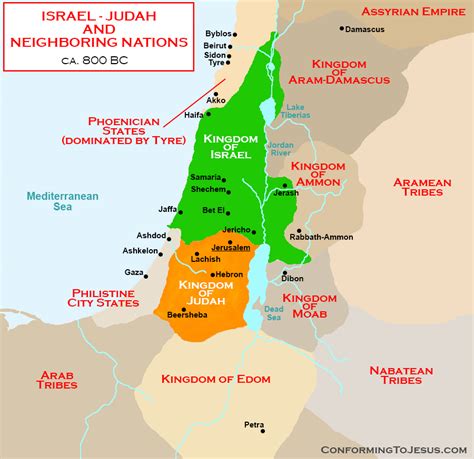
26 Jeroboam the son of Nebat, an Ephraimite of Zeredah, a servant of Solomon, whose mother’s name was Zeruah, a widow, also lifted up his hand against the king. 27 And this was the reason why he lifted up his hand against the king. Solomon built the Millo, and closed up the breach of the city of David his father. 28 The man Jeroboam was very able, and when Solomon saw that the young man was industrious he gave him charge over all the forced labor of the house of Joseph. 29 And at that time, when Jeroboam went out of Jerusalem, the prophet Ahijah the Shilonite found him on the road. Now Ahijah had dressed himself in a new garment, and the two of them were alone in the open country. 30 Then Ahijah laid hold of the new garment that was on him, and tore it into twelve pieces. 31 And he said to Jeroboam, “Take for yourself ten pieces, for thus says the LORD, the God of Israel, ‘Behold, I am about to tear the kingdom from the hand of Solomon and will give you ten tribes 32 (but he shall have one tribe, for the sake of my servant David and for the sake of Jerusalem, the city that I have chosen out of all the tribes of Israel), 33 because they have forsaken me and worshiped Ashtoreth the goddess of the Sidonians, Chemosh the god of Moab, and Milcom the god of the Ammonites, and they have not walked in my ways, doing what is right in my sight and keeping my statutes and my rules, as David his father did. 34 Nevertheless, I will not take the whole kingdom out of his hand, but I will make him ruler all the days of his life, for the sake of David my servant whom I chose, who kept my commandments and my statutes. 35 But I will take the kingdom out of his son’s hand and will give it to you, ten tribes. 36 Yet to his son I will give one tribe, that David my servant may always have a lamp before me in Jerusalem, the city where I have chosen to put my name. 37 And I will take you, and you shall reign over all that your soul desires, and you shall be king over Israel. 38 And if you will listen to all that I command you, and will walk in my ways, and do what is right in my eyes by keeping my statutes and my commandments, as David my servant did, I will be with you and will build you a sure house, as I built for David, and I will give Israel to you. 39 And I will afflict the offspring of David because of this, but not forever.’” 40 Solomon sought therefore to kill Jeroboam. But Jeroboam arose and fled into Egypt, to Shishak king of Egypt, and was in Egypt until the death of Solomon. 1 Kings 11:26-40 ESV

Despite all his wisdom, Solomon had made some serious errors in judgment, not the least of which was his decision to violate many of God’s commands. He had chosen to disobey God by amassing for himself stables full of thousands of horses and a harem filled with a thousand wives and concubines. On top of that, he had filled his treasury with vast quantities of gold and silver — all in direct violation of God’s commands (Deuteronomy 17:16-17).

Solomon had also managed to fulfill all the dire predictions the prophet Samuel had conveyed to the people of Israel when they demanded “a king to judge us like all the other nations have” (1 Samuel 8:5 NLT). Long before David or Solomon reigned over Israel, God had been their sovereign King. But the day came when the people grew tired of being governed by the judges and prophets whom God had placed over them. They preferred to have a leader who looked and acted like the kings of their enemies. In demanding a human king, they actually rejected the righteous rule of God over their lives. So, God gave them their wish but warned them of the consequences.

These will be the ways of the king who will reign over you: he will take your sons and appoint them to his chariots and to be his horsemen and to run before his chariots. And he will appoint for himself commanders of thousands and commanders of fifties, and some to plow his ground and to reap his harvest, and to make his implements of war and the equipment of his chariots. He will take your daughters to be perfumers and cooks and bakersHe will take your male servants and female servants and the best of your young men and your donkeys, and put them to his work. – 1 Samuel 8:11-13, 16 ESV

Solomon was guilty of all of the above. He had conscripted large numbers of his own people to serve as laborers on his many building projects. Solomon had used his power as king to force the people of Israel to do his bidding. There’s little doubt that the citizens of Solomon’s realm grew resentful of the involuntary nature of their role in building his kingdom and fame. Verse 26 introduces a man named Jeroboam, from the tribe of Ephraim, one of the largest of the northern tribes. It just so happened that Jeroboam was the son of one of Solomon’s former officials. At some point, Solomon took note of this young man, whose father had recently died. Recognizing a certain degree of leadership ability in Jeroboam, Solomon decided to put him on his payroll.

Jeroboam was a very capable young man, and when Solomon saw how industrious he was, he put him in charge of the labor force from the tribes of Ephraim and Manasseh, the descendants of Joseph. – 1 Kings 11:28 NLT

But notice that Solomon expected Jeroboam to supervise the laborers who had been conscripted from his own tribe. This unique responsibility exposed Jeroboam to the less-than-ideal conditions under which his fellow tribesmen were forced to serve King Solomon. It should come as no surprise that Jeroboam began to build up resentment over what he observed day after day. This scenario bears a striking resemblance to one involving the famous Hebrew patriarch, Moses. The great deliverer of Israel had been born in Egypt during a time when the people of Israel were suffering great persecution at the hands of Pharaoh, the king of Egypt.

…the Egyptians made the Israelites their slaves. They appointed brutal slave drivers over them, hoping to wear them down with crushing labor. They forced them to build the cities of Pithom and Rameses as supply centers for the king.the Egyptians worked the people of Israel without mercy. They made their lives bitter, forcing them to mix mortar and make bricks and do all the work in the fields. They were ruthless in all their demands. – Exodus 1:11, 13-14 NLT

However, even under these harsh conditions, the people of Israel continued to increase in number, prompting Pharaoh to devise a plan to significantly reduce their numbers.

Then Pharaoh, the king of Egypt, gave this order to the Hebrew midwives, Shiphrah and Puah: “When you help the Hebrew women as they give birth, watch as they deliver. If the baby is a boy, kill him; if it is a girl, let her live.” – Exodus 1:15-16 NLT

He instituted a policy of ethnic cleansing meant to diminish any future possibility of the Israelites staging a revolt. But in the midst of this horrible circumstance, God raised up Israel’s future deliverer. Moses, who was an infant at the time and a target of Pharaoh’s edict, was miraculously spared and ended up being adopted into Pharaoh’s household. He would be raised as an Egyptian, living in the royal palace and enjoying all the benefits of his position as the adopted grandson of Pharaoh. But one day, as an adult, Moses would be given an up-close and personal exposure to the plight of his own people.

Many years later, when Moses had grown up, he went out to visit his own people, the Hebrews, and he saw how hard they were forced to work. During his visit, he saw an Egyptian beating one of his fellow Hebrews. After looking in all directions to make sure no one was watching, Moses killed the Egyptian and hid the body in the sand. – Exodus 2: 11-12 NLT

Despite his high standing in Pharaoh’s household, Moses’ rash action brought down the full wrath of his grandfather. He became a wanted man and was forced to flee for his life, eventually settling as an exile in the land of Midian. It was while living in the wilderness of Midian that Moses had a personal encounter with God and received his commission as Israel’s future deliverer.

Moses had seen the mistreatment of his people and taken matters into his own hands. But God was going to use Moses’ misapplied empathy and compassion in a far more effective way – all so that His divine will might be fulfilled.

In the case of Jeroboam, he was given a similar commission from God. But rather than a visit from God in the form of a burning bush, Jeroboam was confronted by a prophet of God.

One day as Jeroboam was leaving Jerusalem, the prophet Ahijah from Shiloh met him along the way. Ahijah was wearing a new cloak. The two of them were alone in a field, and Ahijah took hold of the new cloak he was wearing and tore it into twelve pieces. Then he said to Jeroboam, “Take ten of these pieces, for this is what the LORD, the God of Israel, says: ‘I am about to tear the kingdom from the hand of Solomon, and I will give ten of the tribes to you!’” – 1 Kings 11:29-31 NLT

Like Moses, Jeroboam received a direct commission from Yahweh. In a sense, he, too, would become a deliverer of his people. God was going to use Jeroboam to deliver the tribe of Ephraim, along with nine other northern tribes, from their subjugation under Solomon’s rule. As Moses was used by God to punish the wicked Egyptians, Jeroboam would become God’s chosen instrument for delivering judgment upon Solomon for his many acts of unfaithfulness and disobedience.

Much to his shock and surprise, Jeroboam was informed that God was going to divide Solomon’s vast kingdom in half and install him as the new king over ten of the tribes. God was painfully specific when delineating His reasons for this dramatic shift in the nation’s fortunes.

“For Solomon has abandoned me and worshiped Ashtoreth, the goddess of the Sidonians; Chemosh, the god of Moab; and Molech, the god of the Ammonites. He has not followed my ways and done what is pleasing in my sight. He has not obeyed my decrees and regulations as David his father did.” – 1 Kings 11:33 NLT

Yet, God also revealed His intentions to allow Solomon to complete his reign over an undivided kingdom. But at Solomon’s death, his son would inherit a kingdom that consisted of a single tribe, that of Judah.

“His son will have one tribe so that the descendants of David my servant will continue to reign, shining like a lamp in Jerusalem, the city I have chosen to be the place for my name.” – 1 Kings 11:36 NLT

Despite Solomon’s unfaithfulness, God remained faithful, vowing to keep the covenant He had made with David. He would preserve a remnant of Solomon’s kingdom so that one day He might fulfill the promise concerning the future king who would reign on David’s throne for perpetuity.

“And your house and your kingdom shall be made sure forever before me. Your throne shall be established forever.” – 2 Samuel 7:16 ESV

God had future plans in store for the rebellious nation of Israel. But for now, He was determined to punish Solomon for his repeated acts of unfaithfulness. He provided Jeroboam with the same arrangements He had made with Solomon. If Jeroboam remained committed to the word and the will of God, he would enjoy God’s blessings.

“I will place you on the throne of Israel, and you will rule over all that your heart desires. If you listen to what I tell you and follow my ways and do whatever I consider to be right, and if you obey my decrees and commands, as my servant David did, then I will always be with you. I will establish an enduring dynasty for you as I did for David, and I will give Israel to you. – 1 Kings 11:37-38 NLT

Because 1 Kings is a book of history, it will just be a matter of time before we know whether Jeroboam lived up to God’s expectations. Yet, regardless of what Solomon had done or whatever Jeroboam would end up doing, God’s will would be done. All His promises would be kept and His plan would be fulfilled in its entirety.

But when Solomon heard about the message spoken by the prophet, he tried to thwart Yahweh’s will. He set out to eliminate any threat by having Jeroboam murdered. But Jeroboam escaped to Egypt, where he remained in exile until the death of Solomon. It’s interesting to note that Moses had fled from Egypt to escape the wrath of Pharaoh. Now, Jeroboam was fleeing to Egypt in an attempt to escape the wrath of Solomon. But, like Moses, Jeroboam would one day return and complete the assignment Yahweh had given him.

English Standard Version (ESV) The Holy Bible, English Standard Version. ESV® Permanent Text Edition® (2016). Copyright © 2001 by Crossway Bibles, a publishing ministry of Good News Publishers.

New Living Translation (NLT) Holy Bible, New Living Translation, copyright © 1996, 2004, 2015 by Tyndale House Foundation. Used by permission of Tyndale House Publishers Inc., Carol Stream, Illinois 60188. All rights reserved.

Sons and Daughters of God

1 The sons of Issachar: Tola, Puah, Jashub, and Shimron, four. The sons of Tola: Uzzi, Rephaiah, Jeriel, Jahmai, Ibsam, and Shemuel, heads of their fathers’ houses, namely of Tola, mighty warriors of their generations, their number in the days of David being 22,600. The son of Uzzi: Izrahiah. And the sons of Izrahiah: Michael, Obadiah, Joel, and Isshiah, all five of them were chief men. And along with them, by their generations, according to their fathers’ houses, were units of the army for war, 36,000, for they had many wives and sons. Their kinsmen belonging to all the clans of Issachar were in all 87,000 mighty warriors, enrolled by genealogy.

The sons of Benjamin: Bela, Becher, and Jediael, three. The sons of Bela: Ezbon, Uzzi, Uzziel, Jerimoth, and Iri, five, heads of fathers’ houses, mighty warriors. And their enrollment by genealogies was 22,034. The sons of Becher: Zemirah, Joash, Eliezer, Elioenai, Omri, Jeremoth, Abijah, Anathoth, and Alemeth. All these were the sons of Becher. And their enrollment by genealogies, according to their generations, as heads of their fathers’ houses, mighty warriors, was 20,200. 10 The son of Jediael: Bilhan. And the sons of Bilhan: Jeush, Benjamin, Ehud, Chenaanah, Zethan, Tarshish, and Ahishahar. 11 All these were the sons of Jediael according to the heads of their fathers’ houses, mighty warriors, 17,200, able to go to war. 12 And Shuppim and Huppim were the sons of Ir, Hushim the son of Aher.

13 The sons of Naphtali: Jahziel, Guni, Jezer and Shallum, the descendants of Bilhah.

14 The sons of Manasseh: Asriel, whom his Aramean concubine bore; she bore Machir the father of Gilead. 15 And Machir took a wife for Huppim and for Shuppim. The name of his sister was Maacah. And the name of the second was Zelophehad, and Zelophehad had daughters. 16 And Maacah the wife of Machir bore a son, and she called his name Peresh; and the name of his brother was Sheresh; and his sons were Ulam and Rakem. 17 The son of Ulam: Bedan. These were the sons of Gilead the son of Machir, son of Manasseh. 18 And his sister Hammolecheth bore Ishhod, Abiezer, and Mahlah. 19 The sons of Shemida were Ahian, Shechem, Likhi, and Aniam.

20 The sons of Ephraim: Shuthelah, and Bered his son, Tahath his son, Eleadah his son, Tahath his son, 21 Zabad his son, Shuthelah his son, and Ezer and Elead, whom the men of Gath who were born in the land killed, because they came down to raid their livestock. 22 And Ephraim their father mourned many days, and his brothers came to comfort him. 23 And Ephraim went in to his wife, and she conceived and bore a son. And he called his name Beriah, because disaster had befallen his house. 24 His daughter was Sheerah, who built both Lower and Upper Beth-horon, and Uzzen-sheerah. 25 Rephah was his son, Resheph his son, Telah his son, Tahan his son, 26 Ladan his son, Ammihud his son, Elishama his son, 27 Nun his son, Joshua his son. 28 Their possessions and settlements were Bethel and its towns, and to the east Naaran, and to the west Gezer and its towns, Shechem and its towns, and Ayyah and its towns; 29 also in possession of the Manassites, Beth-shean and its towns, Taanach and its towns, Megiddo and its towns, Dor and its towns. In these lived the sons of Joseph the son of Israel.

30 The sons of Asher: Imnah, Ishvah, Ishvi, Beriah, and their sister Serah. 31 The sons of Beriah: Heber, and Malchiel, who fathered Birzaith. 32 Heber fathered Japhlet, Shomer, Hotham, and their sister Shua. 33 The sons of Japhlet: Pasach, Bimhal, and Ashvath. These are the sons of Japhlet. 34 The sons of Shemer his brother: Rohgah, Jehubbah, and Aram. 35 The sons of Helem his brother: Zophah, Imna, Shelesh, and Amal. 36 The sons of Zophah: Suah, Harnepher, Shual, Beri, Imrah. 37 Bezer, Hod, Shamma, Shilshah, Ithran, and Beera. 38 The sons of Jether: Jephunneh, Pispa, and Ara. 39 The sons of Ulla: Arah, Hanniel, and Rizia. 40 All of these were men of Asher, heads of fathers’ houses, approved, mighty warriors, chiefs of the princes. Their number enrolled by genealogies, for service in war, was 26,000 men. – 1 Chronicles 7:1-40 ESV

As the chronicler nears the end of his lengthy genealogical record, he provides details concerning some of the remaining tribes of Israel. For his original audience, the various lists of names served an important purpose; it was their link to the past to remind them of their heritage as sons and daughters of God. They were the chosen ones, descended from Abraham, Isaac, and Jacob, and each of them could trace their roots back to one of the sons of Jacob. Surrounded by the uncertainty of their new life in Judah, these recently transplanted exiles would desperately cling to this lifeline to the past to give them hope. In a way, they must have felt like strangers in a strange land but, in reading these genealogical records, they were reminded that they belonged. This was their home. They were God’s people. And the inheritance promised to Abraham was rightfully theirs.

In this chapter, the author covers the lines of Issachar, Benjamin, Naphtali, Manasseh, Ephraim, and Asher, but he leaves out the tribes of Dan and Zebulun. No reason is given for their absence, but because the author has already included the tribe of Levi and dealt with the two halves of the tribe of Manasseh separately, it appears that he wanted to keep the number of tribes at 12. Including Dan and Zebulun would have given the impression that there were 14 tribes. It seems that it was more important to the writer to maintain a total of 12 tribes than to worry about which ones were left out or included.

But the chronicler gave special emphasis to the tribes of Judah and Benjamin. The tribe of Benjamin is covered in verses 6-12 of chapter 7 and all of chapter 8. Judah is also given more extensive coverage. His focus on these two tribes is most likely linked to their role in providing Israel with its first two kings. Saul, who served as the first king of Israel, was Benjamite, while David hailed from the tribe of Judah.

There was a time when the people of Israel had been ruled by judges whom God appointed over them. The last of these was a man named Samuel, who was also a prophet of God. When he grew old, the people of Israel feared that he would appoint one of his wicked sons to serve in his place. So, they declared their demands for a king.

“Behold, you are old and your sons do not walk in your ways. Now appoint for us a king to judge us like all the nations.” – 1 Samuel 8:5 ESV

While this request angered Samuel, God decided to give them exactly what they wanted. He even warned them how things would turn out if they got a king like all the other nations (1 Samuel 5:10-18). But the people ignored God’s warning and Saul became their first king. In time, the people discovered that God had been right. Saul proved to be a bad king and was eventually replaced by David, whom God declared to be a man after His own heart. So, for their role in giving Israel its first two kings, the tribes of Benjamin and Judah were given more significant coverage.

But it seems that the chronicler is going out of his way to emphasize that God is the God of all the tribes of Israel. They had all been returned by God from exile in Babylon to the land of promise. Every person who read this account could trace back his lineage to one of these tribes. They could relate to the history of Saul and David. They all shared the same covenant-keeping God. God had a plan for all of Israel, not just Judah, but He was going to use Judah to establish His kingdom – in the future. From the tribe of Judah would come the Messiah.

By providing the lengthy genealogies, the writer is reminding the people of Israel of their significance in the world. They have a rich heritage and are each descendants of Abraham, and, as such, are the chosen people of God. This fact could have easily been forgotten after spending 70 years in exile. So God reminds them of who they are and from whence they have come. He has returned them to the land, and while things might not look so good at the moment, He is far from done.

As Christ-followers we too can easily forget our rich heritage. We are sons of God and joint heirs with Jesus Christ. But, like the Israelites, we find ourselves living like strangers in a strange land. When we lose our identity as God’s people, we can end up compromising our convictions and growing complacent and far too comfortable with the world. Rather than maintaining our God-given distinctiveness, we adopt and adapt the ways of this world. But the apostle John warns us to avoid this love affair with the world.

Do not love this world nor the things it offers you, for when you love the world, you do not have the love of the Father in you. For the world offers only a craving for physical pleasure, a craving for everything we see, and pride in our achievements and possessions. These are not from the Father, but are from this world. And this world is fading away, along with everything that people crave. But anyone who does what pleases God will live forever. – 1 John 2:15-17 NLT

Paul provides us with a similar admonition.

Don’t copy the behavior and customs of this world, but let God transform you into a new person by changing the way you think. Then you will learn to know God’s will for you, which is good and pleasing and perfect. – Romans 12:2 NLT

Not to be outdone, James adds his own warning against growing comfortable with the world.

Don’t you realize that friendship with the world makes you an enemy of God? I say it again: If you want to be a friend of the world, you make yourself an enemy of God. – James 4:4 NLT

The 12 tribes of Israel were expected to recall their ancestry and remember their calling as God’s chosen people. Seventy years of exile had done nothing to diminish their unique status as children of God. Their bloodline determined their heritage and their inheritance. Many of those who returned from exile had been born in Babylon, but God wanted them to know that they were still sons and daughters of Abraham, and as such, they were heirs of the promise.

We too are heirs of a rich heritage and bear the distinction of being God’s chosen people. But we must constantly remind ourselves what Jesus said: “You are no longer part of the world. I chose you to come out of the world” (John 15:19 NLT). We are God’s sons and daughters and are citizens of a different Kingdom.

…our citizenship is in heaven, and from it we await a Savior, the Lord Jesus Christ. – Philippians 3:20 ESV

We may find these lengthy genealogical lists difficult to read and even harder to apply, but they should remind us of our unique status as God’s people and His desire that we live out our new identity with confidence and hope in His eternal promises. Peter provides us with a powerful reminder of our one-of-a-kind status as Kingdom citizens.

…you are a chosen people. You are royal priests, a holy nation, God’s very own possession. As a result, you can show others the goodness of God, for he called you out of the darkness into his wonderful light.

“Once you had no identity as a people;
    now you are God’s people.
Once you received no mercy;
    now you have received God’s mercy.”

Dear friends, I warn you as “temporary residents and foreigners” to keep away from worldly desires that wage war against your very souls. Be careful to live properly among your unbelieving neighbors. Then even if they accuse you of doing wrong, they will see your honorable behavior, and they will give honor to God when he judges the world. – 1 Peter 2:9-12 NLT

English Standard Version (ESV)
The Holy Bible, English Standard Version. ESV® Permanent Text Edition® (2016). Copyright © 2001 by Crossway Bibles, a publishing ministry of Good News Publishers.

New Living Translation (NLT)
Holy Bible, New Living Translation, copyright © 1996, 2004, 2015 by Tyndale House Foundation. Used by permission of Tyndale House Publishers Inc., Carol Stream, Illinois 60188. All rights reserved.

Zealous for God

1 After the plague, the Lord said to Moses and to Eleazar the son of Aaron, the priest, “Take a census of all the congregation of the people of Israel, from twenty years old and upward, by their fathers’ houses, all in Israel who are able to go to war.” And Moses and Eleazar the priest spoke with them in the plains of Moab by the Jordan at Jericho, saying, “Take a census of the people, from twenty years old and upward,” as the Lord commanded Moses. The people of Israel who came out of the land of Egypt were:

Reuben, the firstborn of Israel; the sons of Reuben: of Hanoch, the clan of the Hanochites; of Pallu, the clan of the Palluites; of Hezron, the clan of the Hezronites; of Carmi, the clan of the Carmites. These are the clans of the Reubenites, and those listed were 43,730. And the sons of Pallu: Eliab. The sons of Eliab: Nemuel, Dathan, and Abiram. These are the Dathan and Abiram, chosen from the congregation, who contended against Moses and Aaron in the company of Korah, when they contended against the Lord 10 and the earth opened its mouth and swallowed them up together with Korah, when that company died, when the fire devoured 250 men, and they became a warning. 11 But the sons of Korah did not die.

12 The sons of Simeon according to their clans: of Nemuel, the clan of the Nemuelites; of Jamin, the clan of the Jaminites; of Jachin, the clan of the Jachinites; 13 of Zerah, the clan of the Zerahites; of Shaul, the clan of the Shaulites. 14 These are the clans of the Simeonites, 22,200.

15 The sons of Gad according to their clans: of Zephon, the clan of the Zephonites; of Haggi, the clan of the Haggites; of Shuni, the clan of the Shunites; 16 of Ozni, the clan of the Oznites; of Eri, the clan of the Erites; 17 of Arod, the clan of the Arodites; of Areli, the clan of the Arelites. 18 These are the clans of the sons of Gad as they were listed, 40,500.

19 The sons of Judah were Er and Onan; and Er and Onan died in the land of Canaan. 20 And the sons of Judah according to their clans were: of Shelah, the clan of the Shelanites; of Perez, the clan of the Perezites; of Zerah, the clan of the Zerahites. 21 And the sons of Perez were: of Hezron, the clan of the Hezronites; of Hamul, the clan of the Hamulites. 22 These are the clans of Judah as they were listed, 76,500.

23 The sons of Issachar according to their clans: of Tola, the clan of the Tolaites; of Puvah, the sclan of the Punites; 24 of Jashub, the clan of the Jashubites; of Shimron, the clan of the Shimronites. 25 These are the clans of Issachar as they were listed, 64,300.

26 The sons of Zebulun, according to their clans: of Sered, the clan of the Seredites; of Elon, the clan of the Elonites; of Jahleel, the clan of the Jahleelites. 27 These are the clans of the Zebulunites as they were listed, 60,500.

28 The sons of Joseph according to their clans: Manasseh and Ephraim. 29 The sons of Manasseh: of Machir, the clan of the Machirites; and Machir was the father of Gilead; of Gilead, the clan of the Gileadites. 30 These are the sons of Gilead: of Iezer, the clan of the Iezerites; of Helek, the clan of the Helekites; 31 and of Asriel, the clan of the Asrielites; and of Shechem, the clan of the Shechemites; 32 and of Shemida, the clan of the Shemidaites; and of Hepher, the clan of the Hepherites. 33 Now Zelophehad the son of Hepher had no sons, but daughters. And the names of the daughters of Zelophehad were Mahlah, Noah, Hoglah, Milcah, and Tirzah. 34 These are the clans of Manasseh, and those listed were 52,700.

35 These are the sons of Ephraim according to their clans: of Shuthelah, the clan of the Shuthelahites; of Becher, the clan of the Becherites; of Tahan, the clan of the Tahanites. 36 And these are the sons of Shuthelah: of Eran, the clan of the Eranites. 37 These are the clans of the sons of Ephraim as they were listed, 32,500. These are the sons of Joseph according to their clans.

38 The sons of Benjamin according to their clans: of Bela, the clan of the Belaites; of Ashbel, the clan of the Ashbelites; of Ahiram, the clan of the Ahiramites; 39 of Shephupham, the clan of the Shuphamites; of Hupham, the clan of the Huphamites. 40 And the sons of Bela were Ard and Naaman: of Ard, the clan of the Ardites; of Naaman, the clan of the Naamites. 41 These are the sons of Benjamin according to their clans, and those listed were 45,600.

42 These are the sons of Dan according to their clans: of Shuham, the clan of the Shuhamites. These are the clans of Dan according to their clans. 43 All the clans of the Shuhamites, as they were listed, were 64,400.

44 The sons of Asher according to their clans: of Imnah, the clan of the Imnites; of Ishvi, the clan of the Ishvites; of Beriah, the clan of the Beriites. 45 Of the sons of Beriah: of Heber, the clan of the Heberites; of Malchiel, the clan of the Malchielites. 46 And the name of the daughter of Asher was Serah. 47 These are the clans of the sons of Asher as they were listed, 53,400.

48 The sons of Naphtali according to their clans: of Jahzeel, the clan of the Jahzeelites; of Guni, the clan of the Gunites; 49 of Jezer, the clan of the Jezerites; of Shillem, the clan of the Shillemites. 50 These are the clans of Naphtali according to their clans, and those listed were 45,400.

51 This was the list of the people of Israel, 601,730. Numbers 26:1-51 ESV

Chapter 25 of the book of Numbers contains a watershed moment. It details a pivotal point in the lives of the Israelites and in their relationship with God. They stood on the brink of the Promised Land, after 40 years of wandering in the wilderness – their punishment for having doubted God and having listened to the negative report of the spies (Numbers 14:26-31). They were poised to enter the land of promise after years of wandering and waiting. God had just ordained a blessing on their behalf out of the mouth of Balaam, who had been hired to curse them Numbers 24). And while all this was happening, the people were busy aligning themselves with the daughters of Moab. The Expositors Bible Commentary has this to say about this important point in time:

The issue is that of apostasy from the Lord by participation in the debased, sexually centered Canaanite religious rites of Baal worship—that which would become the bane of Israel’s experience in the land. This chapter is an end and a beginning. It marks the end of the first generation; it also points to the beginning of a whole new series of wicked acts that will finally lead to Israel’s punishment…

The whole scene is reminiscent of what happened when the Law was given to Moses on Mount Sinai. While God was blessing them with the giving of the Law, the people were busy creating a golden calf that they could worship. In other words, they were turning away from God and choosing to replace Him with a god of their own making.

And Numbers 25 reveals the people of Israel doing the same thing all over again. Verse two makes it clear that this was not just about sex, it was about religion.

It started when the women invited the men to their sex-and-religion worship. They ate together and then worshiped their gods. – Numbers 25:2 NLT

Rather than remain set apart as God had commanded, the people were intimately joining themselves with the people of the land. They were violating the commands of God just so they could enjoy the sensual and sexual pleasures all around them, and the people likely justified their actions.

We’re just trying to fit in!” some probably said. “We’re just being ecumenical!” others claimed. “We don’t want to be judgmental,” a few might have suggested. Rationalization reigned and the people brought dishonor to the name of God. So God brought a plague on them. He ordered the execution of all those who led this rebellion against His authority. But this thing was so out of hand that one of the Israelites had the audacity to bring one of the Midianite women into camp, right in front of Moses and the people as they wept in front of the Tabernacle. He took her straight into his tent. No shame. No remorse. He was totally controlled by his sensual desires.

But one man took action. His name was Phinehas. Spear in hand, Phinehas followed the man into his tent and executed him and his Midianite accomplice. His actions halted the plague that God had sent on the people. And God acknowledges that it was the actions of this one man that spared the lives of the people of Israel. “Phinehas son of Eleazar and grandson of Aaron the priest has turned my anger away from the Israelites by displaying passionate zeal among them on my behalf. So I have stopped destroying all Israel as I had intended to do in my anger” (Numbers 25:11 NLT).

Phinehas was motivated by a passionate zeal for God. He was not going to let the name of God get dragged through the mud. The literal translation is “he was zealous with my zeal.”

The emphasis on zeal is meant to stress his passion. The word “zeal” means a “passionate intensity to protect or preserve divine or social institutions.” Phinehas didn’t just stand by and watch, he acted. He couldn’t contain himself, and the Israelites are fortunate he was unable to restrain his actions because it was his quick response that saved their lives. That one man’s actions made a life-and-death difference for the whole community.

That sets up the events of chapter 26. After the plague eliminated 24,000 of the Israelites, God ordered Moses to take a census of the people.

“From the whole community of Israel, record the names of all the warriors by their families. List all the men twenty years old or older who are able to go to war.” – Numbers 26:2 NLT

God was preparing them to cross the border and begin their conquest of the land of Canaan. But he wanted them to know just how many warriors they had to work with. So, Moses and Eleazar canvassed each tribe to determine the size of Israel’s fighting force and the number came to 601,730 men. And it would appear that, because of the plague, that number was far less than it had been. It’s impossible to know if all 24,000 who died as a result of the plague had been males older than 20 years of age. But it seems likely that a good portion of the deceased would have been eligible for combat.

Yet, despite the disobedience of the people and the devastating results of the plague, God was providing Moses and Eleazar with the assurance they needed to move forward. If God could conquer the enemy of apostasy with the help of one man, He could certainly deliver the land of Canaan into the hands of the Israelites with more than 600,000 men.

But as will become clear, there was more to this census than determining the size of Israel’s army. These numbers would be used to determine the land allotment once the people entered Canaan. God had increased the number of Israelites dramatically since the day, more than 400 years earlier, when Jacob and his 70 family members had fled to Egypt to escape the famine in Canaan. God had kept His promise to Abraham and created a great nation from his son, Isaac. Now, that nation stood poised and prepared to take possession of their inheritance. More than 600,000 strong, they were a formidable force, and, with God’s help, they would conquer and dispossess all those godless nations that had taken up residence in the land of promise. But like Phinehas, they would need to display a zeal for the Lord and a willingness to obey His commands. If they did, nothing would be impossible for them.

English Standard Version (ESV) The Holy Bible, English Standard Version. ESV® Permanent Text Edition® (2016). Copyright © 2001

New Living Translation (NLT) Holy Bible, New Living Translation, copyright © 1996, 2004, 2015 by Tyndale House Foundation. Used by permission of Tyndale House Publishers Inc., Carol Stream, Illinois 60188. All rights reserved.

Giving For God’s Glory

12 He who offered his offering the first day was Nahshon the son of Amminadab, of the tribe of Judah. 13 And his offering was one silver plate whose weight was 130 shekels, one silver basin of 70 shekels, according to the shekel of the sanctuary, both of them full of fine flour mixed with oil for a grain offering; 14 one golden dish of 10 shekels, full of incense; 15 one bull from the herd, one ram, one male lamb a year old, for a burnt offering; 16 one male goat for a sin offering; 17 and for the sacrifice of peace offerings, two oxen, five rams, five male goats, and five male lambs a year old. This was the offering of Nahshon the son of Amminadab.

18 On the second day Nethanel the son of Zuar, the chief of Issachar, made an offering. 19 He offered for his offering one silver plate whose weight was 130 shekels, one silver basin of 70 shekels, according to the shekel of the sanctuary, both of them full of fine flour mixed with oil for a grain offering; 20 one golden dish of 10 shekels, full of incense; 21 one bull from the herd, one ram, one male lamb a year old, for a burnt offering; 22 one male goat for a sin offering; 23 and for the sacrifice of peace offerings, two oxen, five rams, five male goats, and five male lambs a year old. This was the offering of Nethanel the son of Zuar.

24 On the third day Eliab the son of Helon, the chief of the people of Zebulun: 25 his offering was one silver plate whose weight was 130 shekels, one silver basin of 70 shekels, according to the shekel of the sanctuary, both of them full of fine flour mixed with oil for a grain offering; 26 one golden dish of 10 shekels, full of incense; 27 one bull from the herd, one ram, one male lamb a year old, for a burnt offering; 28 one male goat for a sin offering; 29 and for the sacrifice of peace offerings, two oxen, five rams, five male goats, and five male lambs a year old. This was the offering of Eliab the son of Helon.

30 On the fourth day Elizur the son of Shedeur, the chief of the people of Reuben: 31 his offering was one silver plate whose weight was 130 shekels, one silver basin of 70 shekels, according to the shekel of the sanctuary, both of them full of fine flour mixed with oil for a grain offering; 32 one golden dish of 10 shekels, full of incense; 33 one bull from the herd, one ram, one male lamb a year old, for a burnt offering; 34 one male goat for a sin offering; 35 and for the sacrifice of peace offerings, two oxen, five rams, five male goats, and five male lambs a year old. This was the offering of Elizur the son of Shedeur.

36 On the fifth day Shelumiel the son of Zurishaddai, the chief of the people of Simeon: 37 his offering was one silver plate whose weight was 130 shekels, one silver basin of 70 shekels, according to the shekel of the sanctuary, both of them full of fine flour mixed with oil for a grain offering; 38 one golden dish of 10 shekels, full of incense; 39 one bull from the herd, one ram, one male lamb a year old, for a burnt offering; 40 one male goat for a sin offering; 41 and for the sacrifice of peace offerings, two oxen, five rams, five male goats, and five male lambs a year old. This was the offering of Shelumiel the son of Zurishaddai.

42 On the sixth day Eliasaph the son of Deuel, the chief of the people of Gad: 43 his offering was one silver plate whose weight was 130 shekels, one silver basin of 70 shekels, according to the shekel of the sanctuary, both of them full of fine flour mixed with oil for a grain offering; 44 one golden dish of 10 shekels, full of incense; 45 one bull from the herd, one ram, one male lamb a year old, for a burnt offering; 46 one male goat for a sin offering; 47 and for the sacrifice of peace offerings, two oxen, five rams, five male goats, and five male lambs a year old. This was the offering of Eliasaph the son of Deuel.

48 On the seventh day Elishama the son of Ammihud, the chief of the people of Ephraim: 49 his offering was one silver plate whose weight was 130 shekels, one silver basin of 70 shekels, according to the shekel of the sanctuary, both of them full of fine flour mixed with oil for a grain offering; 50 one golden dish of 10 shekels, full of incense; 51 one bull from the herd, one ram, one male lamb a year old, for a burnt offering; 52 one male goat for a sin offering; 53 and for the sacrifice of peace offerings, two oxen, five rams, five male goats, and five male lambs a year old. This was the offering of Elishama the son of Ammihud.

54 On the eighth day Gamaliel the son of Pedahzur, the chief of the people of Manasseh: 55 his offering was one silver plate whose weight was 130 shekels, one silver basin of 70 shekels, according to the shekel of the sanctuary, both of them full of fine flour mixed with oil for a grain offering; 56 one golden dish of 10 shekels, full of incense; 57 one bull from the herd, one ram, one male lamb a year old, for a burnt offering; 58 one male goat for a sin offering; 59 and for the sacrifice of peace offerings, two oxen, five rams, five male goats, and five male lambs a year old. This was the offering of Gamaliel the son of Pedahzur.

60 On the ninth day Abidan the son of Gideoni, the chief of the people of Benjamin: 61 his offering was one silver plate whose weight was 130 shekels, one silver basin of 70 shekels, according to the shekel of the sanctuary, both of them full of fine flour mixed with oil for a grain offering; 62 one golden dish of 10 shekels, full of incense; 63 one bull from the herd, one ram, one male lamb a year old, for a burnt offering; 64 one male goat for a sin offering; 65 and for the sacrifice of peace offerings, two oxen, five rams, five male goats, and five male lambs a year old. This was the offering of Abidan the son of Gideoni.

66 On the tenth day Ahiezer the son of Ammishaddai, the chief of the people of Dan: 67 his offering was one silver plate whose weight was 130 shekels, one silver basin of 70 shekels, according to the shekel of the sanctuary, both of them full of fine flour mixed with oil for a grain offering; 68 one golden dish of 10 shekels, full of incense; 69 one bull from the herd, one ram, one male lamb a year old, for a burnt offering; 70 one male goat for a sin offering; 71 and for the sacrifice of peace offerings, two oxen, five rams, five male goats, and five male lambs a year old. This was the offering of Ahiezer the son of Ammishaddai.

72 On the eleventh day Pagiel the son of Ochran, the chief of the people of Asher: 73 his offering was one silver plate whose weight was 130 shekels, one silver basin of 70 shekels, according to the shekel of the sanctuary, both of them full of fine flour mixed with oil for a grain offering; 74 one golden dish of 10 shekels, full of incense; 75 one bull from the herd, one ram, one male lamb a year old, for a burnt offering; 76 one male goat for a sin offering; 77 and for the sacrifice of peace offerings, two oxen, five rams, five male goats, and five male lambs a year old. This was the offering of Pagiel the son of Ochran.

78 On the twelfth day Ahira the son of Enan, the chief of the people of Naphtali: 79 his offering was one silver plate whose weight was 130 shekels, one silver basin of 70 shekels, according to the shekel of the sanctuary, both of them full of fine flour mixed with oil for a grain offering; 80 one golden dish of 10 shekels, full of incense; 81 one bull from the herd, one ram, one male lamb a year old, for a burnt offering; 82 one male goat for a sin offering; 83 and for the sacrifice of peace offerings, two oxen, five rams, five male goats, and five male lambs a year old. This was the offering of Ahira the son of Enan.

84 This was the dedication offering for the altar on the day when it was anointed, from the chiefs of Israel: twelve silver plates, twelve silver basins, twelve golden dishes, 85 each silver plate weighing 130 shekels and each basin 70, all the silver of the vessels 2,400 shekels according to the shekel of the sanctuary, 86 the twelve golden dishes, full of incense, weighing 10 shekels apiece according to the shekel of the sanctuary, all the gold of the dishes being 120 shekels; 87 all the cattle for the burnt offering twelve bulls, twelve rams, twelve male lambs a year old, with their grain offering; and twelve male goats for a sin offering; 88 and all the cattle for the sacrifice of peace offerings twenty-four bulls, the rams sixty, the male goats sixty, the male lambs a year old sixty. This was the dedication offering for the altar after it was anointed.

89 And when Moses went into the tent of meeting to speak with the Lord, he heard the voice speaking to him from above the mercy seat that was on the ark of the testimony, from between the two cherubim; and it spoke to him. Numbers 7:12-89 ESV

This chapter looks back at a month earlier in the lives of the Israelites when they had just finished the construction of the Tabernacle. At that point, the various tribal leaders brought to Moses what appears to have been an unsolicited, spontaneous gift of six wagons and 12 oxen. The twelve tribes gave these gifts to assist the Levites with the transport of the Tabernacle and all its contents from the wilderness to the Promised Land.

The six wagons and 12 oxen would prove highly beneficial when transporting the large quantities of material associated with the Tabernacle.  The gifts were distributed by Moses to the Levites, but none were given to the Kohathites because they were commanded by God to carry the sacred objects on their shoulders.

In addition to the oxen and carts, each of the tribes presented a variety of offerings that included silver dishes, rams, goats, lambs, and grain. Each tribe offered their gifts in sequential order over a 12-day period of time. The extent of the offerings seems to suggest that they were a collective gift given by the people of each tribe. In a sense, the entire community was joining together to offer their gifts to help in the dedication of God’s new dwelling place. Each tribe gave the same gifts, signifying that no one tribe was greater than any other. But the most significant gift was the very practical one of the oxen and carts that would prove essential in the transport of the Tabernacle from one location to another.

While care of the Tabernacle was to be the sole responsibility of the Levites, the other tribes showed their desire to honor God and His house through their contributions. Their gifts showed forethought and a commitment to solidarity; they were all in this together. As a community, they were all dependent upon the care of the Tabernacle because it served as a guarantee of God’s abiding presence.

In much the same way, we can help support those who have been called by God to serve as ministers or missionaries, by giving them the practical support that will make their task more tolerable. In the book of Ephesians, Paul reminds us that God, “is the one who gave these gifts to the church: the apostles, the prophets, the evangelists, and the pastors and teachers. Their responsibility is to equip God’s people to do his work and build up the church, the body of Christ” (Ephesians 4:11-12 NLT).

There are those whom God has called to serve the body of Christ in specific roles that come with heavy responsibilities. It is up to the rest of the faith community to support them and stand beside them as they carry out their duties. Paul wrote to Timothy and gave him the following instructions regarding those men who were appointed as elders of the local church.

Elders who do their work well should be paid well, especially those who work hard at both preaching and teaching. For the Scripture says, “Do not keep an ox from eating as it treads out the grain.’ And in another place, ‘Those who work deserve their pay!” – 1 Timothy 5:17-18 NLT

The unique nature of the gifts given by the 12 tribes provides a powerful lesson in the collective nature of the ministry. It reminds us that God’s people need to see to it that God’s work is always fully funded and supported – for the good of the ministry and the glory of God. The Israelites’ gift of the oxen and wagon was practical and highly utilitarian, but it was an offering to God as much as any other sacrifice associated with the Tabernacle. Sometimes our practical gifts get overlooked and overshadowed by the more impressive “spiritual” gifts of teaching and preaching. But just imagine how difficult it would have been for the Levites to transport all the contents of the Tabernacle had the tribes not been sensitive to God’s leading and given those six carts and 12 oxen.

The family of God is designed to work together in a unified effort to accomplish His divine will. The priests, Levites, Nazirites, and the individual members of each tribe were each to do their part in ensuring that God’s work was accomplished. God’s people should give and serve for the collective good and for God’s glory, and our giving should be practical, powerful, and life-transformational.

English Standard Version (ESV) The Holy Bible, English Standard Version. ESV® Permanent Text Edition® (2016). Copyright © 2001

New Living Translation (NLT) Holy Bible, New Living Translation, copyright © 1996, 2004, 2015 by Tyndale House Foundation. Used by permission of Tyndale House Publishers Inc., Carol Stream, Illinois 60188. All rights reserved.