A Scarceness of Faithfulness

41 Jehoshaphat the son of Asa began to reign over Judah in the fourth year of Ahab king of Israel. 42 Jehoshaphat was thirty-five years old when he began to reign, and he reigned twenty-five years in Jerusalem. His mother’s name was Azubah the daughter of Shilhi. 43 He walked in all the way of Asa his father. He did not turn aside from it, doing what was right in the sight of the LORD. Yet the high places were not taken away, and the people still sacrificed and made offerings on the high places. 44 Jehoshaphat also made peace with the king of Israel.

45 Now the rest of the acts of Jehoshaphat, and his might that he showed, and how he warred, are they not written in the Book of the Chronicles of the Kings of Judah? 46 And from the land he exterminated the remnant of the male cult prostitutes who remained in the days of his father Asa.

47 There was no king in Edom; a deputy was king. 48 Jehoshaphat made ships of Tarshish to go to Ophir for gold, but they did not go, for the ships were wrecked at Ezion-geber. 49 Then Ahaziah the son of Ahab said to Jehoshaphat, “Let my servants go with your servants in the ships,” but Jehoshaphat was not willing. 50 And Jehoshaphat slept with his fathers and was buried with his fathers in the city of David his father, and Jehoram his son reigned in his place.

51 Ahaziah the son of Ahab began to reign over Israel in Samaria in the seventeenth year of Jehoshaphat king of Judah, and he reigned two years over Israel. 52 He did what was evil in the sight of the LORD and walked in the way of his father and in the way of his mother and in the way of Jeroboam the son of Nebat, who made Israel to sin. 53 He served Baal and worshiped him and provoked the LORD, the God of Israel, to anger in every way that his father had done. 1 Kings 22:41-53 ESV

Once again, the author shifts the focus of his narrative from Israel to Judah. With Ahab’s God-ordained demise, the northern kingdom of Israel found itself with a new ruler, Ahaziah, the son of Ahab. But in Judah, Jehoshaphat, who had survived the failed battle against Ramoth-gilead, continued his long reign over the southern kingdom. While Ahab’s exploits clearly portray him as the most wicked of all the kings of Israel, Jehoshaphat provides a refreshingly stark contrast. The author offers a brief, yet positive summary of his reign:  “Jehoshaphat was a good king, following the example of his father, Asa. He did what was pleasing in the LORD’s sight” (1 Kings 22:43 NLT).

Yet, two significant stains marred Jehoshaphat’s 25-year reign. First, while he remained committed to the worship of Yahweh, he failed to remove all the pagan shrines dedicated to the false gods of the Canaanites. As a result, the people continued to practice idolatry in direct violation of God’s command. Secondly, Jehoshaphat had made a treaty with Ahab, the king of Israel. Like his father before him, Jehoshaphat negotiated an alliance with a godless nation rather than placing his full hope and trust in Yahweh. In Asa’s case, he had chosen to align himself with Ben-hadad, the king of the Syrians, hoping he could protect Judah from the ongoing threat of Israelite aggression. But he had been reprimanded for placing his trust in someone other than God.

“Because you relied on the king of Syria, and did not rely on the LORD your God, the army of the king of Syria has escaped you. Were not the Ethiopians and the Libyans a huge army with very many chariots and horsemen? Yet because you relied on the LORD, he gave them into your hand. For the eyes of the LORD run to and fro throughout the whole earth, to give strong support to those whose heart is blameless toward him. You have done foolishly in this, for from now on you will have wars.” – 2 Chronicles 16:7-9 ESV

Now, his son, Jehoshaphat, was guilty of the same sin. In his case, he chose to work hand-in-hand with Ahab, the king of Israel. According to 2 Chronicles 19:1, Jehoshaphat made a marriage alliance with Israel, agreeing for his son, Jehoram, to marry Ahab’s daughter, Athaliah. This decision ultimately placed Jehoshaphat in an awkward position, forcing him to side with Ahab in his ill-fated battle against Ramoth-gilead. While Ahab lost his life in the fight, Jehoshaphat was able to return to the safety of Jerusalem, where he was immediately confronted by the prophet of God over his role in the whole affair.

“Should you help the wicked and love those who hate the LORD? Because of this, wrath has gone out against you from the LORD. Nevertheless, some good is found in you, for you destroyed the Asheroth out of the land, and have set your heart to seek God.” – 2 Chronicles 19:2-3 ESV

Despite these two rather egregious errors, Jehoshaphat was a good king who attempted to encourage the people of Judah to worship God. Early in his reign, he sent a contingent of officials, including Levites and priests, to all the cities of Judah, with instructions to teach the people the Book of the Law (2 Chronicles 17:7-9).

He also appointed judges in the land, instructing them to perform their duties with integrity and honesty, thereby providing the people with just and wise decisions.

“Always think carefully before pronouncing judgment. Remember that you do not judge to please people but to please the LORD. He will be with you when you render the verdict in each case. Fear the LORD and judge with integrity, for the LORD our God does not tolerate perverted justice, partiality, or the taking of bribes.” – 2 Chronicles 19:6-7 NLT

But sadly, the righteous reign of Jehoshaphat did not end well. Once again, he made an unholy and unwise alliance with the king of Israel — this time with Ahaziah, the son of Ahab. A more detailed explanation of this failed agreement is found in the book of 2 Chronicles.

Some time later King Jehoshaphat of Judah made an alliance with King Ahaziah of Israel, who was very wicked. Together they built a fleet of trading ships at the port of Ezion-geber. Then Eliezer son of Dodavahu from Mareshah prophesied against Jehoshaphat. He said, “Because you have allied yourself with King Ahaziah, the LORD will destroy your work.” So the ships met with disaster and never put out to sea. – 2 Chronicles 20:35-37 NLT

What makes Jehoshaphat’s decision so difficult to understand is that it came after God had provided Judah with a stunning victory over the Ammonites and Moabites. The people of Judah had found themselves outnumbered by their enemies, but God had given His assurance that He would fight for them, so they had no reason to fear.

“Listen, all you people of Judah and Jerusalem! Listen, King Jehoshaphat! This is what the LORD says: Do not be afraid! Don’t be discouraged by this mighty army, for the battle is not yours, but God’s. Tomorrow, march out against them. You will find them coming up through the ascent of Ziz at the end of the valley that opens into the wilderness of Jeruel. But you will not even need to fight. Take your positions; then stand still and watch the LORD’s victory. He is with you, O people of Judah and Jerusalem. Do not be afraid or discouraged. Go out against them tomorrow, for the LORD is with you!” – 2 Chronicles 20:15-17 NLT

And God had kept His word. Not only did He destroy their enemies, but he blessed the people of Judah with an abundance of unexpected wealth.

When Jehoshaphat and his people came to take their spoil, they found among them, in great numbers, goods, clothing, and precious things, which they took for themselves until they could carry no more. They were three days in taking the spoil, it was so much. – 2 Chronicles 20:25 ESV

Their God not only protected them, but He also provided for them. They lacked nothing as long as they placed their hope and trust in Yahweh. Yet, for some reason, Jehoshaphat chose to join Ahaziah in the construction of ships to bring back gold from Ophir. But those ships never made it to sea. They were destroyed before they could ever leave the port. Like his father before him, Jehoshaphat placed his trust in someone other than God and paid a high price for his mistake. And his unwise decision left a permanent stain on his legacy.

But as 2 Chronicles 17-19 reveals, there were many positive aspects to Jehoshaphat’s reign. All in all, he was a good king who loved Yahweh and tried to shepherd the people of Judah as his ancestor David had done. Yet, the same thing cannot be said of Ahaziah, the son of Ahab and the king of Israel. The author paints a rather bleak portrait of his short and sin-stained reign.

He did what was evil in the sight of the LORD and walked in the way of his father and in the way of his mother and in the way of Jeroboam the son of Nebat, who made Israel to sin. He served Baal and worshiped him and provoked the LORD, the God of Israel, to anger in every way that his father had done. – 2 Kings 22:52-53 ESV

As the old proverbial statement says, “The apple does not fall far from the tree.” Ahaziah emulated the ways of his father and continued to lead the ten northern tribes away from Yahweh. With the author’s less-than-flattering assessment of Ahaziah’s reign, the book of 1 Kings comes to an abrupt end. The two kingdoms continued the downward spiral that began with Solomon’s reign. While there were brief glimpses of faithfulness, for the most part, the nations of Israel and Judah remained plagued by infidelity and idolatry. Their kings were revealed to be flawed men who tended to use their God-given power to promote themselves and their own agendas rather than lovingly shepherd God’s flock according to His will. And that pattern will continue as the author begins the second half of his history of the divided kingdom.

English Standard Version (ESV) The Holy Bible, English Standard Version. ESV® Permanent Text Edition® (2016). Copyright © 2001 by Crossway Bibles, a publishing ministry of Good News Publishers.

New Living Translation (NLT) Holy Bible, New Living Translation, copyright © 1996, 2004, 2015 by Tyndale House Foundation. Used by permission of Tyndale House Publishers Inc., Carol Stream, Illinois 60188. All rights reserved.
New King – Same Old Story

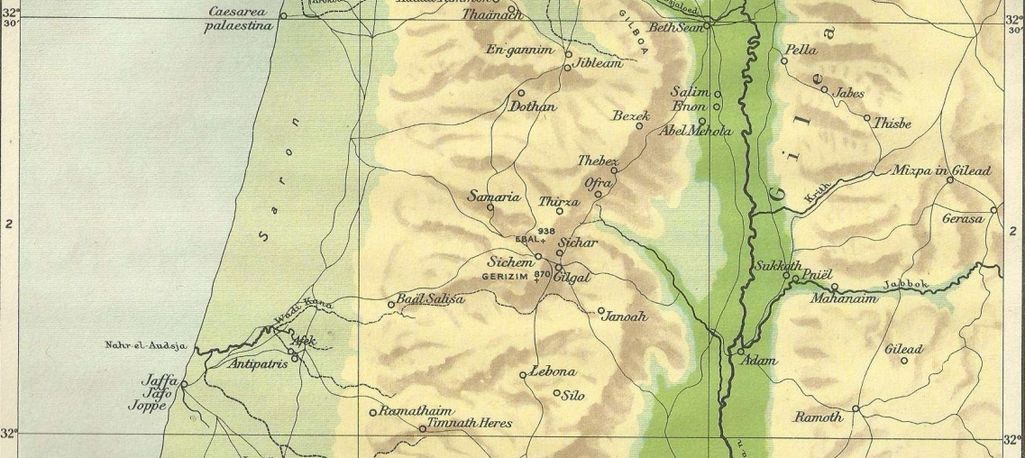
15 In the twenty-seventh year of Asa king of Judah, Zimri reigned seven days in Tirzah. Now the troops were encamped against Gibbethon, which belonged to the Philistines, 16 and the troops who were encamped heard it said, “Zimri has conspired, and he has killed the king.” Therefore all Israel made Omri, the commander of the army, king over Israel that day in the camp. 17 So Omri went up from Gibbethon, and all Israel with him, and they besieged Tirzah. 18 And when Zimri saw that the city was taken, he went into the citadel of the king’s house and burned the king’s house over him with fire and died, 19 because of his sins that he committed, doing evil in the sight of the LORD, walking in the way of Jeroboam, and for his sin which he committed, making Israel to sin. 20 Now the rest of the acts of Zimri, and the conspiracy that he made, are they not written in the Book of the Chronicles of the Kings of Israel?

21 Then the people of Israel were divided into two parts. Half of the people followed Tibni the son of Ginath, to make him king, and half followed Omri. 22 But the people who followed Omri overcame the people who followed Tibni the son of Ginath. So Tibni died, and Omri became king. 23 In the thirty-first year of Asa king of Judah, Omri began to reign over Israel, and he reigned for twelve years; six years he reigned in Tirzah. 24 He bought the hill of Samaria from Shemer for two talents of silver, and he fortified the hill and called the name of the city that he built Samaria, after the name of Shemer, the owner of the hill.

25 Omri did what was evil in the sight of the LORD, and did more evil than all who were before him. 26 For he walked in all the way of Jeroboam the son of Nebat, and in the sins that he made Israel to sin, provoking the LORD, the God of Israel, to anger by their idols. 27 Now the rest of the acts of Omri that he did, and the might that he showed, are they not written in the Book of the Chronicles of the Kings of Israel? 28 And Omri slept with his fathers and was buried in Samaria, and Ahab his son reigned in his place. 1 Kings 16:15-28 ESV

Zimri’s time in the spotlight was short-lived. This former chariot commander in Israel’s army had murdered King Elah and declared himself the new sovereign over the ten tribes of the northern kingdom. But his reign would last only seven days. Word of his seemingly successful coup attempt reached his fellow soldiers, who were encamped against the Philistines at a place called Gibbethon. Upon hearing of King Elah’s death, the troops threw their support behind Omri, who was the commander of the armies of Israel. They rejected Zimri’s claim to be king and, instead, nominated his superior officer as the obvious choice to replace Elah. Zimri may have caused the vacancy on the throne, but Omri would be the one to fill it.

Within days of seizing the throne from Elah and having secured his victory by liquidating every member of the king’s household, Zimri was safely ensconced in Tirzah, the former king’s capital. But one day he woke up to find that the city was being besieged, not by Philistines or some other foreign power, but by Omri and the rest of the Israelite army. Just seven days into his reign, Zimri had managed to instigate a civil war for which he was both outmanned and unprepared. Stealing the throne had been easy, but retaining it was going to be far more complicated than he could have imagined.

Recognizing the futility of the situation, Zimri chose to take his own life rather than surrender. He knew that Omri would order his execution for the murder of Elah, and he likely knew Omri had his own kingly aspirations. So, Zimri locked himself in the citadel of the king’s palace and burned the entire structure to the ground. In doing so, he controlled his own fate and managed to rob Omri of a palace from which to rule. If he couldn’t sit on the throne in Tirzah, neither would Omri.

But the author makes it clear that while Zimri had taken his own life, it had still been a case of divine judgment for his sins against God.

…he, too, had done what was evil in the LORD’s sight. He followed the example of Jeroboam in all the sins he had committed and led Israel to commit. – 1 Kings 16:19 NLT

When Zimri had entered Tirzah just days earlier, any thought of suicide would have been the last thing to enter his mind. He was focused on the future and dreaming of his newfound power and prestige. After all, he was the self-made king, the supreme ruler over all of Israel. As he sat on his throne in Tirzah, his mind would have been filled with thoughts of success and not suicide. But had he read the proverbs collected by Israel’s former king, Solomon, he would have understood that his plans were irrelevant if they stood in opposition to the will of God.

You can make many plans, but the LORD’s purpose will prevail. – Proverbs 19:21 NLT

We can make our plans, but the LORD determines our steps. – Proverbs 16:9 NLT

Zimri had plans for greatness, but he died in the smoldering rubble of the palace he had stolen through deceit and treachery. God had used this ambitious and self-consumed man to punish Elah for his wickedness, but He would not allow Zimri to benefit from his actions. His reign lasted exactly one week, then ended as quickly as it had begun.

But the sad state of affairs in Israel was far from over. While Omri had managed to seize the capital and secure the crown for himself, the nation was about to enter a time of division and disunity. Just as God had split Solomon’s kingdom in half, Omri would find himself ruling over a divided nation.

But now the people of Israel were split into two factions. Half the people tried to make Tibni son of Ginath their king, while the other half supported Omri. – 1 Kings 16:21 NLT

When Omri received the news that Zimri had killed King Elah, he had been leading his troops against the Philistines, the dreaded enemies of Israel. But now, as the king of Israel, he found himself going to war against his own people. A civil war had broken out, and Omni was forced to lead his troops in battle against the supporters of his rival, Tibni. The nation was divided, and rather than throwing their collective allegiance behind God Almighty, they chose sides and put their hopes in two extremely flawed and fallible men.

Omri eventually defeated Tibni and his forces, securing his place as the king of Israel. Half of the dozen years he ruled over Israel were spent in Tirzah, the former capital of King Elah. But Omri dreamed of establishing his own royal city from which to rule over the ten tribes of Israel. So, he found a favorable spot just west of Tirzah and purchased the land from a man named Shemer. In time, he built a fortified palace on the elevated portion of the land and named his new capital Samaria.

While the author doesn’t seem to treat this change in the location of the capital city with much importance, his mention of it is meant to foreshadow things to come. Omri would end up establishing a dynasty that would rule over Israel for an extended period of time. His newly established capital would become the focal point for Israel’s continuing spiritual decline and the epicenter of the nation’s eventual destruction.

The author chooses to summarize Omri’s 12-year reign in less-than-flattering terms.

Omri did what was evil in the sight of the LORD, and did more evil than all who were before him. – 1 Kings 16:25 ESV

Israel had a new king and a brand new capital, but they continued to suffer from the same old problem. Omri, like Jeroboam and Nadab before him, failed to use his divinely ordained power as king to lead the people back to God. Instead, he fostered the spirit of spiritual adultery and apostasy. Under his leadership, “the people provoked the anger of the LORD, the God of Israel, with their worthless idols” (1 Kings 16:21 NLT). 

On paper, Omri proved to be a highly accomplished and effective king. His 12 years on the throne of Israel were marked by military victories and peace negotiations with the enemies of Israel. He defeated the Moabites and brokered a treaty with Ethbaal, king of Tyre and Sidon, and this last act would prove to have long-lasting implications. As part of the treaty negotiations, Omri approved a marriage alliance between his son, Ahab, and Ethbaal’s daughter, Jezebel, and those two names will come up again.

While Omri appeared to be having success, he was actually operating outside the revealed will of God. His decisions were made without divine input and in direct violation of God’s commands. Hundreds of years earlier, Moses had warned the people of Israel about their interactions with the nations living in the land of Canaan.

When the LORD your God hands these nations over to you and you conquer them, you must completely destroy them. Make no treaties with them and show them no mercy. You must not intermarry with them. Do not let your daughters and sons marry their sons and daughters, for they will lead your children away from me to worship other gods. Then the anger of the LORD will burn against you, and he will quickly destroy you. – Deuteronomy 7:2-4 NLT

Like his predecessors, Omri was doing things according to his own plan. But as the proverbs warn, “You can make many plans, but the LORD’s purpose will prevail” (Proverbs 19:21 NLT). Omri’s ambitions to expand his kingdom at any cost would actually lead to the eventual fall of the nation. In his hopes of building Israel into a formidable force in the region, he was actually contributing to its downfall. His refusal to shepherd the people of God back to the fold of God would eventually result in their destruction at the hands of God.

English Standard Version (ESV) The Holy Bible, English Standard Version. ESV® Permanent Text Edition® (2016). Copyright © 2001 by Crossway Bibles, a publishing ministry of Good News Publishers.

New Living Translation (NLT) Holy Bible, New Living Translation, copyright © 1996, 2004, 2015 by Tyndale House Foundation. Used by permission of Tyndale House Publishers Inc., Carol Stream, Illinois 60188. All rights reserved.

The Almighty and Accountability

In the twenty-sixth year of Asa king of Judah, Elah the son of Baasha began to reign over Israel in Tirzah, and he reigned two years. But his servant Zimri, commander of half his chariots, conspired against him. When he was at Tirzah, drinking himself drunk in the house of Arza, who was over the household in Tirzah, 10 Zimri came in and struck him down and killed him, in the twenty-seventh year of Asa king of Judah, and reigned in his place.

11 When he began to reign, as soon as he had seated himself on his throne, he struck down all the house of Baasha. He did not leave him a single male of his relatives or his friends. 12 Thus Zimri destroyed all the house of Baasha, according to the word of the LORD, which he spoke against Baasha by Jehu the prophet, 13 for all the sins of Baasha and the sins of Elah his son, which they sinned and which they made Israel to sin, provoking the LORD God of Israel to anger with their idols. 14 Now the rest of the acts of Elah and all that he did, are they not written in the Book of the Chronicles of the Kings of Israel? 1 Kings 16:8-14 ESV

Being the heir to a king in Israel could be a dangerous occupation, particularly if your father was under God’s judgment. There was Nadab, the son of Jeroboam, who was assassinated in the second year of his reign. Baasha, his murderer, took his place on the throne of Israel, and Baasha secured his kingdom by having the entire extended family of Jeroboam executed. That way, there would be no heirs to try to reclaim the throne.

Twenty-four years later, Baasha’s son, Elah, ascended to the throne after his father’s death. But he, too, would enjoy a reign of only two years before being assassinated by Zimri, one of his own military officers. And Zimri also took drastic measures to protect his newfound power and position.

Zimri immediately killed the entire royal family of Baasha, leaving him not even a single male child. – 1 Kings 16:11 NLT

Both Jeroboam and Baasha were under the judgment of God. In Jeroboam’s case, God had placed his entire lineage under a curse because he had led the northern tribes of Israel to worship false gods.

“You have done more evil than all who lived before you. You have made other gods for yourself and have made me furious with your gold calves. And since you have turned your back on me, I will bring disaster on your dynasty and will destroy every one of your male descendants, slave and free alike, anywhere in Israel. I will burn up your royal dynasty as one burns up trash until it is all gone.” – 1 Kings 14:9-10 NLT

And though Baasha was not a descendant of Jeroboam, he would find himself under a similar curse because he had chosen to follow Jeroboam’s example.

“I lifted you out of the dust to make you ruler of my people Israel, but you have followed the evil example of Jeroboam. You have provoked my anger by causing my people Israel to sin. So now I will destroy you and your family, just as I destroyed the descendants of Jeroboam son of Nebat. The members of Baasha’s family who die in the city will be eaten by dogs, and those who die in the field will be eaten by vultures.” – 1 Kings 16:2-4 NLT

Yahweh had elevated these two men from obscurity to places of power and great influence. But rather than respond in gratitude and reverence, they let their success go to their heads. They lost sight of the fact that they had been placed on the throne by God and that it was He who deserved their honor, worship, and faithfulness. It was the prophet, Daniel, who told King Nebuchadnezzar of Babylon, “Praise the name of God forever and ever, for he has all wisdom and power. He controls the course of world events; he removes kings and sets up other kings” (Daniel 2:20-21 NLT). The psalmist, Asaph,  wrote, “it is God who executes judgment, putting down one and lifting up another” (Psalm 75:7 ESV).

Power is intoxicating, and it has a highly attractive quality to it that, once tasted, can become addictive and habit-forming. As has been made abundantly clear, the position of king was highly coveted in Israel. Since Jeroboam, who was a relative nobody, had been able to enjoy his 15 minutes of fame and fortune, everyone believed the position was open to anyone with enough drive and ambition to take it. Baash deemed himself a far better candidate than Nadab, so he took matters into his hands, eliminated the competition, and crowned himself king. But in doing so, he failed to realize that he was nothing more than an instrument in the hands of God. The Almighty had used him to bring judgment against the house of Jeroboam. Baasha would have enjoyed a long and fruitful reign if he had only recognized the hand of God in his life and given Him the glory and honor He so richly deserved. But Baasha became blinded by his own glory.

The history of the kings of Judah and Israel has come a long way since the day when Solomon asked God for “an understanding mind” (1 Kings 3:9 ESV). As the newly crowned king of the still united nation of Israel, Solomon was aware of his shortcomings. He knew he was young and ill-prepared to rule over the vast kingdom his father had built. And, faced with the formidable task of following in his father’s footsteps, Solomon had sought the assistance of God.

“I am like a little child who doesn’t know his way around. And here I am in the midst of your own chosen people, a nation so great and numerous they cannot be counted! Give me an understanding heart so that I can govern your people well and know the difference between right and wrong. For who by himself is able to govern this great people of yours?” – 1 Kings 3:7-9 NLT

Notice that Solomon understood that the people of Israel were God’s chosen people, not his. He was simply a figurehead, serving on behalf of God and according to His sovereign will. At the early stages of his reign, Solomon seemed quite aware of his place on the depth chart. He had no delusions of grandeur and showed no signs of an overinflated sense of self-worth. He was humble, submissive, and fully aware of his need for God’s help. But over his four-decades-long reign, Solomon grew increasingly more self-reliant and obsessed with the trappings of power and success. He began to seek fulfillment and satisfaction in all the wrong places and, ultimately, he was forced to confess that his quest had left him unfulfilled and dissatisfied.

I became greater than all who had lived in Jerusalem before me, and my wisdom never failed me. Anything I wanted, I would take. I denied myself no pleasure. I even found great pleasure in hard work, a reward for all my labors. But as I looked at everything I had worked so hard to accomplish, it was all so meaningless—like chasing the wind. There was nothing really worthwhile anywhere. – Ecclesiastes 2:9-11 NLT

In essence, Solomon had become an idol factory. He manufactured all kinds of substitutes for God, hoping to discover meaning and purpose for his life. In the early days of his reign, he turned to God. But as the years progressed, he began to seek help and hope in all the wrong places.

I also tried to find meaning by building huge homes for myself and by planting beautiful vineyards. I made gardens and parks, filling them with all kinds of fruit trees. I built reservoirs to collect the water to irrigate my many flourishing groves. I bought slaves, both men and women, and others were born into my household. I also owned large herds and flocks, more than any of the kings who had lived in Jerusalem before me. I collected great sums of silver and gold, the treasure of many kings and provinces. I hired wonderful singers, both men and women, and had many beautiful concubines. I had everything a man could desire! – Ecclesiastes 2:4-8 NLT

He had it all, but he had nothing. Surrounded by all the trappings of success, Solomon discovered that his life was empty and he was trapped in an existential maze with no hope of finding the exit. He was lost. Yet the answer to his problem was all around him. It was God who had given him wisdom and wealth. His fame and fortune were the handiwork of Yahweh. But Solomon had begun to read his own press clippings and assumed that his greatness was his own doing. He lost sight of God, and that ultimately led him to seek help from his menagerie of false gods. That decision would have long-lasting ramifications, resulting in the division of his kingdom and the rise of men like Rehoboam, Jeroboam, Nadab, Abijah, Baasha, and Zimri.

The pattern established by Solomon continued for generations. Each successive king seemed to lose sight of his calling and, in time, lost touch with God. They each became guilty of making substitutes for God, a fact that the author of 1 Kings makes painfully clear.

So Zimri destroyed the dynasty of Baasha as the LORD had promised through the prophet Jehu. This happened because of all the sins Baasha and his son Elah had committed, and because of the sins they led Israel to commit. They provoked the anger of the LORD, the God of Israel, with their worthless idols. – 1 Kings 16:12-13 NLT

Late in his life, long after his meaningless quest for significance had left him empty-handed, Solomon came to a painful yet necessary epiphany.

Then I realized that these pleasures are from the hand of God. For who can eat or enjoy anything apart from him? God gives wisdom, knowledge, and joy to those who please him. But if a sinner becomes wealthy, God takes the wealth away and gives it to those who please him. This, too, is meaningless—like chasing the wind. – Ecclesiastes 2:24-26 NLT

He allowed God to become obscured by the pleasures and trappings of success. He spent his entire life pursuing wealth, treasures, fame, and influence. But in doing so, he turned His back on the very one who had made it all possible. It was God who had placed Solomon on the throne. It was God who had blessed Solomon with wisdom and wealth. And it was God who took it all away and gave it to someone else. Now, years later, the pattern continued to repeat itself, providing further proof of the validity of Asaph’s words: “It is God who executes judgment, putting down one and lifting up another.”

English Standard Version (ESV) The Holy Bible, English Standard Version. ESV® Permanent Text Edition® (2016). Copyright © 2001 by Crossway Bibles, a publishing ministry of Good News Publishers.

New Living Translation (NLT) Holy Bible, New Living Translation, copyright © 1996, 2004, 2015 by Tyndale House Foundation. Used by permission of Tyndale House Publishers Inc., Carol Stream, Illinois 60188. All rights reserved.

Sovereignty and Responsibility

1 And the word of the LORD came to Jehu the son of Hanani against Baasha, saying, “Since I exalted you out of the dust and made you leader over my people Israel, and you have walked in the way of Jeroboam and have made my people Israel to sin, provoking me to anger with their sins, behold, I will utterly sweep away Baasha and his house, and I will make your house like the house of Jeroboam the son of Nebat. Anyone belonging to Baasha who dies in the city the dogs shall eat, and anyone of his who dies in the field the birds of the heavens shall eat.”

Now the rest of the acts of Baasha and what he did, and his might, are they not written in the Book of the Chronicles of the Kings of Israel? And Baasha slept with his fathers and was buried at Tirzah, and Elah his son reigned in his place. Moreover, the word of the LORD came by the prophet Jehu the son of Hanani against Baasha and his house, both because of all the evil that he did in the sight of the LORD, provoking him to anger with the work of his hands, in being like the house of Jeroboam, and also because he destroyed it. 1 Kings 16:1-7 ESV

The back-and-forth nature of the author’s writing style can make it challenging to keep up with all that is going on. One minute, he’s writing about the king of Judah, then he quickly shifts the narrative to focus on the king of Israel. But his side-by-side comparison of the two kingdoms allows him to track the spiritual trajectory of the two nations simultaneously, providing a comparative analysis of their faithfulness and ultimate fate. Though the nations are divided, they tend to follow eerily similar paths.

With the opening of Chapter 16, the narrative shifts back to the northern kingdom of Israel, where Baasha reigned as king. It’s important to note that this man was not of the royal lineage of Jeroboam. He was a usurper to the throne who had conspired to assassinate Nadab, the son of Jeroboam, who had become the king after his father’s death. Nadab’s reign had only lasted two years, but he managed to establish a reputation for wickedness that rivaled that of his father.

He did what was evil in the sight of the LORD and walked in the way of his father, and in his sin which he made Israel to sin. – 1 Kings 15:26 ESV

But his death at the hands of Baasha was not a result of his own sin, but because of the actions taken by his father, Jeroboam. When God divided the kingdom of Solomon, He awarded the ten tribes in the north to Jeroboam, making him king over what would become known as the nation of Israel. But in response to this undeserved promotion, Jeroboam made the unwise decision to solidify his kingship by creating his own religion, complete with his own false gods and pseudo-priesthood. This resulted in the people of Israel turning their backs on God, and Jeroboam’s foolish decision brought down the wrath of God, who delivered a prophetic message of judgment upon his entire household.

“…you have done evil above all who were before you and have gone and made for yourself other gods and metal images, provoking me to anger, and have cast me behind your back, therefore behold, I will bring harm upon the house of Jeroboam and will cut off from Jeroboam every male, both bond and free in Israel, and will burn up the house of Jeroboam, as a man burns up dung until it is all gone.” – 1 Kings 14:9-10 ESV

Upon Jeroboam’s death, his son Nadab ascended to the throne. But, as stated earlier, his reign was short-lived. Two years into his reign, God raised up Baasha, “the son of Ahijah, of the house of Issachar” (1 Kings 15:27 ESV). Seemingly out of nowhere, this man appeared on the scene and led a successful coup that resulted in the death of Jeroboam’s heir and son, Nadab. But Baasha, in an attempt to secure his newfound reign, ordered the annihilation of Jeroboam’s entire family.

…as soon as he was king, he killed all the house of Jeroboam. He left to the house of Jeroboam not one that breathed, until he had destroyed it, according to the word of the LORD that he spoke by his servant Ahijah the Shilonite. It was for the sins of Jeroboam that he sinned and that he made Israel to sin, and because of the anger to which he provoked the LORD, the God of Israel. – 1 Kings 15:29-30 ESV

Everything that Baasha did was in fulfillment of the word of God spoken through Ahijah the prophet. He was used by God to deliver divine judgment on Jeroboam and his entire household. He was an instrument in the hands of a holy and righteous God, meting out divine justice upon the guilty and purging Israel of its wickedness. But Baasha seems to have been oblivious to God’s role in his meteoric rags-to-riches ascent to the throne of Israel. He saw himself as a self-made man who had asserted his own will and paved the way to his own success.

It’s not difficult to recognize the pattern of autonomy and self-assured independence that shows up in all these stories. The kings of Israel and Judah all seemed to have shared the same inflated sense of self-worth and overconfidence. As soon as they ascended to the throne, it was as if all the newfound power and prestige went to their heads. They got cocky, became self-reliant, and left God out of the picture.

Baasha was no different. This obscure individual from the small tribe of Issachar had, overnight, become the most powerful man in all of Israel. But rather than recognize his rapid ascent to the throne as the handiwork of God, he pridefully assumed it had all been his doing. In the book of 1 Chronicles, there is an interesting statement regarding the tribe of Issachar. It says that it was made up of “men who had understanding of the times, to know what Israel ought to do” (1 Chronicles 12:32 ESV). This could indicate that they shared a unique capacity for discernment that allowed them to take advantage of any opportunity to further the well-being of their tribe. Baasha seems to fit this description. He was a pragmatist who had seen an opportunity to improve his lot in life and seized it. But he made the grave mistake of failing to honor God, and he would pay dearly for it.

God sent yet another prophet with a message of judgment to the overly self-confident Baasha, warning him that, because he had followed the example of Jeroboam, he would suffer the same fate as Jeroboam.

Since I exalted you out of the dust and made you leader over my people Israel, and you have walked in the way of Jeroboam and have made my people Israel to sin, provoking me to anger with their sins, behold, I will utterly sweep away Baasha and his house, and I will make your house like the house of Jeroboam the son of Nebat.” – 1 Kings 16:2-3 ESV

Baasha had been used by God to wipe out the wicked dynasty of Jeroboam, but rather than call the nation of Israel back to God, he led them into further idolatry and unfaithfulness. Both Jeroboam and Baasha had been given God-ordained opportunities to do the right thing. Jeroboam had been gifted with the responsibility of ruling over the ten northern tribes. His moment in the sun had been the direct result of Solomon’s unfaithfulness to God. But rather than learn from Solomon’s mistakes, Jeroboam unwisely repeated them.

The same was true of Baasha. God used him to enact His judgment upon Jeroboam and his equally wicked son. But rather than recognizing the hand of God and worshiping Him accordingly, Baasha took credit for his success. He refused to acknowledge God and, instead, chose to continue the wicked practices of the very man God had sent him to replace. So, he would face a similar fate. But, according to Chapter 15, Baasha would remain on the throne for 24 years. From a human perspective, it would appear as if his decisions produced more-than-favorable results. But Chapter 15 also indicates that “He did what was evil in the sight of the LORD and walked in the way of Jeroboam and in his sin which he made Israel to sin” (1 Kings 15:34 ESV). Those 24 years were filled with further acts of wickedness and rebellion against God. So, while the ten tribes of Israel had a new king, they were stuck in the same old rut, continuing to live their lives in open rebellion against God.

But the story of Baasha ends on a sad note. He was given a chance to redeem and restore the nation of Israel, but refused to do so. As a result, he too suffered the judgment of God. The author makes it clear that Baasha’s punishment at the hands of God was due to two factors. One reason is that he “had done what was evil in the LORD’s sight (just as the family of Jeroboam had done)” and “also because Baasha had destroyed the family of Jeroboam” (1 Kings 16:7 NLT). Not only would Baasha have to atone for his sin of leading the people into further idolatry and apostasy, but he would be held accountable for his role in Nadab’s death and the destruction of the house of Jeroboam.

From a human point of view, this last point may appear unjust and unfair. After all, God had chosen to use Baasha as His instrument of judgment upon Jeroboam. So, why would he be held responsible for what was clearly a God-ordained and divinely sanctioned action? But the Scriptures are full of other incidents when God chose to use an individual or a nation to enact His judgment, but then held them culpable for their actions.

In the book of Jeremiah, the prophet records the words of God spoken against the nation of Babylon. They would be responsible for the fall of Jerusalem and the destruction of the Temple. But the prophet clearly states, “Babylon has been a gold cup in the LORD’s hands, a cup that made the whole earth drunk. The nations drank Babylon’s wine, and it drove them all mad” (Jeremiah 51:7 NLT). In other words, they were being used by God to accomplish His divine will. But, at the same time, God would hold them accountable for their role.

“Flee from Babylon! Save yourselves!
    Don’t get trapped in her punishment!
It is the LORD’s time for vengeance;
    he will repay her in full.” Jeremiah 51:6 NLT

The Babylonians did what they did willingly and eagerly. They were used by God to accomplish His will, but everything they did was according to their own wishes. That is why God warns of coming judgment against them because their actions were still considered a sin against Him.

“Yes, prepare to attack Babylon,
    all you surrounding nations.
Let your archers shoot at her; spare no arrows.
    For she has sinned against the LORD.” – Jeremiah 50:14 NLT

While God’s sovereignty and man’s free will are difficult to reconcile, in the end, we must rest in the knowledge that God is not only in control of all things, but he is righteous and just in all that He does. Baasha had been used by God to bring judgment upon the house of Jeroboam, but Baasha would be held accountable by God for his actions. Why? Because Baasha did what he did of his own free will. He had not been an unwilling or helpless actor in the divine drama. And while his actions accomplished the divinely sanctioned will of God, he would not get a free pass from suffering the consequences.

English Standard Version (ESV) The Holy Bible, English Standard Version. ESV® Permanent Text Edition® (2016). Copyright © 2001 by Crossway Bibles, a publishing ministry of Good News Publishers.

New Living Translation (NLT) Holy Bible, New Living Translation, copyright © 1996, 2004, 2015 by Tyndale House Foundation. Used by permission of Tyndale House Publishers Inc., Carol Stream, Illinois 60188. All rights reserved.

A Legacy of Apostasy

25 Nadab the son of Jeroboam began to reign over Israel in the second year of Asa king of Judah, and he reigned over Israel two years. 26 He did what was evil in the sight of the LORD and walked in the way of his father, and in his sin which he made Israel to sin.

27 Baasha the son of Ahijah, of the house of Issachar, conspired against him. And Baasha struck him down at Gibbethon, which belonged to the Philistines, for Nadab and all Israel were laying siege to Gibbethon. 28 So Baasha killed him in the third year of Asa king of Judah and reigned in his place. 29 And as soon as he was king, he killed all the house of Jeroboam. He left to the house of Jeroboam not one that breathed, until he had destroyed it, according to the word of the LORD that he spoke by his servant Ahijah the Shilonite. 30 It was for the sins of Jeroboam that he sinned and that he made Israel to sin, and because of the anger to which he provoked the LORD, the God of Israel.

31 Now the rest of the acts of Nadab and all that he did, are they not written in the Book of the Chronicles of the Kings of Israel? 32 And there was war between Asa and Baasha king of Israel all their days.

33 In the third year of Asa king of Judah, Baasha the son of Ahijah began to reign over all Israel at Tirzah, and he reigned twenty-four years. 34 He did what was evil in the sight of the LORD and walked in the way of Jeroboam and in his sin which he made Israel to sin. – 1 Kings 15:25-34

You have to go back to Chapter 14 to pick up the story of Jeroboam’s reign over the northern kingdom of Israel, his eventual death, and the ascension of his son Nadab to the throne.

Now the rest of the acts of Jeroboam, how he warred and how he reigned, behold, they are written in the Book of the Chronicles of the Kings of Israel. And the time that Jeroboam reigned was twenty-two years. And he slept with his fathers, and Nadab his son reigned in his place. – 1 Kings 14:19-20 ESV

This matter-of-fact synopsis of his two-decades-long reign doesn’t tell the whole story. Since the inception of his kingship, Jeroboam had led the people of the ten northern tribes to abandon Yahweh for the false gods he had created. He had set up golden calf idols in the cities of Dan and Bethel and made his own priesthood to offer sacrifices on behalf of the people. Fearing that the Israelites would return to Jerusalem in Judah to worship at the Temple of Yahweh, Jeroboam had instituted his own religion featuring his substitute gods. Yahweh had condemned this egregious act of apostasy and issued a decree of judgment against Jeroboam, delivered by the prophet Ahijah.

Thus says the LORD, the God of Israel: “Because I exalted you from among the people and made you leader over my people Israel and tore the kingdom away from the house of David and gave it to you, and yet you have not been like my servant David, who kept my commandments and followed me with all his heart, doing only that which was right in my eyes, but you have done evil above all who were before you and have gone and made for yourself other gods and metal images, provoking me to anger, and have cast me behind your back, therefore behold, I will bring harm upon the house of Jeroboam and will cut off from Jeroboam every male, both bond and free in Israel, and will burn up the house of Jeroboam, as a man burns up dung until it is all gone. Anyone belonging to Jeroboam who dies in the city the dogs shall eat, and anyone who dies in the open country the birds of the heavens shall eat, for the LORD has spoken it.”’ Arise therefore, go to your house. When your feet enter the city, the child shall die. And all Israel shall mourn for him and bury him, for he only of Jeroboam shall come to the grave, because in him there is found something pleasing to the LORD, the God of Israel, in the house of Jeroboam. Moreover, the LORD will raise up for himself a king over Israel who shall cut off the house of Jeroboam today. – 1 Kings 14:7-14 ESV

Jeroboam had sent his wife to seek the prophet’s assistance and was hoping that Ahijah might provide insight into his son’s illness. But the news he received was far from encouraging. The prophet disclosed that Abijah would die, and his words were fulfilled. Upon arriving home, Jeroboam’s wife found that Abijah had died and “all Israel buried him and mourned for him, according to the word of the Lord, which he spoke by his servant Ahijah the prophet” (1 Kings 14:18 ESV).

With Abijah’s death, Jeroboam’s son Nadab was destined to succeed his father to the throne. But his reign was short-lived and marked by the same excesses as Jeroboam’s. The apple had not fallen far from the tree.

He did what was evil in the sight of the LORD and walked in the way of his father, and in his sin which he made Israel to sin. – 1 Kings 15:26 ESV

Jeroboam had taught his son well, and, evidently, the death of his brother had little impact on Nadab. It seems unlikely that Nadab was uninformed as to the circumstances surrounding Abijah’s death. The pronouncement made by the prophet could not have gone unnoticed in the royal household. Yet, Nadab chose to make no course corrections regarding his father’s ill-fated obsession with idolatry. He carried on Jeroboam’s legacy and, in so doing, helped fulfill the prophet’s prediction.

Two years into his reign, Nadab was leading the northern tribes into battle against the Philistines. Nadab likely sought the aid of his false gods before launching his raid against the Philistine town of Gibbethon. However, they proved to be far from helpful, as Nadab was assassinated by one of his own men, a man named Baasha from the tribe of Issachar. The prophet had warned Jeroboam that his sins would have repercussions. 

“…the LORD will raise up a king over Israel who will destroy the family of Jeroboam. – 1 Kings 14:14 NLT

And it was only going to get worse. After crowning himself king, Baasha conducted a campaign to completely eradicate all members of Jeroboam’s family.

He immediately slaughtered all the descendants of King Jeroboam, so that not one of the royal family was left, just as the LORD had promised concerning Jeroboam by the prophet Ahijah from Shiloh. – 1 Kings 15:29 NLT

It is unlikely that Nadab knew he was acting in the interests of Yahweh. He was unaware that he was an instrument in the hands of God, carrying out divinely decreed judgments against Jeroboam for his apostasy. But the author makes it clear that Nadab’s actions were God-ordained.

This was done because Jeroboam had provoked the anger of the LORD, the God of Israel, by the sins he had committed and the sins he had led Israel to commit. – 1 Kings 15:30 NLT

Having wiped out the royal family of Jeroboam, Baasha went on to reign for 24 years. As the text indicates, he conducted an ongoing campaign against King Asa and the southern kingdom of Judah. His hatred for his southern kinsmen never abated, and his idolatrous behavior never diminished. Instead, “he did what was evil in the Lord’s sight and followed the example of Jeroboam, continuing the sins that Jeroboam had led Israel to commit” (1 Kings 15:34 NLT).

Yet, Yahweh used this idolatrous and murderous man to accomplish His divine will regarding Jeroboam. Baasha meted out the justice of Yahweh on the kinsmen of Jeroboam, but never recognized his own guilt and culpability for perpetuating the dangerous practice of idolatry. He failed to connect the dots and grasp the connection between Jeroboam’s unfaithfulness and Yahweh’s judgment. In fact, he had no idea that he was serving as Yahweh’s agent of judgment but did what he did for selfish and self-serving reasons. He had no intention of removing the idols and high places that  dotted the landscape of the northern kingdom. At no point did he call the people of Israel to repentance or encourage them to renew their commitment to Yahweh.

Under his leadership, the downward spiritual spiral of the ten northern tribes ran unchecked, and his unabashed apostasy would result in Yahweh’s judgment upon his house. He too, would not go unpunished for his rebellious and idolatrous behavior.

King Baasha serves as the perfect foil to Judah’s King Asa. It was said of Asa, the great-grandson of King Solomon, that he “did what was pleasing in the LORD’s sight, as his ancestor David had done” (1 Kings 15:11 NLT). And yet, Baasha “did what was evil in the Lord’s sight and followed the example of Jeroboam, continuing the sins that Jeroboam had led Israel to commit” (1 Kings 15:34 NLT).

Two men, both serving as kings over the people of God, but who exhibited two completely different mindsets when it came to the worship of God. One was faithful, while the other was disobedient. Asa attempted to do the right thing and promote the worship of Yahweh, while Baasha perpetuated the destructive habits of his predecessors. And this pattern of disobedience would continue from one royal administration to another.

Kings would come and go in Israel with God pouring out His divine judgment on each successive monarchy. Yet, they would refuse to repent and return to Him in humility and submission. Yahweh was trying to get their attention but their unbridled pride and arrogance prevented them from hearing His message and heeding His warning. And the outcome was far from pretty.

English Standard Version (ESV) The Holy Bible, English Standard Version. ESV® Permanent Text Edition® (2016). Copyright © 2001 by Crossway Bibles, a publishing ministry of Good News Publishers.

New Living Translation (NLT) Holy Bible, New Living Translation, copyright © 1996, 2004, 2015 by Tyndale House Foundation. Used by permission of Tyndale House Publishers Inc., Carol Stream, Illinois 60188. All rights reserved.

The Failure to Finish Well

In the twentieth year of Jeroboam king of Israel, Asa began to reign over Judah, 10 and he reigned forty-one years in Jerusalem. His mother’s name was Maacah the daughter of Abishalom. 11 And Asa did what was right in the eyes of the LORD, as David his father had done. 12 He put away the male cult prostitutes out of the land and removed all the idols that his fathers had made. 13 He also removed Maacah his mother from being queen mother because she had made an abominable image for Asherah. And Asa cut down her image and burned it at the brook Kidron. 14 But the high places were not taken away. Nevertheless, the heart of Asa was wholly true to the LORD all his days. 15 And he brought into the house of the LORD the sacred gifts of his father and his own sacred gifts, silver, and gold, and vessels.

16 And there was war between Asa and Baasha king of Israel all their days. 17 Baasha king of Israel went up against Judah and built Ramah, that he might permit no one to go out or come in to Asa king of Judah. 18 Then Asa took all the silver and the gold that were left in the treasures of the house of the LORD and the treasures of the king’s house and gave them into the hands of his servants. And King Asa sent them to Ben-hadad the son of Tabrimmon, the son of Hezion, king of Syria, who lived in Damascus, saying, 19 “Let there be a covenant between me and you, as there was between my father and your father. Behold, I am sending to you a present of silver and gold. Go, break your covenant with Baasha king of Israel, that he may withdraw from me.” 20 And Ben-hadad listened to King Asa and sent the commanders of his armies against the cities of Israel and conquered Ijon, Dan, Abel-beth-maacah, and all Chinneroth, with all the land of Naphtali. 21 And when Baasha heard of it, he stopped building Ramah, and he lived in Tirzah. 22 Then King Asa made a proclamation to all Judah, none was exempt, and they carried away the stones of Ramah and its timber, with which Baasha had been building, and with them King Asa built Geba of Benjamin and Mizpah. 23 Now the rest of all the acts of Asa, all his might, and all that he did, and the cities that he built, are they not written in the Book of the Chronicles of the Kings of Judah? But in his old age he was diseased in his feet. 24 And Asa slept with his fathers and was buried with his fathers in the city of David his father, and Jehoshaphat his son reigned in his place. 1 Kings 15:9-24 ESV

The men who inherited the thrones of Judah and Israel were not doomed to repeat their predecessors’ mistakes. Their fate was not predetermined just because their fathers happened to model ungodly behavior. Though most of these men inherited kingdoms and legacies marked by sin and rebellion against God, they each had a choice to make. But as will become increasingly apparent, few of them seemed to make the right choice. The sins of a father can have a powerful influence over his son. The manner by which he conducts himself while performing his royal duties will make a strong impression on the one who follows in his footsteps – for better or worse.

In the case of Abijam, he was succeeded as king by his younger brother, Asa. These two brothers shared the same mother: Maacah, the daughter of Abishalom [Absalom], and they had both grown up in the household of Rehoboam. But each would approach their kingly responsibilities differently. While Abijam “walked in all the sins that his father did before him, and his heart was not wholly true to the LORD his God” (1 Kings 15:3 ESV), Asa “did what was right in the eyes of the LORD” (1 Kings 15:11 ESV).

The book of 2 Chronicles provides further details concerning Asa’s reign.

In his days the land had rest for ten years. And Asa did what was good and right in the eyes of the LORD his God. He took away the foreign altars and the high places and broke down the pillars and cut down the Asherim and commanded Judah to seek the LORD, the God of their fathers, and to keep the law and the commandment. He also took out of all the cities of Judah the high places and the incense altars. And the kingdom had rest under him. He built fortified cities in Judah, for the land had rest. He had no war in those years, for the LORD gave him peace. – 2 Chronicles 15:1-6 ESV

This young man had been born to the same pagan mother and lived through the wicked reigns of his father and older brother, and yet he had managed to maintain a semblance of his faith in Yahweh. In fact, the author of 1 Kings declares that he “did what was pleasing in the LORD’s sight, as his ancestor David had done” (1 Kings 15:11 NLT). Perhaps he had managed to develop a close relationship with his grandfather, David, before his death. Or it could be that he had grown up hearing the stories of David’s many exploits and of his close relationship with God. He was likely intrigued and influenced by God’s description of David as “a man after his own heart” (1 Samuel 13:14 ESV).

Something was triggered in Asa that led him to take a different path than that of his father and brother. After two decades of leadership that had promoted further idolatry and propagated a spirit of rebellion among the people of Judah, Asa appeared on the scene, determined to right the wrongs of his predecessors. And he got off to a great start.

He banished the male and female shrine prostitutes from the land and got rid of all the idols his ancestors had made. He even deposed his grandmother Maacah from her position as queen mother because she had made an obscene Asherah pole. He cut down her obscene pole and burned it in the Kidron Valley. – 1 Kings 15:12-13 NLT

These radical reforms must have been met with stiff opposition. After 20 years of worshiping false gods, the people of Judah had grown comfortable with the licentious and immoral nature of idolatry. They enjoyed the no-rules nature of these pagan religions. Their man-made gods allowed them to satisfy their basest desires and offered a tempting alternative to the more legalist and restrictive laws that accompanied the worship of Yahweh. So, it seems likely that Asa’s reforms were not welcome with open arms.

But, despite any opposition he may have encountered, Asa attempted to redress the sins of his father and brother by removing all the pagan shrines they had built and restoring the worship of Yahweh. He made an effort to renew the nation’s commitment to the Temple as the dwelling place of God and the only place where the worship of God was to be practiced.

he brought into the house of the LORD the sacred gifts of his father and his own sacred gifts, silver, and gold, and vessels. – 1 Kings 15:15 ESV

This seems to indicate that Asa and his brother had both been guilty of offering expensive gifts to the many false gods of Judah. But now that he was king, Asa was righting that wrong, ordering the collection of all those valuable items and placing them in the treasury of the Temple. This very public act was both a demonstration of repentance and a visual reminder that there was only one true God who was worthy of man’s worship and deserving of such gifts of honor and praise.

Asa’s reign lasted 41 years, and while he “was wholly true to the LORD all his days” (1 Kings 15:14 ESV), he found it difficult to completely eradicate all the vestiges of idolatry in the land. The author of 2 Chronicles states that he “commanded Judah to seek the LORD, the God of their fathers, and to keep the law and the commandment” (2 Chronicles 14:4 ESV), and he “took out of all the cities of Judah the high places and the incense altars” (2 Chronicles 14:5 ESV). But 1 Kings reveals that his removal efforts were incomplete: “But the high places were not taken away” (1 Kings 15:14 ESV).

That little statement speaks volumes. It acts as a soft whisper of warning, providing a foreboding omen of what is to come. Asa’s efforts, while sincere and well-intentioned, would prove to be incomplete. His failure to eradicate all the high places was like a doctor failing to locate and remove all the cancer cells from the body of his patient. Those few sacred sites that were left standing would continue to lure the people of Judah away from God, and the apostasy they produced would continue to spread like cancer throughout the nation. His partial obedience, while praiseworthy, would in the long run prove insufficient. There were other signs that Asa’s love for God, while strong, had been influenced by the actions of his father and brother.

The author of 2 Chronicles states that Asa“ had no war in those years, for the LORD gave him peace” (2 Chronicles 14:6 ESV), and yet 1 Kings 15:16 paints a slightly different picture.

…there was war between Asa and Baasha king of Israel all their days. – 1 Kings 15:16 ESV

This is not a contradiction, but simply a recognition that the animosity between the northern and southern kingdoms had not abated. Thirty-six years into his 41-year reign, Asa found himself facing a threat from Baasha, the king of Israel. This man had murdered Nadab, the son of Jeroboam, and crowned himself king. Then, in an effort to secure his hold on the throne, he executed Jeroboam’s entire family (1 Kings 15:29). His actions seemed to have spawned a mass exodus of people who crossed the border into Judah to escape his reign of terror. So, as a preventative measure, Baasha built a fortified city along the border that provided a military presence to deter any further desertions.

What happened next provides a further glimpse into Asa’s heart and how he viewed his relationship with God. When faced with this increased military presence at his border, Asa decided to seek outside help. Notice that he did not seek assistance from Yahweh. Instead, he took the sacred treasures from the house of God and sent them to “Ben-hadad the son of Tabrimmon, the son of Hezion, king of Syria” (1 Kings 15:18 ESV). In essence, he sent a bribe to the king of Syria, in the hopes that this pagan king would come to the aid of Judah. And his ploy worked.

And Ben-hadad listened to King Asa and sent the commanders of his armies against the cities of Israel and conquered Ijon, Dan, Abel-beth-maacah, and all Chinneroth, with all the land of Naphtali. And when Baasha heard of it, he stopped building Ramah – 1 Kings 1:20-21 ESV

Asa ordered the immediate dismantling of Baasha’s military outpost, and peace was restored. But there’s more to the story. The book of 2 Chronicles reveals that Asa’s decision to make a covenant with the king of Syria was outside the will of God. The prophet of God delivered a stinging rebuke to Asa.

“Because you relied on the king of Syria, and did not rely on the LORD your God, the army of the king of Syria has escaped you.…You have done foolishly in this, for from now on you will have wars.” – 2 Chronicles 16:7,9 ESV

This news angered Asa, and he had the prophet thrown in prison, but his anger did not abate. His frustration with God manifested itself in the cruel oppression of his own people. In time, he became a bitter man, driven by rage and suffering from poor health.

In the thirty-ninth year of his reign Asa was diseased in his feet, and his disease became severe. Yet even in his disease he did not seek the LORD, but sought help from physicians. – 2 Chronicles 16:12 ESV

The great reformer had become an angry and self-reliant ruler who refused to turn to God for healing or help. His reign lasted 41 long years but ended in pain, suffering, and alienation from God, and then he died. Yes, he proved to be a better king than his brother, but in the end, they both suffered the same fate. Their sins left them separated from God, and both men ended up leaving less-than-stellar legacies. Of Asa, the author simply states, “in his old age he was diseased in his feet” (1 Kings 15:23 ESV). What a fitting description for the end of Asa’s life. Forty-one years earlier, he had begun his reign walking in the footsteps of his grandfather David. He had been faithful and eager to be a man after God’s own heart. But by the end of his life, Asa’s walk with God had taken a devastating detour. He found himself unable to walk at all, a fitting symbol of his greatly diminished spiritual condition.

Had Asa listened to the words of Moses and Micah, his story might have ended much differently.

“And now, Israel, what does the LORD your God require of you, but to fear the LORD your God, to walk in all His ways and love Him, and to serve the LORD your God with all your heart and with all your soul, and to keep the LORDs commandments and His statutes which I am commanding you today for your good…” – Deuteronomy 10:12-13 NASB

O people, the LORD has told you what is good, and this is what he requires of you: to do what is right, to love mercy, and to walk humbly with your God. – Micah 6:8 NLT

English Standard Version (ESV) The Holy Bible, English Standard Version. ESV® Permanent Text Edition® (2016). Copyright © 2001 by Crossway Bibles, a publishing ministry of Good News Publishers.

New Living Translation (NLT) Holy Bible, New Living Translation, copyright © 1996, 2004, 2015 by Tyndale House Foundation. Used by permission of Tyndale House Publishers Inc., Carol Stream, Illinois 60188. All rights reserved.

The Pressure to Compromise Your Convictions

1 For three years Syria and Israel continued without war. But in the third year Jehoshaphat the king of Judah came down to the king of Israel. And the king of Israel said to his servants, “Do you know that Ramoth-gilead belongs to us, and we keep quiet and do not take it out of the hand of the king of Syria?” And he said to Jehoshaphat, “Will you go with me to battle at Ramoth-gilead?” And Jehoshaphat said to the king of Israel, “I am as you are, my people as your people, my horses as your horses.”

And Jehoshaphat said to the king of Israel, “Inquire first for the word of the Lord.” Then the king of Israel gathered the prophets together, about four hundred men, and said to them, “Shall I go to battle against Ramoth-gilead, or shall I refrain?” And they said, “Go up, for the Lord will give it into the hand of the king.” But Jehoshaphat said, “Is there not here another prophet of the Lord of whom we may inquire?” And the king of Israel said to Jehoshaphat, “There is yet one man by whom we may inquire of the Lord, Micaiah the son of Imlah, but I hate him, for he never prophesies good concerning me, but evil.” And Jehoshaphat said, “Let not the king say so.” Then the king of Israel summoned an officer and said, “Bring quickly Micaiah the son of Imlah.” 10 Now the king of Israel and Jehoshaphat the king of Judah were sitting on their thrones, arrayed in their robes, at the threshing floor at the entrance of the gate of Samaria, and all the prophets were prophesying before them. 11 And Zedekiah the son of Chenaanah made for himself horns of iron and said, “Thus says the Lord, ‘With these you shall push the Syrians until they are destroyed.’” 12 And all the prophets prophesied so and said, “Go up to Ramoth-gilead and triumph; the Lord will give it into the hand of the king.”

13 And the messenger who went to summon Micaiah said to him, “Behold, the words of the prophets with one accord are favorable to the king. Let your word be like the word of one of them, and speak favorably.” 14 But Micaiah said, “As the Lord lives, what the Lord says to me, that I will speak.” 1 Kings 22:1-14 ESV

King Ahab had been placed under a curse from God for having spared the life of Ben-hadad, the king of Syria. Rather than obey God’s command to put his enemy to death, Ahab had chosen to sign a peace treaty with him that would allow Israel to profit from Syria’s lucrative trading business. Yet, despite the judgment leveled against him by God, Ahab’s decision seems to have produced positive results.

The treaty that Ahab had brokered produced three years of peace and prosperity between the two nations. Israel and Syria had become allies and trading partners. According to an inscription on an Assyrian tablet discovered in 1861, Ahab and Ben-hadad had been part of a 12-nation confederation that faced Emperor Shalmaneser and the Assyrians in the battle of Qarqar in 853 BC. So, while God had decreed that Ahab’s dynasty would come to an end with his death, the king of Israel continued to enjoy a small measure of success. And his insatiable desire for glory and self-aggrandizement would eventually drive him to jeopardize his peaceful and prosperous relationship with Syria.

During the time in which Ahab had been on the throne of Israel, Jehoshaphat had become the king of Judah. He had succeeded his father, Asa. And according to the book of 2 Chronicles, Jehoshaphat had proven to be a good king.

The Lord was with Jehoshaphat, because he walked in the earlier ways of his father David. He did not seek the Baals, but sought the God of his father and walked in his commandments, and not according to the practices of Israel. Therefore the Lord established the kingdom in his hand. And all Judah brought tribute to Jehoshaphat, and he had great riches and honor. His heart was courageous in the ways of the Lord. And furthermore, he took the high places and the Asherim out of Judah. – 2 Chronicles 17:3-6 ESV

Because Jehoshaphat chose to remove all the false gods and restore the worship of the one true God, his reign was blessed, and the southern kingdom of Judah became a powerful force in the region. But Jehoshaphat, like his father before him, made the mistake of placing his trust in the Syrians. When King Baasha of Israel had begun to build a fortified city on the border between Israel and Judah, King Asa had sought the help of Ben-hadad and the Syrians. Asa “took silver and gold from the treasures of the house of the Lord and the king’s house and sent them to Ben-hadad king of Syria” (2 Chronicles 16:2 ESV). He used these funds to convince Ben-hadad to break his covenant with Israel and join forces with him. His ploy worked, and Baasha stopped construction on his military outpost. But God condemned Asa for his alliance with Ben-hadad, warning that Judah would face non-stop war during the rest of his reign. Rather than trust God, Asa had placed his hope in a foreign king who worshiped false gods.

And while his son Jehoshaphat would prove to be faithful to God, he would also make an alliance with an ungodly, idol-worshiping king.

Now Jehoshaphat had great riches and honor, and he made a marriage alliance with Ahab. After some years he went down to Ahab in Samaria. And Ahab killed an abundance of sheep and oxen for him and for the people who were with him, and induced him to go up against Ramoth-gilead. – 2 Chronicles 18:1-2 ESV

This marital alliance ended up putting Jehoshaphat in an awkward situation. While visiting Israel’s capital city of Samaria, Jehoshaphat was presented with an official request from Ahab for military assistance in recapturing the city of Ramoth-gilead from the Syrians. It galled Ahab that the Syrians had stolen a city that had once belonged to Israel, and nothing had been done about it.

“Do you know that Ramoth-gilead belongs to us, and we keep quiet and do not take it out of the hand of the king of Syria?” – 1 Kings 22:3 ESV

So, he called on Jehoshaphat to help him right this apparent wrong. And Jehoshaphat quickly and readily agreed.

“I am as you are, my people as your people, my horses as your horses.” – 1 Kings 22:4 ESV

But Jehoshaphat, anxious to remain obedient to God, asked Ahab to seek the Lord’s counsel. And it’s important to understand that Jehoshaphat wanted to know what the “Lord” (Yahweh) would have them do. But when Ahab commissioned his 400 prophets to seek the will of the gods, they came back with the answer:

“Go up, for the Lord (ăḏōnāy) will give it into the hand of the king.” – 1 Kings 22:6 ESV

These men do not mention the name of Yahweh, and Jehoshaphat seems to have immediately recognized that these were false prophets who had been seeking the will of their false god. So, he asked Ahab if there were no prophets of the one true God left in Israel. And Ahab confessed that there was one, a man named Micaiah, who he hated with a passion.

“He never prophesies anything but trouble for me!” – 1 Kings 22:8 NLT

Micaiah never told Ahab what he wanted to hear, so the king avoided him like the plague. But Jehoshaphat insisted that Micaiah be consulted before any action was taken against the Syrians.  So, reluctantly, Ahab sent someone to fetch his least-favorite prophet. In the meantime, his 400 false prophets bombarded Jehoshaphat with their cheery predictions of success.

“Go up to Ramoth-gilead and triumph; the Lord will give it into the hand of the king.” – 1 Kings 22:12 ESV

We’re not told how long it took for Micaiah to be located and brought to Samaria. But during the delay, Jehoshaphat found himself pressured to listen to the false prophets and throw in his lot with Ahab. The temptation to compromise his convictions was great. He could have easily given in and listened to the popular opinions of the crowd, but instead, Jehoshaphat waited to hear a word from Yahweh.

Even Micaiah found himself pressured to follow the party line. The messenger who located him delivered a not-so-subtle warning that there was only one answer King Ahab wanted to hear.

“Look, all the prophets are promising victory for the king. Be sure that you agree with them and promise success.” – 1 Kings 22: 13 NLT

But Micaiah would not be bullied into submission. He knew how much Ahab hated him, and he would be risking his life to disobey a direct order from the king. But his allegiance to Yahweh was greater than his fear of Ahab. So, he told the messenger, “As surely as the Lord lives, I will say only what the Lord tells me to say” (1 Kings 22:14 NLT).

That must have been a long and awkward trip back to Samaria for the messenger. He probably feared for his own life because he knew the prophet would give the king bad news. Everyone who worked for Ahab and all the people who lived in Israel knew that their king had no love affair with Yahweh. He had spent his entire reign promoting the worship of false gods like Baal and Asherah. And he had done everything he could do to ignore and even eliminate the prophets of God. Ahab knew exactly what Micaiah was going to say when he showed up, and it would not be what he wanted to hear. Ahab needed Jehoshaphat’s help, and he knew that Jehoshaphat’s God would stand opposed to his ambitious plans to recapture Ramoth-gilead. Ahab didn’t want to hear from God because he was not willing to do the will of God.

English Standard Version (ESV) The Holy Bible, English Standard Version. ESV® Permanent Text Edition® (2016). Copyright © 2001 by Crossway Bibles, a publishing ministry of Good News Publishers.

New Living Translation (NLT) Holy Bible, New Living Translation, copyright © 1996, 2004, 2015 by Tyndale House Foundation. Used by permission of Tyndale House Publishers Inc., Carol Stream, Illinois 60188. All rights reserved.

The Message (MSG)Copyright © 1993, 1994, 1995, 1996, 2000, 2001, 2002 by Eugene H. Peterson

God is the Ultimate Kingmaker

In the twenty-sixth year of Asa king of Judah, Elah the son of Baasha began to reign over Israel in Tirzah, and he reigned two years. But his servant Zimri, commander of half his chariots, conspired against him. When he was at Tirzah, drinking himself drunk in the house of Arza, who was over the household in Tirzah, 10 Zimri came in and struck him down and killed him, in the twenty-seventh year of Asa king of Judah, and reigned in his place.

11 When he began to reign, as soon as he had seated himself on his throne, he struck down all the house of Baasha. He did not leave him a single male of his relatives or his friends. 12 Thus Zimri destroyed all the house of Baasha, according to the word of the Lord, which he spoke against Baasha by Jehu the prophet, 13 for all the sins of Baasha and the sins of Elah his son, which they sinned and which they made Israel to sin, provoking the Lord God of Israel to anger with their idols. 14 Now the rest of the acts of Elah and all that he did, are they not written in the Book of the Chronicles of the Kings of Israel? 1 Kings 16:8-14 ESV

Being the heir to a king in Israel could be a dangerous occupation, particularly if your father was under judgment from God. There was Nadab, the son of Jeroboam, who was assassinated in the second year of his reign. Baasha, his murderer, took his place on the throne of Israel. And Baasha secured his kingdom by having the entire extended family of Jeroboam executed. That way there would be no heirs to try and reclaim the throne.

Twenty-four years later, Baasha’s son, Elah ascended to the throne after his father’s death. But he too would enjoy a reign of only two years before being assassinated by Zimri, one of his own military officers. And Zimri also took drastic measures to protect his newfound power and position.

Zimri immediately killed the entire royal family of Baasha, leaving him not even a single male child. – 1 Kings 16:11 NLT

Both Jeroboam and Baasha were under the judgment of God. In Jeroboam’s case, God had placed his entire lineage under a curse because he had led the northern tribes of Israel to worship false gods.

“You have done more evil than all who lived before you. You have made other gods for yourself and have made me furious with your gold calves. And since you have turned your back on me, I will bring disaster on your dynasty and will destroy every one of your male descendants, slave and free alike, anywhere in Israel. I will burn up your royal dynasty as one burns up trash until it is all gone.” – 1 Kings 14:9-10 NLT

And though Baasha was not a descendant of Jeroboam, he would find himself under a similar curse because he had chosen to follow Jeroboam’s example.

“I lifted you out of the dust to make you ruler of my people Israel, but you have followed the evil example of Jeroboam. You have provoked my anger by causing my people Israel to sin. So now I will destroy you and your family, just as I destroyed the descendants of Jeroboam son of Nebat. The members of Baasha’s family who die in the city will be eaten by dogs, and those who die in the field will be eaten by vultures.” – 1 Kings 16:2-4 NLT

These two men had been elevated by God from obscurity to places of power and great influence. But rather than respond to God in gratitude and reverence, they let their success go to their heads. They lost sight of the fact that they had been placed on the throne by God and it was He who deserved their honor, worship, and faithfulness. It was the prophet, Daniel, who told King Nebuchadnezzar of Babylon, “Praise the name of God forever and ever, for he has all wisdom and power. He controls the course of world events; he removes kings and sets up other kings” (Daniel 2:20-21 NLT). And the psalmist, Asaph,  added, “it is God who executes judgment, putting down one and lifting up another” (Psalm 75:7 ESV).

Power is intoxicating. It has a highly attractive quality to it that, once tasted, can become addictive and habit forming. As has been made abundantly clear, the position of king was highly coveted in Israel. Since Jeroboam, a relative nobody had been able to enjoy his 15-minutes of fame and fortune, everyone believed the position was open to anyone with enough drive and ambition to take it. Baasha had deemed himself a far better candidate than Nadab, so he took matters into his hands, eliminated the competition, and crowned himself king. But in doing so, he failed to realize that he was nothing more than an instrument in the hand of God. The Almighty had used him to bring judgment against the house of Jeroboam. And God would have used Baasha if he had recognized the hand of God in his life and given Him the glory and honor He so richly deserved. But Baasha became blinded by his own glory.

The history of the kings of Judah and Israel has come a long way since the day when Solomon asked God for “an understanding mind” (1 Kings 3:9 ESV). As the newly crowned king of the still united nation of Israel, Solomon was aware of his shortcomings. He knew he was young and ill-prepared to rule over the vast kingdom his father had built. And, faced with the formidable task of following in his father’s footsteps, Solomon had sought the assistance of God.

“I am like a little child who doesn’t know his way around. And here I am in the midst of your own chosen people, a nation so great and numerous they cannot be counted! Give me an understanding heart so that I can govern your people well and know the difference between right and wrong. For who by himself is able to govern this great people of yours?” – 1 Kings 3:7-9 NLT

Notice that Solomon understood that the people of Israel were God’s chosen people, not his. He was simply a figurehead, serving on behalf of God and by the sovereign will of God. At this early stage of his reign, Solomon seems quite aware of his place on the depth chart. He has no delusions of grandeur or shows no signs of an overinflated sense of self-worth. He is humble, submissive, and fully aware of his need for God’s help. But over his four-decades-long reign, Solomon would grow increasingly more self-reliant and obsessed with the trappings of power and success. He began to seek fulfillment and satisfaction in all the wrong places and, ultimately, he was forced to confess that his quest had left him unfulfilled and dissatisfied.

I became greater than all who had lived in Jerusalem before me, and my wisdom never failed me. Anything I wanted, I would take. I denied myself no pleasure. I even found great pleasure in hard work, a reward for all my labors. But as I looked at everything I had worked so hard to accomplish, it was all so meaningless—like chasing the wind. There was nothing really worthwhile anywhere. – Ecclesiastes 2:9-11 NLT

In essence, Solomon had become an idol-factory. He manufactured all kinds of substitutes for God, hoping to discover meaning and purpose for his life. In the early days of his reign, he had turned to God. But as the years progressed, he began to seek help and hope in all the wrong places.

I also tried to find meaning by building huge homes for myself and by planting beautiful vineyards. I made gardens and parks, filling them with all kinds of fruit trees. I built reservoirs to collect the water to irrigate my many flourishing groves. I bought slaves, both men and women, and others were born into my household. I also owned large herds and flocks, more than any of the kings who had lived in Jerusalem before me. I collected great sums of silver and gold, the treasure of many kings and provinces. I hired wonderful singers, both men and women, and had many beautiful concubines. I had everything a man could desire! – Ecclesiastes 2:4-8 NLT

He had it all, but he had nothing. Surrounded by all the trappings of success, Solomon found himself empty and trapped in an existential maze with no hope of finding the exit. He was lost. Yet the answer to his problem was all around him. It was God who had given him wisdom and wealth. His fame and fortune were the handiwork of God. But Solomon had begun to read his own press clippings and assumed that his greatness was his own doing. He lost sight of God, and that ultimately led him to seek help from his menagerie of false gods. That decision would have long-lasting ramifications, resulting in the division of his kingdom and the rise of men like Rehoboam, Jeroboam, Nadab, Abijah, Baasha, and Zimri.

The pattern established by Solomon continued for generations to come. Each successive king seemed to lose sight of his calling and, in time, lost touch with his God. They each became guilty of making substitutes for God, a fact that the author 1 Kings makes painfully clear.

So Zimri destroyed the dynasty of Baasha as the Lord had promised through the prophet Jehu. This happened because of all the sins Baasha and his son Elah had committed, and because of the sins they led Israel to commit. They provoked the anger of the Lord, the God of Israel, with their worthless idols. – 1 Kings 16:12-13 NLT

Late in his life, long after his meaningless quest for significance had left him empty-handed, Solomon came to a painful, yet important epiphany.

Then I realized that these pleasures are from the hand of God. For who can eat or enjoy anything apart from him? God gives wisdom, knowledge, and joy to those who please him. But if a sinner becomes wealthy, God takes the wealth away and gives it to those who please him. This, too, is meaningless—like chasing the wind. – Ecclesiastes 2:24-26 NLT

He had allowed God to become obscured by the pleasures and trappings of success. He had spent his entire life pursuing wealth, treasures, fame, and influence. But in doing so, he had turned His back on the very one who had made it all possible. It was God who had placed Solomon on the throne. It was God who had blessed Solomon with wisdom and wealth. And it was God who would take it all away and give it to someone else. Now, years later, the pattern continues to repeat itself, providing further proof of the validity of Asaph’s words: “it is God who executes judgment, putting down one and lifting up another.”

English Standard Version (ESV) The Holy Bible, English Standard Version. ESV® Permanent Text Edition® (2016). Copyright © 2001 by Crossway Bibles, a publishing ministry of Good News Publishers.

New Living Translation (NLT) Holy Bible, New Living Translation, copyright © 1996, 2004, 2015 by Tyndale House Foundation. Used by permission of Tyndale House Publishers Inc., Carol Stream, Illinois 60188. All rights reserved.

The Message (MSG)Copyright © 1993, 1994, 1995, 1996, 2000, 2001, 2002 by Eugene H. Peterson

Different Brothers of the Same Mother

In the twentieth year of Jeroboam king of Israel, Asa began to reign over Judah, 10 and he reigned forty-one years in Jerusalem. His mother’s name was Maacah the daughter of Abishalom. 11 And Asa did what was right in the eyes of the Lord, as David his father had done. 12 He put away the male cult prostitutes out of the land and removed all the idols that his fathers had made. 13 He also removed Maacah his mother from being queen mother because she had made an abominable image for Asherah. And Asa cut down her image and burned it at the brook Kidron. 14 But the high places were not taken away. Nevertheless, the heart of Asa was wholly true to the Lord all his days. 15 And he brought into the house of the Lord the sacred gifts of his father and his own sacred gifts, silver, and gold, and vessels.

16 And there was war between Asa and Baasha king of Israel all their days. 17 Baasha king of Israel went up against Judah and built Ramah, that he might permit no one to go out or come in to Asa king of Judah. 18 Then Asa took all the silver and the gold that were left in the treasures of the house of the Lord and the treasures of the king’s house and gave them into the hands of his servants. And King Asa sent them to Ben-hadad the son of Tabrimmon, the son of Hezion, king of Syria, who lived in Damascus, saying, 19 “Let there be a covenant between me and you, as there was between my father and your father. Behold, I am sending to you a present of silver and gold. Go, break your covenant with Baasha king of Israel, that he may withdraw from me.” 20 And Ben-hadad listened to King Asa and sent the commanders of his armies against the cities of Israel and conquered Ijon, Dan, Abel-beth-maacah, and all Chinneroth, with all the land of Naphtali. 21 And when Baasha heard of it, he stopped building Ramah, and he lived in Tirzah. 22 Then King Asa made a proclamation to all Judah, none was exempt, and they carried away the stones of Ramah and its timber, with which Baasha had been building, and with them King Asa built Geba of Benjamin and Mizpah. 23 Now the rest of all the acts of Asa, all his might, and all that he did, and the cities that he built, are they not written in the Book of the Chronicles of the Kings of Judah? But in his old age he was diseased in his feet. 24 And Asa slept with his fathers and was buried with his fathers in the city of David his father, and Jehoshaphat his son reigned in his place. 1 Kings 15:9-24 ESV

The men who inherited the thrones of Judah and Israel were not doomed to repeat their predecessors’ mistakes. Their fate was not predetermined just because their fathers happened to model ungodly behavior. Though most of these men inherited kingdoms and legacies marked by sin and rebellion against God, they each had a choice to make. But as will become increasingly clear, few of them seemed to make the right choice. The sins of a father can have a powerful influence over his son. And the manner by which he conducts himself while performing his royal duties will make a strong impression on the one who follows in his footsteps – for better or worse.

In the case of Abijam, he was succeeded as king by his younger brother, Asa. These two brothers shared the same mother: Maacah the daughter of Abishalom [Absalom], and they had both had grown up in the household of Rehoboam. But they would each prove to approach their kingly responsibilities differently. While Abijam “walked in all the sins that his father did before him, and his heart was not wholly true to the Lord his God” (1 Kings 15:3 ESV), Asa “did what was right in the eyes of the Lord” (1 KIngs 15:11 ESV).

The book of 2 Chronicles provides further details concerning Asa’s reign.

In his days the land had rest for ten years. And Asa did what was good and right in the eyes of the Lord his God. He took away the foreign altars and the high places and broke down the pillars and cut down the Asherim and commanded Judah to seek the Lord, the God of their fathers, and to keep the law and the commandment. He also took out of all the cities of Judah the high places and the incense altars. And the kingdom had rest under him. He built fortified cities in Judah, for the land had rest. He had no war in those years, for the Lord gave him peace. – 2 Chronicles 15:1-6 ESV

This young man had born to the same pagan mother and had lived through the wicked reigns of his father and older brother, and yet he had managed to maintain a semblance of his faith in Yahweh. In fact, the author of 1 Kings declares that he “did what was pleasing in the Lord’s sight, as his ancestor David had done” (1 Kings 15:11 NLT). Perhaps he had managed to develop a close relationship with his grandfather David before his death. Or it could be that he had grown up hearing the stories of David’s many exploits and of his close relationship with God. It’s likely that he was intrigued and influenced by God’s description of David as “a man after his own heart,” (1 Samuel 13:14 ESV).

Something was triggered in Asa that led him to take a different path than that of his father and brother. After two decades of leadership that had promoted further idolatry and propagated a spirit of rebellion among the people of Judah, Asa appeared on the scene and determined to right the wrongs of his predecessors. And he got off to a great start.

He banished the male and female shrine prostitutes from the land and got rid of all the idols his ancestors had made. He even deposed his grandmother Maacah from her position as queen mother because she had made an obscene Asherah pole. He cut down her obscene pole and burned it in the Kidron Valley. – 1 Kings 15:12-13 NLT

These radical reforms must have been met with stiff opposition. After 20 years of worshiping false gods, the people of Judah had grown comfortable with the licentious and immoral nature of idolatry. They must have enjoyed the no-rules nature of these pagan religions. These man-made gods allowed them to satisfy their basest desires and offered a tempting alternative to the more legalist and restrictive laws that accompanied the worship of Yahweh. So, it seems likely that Asa’s reforms were not welcome with open arms.

But, in spite of any opposition he may have encountered, Asa attempted to redress the sins of his father and brother by removing all the pagan shrines they had built and restoring the worship of Yahweh. He made an effort to renew the nation’s commitment to the temple as the dwelling place of God and the only place where the worship of God was to be practiced.

he brought into the house of the Lord the sacred gifts of his father and his own sacred gifts, silver, and gold, and vessels. – 1 Kings 15:15 ESV

This seems to indicate that Asa and his brother had both been guilty of offering expensive gifts to the many false gods of Judah. But now that he was king, Asa was righting that wrong. He ordered the collection of all those valuable items and had them placed in the treasury of the temple. This very public act was both a demonstration of repentance and a very visible reminder that there was only one true God who was worthy of man’s worship and deserving of such gifts of honor and praise.

Asa’s reign would last 41 years, and while he “was wholly true to the Lord all his days” (1 Kings 15:14 ESV), he would find it difficult to completely eradicate all the vestiges of idolatry in the land. The author of 2 Chronicles states that he “commanded Judah to seek the Lord, the God of their fathers, and to keep the law and the commandment” (2 Chronicles 14:4 ESV), and that he “took out of all the cities of Judah the high places and the incense altars” (2 Chronicles 14:5 ESV). But 1 Kings reveals that his removal efforts were incomplete: “But the high places were not taken away” (1 Kings 15:14 ESV).

That little statement speaks volumes. It acts as a soft whisper of warning, providing a foreboding omen of what is to come. Asa’s, while sincere and well-intentioned, would prove to be incomplete. Asa’s failure to remove all the high places was like a doctor failing to locate and remove all the cancer cells from the body of his patient. Those few sacred sites that were left standing would continue to lure the people of Judah away from God, and the apostasy they produced would continue to spread like cancer throughout the nation. His partial obedience, while praise-worthy, would in the long-run prove insufficient. And there were other signs that Asa’s love for God, while strong, had been influenced by the actions of his father and brother.

The author of 2 Chronicles states that Asa“ had no war in those years, for the Lord gave him peace” (2 Chronicles 14:6 ESV), and yet 1 Kings 15:16 paints a slightly different picture.

…there was war between Asa and Baasha king of Israel all their days. – 1 Kings 15:16 ESV

This is not a contradiction, but simply a recognition that the animosity between the northern and southern kingdoms had not abated. Thirty-six years into his 41-year reign, Asa found himself facing a threat from Baasha, the king of Israel. This man had murdered Nadab, the son of Jeroboam, and crowned himself king. And then, in an effort to secure his hold on the throne, he executed Jeroboam’s entire family (1 Kings 15:29). His actions seemed to have spawned a mass-exodus of people who began to cross the border into Judah in order to escape his reign of terror. So, as a preventative measure, Baasha built a fortified city along the border that provided a military presence to deter any further desertions.

What happens next provides a further glimpse into Asa’s heart and how he viewed his relationship with God. When faced with this increased military presence at his border, Asa decided to seek outside help. Notice that he did not seek assistance from God. Instead, he took the sacred treasures from the house of God and sent them to “Ben-hadad the son of Tabrimmon, the son of Hezion, king of Syria” (1 Kings 15:18 ESV). In essence, he sent a bribe to the king of Syria, in the hopes that this pagan king would come to the aid of Judah. And his ploy worked.

And Ben-hadad listened to King Asa and sent the commanders of his armies against the cities of Israel and conquered Ijon, Dan, Abel-beth-maacah, and all Chinneroth, with all the land of Naphtali. And when Baasha heard of it, he stopped building Ramah – 1 Kings 1:20-21 ESV

Asa ordered the immediate dismantling of Baasha’s military outpost and peace was restored. But there’s more to the story. The book of 2 Chronicles reveals that Asa’s decision to make a covenant with the king of Syria had been outside the will of God. The prophet of God delivered a stinging rebuke to Asa.

“Because you relied on the king of Syria, and did not rely on the Lord your God, the army of the king of Syria has escaped you.…You have done foolishly in this, for from now on you will have wars.” – 2 Chronicles 16:7,9 ESV

This news angered Asa and he had the prophet thrown in prison. And his anger did not abate. His frustration with God manifested itself in the form of cruel oppression of his own people. In time, he became a bitter man, driven by rage and suffering from poor health.

In the thirty-ninth year of his reign Asa was diseased in his feet, and his disease became severe. Yet even in his disease he did not seek the Lord, but sought help from physicians. – 2 Chronicles 16:12 ESV

The great reformer had become an angry and self-reliant ruler who refused to turn to God for healing or help. His reign lasted 41 long years but ended in pain, suffering, and alienation from God. And then, he died. Yes, he proved to be a better king than his brother but, in the end, they both suffered the same fate. Their sins had left them separated from God and both men ended up leaving less-than-stellar legacies. Of Asa, the author simply states, “in his old age he was diseased in his feet” (1 Kings 15:23 ESV). And what a fitting description for the end of Asa’s life. Forty-one years earlier, he had begun his reign walking in the footsteps of his grandfather David. He had been faithful and eager to be a man after God’s own heart. But by the end of his life, Asa’s walk with God had taken a devastating detour. And now, he found himself unable to walk at all, a fitting symbol of his greatly diminished spiritual condition.

English Standard Version (ESV) The Holy Bible, English Standard Version. ESV® Permanent Text Edition® (2016). Copyright © 2001 by Crossway Bibles, a publishing ministry of Good News Publishers.

New Living Translation (NLT) Holy Bible, New Living Translation, copyright © 1996, 2004, 2015 by Tyndale House Foundation. Used by permission of Tyndale House Publishers Inc., Carol Stream, Illinois 60188. All rights reserved.

The Message (MSG)Copyright © 1993, 1994, 1995, 1996, 2000, 2001, 2002 by Eugene H. Peterson

2 Chronicles 15-16, 1 Timothy 4

Training for Godliness.

2 Chronicles 15-16, 1 Timothy 4

For to this end we toil and strive, because we have our hope set on the living God, who is the Savior of all people, especially of those who believe. 1 Timothy 4:10 ESV

For Paul, godliness was the goal. It was to be the sole objective for the life of the believer. In a world filled with all kinds of distractions, it was essential that Timothy keep his eye on the prize: “the upward call of God in Christ Jesus” (Philippians 3:14 ESV). Finishing well was important to Paul. It wasn’t enough to start strong. Paul wanted to complete the race of life in full stride, giving every last effort for the cause of Christ. He would later write to Timothy, “I have fought the good fight, I have finished the race, I have kept the faith. Henceforth there is laid up for me the crown of righteousness, which the Lord, the righteous judge, will award to me on that Day, and not only to me but also to all who have loved his appearing” (2 Timothy 4:7-8 ESV). Paul knew that there was more to life than what was visible to the eye. He believed in a hereafter. He knew that the pursuit of godliness would prove to be beneficial “in this present life and also for the life to come” (1 Timothy 4:8 ESV). Peter believed this same truth and also knew that God was the one who provided means by which we could live godly lives. “His divine power has granted to us all things that pertain to life and godliness, through the knowledge of him who called us to his own glory and excellence, by which he has granted to us his precious and very great promises, so that through them you may become partakers of the divine nature, having escaped from the corruption that is in the world because of sinful desire” (2 Peter 1:3-4 ESV). Peter would go on to encourage his readers to pursue a life of godliness, telling them to “make every effort to supplement your faith with virtue, and virtue with knowledge, and knowledge with self-control, and self-control with steadfastness, and steadfastness with godliness, and godliness with brotherly affection, and brotherly affection with love. For if these qualities are yours and are increasing, they keep you from being ineffective or unfruitful in the knowledge of our Lord Jesus Christ” (2 Peter 1:5-8 ESV).

What does this passage reveal about God?

In some ways, godliness in this life is a dress rehearsal for the life to come. It is to live with God at the center of your life, focusing on Him and relying on Him for all your needs. The prophet, Azariah, told Asa, the king of Israel, “The Lord is with you while you are with him. If you seek him, he will be found by you, but if you forsake him, he will forsake you” (2 Chronicles 15:2 ESV). He went on to remind Asa, “when in their distress they [Israel] turned to the Lord, the God of Israel, and sought him, he was found by them” (2 Chronicles 15:4 ESV). In other words, when they turned to God and relied on Him, He made Himself available to them. He stepped in and provided assistance to them. When they lived godly, God-focused lives, they found themselves experiencing the power and presence of God in their lives. From his own experience, David would write of God, “The Lord is near to all who call on him, to all who call on him in truth. He fulfills the desire of those who fear him; he also hears their cry and saves them” (Psalm 145:18-19 ESV). James would express a similar sentiment when he wrote, “Draw near to God, and he will draw near to you. Cleanse your hands, you sinners, and purify your hearts, you double-minded.” (James 4:8 ESV). There is a real sense in which we must constantly remind ourselves of our desperate need for and dependence upon God. We will not only face the reality of our own sin nature, but the constant presence of a fallen world that stands diametrically opposed to Him. We will face difficulties, trials, temptations and spiritual warfare in this life. Our very survival is dependent upon God. But we must seek Him. We must rely upon Him. We must put our hope and trust in Him.

What does this passage reveal about man?

Asa would start out well, but finish poorly. Early on in his reign, when faced with the presence of a massive enemy force and threatened with annihilation, he would turn to God for help. “O Lord, there is none like you to help, between the mighty and the weak. Help us, O Lord our God, for we rely on you, and in your name we have come against this multitude. O Lord, you are our God; let not man prevail against you” (2 Chronicles 14:11 ESV). And God answered, providing a great victory and a tangible reminder of the efficacy of trusting Him. Asa would go on to institute a number of religious reform, removing the false gods from the land of Judah, repairing the altar of the Lord, renewing the covenant between God and the people, and even executing those who refused to seek God. But when Asa found himself facing an eminent attack from the northern kingdom of Israel, rather than turning to God he turned to the king of Syria. He paid King Ben-hadad to break his treaty with Israel and side with Judah. And while his plan seemed to work just fine, God had a different perspective. He sent word to Asa saying, “Because you relied on the king of Syria, and did not rely on the Lord your God, the army of the king of Syria has escaped you. Were not the Ethiopians and the Libyans a huge army with very many chariots and horsemen? Yet because you relied on the Lord, he gave them into your hand” (2 Chronicles 16:7-8 ESV). Asa was reminded that the last time he found himself surrounded by a formidable force, he turned to God. But this time, he had turned to Syria. God had given him a great victory over the Ethiopians and Libyans, but rather than remember what God had done, Asa came up with his own plan. God told Asa, “For the eyes of the Lord run to and fro throughout the whole earth, to give strong support to those whose heart is blameless toward him” (2 Chronicles 16:9 ESV). God wanted to provide support to Asa, but it would require that Asa be devoted to and dependent upon God.

How would I apply what I’ve read to my own life?

Paul told Timothy, “train yourself for godliness; for while bodily training is of some value, godliness is of value in every way, as it holds promise for the present life and also for the life to come” (1 Timothy 4:7-8 ESV). There is a sense in which we must constantly remind ourselves that the God-centered life is the sole objective of this life. We are not to allow ourselves to get off focus and distracted by the cares of this world. Paul would tell Timothy, “Share in suffering as a good soldier of Christ Jesus. No soldier gets entangled in civilian pursuits, since his aim is to please the one who enlisted him” (2 Timothy 2:3-4 ESV). My goal in life should be to please God. One of the key ways I can please God is to live in dependence on Him. When I seek Him, I will find Him. When I rely on Him, He comes through for me. When I seek His will and attempt to live life on His terms, He provides blessings beyond measure. That doesn’t mean my life will be trouble-free or without difficulties. I will face trials and temptations. I will encounter enemies along the way. But when I make godliness my goal, I will find “the eyes of the Lord run to and fro through the whole earth, to give strong support to those whose heart is blameless toward him” (2 Chronicles 16:9 ESV).

Father, I want to live a godly life. I want to make You the center of my life, putting my hope, faith, and trust in You. Teach me to seek You with all my heart, soul, mind and strength. You have promised that if I seek You, I will find You. You will give strong support if my heart is blameless toward You. Show me how to make that a reality in my daily life. Amen

Ken Miller
Grow Pastor & Minister to Men
kenm@christchapelbc.org