Meanwhile, Back In Judah

1 In the third year of Hoshea son of Elah, king of Israel, Hezekiah the son of Ahaz, king of Judah, began to reign. He was twenty-five years old when he began to reign, and he reigned twenty-nine years in Jerusalem. His mother’s name was Abi the daughter of Zechariah. And he did what was right in the eyes of the LORD, according to all that David his father had done. He removed the high places and broke the pillars and cut down the Asherah. And he broke in pieces the bronze serpent that Moses had made, for until those days the people of Israel had made offerings to it (it was called Nehushtan). He trusted in the LORD, the God of Israel, so that there was none like him among all the kings of Judah after him, nor among those who were before him. For he held fast to the LORD. He did not depart from following him, but kept the commandments that the LORD commanded Moses. And the LORD was with him; wherever he went out, he prospered. He rebelled against the king of Assyria and would not serve him. He struck down the Philistines as far as Gaza and its territory, from watchtower to fortified city.

In the fourth year of King Hezekiah, which was the seventh year of Hoshea son of Elah, king of Israel, Shalmaneser king of Assyria came up against Samaria and besieged it, 10 and at the end of three years he took it. In the sixth year of Hezekiah, which was the ninth year of Hoshea king of Israel, Samaria was taken. 11 The king of Assyria carried the Israelites away to Assyria and put them in Halah, and on the Habor, the river of Gozan, and in the cities of the Medes, 12 because they did not obey the voice of the LORD their God but transgressed his covenant, even all that Moses the servant of the Lord commanded. They neither listened nor obeyed. 2 Kings 18:1-12 ESV

Things were not going well in the northern kingdom of Israel. In the ninth year of King Hoshea’s reign, Samaria fell, and the people of Israel were exiled to Assyria; the land was soon occupied by foreigners resettled by King Shalmaneser. Soon, these pagan idolaters were assimilated by the Israelites who had been left behind. Marriages between the Israelites and these idolatrous outsiders produced a new wave of apostasy within the land of promise, and Yahweh was not pleased. When “the LORD sent lions among them, which killed some of them” (2 Kings 17:25 NLT), King Shalmaneser attempted to remedy the problem by sending a captured Israelite priest back to Israel with orders to instruct the people in the proper ways of worshiping Yahweh. But while this lone priest did as he was commanded, his effort proved futile because the polytheistic occupants of the land simply added Yahweh to their growing number of gods. And the author ends chapter 17 with the sad assessment, “So while these new residents worshiped the Lord, they also worshiped their idols. And to this day their descendants do the same” (2 Kings 17:41 NLT). 

But meanwhile, back in Judah, a new king had ascended the throne of David, who proved to be a welcome light in the darkness that had pervaded the land of promise for so long. In a rare statement of positivity, the author declares that Hezekiah “did what was pleasing in the LORD’s sight, just as his ancestor David had done” (2 Kings 18:3 NLT). This 25-year-old, newly appointed king wasted no time in implementing much-needed reforms within the kingdom of Judah.

He removed the pagan shrines, smashed the sacred pillars, and cut down the Asherah poles. He broke up the bronze serpent that Moses had made, because the people of Israel had been offering sacrifices to it. The bronze serpent was called Nehushtan. – 2 Kings 18:4 NLT

Hezekiah had his work cut out for him, and the nature of his reforms reflects the nation’s sad moral and spiritual state. The people of Judah had become so idolatrous that they seemed to turn everything into a false god. As proof of their seemingly uncontrollable urge to worship other gods, the author states that they had even begun to offer sacrifices to “the bronze serpent that Moses made” (2 Kings 18:4 NLT). When the people of Israel were making their way from Egypt to the land of Canaan, they grew impatient with the length of the journey and the suffering it entailed. In a fit of discontentment, they called out to Moses, “Why have you brought us out of Egypt to die here in the wilderness? There is nothing to eat here and nothing to drink. And we hate this horrible manna!” (Numbers 21:5 NLT). In response to their ingratitude and disrespect, “the LORD sent poisonous snakes among the people, and many were bitten and died” (Numbers 21:6 NLT).

This plague of poisonous serpents got their attention, and “the people came to Moses and cried out, ‘We have sinned by speaking against the LORD and against you. Pray that the Lord will take away the snakes.’ So Moses prayed for the people” (Numbers 21:7 NLT). And the LORD heard that prayer and gave Moses the following instructions:

“Make a replica of a poisonous snake and attach it to a pole. All who are bitten will live if they simply look at it!” – Numbers 21:8 NLT

Moses followed the LORD’s instructions, crafting a snake out of bronze and attaching it to a pole. “Then anyone who was bitten by a snake could look at the bronze snake and be healed!” (Numbers 21:9 NLT). But centuries later, this icon from Israel’s past had been turned into just another false god to be worshiped in place of Yahweh. They even gave it a name: Nehushtan. Rather than allowing this symbol from Israel’s past to serve as a reminder of Yahweh’s holiness, judgment, and gracious deliverance, they transformed it into a false god. 

This was the spiritual cesspool into which Hezekiah began his reign. But Yahweh had prepared this young man for just such a time. The author states, “Hezekiah trusted in the LORD, the God of Israel. There was no one like him among all the kings of Judah, either before or after his time” (2 Kings 18:5 NLT). He was the right man for the job and had come along at just the right time. As many of the citizens of the northern kingdom languished in captivity and their neighbors and friends wallowed in spiritual apathy and apostasy back in the land, Yahweh was using a newly appointed king to institute a series of reforms in Judah.

The author wastes no time in establishing the secret to Hezekiah’s success.

He remained faithful to the LORD in everything, and he carefully obeyed all the commands the LORD had given Moses. So the LORD was with him, and Hezekiah was successful in everything he did. He revolted against the king of Assyria and refused to pay him tribute. He also conquered the Philistines as far distant as Gaza and its territory, from their smallest outpost to their largest walled city. – 2 Kings 18:6-8 NLT 

The LORD was with him because, unlike most of his predecessors, Hezekiah remained faithful and obedient. He refused to turn his back on Yahweh and did everything in his power to call the people to repentance and revitalize their commitment to the one true God. He instituted a series of significant reforms, beginning with a restoration of the Temple itself and involving the recalcitrant Levitical priesthood.

“Listen to me, you Levites! Purify yourselves, and purify the Temple of the Lord, the God of your ancestors. Remove all the defiled things from the sanctuary. Our ancestors were unfaithful and did what was evil in the sight of the LORD our God. They abandoned the LORD and his dwelling place; they turned their backs on him. They also shut the doors to the Temple’s entry room, and they snuffed out the lamps. They stopped burning incense and presenting burnt offerings at the sanctuary of the God of Israel.” – 2 Chronicles 29:5-7 NLT

His pep talk to the priests motivated them into action and prompted a thorough physical and spiritual cleansing of the LORD’s house.

Then they began to cleanse the Temple of the Lord, just as the king had commanded. They were careful to follow all the Lord’s instructions in their work. The priests went into the sanctuary of the Temple of the Lord to cleanse it, and they took out to the Temple courtyard all the defiled things they found. – 2 Chronicles 29:15-16 NLT

With the Temple properly reconsecrated and purified, the once-neglected sacrificial system was restored, and the people brought so many offerings that “there were too few priests to prepare all the burnt offerings…There was an abundance of burnt offerings, along with the usual liquid offerings, and a great deal of fat from the many peace offerings (2 Chronicles 29:34, 35 NLT).

Hezekiah’s reign actually began four years before the fall of Samaria and the deportation of the people of Israel to Assyria. While King Hoshea of Israel had been busy paying tribute to King Shalmaneser of Assyria in a vain attempt to stave off further assaults and the possibility of total annihilation, Hezekiah “revolted against the king of Assyria and refused to pay him tribute” (2 Kings 18:7 NLT). Unfazed by the presence of this powerful enemy, Hezekiah set his sights on another perennial foe of Judah, the Philistines. He refused to allow the 800-pound gorilla in the room to distract him from his duties as the king of Judah, choosing instead to encourage his people to recommit themselves to the worship of Yahweh.

Six years into his reign, Samaria fell, and the northern kingdom became a vassal state of Assyria. Hezekiah was smart enough to know that King Shalmaneser was far from done and would soon turn his sights on Judah. But Hezekiah “remained faithful to the LORD in everything” (2 Kings 18:6 NLT). He had watched the fall of his northern neighbors and knew precisely what had caused their demise. For his part, he was going to do everything in his power to prevent the same thing from happening under his watch in the kingdom of Judah.

As the rest of 2 Kings 18 will reveal, Hezekiah was about to be tested in ways he could have never imagined. His faith in Yahweh was going to be stretched to the extreme as Sennacherib set in motion his plan to invade Judah.

After these things and these acts of faithfulness, Sennacherib king of Assyria came and invaded Judah and encamped against the fortified cities, thinking to win them for himself. – 2 Chronicles 32:1 NLT

Hezekiah had done all the right things, but that did not mean the enemy had gone away or lost interest in subjugating the people of Judah. When the Assyrian army showed up on Hezekiah’s doorstep, he would have a choice to make: Trust in the power and presence of Yahweh or allow the enemy to determine his next steps.

English Standard Version (ESV) The Holy Bible, English Standard Version. ESV® Permanent Text Edition® (2016). Copyright © 2001 by Crossway Bibles, a publishing ministry of Good News Publishers.

New Living Translation (NLT) Holy Bible, New Living Translation, copyright © 1996, 2004, 2015 by Tyndale House Foundation. Used by permission of Tyndale House Publishers Inc., Carol Stream, Illinois 60188. All rights reserved.
Jehovah-Nissi

Then Amalek came and fought with Israel at Rephidim. So Moses said to Joshua, “Choose for us men, and go out and fight with Amalek. Tomorrow I will stand on the top of the hill with the staff of God in my hand.” 10 So Joshua did as Moses told him, and fought with Amalek, while Moses, Aaron, and Hur went up to the top of the hill. 11 Whenever Moses held up his hand, Israel prevailed, and whenever he lowered his hand, Amalek prevailed. 12 But Moses’ hands grew weary, so they took a stone and put it under him, and he sat on it, while Aaron and Hur held up his hands, one on one side, and the other on the other side. So his hands were steady until the going down of the sun. 13 And Joshua overwhelmed Amalek and his people with the sword.

14 Then the Lord said to Moses, “Write this as a memorial in a book and recite it in the ears of Joshua, that I will utterly blot out the memory of Amalek from under heaven.” 15 And Moses built an altar and called the name of it, The Lord Is My Banner, 16 saying, “A hand upon the throne of the Lord! The Lord will have war with Amalek from generation to generation.” – Exodus 17;8-16 ESV

YHWHNissi – the LORD is my Banner. Like many of the other names of God, this one was coined by one of His servants; in this case, it was Moses. While this is one of the more familiar names of God, its meaning is sometimes difficult to grasp. Yet the context of the story recorded in Exodus provides insight into what prompted Moses had in mind when he built an altar to God and named it “The LORD is my banner.

On this occasion, Moses is leading the people of Israel to the land of Canaan. He had been used by God to deliver them from their captivity in Egypt and was in the process of guiding them across the barren Sinai peninsula to the land that God had promised to them as their inheritance. While their escape from Egypt had been divinely orchestrated by God and inaugurated with their miraculous crossing of the Red Sea on dry ground, the rest of journey had not been easy or trouble-free.

One month after leaving Egypt, this rag-tag group of former slaves arrived at the wilderness of Sin, hungry and tired. It is estimated that there were as many as one and a half million men, women, and children under Moses’ direction and this large entourage would have consumed massive quantities of food and water. Moses was likely forced to ration their resources to ensure they could make it to Canaan without starving to death. So when they arrived at Sin, the people expressed their frustration with Moses, saying, “Would that we had died by the hand of the Lord in the land of Egypt, when we sat by the meat pots and ate bread to the full, for you have brought us out into this wilderness to kill this whole assembly with hunger” (Exodus 16:2-3 ESV).

As the saying goes, they were not happy campers. Their excitement at leaving Egypt had long worn off and they had run out of patience with their newfound leader. Weariness and hunger clouded their collective memory and caused them to long for the “good old days” in Egypt. Somehow they forgot that they had been slaves laboring under the heavy hand of Pharaoh. But Moses took their complaint to God, who appeared to them and said, “At twilight you shall eat meat, and in the morning you shall be filled with bread. Then you shall know that I am the Lord your God” (Exodus 16:12 ESV). And God delivered on His word. The next morning, the people woke up to find the ground covered in “a fine, flake-like thing, fine as frost on the ground” (Exodus 16:14 ESV). They were commanded to gather only as much as they needed to feed their family; no hoarding was allowed. Any excess they gathered would spoil before they could eat it. God was letting them know that He would be their provider and care for their needs all the way to the land of Canaan, and He did so for more than 40 years.

The people of Israel ate the manna forty years, till they came to a habitable land. They ate the manna till they came to the border of the land of Canaan. – Exodus 16:35 ESV

Eventually, the people moved on from the wilderness of Sin and traveled to a place called Rephidim, where they ran into another problem: There was no water for them to drink (Exodus 17:1). Once again, the people voiced their frustration to Moses.

“Why did you bring us up out of Egypt, to kill us and our children and our livestock with thirst?” – Exodus 17:3 ESV

They were not being melodramatic or speaking in hyperbole; they feared for their lives. Moses recognized the extent of their anger and expressed his concern to God, stating, “What shall I do with this people? They are almost ready to stone me” (Exodus 17:4 ESV). As their leader, he knew he would be the one to bear the brunt of their anger and frustration but, once again, God intervened.

And the Lord said to Moses, “Pass on before the people, taking with you some of the elders of Israel, and take in your hand the staff with which you struck the Nile, and go. Behold, I will stand before you there on the rock at Horeb, and you shall strike the rock, and water shall come out of it, and the people will drink.” – Exodus 17:5-6 ESV

This point in the story is critical to understanding what happens next. God gave Moses specific instructions. He was to use the staff of Aaron to strike a rock so that it would produce fresh water. This was the same staff that God used to turn the water of the Nile into blood (Exodus 7). This time, rather than transforming the source of life into death, God caused a barren rock to produce life-giving water to nourish his people.

But Moses adds an important addendum to this story, stating, “they tested the Lord by saying, ‘Is the Lord among us or not?’ (Exodus 17:7 ESV). The people didn’t just complain, they doubted God’s presence. They questioned His faithfulness and provision. Even though He had continued to provide them with manna every morning, they doubted His willingness or ability to care for their needs.

What happens next is important. Moses used Aaron’s rod to strike the rock and a stream of fresh water poured out. God came through in a big way. But after having their thirst miraculously quenched by God, another faith-testing trial took place. With the rock continuing to provide all the water they needed, the people enjoyed their respite in Rephidim. But their comfortable oasis in the wilderness was about to get uncomfortably crowded.

Then Amalek came and fought with Israel at Rephidim. – Exodus 17:8 ESV

This time, the problem was not a lack of food or water, but the presence of a formidable enemy. This would be their first real exposure to what the future held in store for them. Their destiny was Canaan, and when they arrived, they would find it filled with nations who would oppose their presence and resist their efforts to take up residence. If they couldn’t handle hunger and thirst, how would survive the many battles that lay ahead?

Faced with a formidable enemy, Moses instructed Joshua to form a militia. It is important to recognize that the Israelites were not a well-organized fighting force. Up until a month ago, they had been indentured servants and slaves. They would have had no weapons and little to no experience in warfare. But Joshua obeyed Moses and conscripted enough men to go into battle against the Amalekites. At the same time, Moses climbed a nearby hill carrying Aaron’s staff. The text doesn’t explain where Moses got the idea to do what he did, simply states, “Whenever Moses held up his hand, Israel prevailed, and whenever he lowered his hand, Amalek prevailed” (Exodus 17:11 ESV). The staff that turned the water of the Nile into blood and produced water from a rock was used to bring victory in battle. As long as Moses held the staff aloft, the battle went in favor of the Israelites. But as soon as he grew weary and let his hands drop, the enemy prevailed.

Seeing the back and forth nature of the conflict and the obvious impact that staff was having, Aaron and Hur stepped in to provide assistance to their weary friend.

Aaron and Hur held up his hands, one on one side, and the other on the other side. So his hands were steady until the going down of the sun. And Joshua overwhelmed Amalek and his people with the sword. – Exodus 17:12-13 ESV

Joshua and the people fought valiantly. Moses struggled to hold up the staff. Aaron and Hur provided much-needed support and encouragement. But God brought the victory. That’s the point of the story and the meaning behind the name YHWHNissi. Immediately after the battle, God gave Moses a message.

“Write this as a memorial in a book and recite it in the ears of Joshua, that I will utterly blot out the memory of Amalek from under heaven.” – Exodus 17:14 ESV

This would not be a one-time battle with a single victorious outcome, but it would result in the eventual eradication of the Amalekites. They would show up again and would continue to dog the steps of the Israelites all along the way to Canaan. Just prior to their entry into the land of Canaan, God would command the Israelites to wipe out the Amalekites once and for all.

“Remember what Amalek did to you on the way as you came out of Egypt, how he attacked you on the way when you were faint and weary, and cut off your tail, those who were lagging behind you, and he did not fear God. Therefore when the Lord your God has given you rest from all your enemies around you, in the land that the Lord your God is giving you for an inheritance to possess, you shall blot out the memory of Amalek from under heaven; you shall not forget. – Deuteronomy 25:17-19 ESV

God didn’t wipe out the Amalekites at Rephidim, but He did prove to the Israelites that, with His help, they could be victorious. When Moses named the altar The LORD our Banner, he was making a statement about the ongoing presence and power of God. The staff he held in his hand throughout the battle was a symbol of God’s leadership, power, and provision. It had turned water into blood, produced water from a rock, and victory over the Amalekites.

The Hebrew word translated as “banner” is nēs and it can mean “something lifted up.” It was used to refer to a standard or banner that served to rally troops in the middle of a battle. In the case of the battle at Rephidim, Moses was lifting up the staff of Aaron that was to serve as a reminder of God’s power and provision. He was with them and He was providing for them. Whether they needed a sign to convince Pharaoh to let them go or water to help them keep going on, God could and would provide. When they needed a victory over their enemy, all they needed to do was look up and God showed up.

There is another point in the story of the Israelites when God forced the people to look up so that they could see His deliverance. On this occasion, they resorted to grumbling and complaining again, communicating their dissatisfaction with the manna and the lack of water. Angered by their lack of gratitude and absence of faith, God sent a plague of serpents to punish them. When Moses interceded on their behalf, God instructed him, “Make a fiery serpent and set it on a pole, and everyone who is bitten, when he sees it, shall live” (Numbers 21:8 ESV). Moses did as God instructed and when anyone was bit, all they had to do was look at the bronze serpent on the pole and they would be healed. This is a strange story that raises all kinds of questions until you read the commentary of Jesus, spoken centuries later.

“And as Moses lifted up the serpent in the wilderness, so must the Son of Man be lifted up, that whoever believes in him may have eternal life.” – John 3:14-15 ESV

The serpent was simply a sign or symbol of a future and greater source of healing. But in both cases, something had to be lifted up. The bronze serpent became the standard for healing. In the same way, as Jesus was lifted up on the cross, he became the standard for spiritual restoration and redemption. Later in John’s gospel, he records the promise that Jesus offered to all who looked to Him for salvation from sin and deliverance from death.

“And I, when I am lifted up from the earth, will draw all people to myself.” He said this to show by what kind of death he was going to die. – John 12:32-33 ESV

YHWHNissi – the LORD is my Banner. He is my standard, the one to whom I look in my time of greatest need; for salvation, daily sustenance, victory in battle, and the provision of my future inheritance.

So Jesus said to them, “When you have lifted up the Son of Man, then you will know that I am he, and that I do nothing on my own authority, but speak just as the Father taught me. And he who sent me is with me. He has not left me alone, for I always do the things that are pleasing to him.” As he was saying these things, many believed in him. – John 8:28-30 ESV

Look up and let YHWHNissi lift you up.

English Standard Version (ESV)
The Holy Bible, English Standard Version. ESV® Permanent Text Edition® (2016). Copyright © 2001 by Crossway Bibles, a publishing ministry of Good News Publishers.

New Living Translation (NLT)
Holy Bible, New Living Translation, copyright © 1996, 2004, 2015 by Tyndale House Foundation. Used by permission of Tyndale House Publishers Inc., Carol Stream, Illinois 60188. All rights reserved.

Look and Live

1 When the Canaanite, the king of Arad, who lived in the Negeb, heard that Israel was coming by the way of Atharim, he fought against Israel, and took some of them captive. And Israel vowed a vow to the Lord and said, “If you will indeed give this people into my hand, then I will devote their cities to destruction.” And the Lord heeded the voice of Israel and gave over the Canaanites, and they devoted them and their cities to destruction. So the name of the place was called Hormah.

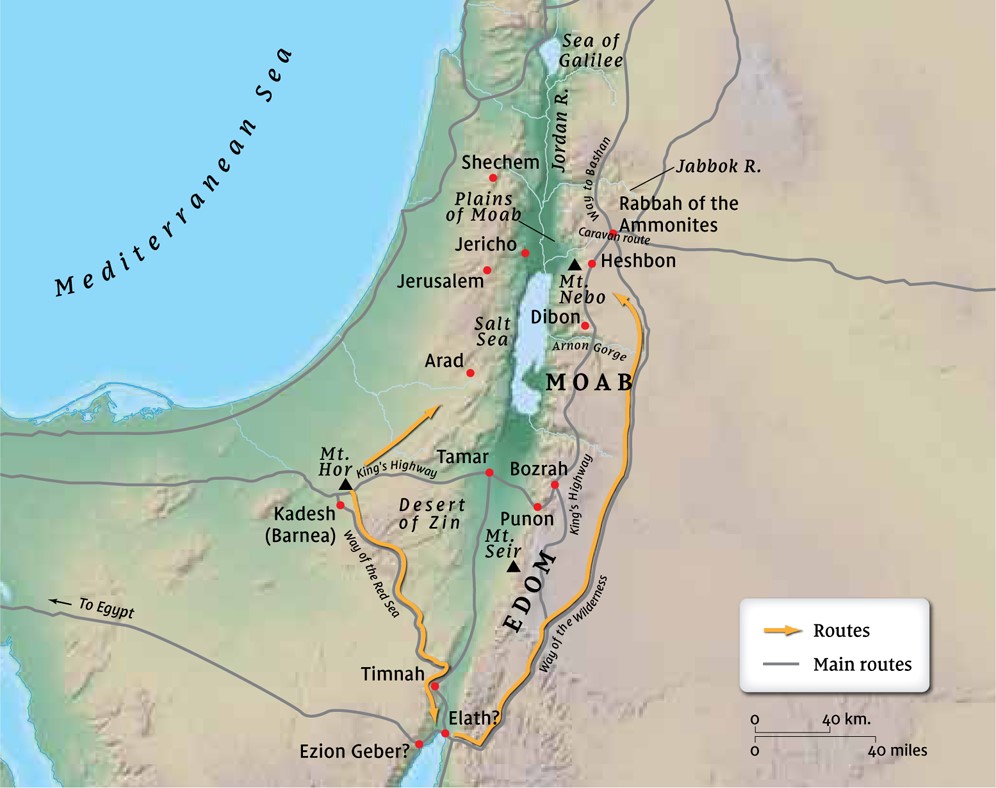
From Mount Hor they set out by the way to the Red Sea, to go around the land of Edom. And the people became impatient on the way. And the people spoke against God and against Moses, “Why have you brought us up out of Egypt to die in the wilderness? For there is no food and no water, and we loathe this worthless food.” Then the Lord sent fiery serpents among the people, and they bit the people, so that many people of Israel died. And the people came to Moses and said, “We have sinned, for we have spoken against the Lord and against you. Pray to the Lord, that he take away the serpents from us.” So Moses prayed for the people. And the Lord said to Moses, “Make a fiery serpent and set it on a pole, and everyone who is bitten, when he sees it, shall live.” So Moses made a bronze serpent and set it on a pole. And if a serpent bit anyone, he would look at the bronze serpent and live. Numbers 21:1-9 ESV

One of the things the Israelites seemed to quickly forget was that their presence in the wilderness was their own fault. God had led them from Egypt to the edge of the land of promise 40 years earlier, but they had decided that entrance into the land was way too risky. The 12 spies they had sent in to reconnoiter the land had returned with a conflicting report concerning conditions in Canaan.

“We entered the land you sent us to explore, and it is indeed a bountiful country—a land flowing with milk and honey. Here is the kind of fruit it produces. But the people living there are powerful, and their towns are large and fortified. We even saw giants there, the descendants of Anak! – Numbers 13:27-28 ESV

The second half of their report left the Israelites dejected and demoralized. Despite the news that this land was fertile and filled with abundant fruit, the presence of “giants” was too much for the Israelites, and the spies fed their doubts and anxieties by confirming their worst fears.

“We can’t go up against them! They are stronger than we are!” So they spread this bad report about the land among the Israelites: “The land we traveled through and explored will devour anyone who goes to live there. All the people we saw were huge. We even saw giants there, the descendants of Anak. Next to them we felt like grasshoppers, and that’s what they thought, too!” – Numbers 13:31-33 ESV

These rumors succeeded in convincing the Israelites that God’s promise of victory over their enemies was impossible. Rather than enter the land and risk certain death, they decided it would make more sense to return to Egypt. This bit of twisted logic earned them the wrath of God. He made the fateful decision to allow that entire generation to spend the rest of their lives wandering aimlessly in the wilderness until none of them was left. They would not be allowed to enter Canaan or return to Egypt. Instead, they would spend the remaining days of their lives in a kind of existential limbo that lasted four decades.

During that time, both Miriam and Aaron died. Many of their friends and family members succumbed to the effects of old age and illness, and they all discovered that life in the wilderness was no picnic. Their persistent presence near the borders of Canaan had attracted the attention of the land’s occupants. These nations had heard the rumors about this massive host of people who had escaped from Egypt and were headed their way. It is likely that they knew the Israelites to be the descendants of Jacob and were afraid that they would be looking for a place to live. This was a migrant problem of epic proportions. The thought of two million-plus Israelites invading their borders caused these nations to react with fear and brute force.

The last chapter revealed that the Edomites sent a large army to dissuade the Israelites from attempting to pass through their land; they wanted nothing to do with them. Now, “The Canaanite king of Arad, who lived in the Negev, heard that the Israelites were approaching on the road through Atharim. So he attacked the Israelites and took some of them as prisoners” (Numbers 21:2 NLT). Nothing was going well for the Israelites. As a nation, they were persona non grata in Canaan. They had no homeland and were even finding the nations outside the borders of Canaan to be just as dangerous as the “giants“ they had refused to confront. Their refusal to enter the land had come with serious repercussions.

Yet, there is one glimmer of hope in this dark period of Israel’s existence. Their self-inflicted troubles caused them to call out to God. When some of their people were captured by the forces of the king of Arad, the Israelites begged God to come to their aid. What’s interesting to note is that these are the very same people who had seen their odds of defeating the occupants of Canaan as insurmountable, yet they were suddenly ready to take on all comers. They even made a vow to completely annihilate the opposition if God would come to their aid.

“If you will hand these people over to us, we will completely destroy all their towns.” – Numbers 21:2 NLT

What makes this even more fascinating is that the Israelites had been here before. Thirty-eight years earlier, after having refused to enter the land of Canaan the first time, God had sentenced them to a life of wandering in the wilderness. In response to this death sentence from God, they quickly changed their minds and decided to enter the land after all. But Moses warned them that it was too late.

“Why are you now disobeying the Lord’s orders to return to the wilderness? It won’t work. Do not go up into the land now. You will only be crushed by your enemies because the Lord is not with you. When you face the Amalekites and Canaanites in battle, you will be slaughtered. The Lord will abandon you because you have abandoned the Lord.” – Numbers 14:41-43 NLT

But the people refused to listen, and “defiantly pushed ahead toward the hill country, even though neither Moses nor the Ark of the Lord’s Covenant left the camp” (Numbers 14:44 NLT). The result was a rout. The Israelites were soundly defeated because they attempted to take on their enemies without God’s permission or help.

Now, 38 years later, they decided to seek God’s assistance, and He “heard the Israelites’ request and gave them victory over the Canaanites. The Israelites completely destroyed them and their towns” (Numbers 22:3 NLT). Amazingly, what they had feared was impossible four decades earlier, was actually quite easy when they did it God’s way. Their victory was assured when they chose to seek God’s permission and assistance.

But even after that exhilarating display of God’s power, they quickly reverted to their old habit of complaining about their lot in life. While they had enjoyed a great victory, they were not allowed to occupy the towns they had conquered. Instead, they had to backtrack to Mount Hor and then travel further south and east to skirt the borders of Edom. They had gotten a taste of success, but still found themselves cursed to wander through the wilderness. Those conquered cities and villages were not theirs to occupy.

As the people made the long trek around Edom, the thrill of victory soon gave way to the agony of defeat and despair.

…the people grew impatient with the long journey, and they began to speak against God and Moses. “Why have you brought us out of Egypt to die here in the wilderness?” they complained. “There is nothing to eat here and nothing to drink. And we hate this horrible manna!” – Numbers 21:4-5 NLT

Even though they had brought all of this on themselves, they were still adept at casting blame on others. Their seemingly neverending trek through the wilderness soon led to discontentment with God’s will. They were unhappy with the way things were going and they let Moses know about it. But in response to their complaining, God let them have it. He sent a plague of poisonous snakes among them, and soon the bodies of the dead began to pile up. Suddenly, the people were singing a different tune.

“We have sinned by speaking against the Lord and against you. Pray that the Lord will take away the snakes.” – Numbers 21:7 NLT

God’s judgment produced a confession. The people repented of their sin and begged Moses to intercede with God on their behalf, asking for the removal of the curse of the snakes. When Moses complied and sought God, he was given the following instructions.

“Make a replica of a poisonous snake and attach it to a pole. All who are bitten will live if they simply look at it!” – Numbers 21:8 NLT

This rather strange command makes it appear as if God was asking Moses to make an idol. But the serpent on a stick was not meant to be worshiped;. it was intended to be a test of their faith.

God did not answer their request to eradicate the snakes. In fact, He indicated that the snakes would continue to do what He had sent them to do. They would keep inflicting pain, suffering, and death upon the Israelites as punishment for their ingratitude and their disregard for His holiness. What God did was create a rather bizarre plan for receiving deliverance over certain death. The snakes were sent from God as punishment for Israel’s sin. Their bite produced death, and the only way to escape that outcome was to look at the image of the serpent on the pole and they would be healed. But that simple glance would require faith.

God did not remove the penalty for their sins; they would still be bitten by the snakes. But now they had a means of escaping the penalty of death. The bite of the snakes would no longer prove deadly but only if the victim displayed faith in God. They were required to believe that the God they had offended could and would heal them. But that faith required the one who had been bitten to look their death sentence in the face. They had to turn their eyes to the pole and see their condemnation on public display. If they refused, they would die.

The apostle John would later record the words of Jesus where He stated that this entire scene in the wilderness was meant to foreshadow His coming and His substitutionary death on the cross.

…the Son of Man has come down from heaven. And as Moses lifted up the bronze snake on a pole in the wilderness, so the Son of Man must be lifted up, so that everyone who believes in him will have eternal life. – John 3:13-15 NLT

When a sinner looks at the cross, he sees the wrath of God poured out on the sins of mankind. Jesus was not the cause of our death but the means of our victory over it. He bore our sins so that we might not have to pay for them with our own lives. And that is exactly what the apostle Paul told the believers in Corinth.

God made Him who knew no sin to be sin on our behalf, so that in Him we might become the righteousness of God. – 2 Corinthians 5:21 BSB

And Peter would state the same blessed hope.

He himself bore our sins in his body on the tree, that we might die to sin and live to righteousness. By his wounds you have been healed. – 1 Peter 2:24 ESV

The key to victory over death is faith. One must “believe in Him” to be saved. The Israelites had only to look at the serpent on the pole to be saved from death. This scene in the wilderness foreshadowed the death of Christ, when He gave His life as a payment for the sins of humanity. The apostle Paul described the universal nature of mankind’s sin problem.

For we have already charged that all, both Jews and Greeks, are under sin, as it is written: “None is righteous, no, not one…” – Romans 3:9-10 ESV

…all have sinned and fall short of the glory of God. – Romans 3:23 ESV

Paul also declared that “the wages of sin is death” (Romans 6:23 ESV). Every Israelite deserved to be bitten and every sinful human being deserves God’s penalty of death. As the sovereign God of the universe, Hee is just and right when He punishes those who rebel against His authority. But in His mercy and grace, He provided a way for all those under the penalty of death to escape their sentence by looking to the cross of Christ. That simple act of faith produces life rather than death.

It should be noted that this entire scene began with the people complaining about the manna that God had graciously given as a source of life. Their ingratitude was met with God’s judgment. They had refused His offer of the bread that could sustain life and, as a result, they faced the sting of death. The only means of salvation would be faith in His mercy and grace.

“The bread is a picture of Jesus; as the Bread of Heaven he is the proper nourisher of his people. The bronze snake is a picture of Jesus, who became sin for us as he hung on that awful tree. The manna had to be eaten. The snake had to be seen. The commands of Scripture are for doing. The manna was no good if left to rot. The metal snake would not avail if none looked at it. The manna and the snake are twin aspects of the grace of God.” – Ronald B. Allen, “Numbers.” In Genesis—Numbers. Vol. 2 of The Expositor’s Bible Commentary

The anecdote to the Israelite’s death sentence was simple: Look and live. If they would only trust God and cast their eyes upon the bronze serpent, they would experience God’s mercy and grace. As long as they looked at their wound, they would die. If they attempted to heal themselves, they would fail. But if they would face their sin and trust that only God could save them, their lives would be spared. What an amazing picture of God’s gracious gift of eternal life made possible through His Son.

For the wages of sin is death, but the free gift of God is eternal life in Christ Jesus our Lord. – Romans 6:23 ESV

English Standard Version (ESV) The Holy Bible, English Standard Version. ESV® Permanent Text Edition® (2016). Copyright © 2001

New Living Translation (NLT) Holy Bible, New Living Translation, copyright © 1996, 2004, 2015 by Tyndale House Foundation. Used by permission of Tyndale House Publishers Inc., Carol Stream, Illinois 60188. All rights reserved.

Faith Is the Victory

1 When the Canaanite, the king of Arad, who lived in the Negeb, heard that Israel was coming by the way of Atharim, he fought against Israel, and took some of them captive. And Israel vowed a vow to the Lord and said, “If you will indeed give this people into my hand, then I will devote their cities to destruction.” And the Lord heeded the voice of Israel and gave over the Canaanites, and they devoted them and their cities to destruction. So the name of the place was called Hormah.

From Mount Hor they set out by the way to the Red Sea, to go around the land of Edom. And the people became impatient on the way. And the people spoke against God and against Moses, “Why have you brought us up out of Egypt to die in the wilderness? For there is no food and no water, and we loathe this worthless food.” Then the Lord sent fiery serpents among the people, and they bit the people, so that many people of Israel died. And the people came to Moses and said, “We have sinned, for we have spoken against the Lord and against you. Pray to the Lord, that he take away the serpents from us.” So Moses prayed for the people. And the Lord said to Moses, “Make a fiery serpent and set it on a pole, and everyone who is bitten, when he sees it, shall live.” So Moses made a bronze serpent and set it on a pole. And if a serpent bit anyone, he would look at the bronze serpent and live. Numbers 21:1-9 ESV

One of the things the Israelites seemed to quickly forget was that their presence in the wilderness was their own fault. God had led them from Egypt to the edge of the land of promise 40 years earlier, but they had decided that entrance into the land was way too risky. The 12 spies they had in to reconnoiter the land had returned with a conflicting report concerning conditions in Canaan.

“We entered the land you sent us to explore, and it is indeed a bountiful country—a land flowing with milk and honey. Here is the kind of fruit it produces. But the people living there are powerful, and their towns are large and fortified. We even saw giants there, the descendants of Anak! – Numbers 13:27-28 ESV

The second half of their report left the Israelites dejected and demoralized. Despite the news that this land was fertile and filled with abundant fruit, the presence of “giants” was too much for the Israelites. And the spies fed their doubts and anxieties by confirming their worst fears.

“We can’t go up against them! They are stronger than we are!” So they spread this bad report about the land among the Israelites: “The land we traveled through and explored will devour anyone who goes to live there. All the people we saw were huge. We even saw giants there, the descendants of Anak. Next to them we felt like grasshoppers, and that’s what they thought, too!” – Numbers 13:31-33 ESV

These rumors succeeded in convincing the Israelites that God’s promise of victory over their enemies was impossible. Rather than enter the land and risk certain death, they decided it would make more sense to return to Egypt. This bit of twisted logic earned them the wrath of God. He made the fateful decision to allow that entire generation to spend the rest of their lives wandering aimlessly in the wilderness until none of them was left. They would not be allowed to enter Canaan or return to Egypt. Instead, they would spend the remaining days of their lives in a kind of existential limbo that lasted four decades.

During that time, both Miriam and Aaron died. Many of their friends and family members succumbed to the effects of old age and illness. And they all discovered that life in the wilderness was no picnic. Their persistent presence near the borders of Canaan had attracted the attention of the land’s occupants. These nations had heard the rumors about this massive host of people who had escaped from Egypt and were headed their way. It is likely that they knew the Israelites to be the descendants of Jacob and were afraid that they would be looking to find a place to live. This was a migrant problem of epic proportions. The thought of two million-plus Israelites invading their borders caused these nations to react with fear and brute force.

The last chapter revealed that the Edomites sent a large army to dissuade the Israelites from attempting to pass through their land. They wanted nothing to do with them. And now, “The Canaanite king of Arad, who lived in the Negev, heard that the Israelites were approaching on the road through Atharim. So he attacked the Israelites and took some of them as prisoners” (Numbers 21:2 NLT). Nothing was going well for the Israelites. As a nation, they were persona non grata. They had no home and were finding the nations outside the borders of Canaan to be just as dangerous as the “giants“ they had refused to confront. Their refusal to enter the land had come with serious repercussions.

Yet, there is one glimmer of hope in this dark period of Israel’s existence. Their self-inflicted troubles caused them to call out to God. When some of their people were captured by the forces of the king of Arad, the Israelites begged God to come to their aid. And what’s interesting to note is that these very same people who had seen the odds in Canaan as insurmountable were suddenly ready to take on all comers. They even made a vow to completely annihilate the opposition if God would come to their aid.

“If you will hand these people over to us, we will completely destroy all their towns.” – Numbers 21:2 NLT

What makes this even more fascinating is that the Israelites had been here before. Thirty-eight years earlier, after having refused to enter the land of Canaan the first time, God had sentenced them to their life of wandering in the wilderness. In response to this death sentence from God, they quickly changed their minds and decided to enter the land after all. But Moses warned them that it was too late.

“Why are you now disobeying the Lord’s orders to return to the wilderness? It won’t work. Do not go up into the land now. You will only be crushed by your enemies because the Lord is not with you. When you face the Amalekites and Canaanites in battle, you will be slaughtered. The Lord will abandon you because you have abandoned the Lord.” – Numbers 14:41-43 NLT

But the people refused to listen, and “defiantly pushed ahead toward the hill country, even though neither Moses nor the Ark of the Lord’s Covenant left the camp” (Numbers 14:44 NLT). The result was a rout. The Israelites were soundly defeated because they attempted to take on their enemies without God’s permission or help.

Now, 38 years later, they decided to seek God’s assistance, and He “heard the Israelites’ request and gave them victory over the Canaanites. The Israelites completely destroyed them and their towns” (Numbers 22:3 NLT). Amazingly, what they had feared was impossible four decades earlier, was actually quite easy when they did it God’s way. Their victory was assured when they chose to seek God’s permission and assistance.

But even after that exhilarating display of God’s power, they quickly reverted to their old habit of complaining about their lot in life. While they had enjoyed a great victory, they were not allowed to occupy the towns they had conquered. Instead, they had to backtrack to Mount Hor and then travel further south and east in order to skirt the borders of Edom. They had gotten a taste of success, but still found themselves cursed to wander through the wilderness. Those conquered cities and villages were not theirs to occupy.

And as the people made the long trek around Edom, the thrill of victory soon gave way to the agony of defeat and despair.

…the people grew impatient with the long journey, and they began to speak against God and Moses. “Why have you brought us out of Egypt to die here in the wilderness?” they complained. “There is nothing to eat here and nothing to drink. And we hate this horrible manna!” – Numbers 21:4-5 NLT

The incessant wandering they had brought on themselves soon led to discontentment and dissidence with God’s will. They were not happy with the way things were going and they let Moses know. And God let them have it. He sent a plague of poisonous snakes among them, and soon the bodies of the dead began to pile up. And suddenly, the people were singing a different tune.

“We have sinned by speaking against the Lord and against you. Pray that the Lord will take away the snakes.” – Numbers 21:7 NLT

God’s judgment produced a confession. The people repented of their sin and begged Moses to intercede on their behalf and ask God to remove the curse of the snakes. And when Moses sought God, he was given the following instructions.

“Make a replica of a poisonous snake and attach it to a pole. All who are bitten will live if they simply look at it!” – Numbers 21:8 NLT

This rather strange command makes it appear as if God was asking Moses to make an idol. But the serpent on a stick was not meant to be worshiped. It was intended to be a test of their faith.

God did not answer their request to remove the snakes. In fact, He indicated that the snakes would continue to do what He had sent them to do. They would keep inflicting pain, suffering, and death upon the Israelites as punishment for their ingratitude and dishonor of His holiness. What God did was create a rather bizarre plan for receiving deliverance over certain death. When bitten, all the people had to do was look at the serpent on the pole and they would be healed. But that simple glance would require faith.

God did not remove the penalty for their sins. They would still be bitten by the snakes. But now they had a means of receiving life rather than death. The bite of the snake would no longer prove deadly. But the secret to receiving life rather than death was faith – the belief that God could and would heal. And that faith required the one who had been bitten to look their death sentence in the face. They had to turn their eyes to the pole and see their condemnation on public display. And if they refused, they would die.

And the apostle John would later record the words of Jesus where He stated that this entire scene in the wilderness was meant to foreshadow His coming and His substitutionary death on the cross.

…the Son of Man has come down from heaven. And as Moses lifted up the bronze snake on a pole in the wilderness, so the Son of Man must be lifted up, so that everyone who believes in him will have eternal life. – John 3:13-15 NLT

When a sinner looks at the cross, he sees the wrath of God poured out on the sins of mankind. Jesus was not the cause of our death but the means of our victory over it. He bore our sins so that we might not have to pay for them with our own lives. And that is exactly what the apostle Paul told the believers in Corinth.

God made Him who knew no sin to be sin on our behalf, so that in Him we might become the righteousness of God. – 2 Corinthians 5:21 BSB

And Peter would state the same blessed hope.

He himself bore our sins in his body on the tree, that we might die to sin and live to righteousness. By his wounds you have been healed. – 1 Peter 2:24 ESV

And the key to victory over death is faith. One must “believe in Him” to be saved. The Israelites had only to look at the serpent on the pole to be saved from death. And all those under the death sentence that comes as a result of sin need only look at the cross of Christ to receive life everlasting.

It should be noted that this entire scene began with the people complaining about the manna that God had graciously given as a source of life. Their ingratitude was met with God’s judgment. They had refused His offer of the bread of life and faced the sting of death. And the only means of salvation would be faith in His mercy and grace.

“The bread is a picture of Jesus; as the Bread of Heaven he is the proper nourisher of his people. The bronze snake is a picture of Jesus, who became sin for us as he hung on that awful tree. The manna had to be eaten. The snake had to be seen. The commands of Scripture are for doing. The manna was no good if left to rot. The metal snake would not avail if none looked at it. The manna and the snake are twin aspects of the grace of God.” – Ronald B. Allen, “Numbers.” In Genesis—Numbers. Vol. 2 of The Expositor’s Bible Commentary

English Standard Version (ESV) The Holy Bible, English Standard Version. ESV® Permanent Text Edition® (2016). Copyright © 2001

New Living Translation (NLT) Holy Bible, New Living Translation, copyright © 1996, 2004, 2015 by Tyndale House Foundation. Used by permission of Tyndale House Publishers Inc., Carol Stream, Illinois 60188. All rights reserved.

Ungodliness Among the Godly

14 It was also about these that Enoch, the seventh from Adam, prophesied, saying, “Behold, the Lord comes with ten thousands of his holy ones, 15 to execute judgment on all and to convict all the ungodly of all their deeds of ungodliness that they have committed in such an ungodly way, and of all the harsh things that ungodly sinners have spoken against him.” 16 These are grumblers, malcontents, following their own sinful desires; they are loud-mouthed boasters, showing favoritism to gain advantage. – Jude 1:14-16 ESV

To strengthen his attack against the false teachers, Jude has utilized imagery from nature and borrowed from Jewish intertestamental texts, specifically the book of 1 Enoch. He has already used this book once when describing a scene in which the angel, Michael, disputed with Satan over the body of Moses. This story is recorded in the book of 1 Enoch, but most likely a part of Jewish oral tradition. The book of 1 Enoch was part of what has come to be known as pseudepigraphal writings, all composed somewhere between 200-300 B.C. Also known as the intertestamental period, this was a time marked by seeming silence from God. He had sent no more prophets to the people of Israel or Judah.

The people of Judah had returned from exile in Babylon and were living in the land of promise once again, but they had no king and were relatively powerless and defenseless. During that time, a number of these writings appeared, bearing the names of Old Testament saints, such as Enoch, Abraham, Ezra, and Solomon. Their designation as pseudepigraphal is based on the fact that they profess to be written by Old Testament characters, but were written centuries after these individuals lived. In Greek, pseudepigraphos means “false inscription.” None of these books were considered legitimate by the early church fathers, and so, they were not included in the canon of Scripture. But they were most popular within the 1st-Century Jewish community. So, Jude’s use of these texts should not be taken as his endorsement of their authenticity. He is simply using contemporary and familiar resources to drive home his point.

In today’s text, Jude seems to quote directly from the book of 1 Enoch.

And behold! He cometh with ten thousands of His holy ones
To execute judgement upon all,
And to destroy all the ungodly:
And to convict all flesh
Of all the works of their ungodliness which they have ungodly committed,
And of all the hard things which ungodly sinners have spoken against Him. – 1 Enoch 1:9

We know little about Enoch, other than what we are told in the book of Genesis. He appears in the genealogy of Adam, recorded by Moses. And as Jude indicates, Enoch was the seventh name listed in that genealogy.

When Jared had lived 162 years, he fathered Enoch. Jared lived after he fathered Enoch 800 years and had other sons and daughters. Thus all the days of Jared were 962 years, and he died.

When Enoch had lived 65 years, he fathered Methuselah. Enoch walked with God after he fathered Methuselah 300 years and had other sons and daughters. Thus all the days of Enoch were 365 years. Enoch walked with God, and he was not, for God took him. – Genesis 5:18-24 ESV

Because of this Genesis text,  the Jews in Jude’s audience would have held Enoch in high esteem. Two times in this Genesis account it refers to Enoch as having walked with God. He was a godly man. And the passage in 1 Enoch that from which Jude quotes, portrays Enoch as having been a prophet of God. He spoke on behalf of God. And the whole reason Jude used that quote was because it spoke of God’s coming judgment against the ungodly.

Behold, the Lord comes with ten thousands of his holy ones, to execute judgment on all and to convict all the ungodly of all their deeds of ungodliness that they have committed in such an ungodly way. – Jude 1:14-15 ESV

Notice the three times in which the word “ungodly” is used. That is Jude’s whole point. The false prophets he is warning the believers about are to be seen as what they are: Ungodly individuals who are committing acts of ungodliness. This does not necessarily mean they are unsaved or devoid of a relationship with Christ. Even the godly are capable of acting in ungodly ways. Those who are in Christ can find themselves doing un-Christlike things.

The real issue seems to be how these false teachers were treating God. The 1 Enoch passage refers to “the hard things which ungodly sinners have spoken against Him.” The primary problem with these individuals was their treatment of God Almighty. Jude calls them “grumblers, malcontents,…and loud-mouthed boasters.” They were ungrateful and prone to complain. And, as Jude pointed out earlier, they had a strong dislike of authority. They were driven by their need for control and their desire to meet their own selfish and self-centered agendas. Jude accuses them of “following their own sinful desires,” which simply means they were following the promptings of their own sin natures rather than the Spirit of God.

The apostle Paul warned about the inner conflict that is a very real part of every believer’s life on this earth.

So I say, let the Holy Spirit guide your lives. Then you won’t be doing what your sinful nature craves. The sinful nature wants to do evil, which is just the opposite of what the Spirit wants. And the Spirit gives us desires that are the opposite of what the sinful nature desires. These two forces are constantly fighting each other… – Galatians 5:16-17 NLT

These false teachers were evidently losing the battle. And, according to Jude, their lives were giving evidence of the very things Paul said would mark the life of anyone who fails to yield to the Spirit of God.

When you follow the desires of your sinful nature, the results are very clear: sexual immorality, impurity, lustful pleasures, idolatry, sorcery, hostility, quarreling, jealousy, outbursts of anger, selfish ambition, dissension, division, envy, drunkenness, wild parties, and other sins like these. – Galatians 5:19-21 NLT

Living according to our sin nature produces a whole host of unhealthy fruit. And the false teachers who were infecting the congregations to whom Jude was writing. The works of the flesh, as Paul called them, have a way of spreading. They’re infectious. As Paul told the Galatian believers:

This false teaching is like a little yeast that spreads through the whole batch of dough!
 – Galatians 5:9 NLT

It has to be irradicated and removed. It cannot be tolerated or ignored. When these kinds of individuals show up in a local congregation, claiming to be one of the flock and giving evidence of their faith in Christ, it may be difficult to spot them. But in time, the fruit of the lives will become apparent. Their true character will ultimately be revealed, and the condition of their heart will be exposed. When that happens, action must be taken. And, as Jude will reveal, the best defense is a strong offense. He will encourage the believers to rely on prayer and the constant pursuit of spiritual maturity to resist the influence of these grumblers, malcontents, and loud-mouthed boasters.

Spiritual maturity is the best weapon in our war against spiritual apostasy. An ever-increasing faith in Christ is the most effective antidote to godlessness in the camp. In the book of Numbers, we have recorded the story of the Israelites complaining against Moses and God. They were unhappy with their lot in life and were grumbling about their lack of food and water. So, as punishment for their ingratitude and lack of reverence, God sent a plague of poisonous snakes among them. When the people saw that God had sent His judgment on them, they confessed their sin to Moses and begged him to intervene on their behalf. So God told Moses, “Make a fiery serpent and set it on a pole, and everyone who is bitten, when he sees it, shall live” (Numbers 21:8 ESV). And when anyone who had been bitten looked on the bronze serpent, they received immediate healing. But their gazing at the serpent on the pole took faith. They had no guarantee that anything would happen, except for the word of God.

The best way to deal with sin in the camp is to look at Christ on the cross. We must focus our gaze on the sole solution to all sin, the Savior who was sacrificed on behalf of sinful mankind and offered Himself as the payment for mankind’s sin debt to God. There will always be false teachers among us. But a spiritual strong congregation who has a healthy love for God and a confident dependence upon the saving work of Jesus Christ will prove to be an unwelcome and unfruitful place for falsehood to gain a foothold.

English Standard Version (ESV) The Holy Bible, English Standard Version. ESV® Permanent Text Edition® (2016). Copyright © 2001 by Crossway Bibles, a publishing ministry of Good News Publishers.

New Living Translation (NLT) Holy Bible, New Living Translation, copyright © 1996, 2004, 2015 by Tyndale House Foundation. Used by permission of Tyndale House Publishers Inc., Carol Stream, Illinois 60188. All rights reserved.

The Message (MSG) Copyright © 1993, 1994, 1995, 1996, 2000, 2001, 2002 by Eugene H. Peterson

Numbers 21-22, John 2

Spiritual Blindness.

Numbers 21-22, John 2

Because of the miraculous signs Jesus did in Jerusalem at the Passover celebration, many began to trust in him. But Jesus didn’t trust them, because he knew human nature. No one needed to tell him what mankind is really like. – John 2:23-25 NLT

The people of Israel suffered from spiritual blindness. They had the physical capacity for sight, but far too often they were plagued by an inability to see what God was doing. It was this spiritual blindness that caused them to repeatedly complain about their situation and question God’s will for their lives. Even after all God had done for them, they continued to reveal their inability to see and appreciate His divine plan for them. In Numbers 21, this spiritual blindness would result in God’s discipline in the form of poisonous serpents. The antidote was for Moses to make a bronze serpent and place it on a pole in the midst of the camp. When an Israelite was bitten, they would have to look on the bronze serpent to receive back his life. Jesus would refer to this real-life occasion as a foreshadowing of His own death on the cross. “And as Moses lifted up the serpent in the wilderness, so must the Son of Man be lifted up, that whoever believes in him may have eternal life” (John 3:14-15 ESV). There was more involved than simply seeing. Salvation required believing. Even in Moses’ day, the people who looked on the bronze serpent had to believe that doing so would bring life instead of death. Those who refused to see and believe would experience death.

In the story of Balaam found in Numbers 22, we have another example of spiritual blindness. Balaam was a pagan seer or diviner who had been hired by Balak, the king of Moab, to bring a curse on the people of Israel. God spoke to Balaam and ordered him NOT to go with the king’s emissaries and NOT to curse Israel. Initially Balaan obeyed. But when Balak’s representatives showed back up offering great wealth in return for his services, God gave Balaam the freedom to make his own choice. Driven by greed and hoping to figure out a way to eventually curse Israel and cash in, Balaam chose to go with the officials from Balak. He was spiritually blind and chose wrong. The seer was unable to see God’s will and, as a result, God was angry. On his way to meet Balak, Balaam is visited by an angel of the Lord. And interestingly enough, the text tells us three different times that “the donkey saw the angel of the Lord” (Numbers 22:23 ESV). But Balaam was blind to this divine encounter. This famous diviner couldn’t see that God was about to take his life for his disobedience. And it wasn’t until God opened his eyes that Balaam truly saw the danger of his circumstances.

What does this passage reveal about God?

As we have seen time and time again through the story of God’s interactions with the people of Israel, He was always in control of each and every circumstance. In this case, God knew the plans of Balak and He knew the heart of Balaam. God was in complete control of the events surrounding this story. While Balaam was blind to the will of God, God knew exactly what was going on within the heart of this greedy pagan diviner. Just as God spoke through a donkey, God would speak through this flawed man.

We see in the stories recorded by John in his gospel that spiritual blindness was still a problem in Jesus’ day. Yes, people could see all that Jesus was able to do. They were amazed that He could turn ordinary water into extraordinary wine, but they were blind to the spiritual significance of these events. John tells us that these signs manifested His glory. They revealed His divine nature and gave proof of His having been sent by God. And the disciples believed in Him. They saw what He was able to do, and they believed in Him. But what was it they believed? At this point they were spiritually blind to the real nature of His divine calling. They believed in His power, but they did not yet understand that His real mission was to involve His own death for their sins.

What does this passage reveal about man?

After Jesus’ miracle of turning the water into wine and His cleansing of the Temple, John records that “many believed in his name when they saw the signs that he was doing” (John 2:23 ESV). They believed, but theirs was not a saving faith. They believed that Jesus was a special individual with special powers. He was able to do things that they had never seen done before. They were attracted to His ability to perform miracles. But interestingly enough, John goes on to say, “But Jesus didn’t trust them, because he knew human nature. No one needed to tell him what mankind is really like” (John 2:24-25 NLT). John uses a play on words in the Greek. The people “trusted” Jesus, but He didn’t “trust” them. He knew their hearts. He knew that their belief was spurious. Like Balaam, they were blind to the reality of what God was doing. Balaam appeared to be doing the will of God, but his heart was evil, his intentions were impure. Jesus knew the people who “believed in his name” were simply attracted to the sensational nature of His miracles and signs. Such is the case with so many today. They see Jesus as a miracle worker. They view Him as some kind of life coach who can them enjoy everything from improved health to a better marriage. But they fail to see that Jesus came to give them eternal life, not just a slightly better version of the life they had been living. He came to free them from sin and restore them to a right relationship with God. He came to die so that they might be made holy in God’s eyes. But many remain blind to that reality. Like Balaam, they remain unable to see what God is doing around them and what He intends to do within them. As Jesus would say of His own disciples, they have eyes, but do not see, and ears, but do not hear.

How would I apply what I’ve read to my own life?

Spiritual blindness requires divine healing, just as physical blindness did in Jesus’ day. I need the Spirit of God to open my eyes so that I can see what God is doing in and around me. I need Him to remove the scales from my eyes so that I can fully comprehend His divine will. Otherwise I will tend to see what I want to see. Or I will view life as through a foggy lens that prevents me from seeing accurately and truly. Even though he was a seer, Balaam could not see what God was doing, until God opened his eyes. Even as a child of God, I cannot see God’s divine will unless He opens my eyes. But when I see, I must also believe. I must believe that God is in control. I must believe that God is faithful and worthy of my trust. I must believe that God has my best interest at heart – all the time – regardless of how things may appear. I must believe that what God says, He will do. What He promises, He will fulfill. What He begins, He finishes.

Father, open my eyes so that I can see what it is that You are doing in this world. Don’t let me view life and my circumstances from my limited perspective. Don’t allow me to walk around in spiritual blindness, seeing only what I want to see, but missing out on Your will for my life. I want to see and believe. I want to develop a divine perspective that allows me to view the world and all that is taking place from Your point of view, not mine. Amen

Ken Miller
Grow Pastor & Minister to Men
kenm@christchapelbc.org