A Much-Needed Wake-up Call

1 Paul, an apostle of Christ Jesus by the will of God, and Timothy our brother, To the saints and faithful brothers in Christ at Colossae: Grace to you and peace from God our Father. – Colossians 1:1-2 ESV

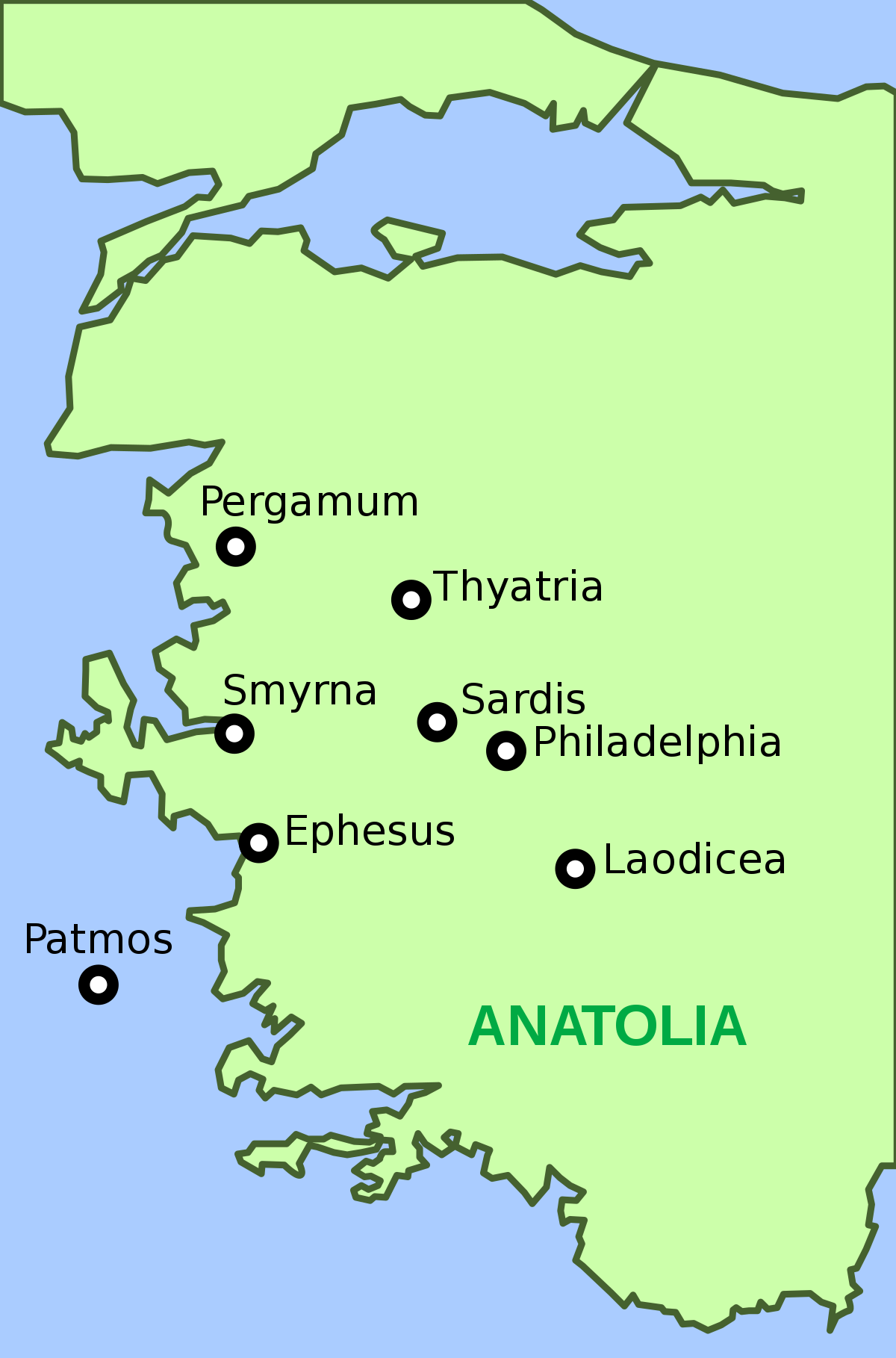
The ancient city of Colossae achieved its early prominence and prosperity due to its location along a major trade route that ran through the Lycus River Valley in the Roman province of Asia Minor (in today’s modern-day Turkey). But in time, the nearby and newer city of Laodicea replaced Colossae as the economic engine of the region. The once-thriving metropolis of Colossae had become famous for manufacturing a much-coveted crimson-colored wool cloth known as colossinum. But by the time Paul wrote his letter, Colossae had become little more than a small village. It was in this environment that a small congregation of believers had sprung up.

The founding of the Colossian church is unclear. When Paul wrote his letter, he had not been to the city of Colossae, but his missionary journeys had taken him to nearby Ephesus where he spent an extended time spreading the gospel message and making converts. According to Acts 19:10, “This continued for two years, so that all the residents of Asia heard the word of the Lord, both Jews and Greeks.” It could be that one of the new converts from Ephesus took the good news of Jesus Christ to Colossae or a resident from Colossae had traveled to Ephesus and heard the preaching of Paul. Whatever the case, the gospel made its way to the Colossians, and in time, a small congregation had formed.

Because of its location along a major trade route, the city of Colossae had a population comprised of Greek colonists and native Phrygians. There would have also been a large number of Jews living in the area because Antiochus the Great (223-187 B.C.) had relocated hundreds of Jewish families from Mesopotamia to this region. So, this local congregation likely comprised people from every ethnic, cultural, and religious background. This diversity of backgrounds, coupled with the influence of false teachers, had produced confusion among the church’s young congregation.

It appears that Paul received word of the situation in Colossae from Epaphras, a resident of the city. Whether Epaphras visited Paul while he was under house arrest in Rome is unclear, but the fellow minister of the gospel had somehow gotten word to the apostle about the state of affairs in his hometown. According to verses 7-8 of chapter one, Epaphras had been instrumental in spreading the gospel to his fellow Colossians.

You learned the gospel from Epaphras, our dear fellow slave—a faithful minister of Christ on our behalf—who also told us of your love in the Spirit. – Colossians 1:7-8 NLT

However, Epaphras shared with Paul his concern for the spiritual well-being of the church. Without proper leadership and instruction, the fledgling congregation struggled to resist the temptation to syncretize their old religious ideologies with their new faith in Christ. Some of the Jewish converts to Christianity were attempting to “Judaize” the Gentile members of the congregation by demanding adherence to the rituals, traditions, and laws of Judaism. To make matters worse, some had infiltrated the church posing as doctrinal experts and propagating a dangerous brand of false teaching that stood in direct opposition to the teachings of Jesus, Paul, and the other apostles. This led Paul to open his letter with a statement establishing his apostolic credentials.

Paul, an apostle of Christ Jesus by the will of God… – Colossians 1:1 ESV

While Paul had not been one of the original 12 disciples of Jesus Christ, he had received his apostolic commission directly from the Lord Himself. In his earlier life, Paul had been a member of the Pharisees, a powerful and highly influential sect of Judaism. At one point, he described himself as the poster boy for religious extremism and dedication.

I was circumcised when I was eight days old. I am a pure-blooded citizen of Israel and a member of the tribe of Benjamin—a real Hebrew if there ever was one! I was a member of the Pharisees, who demand the strictest obedience to the Jewish law. I was so zealous that I harshly persecuted the church. And as for righteousness, I obeyed the law without fault. – Philippians 3:5-6 NLT

He was an up-and-coming member of the Pharisees who had been given a commission by the high priest to persecute and arrest members of “the way,” the name given to the cult of followers who worshiped the dead Rabbi, Jesus. Saul, as he was known then, was a devout Pharisee and a zealous adherent to and defender of the Jewish faith. He was determined to eradicate the memory of Jesus and eliminate every one of His followers. He would later describe to the Jews how he had been given a commission to hunt down and destroy Christians.

“I am a Jew, born in Tarsus, a city in Cilicia, and I was brought up and educated here in Jerusalem under Gamaliel. As his student, I was carefully trained in our Jewish laws and customs. I became very zealous to honor God in everything I did, just like all of you today. And I persecuted the followers of the Way, hounding some to death, arresting both men and women and throwing them in prison. The high priest and the whole council of elders can testify that this is so. For I received letters from them to our Jewish brothers in Damascus, authorizing me to bring the followers of the Way from there to Jerusalem, in chains, to be punished.” – Acts 22:3-5 NLT

But something remarkable occurred as Paul made his way to Damascus. He came face to face with the resurrected Jesus. A blinding light stopped him in his tracks, and a voice spoke to him, saying, “I am Jesus the Nazarene, the one you are persecuting” (Acts 22:8 NLT). Struck blind by the intense light, Paul could not see, but he clearly heard Jesus’ instructions to visit a man named Ananias. The stunned Pharisee obeyed Jesus command and sought out Ananias, who opened his eyes and revealed his new mission:

“The God of our ancestors has chosen you to know his will and to see the Righteous One and hear him speak. For you are to be his witness, telling everyone what you have seen and heard. What are you waiting for? Get up and be baptized. Have your sins washed away by calling on the name of the Lord.” – Acts 22:14-16 NLT

This “Damascus Road experience” transformed Paul’s life. He went from being a persecutor of “the Way” to being a proclaimer of the good news of Jesus Christ, the One who had proclaimed Himself to be “the way, the truth, and the life” (John 14:6 NLT). Paul was appointed an official apostle or messenger of Jesus Christ, with specific instructions to take the good news of salvation to the Gentiles. In the opening line of his letter, Paul stresses that he has divine authority to address the situation taking place within their local congregation. Because Paul was not one of the original 12 disciples, some attacked his apostolic credentials and he was forced to defend his rights to speak on behalf of Christ. He pushed back on these critics, declaring his God-given authority to serve as a spokesman for the resurrected Messiah.

I was not appointed by any group of people or any human authority, but by Jesus Christ himself and by God the Father, who raised Jesus from the dead. – Galatians 1:1 NLT

Many of the churches Paul helped to establish were being targeted by men who claimed to be speaking on behalf of God but were teaching false doctrines and leading the people away from the simplicity and integrity of the gospel. Many of these men were eloquent and influential speakers who derided Paul’s ministry and portrayed him as a charlatan. But Paul refused to let these individuals destroy what God had built.

But I will continue doing what I have always done. This will undercut those who are looking for an opportunity to boast that their work is just like ours. These people are false apostles. They are deceitful workers who disguise themselves as apostles of Christ. – 2 Corinthians 11:12-13 NLT

As Paul wrote the believers in Colossae, he opened his letter with a declaration of his apostleship. He wanted them to know that what he was about to tell them was divinely inspired and not just the thoughts of a man they had never met. He was about to divulge to them the will of God concerning their situation, and it would pay for them to listen. Paul also informed them that he was not alone in his concern for them. Timothy, his protégé and fellow minister of the gospel, stood with him in his message of encouragement and admonition.

Paul refers to his audience as “saints,” using a Greek term (hagios), which means “those set apart to God.” He wanted to remind them that they had been consecrated by God for His use. They belonged to Him and were obligated to live their lives in keeping with His will and according to His Word. They were not free to establish their own model for righteous living or to create their own system of religious rituals or creeds. They had been set apart by God and were to dedicate their lives to God. The rest of his letter addresses the specifics of their situation and the measures they must take to ensure that they continue to live faithful lives marked by God’s grace and peace.

These faithful “saints” lived in adverse conditions and faced constant threats to their spiritual growth and development. But Paul will challenge them “to walk in a manner worthy of the Lord, fully pleasing to him” (Colossians 1:10 ESV). His letter will serve as a much-needed wake-up call reminding them of their identity in Christ and the need to “continue in the faith, stable and steadfast, not shifting from the hope of the gospel” (Colossians 1:23 ESV). Paul, the faithful servant of Jesus Christ, will call the faithful saints in Colossae to “think about the things of heaven, not the things of earth” (Colossians 3:2 NLT) and to “live wisely among those who are not believers, and make the most of every opportunity” (Colossians 4:4 NLT). His message will be equal parts admonition and motivation. He will refute the false teachers, expose blind spots, and encourage godly behavior, all out of passion for the gospel and his love for the flock of Jesus Christ.

English Standard Version (ESV) The Holy Bible, English Standard Version. ESV® Permanent Text Edition® (2016). Copyright © 2001 by Crossway Bibles, a publishing ministry of Good News Publishers.

New Living Translation (NLT) Holy Bible, New Living Translation, copyright © 1996, 2004, 2015 by Tyndale House Foundation. Used by permission of Tyndale House Publishers Inc., Carol Stream, Illinois 60188. All rights reserved.

New English Translation (NET)NET Bible® copyright ©1996-2017 by Biblical Studies Press, L.L.C. http://netbible.com All rights reserved.

Thy Will Be Done

Continue steadfastly in prayer, being watchful in it with thanksgiving. At the same time, pray also for us, that God may open to us a door for the word, to declare the mystery of Christ, on account of which I am in prison— that I may make it clear, which is how I ought to speak.

Walk in wisdom toward outsiders, making the best use of the time. Let your speech always be gracious, seasoned with salt, so that you may know how you ought to answer each person. Colossians 4:2-6 ESV

Paul has emphasized the believers’ relationship with one another. He encouraged them to “make allowance for each other’s faults, and forgive anyone who offends you” (Colossians 3:13 NLT). They were to patiently and lovingly respond to one another as brothers and sisters in Christ, forgiving as they had been forgiven, and seeking to promote an atmosphere of Christlike peace and harmony.

Now, Paul calls on the Colossian believers to make prayer a priority in their lives. And Paul practiced what he preached. He opened his letter with several statements concerning the ongoing prayers that he and Timothy prayed on behalf of the Colossian church.

We always pray for you, and we give thanks to God, the Father of our Lord Jesus Christ. – Colossians 1:3 NLT

…we have not stopped praying for you since we first heard about you. We ask God to give you complete knowledge of his will and to give you spiritual wisdom and understanding. – Colossians 1:9 NLT

We also pray that you will be strengthened with all his glorious power so you will have all the endurance and patience you need. – Colossians 1:11 NLT

Prayer was a vital part of Paul’s ministry. With responsibility for the spiritual well-being of so many congregations spread over such a large geographic area, Paul was limited in his ability to make personal appearances. So, he utilized prayer as the means by which he called on the power of God to protect and provide for his far-flung flocks. Paul understood the power and necessity of prayer. He considered it the most vital relationship a Christian could cultivate in their lives. The author of Hebrews, whom many believe to have been Paul, wrote, “Let us then approach the throne of grace with confidence, so that we may receive mercy and find grace to help us in our time of need” (Hebrews 4:16 BSB). Paul wrote something similar in his letter to the church in Ephesus.

Because of Christ and our faith in him, we can now come boldly and confidently into God’s presence. – Ephesians 3:12 NLT

Paul was committed to cultivating the interpersonal relationships of the Colossians believers. He wanted them to live out their Spirit-transformed lives by displaying Christlike behavior toward one another. But he also desired that the Colossians maintain a healthy and ongoing dialogue with their heavenly Father. For Paul, prayer was the primary way for a believer to express their dependence upon God. He viewed it as far more than a means of getting what we want from God. Prayer was a way for the believer to align their will with that of the Father. It was to be an ongoing form of two-way communication between the Heavenly Father and His child. Through prayer, petitions could be shared and directions could be received. For Paul, prayer was an expression of faith. It displayed the believer’s dependence upon and trust in God. It was a privilege provided by a gracious God that allowed His children to call upon Him at any time. It was to be a delight, not a duty.

Paul was familiar with the proverbs that promoted the efficacy of prayer.

The sacrifice of the wicked is an abomination to the LORD, but the prayer of the upright is acceptable to him. – Proverbs 15:8 ESV

The LORD is far from the wicked, but he hears the prayer of the righteous. – Proverbs 15:29 ESV

He would have known what King David had written concerning God and the prayers of His people.

The Lord is near to all who call on him,
    to all who call on him in truth.
He fulfills the desire of those who fear him;
    he also hears their cry and saves them. – Psalm 145:18-19 NLT

And he would have concurred with the words of James.

Therefore confess your sins to each other and pray for each other so that you may be healed. The prayer of a righteous man has great power to prevail. – James 5:16 BSB

So, Paul begins to close out his letter to the Colossians with an emphasis on prayer. He urges them to devote themselves to the practice of prayer. And he warns them to be “watchful” (grēgoreō), a word that carries the idea of being alert and ready to see how God will answer their prayers. And when God does answer, they are to express their gratitude for His gracious intercession. Prayer requires faith but not blind faith. It has God as its object and, therefore, answers to prayer should come as no surprise. Prayer and thanksgiving should go hand in hand because God is a faithful God who longs to fulfill the desires of His people.

That’s why Paul asks the Colossians to pray for him. He understood the power of prayer and was not ashamed to request their prayers on his behalf. But Paul was specific in terms of his prayer request. He wanted them to pray that God would open up additional opportunities for him and Timothy to share the good news concerning Christ. At first glance, this seems like an unnecessary prayer. The spread of the gospel was God’s will. He didn’t need to be coerced or cajoled into opening up new opportunities for unbelievers to hear the news of salvation by grace alone through faith alone in Christ alone. According to Paul’s letter to Timothy, God “desires all people to be saved and to come to the knowledge of the truth” (1 Timothy 2:4 ESV). So, why was it important that the Colossians pray this prayer on Paul’s behalf?

It seems that Paul wanted them to pray in keeping with the will of God. It was clearly God’s will that many would be saved and the Colossians had the opportunity to align themselves with God praying for His will to be accomplished. In doing so, they would be setting their minds on things that are above, not on things that are on earth (Colossians 3:2). They would be praying in keeping with God’s revealed will.

What makes Paul’s prayer request even more fascinating is that he shared it while under house arrest in Rome. He didn’t ask them to pray for his release. He didn’t covet their prayers for protection or provision. They would have known about his predicament. And by focusing their attention on the spread of the gospel, Paul was helping them to understand that God’s will trumped his own. If God deemed it necessary for Paul to be released in order for the gospel to be spread, He would make it happen. But Paul’s prayer request was selfless in nature. He wanted the good news to go out and for God to get the glory.

Paul also wrote a letter to the believers in Philippi while imprisoned in Rome. And rather than requesting that they pray for his release, he declared God’s sovereign will concerning his imprisonment.

I want you to know, my dear brothers and sisters, that everything that has happened to me here has helped to spread the Good News. For everyone here, including the whole palace guard, knows that I am in chains because of Christ. And because of my imprisonment, most of the believers here have gained confidence and boldly speak God’s message without fear. – Philippians 1:12-14 NLT

And Paul went on to express the tension he felt regarding his ongoing imprisonment and possible death and the thought of release and continued ministry.

For I fully expect and hope that I will never be ashamed, but that I will continue to be bold for Christ, as I have been in the past. And I trust that my life will bring honor to Christ, whether I live or die. For to me, living means living for Christ, and dying is even better. But if I live, I can do more fruitful work for Christ. So I really don’t know which is better. I’m torn between two desires: I long to go and be with Christ, which would be far better for me. But for your sakes, it is better that I continue to live. – Philippians 1:20-24 NLT

Paul longed to be with Jesus but he was also committed to the work to which he had been commissioned by Jesus. So, for Paul, it boiled down to the will of God. The gospel must go out and if God wanted Paul to be an ongoing participant in that mission, God would orchestrate Paul’s release. And if God should set Paul free, he asked that the Colossians pray for him to have clarity when proclaiming the message of the gospel.

And he reminds them that they too must live out their faith, constantly mindful of its impact on “those who are not believers” (Colossians 4:5 NLT). As they prayed for God’s will to be done, they must also live their lives in accordance with God’s will for them. They must be salt and light. They must live wisely and circumspectly, always recognizing their role as Christ’s ambassadors on earth. That is why Paul encourages them, “Let your conversation be gracious and attractive so that you will have the right response for everyone” (Colossians 4:6 NLT). Their words were just as important as their works. Their daily interactions with the unsaved would be vital to the continued spread of the gospel. And their patient and loving treatment of one another would go a long way in demonstrating the life-changing nature of the good news.

In a sense, Paul is encouraging his flock in Colossae to practice the model prayer that Jesus gave His disciples.

“Your kingdom come, your will be done, on earth as it is in heaven.” – Matthew 6:10 ESV

Their petitions and their actions were to be in keeping with the will of God. They were to pray and behave in ways that aligned with God’s revealed will for the world. So, that the gospel could continue to spread and the lost be restored to a right relationship with God.

English Standard Version (ESV) The Holy Bible, English Standard Version. ESV® Permanent Text Edition® (2016). Copyright © 2001 by Crossway Bibles, a publishing ministry of Good News Publishers.

New Living Translation (NLT) Holy Bible, New Living Translation, copyright © 1996, 2004, 2015 by Tyndale House Foundation. Used by permission of Tyndale House Publishers Inc., Carol Stream, Illinois 60188. All rights reserved.

New English Translation (NET)NET Bible® copyright ©1996-2017 by Biblical Studies Press, L.L.C. http://netbible.com All rights reserved.


Addition By Subtraction

12 Put on then, as God’s chosen ones, holy and beloved, compassionate hearts, kindness, humility, meekness, and patience, 13 bearing with one another and, if one has a complaint against another, forgiving each other; as the Lord has forgiven you, so you also must forgive. 14 And above all these put on love, which binds everything together in perfect harmony. 15 And let the peace of Christ rule in your hearts, to which indeed you were called in one body. And be thankful. 16 Let the word of Christ dwell in you richly, teaching and admonishing one another in all wisdom, singing psalms and hymns and spiritual songs, with thankfulness in your hearts to God. 17 And whatever you do, in word or deed, do everything in the name of the Lord Jesus, giving thanks to God the Father through him. Colossians 3:12-17 ESV

In verse 5, Paul tells the Colossians to put to death (nekroō) five things: sexual immorality, impurity, passion, evil desire, and covetousness. Now, in verse 12, he tells them to put on (endyō) five things: compassionate hearts, kindness, humility, meekness, and patience. The first list represented the traits that characterized their old natures before salvation. It was not intended to be an exhaustive list, and Paul did not suggest that each Colossian believer had been guilty of committing all these vices. He was simply pointing out the kinds of immoral behaviors that characterized their lives before coming to faith in Christ.

The first list seems to stress sins that are self-centered and focused on satisfying sexual passions or ungodly desires.

Sexual immorality (porneia) is a rather broad term that can refer to illicit sexual intercourse but was also used to cover such things as adultery, fornication, homosexuality, lesbianism, and intercourse with animals

Impurity (akatharsia) refers to uncleanness in any form but in a moral sense: the impurity of lustful, luxurious, and profligate living.

Passion (pathos) was a word the Greeks used that had both positive and negative characteristics. But its presence on this list suggests that Paul refers to depraved or vile passions.

Evil desire (epithymian kaken) is a craving for something forbidden. It is a legitimate longing that chooses an illegitimate object as its focus.

Greed (pleonexian) is the desire to acquire more by fraudulent means. It is a form of dissatisfaction that constantly craves more, even at the expense of others.

Not only are these traits earthly and immoral, but they are also self-centered and completely devoid of concern for others. They represent a blatant disregard for God and a disdain for other people, which puts them at odds with the commands of God that Jesus labeled as the greatest.

“You shall love the Lord your God with all your heart and with all your soul and with all your mind. This is the great and first commandment. And a second is like it: You shall love your neighbor as yourself.” – Matthew 22:37-39 ESV

Paul’s first list describes the me-focused state of fallen humanity. All those who have failed to experience a life-transforming relationship with Jesus Christ are incapable of loving God and others because their sinful natures are driven by an uncontrollable and insatiable love of self. Even followers of Christ must recognize that the sinful characteristics that marked their pre-salvation state have not all been eradicated. The old sin nature remains and must be dealt with decisively and repeatedly.

“The Christian must kill self-centeredness; he must regard as dead all private desires and ambitions. There must be in his life a radical transformation of the will, and a radical shift of the centre. Everything which would keep him from fully obeying God and fully surrendering to Christ must be surgically excised.” – William Barclay, The Letter to the Philippians, Colossians and Thessalonians. Daily Study Bible series

But there is more to the process than simply eliminating past bad habits. In a sense, Paul is telling the Colossians, “out with the old, in with the new.” They must replace the traits that characterized their former lives with godly alternatives, and Paul provides them with a list of five non-optional qualities that should mark their lives as God’s chosen people.

Compassionate hearts (splagchnon oiktirmos) can be literally translated as “bowels of mercy.” In the ancient world, compassion was associated with the bowels, but in our modern context, we associate that characteristic with the heart. It expresses a deep concern and care for those who are suffering.

Kindness (chrēstotēs) is a form of moral goodness that expresses itself in acts of selfless sacrifice for others.

Humility (tapeinophrosynē) refers to the humbleness of mind or holding a humble opinion of oneself. Paul expressed it this way: “In humility count others more significant than yourselves” (Philippians 2:3 ESV).

Meekness (praotēs) is another relational word that conveys the idea of gentleness toward others. It is the opposite of arrogance or self-assertiveness.

Patience (makrothymia) is “slowness in avenging wrongs.” It refers to one who willingly endures injustice and ill-treatment for the sake of others.

All of these traits are other-focused. They are relational in nature and intend to put the needs of others first. Paul also provided concrete examples of what these godly characteristics should look like in everyday life.

Make allowance for each other’s faults, and forgive anyone who offends you. Remember, the Lord forgave you, so you must forgive others. – Colossians 3:13 NLT

Notice his emphasis on others. The Christian life is not intended to be a solo sport but a team activity where brothers and sisters in Christ are expected to operate in a spirit of unity and cooperation so that, together, they reflect His goodness and glory. Paul was writing to a diverse congregation made up of Gentiles and Jews, the rich and the poor, slaves and freemen. But they were all one in Christ, and, as Paul told the congregation in Ephesus, their ability to achieve unity in the face of diversity was a reflection of God’s work among them.

So now you Gentiles are no longer strangers and foreigners. You are citizens along with all of God’s holy people. You are members of God’s family. Together, we are his house, built on the foundation of the apostles and the prophets. And the cornerstone is Christ Jesus himself. We are carefully joined together in him, becoming a holy temple for the Lord. – Ephesians 2:19-21 NLT

For Paul, the most convincing proof of the Colossians’ Spirit-empowered transformation would be their love for one another. Rather than reverting back to their former self-centered and selfish behavior, they were to love as they had been loved (1 John 4:19). God had sent His Son as a tangible expression of His love for them, and He ordained that His Son would sacrifice His life on a cross in their place. That selfless act of love was to be emulated and passed on from one believer to another.

Above all, clothe yourselves with love, which binds us all together in perfect harmony. – Colossians 3:14 NLT

Love was to be the glue that binds the body of Christ together. But it must be a selfless, lay-it-all-on-the-line kind of love that expects nothing in return. Jesus had clarified to His disciples the kind of love He expected them to have for one another.

“A new commandment I give to you, that you love one another: just as I have loved you, you also are to love one another. By this all people will know that you are my disciples, if you have love for one another.” – John 13:34-35 ESV

Paul is passing on that command to his flock on Colossae. He wanted them to know that their lives were to be marked by love. Not only that, but they were also to be a people characterized by peace.

let the peace that comes from Christ rule in your hearts. For as members of one body you are called to live in peace. – Colossians 3:15 NLT

The Colossian believers were surrounded by a constant state of turmoil that produced a sense of anxiety in them. False teachers caused them to question their faith. Daily battles with old habits tempted them to doubt their salvation. Infighting and disunity plagued their fellowship. But Paul called them to live in peace—a particular kind of peace that comes from Christ Himself. Paul seems to be recalling the words that Jesus spoke to His disciples not long before His death.

“Peace I leave with you; my peace I give to you. Not as the world gives do I give to you. Let not your hearts be troubled, neither let them be afraid.” – John 14:27 ESV

Jesus spoke these words in conjunction with His promise to send the Holy Spirit. One of the primary functions of the Spirit of God would be to bring peace to the hearts of Christ’s followers after His departure. The Spirit’s presence within them would provide a sense of continuity and calm assurance that they had not been abandoned. Christ was still with them in the form of the Holy Spirit.

Paul wants the Colossians to know that the Spirit is an ever-present reality in their lives, intended to be the source of peace and tranquility, even amid turmoil and distress. They are to be constantly thankful for the peace-producing presence of the Spirit of God. They are also to keep their hearts and minds focused on the truth regarding Jesus Christ.

Let the message about Christ, in all its richness, fill your lives. Teach and counsel each other with all the wisdom he gives. – Colossians 3:16 NLT

That message needed no additions or addendums. The good news regarding Jesus required no “new” editions or updates. They were to teach it, sing about it, rest confidently on it, and constantly express their thanks to God for it.

Every aspect of their lives was to reflect their new relationship with Jesus Christ and their Spirit-empowered capacity to live godly lives in an ungodly world. There was to be no compartmentalization or secular/sacred split. No area of life was off limits to the transformative work of the Spirit. That is why Paul closed out this section of his letter with a powerful call for them to allow the Spirit to radically transform all they said and did.   

…whatever you do, in word or deed, do everything in the name of the Lord Jesus, giving thanks to God the Father through him. – Colossians 1:17 ESV

English Standard Version (ESV) The Holy Bible, English Standard Version. ESV® Permanent Text Edition® (2016). Copyright © 2001 by Crossway Bibles, a publishing ministry of Good News Publishers.

New Living Translation (NLT) Holy Bible, New Living Translation, copyright © 1996, 2004, 2015 by Tyndale House Foundation. Used by permission of Tyndale House Publishers Inc., Carol Stream, Illinois 60188. All rights reserved.

A Powerful Prayer for God’s People

And so, from the day we heard, we have not ceased to pray for you, asking that you may be filled with the knowledge of his will in all spiritual wisdom and understanding, 10 so as to walk in a manner worthy of the Lord, fully pleasing to him: bearing fruit in every good work and increasing in the knowledge of God; 11 being strengthened with all power, according to his glorious might, for all endurance and patience with joy; 12 giving thanks to the Father, who has qualified you to share in the inheritance of the saints in light. 13 He has delivered us from the domain of darkness and transferred us to the kingdom of his beloved Son, 14 in whom we have redemption, the forgiveness of sins. – Colossians 1:9-14 ESV

Paul’s response upon hearing of the Colossians’ ongoing display of faith, hope, and love was to let them know that this was an answer to his prayers for them. He states that he and Timothy had regularly and zealously prayed that God would fill them with “the knowledge of his will in all spiritual wisdom and understanding” (Colossians 1:9 ESV).

The prayers of Paul, many of which are recorded in his letters, reveal a shepherd’s heart for his dispersed and ever-increasing flock. These prayers provide a rare glimpse into the approach to ministry and discipleship of this great 1st-Century apostle, missionary, and church planter. Paul had a passion for the gospel and a love for people that revealed itself in how he prayed for them. While it’s likely that he received many personal requests from Christians he met along the way during his many journeys, his recorded prayers are more universal in nature and deal with the spiritual needs of the congregations to which he wrote. There is little doubt that he faithfully lifted up to the Lord the personal requests of individual believers, his real passion for people went way beyond the surface needs, wants, and desires they may have had. While he took their physical needs seriously and cared deeply about their health and well-being, his real concern was for their spiritual lives and their relationship with God.

In the opening lines of his letter to the believers in Colossae, Paul encourages them by informing them that they have been in his prayers – constantly. He tells them that he and Timothy have not ceased to pray for them. What a blessing it is to hear that someone has been praying for you. What an encouragement to know that someone cares enough about you to lift you up before the throne of God. And Paul reveals to them the content of his prayers. This is where it gets interesting and revealing.

Paul says that his request to God for them was that they would have a knowledge of His will. Paul has been asking God to give them knowledge or awareness of His will. But he is doing much more than just asking. Paul is begging. The Greek word, proseuchomai,  carries much more force behind it than our English word for prayer. It means “to pray earnestly for” and reflects Paul’s strong desire for God to provide the believers in Colossae knowledge of His will for them. Not only that, he wants God to fill them with that knowledge.

Once again, the original Greek language is much more rich and forceful in its meaning. When Paul asks God to fill them, he means “to fill to the top: so that nothing shall be wanting to full measure, fill to the brim.” In other words, he is asking God to fill them so fully that there isn’t room for anything else – including their own wills. For the believer, knowing the will of God is essential. It is what directs our actions and influences our attitudes. It is what gives us direction in our lives. As we live life in this world, we will be constantly influenced by our own sin nature and the world around us. We will constantly be tempted to control our lives according to our own will.

Paul warned the believers in Rome, “Don’t copy the behavior and customs of this world, but let God transform you into a new person by changing the way you think. Then you will learn to know God’s will for you, which is good and pleasing and perfect” (Romans 12:2 NLT). So there is a sense in which we have to turn our attention from the things of this world and concentrate on God’s will as revealed in His Word. God is out to transform us by influencing our thinking and altering our behavior – from the inside out.

But Paul goes on to qualify his request. He says that he is asking that they be filled with a knowledge of God’s will in all spiritual wisdom and understanding. In other words, God’s will must be spiritually discerned. It is not of this world. In fact, the wisdom of God will often, if not always, stand in conflict with the ways of this world. It will make no sense from a human perspective. It will appear illogical. To know God’s will requires spiritual wisdom and understanding, which can only be provided by the Spirit of God. Paul told the believers in Corinth, “The natural person does not accept the things of the Spirit of God, for they are folly to him, and he is not able to understand them because they are spiritually discerned” (1 Corinthians 2:14 ESV). Then he reminded them, “But we have the mind of Christ” (1 Corinthians 2:16 ESV). We have the mind of Christ because we have the Spirit of Christ living within us. We are spiritual creatures with a God-given capacity to understand and know His will. And Paul’s prayer was that his brothers and sisters in Christ be filled to overflowing with that knowledge.

But for Paul, to be aware of and filled with the knowledge of God was not enough. Knowing the will of God is useless if it is not put into action. That is why Paul states that his prayers for them had an objective. He wanted them “to walk in a manner worthy of the Lord, fully pleasing to him: bearing fruit in every good work and increasing in the knowledge of God” (Colossians 1:10 ESV). The knowledge of God should produce obedience to God. Knowing His will should produce a desire to live it out in daily life.

While the Greek word, peripateō, can be translated as “walk,” it can also convey the idea of conducting one’s life. Paul is expressing his prayerful desire that the Colossians live their daily lives in submission to and in keeping with God’s will. Doing so will please the Father, produce a life of spiritual fruitfulness, and result in an even greater awareness of His will. Paul wanted them to know that, as they expended energy in doing God’s will, they would tap into an inexhaustible supply of power based on His “glorious might” (Colossians 1:11 ESV). Rather than growing weak or weary, they would find themselves with an overabundance of endurance and patience even amid the trials of life. God would supply them with strength for the task and they would respond with joyful thanksgiving. 

Paul desperately desired for the Colossian believers to understand the magnitude of the gift they had received upon placing their faith in Jesus. Something truly remarkable had taken place when they accepted the free gift of salvation through faith alone in Christ alone. They had been immediately “delivered…from the domain of darkness and transferred…to the kingdom of his beloved Son” (Colossians 1:13 ESV). As a result, they shared in the inheritance of the saints in light. They had a permanent place reserved for them in God’s eternal kingdom. The apostle Peter expressed it this way:

All praise to God, the Father of our Lord Jesus Christ. It is by his great mercy that we have been born again, because God raised Jesus Christ from the dead. Now we live with great expectation, and we have a priceless inheritance—an inheritance that is kept in heaven for you, pure and undefiled, beyond the reach of change and decay. And through your faith, God is protecting you by his power until you receive this salvation, which is ready to be revealed on the last day for all to see. – 1 Peter 1:3-5 NLT

The author of Hebrews also wrote of this inheritance of the saints. In his great “Hall of Faith,” he mentions such Old Testament luminaries as Abel, Enoch, Noah, Abraham, and Sarah, and describes how they were distinguished by their faith in God.

All these people died still believing what God had promised them. They did not receive what was promised, but they saw it all from a distance and welcomed it. They agreed that they were foreigners and nomads here on earth. Obviously people who say such things are looking forward to a country they can call their own. If they had longed for the country they came from, they could have gone back. But they were looking for a better place, a heavenly homeland. That is why God is not ashamed to be called their God, for he has prepared a city for them. – Hebrews 11:13-16 NLT

And when Paul tells the Colossians that God has “delivered us from the domain of darkness and transferred us to the kingdom of his beloved Son” (Colossians 1:13 ESV), he is letting them know that they are as good as there. The promises of God are so sure and certain that the Colossians can live in perfect peace in the here-and-now because their hereafter has been guaranteed by God. They were already citizens of that eternal kingdom, even while living their lives here on earth.

And Paul lets them know that this kingdom to come belongs to Jesus Christ, the one who made possible their redemption and forgiveness from sin. Jesus was not only their Savior but their coming King. Their redemption and justification would one day result in their glorification. And Paul’s ongoing prayer for them was that they might continue to grow in their knowledge of the full scope of God’s grand redemptive plan for them.

It would seem that this prayer of Paul is a great example of how we should be praying for one another. There is nothing wrong with praying for someone’s physical healing, for their marriage, their financial needs, or any other concern they may have. But how much more important it is to desire that they grow in their knowledge of God’s will. One of the problems believers face is understanding what it is we’re supposed to do in life. We need to know how we are to use our time, talents, and resources. We need to know what it is that God is trying to teach us through the trials and troubles we face in life. How God would have us respond to the situations and circumstances in which we find ourselves? It is not difficult to discern our will. That comes easy. But knowing the will of God takes intention. It requires listening to the Spirit of God and patiently waiting to hear God speak. But what greater prayer could anyone pray for a friend or family member than that God would fill them with a knowledge of His will – his good, pleasing, and perfect will?

English Standard Version (ESV) The Holy Bible, English Standard Version. ESV® Permanent Text Edition® (2016). Copyright © 2001 by Crossway Bibles, a publishing ministry of Good News Publishers.

New Living Translation (NLT) Holy Bible, New Living Translation, copyright © 1996, 2004, 2015 by Tyndale House Foundation. Used by permission of Tyndale House Publishers Inc., Carol Stream, Illinois 60188. All rights reserved.

New English Translation (NET)NET Bible® copyright ©1996-2017 by Biblical Studies Press, L.L.C. http://netbible.com All rights reserved.


Faith, Hope, and Love

We always thank God, the Father of our Lord Jesus Christ, when we pray for you, since we heard of your faith in Christ Jesus and of the love that you have for all the saints, because of the hope laid up for you in heaven. Of this you have heard before in the word of the truth, the gospel, which has come to you, as indeed in the whole world it is bearing fruit and increasing—as it also does among you, since the day you heard it and understood the grace of God in truth, just as you learned it from Epaphras our beloved fellow servant. He is a faithful minister of Christ on your behalf and has made known to us your love in the Spirit. – Colossians 1:3-8 ESV

Paul describes the believers in Colossae using three of his favorites terms: Faith, hope, and love. He mentions their faith in Christ and their love for all the saints. And he indicates that these two qualities are based on the hope that is laid up for them in heaven. Because they have a secure hope in the future salvation promised to them because of their faith in Jesus Christ, they are able to love others as they have been loved. This triad of Christian character traits was near and dear to Paul’s heart. In fact, in his great “love chapter,” 1 Corinthians 13, Paul summarizes his statements on love by writing, “Three things will last forever—faith, hope, and love—and the greatest of these is love” (1 Corinthians 13:13 NLT).

For Paul, faith, hope, and love were the non-negotiable essentials of the Christian experience. In writing to the church in Corinth, he expressed his admiration for them and expressed that they had been blessed by God with every spiritual gift.

God has enriched your church in every way—with all of your eloquent words and all of your knowledge. This confirms that what I told you about Christ is true. Now you have every spiritual gift you need as you eagerly wait for the return of our Lord Jesus Christ. – 1 Corinthians 1:5-7 NLT

And yet, despite their giftedness, the Corinthians were a divided church, bickering over who had the most impressive of the spiritual gifts. They had missed the whole point and were allowing the gifts that God had given them to create a hierarchy of spiritual elitism marked by pride and arrogance.

So, as Paul wrote to the fledgling church in Colossae, he emphasized the three characteristics that were essential to living the Christian life and honoring the name of Christ: Faith, hope, and love. Paul had used the same trifecta of godly qualities when addressing the believers in Thessalonica.

We give thanks to God always for all of you, constantly mentioning you in our prayers, remembering before our God and Father your work of faith and labor of love and steadfastness of hope in our Lord Jesus Christ. – 1 Thessalonians 1:2-3 ESV

In Paul’s theology, faith was an ongoing experience, not a one-time, once-for-all action that ushered in one’s salvation. While faith was essential for experiencing God’s saving grace as expressed through Christ’s sacrificial and substitutionary death on the cross, it did not stop at the point of salvation. Faith was to be a dynamic and ever-increasing quality in the life of the believer. Paul told the Corinthians believers that “we walk by faith, not by sight” (2 Corinthians 5:7 ESV). He commended the believers in Thessalonica for their ever-expanding faith.

We ought always to give thanks to God for you, brothers, as is right, because your faith is growing abundantly, and the love of every one of you for one another is increasing. – 2 Thessalonians 1:3 ESV

When speaking of his own life, Paul stated, “the life I now live in the flesh I live by faith in the Son of God, who loved me and gave himself for me” (Galatians 2:20 ESV). He no longer relied upon his own strength and his capacity to produce good works in the flesh but, instead, he relied upon the sanctifying work of Christ – by faith. He truly believed what he wrote to the church in Philippi: “I am sure of this, that he who began a good work in you will bring it to completion at the day of Jesus Christ” (Philippians 1:6 ESV).

And for Paul, love was the greatest proof of a truly transformed life. According to the author of Hebrews, without faith, it is impossible to please God (Hebrews 11:6). But Paul would qualify that statement by adding, “if I have all faith, so as to remove mountains, but have not love, I am nothing” (1 Corinthians 13:1 ESV). Love for others provides demonstrable proof that we have been loved by God and had our hearts transformed by the indwelling presence of His Holy Spirit. As James so eloquently put it, faith that produces no tangible evidence is not really faith at all.

What good is it, my brothers, if someone says he has faith but does not have works? Can that faith save him? If a brother or sister is poorly clothed and lacking in daily food, and one of you says to them, “Go in peace, be warmed and filled,” without giving them the things needed for the body, what good is that? So also faith by itself, if it does not have works, is dead. – James 2:14-17 ESV

James was not inferring that we are saved by works, but he was emphasizing that saving faith produces godly fruit, such as love for those in need. The apostle John would echo that sentiment.

If anyone says, “I love God,” and hates his brother, he is a liar; for he who does not love his brother whom he has seen cannot love God whom he has not seen. – 1 John 4:20 ESV

And according to Paul, both faith and love are founded upon the hope of our future glorification, promised to us by God and provided for us by the sacrificial death of Jesus Christ. The resurrection of Jesus was intended to provide us with proof that there is life after death. This world is not all there is. That is why Paul told the Corinthians, “I delivered to you as of first importance what I also received: that Christ died for our sins in accordance with the Scriptures, that he was buried, that he was raised on the third day in accordance with the Scriptures” (1 Corinthians 15:3-4 ESV).

And Paul went on to stress the essential nature of Christ’s resurrection. If He is not risen from the dead, then our faith has no meaning whatsoever. It’s little more than a pipe dream.

But if there is no resurrection of the dead, then not even Christ has been raised. And if Christ has not been raised, then our preaching is in vain and your faith is in vain. – 1 Corinthians 15:13-14 ESV

And if Christ has not been raised, your faith is futile and you are still in your sins. Then those also who have fallen asleep in Christ have perished. If in Christ we have hope in this life only, we are of all people most to be pitied. – 1 Corinthians 15:17-19 ESV

Ultimately, our faith is in the resurrection of Jesus Christ because it is His resurrection that assures us of our future hope of glorification. And Paul went on to assure the Corinthians of the unwavering reliability of God’s plan for our future glorification.

…in a moment, in the twinkling of an eye, at the last trumpet. For the trumpet will sound, and the dead will be raised imperishable, and we shall be changed. For this perishable body must put on the imperishable, and this mortal body must put on immortality. When the perishable puts on the imperishable, and the mortal puts on immortality, then shall come to pass the saying that is written:

“Death is swallowed up in victory.”
“O death, where is your victory?
    O death, where is your sting?”  – 1 Corinthians 15:52-55 ESV

We live by faith in the present because we have hope for the future. The God who will fulfill all that He has promised regarding the hereafter is fully capable of meeting all our needs in the here-and-now. And because we rest in His unfailing love for us, we are able to express that same love to all those around us, including our enemies.

And Paul commends the Colossian believers because the gospel continues to bear fruit in their lives.

…it is bearing fruit and increasing—as it also does among you, since the day you heard it and understood the grace of God in truth… – Colossians 1:6 ESV

Their faith, hope, and love were anything but static. Each was increasing daily and being manifested in their lives for the world to see. The missionary work of Epaphras had been productive, resulting in their salvation and ongoing sanctification. Paul wanted the Colossians to know how proud he was of their perseverance and determination to continue to pursue faith, hope, and love – even in the midst of the difficulties and distractions of life in a fallen world.

English Standard Version (ESV) The Holy Bible, English Standard Version. ESV® Permanent Text Edition® (2016). Copyright © 2001 by Crossway Bibles, a publishing ministry of Good News Publishers.

New Living Translation (NLT) Holy Bible, New Living Translation, copyright © 1996, 2004, 2015 by Tyndale House Foundation. Used by permission of Tyndale House Publishers Inc., Carol Stream, Illinois 60188. All rights reserved.

New English Translation (NET)NET Bible® copyright ©1996-2017 by Biblical Studies Press, L.L.C. http://netbible.com All rights reserved.


A Letter of Love

1 Paul, an apostle of Christ Jesus by the will of God, and Timothy our brother,

To the saints and faithful brothers in Christ at Colossae:

Grace to you and peace from God our Father. – Colossians 1:1-2 ESV

The ancient city of Colossae achieved its early prominence and prosperity due to its location along a major trade route that ran through the Lycus River Valley in the Roman province of Asia Minor (in what is today modern-day Turkey). But in time, the nearby and newer city of Laodicea replaced Colossae as the economic engine of the region. While the Co­lossians had made a name for themselves through the manufacture of the much-coveted crimson-colored wool cloth known as colossinum, the once-thriving metropolis became little more than a small village. It was in this environment that a small congregation of believers sprung up.

The founding of the Colossian church is unclear. At the time Paul wrote his letter, he had not been to the city of Colossae, but his missionary journeys had taken him to nearby Ephesus where he had spent an extended period of time spreading the gospel message and making converts. According to Acts 19:10, “This continued for two years, so that all the residents of Asia heard the word of the Lord, both Jews and Greeks.” It could be that one of the new converts from Ephesus took the good news of Jesus Christ to Colossae or a visitor from Colossae had been in Ephesus to hear the preaching of Paul. But whatever the case, the gospel made its way to the Colossians and, in time, a small congregation had been formed.

Because of its location along a major trade route, the city of Colossae had a population comprised of Greek colonists and native Phrygians. There would have also been a fairly large number of Jews living in the area because Antiochus the Great (223-187 B.C.) had relocated hundreds of Jewish families from Mesopotamia to this region. So, this local congregation was likely a diverse mixture of ethnic, cultural, and religious backgrounds. This hybrid blend of diverse backgrounds, along with the influence of false teachers, was causing a great deal of confusion among the church’s young congregation.

It appears that Paul had received word of the situation in Colossae from Epaphras, a resident of the city. Whether Epaphras visited Paul while he was under house arrest in Rome is unclear, but the fellow minister of the gospel had somehow gotten word to the apostle about the state of affairs in his home city. According to verses 7-8 of chapter one, Epaphras had been instrumental in the spread of the gospel to his fellow Colossians.

You learned the gospel from Epaphras, our dear fellow slave—a faithful minister of Christ on our behalf—who also told us of your love in the Spirit. – Colossians 1:7-8 NLT

But Epaphras had shared with Paul his concern for the spiritual well-being of the church. Without proper leadership and instruction, the fledgling congregation had found itself struggling to resist the temptation to syncretize their old religious ideologies with their new faith in Christ. And some of the Jewish converts were attempting to add their own blend of Judaistic ritualism and traditionalism. To top it all off, there were those who had infiltrated the church, posing as doctrinal experts and propagating a dangerous brand of false teaching that stood in direct opposition to the teachings of Paul and the other apostles. This is what led Paul to open his letter with a statement that established his apostolic credentials.

Paul, an apostle of Christ Jesus by the will of God… – Colossians 1:1 ESV

While Paul had not been one of the original 12 disciples of Jesus Christ, he had received his apostolic commission directly from the Lord Himself. Early on in his life, Paul had been a member of the Pharisees, a powerful and highly influentials sect of Judaism. At one point, he described himself as the poster boy for religious extremism and dedication.

“I was circumcised when I was eight days old. I am a pure-blooded citizen of Israel and a member of the tribe of Benjamin—a real Hebrew if there ever was one! I was a member of the Pharisees, who demand the strictest obedience to the Jewish law. I was so zealous that I harshly persecuted the church. And as for righteousness, I obeyed the law without fault.” – Philippians 3:5-6 NLT

He was an up-and-coming member of the Pharisees who had been given a commission by the high priest to persecute and arrest members of “the way,” the name given to the cult of followers who worshiped the dead Rabbi, Jesus. As a devout Pharisee, Paul had been a zealous adherent to and defender of the Jewish faith, and he was determined to eradicate the memory of Jesus and eliminate every one of His followers. He would later describe to the Jews how he had been given a commission to hunt down and destroy Christians.

“I am a Jew, born in Tarsus, a city in Cilicia, and I was brought up and educated here in Jerusalem under Gamaliel. As his student, I was carefully trained in our Jewish laws and customs. I became very zealous to honor God in everything I did, just like all of you today. And I persecuted the followers of the Way, hounding some to death, arresting both men and women and throwing them in prison. The high priest and the whole council of elders can testify that this is so. For I received letters from them to our Jewish brothers in Damascus, authorizing me to bring the followers of the Way from there to Jerusalem, in chains, to be punished.” – Acts 22:3-5 NLT

But something remarkable had taken place as Paul made his way to Damascus. He had come face to face with the resurrected Jesus. A blinding light had stopped Paul in his tracks and a voice had spoken to him, saying, “I am Jesus the Nazarene, the one you are persecuting” (Acts 22:8 NLT). Unable to see but fully capable of hearing, Paul heard Jesus give him instructions to visit a man named Ananias, who would give him further instructions. And Ananias opened Paul’s eyes and revealed to him his new mission:

“The God of our ancestors has chosen you to know his will and to see the Righteous One and hear him speak. For you are to be his witness, telling everyone what you have seen and heard. What are you waiting for? Get up and be baptized. Have your sins washed away by calling on the name of the Lord.” – Acts 22:14-16 NLT

This “Damascus Road experience” transformed Paul’s life. He went from persecutor to proclaimer of the gospel. And he was appointed an official apostle or messenger of Jesus Christ, with specific instructions to take the good news of salvation to the Gentiles. And Paul wanted the believers in Colossae to understand that he had divine authority to speak to address the situation taking place within their local congregation. Paul spent a great deal of time defending his rights to speak on behalf of Christ because there were those who attacked his apostolic credentials. But Paul pushed back on these critics, declaring his God-given authority to speak on behalf of Jesus.

“I was not appointed by any group of people or any human authority, but by Jesus Christ himself and by God the Father, who raised Jesus from the dead.” – Galatians 1:1 NLT

So many of the churches that Paul helped establish were being targeted by men who claimed to be speaking on behalf of God but who were teaching false doctrines and leading the people away from the simplicity and integrity of the gospel. Many of these men were eloquent and influential speakers who derided Paul’s ministry and portrayed him as a charlatan. But Paul refused to let these individuals destroy what God had built.

“But I will continue doing what I have always done. This will undercut those who are looking for an opportunity to boast that their work is just like ours. These people are false apostles. They are deceitful workers who disguise themselves as apostles of Christ.” – 2 Corinthians 11:12-13 NLT

So, as Paul wrote the believers in Colossae, he opened his letter with a declaration of his apostleship. He wanted them to know that what he was about to tell them was divinely inspired and not just the thoughts of a man they had never met. He was about to divulge to them the will of God concerning their situation, and it would pay for them to listen. And Paul let them know that he was not alone in his concern for them. His protégé and fellow minister of the gospel, Timothy, stood with him in his message of encouragement and admonition.

Paul refers to his audience as “saints,” using a Greek term (hagios), which means “those set apart to God.” He wanted to remind them that they had been consecrated by God for His use. They belonged to Him and had an obligation to live their lives in keeping with His will and according to His Word. They were not free to establish their own model for righteous living or to create their own system of religious rituals or creeds. They had been set apart by God and were to dedicate their lives to God. And the rest of his letter will address the specifics of their situation and the measures they must take to ensure that they continue to live faithful lives marked by God’s grace and peace.

English Standard Version (ESV) The Holy Bible, English Standard Version. ESV® Permanent Text Edition® (2016). Copyright © 2001 by Crossway Bibles, a publishing ministry of Good News Publishers.

New Living Translation (NLT) Holy Bible, New Living Translation, copyright © 1996, 2004, 2015 by Tyndale House Foundation. Used by permission of Tyndale House Publishers Inc., Carol Stream, Illinois 60188. All rights reserved.

New English Translation (NET)NET Bible® copyright ©1996-2017 by Biblical Studies Press, L.L.C. http://netbible.com All rights reserved.