Team Paul

Tychicus will tell you all about my activities. He is a beloved brother and faithful minister and fellow servant in the Lord. I have sent him to you for this very purpose, that you may know how we are and that he may encourage your hearts, and with him Onesimus, our faithful and beloved brother, who is one of you. They will tell you of everything that has taken place here.

10 Aristarchus my fellow prisoner greets you, and Mark the cousin of Barnabas (concerning whom you have received instructions—if he comes to you, welcome him), 11 and Jesus who is called Justus. These are the only men of the circumcision among my fellow workers for the kingdom of God, and they have been a comfort to me. 12 Epaphras, who is one of you, a servant of Christ Jesus, greets you, always struggling on your behalf in his prayers, that you may stand mature and fully assured in all the will of God. 13 For I bear him witness that he has worked hard for you and for those in Laodicea and in Hierapolis. 14 Luke the beloved physician greets you, as does Demas. 15 Give my greetings to the brothers at Laodicea, and to Nympha and the church in her house. 16 And when this letter has been read among you, have it also read in the church of the Laodiceans; and see that you also read the letter from Laodicea. 17 And say to Archippus, “See that you fulfill the ministry that you have received in the Lord.”

18 I, Paul, write this greeting with my own hand. Remember my chains. Grace be with you. Colossians 4:7-18 ESV

As Paul prepares to wrap up his letter to the Colossian church, he mentions the names of eight different men: Tychicus, Onesimus, Aristarchus, Jesus (Justus), Epaphras, Luke, Demas, and Archippus. Each had played a vital role in Paul’s life and ministry. Two of them, Tychicus and Onesimus, had been chosen by Paul to deliver the letter once he completed it. The first mention of Tychicus in the Scriptures is found in Acts 20, where Luke records his name, as well as that of Aristarchus, among those who accompanied Paul as he left Greece and made his way to Syria.

…he [Paul] decided to return through Macedonia. Sopater the Berean, son of Pyrrhus, accompanied him; and of the Thessalonians, Aristarchus and Secundus; and Gaius of Derbe, and Timothy; and the Asians, Tychicus and Trophimus. These went on ahead and were waiting for us at Troas, but we sailed away from Philippi after the days of Unleavened Bread, and in five days we came to them at Troas, where we stayed for seven days. – Acts 20:3-6 ESV

Tychicus, like the rest of these men, had become a disciple of Paul and had aided him in his ministry. In his letter to the Ephesians, Paul refers to Tychicus as his “beloved brother and faithful minister in the Lord” (Ephesians 6:21 ESV). Paul had instructed Tychicus to deliver his letter to the Ephesian believers and bring them up to speed on his current situation (Ephesians 6:22). And Paul had entrusted Tychicus with the same responsibility when it came to the congregation in Colossae.

Tychicus will tell you all about my activities. He is a beloved brother and faithful minister and fellow servant in the Lord. I have sent him to you for this very purpose, that you may know how we are and that he may encourage your hearts, and with him Onesimus, our faithful and beloved brother, who is one of you. They will tell you of everything that has taken place here. – Colossians 4:7-9 ESV

He was accompanied by Onesimus, another disciple of Paul who, at one time, had been a runaway slave. They had met in Rome, where Paul was imprisoned, and Onesimus was hiding from his former master, a man named Philemon. While it is unclear how Paul and Onesimus met, we do know that Paul had the privilege of leading Onesimus to Christ. After discipling his young friend, Paul determined to send Onesimus back to his master. What makes this situation rather strange is that Paul knew Onesimus’ master well. He was a man named Philemon, and the church in Colossae met in his home. Paul wrote a letter to Philemon, asking him to receive Onesimus back, not as a runaway slave, but as a brother in Christ.

I appeal to you to show kindness to my child, Onesimus. I became his father in the faith while here in prison. Onesimus hasn’t been of much use to you in the past, but now he is very useful to both of us. I am sending him back to you, and with him comes my own heart.

I wanted to keep him here with me while I am in these chains for preaching the Good News, and he would have helped me on your behalf. But I didn’t want to do anything without your consent. I wanted you to help because you were willing, not because you were forced. It seems you lost Onesimus for a little while so that you could have him back forever. He is no longer like a slave to you. He is more than a slave, for he is a beloved brother, especially to me. Now he will mean much more to you, both as a man and as a brother in the Lord. – Philemon 1:10-16 NLT

According to Colossians 4:9, Onesimus accompanied Tychicus back to Colossae. Tychicus was to deliver Onesimus and the letter from Paul to Philemon. While it is unclear how this reunion turned out, it seems likely that Philemon heeded Paul’s advice and treated Onesimus as a “beloved brother” (Philemon 1:16).

Paul also mentions Aristarchus, a Greek who hailed from the city of Thessalonica (Acts 20:4). Paul refers to Aristarchus as his “fellow prisoner” (Colossians 4:10), but it seems unlikely that Paul was inferring that Aristarchus was also under house arrest in Rome.  Paul used the term “fellow prisoner” when referring to several of his co-workers in the ministry.

Greet Andronicus and Junia, my kinsmen and my fellow prisoners. They are well known to the apostles, and they were in Christ before me. – Romans 16:7 ESV

Epaphras, my fellow prisoner in Christ Jesus, sends greetings to you, and so do Mark, Aristarchus, Demas, and Luke, my fellow workers. – Philemon 1:23-24 ESV

It appears that Paul used this term to refer to their shared captivity to the will of God. Paul opened up his letter to Philemon by describing himself as “a prisoner for Christ Jesus” (Philemon 1:1 ESV). He used the same phrase when writing to the church in Ephesus, another Gentile community.

I, Paul, a prisoner of Christ Jesus on behalf of you Gentiles—assuming that you have heard of the stewardship of God’s grace that was given to me for you… – Ephesians 3:1-2 ESV

Paul didn’t consider himself a prisoner of the Roman government but of Jesus Christ. His imprisonment was the result of faithfully fulfilling the will of Christ. He viewed these other men as fellow captives, who shared his commitment to carrying the good news of Jesus Christ to the Gentiles.

In a sense, Paul was name-dropping, providing his readers with a list of individuals whom they knew well and whose reputations would further enhance and support the content of Paul’s letter. The believers in Colossae had never met Paul, but they were probably familiar with his name and had heard about his miraculous salvation story and prolific ministry. However, he was a stranger to them, so Paul used the names of these men to assure the Colossians that his words could be trusted. Over time, the various churches had heard about Paul’s travels and the assistance he had received from various individuals, including John Mark and his cousin, Barnabas. That is why Paul mentions their names. John Mark had accompanied Paul on his first missionary journey, and Barnabas had been a part of the church since its earliest days in Jerusalem. Luke mentions his name in Acts 4.

Thus Joseph, who was also called by the apostles Barnabas (which means son of encouragement), a Levite, a native of Cyprus, sold a field that belonged to him and brought the money and laid it at the apostles’ feet. – Acts 4:36-37 ESV

Jesus Justus was one of several Jewish Christians (“men of the circumcision”) who made up Paul’s ethnically diverse ministerial team. Paul wanted the Colossians to know that when he wrote, “In this new life, it doesn’t matter if you are a Jew or a Gentile, circumcised or uncircumcised, barbaric, uncivilized, slave, or free” (Colossians 3:11 NLT), he meant it. Paul practiced what he preached. He was a non-discriminatory evangelist who truly believed, “Christ is all that matters, and he lives in all of us” ( Colossians 3:11 NLT).

Epaphras, a citizen of Colossae, had played a major role in the founding of the church there (Colossians 1:7), but he had left his hometown in order to minister alongside Paul. It seems that Paul had a small contingent of co-workers who had accompanied him to Rome and remained by his side while he was under house arrest and awaiting trial. This included Luke, the author of the gospel that bears his name and the Book of Acts. Luke was Paul’s “beloved physician” (Colossians 4:14 ESV) and remained by the apostle’s side throughout his confinement in Rome. Demas was also at Paul’s side in Rome, but the day would come when he would allow his love for the world to replace his commitment to Paul and the gospel ministry.

Demas, in love with this present world, has deserted me and gone to Thessalonica. – 2 Timothy 4:10 ESV
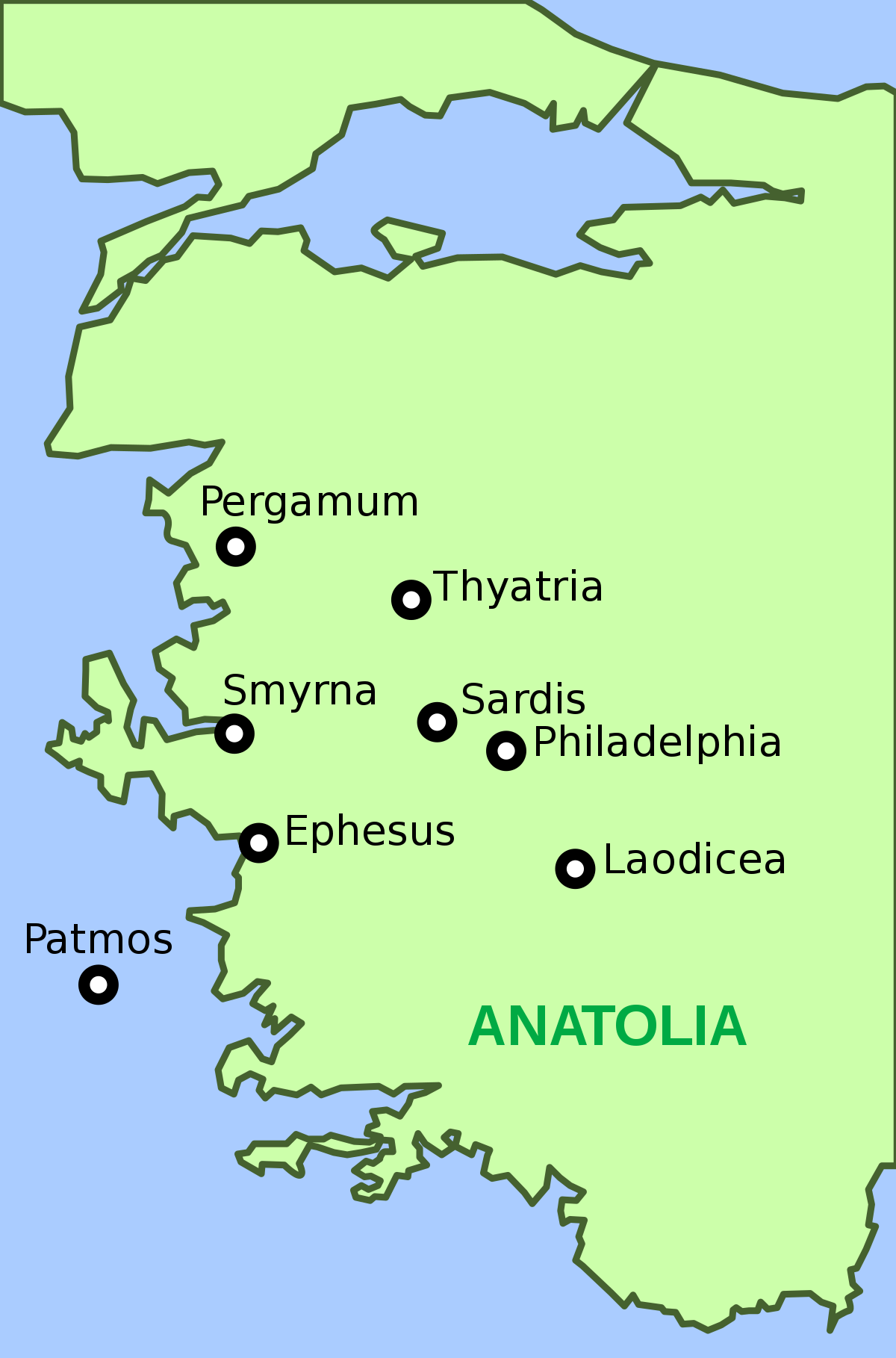
Paul closes out his letter by asking that it be shared with the church in Laodicea. Evidently, there was a letter he had written to the Laodicean congregation that he wished to be read to the Colossians as well. All of these congregations were in close proximity to one another, and the letters Paul wrote to them were intended to be shared among them.

The messages they contained were universal in nature and applicable to each community where local congregations attempted to live out their faith in hostile surroundings.  Remaining faithful in the midst of a fallen and often antagonistic world was not easy, and nobody knew that better than Paul. That is why he closes out his letter by calling on his children in the faith to “Remember my chains” (Colossians 4:18 ESV). 

Paul wanted them to know that he had been imprisoned because of the gospel. He was not oblivious to their situation but was well acquainted with the suffering that accompanied the Christian life. He rejoiced that God had deemed him worthy of the privilege of suffering as Christ had suffered on behalf of His body, the church.

I am glad when I suffer for you in my body, for I am participating in the sufferings of Christ that continue for his body, the church. – Colossians 1:24 NLT

His final words to Archippus were applicable to each member of the Colossians church.

“See that you fulfill the ministry that you have received in the Lord.” – Colossians 4:17 ESV

For Paul, faithful service and obedience to God’s will were the high-water marks of saving faith. He desired that every believer run the race to win, to fight as a good soldier of Jesus Christ, and to make every effort to present themselves “approved to God, an unashamed workman who accurately handles the word of truth” (2 Timothy 2:15 BSB).

Father, thank You for choosing Paul and transforming his life. You always do the unexpected and use the unworthy and unlikely to accomplish Your will. The list is long and includes Moses the murderer and David the adulterer as well as Peter the loudmouthed fishermen who denied Christ and lived to tell about it. You are in the transforming business and all You have to work with is broken clay pots (2 Corinthians 4:7). While each of us is unworthy of Your love and undeserving of Your grace, You have chosen to offer us Your gift of salvation and the indwelling presence of Your Spirit. That is what every individual mentioned in these verses had in common, and it is true of me as well. Now, help me to fulfill the ministry You have given me. I want to run the race well, fight fearlessly, serve faithfully, and love selflessly until the day You call me home or Your Son returns. Amen

English Standard Version (ESV)
The Holy Bible, English Standard Version. ESV® Permanent Text Edition® (2016). Copyright © 2001 by Crossway Bibles, a publishing ministry of Good News Publishers.

New Living Translation (NLT)
Holy Bible, New Living Translation, copyright © 1996, 2004, 2015 by Tyndale House Foundation. Used by permission of Tyndale House Publishers Inc., Carol Stream, Illinois 60188. All rights reserved.

The Cost of Commitment

Continue steadfastly in prayer, being watchful in it with thanksgiving. At the same time, pray also for us, that God may open to us a door for the word, to declare the mystery of Christ, on account of which I am in prison— that I may make it clear, which is how I ought to speak.

Walk in wisdom toward outsiders, making the best use of the time. Let your speech always be gracious, seasoned with salt, so that you may know how you ought to answer each person. Colossians 4:2-6 ESV

Paul has emphasized the relationship between believers and their need to love one another. He encouraged them to “make allowance for each other’s faults, and forgive anyone who offends you” (Colossians 3:13 NLT). They were to respond to one another patiently and lovingly as brothers and sisters in Christ, forgiving as they had been forgiven, and seeking to promote an atmosphere of Christlike peace and harmony.

Now, Paul calls on the Colossian believers to make prayer a priority in their lives, and he practiced what he preached. He opened his letter with several statements concerning the ongoing prayers that he and Timothy prayed on their behalf.

We always pray for you, and we give thanks to God, the Father of our Lord Jesus Christ. – Colossians 1:3 NLT

…we have not stopped praying for you since we first heard about you. We ask God to give you complete knowledge of his will and to give you spiritual wisdom and understanding. – Colossians 1:9 NLT

We also pray that you will be strengthened with all his glorious power so you will have all the endurance and patience you need. – Colossians 1:11 NLT

Prayer was a vital part of Paul’s ministry and life. With responsibility for the spiritual well-being of so many congregations spread over such a large geographic area, Paul was limited in his ability to make personal appearances. So, he utilized prayer to call on the power of God to protect and provide for his far-flung flocks. Paul understood the power and necessity of prayer, and considered it the most vital resource for living the Christian life.

The author of Hebrews, whom many believe to have been Paul, wrote, “Let us then approach the throne of grace with confidence, so that we may receive mercy and find grace to help us in our time of need” (Hebrews 4:16 BSB). Paul wrote something similar in his letter to the church in Ephesus.

Because of Christ and our faith in him, we can now come boldly and confidently into God’s presence. – Ephesians 3:12 NLT

Paul was committed to cultivating the interpersonal relationships of the Colossians believers. He wanted them to live out their Spirit-transformed lives by displaying Christlike behavior toward one another. But he also desired that the Colossians maintain a healthy and ongoing dialogue with their heavenly Father. For Paul, prayer was the primary way for a believer to express their dependence upon God. He viewed prayer as far more than a means of getting what we want from God; prayer was a way for the believer to align their will with that of the Father. It was an essential form of two-way communication between the Heavenly Father and His child.

Through prayer, petitions could be shared, and directions could be received. For Paul, prayer was an expression of faith that demonstrated the believer’s dependence upon and trust in God. It was a privilege provided by a gracious God that allowed His children to call upon Him at any time. For Paul, prayer was to be a delight, not a duty. He was familiar with the Proverbs that promoted the efficacy of prayer.

The sacrifice of the wicked is an abomination to the LORD, but the prayer of the upright is acceptable to him. – Proverbs 15:8 ESV

The LORD is far from the wicked, but he hears the prayer of the righteous. – Proverbs 15:29 ESV

He would have known what King David had written concerning God and the prayers of His people.

The Lord is near to all who call on him,
    to all who call on him in truth.
He fulfills the desire of those who fear him;
    he also hears their cry and saves them. – Psalm 145:18-19 NLT

And he would have heartily endorsed the words of James.

Therefore confess your sins to each other and pray for each other so that you may be healed. The prayer of a righteous man has great power to prevail. – James 5:16 BSB

So, as Paul begins to close out his letter to the Colossians, he emphasizes the need for prayer. He urges them to devote themselves to the practice of prayer. And he warns them to be “watchful” (grēgoreō), a word that carries the idea of being alert and ready to see how God will answer their prayers. When God does answer, and He will, they are to express their gratitude for His gracious intercession. Prayer requires faith, but not blind faith. It has God as its object and, therefore, answers to prayer should come as no surprise. Prayer and thanksgiving should go hand in hand because God is a faithful God who longs to fulfill the desires of His people. He not only hears the prayers of His children, but He answers them.

That’s why Paul asked the Colossians to pray for him. He understood the power of prayer and was not ashamed to request their prayers on his behalf. But Paul was specific in terms of his prayer request. He wanted them to pray that God would open up additional opportunities for him and Timothy to share the good news concerning Christ. At first glance, this seems like an unnecessary prayer because the spread of the gospel was God’s will. He didn’t need to be coerced or cajoled into opening up new opportunities for unbelievers to hear the news of salvation by grace alone through faith alone in Christ alone. According to Paul’s letter to Timothy, God “desires all people to be saved and to come to the knowledge of the truth” (1 Timothy 2:4 ESV). So, why was it important that the Colossians pray this prayer on Paul’s behalf?

It seems that Paul wanted them to pray in keeping with the will of God. It was clearly God’s will that many would be saved, and the Colossians had the opportunity to align themselves with God by praying for His will to be accomplished. In doing so, they would be setting their minds on things above, not on earthly, temporal things (Colossians 3:2). They would be praying in keeping with God’s revealed will.

What makes Paul’s prayer request even more fascinating is that he shared it while under house arrest in Rome. Notice that he did not ask them to pray for his release or request that they pray for his protection or provision. They would have known about his confinement in Rome and his pending trial before Emperor Nero, and it would have been natural for them to desire his acquittal and liberation. And it was not that Paul preferred confinement to freedom. During his imprisonment in Rome, he wrote to the church in Philippi, expressing his belief that he would one day be released.

I know that as you pray for me and the Spirit of Jesus Christ helps me, this will lead to my deliverance. – Philippians 1:19 NLT

But Paul went on to express his conflicted spirit over the prospect of deliverance from imprisonment by either death or acquittal. He sincerely desired to be with the Lord, but could not imagine leaving his work undone.

I trust that my life will bring honor to Christ, whether I live or die. For to me, living means living for Christ, and dying is even better. But if I live, I can do more fruitful work for Christ. So I really don’t know which is better. I’m torn between two desires: I long to go and be with Christ, which would be far better for me. But for your sakes, it is better that I continue to live. – Philippians 1:20-24 NLT

By focusing their attention on the spread of the gospel, Paul was helping them to understand that God’s will trumped his own. If God deemed it necessary for Paul to be released in order for the gospel to be spread, He would make it happen. But Paul’s prayer request was selfless in nature; he wanted the good news to go out and for God to get the glory.

In his letter to the church in Philippi, Paul declared God’s sovereign will concerning his imprisonment.

I want you to know, my dear brothers and sisters, that everything that has happened to me here has helped to spread the Good News. For everyone here, including the whole palace guard, knows that I am in chains because of Christ. And because of my imprisonment, most of the believers here have gained confidence and boldly speak God’s message without fear. – Philippians 1:12-14 NLT

Paul longed to be with Jesus, but he was also committed to the work to which he had been commissioned. So, for Paul, it boiled down to the will of God. The gospel must go out, and if God wanted Paul to be an ongoing participant in that mission, God would orchestrate Paul’s release. If God set Paul free, he asked that the Colossians pray for him to have clarity when proclaiming the message of the gospel.

Pray that I will proclaim this message as clearly as I should. – Colossians 4:4 NLT

He reminded them that they too must live out their faith, constantly mindful of its impact on “those who are not believers” (Colossians 4:5 NLT). As they prayed for God’s will to be done, they must also live their lives in accordance with God’s will for them. They were to be salt and light, living wisely and circumspectly, always recognizing their role as Christ’s ambassadors on earth. That is why Paul encourages them, “Let your conversation be gracious and attractive so that you will have the right response for everyone” (Colossians 4:6 NLT).

Their words were just as important as their works. Their daily interactions with the unsaved would be vital to the continued spread of the gospel, and their patient, loving treatment of one another would demonstrate the life-changing nature of the good news.

In a sense, Paul encouraged his flock in Colossae to practice the model prayer that Jesus gave His disciples.

“Your kingdom come, your will be done, on earth as it is in heaven.” – Matthew 6:10 ESV

Their petitions and their actions were to be in keeping with God’s will, and they were to pray and behave in ways that aligned with His revealed will for the world. Even facing possible death, Paul’s primary concern was that the gospel would continue to spread and the lost be restored to a right relationship with God. The Colossian believers were integral to that mission being accomplished, and he had the same expectation of them that he shared with the church in Philippi.

…you must live as citizens of heaven, conducting yourselves in a manner worthy of the Good News about Christ. Then, whether I come and see you again or only hear about you, I will know that you are standing together with one spirit and one purpose, fighting together for the faith, which is the Good News. – Philippians 1:27 NLT

Father, Paul is such an inspiration. His dedication and determination to carrying our Your will almost seems superhuman and impossible to replicate. But he was just a man. The same Holy Spirit that lived in him lives within me. I have experienced the same miracle of salvation and am undergoing the same process of sanctification that Paul went through. He was a sinner saved by grace and so am I. But I long to share his zeal for the gospel and his boldness to preach the good news of Jesus Christ regardless of the risks or the perceived results. He often found himself in trouble and faced substantial opposition to his efforts to carry out Your will, but his prayer requests were rarely self-focused. He was all about the spread of the gospel and was willing to suffer if it meant that more people could hear the message of salvation. For Paul, imprisonment wasn’t an obstacle; it was an opportunity. He truly believed that Your grace was sufficient and Your power showed up best in his weakness (2 Corinthians 12:9). I want to share his outlook on life, his faith in Your all-sufficient power, and his commitment to fulfilling Your will — regardless of the cost. Amen

English Standard Version (ESV)
The Holy Bible, English Standard Version. ESV® Permanent Text Edition® (2016). Copyright © 2001 by Crossway Bibles, a publishing ministry of Good News Publishers.

New Living Translation (NLT)
Holy Bible, New Living Translation, copyright © 1996, 2004, 2015 by Tyndale House Foundation. Used by permission of Tyndale House Publishers Inc., Carol Stream, Illinois 60188. All rights reserved.

A Prisoner of Christ

Tychicus will tell you all about my activities. He is a beloved brother and faithful minister and fellow servant in the Lord. I have sent him to you for this very purpose, that you may know how we are and that he may encourage your hearts, and with him Onesimus, our faithful and beloved brother, who is one of you. They will tell you of everything that has taken place here.

10 Aristarchus my fellow prisoner greets you, and Mark the cousin of Barnabas (concerning whom you have received instructions—if he comes to you, welcome him), 11 and Jesus who is called Justus. These are the only men of the circumcision among my fellow workers for the kingdom of God, and they have been a comfort to me. 12 Epaphras, who is one of you, a servant of Christ Jesus, greets you, always struggling on your behalf in his prayers, that you may stand mature and fully assured in all the will of God. 13 For I bear him witness that he has worked hard for you and for those in Laodicea and in Hierapolis. 14 Luke the beloved physician greets you, as does Demas. 15 Give my greetings to the brothers at Laodicea, and to Nympha and the church in her house. 16 And when this letter has been read among you, have it also read in the church of the Laodiceans; and see that you also read the letter from Laodicea. 17 And say to Archippus, “See that you fulfill the ministry that you have received in the Lord.”

18 I, Paul, write this greeting with my own hand. Remember my chains. Grace be with you. Colossians 4:7-18 ESV

As Paul prepares to wrap up his letter to the Colossian church, he mentions the names of eight different men. Tychicus, Onesimus, Aristarchus, Jesus (Justus), Epaphras, Luke, Demas, and Archippus. Each of them had played a vital role in Paul’s life and ministry. Two of them, Tychicus and Onesimus, had been chosen by Paul to deliver the letter once he had completed it. The first mention of Tychicus in the Scriptures is found in Acts 20, where Luke records his name, as well as that of Aristarchus, among those who accompanied Paul as he left Greece and made his way to Syria.

…he [Paul] decided to return through Macedonia. Sopater the Berean, son of Pyrrhus, accompanied him; and of the Thessalonians, Aristarchus and Secundus; and Gaius of Derbe, and Timothy; and the Asians, Tychicus and Trophimus. These went on ahead and were waiting for us at Troas, but we sailed away from Philippi after the days of Unleavened Bread, and in five days we came to them at Troas, where we stayed for seven days. – Acts 20:3-6 ESV

Tychicus, like the rest of these men, had become a disciple of Paul and had aided him in his ministry. In his letter to the Ephesians, Paul refers to Tychicus as his “beloved brother and faithful minister in the Lord” (Ephesians 6:21 ESV). Paul had instructed Tychicus to deliver his letter to the Ephesian believers and bring them up to speed on his current situation (Ephesians 6:22). And Paul had entrusted Tychicus with the same responsibility when it came to the congregation in Colossae.

Tychicus will tell you all about my activities. He is a beloved brother and faithful minister and fellow servant in the Lord. I have sent him to you for this very purpose, that you may know how we are and that he may encourage your hearts, and with him Onesimus, our faithful and beloved brother, who is one of you. They will tell you of everything that has taken place here. – Colossians 4:7-9 ESV

He was accompanied by Onesimus, another disciple of Paul who, at one time, had been a runaway slave. Paul had befriended Onesimus in Rome, where Paul was imprisoned and the young man was hiding from his former master, a man named Philemon. while it is unclear how Paul and Onesimus met, we do know that Paul had the privilege of leading Onesimus to Christ. And after discipling his young friend for a period of time, he determined to send Onesimus back to his master. What makes this situation rather strange is that Paul knew Onesimus’ master well. He was a man named Philemon and the church in Colossae met in his home. Paul wrote a letter to Philemon, asking him to receive Onesimus back, not as a runaway slave, but as a brother in Christ.

I appeal to you to show kindness to my child, Onesimus. I became his father in the faith while here in prison. Onesimus hasn’t been of much use to you in the past, but now he is very useful to both of us. I am sending him back to you, and with him comes my own heart.

I wanted to keep him here with me while I am in these chains for preaching the Good News, and he would have helped me on your behalf. But I didn’t want to do anything without your consent. I wanted you to help because you were willing, not because you were forced. It seems you lost Onesimus for a little while so that you could have him back forever. He is no longer like a slave to you. He is more than a slave, for he is a beloved brother, especially to me. Now he will mean much more to you, both as a man and as a brother in the Lord. – Philemon 1:10-16 NLT

According to Colossian 4:9, Onesimus accompanied Tychicus back to Colossae. Tychicus was to deliver Onesimus and the letter from Paul to Philemon. We are not told how this reunion turned out, but it seems likely that Philemon heeded Paul’s advice and treated Onesimus as a “beloved brother” (Philemon 1:16).

Paul also mentions Aristarchus, a Greek who hailed from the city of Thessalonica (Acts 20:4). Paul refers to Aristarchus as his “fellow prisoner” (Colossians 4:10), but it seems unlikely that Paul was inferring that Aristarchus was also under house arrest in Rome.  Paul used the term “fellow prisoner” when referring to several of his co-workers in the ministry.

Greet Andronicus and Junia, my kinsmen and my fellow prisoners. They are well known to the apostles, and they were in Christ before me. – Romans 16:7 ESV

Epaphras, my fellow prisoner in Christ Jesus, sends greetings to you, and so do Mark, Aristarchus, Demas, and Luke, my fellow workers. – Philemon 1:23-24 ESV

It appears that Paul used this term to refer to their shared captivity to the will of God. Paul opened up his letter to Philemon by describing himself as “a prisoner for Christ Jesus” (Philemon 1:1 ESV). He used the same phrase when writing to the church in Ephesus, another Gentile community.

I, Paul, a prisoner of Christ Jesus on behalf of you Gentiles—assuming that you have heard of the stewardship of God’s grace that was given to me for you… – Ephesians 3:1-2 ESV

Paul didn’t consider himself a prisoner of the Roman government but of Jesus Christ. He was where he was because he had been faithfully fulfilling the will of Christ. And he viewed these other men as fellow captives, who shared his commitment to carrying the good news of Jesus Christ to the Gentiles.

In a sense, Paul was name-dropping, providing his readers with a list of individuals whom they knew well and whose reputations would further enhance and support the content of Paul’s letter. The believers in Colossae had never met Paul. They were probably familiar with his name and had likely heard about his miraculous salvation story and prolific ministry. But he was a stranger to them. Paul used the names of these men to assure the Colossians that his words could be trusted. Over time, the various churches had heard about the travels of Paul and the assistance he had received from various individuals, including John Mark and his cousin, Barnabas. That is why Paul mentions their names. John Mark had accompanied Paul on his first missionary journey. And Barnabas had been a part of the church since its earliest days in Jerusalem. Luke mentions his name in Acts 4.

Thus Joseph, who was also called by the apostles Barnabas (which means son of encouragement), a Levite, a native of Cyprus, sold a field that belonged to him and brought the money and laid it at the apostles’ feet. – Acts 4:36-37 ESV

Jesus Justus was one of several Jewish Christians (“men of the circumcision”) who made up Paul’s ethnically diverse ministerial team. Paul wanted the Colossians to know that when he wrote, “In this new life, it doesn’t matter if you are a Jew or a Gentile, circumcised or uncircumcised, barbaric, uncivilized, slave, or free” (Colossians 3:11 NLT), he meant it. Paul practiced what he preached.

Christ is all that matters, and he lives in all of us. – Colossians 3:11 NLT

Epaphras, a citizen of Colossae, had played a major role in the founding of the church there (Colossians 1:7). But he had left his hometown in order to minister alongside Paul. It seems that Paul had a small contingent of co-workers who had accompanied him to Rome and remained by his side while he was under house arrest and awaiting trial. This included Luke, the author of the gospel that bears his name as well as the book of Acts. Luke was Paul’s “beloved physician” (Colossians 4:14 ESV) and remained by the apostle’s side throughout his confinement in Rome. Demas was also at Paul’s side in Rome, but the day would come when he would allow his love for the world to replace his commitment to Paul and the gospel ministry.

Demas, in love with this present world, has deserted me and gone to Thessalonica. – 2 Timothy 4:10 ESV

Paul closes out his letter by asking that it be shared with the church in Laodicea. And evidently, there was a letter he had written to the Laocidean congregation that he wished to be read by the Colossians as well. All of these congregations were in close proximity to one another and the letters Paul wrote to them were intended to be shared among them. The messages they contained were universal in nature and applicable in every one of the communities where local congregations were attempting to live out their faith in hostile surroundings.  Remaining faithful in the midst of a fallen and often antagonistic world was not easy. And nobody knew that better than Paul. That is why he closes out his letter by calling on his children in the faith to “Remember my chains” (Colossians 4:18 ESV). He wanted them to know that he had been imprisoned because of the gospel. He was not oblivious to their situation but was well acquainted with the suffering that accompanied the Christian life. And he rejoiced in the fact that God had deemed him worthy of the privilege of suffering as Christ had suffered – on behalf of His body, the church.

I am glad when I suffer for you in my body, for I am participating in the sufferings of Christ that continue for his body, the church. – Colossians 1:24 NLT

English Standard Version (ESV) The Holy Bible, English Standard Version. ESV® Permanent Text Edition® (2016). Copyright © 2001 by Crossway Bibles, a publishing ministry of Good News Publishers.

New Living Translation (NLT) Holy Bible, New Living Translation, copyright © 1996, 2004, 2015 by Tyndale House Foundation. Used by permission of Tyndale House Publishers Inc., Carol Stream, Illinois 60188. All rights reserved.

New English Translation (NET)NET Bible® copyright ©1996-2017 by Biblical Studies Press, L.L.C. http://netbible.com All rights reserved.


Thy Will Be Done

Continue steadfastly in prayer, being watchful in it with thanksgiving. At the same time, pray also for us, that God may open to us a door for the word, to declare the mystery of Christ, on account of which I am in prison— that I may make it clear, which is how I ought to speak.

Walk in wisdom toward outsiders, making the best use of the time. Let your speech always be gracious, seasoned with salt, so that you may know how you ought to answer each person. Colossians 4:2-6 ESV

Paul has emphasized the believers’ relationship with one another. He encouraged them to “make allowance for each other’s faults, and forgive anyone who offends you” (Colossians 3:13 NLT). They were to patiently and lovingly respond to one another as brothers and sisters in Christ, forgiving as they had been forgiven, and seeking to promote an atmosphere of Christlike peace and harmony.

Now, Paul calls on the Colossian believers to make prayer a priority in their lives. And Paul practiced what he preached. He opened his letter with several statements concerning the ongoing prayers that he and Timothy prayed on behalf of the Colossian church.

We always pray for you, and we give thanks to God, the Father of our Lord Jesus Christ. – Colossians 1:3 NLT

…we have not stopped praying for you since we first heard about you. We ask God to give you complete knowledge of his will and to give you spiritual wisdom and understanding. – Colossians 1:9 NLT

We also pray that you will be strengthened with all his glorious power so you will have all the endurance and patience you need. – Colossians 1:11 NLT

Prayer was a vital part of Paul’s ministry. With responsibility for the spiritual well-being of so many congregations spread over such a large geographic area, Paul was limited in his ability to make personal appearances. So, he utilized prayer as the means by which he called on the power of God to protect and provide for his far-flung flocks. Paul understood the power and necessity of prayer. He considered it the most vital relationship a Christian could cultivate in their lives. The author of Hebrews, whom many believe to have been Paul, wrote, “Let us then approach the throne of grace with confidence, so that we may receive mercy and find grace to help us in our time of need” (Hebrews 4:16 BSB). Paul wrote something similar in his letter to the church in Ephesus.

Because of Christ and our faith in him, we can now come boldly and confidently into God’s presence. – Ephesians 3:12 NLT

Paul was committed to cultivating the interpersonal relationships of the Colossians believers. He wanted them to live out their Spirit-transformed lives by displaying Christlike behavior toward one another. But he also desired that the Colossians maintain a healthy and ongoing dialogue with their heavenly Father. For Paul, prayer was the primary way for a believer to express their dependence upon God. He viewed it as far more than a means of getting what we want from God. Prayer was a way for the believer to align their will with that of the Father. It was to be an ongoing form of two-way communication between the Heavenly Father and His child. Through prayer, petitions could be shared and directions could be received. For Paul, prayer was an expression of faith. It displayed the believer’s dependence upon and trust in God. It was a privilege provided by a gracious God that allowed His children to call upon Him at any time. It was to be a delight, not a duty.

Paul was familiar with the proverbs that promoted the efficacy of prayer.

The sacrifice of the wicked is an abomination to the LORD, but the prayer of the upright is acceptable to him. – Proverbs 15:8 ESV

The LORD is far from the wicked, but he hears the prayer of the righteous. – Proverbs 15:29 ESV

He would have known what King David had written concerning God and the prayers of His people.

The Lord is near to all who call on him,
    to all who call on him in truth.
He fulfills the desire of those who fear him;
    he also hears their cry and saves them. – Psalm 145:18-19 NLT

And he would have concurred with the words of James.

Therefore confess your sins to each other and pray for each other so that you may be healed. The prayer of a righteous man has great power to prevail. – James 5:16 BSB

So, Paul begins to close out his letter to the Colossians with an emphasis on prayer. He urges them to devote themselves to the practice of prayer. And he warns them to be “watchful” (grēgoreō), a word that carries the idea of being alert and ready to see how God will answer their prayers. And when God does answer, they are to express their gratitude for His gracious intercession. Prayer requires faith but not blind faith. It has God as its object and, therefore, answers to prayer should come as no surprise. Prayer and thanksgiving should go hand in hand because God is a faithful God who longs to fulfill the desires of His people.

That’s why Paul asks the Colossians to pray for him. He understood the power of prayer and was not ashamed to request their prayers on his behalf. But Paul was specific in terms of his prayer request. He wanted them to pray that God would open up additional opportunities for him and Timothy to share the good news concerning Christ. At first glance, this seems like an unnecessary prayer. The spread of the gospel was God’s will. He didn’t need to be coerced or cajoled into opening up new opportunities for unbelievers to hear the news of salvation by grace alone through faith alone in Christ alone. According to Paul’s letter to Timothy, God “desires all people to be saved and to come to the knowledge of the truth” (1 Timothy 2:4 ESV). So, why was it important that the Colossians pray this prayer on Paul’s behalf?

It seems that Paul wanted them to pray in keeping with the will of God. It was clearly God’s will that many would be saved and the Colossians had the opportunity to align themselves with God praying for His will to be accomplished. In doing so, they would be setting their minds on things that are above, not on things that are on earth (Colossians 3:2). They would be praying in keeping with God’s revealed will.

What makes Paul’s prayer request even more fascinating is that he shared it while under house arrest in Rome. He didn’t ask them to pray for his release. He didn’t covet their prayers for protection or provision. They would have known about his predicament. And by focusing their attention on the spread of the gospel, Paul was helping them to understand that God’s will trumped his own. If God deemed it necessary for Paul to be released in order for the gospel to be spread, He would make it happen. But Paul’s prayer request was selfless in nature. He wanted the good news to go out and for God to get the glory.

Paul also wrote a letter to the believers in Philippi while imprisoned in Rome. And rather than requesting that they pray for his release, he declared God’s sovereign will concerning his imprisonment.

I want you to know, my dear brothers and sisters, that everything that has happened to me here has helped to spread the Good News. For everyone here, including the whole palace guard, knows that I am in chains because of Christ. And because of my imprisonment, most of the believers here have gained confidence and boldly speak God’s message without fear. – Philippians 1:12-14 NLT

And Paul went on to express the tension he felt regarding his ongoing imprisonment and possible death and the thought of release and continued ministry.

For I fully expect and hope that I will never be ashamed, but that I will continue to be bold for Christ, as I have been in the past. And I trust that my life will bring honor to Christ, whether I live or die. For to me, living means living for Christ, and dying is even better. But if I live, I can do more fruitful work for Christ. So I really don’t know which is better. I’m torn between two desires: I long to go and be with Christ, which would be far better for me. But for your sakes, it is better that I continue to live. – Philippians 1:20-24 NLT

Paul longed to be with Jesus but he was also committed to the work to which he had been commissioned by Jesus. So, for Paul, it boiled down to the will of God. The gospel must go out and if God wanted Paul to be an ongoing participant in that mission, God would orchestrate Paul’s release. And if God should set Paul free, he asked that the Colossians pray for him to have clarity when proclaiming the message of the gospel.

And he reminds them that they too must live out their faith, constantly mindful of its impact on “those who are not believers” (Colossians 4:5 NLT). As they prayed for God’s will to be done, they must also live their lives in accordance with God’s will for them. They must be salt and light. They must live wisely and circumspectly, always recognizing their role as Christ’s ambassadors on earth. That is why Paul encourages them, “Let your conversation be gracious and attractive so that you will have the right response for everyone” (Colossians 4:6 NLT). Their words were just as important as their works. Their daily interactions with the unsaved would be vital to the continued spread of the gospel. And their patient and loving treatment of one another would go a long way in demonstrating the life-changing nature of the good news.

In a sense, Paul is encouraging his flock in Colossae to practice the model prayer that Jesus gave His disciples.

“Your kingdom come, your will be done, on earth as it is in heaven.” – Matthew 6:10 ESV

Their petitions and their actions were to be in keeping with the will of God. They were to pray and behave in ways that aligned with God’s revealed will for the world. So, that the gospel could continue to spread and the lost be restored to a right relationship with God.

English Standard Version (ESV) The Holy Bible, English Standard Version. ESV® Permanent Text Edition® (2016). Copyright © 2001 by Crossway Bibles, a publishing ministry of Good News Publishers.

New Living Translation (NLT) Holy Bible, New Living Translation, copyright © 1996, 2004, 2015 by Tyndale House Foundation. Used by permission of Tyndale House Publishers Inc., Carol Stream, Illinois 60188. All rights reserved.

New English Translation (NET)NET Bible® copyright ©1996-2017 by Biblical Studies Press, L.L.C. http://netbible.com All rights reserved.


Colossians 4

Live Wisely.

Colossians 4

Live wisely among those who are not believers, and make the most of every opportunity. Let your conversation be gracious and attractive so that you will have the right response for everyone. – Colossians 4:5-6 NLT

Paul wraps up his letter with a call to live lives of influence. He wanted his readers to see every moment of their lives as an opportunity for spreading the Good News of Jesus Christ. He called them to live among “outsiders” or those outside the faith, in a wise manner. He gave a similar charge to the believers in Ephesus. “So be careful how you live. Don’t live like fools, but like those who are wise. Make the most of every opportunity in these evil days. Don’t act thoughtlessly, but understand what the Lord wants you to do” (Ephesians 5:15-17 NLT). The word he uses for “live” is the Greek word, peripateo and it means “to make one’s way, progress; to make due use of opportunities.” It was also used to describe the actual act of walking about. So Paul is calling his readers to go about their daily lives, everywhere they walked, in a wise, thoughtful, and God-honoring way. And the same call holds true for us today. We must be careful about how we conduct ourselves among those who don’t know Christ. We are His witnesses and ambassadors. We act as His emissaries. Each day we are given opportunities to impact a lost and dying world with the message of Jesus Christ as we live it out in real life. It has to show up in our actions, attitudes and conversations. His presence in our lives should set us apart from the rest of the world, and cause us to be salt and light, agents of influence, in the midst of the darkness that surrounds us.

Paul encourages us to take advantage of every opportunity, and he knew what he was talking about. He lived it out on a daily basis. In fact, he was writing this letter while in chains. He asked them to pray for him, that God would give him opportunities to speak about Christ, even though he was imprisoned. He was in chains because he shared the Gospel. But while he was in chains, he was going to continue to share the Gospel. He was going to make the most of his God-given opportunity. Rather than sulk and moan over his situation, Paul was going to take advantage of it. He was composing this letter to the believers in Colosse. And you can rest assured that Paul was going to share the Good News of Jesus Christ with every prisoner and guard with whom he came in contact. They would become his “captive” audience. Paul never wasted an opportunity. Do you?

Who will God bring into your path today? What circumstance or situation will you find yourself in today in which you might live wisely, and act as an agent of influence in the life of someone who does not know Christ? Whatever happens, good or bad, make the most of it. Live wisely. Thoughtfully consider why God has allowed you to be in that situation at that moment. He does not waste opportunities. Our lives are in His hands. He is orchestrating events in such as way that we never show up anywhere by mistake or find ourselves in situations of which He is not fully aware. Stop and consider what God might have you do or say. Make the most of every opportunity.

Father, it is so easy to live life as if everything is out of our control or just a series of unrelated, random events, with no meaning or purpose. I see too many things as speed bumps in my journey of life rather than as God-ordained opportunities to live wisely and influentially. I don’t tend to see these circumstances as opportunities to see You work through me and impact lives around me. I want to live wisely, thoughtfully, and purposefully, regardless of the circumstance. Amen.

Ken Miller
Grow Pastor & Minister to Men
kenm@christchapelbc.org