Hear, Forgive, and Restore

22 Then Solomon stood before the altar of the LORD in the presence of all the assembly of Israel and spread out his hands toward heaven, 23 and said, “O LORD, God of Israel, there is no God like you, in heaven above or on earth beneath, keeping covenant and showing steadfast love to your servants who walk before you with all their heart; 24 you have kept with your servant David my father what you declared to him. You spoke with your mouth, and with your hand have fulfilled it this day. 25 Now therefore, O LORD, God of Israel, keep for your servant David my father what you have promised him, saying, ‘You shall not lack a man to sit before me on the throne of Israel, if only your sons pay close attention to their way, to walk before me as you have walked before me.’ 26 Now therefore, O God of Israel, let your word be confirmed, which you have spoken to your servant David my father.

27 “But will God indeed dwell on the earth? Behold, heaven and the highest heaven cannot contain you; how much less this house that I have built! 28 Yet have regard to the prayer of your servant and to his plea, O LORD my God, listening to the cry and to the prayer that your servant prays before you this day, 29 that your eyes may be open night and day toward this house, the place of which you have said, ‘My name shall be there,’ that you may listen to the prayer that your servant offers toward this place. 30 And listen to the plea of your servant and of your people Israel, when they pray toward this place. And listen in heaven your dwelling place, and when you hear, forgive.

31 “If a man sins against his neighbor and is made to take an oath and comes and swears his oath before your altar in this house, 32 then hear in heaven and act and judge your servants, condemning the guilty by bringing his conduct on his own head, and vindicating the righteous by rewarding him according to his righteousness.

33 “When your people Israel are defeated before the enemy because they have sinned against you, and if they turn again to you and acknowledge your name and pray and plead with you in this house, 34 then hear in heaven and forgive the sin of your people Israel and bring them again to the land that you gave to their fathers.

35 “When heaven is shut up and there is no rain because they have sinned against you, if they pray toward this place and acknowledge your name and turn from their sin, when you afflict them, 36 then hear in heaven and forgive the sin of your servants, your people Israel, when you teach them the good way in which they should walk, and grant rain upon your land, which you have given to your people as an inheritance.

37 “If there is famine in the land, if there is pestilence or blight or mildew or locust or caterpillar, if their enemy besieges them in the land at their gates, whatever plague, whatever sickness there is, 38 whatever prayer, whatever plea is made by any man or by all your people Israel, each knowing the affliction of his own heart and stretching out his hands toward this house, 39 then hear in heaven your dwelling place and forgive and act and render to each whose heart you know, according to all his ways (for you, you only, know the hearts of all the children of mankind), 40 that they may fear you all the days that they live in the land that you gave to our fathers.

41 “Likewise, when a foreigner, who is not of your people Israel, comes from a far country for your name’s sake 42 (for they shall hear of your great name and your mighty hand, and of your outstretched arm), when he comes and prays toward this house, 43 hear in heaven your dwelling place and do according to all for which the foreigner calls to you, in order that all the peoples of the earth may know your name and fear you, as do your people Israel, and that they may know that this house that I have built is called by your name.

44 “If your people go out to battle against their enemy, by whatever way you shall send them, and they pray to the LORD toward the city that you have chosen and the house that I have built for your name, 45 then hear in heaven their prayer and their plea, and maintain their cause.

46 “If they sin against you—for there is no one who does not sin—and you are angry with them and give them to an enemy, so that they are carried away captive to the land of the enemy, far off or near, 47 yet if they turn their heart in the land to which they have been carried captive, and repent and plead with you in the land of their captors, saying, ‘We have sinned and have acted perversely and wickedly,’ 48 if they repent with all their heart and with all their soul in the land of their enemies, who carried them captive, and pray to you toward their land, which you gave to their fathers, the city that you have chosen, and the house that I have built for your name, 49 then hear in heaven your dwelling place their prayer and their plea, and maintain their cause 50 and forgive your people who have sinned against you, and all their transgressions that they have committed against you, and grant them compassion in the sight of those who carried them captive, that they may have compassion on them 51 (for they are your people, and your heritage, which you brought out of Egypt, from the midst of the iron furnace). 52 Let your eyes be open to the plea of your servant and to the plea of your people Israel, giving ear to them whenever they call to you. 53 For you separated them from among all the peoples of the earth to be your heritage, as you declared through Moses your servant, when you brought our fathers out of Egypt, O LORD God.” 1 Kings 8:22-53 ESV

This prayer, offered at the opening of the temple, provides tremendous insight into Solomon’s knowledge of God and his keen awareness of human nature. His words reveal how greatly he revered and honored Yahweh, the all-powerful God of Israel. While Solomon had built a Temple that would be considered one of the wonders of the world, it was no match for the majestic and holy God of the universe. Even in all its glory and splendor, Solomon’s Temple was an insufficient dwelling place for the one true God who created the heavens and the earth, and he admitted it.

“…even the highest heavens cannot contain you. How much less this Temple I have built! – 1 Kings 8:27 NLT

Solomon boldly proclaimed Yahweh’s unique nature as the one true God.

“O LORD, God of Israel, there is no God like you in all of heaven above or on the earth below.” – 1 Kings 8:23 NLT

Yahweh is incomparable and without rival. All other gods are the figments of men’s imagination and, therefore, non-existent. But Israel’s God is real and has proven His existence through tangible acts of power, grace, mercy, and love. He is a covenant-making, promise-keeping God who always fulfills every commitment He has made. The very fact that Solomon was dedicating the temple was proof that Yahweh had kept His promise to David.

“It is Solomon your son who shall build my house and my courts, for I have chosen him to be my son, and I will be his father. I will establish his kingdom forever if he continues strong in keeping my commandments and my rules, as he is today.” – 1 Chronicles 28:6-7 ESV

As Solomon stood before the Temple with his arms outstretched in humble supplication, he pleaded with the God of heaven, asking Him to continue to extend His mercy, grace, and forgiveness upon His people. But Solomon knew that God’s unfailing love and faithfulness were conditional. It required the faithful and obedient worship of His people. They had been set apart for His glory and were expected to worship Him alone. They were to refrain from worshiping other gods, and were expected to keep His commandments, and demonstrate to the world their status as His chosen people – “a kingdom of priests and a holy nation” (Exodus 19:6 ESV).

Solomon clearly understood God’s expectations. They were to be a people who were wholeheartedly committed to God – “servants who walk before you with all their heart” (1 Kings 8:23 ESV). And Solomon fully understood that God required the same degree of obedience from him. God had promised to extend David’s dynasty as long as his successors mirrored David’s faithfulness.

“You shall not lack a man to sit before me on the throne of Israel, if only your sons pay close attention to their way, to walk before me as you have walked before me.” – 1 Kings 8:25 ESV

Solomon knew that the presence of the Temple alone would not be enough to ensure God’s ongoing favor. It would offer no guarantee of God’s presence and could never serve as a substitute for the faithfulness of the people. It would serve as a place of intercession, where the Israelites could come, confess their sins, declare their intention to repent, and humbly ask God for forgiveness.

Speaking on behalf of himself and the entire nation of Israel, Solomon prayed, “May you hear the humble and earnest requests from me and your people Israel when we pray toward this place. Yes, hear us from heaven where you live, and when you hear, forgive” (1 Kings 8:30 NLT).

What Solomon says next is quite revealing, and his words, while directed at God, seem to be spoken for the benefit of the people as well. As they stand in the courtyard of the newly completed Temple, they can hear every word Solomon says, and the full import of his prayer is not lost on them.

Solomon felt the need to present God with a series of hypothetical scenarios in which the people might find themselves in need of forgiveness.

If someone wrongs another person…” – Vs. 31 NLT

If your people Israel are defeated by their enemies because they have sinned against you…” – Vs. 33 NLT

If the skies are shut up and there is no rain because your people have sinned against you…” – Vs. 35 NLT

If there is a famine in the land or a plague or crop disease or attacks of locusts or caterpillars, or if your people’s enemies are in the land besieging their towns—whatever disaster or disease there is…” – Vs. 37 NLT

If your people go out where you send them to fight their enemies…” – Vs. 44 NLT

If they sin against you—and who has never sinned?—you might become angry with them and let their enemies conquer them and take them captive to their land far away or near. – Vs. 46 NLT

Solomon tried to cover all the bases, offering up a wide range of potential circumstances that reveal his astute understanding of human nature and man’s propensity to sin. He was aware that the nation of Israel, while set apart by God, would not always live up to its special status. So, he wanted to remind the people that, when they sinned, and they would, there was a proper and preferred response.

“…if they turn to you and acknowledge your name and pray to you here in this Temple, then hear from heaven and forgive the sin of your people Israel.” – 1 Kings 8:33-34 NLT

Sin was inevitable, but forgiveness was always available. It simply required confession and repentance – an admission of guilt and a willing realignment of their love back to God alone. It didn’t matter how egregious or grievous the sin; God would forgive, as long as they came in humble repentance. This offer of forgiveness was available to all the people of God, whether they were natural-born Jews or foreigners who had converted to Judaism.

“In the future, foreigners who do not belong to your people Israel will hear of you. They will come from distant lands because of your name, for they will hear of your great name and your strong hand and your powerful arm. And when they pray toward this Temple, then hear from heaven where you live, and grant what they ask of you. In this way, all the people of the earth will come to know and fear you, just as your own people Israel do. They, too, will know that this Temple I have built honors your name.” – 1 Kings 8:41-43 NLT

Solomon even described the worst-case scenario of the people of Israel being defeated by their enemies and exiled to a foreign land. This must have seemed like a far-fetched and unlikely outcome to the people standing in the Temple courtyard. After all, they lived in one of the most powerful nations on earth at that time. However, Solomon prophetically poses a potential scenario in which the people’s sins lead to their expulsion from the land. He reminds them that, even in that dark hour, their response should be the same: Pray, confess, and repent.

And if the worst should ever happen, Solomon begs Yahweh to honor His covenant commitment and answer the prayers of His people.

“Forgive your people who have sinned against you. Forgive all the offenses they have committed against you. Make their captors merciful to them, for they are your people—your special possession—whom you brought out of the iron-smelting furnace of Egypt.” – 1 Kings 8:50-51 NLT

Little did Solomon know that his words would be recorded for posterity and become permanently etched on the pages of this book and passed down from generation to generation. Hundreds of years later, when the people of Israel found themselves exiled in the land of Babylon because of their sin and rebellion against God, they would find in God’s Word a record of Solomon’s prayer and a reminder that God’s forgiveness was theirs to have – if only they would repent and return to Him.

The Book of 2 Chronicles records Yahweh’s response to Solomon’s prayer of dedication, in which He assures His people of His willingness to hear their confessions and offer forgiveness and restoration.

“…if my people who are called by my name will humble themselves and pray and seek my face and turn from their wicked ways, I will hear from heaven and will forgive their sins and restore their land. My eyes will be open and my ears attentive to every prayer made in this place.” – 2 Chronicles 7:14-15 NLT

But their confession of guilt must be accompanied by humility and heartfelt repentance. They must be willing to turn from their wicked ways and return to the worship of Yahweh alone. Divine judgment must produce humble contrition and repentant hearts, then Yahweh will hear, forgive, and restore.

English Standard Version (ESV) The Holy Bible, English Standard Version. ESV® Permanent Text Edition® (2016). Copyright © 2001 by Crossway Bibles, a publishing ministry of Good News Publishers.

New Living Translation (NLT) Holy Bible, New Living Translation, copyright © 1996, 2004, 2015 by Tyndale House Foundation. Used by permission of Tyndale House Publishers Inc., Carol Stream, Illinois 60188. All rights reserved.
No Restoration Without Repentance

A Maskil of Asaph.

1 O God, why do you cast us off forever?
    Why does your anger smoke against the sheep of your pasture?
Remember your congregation, which you have purchased of old,
    which you have redeemed to be the tribe of your heritage!
    Remember Mount Zion, where you have dwelt.
Direct your steps to the perpetual ruins;
    the enemy has destroyed everything in the sanctuary!

Your foes have roared in the midst of your meeting place;
    they set up their own signs for signs.
They were like those who swing axes
    in a forest of trees.
And all its carved wood
    they broke down with hatchets and hammers.
They set your sanctuary on fire;
    they profaned the dwelling place of your name,
    bringing it down to the ground.
They said to themselves, “We will utterly subdue them”;
    they burned all the meeting places of God in the land.

We do not see our signs;
    there is no longer any prophet,
    and there is none among us who knows how long.
10 How long, O God, is the foe to scoff?
    Is the enemy to revile your name forever?
11 Why do you hold back your hand, your right hand?
    Take it from the fold of your garment and destroy them!

12 Yet God my King is from of old,
    working salvation in the midst of the earth.
13 You divided the sea by your might;
    you broke the heads of the sea monsters on the waters.
14 You crushed the heads of Leviathan;
    you gave him as food for the creatures of the wilderness.
15 You split open springs and brooks;
    you dried up ever-flowing streams.
16 Yours is the day, yours also the night;
    you have established the heavenly lights and the sun.
17 You have fixed all the boundaries of the earth;
    you have made summer and winter.

18 Remember this, O LORD, how the enemy scoffs,
    and a foolish people reviles your name.
19 Do not deliver the soul of your dove to the wild beasts;
    do not forget the life of your poor forever.

20 Have regard for the covenant,
    for the dark places of the land are full of the habitations of violence.
21 Let not the downtrodden turn back in shame;
    let the poor and needy praise your name.

22 Arise, O God, defend your cause;
    remember how the foolish scoff at you all the day!
23 Do not forget the clamor of your foes,
    the uproar of those who rise against you, which goes up continually! Psalm 74:1-23 ESV

In the previous psalm, Asaph sought help and hope in the sanctuary of God, where his disgruntled outlook about the prosperity of the wicked was altered by a glimpse of God’s goodness and glory.

I tried to understand why the wicked prosper.
    But what a difficult task it is!
Then I went into your sanctuary, O God,
    and I finally understood the destiny of the wicked. – Psalm 73:16-17 NLT

Now, in Psalm 74, Asaph is no longer talking about the prosperity of the wicked; he is questioning the fall of Jerusalem and the destruction of the sanctuary. This unexpected and inexplicable tragedy has left Asaph shaken and questioning God’s presence and power. Israel’s beloved sanctuary, the dwelling place of Yahweh, has been destroyed, leaving Asaph and his fellow Israelites in a state of shock and dismay. Still reeling from this devastating calamity, Asaph calls on God to remedy the situation.

Remember that we are the people you chose long ago,
    the tribe you redeemed as your own special possession!
    And remember Jerusalem, your home here on earth.
Walk through the awful ruins of the city;
    see how the enemy has destroyed your sanctuary. – Psalm 74:2-3 NLT

While no timeline or details are provided that might explain what Asaph is describing, it seems safe to assume he is writing about the fall of Jerusalem to the Babylonians in 586 BC. The Book of Jeremiah provides graphic details concerning this fateful event, and its record corroborates Asaph’s description of Jerusalem’s fall.

On August 17 of that year, which was the nineteenth year of King Nebuchadnezzar’s reign, Nebuzaradan, the captain of the guard and an official of the Babylonian king, arrived in Jerusalem. He burned down the Temple of the Lord, the royal palace, and all the houses of Jerusalem. He destroyed all the important buildings in the city. Then he supervised the entire Babylonian army as they tore down the walls of Jerusalem on every side. Then Nebuzaradan, the captain of the guard, took as exiles some of the poorest of the people, the rest of the people who remained in the city, the defectors who had declared their allegiance to the king of Babylon, and the rest of the craftsmen. But Nebuzaradan allowed some of the poorest people to stay behind to care for the vineyards and fields. – Jeremiah 52:12-16 NLT

The Babylonians were methodical in their plunder and destruction, using axes to completely obliterate the Temple’s ornate interior. Anything of value was carted off to fill the treasury of the Babylonian king. Then, Asaph states, “they burned down all the places where God was worshiped” (Psalm 74:8 NLT). With the Temple’s destruction, the sacrificial system was effectively eliminated, leaving the people of Israel with no way to receive atonement for their sins and reconciliation with God. And as if that was not bad enough, Asaph informs God that the news just kept getting worse.

We no longer see your miraculous signs.
    All the prophets are gone,
    and no one can tell us when it will end.
How long, O God, will you allow our enemies to insult you?
    Will you let them dishonor your name forever?
Why do you hold back your strong right hand?
    Unleash your powerful fist and destroy them. – Psalm 74:9-11 NLT

It was as if God had completely abandoned His people, leaving them without a place for His presence to dwell and providing them with no communication as to when their fate would improve. Asaph can’t fathom why the sovereign, all-powerful God of Israel would allow their enemies to destroy the Temple, defame His name, and turn His chosen people into chattel.

In verses 12-17, Asaph reminisces about God’s past displays of power and deliverance. He uses creation imagery to describe Yahweh’s victory over the chaos that ruled over the universe.

In the beginning God created the heavens and the earth. The earth was formless and empty, and darkness covered the deep waters. And the Spirit of God was hovering over the surface of the waters.

Then God said, “Let there be light,” and there was light. – Genesis 1:1-3 NLT

But Asaph seems to be using the creation account as a metaphor for God’s victory over the Egyptians when He parted the waters of the Red Sea and destroyed the army of Pharaoh.

You split the sea by your strength
    and smashed the heads of the sea monsters.
You crushed the heads of Leviathan
    and let the desert animals eat him.
You caused the springs and streams to gush forth,
    and you dried up rivers that never run dry. – Psalm 74:13-15 NLT

Yahweh was all-powerful and fully capable of destroying Israel’s enemies, but in this case, Asaph felt as if God was doing nothing. He not only allowed the Babylonians to invade and destroy Jerusalem, but He also did nothing to pay them back for their actions. Asaph and his fellow Israelites waited for God to remember His covenant promises and act. He couldn’t understand God’s apparent apathy and inactivity. What was He waiting for? Why wouldn’t He avenge His people and defend the holiness of His name?

See how these enemies insult you, Lord.
    A foolish nation has dishonored your name.
Don’t let these wild beasts destroy your turtledoves.
    Don’t forget your suffering people forever. – Psalm 74:18-19 NLT

In his desire to see God intervene, Asaph conveniently overlooked Israel’s role in their own destruction. God had repeatedly warned them that their destruction was imminent and could only be avoided if they would repent of their idolatry and faithfully serve Him alone.

The Lord gave another message to Jeremiah. He said, “Go to the entrance of the Lord’s Temple, and give this message to the people: ‘O Judah, listen to this message from the Lord! Listen to it, all of you who worship here! This is what the Lord of Heaven’s Armies, the God of Israel, says:

“‘Even now, if you quit your evil ways, I will let you stay in your own land. But don’t be fooled by those who promise you safety simply because the Lord’s Temple is here. They chant, “The Lord’s Temple is here! The Lord’s Temple is here!” But I will be merciful only if you stop your evil thoughts and deeds and start treating each other with justice; only if you stop exploiting foreigners, orphans, and widows; only if you stop your murdering; and only if you stop harming yourselves by worshiping idols. Then I will let you stay in this land that I gave to your ancestors to keep forever.

 “‘Don’t be fooled into thinking that you will never suffer because the Temple is here. It’s a lie! Do you really think you can steal, murder, commit adultery, lie, and burn incense to Baal and all those other new gods of yours, and then come here and stand before me in my Temple and chant, “We are safe!”—only to go right back to all those evils again? Don’t you yourselves admit that this Temple, which bears my name, has become a den of thieves? Surely I see all the evil going on there. I, the Lord, have spoken! – Jeremiah 7:1-11 NLT

But the people had failed to heed God’s warnings, and He sent the Babylonians to carry out His judgment. While Asaph is persistent in his pleas for God’s mercy and intervention, he makes no mention of Israel’s sin and their need to repent. There are no words of confession or signs of contrition. He wants God to keep His covenant promises, but never admits that the Israelites had failed to hold up their end of the agreement.

Arise, O God, and defend your cause.
    Remember how these fools insult you all day long.
Don’t overlook what your enemies have said
    or their growing uproar. – Psalm 74:22-23 NLT

Asaph seems to have conveniently forgotten the words that God spoke to Solomon at the dedication of the Temple hundreds of years earlier. Yahweh made it painfully clear that His presence, power, and provision would be tied to the Israelites’ covenant faithfulness. He would dwell among them as long as they remained faithful to Him and Him alone.

“But if you or your descendants abandon me and disobey the commands and decrees I have given you, and if you serve and worship other gods, then I will uproot Israel from this land that I have given them. I will reject this Temple that I have made holy to honor my name. I will make Israel an object of mockery and ridicule among the nations. And though this Temple is impressive now, all who pass by will be appalled and will gasp in horror. They will ask, ‘Why did the Lord do such terrible things to this land and to this Temple?’” – 1 Kings 9:6-8 NLT

Asaph wanted to see God work. He longed for the Almighty to use His vast power to rectify their problem, but he never acknowledged their role in their own destruction. He wanted deliverance without confession and restored fellowship without repentance. But God had made His requirements known. At the dedication of the Temple, He told Solomon what the people would need to do if they wanted to receive forgiveness and experience restoration.

“…if my people who are called by my name will humble themselves and pray and seek my face and turn from their wicked ways, I will hear from heaven and will forgive their sins and restore their land. – 2 Chronicles 7:14 NLT

Father, what a sobering reminder that my sin has consequences and while I am free to call on Your to deliver me from the suffering sin produces, You demand my contrition and confession. You have told us that if we confess our sins, You are faithful and just to forgive them and to cleanse us from all unrighteousness. But we tend to want the cleansing without confession. We want restoration without repentance. Help me to understand that my sins, while forgiven, can never be overlooked or treated as irrelevant. You still demand faithfulness. You still require humility of Your people. And when we take ownership for our sin, You always keep Your promise to restore and renew us. Thank you! Amen

English Standard Version (ESV) The Holy Bible, English Standard Version. ESV® Permanent Text Edition® (2016). Copyright © 2001 by Crossway Bibles, a publishing ministry of Good News Publishers.

New Living Translation (NLT) Holy Bible, New Living Translation, copyright © 1996, 2004, 2015 by Tyndale House Foundation. Used by permission of Tyndale House Publishers Inc., Carol Stream, Illinois 60188. All rights reserved.

God’s Great Grace

To the choirmaster. A Psalm of David, when Nathan the prophet went to him, after he had gone in to Bathsheba.

1 Have mercy on me, O God,
    according to your steadfast love;
according to your abundant mercy
    blot out my transgressions.
Wash me thoroughly from my iniquity,
    and cleanse me from my sin!

For I know my transgressions,
    and my sin is ever before me.
Against you, you only, have I sinned
    and done what is evil in your sight,
so that you may be justified in your words
    and blameless in your judgment.
Behold, I was brought forth in iniquity,
    and in sin did my mother conceive me.
Behold, you delight in truth in the inward being,
    and you teach me wisdom in the secret heart.

Purge me with hyssop, and I shall be clean;
    wash me, and I shall be whiter than snow.
Let me hear joy and gladness;
    let the bones that you have broken rejoice.
Hide your face from my sins,
    and blot out all my iniquities.
10 Create in me a clean heart, O God,
    and renew a right spirit within me.
11 Cast me not away from your presence,
    and take not your Holy Spirit from me.
12 Restore to me the joy of your salvation,
    and uphold me with a willing spirit.

13 Then I will teach transgressors your ways,
    and sinners will return to you.
14 Deliver me from bloodguiltiness, O God,
    O God of my salvation,
    and my tongue will sing aloud of your righteousness.
15 O Lord, open my lips,
    and my mouth will declare your praise.
16 For you will not delight in sacrifice, or I would give it;
    you will not be pleased with a burnt offering.
17 The sacrifices of God are a broken spirit;
    a broken and contrite heart, O God, you will not despise.

18 Do good to Zion in your good pleasure;
    build up the walls of Jerusalem;
19 then will you delight in right sacrifices,
    in burnt offerings and whole burnt offerings;
    then bulls will be offered on your altar. Psalm 51:1-19 ESV

In 1910, Julia H. Johnston penned the words to the hymn “Marvelous Grace of Our Loving Lord.” They reflect her understanding of the unmerited grace God made available to sinners through the death of His Son, Jesus Christ.

Marvelous grace of our loving Lord,
Grace that exceeds our sin and our guilt!
Yonder on Calvary’s mount out-poured,
There where the blood of the Lamb was spilled.

Grace, grace, God’s grace,
Grace that will pardon and cleanse within;
Grace, grace, God’s grace,
Grace that is greater than all our sin.

That last line speaks volumes and echoes the sentiment expressed by David in this psalm. As the title of the psalm suggests, David wrote this well-known and oft-quoted song of praise after reflecting on the marvelous reality of God’s grace in the face of unforgivable sin.

That God’s grace is greater than all our sins is a truth that is virtually impossible for us to comprehend. It’s difficult to fathom how a holy and completely righteous God could love us so much that He would be willing to extend us grace despite our consistent struggle with sin. But David had experienced this truth first-hand. Here in Psalm 51, he is dealing with the aftermath of his sin with Bathsheba. David was known as the man after God’s own heart and was the anointed king of Israel, yet he wrestled with the guilt and conviction of his affair with a married woman. As if that sin was not enough, when David discovered his illicit sexual tryst had produced a baby, he ordered the death of Bathsheba’s husband so that he might marry her and provide a more acceptable explanation for her pregnancy.

His was a sin of the first degree. It shocks even the most hardcore agnostic or atheist. These kinds of things are just not done in civilized society. But here is the leader of God’s chosen people confessing his guilt and willingly accepting God’s just judgment.

Against you, and you alone, have I sinned;
    I have done what is evil in your sight.
You will be proved right in what you say,
    and your judgment against me is just. – Psalm 51:4 NL

David opened his psalm with an admission of guilt and a plea for mercy. He describes the stain of his sin and the impurity of his guilt as barriers to God. He knew he was guilty, but he was counting on the fact that Yahweh was merciful and compassionate.

Have mercy on me, O God,
    because of your unfailing love.
Because of your great compassion,
    blot out the stain of my sins. – Psalm 51:1 NLT

He firmly believed that God was ready and willing to forgive his sin and restore him to a right relationship with Himself. He also knew that God was the only one who could provide restoration. So he cries out to God for mercy and appeals to God’s unfailing love. He asks God to show him compassion and begs for the stain of his sin to be removed. He pleads with God to wash him clean from his guilt and purify him from his sin.

David understood the depth of his sin and guilt. He had not attempted to excuse his actions or diminish his culpability. He owned his sin and confessed that he deserved God’s just judgment. But this did not prevent him from crying out for God’s mercy and grace.

Purify me from my sins, and I will be clean;
    wash me, and I will be whiter than snow.
Oh, give me back my joy again;
    you have broken me—
    now let me rejoice. – Psalm 51:7-8 NLT

David was a broken man. Ever since his lust-fueled liaison with Bathsheba, he had been plagued by guilt and shame. His role in her husband’s death only stoked the flames of the raging condemnation that consumed his joy. When the prophet Nathan confronted the king about his sin, David confessed, “I have sinned against the Lord” (2 Samuel 12:14 NLT). And while Nathan assured David that God would forgive him, he warned that his sin would still be consequences.

Nathan replied, “Yes, but the Lord has forgiven you, and you won’t die for this sin. Nevertheless, because you have shown utter contempt for the word of the Lord by doing this, your child will die.” – 2 Samuel 12:13-14 NLT

The child was born but suffered from a deadly disorder. David fasted and prayed that God would spare the life of his son, but seven days later, the child died. This loss weighed heavily on David’s heart. Yet, David didn’t lash out at God in anger and resentment. He bore the brunt of God’s righteous wrath and cried out for restoration.

David knew that only God could make him clean. Time doesn’t heal all wounds, but God certainly can. Only God could renew his broken heart and restore a sense of joy through His compassionate act of salvation. Only God could give him the ability to return to a life of obedience and righteousness.

Restore to me the joy of your salvation,
    and make me willing to obey you. – Psalm 51:12 NLT

David was at the mercy of God and found comfort in that fact. The key to David’s appeal to God was his understanding that God was looking for true repentance from a heart grieved over its mistreatment of God and His Word. David knew that his sin was ultimately against God, not Bathsheba or Uriah. He also knew that God was looking for godly sorrow and not just a false sense of remorse or regret. The apostle Paul explains what godly sorrow looks like in his letter to the Corinthian church.

For the kind of sorrow God wants us to experience leads us away from sin and results in salvation. There’s no regret for that kind of sorrow. But worldly sorrow, which lacks repentance, results in spiritual death. – 1 Corinthians 7:9-10 NLT

The sacrifice God wanted from David had little to do with lambs, goats, blood, or offerings. But it had everything to do with a broken and contrite heart. A heart that is broken and crushed because it understands that it has offended a holy, yet loving and merciful God.

You do not desire a sacrifice, or I would offer one.
    You do not want a burnt offering.
The sacrifice you desire is a broken spirit.
    You will not reject a broken and repentant heart, O God. – Psalm 51:16-17 NLT

God wanted sacrifices offered in the right spirit, with the right kind of heart behind them. David’s sin had been an affront to God, and that sin needed to bother him as much as it did God. It seems clear from this beautifully worded and bluntly honest psalm that David had come to grips with the weight of his sin and built. That is what led him to come before God in sorrow, repentance, openness, honesty, and complete reliance on God’s mercy and grace.

David had full confidence that God would hear and restore him because he knew that God was gracious, kind, loving, and merciful. David’s God was forgiving. His grace was greater than all of David’s sins – from the smallest to the largest. David’s sins of adultery and murder rank high on our scale of transgressions against God, and yet David found mercy, grace, and forgiveness even for these two heinous sins against God’s holiness. God’s grace really was greater than David’s worst sins. Long before Julie H. Johnston wrote the words of he own song of praise, David learned the powerful truth they contain.

Grace, grace, God’s grace,
Grace that will pardon and cleanse within;
Grace, grace, God’s grace,
Grace that is greater than all our sin.

Father, thank You that Your grace truly is greater than my sin. And because of Your grace I can receive forgiveness, cleansing. restored joy, and the constant assurance of Your unfading love. Too often, I begin to believe that my sin is greater than You are. I listen to the words of the enemy and begin to doubt the reality of Your forgiveness, grace, and mercy. He convinces me that I am undeserving and You are unrelenting in Your hatred for my transgressions. Help me to understand that Your love is never based on my loveliness or loveableness. Your grace and mercy are there because I need them, not because I deserve them. Amen

English Standard Version (ESV) The Holy Bible, English Standard Version. ESV® Permanent Text Edition® (2016). Copyright © 2001 by Crossway Bibles, a publishing ministry of Good News Publishers.

New Living Translation (NLT) Holy Bible, New Living Translation, copyright © 1996, 2004, 2015 by Tyndale House Foundation. Used by permission of Tyndale House Publishers Inc., Carol Stream, Illinois 60188. All rights reserved.

Repent and Turn

19 “Yet you say, ‘Why should not the son suffer for the iniquity of the father?’ When the son has done what is just and right, and has been careful to observe all my statutes, he shall surely live. 20 The soul who sins shall die. The son shall not suffer for the iniquity of the father, nor the father suffer for the iniquity of the son. The righteousness of the righteous shall be upon himself, and the wickedness of the wicked shall be upon himself.

21 “But if a wicked person turns away from all his sins that he has committed and keeps all my statutes and does what is just and right, he shall surely live; he shall not die. 22 None of the transgressions that he has committed shall be remembered against him; for the righteousness that he has done he shall live. 23 Have I any pleasure in the death of the wicked, declares the Lord God, and not rather that he should turn from his way and live? 24 But when a righteous person turns away from his righteousness and does injustice and does the same abominations that the wicked person does, shall he live? None of the righteous deeds that he has done shall be remembered; for the treachery of which he is guilty and the sin he has committed, for them he shall die.

25 “Yet you say, ‘The way of the Lord is not just.’ Hear now, O house of Israel: Is my way not just? Is it not your ways that are not just? 26 When a righteous person turns away from his righteousness and does injustice, he shall die for it; for the injustice that he has done he shall die. 27 Again, when a wicked person turns away from the wickedness he has committed and does what is just and right, he shall save his life. 28 Because he considered and turned away from all the transgressions that he had committed, he shall surely live; he shall not die. 29 Yet the house of Israel says, ‘The way of the Lord is not just.’ O house of Israel, are my ways not just? Is it not your ways that are not just?

30 “Therefore I will judge you, O house of Israel, every one according to his ways, declares the Lord God. Repent and turn from all your transgressions, lest iniquity be your ruin. 31 Cast away from you all the transgressions that you have committed, and make yourselves a new heart and a new spirit! Why will you die, O house of Israel? 32 For I have no pleasure in the death of anyone, declares the Lord God; so turn, and live.” Ezekiel 18:19-32 ESV

God has made it clear that the previous generations of Israelites had failed to live their lives in faithful obedience to Him. But He was not going to allow the present generation to blame their current condition on others. They were just as guilty and deserving of punishment as their parents and grandparents had been.

In this message to Ezekiel, God clears up a common misunderstanding and lets them know that each and every individual is responsible for their own behavior. But God has anticipated the reaction Ezekiel will get from his audience.

“What?’ you ask. ‘Doesn’t the child pay for the parent’s sins?’ No! For if the child does what is just and right and keeps my decrees, that child will surely live. The person who sins is the one who will die. The child will not be punished for the parent’s sins, and the parent will not be punished for the child’s sins. Righteous people will be rewarded for their own righteous behavior, and wicked people will be punished for their own wickedness.” – Ezekiel 18:19-20 NLT

God informs His people that His justice is not indiscriminate or applied in a one-size-fits-all manner.

“…if wicked people turn away from all their sins and begin to obey my decrees and do what is just and right, they will surely live and not die. – Ezekiel 18:21 NLT

God was reminding His chosen but rebellious people that there was a way to restore their relationship with Him. All they had to do was reject wickedness for righteousness. If they make the decision to live in obedience to His commands, “all their past sins will be forgotten, and they will live because of the righteous things they have done” (Ezekiel 18:21 NLT). And God informs them that He takes no delight in the deaths of the wicked. His desire is that they repent and replace their wickedness with righteousness.

I want them to turn from their wicked ways and live.” – Ezekiel 18:23 NLT

This divine mindset was meant to be a source of encouragement to the rebellious people of Judah. They still had time to change their ways. They could reverse the downward spiral of their spiritual trajectory by returning to God in humble contrition. It was not too late. But God was not interested in those who were simply seeking “fire insurance.” In other words, He was not offering His forgiveness to those who thought they could go through the motions by offering up a temporary display of repentance to buy themselves time. God wanted to see true repentance that resulted in a long-term lifestyle of righteousness. To return to a life of righteousness only to reverse course and embrace wickedness again would not cut it with God.

“…if righteous people turn from their righteous behavior and start doing sinful things and act like other sinners, should they be allowed to live?” – Ezekiel 18:24 NLT

God answers His own question with an emphatic, “No!” An individual’s temporary display of righteous behavior would not preserve them from judgment if they decided to jettison a  life of godliness for one of wickedness.

“All their righteous acts will be forgotten, and they will die for their sins.” – Ezekiel 18:24 NLT

But God knew that His people found His methods appalling. They even accused Him of practicing injustice.

“The Lord isn’t doing what’s right!” – Ezekiel 18:25 NLT

Because the Jews living in exile believed themselves to be undeserving of their punishment, they found God’s treatment of them to be unfair. He had wrongly punished them for the sins of their forefathers. In their minds, they had done nothing wrong or deserving of such harsh treatment by God. After all, they were His chosen people, the apple of His eye. How could He have allowed their deportation to the land of Babylon?

Yet God pulls no punches when He states, “O people of Israel, it is you who are not doing what’s right, not I.” (Ezekiel 18:29 NLT). They couldn’t blame Him for their predicament. They had brought it on themselves through their repeated acts of unfaithfulness and unrighteousness.

The judgment of God was inescapable without repentance. So God offers them another gracious opportunity to do the right thing and revive their status as His chosen people.

“Therefore, I will judge each of you, O people of Israel, according to your actions, says the Sovereign Lord. Repent, and turn from your sins. Don’t let them destroy you! Put all your rebellion behind you, and find yourselves a new heart and a new spirit. For why should you die, O people of Israel?” – Ezekiel 18:30-31 NLT

As the righteous judge of the universe, God is obligated to deal justly with sin. He cannot overlook or ignore it. He cannot turn a blind eye to HIs peoples’ blatant displays of rebellion and their refusal to live in obedience to His commands. But He wants them to know that His preference for them is that they choose life over death.

I don’t want you to die, says the Sovereign Lord. Turn back and live!” – Ezekiel 18:32 NLT

God’s standard of righteousness was demanding. He expected obedience, faithfulness, adherence to His Law, and unflinching worship of Him and Him alone. And no man was able to meet that standard. That is the whole reason God gave the Israelites the sacrificial system. It was intended to provide His people with a way of receiving atonement and forgiveness for the sins they committed. But they had turned the sacrificial system into a mechanical and ritualistic performance. Their hearts weren’t in it.

“These people say they are mine.
They honor me with their lips,
    but their hearts are far from me.
And their worship of me
    is nothing but man-made rules learned by rote. – Isaiah 29:13 NLT

The prophet Jeremiah declared God’s dissatisfaction with His peoples’ meaningless sacrifices.

“I will not accept your burnt offerings.
    Your sacrifices have no pleasing aroma for me.” – Jeremiah 6:20 NLT

Hundreds of years earlier, God had given His prophet, Amos similarly stinging words to convey to the rebellious citizens of the northern kingdom of Israel. They too had ignored God’s calls to repentance, wrongly assuming that they were immune from God’s judgment. They viewed themselves as deeply religious and, therefore, as righteous in God’s eyes. But God had a different perspective.

“I hate all your show and pretense—
    the hypocrisy of your religious festivals and solemn assemblies.
I will not accept your burnt offerings and grain offerings.
    I won’t even notice all your choice peace offerings.
Away with your noisy hymns of praise!
    I will not listen to the music of your harps.
Instead, I want to see a mighty flood of justice,
    an endless river of righteous living. – Amos 5:21-24 NLT

When King Solomon finished constructing the temple in Jerusalem, he held a magnificent dedication ceremony to commemorate its grand opening. At that event, God made the following promise.

“…if my people who are called by my name will humble themselves and pray and seek my face and turn from their wicked ways, I will hear from heaven and will forgive their sins and restore their land.” – 2 Chronicles 7:14 NLT

That time had come. The people were wicked and the wrath of God had begun to descend upon the citizens of Jerusalem. But more was on its way. God was far from done because the people were far from repentant. But there was always an opportunity for God’s people to humble themselves, pray, seek His face, and turn from their wicked ways, and Ezekiel was letting them know that there was no time like the present.

English Standard Version (ESV) The Holy Bible, English Standard Version. ESV® Permanent Text Edition® (2016). Copyright © 2001

New Living Translation (NLT) Holy Bible, New Living Translation, copyright © 1996, 2004, 2015 by Tyndale House Foundation. Used by permission of Tyndale House Publishers Inc., Carol Stream, Illinois 60188. All rights reserved.

Idols of the Heart

1 Then certain of the elders of Israel came to me and sat before me. And the word of the Lord came to me: “Son of man, these men have taken their idols into their hearts, and set the stumbling block of their iniquity before their faces. Should I indeed let myself be consulted by them? Therefore speak to them and say to them, Thus says the Lord God: Any one of the house of Israel who takes his idols into his heart and sets the stumbling block of his iniquity before his face, and yet comes to the prophet, I the Lord will answer him as he comes with the multitude of his idols, that I may lay hold of the hearts of the house of Israel, who are all estranged from me through their idols.

“Therefore say to the house of Israel, Thus says the Lord God: Repent and turn away from your idols, and turn away your faces from all your abominations. For any one of the house of Israel, or of the strangers who sojourn in Israel, who separates himself from me, taking his idols into his heart and putting the stumbling block of his iniquity before his face, and yet comes to a prophet to consult me through him, I the Lord will answer him myself. And I will set my face against that man; I will make him a sign and a byword and cut him off from the midst of my people, and you shall know that I am the Lord. And if the prophet is deceived and speaks a word, I, the Lord, have deceived that prophet, and I will stretch out my hand against him and will destroy him from the midst of my people Israel. 10 And they shall bear their punishment—the punishment of the prophet and the punishment of the inquirer shall be alike— 11 that the house of Israel may no more go astray from me, nor defile themselves anymore with all their transgressions, but that they may be my people and I may be their God, declares the Lord God.” Ezekiel 14:1-11 ESV

After exposing the lies of the false prophets and pronouncing judgment upon them, God turns His attention to the religious and civic leaders of Israel. A group of these men showed up at Ezekiel’s house with the likely intention of confronting him about his pessimistic messages and the negative impact they were having on the exiles. It seems apparent from the text that they had come to ask Ezekiel to tone down his rhetoric and to have the prophet intercede with God on their behalf. They sensed that He had a direct line to the Almighty and could do something to assuage His anger. But before they could utter a word, God spoke up and dressed them down. He knew why they were there and was not going to give them an opportunity to express their grievances or put in a request for Ezekiel’s intercession. Instead, God warned the prophet to see these men for who they really were: Idolatrous hypocrites who had no intention of giving up their false gods and returning to Him.

“Son of man, these leaders have set up idols in their hearts. They have embraced things that will make them fall into sin. Why should I listen to their requests? – Ezekiel 14:3 NLT

With this statement, God exposes the true source of Israel’s problem. It wasn’t that they had erected shrines, altars, and high places all over Judah and even in the remote environs of Babylon, it was that they had made a home for these false gods in their hearts. They had developed a deep and abiding affection for “logs, blocks, and shapeless things.” That is what the Hebrew word גִּלּוּל (gillûl) means. The chosen people of God had fallen in love with shapeless and lifeless blocks of wood. And that was true of those men sitting in Ezekiel’s home preparing to request his intercession with the one true God. Their own hearts had become the shrines at which they bowed down and worshiped their false and formless gods.

The prophet Isaiah used biting satire to expose the ridiculous nature of idolatry.

How foolish are those who manufacture idols.
    These prized objects are really worthless.
The people who worship idols don’t know this,
    so they are all put to shame.
Who but a fool would make his own god—
    an idol that cannot help him one bit? – Isaiah 44:9-10 NLT

The Hebrew word גִּלּוּל (gillûl) could actually be translated as “dungy thing” and was anything but a compliment. Idols were worthless because they were powerless. They were little more than blocks of wood, bits of stone, and chunks of metal formed by human hands to represent non-existent deities. And Isaiah describes with thinly veiled scorn the transition of a block of wood to a worship-worthy idol.

Then the wood-carver measures a block of wood
    and draws a pattern on it.
He works with chisel and plane
    and carves it into a human figure.
He gives it human beauty
    and puts it in a little shrine.
He cuts down cedars;
    he selects the cypress and the oak;
he plants the pine in the forest
    to be nourished by the rain.
Then he uses part of the wood to make a fire.
    With it he warms himself and bakes his bread.
Then—yes, it’s true—he takes the rest of it
    and makes himself a god to worship!
He makes an idol
    and bows down in front of it!
He burns part of the tree to roast his meat
    and to keep himself warm.
    He says, “Ah, that fire feels good.”
Then he takes what’s left
    and makes his god: a carved idol!
He falls down in front of it,
    worshiping and praying to it.
“Rescue me!” he says.
    “You are my god!” – Isaiah 44:13-17 NLT

What seems readily apparent is that the men sitting in Ezekiel’s home had most likely called upon their false gods to rescue them from the wrath of God Almighty. These “idols of the heart” had probably gotten an earful from their fearful admirers but, as the psalmist points out, “They have mouths but cannot speak, and eyes but cannot see. They have ears but cannot hear…” (Psalm 115:5-6 NLT). Their gods had failed to answer them so they were hoping Ezekiel might have better luck with Yahweh.

But the truly sad thing is they couldn’t see the futility and foolishness of their situation; a point that Isaiah expresses quite well.

Such stupidity and ignorance!
    Their eyes are closed, and they cannot see.
    Their minds are shut, and they cannot think.
The person who made the idol never stops to reflect,
    “Why, it’s just a block of wood!
I burned half of it for heat
    and used it to bake my bread and roast my meat.
How can the rest of it be a god?
    Should I bow down to worship a piece of wood?”
The poor, deluded fool feeds on ashes.
    He trusts something that can’t help him at all.
Yet he cannot bring himself to ask,
    “Is this idol that I’m holding in my hand a lie?” – Isaiah 44:18-20 NLT

God was personally offended by their actions. They had the audacity to replace the One who had created them with gods they had made with their own hands. And to make matters worse, when their false gods failed to deliver, they had shown up at the prophet’s house expecting Yahweh to do them a favor.

“The people of Israel have set up idols in their hearts and fallen into sin, and then they go to a prophet asking for a message.” – Ezekiel 14:4 NLT

But the message they received was not what they were hoping to hear. God gave them an ultimatum: They would have to repent. If they wanted to hear from Him, they would have to abandon their idols and return to Him in humble obeisance and faithful obedience to His commands.

“Repent and turn away from your idols, and stop all your detestable sins.” – Ezekiel 14:6 NLT

And if they refused to do, the consequences would be sorrowful and severe.

“I will turn against such people and make a terrible example of them, eliminating them from among my people.” – Ezekiel 14:8 NLT

This was not the message Ezekiel’s guests had hoped to hear. God’s non-negotiable call to repentance was repellant to them. They couldn’t fathom the idea of giving up their idols of the heart. God was asking too much. They viewed His requirement of unwavering, faithful devotion to Him alone as too restrictive and repressive. And God knew that when they heard His conditions, they would make a beeline to one of the false prophets in hopes of getting a more favorable response. But God warned that the lies of the false prophets would do nothing to thwart His sovereign will.

False prophets and those who seek their guidance will all be punished for their sins. In this way, the people of Israel will learn not to stray from me, polluting themselves with sin. – Ezekiel 14:10-11 NLT

Fake gods and false prophets would prove helpless and hopeless in the face of God’s judgment. Idols of the heart would disappoint. The popular prophets would be punished for promoting lies. But when the dust settled, everyone would know that Yahweh alone was God. That was always God’s purpose and plan. His blessings had always been intended to demonstrate His existence as the one true God. But His curses were meant to accomplish the same thing. When He poured out His wrath on the rebellious and unrepentant, it would serve as a wake-up call to the rest of the nation. His punishment of the wicked would serve as a powerful incentive for His chosen people, prompting them to return to Him in humility and brokenness. And when they did, God would restore them, just as He had promised.

“…if my people who are called by my name will humble themselves and pray and seek my face and turn from their wicked ways, I will hear from heaven and will forgive their sins and restore their land.” – 2 Chronicles 7:14 NLT

English Standard Version (ESV) The Holy Bible, English Standard Version. ESV® Permanent Text Edition® (2016). Copyright © 2001

New Living Translation (NLT) Holy Bible, New Living Translation, copyright © 1996, 2004, 2015 by Tyndale House Foundation. Used by permission of Tyndale House Publishers Inc., Carol Stream, Illinois 60188. All rights reserved.

Return to the Lord

1 Return, O Israel, to the Lord your God,
    for you have stumbled because of your iniquity.
Take with you words
    and return to the Lord;
say to him,
    “Take away all iniquity;
accept what is good,
    and we will pay with bulls
    the vows of our lips.
Assyria shall not save us;
    we will not ride on horses;
and we will say no more, ‘Our God,’
    to the work of our hands.
In you the orphan finds mercy.”

I will heal their apostasy;
    I will love them freely,
    for my anger has turned from them.
I will be like the dew to Israel;
    he shall blossom like the lily;
    he shall take root like the trees of Lebanon;
his shoots shall spread out;
    his beauty shall be like the olive,
    and his fragrance like Lebanon.
They shall return and dwell beneath my shadow;
    they shall flourish like the grain;
they shall blossom like the vine;
    their fame shall be like the wine of Lebanon.

O Ephraim, what have I to do with idols?
    It is I who answer and look after you.
I am like an evergreen cypress;
    from me comes your fruit.

Whoever is wise, let him understand these things;
    whoever is discerning, let him know them;
for the ways of the Lord are right,
    and the upright walk in them,
    but transgressors stumble in them. – Hosea 14:1-9 ESV

Despite all the chapters dealing with Israel’s apostasy and God’s pending judgment, the book of Hosea ends on a highly positive note. In the closing chapter, Hosea makes one more impassioned plea for the rebellious people of Israel to return to the Lord. He lovingly implores them to leave their sins behind and make their way back to God. Hosea reminds them that they can only find healing and forgiveness with Yahweh. Their idols are useless and incapable of providing them with the help they need. But they will need to confess their sins and offer heart-felt sacrifices to the one true God. If they do, they will receive atonement and a restored relationship with the one who lovingly set them apart as His own chosen possession.

In an effort to encourage a positive response to his call to repentance, Hosea even provides them with the words to say.

“Forgive all our sins and graciously receive us,
    so that we may offer you our praises.
Assyria cannot save us,
    nor can our warhorses.
Never again will we say to the idols we have made,
    ‘You are our gods.’
No, in you alone
    do the orphans find mercy.” – Hosea 14:2-3 NLT

He practically wrote their confession for them, so all they had to do was speak the words.  But it would all mean nothing if their hearts were not in it. God was not interested in lip service. Pious-sounding words that were not back up by sincerity of heart were worthless to Him, and He had condemned such hypocritical behavior before.

“These people draw near to Me with their mouths and honor Me with their lips, but their hearts are far from Me. Their worship of Me is but rules taught by men.” – Isaiah 29:13 BSB

God also gave a somewhat discouraging assessment to His prophet, Ezekiel, warning him that the people would listen to his words but with no intention of doing what he said.

“Son of man, your people talk about you in their houses and whisper about you at the doors. They say to each other, ‘Come on, let’s go hear the prophet tell us what the Lord is saying!’ So my people come pretending to be sincere and sit before you. They listen to your words, but they have no intention of doing what you say. Their mouths are full of lustful words, and their hearts seek only after money. You are very entertaining to them, like someone who sings love songs with a beautiful voice or plays fine music on an instrument. They hear what you say, but they don’t act on it!” – Ezekiel 33:30-32 NLT

King David had understood that what God wanted from His sinful people was not ritualistic sacrifices offered in some kind of perfunctory fashion. He desired that His people offer Him their broken and repentant hearts, not empty sacrifices that were in keeping with the letter of the law but lacking in sincerity and truth.

“You do not desire a sacrifice, or I would offer one.
    You do not want a burnt offering.
The sacrifice you desire is a broken spirit.
    You will not reject a broken and repentant heart, O God.” – Psalm 51:16-17 NLT

Hosea wants the people of Israel to know that only meaningful repentance will result in restoration. He even quotes God’s promise to restore His repentant people.

“Then I will heal you of your faithlessness;
    my love will know no bounds,
    for my anger will be gone forever. – Hosea 14:4 NLT

Amazingly, God offers His people the undeserved gift of His forgiveness, mercy, and grace. He is still willing to show them compassion. He is still prepared to shower them with His blessings – despite all the centuries marked by rebellion, unfaithfulness, and disobedience to His holy law. All the way back when Solomon was still king over the unified kingdom of Israel, God had made him a promise. It was at the dedication of the newly constructed temple that Solomon had constructed in God’s honor. After Solomon’s prayer of dedication, God made a pledge that He would honor the new temple with His name and listen to the prayers that His people prayed toward this sacred site.

“…if My people who are called by My name humble themselves and pray and seek My face and turn from their wicked ways, then I will hear from heaven, forgive their sin, and heal their land.” – 2 Chronicles 7:14 BSB

That promise was still valid, because God always keeps His word.

God is not a man, so he does not lie. He is not human, so he does not change his mind. Has he ever spoken and failed to act? Has he ever promised and not carried it through? – Numbers 23:19 NLT

God is a covenant-keeping God. He does not renege or go back on His promises. And in the book of psalms, we read on His covenant commitment to David.

“I will establish your descendants as kings forever;
    they will sit on your throne from now until eternity.” – Psalm 89:4 NLT

God loved David greatly and called him a man after His own heart. And He promised to give David a long-lasting, never-ending dynasty. But at the time when Hosea was writing the book that bears his name, the prospects of this promise being fulfilled looked bleak. The kingdom that David had turned over to his son Solomon had been divided in two. And the day was quickly coming when there would no longer be a king over Israel or Judah. Both nations would be defeated by foreign powers and watch as their kings were dethroned and their kingdoms destroyed. To this day, there has been no king to rule over the people of Israel. Yet God had promised David:

“I will make him my firstborn son,
    the mightiest king on earth.
I will love him and be kind to him forever;
    my covenant with him will never end.
I will preserve an heir for him;
    his throne will be as endless as the days of heaven.” – Psalm 89:27-29 NLT

But there was a caveat that came with the promise. God had also warned what would happen in the people of Israel failed to be obedient. There would be consequences.

“But if his descendants forsake my instructions
    and fail to obey my regulations,
if they do not obey my decrees
    and fail to keep my commands,
then I will punish their sin with the rod,
    and their disobedience with beating.
But I will never stop loving him
    nor fail to keep my promise to him.
No, I will not break my covenant;
    I will not take back a single word I said.” – Psalm 89:30-34 NLT

They would suffer for their sins but God would not alter one letter of His covenant commitment to David. He would never stop loving him. He would never fail to keep the promises He made to him. And the descendants of David would stand to benefit greatly from God’s faithful commitment to keep His word.

“I will be to Israel
    like a refreshing dew from heaven.
Israel will blossom like the lily;
    it will send roots deep into the soil
    like the cedars in Lebanon.” – Hosea 14:5 NLT

Using highly poetic language, God describes a remarkable change in Israel’s future circumstances.

“My people will again live under my shade.
    They will flourish like grain and blossom like grapevines.” – Hosea 14:7 NLT

Just as they are assured the inevitability of their coming destruction, they are also promised their future restoration and revitalization by the gracious hand of God.

But in the meantime, God pleads with His people to “stay away from idols!” (Hosea 14:8 NLT). He longs to be their sole source of comfort and the only one to whom they turn for help, hope, and healing.

I am the one who answers your prayers and cares for you.
I am like a tree that is always green;
    all your fruit comes from me.” – Hosea 14:8 NLT

Their false gods will fail them. But not Yahweh. Lifeless idols cannot hear or answer their prayers. But God can and will – if they will only call out to Him in humility and brokenness. And Hosea wraps up his book with one final plea for the people to act wisely and respond to the Lord with discernment. They must choose.

The paths of the Lord are true and right,
    and righteous people live by walking in them.
    But in those paths sinners stumble and fall. – Hosea 14:9 NLT

This was essentially the same message that the prophet, Jeremiah, pronounced. He too recorded God’s call for His people to make the right choice and to walk the right path. But sadly, they refused to listen.

This is what the Lord says:
“Stop at the crossroads and look around.
    Ask for the old, godly way, and walk in it.
Travel its path, and you will find rest for your souls.
    But you reply, ‘No, that’s not the road we want!’
I posted watchmen over you who said,
    ‘Listen for the sound of the alarm.’
But you replied,
    ‘No! We won’t pay attention!’” – Jeremiah 6:16-17 NLT

Choose the right path. Heed the warnings of God. Display a heart of contrition. Repent and return to the Lord. And He will graciously offer you forgiveness, atonement, and the joy of a restored relationship with Himself.

English Standard Version (ESV) The Holy Bible, English Standard Version. ESV® Permanent Text Edition® (2016). Copyright © 2001 by Crossway Bibles, a publishing ministry of Good News Publishers.

New Living Translation (NLT) Holy Bible, New Living Translation, copyright © 1996, 2004, 2015 by Tyndale House Foundation. Used by permission of Tyndale House Publishers Inc., Carol Stream, Illinois 60188. All rights reserved.

The Message (MSG)Copyright © 1993, 1994, 1995, 1996, 2000, 2001, 2002 by Eugene H. Peterson


Repentance Must Precede Restoration

Blow the horn in Gibeah,
    the trumpet in Ramah.
Sound the alarm at Beth-aven;
    we follow you, O Benjamin!
Ephraim shall become a desolation
    in the day of punishment;
among the tribes of Israel
    I make known what is sure.
10 The princes of Judah have become
    like those who move the landmark;
upon them I will pour out
    my wrath like water.
11 Ephraim is oppressed, crushed in judgment,
    because he was determined to go after filth.
12 But I am like a moth to Ephraim,
    and like dry rot to the house of Judah.

13 When Ephraim saw his sickness,
    and Judah his wound,
then Ephraim went to Assyria,
    and sent to the great king.
But he is not able to cure you
    or heal your wound.
14 For I will be like a lion to Ephraim,
    and like a young lion to the house of Judah.
I, even I, will tear and go away;
    I will carry off, and no one shall rescue.

15 I will return again to my place,
    until they acknowledge their guilt and seek my face,
    and in their distress earnestly seek me. Hosea 5:8-15 ESV

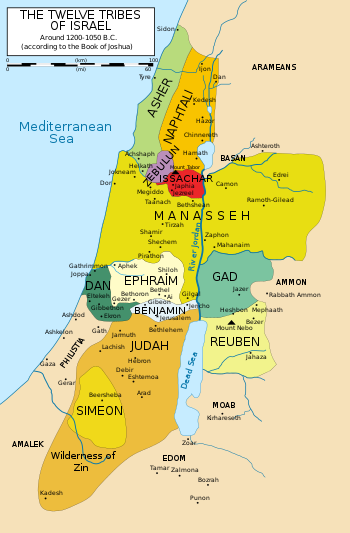
Since we’re not Israelites, it’s a bit difficult for us to figure out what is going on in these verses. Hosea begins verse 8 by listing three different cities that most of us know little or nothing about. But they would have had significance to the original readers of his book. Hosea’s mention of them was intended to provide geographic reference points that help establish a context for what follows. Gibeah and Ramah were cities located in the southern kingdom of Judah. Both were just north of the capital city of Jerusalem and not far from the border Judah shared with Israel. Beth-haven was located just across the border in the southern kingdom of Israel. Hosea has purposefully altered the name of this particular town in order to drive home a point. The actual name of the city was Bethel and it had a long, rich history among the descendants of Abraham. In Hebrew, the name Bethel means, “house of God,  but Hosea repeatedly refers to it as Beth-haven, which can be translated as “house of wickedness.”

With this less-than-flattering name change, Hosea is making a powerful statement about the spiritual state of Israel. At one time, Bethel had held a special significance among the descendants of Abraham. They would have been very familiar with the story of Abraham’s call by God, recorded in the book of Genesis. Not long after God had led Abraham to the land of Canaan, He had communicated His promise to make of Abraham a great nation. He also promised to give the entire land of Canaan to Abraham’s offspring. This would have included the land on which Gibeah, Raman, and Bethel sat. Genesis records that, not long after receiving this promise from God, Abraham traveled to Bethel, where he erected an altar to Yahweh.

Then the Lord appeared to Abram and said, “To your offspring I will give this land.” So he built there an altar to the Lord, who had appeared to him. From there he moved to the hill country on the east of Bethel and pitched his tent, with Bethel on the west and Ai on the east. And there he built an altar to the Lord and called upon the name of the Lord. And Abram journeyed on, still going toward the Negeb. – Genesis 12:7-9 ESV

Years later, Abraham’s grandson, Jacob, would have a divinely inspired dream in which God reiterated the very same promise He had communicated to Abraham.

“I am the Lord, the God of Abraham your father and the God of Isaac. The land on which you lie I will give to you and to your offspring. Your offspring shall be like the dust of the earth, and you shall spread abroad to the west and to the east and to the north and to the south, and in you and your offspring shall all the families of the earth be blessed. – Genesis 28:13-14 ESV

And Jacob would respond in awe and wonder at this gracious pronouncement by God.

“Surely the Lord is in this place, and I did not know it.” And he was afraid and said, “How awesome is this place! This is none other than the house of God, and this is the gate of heaven.” – Genesis 28:16-17 ESV

As a result of this remarkable dream and the promise it contained, “He called the name of that place Bethel” (Genesis 28:19 ESV). Jacob set up a sacred pillar to Yahweh, thereby establishing Bethel as a permanent worship site in Israel. Years later, he  returned to that same sight and built an altar to the Lord, renaming it El-Bethel (God of Bethel). At one time, the Ark of the Covenant was kept at there. So, for generations, the Israelites had recognized this site as holy and dedicated to Yahweh. But when the kingdom was divided in half, King Jeroboam deemed Bethel as one of the locations for the worship of his false god. He built a temple there and placed within it one of the golden calf idols he had made.

Bethel sat at the boundary between the tribes of Ephraim and Benjamin and eventually delineated the border between the northern kingdom of Israel and the southern kingdom of Judah. So, when Hosea points out these three cities, he is focusing his attention on the literal heart of Israel. They are each located at the center of the land that God had given to the 12 tribes of Israel.

And Hosea announces that the sound of trumpets would be heard in these three cities. But these would not be trumpets of joy or celebration. They would be the warning signs of coming destruction. The armies of Judah and Israel would be summoned for war, but they would prove ineffective against the enemies that God was bringing against them.

One thing is certain, Israel:
    On your day of punishment,
    you will become a heap of rubble. – Hosea 5:9 NLT

Both nations were guilty and, as a result, both would suffer the consequences for their sin and rebellion.

“The leaders of Judah have become like thieves.
    So I will pour my anger on them like a waterfall.
The people of Israel will be crushed and broken by my judgment
    because they are determined to worship idols.
I will destroy Israel as a moth consumes wool.
    I will make Judah as weak as rotten wood.” – Hosea 5:10-12 NLT

The nations of Judah and Israel had each violated their covenant agreements with God. But they had also violated their covenant agreements with one another. When Moses had allotted each tribe their portion of the land of Canaan, they had agreed to respect the boundaries the God had established for them. But Judah had stolen land that belonged to Benjamin. And ever since the division of the kingdom, Israel had repeatedly invaded and plundered land belonging to the tribe of Judah. By violating God’s commands as communicated through the Mosaic Law, the people of Israel and Judah no longer had a basis for knowing right from wrong.  Everyone did what was right in his own eyes. It was a moral free-for-all.

What’s interesting to note is that, when both nations found themselves suffering God’s judgment for their sin, they attempted to escape it by turning to foreign powers for help. And on of the nations from which they sought assistance was the Assyrians. The kings of Judah and Israel had repeatedly sought salvation from the ruthless and morally corrupt Assyrians, but it had done them no good.

“When Israel and Judah saw how sick they were,
    Israel turned to Assyria—
to the great king there—
    but he could neither help nor cure them. – Hosea 5:13 NLT

False gods and foreign powers were no match for God Almighty. There was no army big enough, no country powerful enough, and no god mighty enough to provide escape from the righteous wrath of God. They could run. They could hide. They could hire help. But in the end, God was going to do exactly what He said He would do.

“I will be like a lion to Israel,
    like a strong young lion to Judah.
    I will tear them to pieces!
I will carry them off,
    and no one will be left to rescue them.” – Hosea 5:14 NLT

And God warns them that they will find Him non-existent and unrelenting in His judgment until they admit their guilt and return to Him in humility and brokenness. This statement reflects the prayer that Solomon prayed at the dedication of the temple in Jerusalem, hundreds of years earlier. Consider the words of his prayer closely.

“If they [Israel] sin against you—and who has never sinned?—you might become angry with them and let their enemies conquer them and take them captive to their land far away or near.  But in that land of exile, they might turn to you in repentance and pray, ‘We have sinned, done evil, and acted wickedly.’ If they turn to you with their whole heart and soul in the land of their enemies and pray toward the land you gave to their ancestors—toward this city you have chosen, and toward this Temple I have built to honor your name—then hear their prayers and their petition from heaven where you live, and uphold their cause. Forgive your people who have sinned against you. Forgive all the offenses they have committed against you. Make their captors merciful to them, for they are your people—your special possession…” – 1 Kings 8:46-51 NLT

As David wrote in one of his psalms, “The sacrifice you desire is a broken spirit. You will not reject a broken and repentant heart, O God” (Psalm 51:17 NLT). God was looking for a heart of humility and repentance from His people. And until they were willing to bow before Him in contrition and confession, they would search for Him in vain.

English Standard Version (ESV) The Holy Bible, English Standard Version. ESV® Permanent Text Edition® (2016). Copyright © 2001 by Crossway Bibles, a publishing ministry of Good News Publishers.

New Living Translation (NLT) Holy Bible, New Living Translation, copyright © 1996, 2004, 2015 by Tyndale House Foundation. Used by permission of Tyndale House Publishers Inc., Carol Stream, Illinois 60188. All rights reserved.

The Message (MSG)Copyright © 1993, 1994, 1995, 1996, 2000, 2001, 2002 by Eugene H. Peterson

A Thirst For God

13 Put on sackcloth and lament, O priests;
    wail, O ministers of the altar.
Go in, pass the night in sackcloth,
    O ministers of my God!
Because grain offering and drink offering
    are withheld from the house of your God.

14 Consecrate a fast;
    call a solemn assembly.
Gather the elders
    and all the inhabitants of the land
to the house of the Lord your God,
    and cry out to the Lord.

15 Alas for the day!
For the day of the Lord is near,
    and as destruction from the Almighty[c] it comes.
16 Is not the food cut off
    before our eyes,
joy and gladness
    from the house of our God?

The seed shrivels under the clods;
    the storehouses are desolate;
the granaries are torn down
    because the grain has dried up.
18 How the beasts groan!
    The herds of cattle are perplexed
because there is no pasture for them;
    even the flocks of sheep suffer.

19 To you, O Lord, I call.
For fire has devoured
    the pastures of the wilderness,
and flame has burned
    all the trees of the field.
20 Even the beasts of the field pant for you
    because the water brooks are dried up,
and fire has devoured
    the pastures of the wilderness. – Joel 1:13-20 ESV

The consequences of sin are not always self-evident. They don’t always show up at the point the sin is being committed. But in due time, the sinner always reaps what he sows. We can attempt to hide our sin or act like it never happened, but it will eventually get exposed. As God warned the tribes of Reuben and Gad, “be sure your sin will find you out” (Numbers 32:23 ESV).

And the people of Judah were experiencing the painful consequences of their sin against God, in the form of the devastating aftermath of the locust infestation that had left their land devoid of fruit and grain. For generations, they had thought they had gotten away with their repeated rebellion against God, but their sin had found them out. He had been watching and waiting. Now, judgment had come and they had no grain to make bread and no grapes with which to produce wine. And, on top of that, they had no way of offering the grain and drink offerings required as part of the sacrificial system established by Yahweh.

So, Joel calls on the priests of God to put on sackcloth, lament, and wail. Rather than wearing their priestly robes and offering sacrifices on behalf of the people, they were to spend their nights in sorrow, “Because grain offering and drink offering are withheld from the house of your God” (Joel 1:13 ESV). Joel addresses them as “ministers of the altar” and “ministers of my God,” clearly pointing out how they had abdicated their responsibility as the spiritual leaders of Judah. They were to have led the nation in the worship of God, bringing the sins of the people before the altar and helping to restore them to a right relationship with God.

When God had set apart the tribe of Levi to assist Aaron with the duties associated with the tabernacle, He had told them, “They shall guard all the furnishings of the tent of meeting, and keep guard over the people of Israel as they minister at the tabernacle” (Numbers 3:8 ESV). The priests in Joel’s day had failed to keep guard over the people. They had stood back and watched as the people disobeyed and dishonored God by their sinful behavior. Yes, they continued to offer their grain and drink offerings. They kept bringing their sacrifices and fulfilling all the feast days and festivals. But their hearts were not in it. God’s feelings regarding the outward obedience of His people were made quite clear in His words recorded by the prophet Isaiah.

“What makes you think I want all your sacrifices?”says the LORD.

“I am sick of your burnt offerings of rams and the fat of fattened cattle. I get no pleasure from the bloodof bulls and lambs and goats. When you come to worship me, who asked you to parade through my courts with all your ceremony. Stop bringing me your meaningless gifts; the incense of your offerings disgusts me! As for your celebrations of the new moon and the Sabbath and your special days for fasting—they are all sinful and false. I want no more of your pious meetings.” – Isaiah 1:11-13 NLT

God was fed up. He had had enough. So, He demands that the priests assemble all the people at the temple and declare a nationwide fast and period of mourning.

Announce a time of fasting;
    call the people together for a solemn meeting.
Bring the leaders
    and all the people of the land
into the Temple of the Lord your God,
    and cry out to him there. – Joel 1:14 NLT

The Hebrew word used for this kind of gathering is `atsarah, and it was typically used to refer to an assembly of the people for the keeping of a feast or festival. But there would be no feasting at this assembly. It was a fast, a willing abstaining from food on order to focus all their attention on God. And they were already experiencing a forced fast because there was no bread to eat or wine to drink. As is self-evident, this was not going to be a joyous occasion. They were expected to cry out to God in confession and repentance, placing themselves at His mercy and hoping that He will show them grace.

And Joel doesn’t want them to miss the seriousness of this occasion. He describes the time in which they live as “the day of the Lord.” And he points out that “Our food disappears before our very eyes. No joyful celebrations are held in the house of our God” (Joel 1:16 ESV). They are under divine judgment and its effects are all around them.

The seeds die in the parched ground,
    and the grain crops fail.
The barns stand empty,
    and granaries are abandoned. – Joel 1:17 NLT

Even the animals in the fields are experiencing the consequences of Judah’s sin and God’s judgment. The pastures are barren and the flocks are starving. In all of this, Joel seems to be pointing out how Judah’s sin was impacting not only the economy, but the sacrificial system. Not only was there no grain or wine for use in the offerings, the herds and flocks that would have been the source of sacrifices were suffering from starvation. The entire sacrificial system, designed to provide forgiveness from sin and a restored relationship with God, was struggling for its existence. Joel describes the flock of sheep as suffering, but the Hebrew word he uses is ‘asham, which means “to suffer punishment due to guilt.” Even the sheep, which were the primary means of substitutionary atonement for the sins of the people, were suffering as if guilty. Their lack of adequate food had made them unfit for sacrifice.

These were dark days. And it wasn’t because of the locusts. It was because of sin. And the judgment against Judah’s sin had not stopped with the devouring by the locusts. Joel describes fire as having scorched the fields, leaving any remnant of grain completely wiped out. And, on top of that, the brooks had dried up, leaving the animals in the fields searching for anything to slack their thirst.

The imagery of animals desperately seeking for something to slack their thirst is meant to picture the spiritual state of the people of Judah. They are dying spiritually, and in need of someone to quench their unbearable thirst for satisfaction. And, through the prophet Isaiah, God offers them an invitation.

“Come, everyone who thirsts,
    come to the waters;
and he who has no money,
    come, buy and eat!
Come, buy wine and milk
    without money and without price.
Why do you spend your money for that which is not bread,
    and your labor for that which does not satisfy?
Listen diligently to me, and eat what is good,
    and delight yourselves in rich food. – Isaiah 55:1-12 ESV

The situation is desperate, but are the people of Judah? Are they ready to give up their wicked ways and turn to God? Has the devastation of the locusts left them ready to seek God and serve Him faithfully? Time will tell. But Joel warns them that things are going to get worse before they get better. If they don’t repent, the day of the Lord will come. He is offering to quench their spiritual thirst and alleviate their suffering, but they must confess their sin and return to Him in humility and contrition.

Again, God spoke through the prophet Isaiah, reminding the people of Judah what it was He wanted from them. And His words reveal the choice that the people of Judah had to make.

“But this is the one to whom I will look:
    he who is humble and contrite in spirit
    and trembles at my word.

“He who slaughters an ox is like one who kills a man;
    he who sacrifices a lamb, like one who breaks a dog’s neck;
he who presents a grain offering, like one who offers pig’s blood;
    he who makes a memorial offering of frankincense, like one who blesses an idol.
These have chosen their own ways,
    and their soul delights in their abominations.” – Isaiah 66:2-3 ESV


English Standard Version (ESV) The Holy Bible, English Standard Version. ESV® Permanent Text Edition® (2016). Copyright © 2001 by Crossway Bibles, a publishing ministry of Good News Publishers.

New Living Translation (NLT) Holy Bible, New Living Translation, copyright © 1996, 2004, 2015 by Tyndale House Foundation. Used by permission of Tyndale House Publishers Inc., Carol Stream, Illinois 60188. All rights reserved.

The Message (MSG) Copyright © 1993, 1994, 1995, 1996, 2000, 2001, 2002 by Eugene H. Peterson


No Place For Pride

Isaiah 66:1-6

As human beings, we tend to put a lot of significance in those things that we have made with our own hands. We take great pride in our achievements. We boast in our accomplishments.  In short, we celebrate our own success. And there is no better example of this kind of self-exaltation than the pride-filled words of Nebuchadnezzar, the king of Babylon.

“Is not this great Babylon, which I have built by my mighty power as a royal residence and for the glory of my majesty?” – Daniel 4:30 ESV

And it’s interesting to note that Nebuchadnezzar’s beautiful city was located in the same area where Nimrod and his followers had attempted to disobey God and build a city for themselves, complete with a huge construction project intended as a permanent monument to their own self-importance and significance.

“Come, let’s build ourselves a city and a tower with its top in the heavens so that we may make a name for ourselves.” – Genesis 11:4 NLT

But their plans were contrary to God’s will so, He confused their language and scattered them to the four winds.

But back to Nebuchadnezzar. Before the sound of his own pride-filled voice had time to fade, he would receive some ego-diminishing news straight from God’s throne room in heaven.

“It is hereby announced to you, King Nebuchadnezzar, that your kingdom has been removed from you! You will be driven from human society, and you will live with the wild animals. You will be fed grass like oxen, and seven periods of time will pass by for you before you understand that the Most High is ruler over human kingdoms and gives them to whomever he wishes.” – Daniel 4:31-32 NLT

Which brings us back to Isaiah 66. God opens up this section of His address to the people of Judah with the reminder: “Heaven is my throne, and the earth is my footstool” (Isaiah 66:1 ESV). He was reminding His covenant people that He was the sovereign ruler over all, including them. He was the King, and He alone deserved all glory and honor. And yet, God exposes a pride problem among His people. They were guilty of placing far too much value on the temple they had built for Him. It had become the symbol of their own significance. They treated it like a box they had built in which to contain the God of the universe. And yet, as God had said in response to King David’s plan to build the temple:

Thus says the Lord: Would you build me a house to dwell in? I have not lived in a house since the day I brought up the people of Israel from Egypt to this day, but I have been moving about in a tent for my dwelling. In all places where I have moved with all the people of Israel, did I speak a word with any of the judges of Israel, whom I commanded to shepherd my people Israel, saying, “Why have you not built me a house of cedar?” – 2 Samuel 7:5-7 ESV

God didn’t need or ask for a temple to be built. What He desired was a people who would worship and obey Him. As the prophet Samuel had told David’s predecessor: “Obedience is better than sacrifice, and submission is better than offering the fat of rams” (1 Samuel 15:22 NLT). But the Jews had become enamored with their temple. Its very presence among them gave them a false sense of security and an over-confident belief in their own spirituality. They had come to value the temple they had created more than the Creator for whom they had built it.

So, God gives them a stark reminder of His criteria for measuring spirituality.

“But this is the one to whom I will look:
    he who is humble and contrite in spirit
    and trembles at my word.” – Isaiah 66:2 ESV

Notice that God looks for humility and contriteness in His people. But what do these two words mean? The Hebrew word translated “humble” means “poor, afflicted, humble, wretched.” It conveys the idea of need and abject dependence. But it also reveals an awareness that the one who is humble fully recognizes his or her condition. There is no false sense of pride or arrogance about them. The word translated “contrite” means “stricken” or “smitten” and seems to indicate the reason for the individual’s lowly condition. It provides the “why” behind their humble estate. They have been brought low by some circumstance of life and their condition has left them with a clear sense of need. Which is why God describes them as trembling at His word.

A humble or poor person has nothing to bring to God. They are in no condition to offer the God of the universe anything, and they recognize it. A contrite or stricken person understands that any suffering they experience is deserved. Even their righteous deeds are little more than filthy rags to a holy God. As sinners, they understand that they deserve little more than judgment from God. Which is why they tend to turn to God in fear and trembling, treating Him with the honor He deserves. They desire to do what He commands them to do.

But the people of Judah put a lot of stock in their keeping of the various religious rituals associated with their temple worship. God mentions the slaughter of an ox, the sacrifice of a lamb, and the offering of grain and frankincense. But then He turns around and labels these so-called acts of worship as little more than murder, animal cruelty,  a form of abomination, and idol worship. In other words, even worship, when done in pride and with an attitude of self-righteousness, is unacceptable to God.

Yes, they were keeping God’s commands by offering the appropriate sacrifices at the proper times and according to the temple calendar. But God says, “they did what was evil in my eyes and chose that in which I did not delight” (Isaiah 66:4 ESV). Even their adherence to His commands concerning sacrifices was tainted by their refusal to live in submission to Him in the rest of their lives. They were disobedient and disingenuous. And so, God warns them what is going to happen next.

I will send them great trouble—
    all the things they feared.” – Isaiah 66:4 NLT

But don’t miss the reason behind God’s declaration of judgment. He says that when He had called, they had refused to answer. When He spoke, they had failed to listen. Instead, He says, “They deliberately sinned before my very eyes and chose to do what they know I despise” (Isaiah 66:4 ESV).

And to make matters worse, these very same people mocked the faithful remnant of God. These prideful and pompous individuals turned their anger and arrogance on those who had chosen to remain obedient to and reliant upon God. In their hatred for these faithful few, the majority of the people of Judah chose to cast them out of their midst. They wanted nothing to do with them. But God assures His remnant that justice is coming. He will bring shame to all those who stand pridefully opposed to Him and who treat the faithful with contempt. God was going to bring judgment on the people of Judah in the form of vengeance on behalf of all those who were humble and contrite.

God was going to humiliate the non-humble. He was going to strike down the non-contrite. Their religious play-acting was not going to save them. Their pride in their own achievements and over-confidence in their self-righteous activities were not going to protect them from the wrath of God. They were missing the one thing God was looking for: Humility.

And James, in the letter that bears his name, reminds us that God “gives greater grace.” And then James goes on to remind us that God’s grace is reserved for the humble. “Therefore it says, ‘God opposes the proud, but he gives grace to the humble.’ So submit to God” (James 4:5-6 NLT).

Submit to God. There is the key. But submission requires an admittance of God’s superiority and our own inferiority. He is greater and more glorious, and fully deserves our humble and contrite submission to His will. And when we come to Him in humility, we receive His grace – free of charge and fully apart from any merit on our part.

English Standard Version (ESV) The Holy Bible, English Standard Version. ESV® Permanent Text Edition® (2016). Copyright © 2001 by Crossway Bibles, a publishing ministry of Good News Publishers.

New Living Translation (NLT) Holy Bible, New Living Translation, copyright © 1996, 2004, 2015 by Tyndale House Foundation. Used by permission of Tyndale House Publishers Inc., Carol Stream, Illinois 60188. All rights reserved.

The Message (MSG) Copyright © 1993, 1994, 1995, 1996, 2000, 2001, 2002 by Eugene H. Peterson

Sacrifice Without Sorrow.

Run to and fro through the streets of Jerusalem,
    look and take note!
Search her squares to see
    if you can find a man,
one who does justice
    and seeks truth,
that I may pardon her.
Though they say, “As the Lord lives,”
    yet they swear falsely.
O Lord, do not your eyes look for truth?
You have struck them down,
    but they felt no anguish;
you have consumed them,
    but they refused to take correction.
They have made their faces harder than rock;
    they have refused to repent.

Then I said, “These are only the poor;
    they have no sense;
for they do not know the way of the Lord,
    the justice of their God.
I will go to the great
    and will speak to them,
for they know the way of the Lord,
    the justice of their God.”
But they all alike had broken the yoke;
    they had burst the bonds.

Therefore a lion from the forest shall strike them down;
    a wolf from the desert shall devastate them.
A leopard is watching their cities;
    everyone who goes out of them shall be torn in pieces,
because their transgressions are many,
    their apostasies are great. Jeremiah 5:1-6 ESV

In order to prove to Jeremiah just how bad things had gotten and to justify the need for  the coming judgment, God gives him a challenge. He tells the prophet to run through the streets of Jerusalem and see if he can find a solitary individual who does justice and seeks truth. Just one man. That’s all Jeremiah had to find. But God warns Jeremiah not to be deceived. They will try to convince Jeremiah that they are God-fearers, but God tells him, “But even when they are under oath, saying, ‘As surely as the Lord lives,’ they are still telling lies!” (Jeremiah 5:2 NLT). They’ll say and do anything to get out of the disaster headed their way, even swear on a stack of Bibles. But God told Jeremiah not to believe them, because He knew their hearts. This is reminiscent of Abraham’s conversation with God when it had been revealed that the cities of Sodom and Gomorrah were to be destroyed because of their unchecked immorality. Abraham knew that his nephew Lot and his family were living in Sodom, so he tried to beg God not to destroy the cities. He started out asking God to spare the cities if there were at least 50 righteous people living in them. And God said, “If I find at Sodom fifty righteous in the city, I will spare the whole place for their sake” (Genesis 18:26 ESV). Then Abraham, seemingly knowing that the likelihood of finding that many righteous individuals in the two cities was unlikely, began to bargain with God until he got the number down to ten. And God responded, “For the sake of ten I will not destroy it” (Genesis 18:32 ESV). In the end, Abraham was simply trying to spare his nephew and his family. But even when they were safely out of the city, God destroyed both Sodom and Gomorrah. There were not even ten righteous people left in either city.

The situation in Judah also brings to mind the days just before God destroyed the earth with a world-wide flood. The book of Genesis tells us:

The LORD observed the extent of human wickedness on the earth, and he saw that everything they thought or imagined was consistently and totally evil. – Genesis 6:5 NLT

And as a result, He wiped out every living thing on the earth, sparing only Noah and his family, and those animals he had sequestered away on the ark. In those days, unrighteousness had run rampant on the earth. And the same sad state of affairs was true of the capital city of Judah. Wickedness was everywhere. Unfaithfulness marked the lifestyles of all those who lived in the city. It was just as Solomon had written:

Surely there is not a righteous man on earth who does good and never sins. – Ecclesiastes 7:20 NLT

And David echoed this same sentiment when he wrote:

Enter not into judgment with your servant, for no one living is righteous before you. – Psalm 143:2 ESV

Who can say, “I have cleansed my heart; I am pure and free from sin”? – Psalm 20:9 NLT

And the apostle Paul would pick up on David’s less-than-flattering assessment of mankind when he wrote:

None is righteous, no, not one; no one understands; no one seeks for God. All have turned aside; together they have become worthless; no one does good, not even one. – Romans 3:10-12 ESV

Man is incapable of performing righteous acts apart from God’s help. Anything and everything we do, in our own flesh, ends up being tainted and polluted by sin. That reality is what led the prophet Isaiah to write:

We are all infected and impure with sin. When we display our righteous deeds, they are nothing but filthy rags. Like autumn leaves, we wither and fall, and our sins sweep us away like the wind. – Isaiah 64:6 NLT

But God had graciously provided the people of Israel with His law to show them His holy expectations of them. And knowing they would be incapable of keeping His law perfectly, He provided them with the sacrificial system as a means of finding atonement for the sins they would inevitably commit. But despite God’s grace and mercy, they still chose to rebel against Him, turning to false gods and treating His sacrificial system with contempt. God knew their hearts. They had long ago fallen out of love with Him, which is what led Him to say of them:

“These people say they are mine. They honor me with their lips, but their hearts are far from me. And their worship of me is nothing but man-made rules learned by rote.”  – Isaiah 29:13 NLT

And Jeremiah’s search for one solitary individual who sought after truth proved to be harder than he thought. He soon admitted:

You struck your people,
    but they paid no attention.
You crushed them,
    but they refused to be corrected.
They are determined, with faces set like stone;
    they have refused to repent. – Jeremiah 5:3 NLT

But in an attempt to be optimistic, Jeremiah concludes that it was the poor who posed the problem. They were uneducated and uninformed. They didn’t know any better. So like Abraham, he makes a deal with God.

“But what can we expect from the poor?
    They are ignorant.
They don’t know the ways of the Lord.
    They don’t understand God’s laws.
So I will go and speak to their leaders.
    Surely they know the ways of the Lord
    and understand God’s laws.” – Jeremiah 5:5 NLT

He was going to check out the upper class, the well-educated cultural elite of the city. Surely, they would produce at least one man who was righteous. Yet Jeremiah would sadly conclude: “But the leaders, too, as one man, had thrown off God’s yoke and broken his chains” (Jeremiah 5:5b NLT). Jeremiah had struck out. His attempt to find just one faithful person had come up empty. And as a result, the judgment of God was assured.’

Therefore a lion from the forest shall strike them down;
    a wolf from the desert shall devastate them.
A leopard is watching their cities;
    everyone who goes out of them shall be torn in pieces,
because their transgressions are many,
    their apostasies are great. – Jeremiah 5:6 ESV

Like apex predators, the Babylonians would come into Judah, viciously and unmercifully ravaging the people of God, because of their open rebellion against Him. Their many sins would have dire consequences. Their failure to respond to God’s many invitations to return to Him in repentance would result in His just and righteous discipline of them. And God had proven to Jeremiah that what was about to happen was anything but undeserved. The prophet had been unable to find a solitary soul within the whole city of Jerusalem who could qualify as righteous before God. Unrighteousness and unfaithfulness go hand in hand. God had never intended the people of Israel to live righteous lives on their own. That’s why He had given them the law and the sacrificial system. One provided them with God’s holy expectations of them. It showed them how they were to live. But God knew they would be unable to live up to His righteous standards, so He gave them the sacrificial system to provide them with a means of atonement or cleansing for the sins they would commit. But these two things were to produce in them a complete dependence upon God. One represented God’s law, while the other represented His grace. And the two were designed to work in tandem, creating in the people of God a complete reliance upon Him for any hope of living righteous lives before Him. But when they determined in their hearts to live unfaithfully, by seeking other gods instead of Him, they revealed that they really didn’t need Him. And their sacrifices lost their value. They could make them. They could offer up their lambs and bulls, shedding their blood in an attempt to receive atonement and forgiveness from God, but the lives of these animals would be given in vain. Because what God really wanted from the people of Judah was true repentance for their sins. David expressed the desire of God well when he wrote:

Certainly you do not want a sacrifice, or else I would offer it;
you do not desire a burnt sacrifice.
The sacrifices God desires are a humble spirit—
O God, a humble and repentant heart you will not reject. – Psalm 51:16-17 NLT

Sacrifices without true sorrow for sin are meaningless. The apostle Paul put it this way:

For the kind of sorrow God wants us to experience leads us away from sin and results in salvation. There’s no regret for that kind of sorrow. But worldly sorrow, which lacks repentance, results in spiritual death. – 2 Corinthians 7:10 NLT

English Standard Version (ESV)
The Holy Bible, English Standard Version. ESV® Permanent Text Edition® (2016). Copyright © 2001 by Crossway Bibles, a publishing ministry of Good News Publishers.

New Living Translation (NLT)
Holy Bible, New Living Translation, copyright © 1996, 2004, 2015 by Tyndale House Foundation. Used by permission of Tyndale House Publishers Inc., Carol Stream, Illinois 60188. All rights reserved.

The Message (MSG)Copyright © 1993, 1994, 1995, 1996, 2000, 2001, 2002 by Eugene H. Peterson