When God’s Man Refuses To Do Things God’s Way

1 Now there happened to be there a worthless man, whose name was Sheba, the son of Bichri, a Benjaminite. And he blew the trumpet and said,

“We have no portion in David,
and we have no inheritance in the son of Jesse;
every man to his tents, O Israel!”

So all the men of Israel withdrew from David and followed Sheba the son of Bichri. But the men of Judah followed their king steadfastly from the Jordan to Jerusalem.

And David came to his house at Jerusalem. And the king took the ten concubines whom he had left to care for the house and put them in a house under guard and provided for them, but did not go in to them. So they were shut up until the day of their death, living as if in widowhood.

Then the king said to Amasa, “Call the men of Judah together to me within three days, and be here yourself.” So Amasa went to summon Judah, but he delayed beyond the set time that had been appointed him. And David said to Abishai, “Now Sheba the son of Bichri will do us more harm than Absalom. Take your lord’s servants and pursue him, lest he get himself to fortified cities and escape from us.” And there went out after him Joab’s men and the Cherethites and the Pelethites, and all the mighty men. They went out from Jerusalem to pursue Sheba the son of Bichri. When they were at the great stone that is in Gibeon, Amasa came to meet them. Now Joab was wearing a soldier’s garment, and over it was a belt with a sword in its sheath fastened on his thigh, and as he went forward it fell out. And Joab said to Amasa, “Is it well with you, my brother?” And Joab took Amasa by the beard with his right hand to kiss him. 10 But Amasa did not observe the sword that was in Joab’s hand. So Joab struck him with it in the stomach and spilled his entrails to the ground without striking a second blow, and he died.

Then Joab and Abishai his brother pursued Sheba the son of Bichri. 11 And one of Joab’s young men took his stand by Amasa and said, “Whoever favors Joab, and whoever is for David, let him follow Joab.” 12 And Amasa lay wallowing in his blood in the highway. And anyone who came by, seeing him, stopped. And when the man saw that all the people stopped, he carried Amasa out of the highway into the field and threw a garment over him. 13 When he was taken out of the highway, all the people went on after Joab to pursue Sheba the son of Bichri. 2 Samuel 20:1-13 ESV

David had not yet made it back inside the walls of Jerusalem when another disaster struck. He had just eliminated one rebellion when another one raised its ugly head. The ten disgruntled tribes of Israel, unhappy with what they viewed as David’s favoritism for his own tribe of Judah, decided to throw in their lot with Sheba, a Benjaminite. This “worthless fellow” took advantage of the unstable conditions in Israel and called for another rebellion against David. It is impossible to read this account and not recall the curse God had placed on David as a result of his affair with Bathsheba.

“Now therefore the sword shall never depart from your house, because you have despised me and have taken the wife of Uriah the Hittite to be your wife.” – 2 Samuel 12:10 ESV

There was going to be more bloodshed with additional people dying unnecessarily – all as a direct result of David’s sin. Despite having regained his throne, the conditions in David’s kingdom remained unstable and insecure. Even when he finally made it back to Jerusalem, David had to deal with the ten concubines whom Absalom had sexually violated and publicly humiliated. It must be remembered that what happened to them was also tied to David’s adulterous affair with Bathsheba and his murder of her husband. God had warned David that there would be devastating consequences for his actions.

“Behold, I will raise up evil against you out of your own house. And I will take your wives before your eyes and give them to your neighbor, and he shall lie with your wives in the sight of this sun. For you did it secretly, but I will do this thing before all Israel and before the sun.” – 2 Samuel 12:11-12 ESV

These women, who had been publicly shamed by Absalom, found themselves being treated like social pariahs by David. He would care for them for the rest of their lives but they were forced to remain in a state of perpetual widowhood – all as a result of the sins of David.

The wake of human misery and destroyed lives that David left behind him is unprecedented. He had lost three sons to death. His daughter had been violated by her own brother. Tens of thousands of his own people had been killed in an unnecessary civil war, and the death toll would continue to rise.

When David called for his troops to put down the uprising led by Sheba, he put Amasa in command. It’s important to recall that David had replaced Joab as the commander of his army because he had disobeyed a direct order and killed Absalom. Rather than punish Joab for his blatant act of insubordination, David decided to publicly humiliate him by stripping him of his command. As king, David had the right and authority to execute Joab for his unauthorized execution of Absalom, but David took a much easier and less drastic path. But like so many of his decisions, this one would come back to haunt him.

Joab was a proud man who didn’t take his demotion well. He had served alongside his friend for years and had been instrumental in many of David’s victories. He had helped defeat the forces of Absalom and had purposefully taken the life of David’s son because he knew David would never do so. In Joab’s mind, he had saved the kingdom by doing David’s dirty work.

But Joab, ever the warrior, wasn’t going to go down without a fight. Sensing the ongoing instability of David’s reign, he seized the opportunity to eliminate his competition and regain his former position. Using Sheba’s rebellion as a pretext, Joab came up with a plan to kill Amasa.

Like so many of the stories surrounding David’s life, this one is filled with twists and turns. When it comes to David, nothing ever seems to go smoothly or as expected. With yet another rebellion brewing, David instructs Amasa, his new commander, to seek out Sheba and eliminate the threat to his kingdom. But for some unexplained reason, Amasa goes AWOL, leaving David with no other choice but to place Abishai in charge of his army. This young man was David’s nephew and the brother of Joab, who had served as one of David’s military commanders. Given the task of leading David’s army and putting an end to Sheba’s rebellion, Abishai jumped at the opportunity. But his moment in the spotlight was short-lived because Amasa finally showed up and assumed command of David’s forces. Amasa’s late arrival must have caused confusion among the rank-and-file troops as he and Abishai haggled over who was actually in charge. This unnecessary delay provided Joab with the opportunity he was looking for. In an act of well-disguised treachery, Joab stepped up to Amasa and stabbed him in the stomach with a concealed sword.

As Amasa lay dying in a pool of his own blood, “Joab and Abishai his brother pursued Sheba the son of Bichri” (2 Samuel 20:10 ESV). Seemingly unfazed by his brother’s actions, Abishai allowed Joab to march alongside him as they set out in search of Sheba. But the text makes it clear that Abishai was no longer the one in charge; his brother had assumed command.

all the people went on after Joab to pursue Sheba the son of Bichri. – 2 Samuel 20:13 ESV

Joab had accomplished his mission; he had eliminated his competition and regained his control of David’s army. Now all he had to do was capture and execute Sheba and he could get back into David’s good graces.

But what Joab didn’t understand was that his actions would one day catch up with him. The day would come when he got what he deserved but it would not be under David’s watch. Once again, just as with the story of Shimei, David will put off doing the right thing. Rather than punishing Joab for his murder of Amasa, he will do nothing. Instead, he will pass the buck and leave Joab’s fate up to his son, Solomon. In the latter years of his reign, when David was preparing to turn over the kingdom to Solomon, he would assign to his son the unpleasant responsibility of cleaning up all his past messes. Solomon would be the one who had to deal with Joab for his murders of Abner, Absalom, and Amasa.

“Do as he has said, strike him down and bury him, and thus take away from me and from my father’s house the guilt for the blood that Joab shed without cause. The Lord will bring back his bloody deeds on his own head, because, without the knowledge of my father David, he attacked and killed with the sword two men more righteous and better than himself, Abner the son of Ner, commander of the army of Israel, and Amasa the son of Jether, commander of the army of Judah. So shall their blood come back on the head of Joab and on the head of his descendants forever. But for David and for his descendants and for his house and for his throne there shall be peace from the Lord forevermore.” – 1 Kings 2:31-33 ESV

David’s refusal to deal with Joab’s actions was the easy way out. He didn’t want to make matters worse than they already were, so he did nothing. But his indecisiveness and inaction didn’t produce peace in Israel; at least not in his day. The body count continued to mount. The violence escalated. And the instability of David’s kingdom would only get worse, not better. David may have been a man after God’s own heart but the state of his kingdom must have grieved the heart of God.

David’s relationship with God did not protect him from failure or inoculate him from the ramifications of sin. The people of God are just as prone to bad decision-making as anyone else. Believers can undervalue the wisdom of God and overlook the sins taking place around them. We can surround ourselves with bad counselors, put off making difficult decisions, give in to impulsive desires, and leave God out of our daily lives. When we do, we find ourselves facing the same kind of unnecessary outcomes that David did.

David loved God and he had a deep-seated desire to serve God. But his desires didn’t always show up in his behavior.  His love for God wasn’t always accompanied by a commitment to obey God. Any hope he had of serving the people of God as the faithful shepherd of God was totally dependent upon his complete reliance upon God.

As believers, we are God’s people living in a godless environment, surrounded by ungodly people who don’t share our views or our love for God. It’s difficult to live as a child of God on this earth, but we make it even more difficult by refusing to rely upon Him. There will always be the temptation to do things our own way and simply assume that our relationship with God will provide us with some kind of invisible force field that protects us from the dangers of sin. But while our salvation delivers us from the judgment of sin, it does not inoculate us from the temptation to sin. That is why Paul so strongly urged his readers to rely upon the Holy Spirit.

So I say, let the Holy Spirit guide your lives. Then you won’t be doing what your sinful nature craves. The sinful nature wants to do evil, which is just the opposite of what the Spirit wants. And the Spirit gives us desires that are the opposite of what the sinful nature desires. These two forces are constantly fighting each other, so you are not free to carry out your good intentions. – Galatians 5:16-17 NLT

A man after God’s own heart who refuses to let God have full control of his heart will find himself surrounded by discord and difficulty. Our ability to survive and thrive on this planet is dependent upon our commitment to remain totally reliant upon God. David would continue to learn that invaluable lesson. He would discover the reality that being God’s hand-picked king meant nothing if he did not live as a God-dependent man.

English Standard Version (ESV) The Holy Bible, English Standard Version. ESV® Permanent Text Edition® (2016). Copyright © 2001 by Crossway Bibles, a publishing ministry of Good News Publishers.

New Living Translation (NLT) Holy Bible, New Living Translation, copyright © 1996, 2004, 2015 by Tyndale House Foundation. Used by permission of Tyndale House Publishers Inc., Carol Stream, Illinois 60188. All rights reserved.
Absolution Without Atonement Is Always Inadequate

1 Now Joab the son of Zeruiah knew that the king’s heart went out to Absalom. And Joab sent to Tekoa and brought from there a wise woman and said to her, “Pretend to be a mourner and put on mourning garments. Do not anoint yourself with oil, but behave like a woman who has been mourning many days for the dead. Go to the king and speak thus to him.” So Joab put the words in her mouth.

When the woman of Tekoa came to the king, she fell on her face to the ground and paid homage and said, “Save me, O king.” And the king said to her, “What is your trouble?” She answered, “Alas, I am a widow; my husband is dead. And your servant had two sons, and they quarreled with one another in the field. There was no one to separate them, and one struck the other and killed him. And now the whole clan has risen against your servant, and they say, ‘Give up the man who struck his brother, that we may put him to death for the life of his brother whom he killed.’ And so they would destroy the heir also. Thus they would quench my coal that is left and leave to my husband neither name nor remnant on the face of the earth.”

Then the king said to the woman, “Go to your house, and I will give orders concerning you.” And the woman of Tekoa said to the king, “On me be the guilt, my lord the king, and on my father’s house; let the king and his throne be guiltless.” 10 The king said, “If anyone says anything to you, bring him to me, and he shall never touch you again.” 11 Then she said, “Please let the king invoke the Lord your God, that the avenger of blood kill no more, and my son be not destroyed.” He said, “As the Lord lives, not one hair of your son shall fall to the ground.”

12 Then the woman said, “Please let your servant speak a word to my lord the king.” He said, “Speak.” 13 And the woman said, “Why then have you planned such a thing against the people of God? For in giving this decision the king convicts himself, inasmuch as the king does not bring his banished one home again. 14 We must all die; we are like water spilled on the ground, which cannot be gathered up again. But God will not take away life, and he devises means so that the banished one will not remain an outcast. 15 Now I have come to say this to my lord the king because the people have made me afraid, and your servant thought, ‘I will speak to the king; it may be that the king will perform the request of his servant. 16 For the king will hear and deliver his servant from the hand of the man who would destroy me and my son together from the heritage of God.’ 17 And your servant thought, ‘The word of my lord the king will set me at rest,’ for my lord the king is like the angel of God to discern good and evil. The Lord your God be with you!” 2 Samuel 14:1-17 ESV

More than three years have passed since Absalom arranged and carried out the murder of his half-brother, Amnon, for raping his sister, Tamar. Absalom fled, knowing he was guilty and deserving of death. He lived in exile in the land of Geshur the entire time and, while David thought about Absalom every day, he took no action regarding his son’s behavior. Technically, as king, David could have absolved his son of guilt and invited him to come home. But that decision would have required David to violate the law of God. There was little doubt concerning Absalom’s guilt and yet David did nothing to render a just and righteous indictment for the crime committed. For three years he failed to mete out justice for what his son had done.

This whole sordid affair had been lived out in the public eye. Everyone in the kingdom of Israel would have been familiar with the intimate and infamous details of the crimes committed by the royal family. It would have been common knowledge that one of the king’s sons had raped his half-sister and was then murdered by her brother. News of Absalom’s escape and exile would have been gossip fodder and, as the years, passed, people would have questioned why David did nothing to resolve the conflict in his own home. There were likely some who were angered by David’s decision to let his son get away with murder. They would have viewed this as a travesty of justice and a blatant display of favoritism. Others would have questioned David’s lack of mercy and his reluctance to use his power as king to pardon his own son.

The rumor mills must have been busy with all kinds of gossip and speculation. Questions swirled about David’s moods and his constant longings for his missing son Absalom. It was in this context that Joab, the king’s friend and military commander, decided to take action. He determined that it would be in the best interest of the kingdom for David to allow Absalom to return. It’s not made clear why Joab felt compelled to do what he did. There are no indications that any of his efforts had the blessing of God. Nowhere in the passage does it reveal him either seeking or receiving a word from God. So, Joab’s plan appears to have been his own idea and the fruit it eventually produced would seem to bear evidence that it was not within God’s will.

When Joab saw how much David longed for Absalom, he concocted a plan to convince David to forgive and forget. Perhaps remembering how Nathan the prophet had used a story to trick David into confessing his sin with Bathsheba, Joab came up with a similar strategy. He hired the services of a “wise woman” to assist him in implementing his plan. The Hebrew word translated as “wise” is ḥāḵām, and it has a range of possible meanings. In the Hebrew Bible, it is most commonly translated as “wise,” but it can also mean, “crafty, cunning, and wily.” Whatever her attributes, this woman’s reputation convinced Joab that she was the perfect person to help carry out his plot.

Joab concocted an elaborate and completely fabricated story for the woman to share with David. It involved the murder of her son by his own brother. In this fallacious tale, the “poor widow” was being pressured by her clansmen to do the right thing and put her second son to death for having murdered his brother. To further enhance the sad story, Joab had her add another twist in the plot that was designed to tug on David’s heartstrings. She described herself to David as a widow with no other sons to protect or provide for her. The living son was her last hope; if he was put to death, she would be helpless and hopeless.

Her fabricated story, while somewhat similar to that of Absalom and Amnon, had some glaring differences. Absalom’s murder of Amnon had not been in the heat of an argument and the result of uncontrolled passion. In other words, his was not a case of unpremeditated murder; he had planned it for over two years. His murder of Amnon had been calculated and carefully orchestrated. Secondly, the execution of Absalom for the murder of his brother would not have left David destitute and alone. He had plenty of other children and a son who would serve as his heir. David was a wealthy and powerful king, not a poor defenseless widow.

This entire scheme appears to be motivated by Joab’s desire to help Absalom return his father’s good graces. Perhaps he believed Absalom was the rightful heir to his father’s throne and his continued absence would make any transition of power impossible. Technically, Absalom was not the heir to the throne. Amnon would have been, but he had been killed. Next in line would have been Chileab, David’s second-born son (2 Samuel 3:3). And little did Joab know that God had already decided to make Solomon the next king of Israel. But Joab, whatever his motivation, did what he thought was best. He believed that by getting David to allow Absalom to return, things would get back to normal in the kingdom.

But when reading this story it is essential to remember that God had already given His will concerning matters of this nature. The Book of Numbers contains His divine provision for those who commit unpremeditated murder. God established six cities of refuge, designed as places where the guilty could go for safety until their case could be judged appropriately. But God made it clear that acts of premeditated murder were not covered under this plan.

But if someone strikes and kills another person with a piece of iron, it is murder, and the murderer must be executed. Or if someone with a stone in his hand strikes and kills another person, it is murder, and the murderer must be put to death. Or if someone strikes and kills another person with a wooden object, it is murder, and the murderer must be put to death. The victim’s nearest relative is responsible for putting the murderer to death. When they meet, the avenger must put the murderer to death. So if someone hates another person and pushes him or throws a dangerous object at him and he dies, it is murder. Or if someone hates another person and hits him with a fist and he dies, it is murder. In such cases, the avenger must put the murderer to death when they meet. – Numbers 35:16-21 NLT

Absalom deserved death, but Joab was determined to convince the king to grant him a pardon. His reasoning was simple, David needed to put the needs of the kingdom first. The woman’s story was intended to persuade David to do “the right thing.” In the “script” that Joab wrote for the woman, he even suggests that David’s absolution of Absalom would be within God’s will.

Certainly we must die, and are like water spilled on the ground that cannot be gathered up again. But God does not take away life; instead he devises ways for the banished to be restored. – 2 Samuel 14:14 NET

These words are a not-so-subtle appeal to God’s mercy and love; they emphasize His forgiveness. But they paint a one-dimensional view of God, conveniently leaving out His justice and holiness. God can’t ignore sin. His divine character will not allow Him to turn a blind eye to the sins of men or issue pardons without appropriate penalties. To do so would be an injustice and a violation of God’s righteousness. Sin must be punished and while Joab’s efforts were well-intentioned, he was encouraging David to supplant the will of God with his own.

As those living on this side of the cross, we know that God eventually provided a means for all sins to be forgiven. But that amazing reality did not come without cost. The apostle Paul reminds us that “the wages of sin is death” (Romans 6:23 ESV). Not only that, all humanity stands condemned before God and worthy of death, “for everyone has sinned; we all fall short of God’s glorious standard” (Romans 3:23 NLT). But Paul gives us the good news that pardon is available to all.

Yet God, in his grace, freely makes us right in his sight. He did this through Christ Jesus when he freed us from the penalty for our sins. – Romans 3:24 NLT

The absolution of our guilt and the pardon of our sins did not come without a price; it cost God the life of His own Son. Payment had to be made. The penalty for sin had to be paid by someone and God chose to do it through the life of His sinless Son. The author of Hebrews reminds us, “For without the shedding of blood, there is no forgiveness” (Hebrews 9:22 NLT).

Joab wanted everything back to the way it was, and he was willing to overlook the sins of Absalom to make it happen. This whole scene was the brainchild of Joab and was intended to get David to overlook the guilt of his son and allow him to return home. Yet this plan circumvented God’s demand for justice. Absolution is not the same thing as redemption. Forgiveness without atonement is impossible. Allowing Absalom to return without demanding that he pay for his crime would not solve the problem; it would only make matters worse.

Yet David, seemingly susceptible to a good story, gave into the woman’s tale and her plea that he allow Absalom to be restored. David’s decision, like so many others he made, would come back to haunt him. He didn’t seek God’s will in the matter but, instead, he allowed his emotions to get the better of him. It seems that the woman, armed with the words of Joab, knew exactly how to get to David’s heart. He longed for Absalom and was just looking for an excuse to bring him home. He didn’t want to mete out justice, which is why he had allowed Absalom to live in the land of his maternal grandfather for three years. Now, David seemed to have a viable excuse for doing what he had wanted to do all along – absolve Absalom of guilt. But while David could forgive and forget, God could not overlook what Absalom had done. Contrary to the wise woman’s words, God does take away life. He had taken the life of David’s newborn son because of his sin with Bathsheba. God had taken the life of Achan and his entire family for bringing sin into the camp (Joshua 7). God had a consistent and fully justified track record of dealing with sin in a just and righteous manner because He is a just and holy God. He is righteous and always does what is right.

David could choose to overlook Absalom’s sin, but God could not and would not. And David would soon learn the painful lesson that while his pardon of Absalom would guarantee his son’s return, it could not redeem and restore his son’s heart.

English Standard Version (ESV) The Holy Bible, English Standard Version. ESV® Permanent Text Edition® (2016). Copyright © 2001 by Crossway Bibles, a publishing ministry of Good News Publishers.

New Living Translation (NLT) Holy Bible, New Living Translation, copyright © 1996, 2004, 2015 by Tyndale House Foundation. Used by permission of Tyndale House Publishers Inc., Carol Stream, Illinois 60188. All rights reserved.
You Reap What You Sow

34 But Absalom fled. And the young man who kept the watch lifted up his eyes and looked, and behold, many people were coming from the road behind him by the side of the mountain. 35 And Jonadab said to the king, “Behold, the king’s sons have come; as your servant said, so it has come about.” 36 And as soon as he had finished speaking, behold, the king’s sons came and lifted up their voice and wept. And the king also and all his servants wept very bitterly.

37 But Absalom fled and went to Talmai the son of Ammihud, king of Geshur. And David mourned for his son day after day. 38 So Absalom fled and went to Geshur, and was there three years. 39 And the spirit of the king longed to go out to Absalom, because he was comforted about Amnon, since he was dead. 2 Samuel 13:34-39 ESV

Three times in just seven verses the words, “Absalom fled” appear. It’s almost as if the author is trying to make a point. Amnon was dead but Absalom got away. David wept at the news but Absalom got away. David mourned while Absalom got away. He had arranged for and accomplished the murder of his half-brother Amnon and, literally, got away with it. He killed the rightful heir to the throne and lived to tell about it. No troops were sent to pursue him. In fact, no action was taken to bring him to justice.

One might suggest that David was too busy mourning the death of Amnon to do anything about his fugitive son Absalom. But it would appear that David’s grief was not focused on Amnon’s death but on Absalom’s dastardly deed and disappearance. In a sense, David had lost two sons. When it came to death, David had a unique perspective. We see it in his reaction to the death of the infant son born to him and Bathsheba. Upon receiving news that his son had passed, “David got up from the ground, washed himself, put on lotions, and changed his clothes. He went to the Tabernacle and worshiped the Lord. After that, he returned to the palace and was served food and ate” (2 Samuel 12:20 NLT).

When David noticed that his servants were surprised by the sudden change in his demeanor, David informed them, “I fasted and wept while the child was alive, for I said, ‘Perhaps the Lord will be gracious to me and let the child live.’ But why should I fast when he is dead? Can I bring him back again? I will go to him one day, but he cannot return to me” (2 Samuel 12:21-22 NLT).

David seems to take this same attitude with the death of Amnon. He was gone and nothing David did would ever bring him back. But, for David, the loss of Absalom was even more painful because he was still alive. Yet, David knew that he couldn’t just invite Absalom back into the family as if nothing had happened. As king, David had a responsibility to enact justice and hold his son accountable for his actions. If Absalom were to return, he would have to die for the murder of Amnon. So, David did nothing. Leaving Absalom in exile allowed him to live but for David, he was as good as dead. So, he mourned and he wept, day after day. He had lost two sons in one tragic incident.

But the saddest part of this entire story is that David could have prevented all of it from happening. Had he dealt with Amnon’s rape of Tamar by fulfilling the law of God and dispensing justice, Absalom would not have been forced to seek revenge. David’s passive parenting style ended up causing more pain in the long run. His refusal to deal with Amnon by disciplining him appropriately left Absalom frustrated by the lack of justice in his own home. His younger sister had been raped and humiliated, but nothing had been done to punish the guilty party.

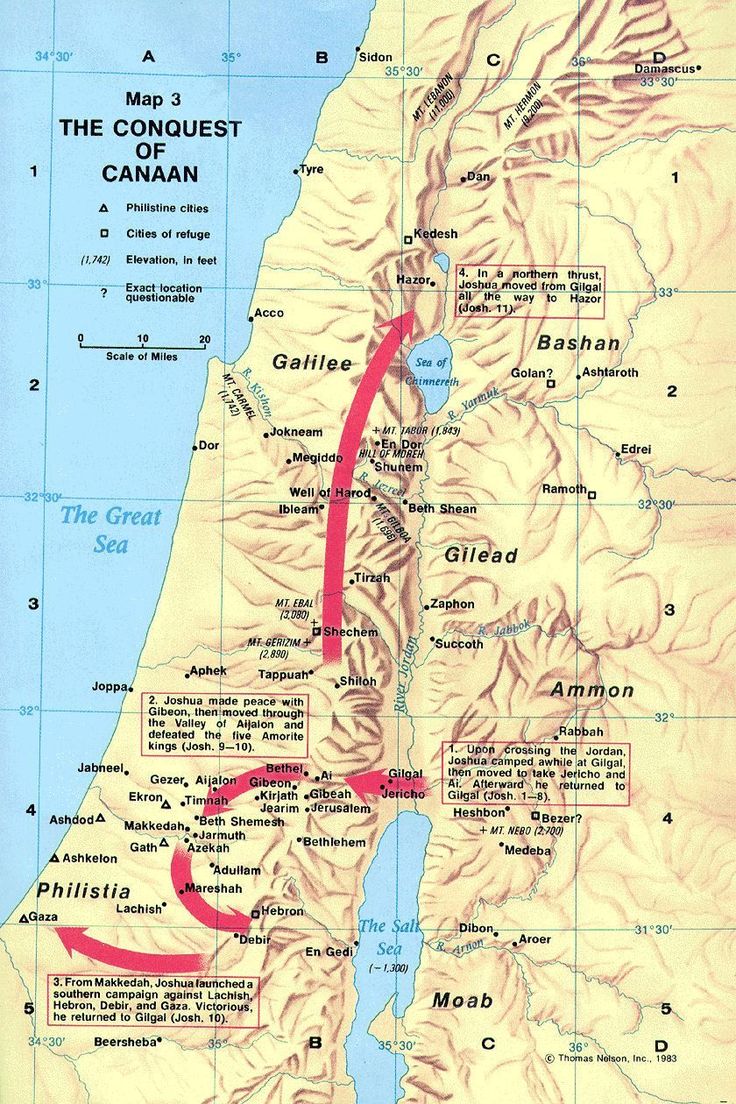
For three years, David allowed his son to remain safely ensconced in Geshur, a region northeast of the Sea of Galilee, where Absalom found refuge among his mother’s people. According to 2 Samuel 3:3, she was “the daughter of Talmai king of Geshur.” During his exile, Absalom was probably treated as royalty, enjoying all the privileges that come with being the grandson of the king. But during Absalom’s absence, David’s heart went out after him; he missed Absalom and longed to see him. But he knew that if he brought Absalom back, he would have to do the right thing and punish him for what he had done. So David did nothing. As a parent, he excused his son’s behavior. As a king, let a murderer escape justice. Yet, in the Book of Deuteronomy, Moses provided God’s very clear guidelines regarding justice.

You shall appoint judges and officers in all your towns that the Lord your God is giving you, according to your tribes, and they shall judge the people with righteous judgment. You shall not pervert justice. You shall not show partiality, and you shall not accept a bribe, for a bribe blinds the eyes of the wise and subverts the cause of the righteous. Justice, and only justice, you shall follow, that you may live and inherit the land that the Lord your God is giving you. – Deuteronomy 16:18-20 ESV

There was to be no perverting of justice and no partiality in terms of its application. By refusing to pursue and punish Absalom, David had violated both aspects of God’s command. As king, David would have been familiar with these laws and he would have known what was expected of him. The Book of Deuteronomy goes on to explain how the king of Israel was to familiarize himself with all of God’s laws.

And when he sits on the throne of his kingdom, he shall write for himself in a book a copy of this law, approved by the Levitical priests. And it shall be with him, and he shall read in it all the days of his life, that he may learn to fear the Lord his God by keeping all the words of this law and these statutes, and doing them, that his heart may not be lifted up above his brothers, and that he may not turn aside from the commandment, either to the right hand or to the left, so that he may continue long in his kingdom, he and his children, in Israel. – Deuteronomy 17:18-20 ESV

David knew what God required, but refused to do it. He had conveniently ignored God’s command because it conflicted with his own sense of fairness. He couldn’t bring himself to mete out justice to his own son. If you recall, when Nathan confronted David about his sin with Bathsheba, he told a story about a rich man abusing and taking advantage of a poor man. David had no problem showing righteous indignation and demanding justice when it involved someone else’s transgression. But when it involved his own son, David remained silent.

The law of God was clear concerning murder. Again, the Book of Deuteronomy provides explicit instructions on how to deal with those who commit murder.

But if anyone hates his neighbor and lies in wait for him and attacks him and strikes him fatally so that he dies, and he flees into one of these cities, then the elders of his city shall send and take him from there, and hand him over to the avenger of blood, so that he may die. Your eye shall not pity him, but you shall purge the guilt of innocent blood from Israel, so that it may be well with you. – Deuteronomy 19:11-13 ESV

The guilty party was to be given no refuge, shown no pity, and provided with no special treatment, even if he was a son of the king. David was obligated by law to purge the guilt of innocent blood from Israel. But he refused to do so – for three years.

In his letter to the Galatian believers, Paul gave a warning against sowing to the flesh; in other words, giving in to what our sinful nature wants us to do.

Do not be deceived: God is not mocked, for whatever one sows, that will he also reap. For the one who sows to his own flesh will from the flesh reap corruption – Galatians 6:7-8 ESV

In sinning with Bathsheba, David had sowed to his own flesh. He had given in to his base desires and committed an unlawful act. Then he followed it up by having Bathsheba’s husband murdered to cover up his actions. While God forgave David for his sins, David still had to suffer the consequences they created. The infant son born to him and Bathsheba died as a result of their adulterous affair. Not only that, David was told that, as a result of his sin, the sword would not depart from his house. There would be trouble and conflict within his own home, not just his kingdom.

Then Amnon raped Tamar, which led to Absalom killing Amnon. Now Absalom was living in exile, guilty of murder and deserving of death. Through it all, David did nothing. He remained silent and inactive. He was the king and the final arbiter of justice for the kingdom, but he refused to do his job, and his inaction would reap the whirlwind. Things would get worse before they got better. David could ignore the will of God, but he could not escape the justice of God. He could refuse to do what God called him to do, but God would ensure that His justice was not perverted. God would not be mocked.

Yet, how often do we think we can get away with murder – not literally, but figuratively? We think we can sin, seek forgiveness, and then escape any repercussions for our sins. We wrongly believe we can simply ignore our sins and still enjoy God’s blessings on our lives. We know what He would have us do, but we choose our will over His, then wonder why things don’t turn out as expected. God will not be mocked, by the king or anyone else. Passivity to sin is always dangerous. It is a cancer that spreads, ultimately bringing death and destruction. To ignore it is to invite further pain and suffering into our lives. What we reap, we will always sow.

English Standard Version (ESV) The Holy Bible, English Standard Version. ESV® Permanent Text Edition® (2016). Copyright © 2001 by Crossway Bibles, a publishing ministry of Good News Publishers.

New Living Translation (NLT) Holy Bible, New Living Translation, copyright © 1996, 2004, 2015 by Tyndale House Foundation. Used by permission of Tyndale House Publishers Inc., Carol Stream, Illinois 60188. All rights reserved.

The Deadly Result of Sin and Silence

20 And her brother Absalom said to her, “Has Amnon your brother been with you? Now hold your peace, my sister. He is your brother; do not take this to heart.” So Tamar lived, a desolate woman, in her brother Absalom’s house. 21 When King David heard of all these things, he was very angry. 22 But Absalom spoke to Amnon neither good nor bad, for Absalom hated Amnon, because he had violated his sister Tamar.

23 After two full years Absalom had sheepshearers at Baal-hazor, which is near Ephraim, and Absalom invited all the king’s sons. 24 And Absalom came to the king and said, “Behold, your servant has sheepshearers. Please let the king and his servants go with your servant.” 25 But the king said to Absalom, “No, my son, let us not all go, lest we be burdensome to you.” He pressed him, but he would not go but gave him his blessing. 26 Then Absalom said, “If not, please let my brother Amnon go with us.” And the king said to him, “Why should he go with you?” 27 But Absalom pressed him until he let Amnon and all the king’s sons go with him. 28 Then Absalom commanded his servants, “Mark when Amnon’s heart is merry with wine, and when I say to you, ‘Strike Amnon,’ then kill him. Do not fear; have I not commanded you? Be courageous and be valiant.” 29 So the servants of Absalom did to Amnon as Absalom had commanded. Then all the king’s sons arose, and each mounted his mule and fled.

30 While they were on the way, news came to David, “Absalom has struck down all the king’s sons, and not one of them is left.” 31 Then the king arose and tore his garments and lay on the earth. And all his servants who were standing by tore their garments. 32 But Jonadab the son of Shimeah, David’s brother, said, “Let not my lord suppose that they have killed all the young men, the king’s sons, for Amnon alone is dead. For by the command of Absalom this has been determined from the day he violated his sister Tamar. 33 Now therefore let not my lord the king so take it to heart as to suppose that all the king’s sons are dead, for Amnon alone is dead.” – 2 Samuel 13:20-33 ESV

In a relatively short time and with the help of more than a half-dozen different women, David sired a host of children who eventually grew up and lived with him in the royal residence in Jerusalem. These adult sons and daughters from different mothers created a uniquely blended family unit in which the potential for sibling rivalries and domestic disputes would be off the charts. It’s difficult to imagine David’s many wives getting along as they jockeyed to become the king’s favorite, and their maternal instincts to protect and promote their own children must have produced a great deal of tension within the walls of the royal compound.

As the opening verses of chapter 13 disclosed, this far-from-idyllic atmosphere became an incubator for unexpected trouble in David’s home as one of his sons, driven by lust, raped his half-sister. This violent act by Amnon was premeditated and carried out with the assistance of David, who unwittingly sent Tamar to care for her “sick” brother. It was all a ruse and a carefully crafted plot by Amnon to get his sister alone so he could take advantage of her – and his plan worked.

Having been forcefully violated and robbed of her virginity, the humiliated Tamar went into mourning. Her disheveled state and cries of despair didn’t go unnoticed by her blood-brother, Absalom. But it seems that her father was too busy to notice or chose to turn a blind eye to what had happened under his watch.

It was only after Tamar sought refuge in Absalom’s home that David became aware of the matter. The text flatly states, “When King David heard of all these things, he was very angry” (2 Samuel 13:21 ESV). He was incensed by what he heard but he took no action. A crime had been committed under the roof of his home but he chose to ignore it. His own daughter had been raped by her half-brother, yet David chose to do nothing about it. 

Yet God had given clear instructions regarding incest.

If a man takes his sister, a daughter of his father or a daughter of his mother, and sees her nakedness, and she sees his nakedness, it is a disgrace, and they shall be cut off in the sight of the children of their people. He has uncovered his sister’s nakedness, and he shall bear his iniquity. – Leviticus 20:17 ESV

The only thing unclear about this passage is the exact meaning of the phrase, “shall be cut off.” The Hebrew word has a wide range of meanings and can refer to everything from excommunication from the assembly to actual execution. But there is little doubt that God expected action to be taken in the case of incest. Yet, in the story of Amnon’s rape of Tamar, David, the king of Israel takes no action. Perhaps he was reluctant to deal with Amnon because his sin reminded him of his own affair with Bathsheba. He too, had taken what was not his to have. It could also be the case that, as the eldest son, Amnon was considered to be the heir to David’s throne. But regardless of the reason or David’s rationale, he was in the wrong for refusing to carry out God’s command.

It’s interesting to note that after her humiliation by Amnon, Tamar didn’t go directly to her father. She didn’t seek his help or ask him for vindication. It was Absalom who took note of her mourning and came to her aid, offering her solace and a safe place to recover from the physical and psychological trauma of her experience. Was her reluctance to turn to her own father in her time of need because she feared she would receive neither sympathy nor revenge?  We can only conjecture, but it does raise questions regarding David’s relationships with his children. The only emotion he displays in this story is anger, but it never takes the form of action. Life went on as usual. Amnon was never “cut off” and Tamar was never avenged. In fact, two years passed before any kind of justice was meted out and David would have nothing to do with it.

David’s pattern of inaction and avoidance would create a perfect storm within his household. After two years, David had moved on. He had put the whole affair in the rearview mirror. But while David had chosen to ignore and then forget the sin of Amnon, Absalom brooded, planned, and plotted his revenge. He hated Amnon for what he had done to Tamar. He was also far from happy with his father’s handling of the entire affair. Absalom held a grudge against David for his refusal to punish Amnon for his transgression. He had lost respect for David as a father and as a king and, as the sordid story unfolds, Absalom will eventually stage a coup to take his father’s throne.

But after two years of waiting for his father to do the right thing, Absalom took matters into his own hands and plotted the death of Amnon. It was a well-thought-out plan that utilized deception, just as Amnon had done in his rape of Tamar. Following Amnon’s script, Absalom concocted an elaborate lie to get David to play a role in his deception. He told his father he was planning a feast to celebrate the annual sheering of the sheep. Absalom included David in the invitation but seems to have known that his father would decline the offer because of his duties as the king. Initially, David was a bit surprised and suspicious that Absalom had specifically requested Amnon’s presence. He obviously knew there was bad blood between the two of them and asked, “Why should he go with you?” (2 Samuel 13:26 ESV). But under pressure from Absalom, David finally agreed and sent all his sons to Baal-hazor – a decision he would soon regret.

Absalom commanded his servants, “Wait until Amnon gets drunk; then at my signal, kill him! Don’t be afraid. I’m the one who has given the command. Take courage and do it!” (2 Samuel 13:28 NLT). These instructions should sound vaguely familiar. When David wanted to get rid of Uriah so he could marry Bathsheba, he gave Joab the following instructions:

Station Uriah on the front lines where the battle is fiercest. Then pull back so that he will be killed.” – 2 Samuel 11:15 NLT

When the deed had been done, he followed up with a second message to Joab: “‘Well, tell Joab not to be discouraged,’ David said. ‘The sword devours this one today and that one tomorrow! Fight harder next time, and conquer the city!’” (2 Samuel 11:25 NLT).

Like his father, Absalom chose to use someone else to do his dirty work. He would not bloody his own hands but was more than willing to take the responsibility for Amnon’s death. Both he and his father displayed a disturbing disregard for what they had done.

In all the confusion after Amnon’s death, David received erroneous news that all of his sons had been killed. His immediate reaction was to tear his clothes and fall on the ground in grief. He mourned but he took no action. He displayed grief and sorrow but did nothing to deal with the matter.

It was Jonadab, David’s nephew, who informed him of what had happened.

“No, don’t believe that all the king’s sons have been killed! It was only Amnon! Absalom has been plotting this ever since Amnon raped his sister Tamar.” – 2 Samuel 13:32 NLT

Jonadab had a reason to rat on Absalom. He was Amnon’s friend and the one who had given him the bright idea of how to lure Tamar into his room so he could rape her (2 Samuel 13:3-5). He most likely feared for his own life, believing that Absalom might come after him next. Jonadab stressed the news that only Amnon was dead and made sure David knew that Absalom had been plotting his death for two years. This news should have spurred David to action but, as the rest of the chapter will reveal, David did nothing. The very next verse reveals that Absalom got away – not only with the murder of his brother but with his own life.

When the prophet Nathan confronted David for his sin with Bathsheba, one of the things he said to him was, “From this time on, your family will live by the sword because you have despised me by taking Uriah’s wife to be your own” (2 Samuel 12:10 NLT). This statement could be taken as a prophecy regarding the wars that would plague the descendants of David. The kings of Judah and Israel would spend centuries fighting their enemies but also one another. But Nathan’s words also foretell of the inner strife that would plague David’s household; perfectly and painfully illustrated by Absalom’s murder of Amnon.

Nathan’s reference to the sword and David’s house has to do with the battles that would take place within his own family. This would not be the last death of a family member that David would have to endure. He would live to mourn the death of Absalom. But even after David’s own death, the curse on his house would continue. At the end of Solomon’s reign, the kingdom he inherited from his father would be divided, followed by centuries of infighting between the descendants of David and the rest of the tribes of Israel. This centuries-long period would be filled with assassinations, deception, palace intrigue, and a revolving door of kings.

So, David’s sin and God’s punishment for that sin were going to have long-term implications both in David’s household, within his royal house, and between the tribes of Judah.

What would have happened had David dealt with Amnon’s rape of Tamar? How could things have turned out differently had David stepped up and done what was right? Now, his heir to the throne was dead and another son was in exile. To make matters worse, David made no attempt to bring Absalom back to face the consequences of his actions. Once again, David’s inaction would lead to further trouble in his household and within his kingdom.

Sin, left unattended and unconfessed is dangerous in the life of a believer. But it is just as dangerous to ignore sin within the family of God. We may choose to tolerate it or sweep it under the carpet, but sin always has consequences. David was a father and the king of Israel. He had responsibilities to his family and his people; he answered to God for the health and well-being of both.

God is not one to tolerate or take sin lightly. Amnon paid for his sin. In time, Absalom would have to face the consequences of his actions. But what might have happened had David stepped up and done what he was supposed to do? Could this story have had a different ending if David had obeyed God and fulfilled his role as a father and king? The consequences for neglecting sin are far from negligible. Failure to treat sin seriously always has serious consequences. As Numbers 32:23 states, “if you fail to keep your word, then you will have sinned against the LORD, and you may be sure that your sin will find you out.

English Standard Version (ESV) The Holy Bible, English Standard Version. ESV® Permanent Text Edition® (2016). Copyright © 2001 by Crossway Bibles, a publishing ministry of Good News Publishers.

New Living Translation (NLT) Holy Bible, New Living Translation, copyright © 1996, 2004, 2015 by Tyndale House Foundation. Used by permission of Tyndale House Publishers Inc., Carol Stream, Illinois 60188. All rights reserved.

One Sin Leads to Another

22 Just then the servants of David arrived with Joab from a raid, bringing much spoil with them. But Abner was not with David at Hebron, for he had sent him away, and he had gone in peace. 23 When Joab and all the army that was with him came, it was told Joab, “Abner the son of Ner came to the king, and he has let him go, and he has gone in peace.” 24 Then Joab went to the king and said, “What have you done? Behold, Abner came to you. Why is it that you have sent him away, so that he is gone? 25 You know that Abner the son of Ner came to deceive you and to know your going out and your coming in, and to know all that you are doing.”

26 When Joab came out from David’s presence, he sent messengers after Abner, and they brought him back from the cistern of Sirah. But David did not know about it. 27 And when Abner returned to Hebron, Joab took him aside into the midst of the gate to speak with him privately, and there he struck him in the stomach, so that he died, for the blood of Asahel his brother. 28 Afterward, when David heard of it, he said, “I and my kingdom are forever guiltless before the Lord for the blood of Abner the son of Ner. 29 May it fall upon the head of Joab and upon all his father’s house, and may the house of Joab never be without one who has a discharge or who is leprous or who holds a spindle or who falls by the sword or who lacks bread!” 30 So Joab and Abishai his brother killed Abner, because he had put their brother Asahel to death in the battle at Gibeon. – 2 Samuel 3:22-30 ESV

Committing sin is really quite simple. For most of us, it comes far easier than we would like to admit. We can find ourselves committing sins as the result of the slightest temptation or provocation. But the ramifications of sin are rarely simple or easy. Sin can be addictive and habit-forming, with one sin leading to another in a seemingly endless wave that increases in intensity and frequency over time.

That happens to be the case concerning David, as recorded in chapter 3 of 2 Samuel. David, in his desire to have his first wife Michal returned to him, made an unwise decision that was unsanctioned by God. In exchange for Michal and the allegiance of the rest of the tribes of Israel, David made an alliance with Abner, the former commander of Saul’s army. This was the same man who had convinced Saul’s son, Ish-bosheth, to claim the throne as Saul’s rightful heir. Without God’s counsel or approval, Abner appointed Ish-bosheth king of the Benjaminites and all the other tribes of Israel. In doing so, he stood against not only David but God, who had chosen David to be Saul’s replacement. It’s clear that Abner did not act in ignorance because he told the elders of Israel:

“For some time past you have been seeking David as king over you. Now then bring it about, for the Lord has promised David, saying, ‘By the hand of my servant David I will save my people Israel from the hand of the Philistines, and from the hand of all their enemies.’” – 2 Samuel 3:16-17 ESV

His decision to make Ish-bosheth king of Israel was an act of rebellion; he refused to accept God’s choice of David as the next king of Israel. Yet, David, in his desire to get his wife back and in hopes of solidifying the kingdom, made an agreement with Abner – without seeking God’s input or approval.

When Joab, a commander in David’s army, returned from battle with his troops, he was stunned to hear what David had done. He immediately confronted David, saying, “What have you done? What do you mean by letting Abner get away? You know perfectly well that he came to spy on you and find out everything you’re doing!” (2 Samuel 3:24-25 NLT). Joab was not only appalled by David’s naiveté but with his insensitivity. Abner had brutally murdered Joab’s brother, Asahel. From Joab’s perspective, David should have executed Abner as an insurrectionist and murderer.

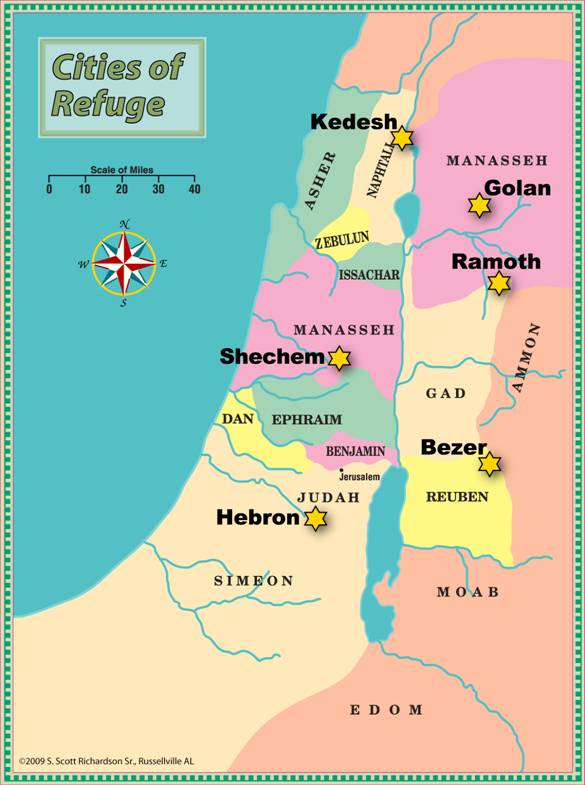
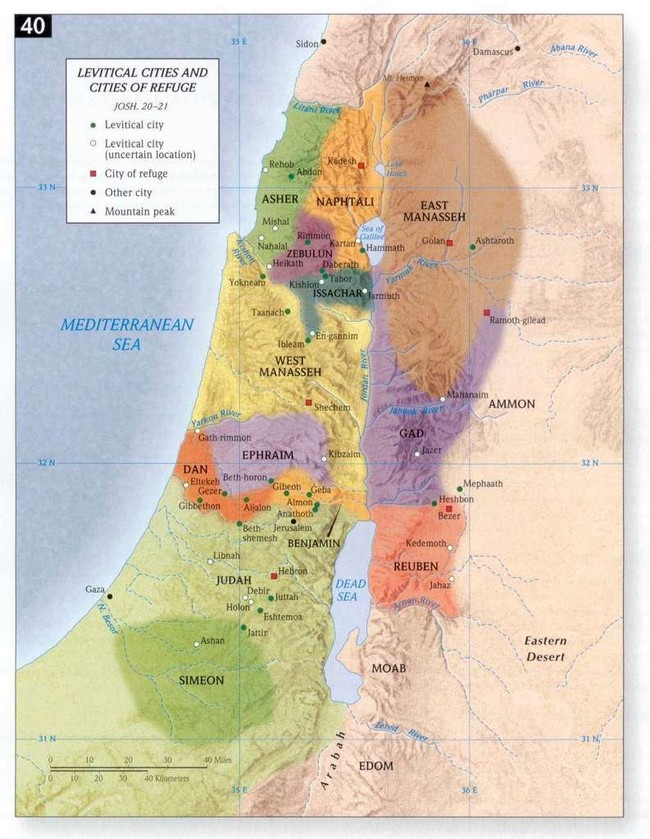
The news that Abner had been allowed to walk away unpunished for his sins left Abner incensed and committed to taking matters into his own hands. Unwilling to accept David’s unholy alliance with his brother’s murderer, Joab sent troops to find Abner. This entire scenario took place in the city of Hebron which was one of the six cities of refuge established by God (Joshua 20:7-8).

“When you cross the Jordan into the land of Canaan, designate cities of refuge to which people can flee if they have killed someone accidentally. These cities will be places of protection from a dead person’s relatives who want to avenge the death. The slayer must not be put to death before being tried by the community.”  – Numbers 35:10-12 NLT

These six cities were intended to serve as sanctuary cities, providing protection to anyone who had committed murder. In those days, Israel had no police force and revenge killing was a common occurrence. The Mosaic Law clearly prohibited murder and the punishment for taking another man’s life was the death penalty. Typically, the sentence was carried out by a relative of the deceased. This individual was referred to as the go’el ha-dam, the blood-avenger.

The murderer must surely be put to death. The avenger of blood [go’el ha-dam] himself must kill the murderer; when he meets him, he must kill him. – Numbers 35:18-19 NLT

But God knew there would be cases of unpremeditated murder. Accidents would happen. Unintentional deaths would take place, leaving the perpetrator at the mercy of the blood-avenger. To provide protection for these individuals, God designated the cities of refuge to serve as sanctuaries where the murderer could receive protection and the guarantee of a fair and impartial trial.

It is no coincidence that Abner came to David in Hebron, one of the six sanctuary cities. But Abner’s murder of Asahel had not been an accident; it was premeditated and particularly violent. He had run Asahel through with the butt-end of a spear. Yet, Abner, knowing that Joab would seek vengeance for the death of his brother, sought refuge in Hebron.

Once again, our sins have a way of not only multiplying but of infecting those around us. David’s lust for Michal, who had remarried and was therefore off-limits for David, caused him to make an unwise allegiance with Abner. Rather than punish him for his murder of Asahel, David rewarded him with freedom. This decision caused Joab to take matters into his own hands. He did what David had been unwilling to do, and what he did was in keeping with the commands of God. Consider carefully what God had said about the matter:

“But if he struck him down with an iron object, so that he died, he is a murderer. The murderer shall be put to death. And if he struck him down with a stone tool that could cause death, and he died, he is a murderer. The murderer shall be put to death. 18 Or if he struck him down with a wooden tool that could cause death, and he died, he is a murderer. The murderer shall be put to death. The avenger of blood shall himself put the murderer to death; when he meets him, he shall put him to death. And if he pushed him out of hatred or hurled something at him, lying in wait, so that he died, or in enmity struck him down with his hand, so that he died, then he who struck the blow shall be put to death. He is a murderer. The avenger of blood shall put the murderer to death when he meets him.” – Numbers 35:16-21 ESV

Abner deserved death for what he had done, not a get-out-of-jail-free card from the king. So, Joab faithfully fulfilled his role as the blood-avenger and put Abner to death. This act, while fully in keeping with God’s command, did not sit well with David. He was so angry he actually put a curse on Joab and his family.

“May his blood whirl over the head of Joab and the entire house of his father! May the males of Joab’s house never cease to have someone with a running sore or a skin disease or one who works at the spindle or one who falls by the sword or one who lacks food!” – 2 Samuel 3:29 NLT

Throughout his life, David showed a disinclination to deal with those whose actions deserved judgment. When his son, Amnon, raped his half-sister, Tamar, David did nothing to punish him. When Tamar’s brother, Absalom, arranged for the murder of Amnon, David refused to take action. Years later, after David had allowed Absalom to return to Jerusalem unpunished, Absalom fomented a rebellion against his own father. And what did David do? He abandoned the city. He gave up. He walked away.

If David truly believed what Joab did to Abner was wrong, he did nothing about it. Rather than punish Joab, he pronounced a curse. By placing all the blame on Joab, David attempted to himself from any responsibility. This was wise political policy since David was attempting to establish his kingdom. He feared how the Benjaminites would respond when they heard of Abner’s death. But David’s curse on Joab appears to be completely uncalled for and without divine authorization. Abner had been a traitor and a murderer. He had led an insurrection against the God-ordained king of Israel. Rather than face capture, he had brutally murdered his pursuer and, according to the command of God, he deserved death. In fact, David had violated the very word of God by making his agreement with Abner. In essence, he allowed Abner to purchase a pardon he did not deserve, an action God had clearly prohibited

“Also, you must never accept a ransom payment for the life of someone judged guilty of murder and subject to execution; murderers must always be put to death. And never accept a ransom payment from someone who has fled to a city of refuge, allowing a slayer to return to his property before the death of the high priest.” Numbers 35:31-32 NLT

The truly fascinating thing about all of this is David’s reaction to the death of Abner. As the rest of the chapter reveals, David ordered a national day of mourning for Abner. We will never know how much of it was based on political posturing. Was David simply attempting to win over the northern tribes by assuring them of his love for Abner? Only David and God know for sure. But suffice it to say that David showed far more sadness over the death of Abner than he did of Asahel, one of his own men. There is no record of David having mourned Asahel’s death. No tears were shed. No memorial service was held. Yet, David will go out of his way to memorialize and eulogize the death of a traitor and a murderer.

Sin has a way of metastasizing like cancer. Unchecked, it can spread, infecting our lives and destroying our spiritual health. Not only that, it can contaminate those around us. Sin is never static and it is almost impossible to control. We are deluded and naive if we think we have a handle on our sin and can manage it. Sin is dangerous and deadly, and when we attempt to apply logic to our sins to rationalize our behavior, we run the risk of opening the door to additional and even more deadly forms of rebellion against God.

The apostle John gives us some sobering counsel regarding the sin in our lives:

If we claim we have no sin, we are only fooling ourselves and not living in the truth. But if we confess our sins to him, he is faithful and just to forgive us our sins and to cleanse us from all wickedness. If we claim we have not sinned, we are calling God a liar and showing that his word has no place in our hearts. – 1 John 1:8-10 NLT

David’s reign was off to a less-than-stellar start. The man after God’s own heart was displaying his propensity to crack under pressure and make unwise decisions that would produce unwelcome outcomes. Small compromises, subtle sins, and convenient alliances would end up producing long-term ramifications for David and his kingdom.

English Standard Version (ESV) The Holy Bible, English Standard Version. ESV® Permanent Text Edition® (2016). Copyright © 2001 by Crossway Bibles, a publishing ministry of Good News Publishers.

New Living Translation (NLT) Holy Bible, New Living Translation, copyright © 1996, 2004, 2015 by Tyndale House Foundation. Used by permission of Tyndale House Publishers Inc., Carol Stream, Illinois 60188. All rights reserved.

A Gracious Source of Refuge and Hope

And the Lord spoke to Moses, saying, 10 “Speak to the people of Israel and say to them, When you cross the Jordan into the land of Canaan, 11 then you shall select cities to be cities of refuge for you, that the manslayer who kills any person without intent may flee there. 12 The cities shall be for you a refuge from the avenger, that the manslayer may not die until he stands before the congregation for judgment. 13 And the cities that you give shall be your six cities of refuge. 14 You shall give three cities beyond the Jordan, and three cities in the land of Canaan, to be cities of refuge. 15 These six cities shall be for refuge for the people of Israel, and for the stranger and for the sojourner among them, that anyone who kills any person without intent may flee there.

16 “But if he struck him down with an iron object, so that he died, he is a murderer. The murderer shall be put to death. 17 And if he struck him down with a stone tool that could cause death, and he died, he is a murderer. The murderer shall be put to death. 18 Or if he struck him down with a wooden tool that could cause death, and he died, he is a murderer. The murderer shall be put to death. 19 The avenger of blood shall himself put the murderer to death; when he meets him, he shall put him to death. 20 And if he pushed him out of hatred or hurled something at him, lying in wait, so that he died, 21 or in enmity struck him down with his hand, so that he died, then he who struck the blow shall be put to death. He is a murderer. The avenger of blood shall put the murderer to death when he meets him.

22 “But if he pushed him suddenly without enmity, or hurled anything on him without lying in wait 23 or used a stone that could cause death, and without seeing him dropped it on him, so that he died, though he was not his enemy and did not seek his harm, 24 then the congregation shall judge between the manslayer and the avenger of blood, in accordance with these rules. 25 And the congregation shall rescue the manslayer from the hand of the avenger of blood, and the congregation shall restore him to his city of refuge to which he had fled, and he shall live in it until the death of the high priest who was anointed with the holy oil. 26 But if the manslayer shall at any time go beyond the boundaries of his city of refuge to which he fled, 27 and the avenger of blood finds him outside the boundaries of his city of refuge, and the avenger of blood kills the manslayer, he shall not be guilty of blood. 28 For he must remain in his city of refuge until the death of the high priest, but after the death of the high priest the manslayer may return to the land of his possession. 29 And these things shall be for a statute and rule for you throughout your generations in all your dwelling places.

30 “If anyone kills a person, the murderer shall be put to death on the evidence of witnesses. But no person shall be put to death on the testimony of one witness. 31 Moreover, you shall accept no ransom for the life of a murderer, who is guilty of death, but he shall be put to death. 32 And you shall accept no ransom for him who has fled to his city of refuge, that he may return to dwell in the land before the death of the high priest. 33 You shall not pollute the land in which you live, for blood pollutes the land, and no atonement can be made for the land for the blood that is shed in it, except by the blood of the one who shed it. 34 You shall not defile the land in which you live, in the midst of which I dwell, for I the Lord dwell in the midst of the people of Israel.”  Numbers 35:9-34 ESV

The level of detail found in God’s instructions to His people is staggering. In His divine wisdom and according to His intimate understanding of His chosen people, God left nothing to chance or up to their less-than-stellar discretion.  In this chapter, Moses records God’s instructions for the establishment of the six cities of refuge to be located throughout the land of Canaan. These cities were to be strategically placed within the land allotments of the other tribes and occupied by the Levites. Their decentralized locations would make them easily accessible from all parts of the land of Canaan, and their purpose was to provide a safe haven for anyone who had committed unpremeditated murder.  If an Israelite inadvertently and unintentionally caused the death of a fellow Israelite, he could flee to one of these cities and seek refuge from the avenger.

In the cultural context of that day, it was up to the relatives of a murder victim to seek vengeance. This “blood avenger” (Numbers 35:19) was not just free to kill the murdered, he was obligated to do so (Numbers 35:19, 21). It was his duty. He was called the “avenger of blood.”

But in order to prevent the blood avenger from taking the life of an innocent individual, the cities of refuge were established. If an Israelite accidentally killed someone else, he could run to one of these cities and seek refuge. As long as he remained there, he would be protected from the legally sanctioned actions of the blood avenger. It was up to the residents of the city (Levites) to help determine the guilt or innocence of the accused. If it was determined that his actions were premeditated and intentional, he was to be handed over to the blood avenger for retribution. But if he was deemed innocent of having committed voluntary manslaughter, he would be allowed to remain in the city of refuge until the high priest died. In essence, the city became his prison. If he ever left, he would be guilty of violating his sentence and the blood avenger could seek his death.

All of this sounds very barbaric to us, but you have to remember that Israel had no police force to enforce laws or dispense justice. According to the Mosaic Law, murder was a crime worthy of death; the guilty must be punished. But involuntary manslaughter was to be dealt with differently.; that is why the cities were established. God was protecting the innocent.

God dwelt among His people, and His very presence demanded that they live set-apart lives. His holiness and righteousness required that they live differently and distinctively, abiding by a stringent set of rules and regulations that governed their behavior and interactions with one another. Yet God knew their weaknesses and fully understood their incapacity to live up to His exacting standards. The entire sacrificial system was designed to deal with their ongoing struggle with sin.

To unjustly execute the innocent would have been as evil in God’s sight as to excuse the guilty. So, for those who committed involuntary manslaughter, He provided a means for finding justice. If an Israelite unintentionally murdered a fellow Israelite, he could flee to a city of refuge and enjoy permanent protection from the “blood avenger.” He was still guilty of murder, but his life would be spared. The city of refuge became his prison until the day that the high priest died. The high priest’s death would serve as an atonement for the guilty party’s sin, providing them with release from their guilt and the right to live among their kinsmen again – fully innocent and free.

But what was behind the rather strange legal precedent? Due to the sinfulness of the Israelites, the ongoing presence of God was constantly in jeopardy due to their inability to live up to His strict moral standards. Even unintentional sins could end up jeopardizing their enjoyment of His ongoing presence and power. So, He provided them with countless means by which they could receive restoration and assure His continued existence among them. It was God who set them apart. Without Him, they would have been nothing. It was His presence that provided their distinctiveness, and it was their sin that threatened their uniqueness as His chosen people.

From the day that Adam and Eve sinned in the garden, God has been actively and aggressively seeking to restore order to the chaos created by their actions. Their sin brought disorder, disobedience, and, ultimately, death into the world. It wasn’t long after Eve listened to the lies of the enemy and convinced her husband to join her in rejecting God’s word, that death showed up on the scene. Eventually, one of Eve’s own sons determined to kill his own brother, introducing the shadow of death into the once-idyllic garden. In time, the presence of disease would follow close behind, with their bodies undergoing the inevitable effects of aging. Sin would increase, rebellion against God would run rampant, and yet, God continued to reach out to mankind, offering a form of refuge from the consequences of sin.

In a real sense, God’s choice of Abraham made him and his descendants a “city of refuge” for mankind. The people of Israel became the solitary source of God’s abiding presence and divine protection from the guilt and condemnation of sin. It was among the children of God that men could find access to their Creator. It was through the law of God that men could learn His divine requirements and expectations for holiness. It was through His mandatory sacrificial system that men could find atonement for their sins and freedom from the penalty of death they so justly deserved. God had provided a city of refuge among the sons of men.

Eventually, God would send His own Son as the ultimate and final means of refuge and escape from sin’s destructive power and God’s righteous judgment. The Scriptures make it painfully clear that all men are guilty of sin.

For all have sinned and fall short of the glory of God.– Romans 3:23 ESV

Surely there is not a righteous man on earth who does good and never sins. – Ecclesiastes 7:20 ESV

Who can say, “I have made my heart pure; I am clean from my sin?” – Proverbs 20:9 ESV

We are all infected and impure with sin. When we display our righteous deeds, they are nothing but filthy rags. – Isaiah 64:6 NLT

The law of God was given to reveal to men the reality and gravity of their sins. Like a speed limit sign on the side of the freeway, the law provided a constant reminder of man’s proclivity for disobedience and rebellion. Our guilt is unquestionable and undeniable. Sinful humanity stands condemned before a holy and righteous God due to the sinful nature passed down to them from Adam and Eve. All are guilty and all stand condemned. And the very presence of disease and death in our world is an outward reminder of the reality of sin’s devastating consequences.

In the case of someone seeking refuge in one of these cities, if they remained there until the high priest died, their sin was forgiven. They walked away free and clear. The death of the high priest had atoning value just as Jesus’ death atones for our sins.

No one could accuse this person of guilt or condemnation once the high priest had died. And, according to the apostle Paul, those who place their faith in Christ’s death, stand as unaccused and uncondemned because of His atoning work on their behalf.

Who dares accuse us whom God has chosen for his own? Will God? No! He is the one who has given us right standing with himself. Who then will condemn us? Will Christ Jesus? No, for he is the one who died for us and was raised to life for us and is sitting at the place of highest honor next to God, pleading for us. – Romans 8:33-34 NLT

We can take refuge in Christ. He is our high priest and He has died for us. His death has set us free once and for all.

God also bound himself with an oath, so that those who received the promise could be perfectly sure that he would never change his mind. So God has given us both his promise and his oath. These two things are unchangeable because it is impossible for God to lie. Therefore, we who have fled to him for refuge can take new courage, for we can hold on to his promise with confidence. This confidence is like a strong and trustworthy anchor for our souls. It leads us through the curtain of heaven into God’s inner sanctuary. Jesus has already gone in there for us. He has become our eternal High Priest in the line of Melchizedek. – Hebrews 6:17-20 NLT

Like everything else under the old covenant, the cities of refuge were designed to foreshadow Christ. They provide a glimpse into the heart of God, presaging a time when He would send His Son as the ultimate source of refuge for the guilty and condemned. All those who stand accused and worthy of death can find safety and solace in the arms of Christ. But even better than that, His death as the greater high priest paid the penalty for their sin and provided them with full atonement and forgiveness. Their sin is wiped clean and their relationship with God is fully restored.

English Standard Version (ESV) The Holy Bible, English Standard Version. ESV® Permanent Text Edition® (2016). Copyright © 2001

New Living Translation (NLT) Holy Bible, New Living Translation, copyright © 1996, 2004, 2015 by Tyndale House Foundation. Used by permission of Tyndale House Publishers Inc., Carol Stream, Illinois 60188. All rights reserved.

Faith in the Faithfulness of God

By faith Abel offered to God a more acceptable sacrifice than Cain, through which he was commended as righteous, God commending him by accepting his gifts. And through his faith, though he died, he still speaks. – Hebrews 11:4 ESV

This chapter of Hebrews opens with the familiar words, “Now faith is the assurance of things hoped for, the conviction of things not seen.” But as 21st-century Christians, we struggle to understand exactly what this statement means. Faith is a nebulous and sometimes mysterious thing to us. We claim to possess it, but we’re not exactly sure what it is or even looks like. Is it something we have to muster up or is it given to us by God?

Even when we think we have faith, we wonder if we have enough. While most of us would define ourselves as a “people of faith,” we regularly wrestle with the concept and even question whether our faith measures up. So, the author of Hebrews has provided us with a much-needed lesson on the subject. Chapter 11 has been called the “Hall of Faith.” In it, we find a list of Old Testament men and women who exemplify the life of faith. Their stories, familiar to the author’s predominantly Jewish audience, are intended to demonstrate the non-negotiable nature of faith. Long before Jesus appeared on the scene, the people of God were expected to be people of faith, placing their hope and trust in the One who had created them and revealed Himself to them.

The author starts out by reminding his readers that “By faith we understand that the entire universe was formed at God’s command” (Hebrews 11:3 NLT). No one was there when creation took place. There were no witnesses to God’s grand display of divine power and creativity. We didn’t see it happen, so we have to take God at His word – by faith. The book of Genesis tells us how the universe was created by God, and we must believe that it happened just as it says it did. When we do, we exhibit faith. We are giving evidence of a “conviction of things not seen.”

Faith involves trust. It requires belief. And it is based on hope. But we tend to use the word “hope” in a purely speculative sense. We say things like, “I hope I win the lottery!” or “I hope he asks me out!” Our hope usually lacks assurance or a sense of confidence. It tends to be little more than wishful thinking. But that is not what the author of Hebrews is talking about. So he gives us further evidence of faith from the lives of the Old Testament saints.

Nineteen different times in this chapter, the author uses the phrase, “by faith.” His point seems to be that faith was both the motivator and the power behind the actions of each of the individuals he lists. What they did was done because of faith; faith in something hoped for and as yet unseen. Faith is God-focused and future-oriented. It has its roots in the faithfulness of God. It gets its strength from the promises made by God. So, when Abel, the son of Adam and Eve, is said to have “offered to God a more acceptable sacrifice than Cain,” faith is central to understanding the difference between his sacrifice and that of his brother. It has less to do with the content of their individual sacrifices than the hearts of the men who made them.

The question we have to ask is why either of these two sons of Adam and Eve were making sacrifices to God at all. Where did they learn to make sacrifices? We don’t see evidence of this practice in the Garden of Eden. We see no command given by God to Adam and Eve to offer up sacrifices to Him. So why were their sons doing so? If you go back to the original story in Genesis, which the author’s Jewish audience would have known well, it simply states:

Now Abel was a keeper of sheep, and Cain a worker of the ground. In the course of time Cain brought to the Lord an offering of the fruit of the ground, and Abel also brought of the firstborn of his flock and of their fat portions. And the Lord had regard for Abel and his offering, but for Cain and his offering he had no regard. – Genesis 4:2-5 ESV

The phrase, “in the course of time,” would seem to indicate that this was a regular occurrence. The first family must have established a habit of offering sacrifices to God., but there is no indication that this was something that God required of them. It appears to be wholly voluntary. And each son brought an offering that was consistent with his area of expertise. By this time in the creation narrative, both young men were old enough to have joined their father and mother in keeping the creation mandate.

“Be fruitful and multiply and fill the earth and subdue it, and have dominion over the fish of the sea and over the birds of the heavens and over every living thing that moves on the earth.” – Genesis 1:28 ESV

Despite the fall, they were still caring for the world that God had made. One son had become a shepherd and the other had become a farmer, and there is no indication from the text that one occupation was deemed to be better or more acceptable than the other.

Abel brought the firstborn of his flock and Cain brought the fruit of the ground. One brought animals while the other brought produce. We are not given any insight into the quality or quantity of their offerings. So, it doesn’t appear that God’s response to the two men had anything to do with the content of their offerings. The issue was their faith.

Cain gave an offering of the fruit of the ground. He most likely gave grain, dates, figs, or whatever else he had grown. But keep in mind, he gave “the fruit of the ground.” He did not give God the tree from which the fruit grew. So, he was assured of having more fruit to replace that which he had given. It also doesn’t say that he gave God the best of his fruit. He simply gave God a portion.

Yet, concerning Abel, it says that he gave the “firstborn of his flock and their fat portions.” This would seem to indicate that some kind of blood sacrifice was involved. In the sacrificial system that God would later mandate for the people of Israel, the fat, kidneys, and lobe of the liver of an animal were given to God as a burnt offering. These were considered the best portion of the animal and were reserved solely for God.

When Abel brought his offering to God, he not only gave the best of what he had, but he made a permanent and costly sacrifice. He didn’t just give the firstborn of his flock to God, he sacrificed its life. This means that Abel would never receive any benefit from that firstborn animal again. He would never be able to breed that animal to produce more sheep. It would not produce more of its kind, and it would never serve as food for Abel’s family. He had given the best of what he had to God and placed his faith in God that He would provide for his future needs.

We know from the Genesis account that Cain went on to kill his brother. Why? The author of Hebrews tells us that Abel’s offering was “commended as righteous” because he made it based on faith. The apostle John provides additional insight into this first recorded case of fratricide.

We should not be like Cain, who was of the evil one and murdered his brother. And why did he murder him? Because his own deeds were evil and his brother’s righteous. – 1 John 3:12 ESV

If Abel’s offering or deed was commended as righteous because of his faith, then it would seem that Cain’s offering was deemed unrighteous by God because of his lack of faith. He was not trusting God for His future provision. He had not given God the best and what he had, therefore he was not having to trust God to provide for his future needs. He was simply going through the motions. And when God rejected his offering, Cain became angry. And God’s response to Cain’s display of anger reveals a lot about what was really taking place in the young man’s heart.

Why are you angry, and why has your face fallen? If you do well, will you not be accepted? And if you do not do well, sin is crouching at the door. Its desire is for you, but you must rule over it.” – Genesis 4:6-7 ESV

What did God mean by, “if you do well”? It would seem that He was talking about faith. Cain hoped for more crops. He hoped for abundant fruit. He wanted success. His concern was for future provision. But rather than trust God, he chose to trust in his own effort to meet his needs. He lacked faith in God and his offering demonstrated it. His offering required no sacrifice and displayed no sense of dependence upon God.

By sacrificing the life of the firstborn among his flock, Abel was putting his hope of future provision in the hands of God. There can be no doubt that he wanted his flocks to grow, but by offering his firstborn to God, he was having to place his assurance in God, not his flocks. He was showing that his faith was in God, the one who created the entire universe. Abel’s actions demonstrated that his hope was in the One who had provided all that he had, including the firstborn of his flock. Cain’s faith was in the fruit he had grown and his own ability to grow more. Whatever fruit he had given, he still had the tree or vine from which it came. So, in a way, his offering was more of a statement of self-reliance. It was as if he was declaring to God, “look what I have done!”

Yet Abel’s offering was an expression of thanks to God for all He had done and a statement of faith in all that God was going to do in the future. In other words, it was a clear demonstration of “the assurance of things hoped for, the conviction of things not seen” (Hebrews 11:1 ESV).

English Standard Version (ESV) The Holy Bible, English Standard Version. ESV® Permanent Text Edition® (2016). Copyright © 2001

New Living Translation (NLT) Holy Bible, New Living Translation, copyright © 1996, 2004, 2015 by Tyndale House Foundation. Used by permission of Tyndale House Publishers Inc., Carol Stream, Illinois 60188. All rights reserved.

Our Proactive and Protective God

16 The Lord spoke to Moses, saying, 17 “These are the names of the men who shall divide the land to you for inheritance: Eleazar the priest and Joshua the son of Nun. 18 You shall take one chief from every tribe to divide the land for inheritance. 19 These are the names of the men: Of the tribe of Judah, Caleb the son of Jephunneh. 20 Of the tribe of the people of Simeon, Shemuel the son of Ammihud. 21 Of the tribe of Benjamin, Elidad the son of Chislon. 22 Of the tribe of the people of Dan a chief, Bukki the son of Jogli. 23 Of the people of Joseph: of the tribe of the people of Manasseh a chief, Hanniel the son of Ephod. 24 And of the tribe of the people of Ephraim a chief, Kemuel the son of Shiphtan. 25 Of the tribe of the people of Zebulun a chief, Elizaphan the son of Parnach. 26 Of the tribe of the people of Issachar a chief, Paltiel the son of Azzan. 27 And of the tribe of the people of Asher a chief, Ahihud the son of Shelomi. 28 Of the tribe of the people of Naphtali a chief, Pedahel the son of Ammihud.” 29 These are the men whom the Lord commanded to divide the inheritance for the people of Israel in the land of Canaan. 

1 The Lord spoke to Moses in the plains of Moab by the Jordan at Jericho, saying, “Command the people of Israel to give to the Levites some of the inheritance of their possession as cities for them to dwell in. And you shall give to the Levites pasturelands around the cities. The cities shall be theirs to dwell in, and their pasturelands shall be for their cattle and for their livestock and for all their beasts. The pasturelands of the cities, which you shall give to the Levites, shall reach from the wall of the city outward a thousand cubits all around. And you shall measure, outside the city, on the east side two thousand cubits, and on the south side two thousand cubits, and on the west side two thousand cubits, and on the north side two thousand cubits, the city being in the middle. This shall belong to them as pastureland for their cities.

“The cities that you give to the Levites shall be the six cities of refuge, where you shall permit the manslayer to flee, and in addition to them you shall give forty-two cities. All the cities that you give to the Levites shall be forty-eight, with their pasturelands. And as for the cities that you shall give from the possession of the people of Israel, from the larger tribes you shall take many, and from the smaller tribes you shall take few; each, in proportion to the inheritance that it inherits, shall give of its cities to the Levites.” Numbers 34:16-35:8 ESV

God provided Moses with the name of one man from each of the ten tribes of Israel. These men, hand-picked by God, would assist Eleazar, the high priest, and Joshua in the distribution of the land. The tribes of Gad and Reuben were not included because they had chosen to settle outside the boundaries of Canaan. These men were well-respected leaders among their respective tribes and would help to guarantee that the land was fairly apportioned and that each tribe, regardless of its size, was treated equitably and fairly. There was to be no favoritism or any form of nepotism. The larger tribes, whose numbers would be based on the recent census taken by Moses, would be allotted more extensive land allotments. But that did not mean they would get the best land. God was giving these ten men the weighty responsibility of dividing up the Israelites’ inheritance in a way that would satisfy all the parties involved, and that would not be an easy task.

The next thing on God’s agenda was to arrange for the needs of the tribe of Levi. He had already informed Moses that the Levites would inherit no land in Canaan. He had set apart the tribe of Levi as His special possession and had dedicated them to the care and maintenance of the tabernacle. As a result, God promised to be their inheritance.

“Remember that the Levitical priests—that is, the whole of the tribe of Levi—will receive no allotment of land among the other tribes in Israel. Instead, the priests and Levites will eat from the special gifts given to the Lord, for that is their share. They will have no land of their own among the Israelites. The Lord himself is their special possession, just as he promised them.” – Deuteronomy 18:1-2 NLT

But while the Levites would be allotted no land in Canaan, they would be awarded the deeds to 48 cities located within the territories of each of the other 11 tribes (Joshua 21). Even the tribes of Gad, Reuben, and the half-tribe of Manasseh were required to provide the Levites with towns and pastureland for their flocks. God had made accommodations for the Levites.

These Levitical cities were to be strategically located throughout the nation of Israel so that every Israelite was no more than ten miles from one of them. This helped to ensure that the people of God were never far away from a member of the Levitical priesthood, whose job was to provide instruction in the ways of God. The Levitical priests served as judges (Deuteronomy 17:8-13) and teachers of God’s law (Deuteronomy 33:10). So, it was essential that every Israelite had ready access to a Levitical town and a priest of God.

Of the 48 towns awarded to the Levites, six were to be designated as cities of refuge. These were specially sanctioned zones within the boundaries of Israel where anyone guilty of committing a non-premediated murder could seek asylum. God had already declared His ruling concerning murder (Exodus 20:13), but He had Moses present a special provision for cases involving accidental homicide.

“If someone kills another person unintentionally, without previous hostility, the slayer may flee to any of these cities to live in safety. – Deuteronomy 19:4 NLT

He even had Moses provide a potential scenario in which a city of refuge would become necessary.

“For example, suppose someone goes into the forest with a neighbor to cut wood. And suppose one of them swings an ax to chop down a tree, and the ax head flies off the handle, killing the other person. In such cases, the slayer may flee to one of the cities of refuge to live in safety.” – Deuteronomy 19:5 NLT

God knew that life would happen and that deadly accidents would be a part of the Israelites’ existence in the land. Men would be killed and justice would need to be pursued. But what He didn’t want was some form of vigilante justice running rampant through the nation. Yet God knew that the relatives of a murder victim would tend to seek revenge against the guilty party and ask questions later. The cities of refuge were intended to protect the innocent while justice was being served.

Since Israel had no professional police force, these kinds of accidents could easily turn into bloodbaths where the relatives of the victim sought to avenge their loved one’s death. So, these cities, occupied by the Levites, would provide a place where the guilty party could find solace and seek a fair judgment concerning his guilt or innocence. In His plans for the land of promise, God was leaving nothing to chance. He was creating a well-designed system for dealing with the inevitable problem of sin among His chosen people. He was going to distribute the Levitical priesthood among them to provide spiritual enlightenment and He was going to create safe havens for those who unwittingly committed even the gravest of sins. God was providing for and protecting His people.

English Standard Version (ESV) The Holy Bible, English Standard Version. ESV® Permanent Text Edition® (2016). Copyright © 2001

New Living Translation (NLT) Holy Bible, New Living Translation, copyright © 1996, 2004, 2015 by Tyndale House Foundation. Used by permission of Tyndale House Publishers Inc., Carol Stream, Illinois 60188. All rights reserved.

A New World With New Rules

20 Then Noah built an altar to the Lord and took some of every clean animal and some of every clean bird and offered burnt offerings on the altar. 21 And when the Lord smelled the pleasing aroma, the Lord said in his heart, “I will never again curse the ground because of man, for the intention of man’s heart is evil from his youth. Neither will I ever again strike down every living creature as I have done.’ 22 While the earth remains, seedtime and harvest, cold and heat, summer and winter, day and night, shall not cease.” 

1 And God blessed Noah and his sons and said to them, “Be fruitful and multiply and fill the earth. The fear of you and the dread of you shall be upon every beast of the earth and upon every bird of the heavens, upon everything that creeps on the ground and all the fish of the sea. Into your hand they are delivered. Every moving thing that lives shall be food for you. And as I gave you the green plants, I give you everything. But you shall not eat flesh with its life, that is, its blood. And for your lifeblood I will require a reckoning: from every beast I will require it and from man. From his fellow man I will require a reckoning for the life of man.

“Whoever sheds the blood of man,
    by man shall his blood be shed,
for God made man in his own image.

And you, be fruitful and multiply, increase greatly on the earth and multiply in it.” Genesis 8:20-9:7 ESV

Upon exiting the ark, Noah immediately demonstrates his immense gratitude for God’s salvation of him and his family. He erects an altar and offers sacrifices to God. But this response stands out as rather odd considering the context of chapter eight. Noah has just been spared from death. And he had been used by God to protect the lives of “animals and creeping things and birds of the heavens” (Genesis 6:7 ESV). God had given him the responsibility of gathering pairs of animals and placing them on the ark so that they might survive the flood.

“And of every living thing of all flesh, you shall bring two of every sort into the ark to keep them alive with you. They shall be male and female. Of the birds according to their kinds, and of the animals according to their kinds, of every creeping thing of the ground, according to its kind, two of every sort shall come in to you to keep them alive.” – Genesis 6:19-20 ESV

And yet, chapter eight closes with Noah taking the lives of some of the animals he just helped save. This all seems so counterproductive. And where did Noah get the idea of constructing an altar and offering burnt offerings to God? This is the first mention of the term “altar” in the entire Bible, and it comes long before God gave to Moses His commands concerning the sacrificial system. It seems doubtful that this costly act of animal sacrifice was something Noah came up with on his own. God had obviously made preparations for just such an occasion because He had commanded Noah to “Take with you seven pairs of all clean animals, the male and his mate, and a pair of the animals that are not clean, the male and his mate, and seven pairs of the birds of the heavens also, male and female, to keep their offspring alive on the face of all the earth” (Genesis 7:2-3 ESV).

In Hebrew, the term translated as “clean” is טָהוֹר (ṭâôr), and it means “pure.” It was used to refer to that which was pure or clean physically, but also those things that were considered ceremonially and morally pure. God had specifically provided Noah with two different lists of animals to collect and protect on the ark. Of the “clean” animals, Noah was to gather seven pairs. But of those animals deemed “unclean” by God, Noah was to gather only one pair of each – a male and a female.

God was obviously making plans for the future. And He must have given Noah strict instructions as to how to differentiate between the clean and unclean animals. It is likely that God provided Noah with a similar list as that found in Leviticus 11.

“Of all the land animals, these are the ones you may use for food. You may eat any animal that has completely split hooves and chews the cud. You may not, however, eat the following animals that have split hooves or that chew the cud, but not both. The camel chews the cud but does not have split hooves, so it is ceremonially unclean for you. The hyrax chews the cud but does not have split hooves, so it is unclean. The hare chews the cud but does not have split hooves, so it is unclean. The pig has evenly split hooves but does not chew the cud, so it is unclean. You may not eat the meat of these animals or even touch their carcasses. They are ceremonially unclean for you. – Leviticus 11:2-8 NLT

God went on to give Moses a detailed list of all the sea creatures, birds, and winged insects that were to be considered clean and good for food. And it seems only logical that God provided Noah with a similar list. Otherwise, he would not have known which species required seven pairs rather than two. Since God had deemed these living creatures as clean and approved for eating, He was ensuring that humanity would have an ample post-flood food source. When Noah exited the ark, God gave him express permission to consume animals as well as plants.

“Every moving thing that lives shall be food for you. And as I gave you the green plants, I give you everything.” – Genesis 9:3 ESV

While this verse placed no restriction on the eating of unclean animals, it is inferred by the surrounding context. The whole purpose behind God differentiating between the clean and unclean creatures was so that Noah and his family knew which animals were approved as sources of food. But God had a second reason for setting apart the clean animals and instructing Noah to collect more of their kind. He had obviously given Noah instructions regarding the offering these pre-approved creatures as animal sacrifices. All the way back in Genesis four, the two sons of Adam inherently knew that they were to bring offerings to God.

In the course of time Cain brought to the Lord an offering of the fruit of the ground, and Abel also brought of the firstborn of his flock and of their fat portions. – Genesis 4:3-4 ESV

Now, centuries later, and after God had spared Noah and his family. the offerings were to continue. This time, God must have instructed Noah to build an altar and offer up a portion of the clean animals as an offering of thanksgiving. But there is something more to this act of sacrifice. In giving up these particular animals, Noah was willingly diminishing his food source. He was letting go of the very thing that was supposed to ensure the future well-being of him and his family. And, in doing so, he was displaying his trust in God. Those animals sacrificed would never breed again. They would never serve as a source of food or clothing. Noah effectively gave them back to God. And God was pleased.

“…when the Lord smelled the pleasing aroma, the Lord said in his heart, ‘I will never again curse the ground because of man, for the intention of man’s heart is evil from his youth.’” – Genesis 8:21 ESV

God made a categorical decision to never destroy the earth again, in spite of the fact that nothing had really changed. God reveals that, despite Noah’s obedient sacrifice, the heart of man remained as wicked and fallen as ever. God was starting over with Noah and his family, but He knew that they were damaged goods. In a way, the sacrifice of the “pure” animals was a foreshadowing of the sacrificial system God would ordain for the people of Israel. Because of their sinful dispositions, He would provide them with an ongoing means of atonement for sin, in the form of animal sacrifice. In time, those pure and undefiled animals would be necessary, not just for food, but for cleansing from sin. Why? Because despite the purging and purifying effects of the flood, the heart of man remained permanently marred by evil.

But God made a covenant commitment to Noah, promising to never repeat the devastating destruction of the flood. Instead, He would give humanity a second chance. God chose to give Noah and his family an opportunity to fulfill the same kingdom mandate given to Adam and Eve.

“Be fruitful and multiply and fill the earth. – Genesis 9:1 ESV

Everything was starting over. The old world had been destroyed. God was beginning again with a new vice-regent: Noah. This “second Adam” was given dominion over all the creatures of the earth. He was awarded stewardship of God’s creation, but this time, God provided Noah with some new stipulations concerning his role.

“Every moving thing that lives shall be food for you. And as I gave you the green plants, I give you everything. But you shall not eat flesh with its life, that is, its blood. And for your lifeblood I will require a reckoning: from every beast I will require it and from man. From his fellow man I will require a reckoning for the life of man.” – Genesis 9:3-5 ESV

Unlike Adam and Eve, Noah and his family were given divine permission to use the animals as an alternate food source. But this alteration to their daily diet came with restrictions. They were not allowed to consume the blood of the animal. Much later, God would give the people of Israel further instructions and clarification regarding this ban on the consumption of blood.

“For the life of every creature is its blood: its blood is its life. Therefore I have said to the people of Israel, You shall not eat the blood of any creature, for the life of every creature is its blood. Whoever eats it shall be cut off.” – Leviticus 17:14 ESV

According to the creation account, every beast of the earth, every bird of the heavens, and everything that creeps on the earth contained the breath of life (Genesis 1:30). And when God had breathed the breath of life into Adam, he had become a living creature (Genesis 2:7). But the life of every creature is contained in its blood. This incredible substance, created by God, is what sustains the life of every living creature.

The main job of red blood cells, or erythrocytes, is to carry oxygen from the lungs to the body tissues and carbon dioxide as a waste product, away from the tissues and back to the lungs. Hemoglobin (Hgb) is an important protein in the red blood cells that carries oxygen from the lungs to all parts of our body.

Blood carries the following to the body tissues:

  • Nourishment

  • Electrolytes

  • Hormones

  • Vitamins

  • Antibodies

  • Heat

  • Oxygen

  • Immune cells (cells that fight infection)

Blood carries the following away from the body tissues:

  • Waste matter

  • Carbon dioxide

https://www.urmc.rochester.edu/encyclopedia

Life cannot exist without blood. And so, God put a prohibition on the consumption of blood. In the animal kingdom, this restriction is regularly ignored, and they suffer the consequences. Wild animals are destined to live in a perpetual cycle marked by carnivorous consumption. But for man, it was to be different. He was not to kill an animal and eat its blood. If he did, he would suffer the consequences. And if a man spilled the blood of a fellow human being, he would pay dearly.

“If anyone takes a human life, that person’s life will also be taken by human hands. For God made human beings in his own image. – Genesis 9:6 NLT

Things were going to be different in the post-flood world. In the antediluvian world, Cain had killed Abel and had lived to tell about it. Lamech had murdered a man and had bragged about it. But now, God would deliver stern judgment upon all those who took it upon themselves to play god and take human life.

And, having laid out the new rules of engagement in His recreated world, God reiterated His original mandate to humanity.

“…be fruitful and multiply, increase greatly on the earth and multiply in it.” – Genesis 9:7 ESV

English Standard Version (ESV) The Holy Bible, English Standard Version. ESV® Permanent Text Edition® (2016). Copyright © 2001 by Crossway Bibles, a publishing ministry of Good News Publishers.

New Living Translation (NLT) Holy Bible, New Living Translation, copyright © 1996, 2004, 2015 by Tyndale House Foundation. Used by permission of Tyndale House Publishers Inc., Carol Stream, Illinois 60188. All rights reserved.

New English Translation (NET)NET Bible® copyright ©1996-2017 by Biblical Studies Press, L.L.C. http://netbible.com All rights reserved.

Innocent Blood Spilled

Cain spoke to Abel his brother. And when they were in the field, Cain rose up against his brother Abel and killed him. Then the Lord said to Cain, “Where is Abel your brother?” He said, “I do not know; am I my brother’s keeper?” 10 And the Lord said, “What have you done? The voice of your brother’s blood is crying to me from the ground. 11 And now you are cursed from the ground, which has opened its mouth to receive your brother’s blood from your hand. 12 When you work the ground, it shall no longer yield to you its strength. You shall be a fugitive and a wanderer on the earth.” 13 Cain said to the Lord, “My punishment is greater than I can bear. 14 Behold, you have driven me today away from the ground, and from your face I shall be hidden. I shall be a fugitive and a wanderer on the earth, and whoever finds me will kill me.” 15 Then the Lord said to him, “Not so! If anyone kills Cain, vengeance shall be taken on him sevenfold.” And the Lord put a mark on Cain, lest any who found him should attack him. 16 Then Cain went away from the presence of the Lord and settled in the land of Nod, east of Eden. Genesis 4:8-16 ESV

As a child of Adam and Eve, Cain had inherited the mandate given to them by God. Like his mother and father, he was to “Be fruitful and multiply and fill the earth and subdue it, and have dominion…” (Genesis 1:28 ESV). The Hebrew word for dominion is רָדָה (rāḏâ), and it conveys the idea of rule or reign. God had created mankind with the expectation that they would rule over and care for the world He had created for them. That capacity to serve as His designated caretakers was to reflect their close association with Him. They bore His image.

Then God said, “Let us make man in our image, after our likeness. And let them have dominion over the fish of the sea and over the birds of the heavens and over the livestock and over all the earth and over every creeping thing that creeps on the earth.” – Genesis 1:26 ESV

But once sin entered the world, man’s ability to reflect the glory of God became dimmed and diminished. At the core of man’s problem was the desire to rule according to his own standards. By eating the forbidden fruit, Eve had fulfilled her longing to be like God, knowing good from evil. She sought autonomy, the freedom to run her own life on her own terms. But she soon found out that she couldn’t even “rule over” her base desires. “She saw that the tree was beautiful and its fruit looked delicious, and she wanted the wisdom it would give her. So she took some of the fruit and ate it” (Genesis 3:6 NLT). 

Now, her first-born son, Cain, finds himself struggling with his own incapacity to control his inner desires. After having his offering rejected by God, Cain became filled with rage and consumed by bitter jealousy against his brother, Abel. And God warned him, “sin is crouching at the door. Its desire is contrary to you, but you must rule over it” (Genesis 4:7 ESV).

God described sin as a deadly predator, waiting to pounce on its unsuspecting prey. And Peter would later describe Satan in similar terms.

Stay alert! Watch out for your great enemy, the devil. He prowls around like a roaring lion, looking for someone to devour. Stand firm against him, and be strong in your faith. – 1 Peter 5:8-9 NLT

It’s interesting to note that God told Cain he must “rule over” sin. The Hebrew word is  מָשַׁל (māšal), and it means “to rule, have dominion, reign.” Like the rest of creation, this deadly “beast” crouching at Cain’s door should have been under his dominion. Cain had been given “dominion over the fish of the sea and over the birds of the heavens and over the livestock and over all the earth and over every creeping thing that creeps on the earth” (Genesis 1:26 ESV).

But as the story unfolds, it becomes clear that Cain had no ability to control the raging beast that crouched outside the door of his heart. Rather than be the subduer, he would become subdued and find his life consumed by the “desires” תְּשׁוּקָה (tᵊšûqâ) of sin. What happens next is the first recorded occurrence of premeditated murder.

One day Cain suggested to his brother, “Let’s go out into the fields.” And while they were in the field, Cain attacked his brother, Abel, and killed him. – Genesis 4:8 NLT

The oldest extant manuscripts of the book of Genesis (Smr, LXX, Vulgate, and Syriac) record this brief but extremely insightful statement from Cain to his brother Abel. He had a plan in mind. Sin had already consumed his heart and was had taken full control of his faculties. At that moment, he had become a slave to sin. Any hope he had of experiencing autonomy and the free expression of his will was gone. It was Jesus who told the self-righteous Pharisees, “Truly, truly, I say to you, everyone who practices sin is a slave to sin” (John 8:34 ESV).

And the apostle Paul echoed the words of Jesus when he warned the believers in Rome, “Don’t you realize that you become the slave of whatever you choose to obey? You can be a slave to sin, which leads to death, or you can choose to obey God, which leads to righteous living” (Romans 6:16 NLT). Then Peter provides another sobering statement regarding sin: “whatever overcomes a person, to that he is enslaved” (2 Peter 2:19 ESV). The proof of these words is lived out in the life of Cain.

And when they were in the field, Cain rose up against his brother Abel and killed him. – Genesis 4:8 ESV

The text provides no indication as to how much time had passed since Cain’s offering had been rejected by God and his decision to commit this heinous crime. But enough time had passed for him to calm down and regain control of his overheated emotions. Yet, instead, Cain had grown increasingly more incensed over the rejection of his offering and what appeared to be his brother’s favored status with God. So, he took matters into his own hands and made a determination to eliminate the competition. In taking his brother’s life, Cain exhibited his desire to “like God, knowing good and evil” (Genesis 3:5 ESV). He had designated himself the sole arbiter of right and wrong. Cain had become the judge, jury, and executioner. And it’s interesting to note that, at his birth, Cain’s mother had declared, I have created a man just as the Lord did!” (Genesis 4:1 NET). She had taken credit for giving her son life. Now, that very same son had given himself the prerogative to take life. Cain spilled the innocent blood of his brother.

And, once again, God steps into the scene, posing a simple, yet illuminating question.

“Where is Abel your brother?” – Genesis 4:9 ESV

God was not looking for information. He was seeking a confession. He wanted Cain to take responsibility for his egregious actions. But instead, Cain feigns ignorance and displays a fair amount of insolence.

“I do not know; am I my brother’s keeper?” – Genesis 4:10 ESV

Cain’s response to God is filled with irreverence and pride. He displays no fear of or respect for the Almighty. In fact, he actually questions God’s divine capacity to care for His own creation. By stating, “am I my brother’s keeper,” Cain was suggesting that the guardianship of Abel was God’s responsibility, not his. In a way, Cain was blaming God for Abel’s death. He was accusing the Almighty of failing to keep track of His own creation.

But, unwilling to play Cain’s little game of rhetoric, God posited a second question: “What have you done?” (Genesis 4:10 ESV). Once again, God is not asking for insight or information. He knew exactly what had happened and why. This question was meant to cause Cain to consider the ramifications of his actions. In Cain’s mind, with the killing of his brother, he had accomplished his objective. But now, God was letting this overconfident, self-obsessed man know that his actions would have long-lasting and devastating consequences.

“Your brother’s blood cries out to me from the ground! Now you are cursed and banished from the ground, which has swallowed your brother’s blood. No longer will the ground yield good crops for you, no matter how hard you work! From now on you will be a homeless wanderer on the earth.” – Genesis 4:10-11 NLT

As the sins of man increase, so does the intensity of God’s curse. This indictment from God against Cain and his descendants is an extension of the curse God had leveled against Adam.

“…cursed is the ground because of you;
    in pain you shall eat of it all the days of your life;
thorns and thistles it shall bring forth for you;
    and you shall eat the plants of the field.
By the sweat of your face
    you shall eat bread…” – Genesis 3:17-19 ESV

Because of Adam’s sin, God had cursed the ground. But now, God was cursing Cain and banishing him from the ground. This man, who had been “a worker of the ground” (Genesis 4:2 ESV) and had “brought to the Lord an offering of the fruit of the ground” (Genesis 4:3 ESV), would now find the ground unproductive and unfruitful. The one who had placed all his faith in his capacity to provide for himself would now be ejected from the very land that had met his needs. He was cast out.

Just as Adam and Eve had been banished from the garden because of their disobedience, Cain was exiled from his family because of the murder of his brother. He was cast adrift and doomed to “be a homeless wanderer on the earth” (Genesis 4:12 NET). In murdering his brother, Cain had destroyed his relationship with his mother and father. He had forfeited his right to benefit from the bounty of God’s creation. This imagery of being cast from the land is found throughout the Old Testament. In the book of Leviticus, God provided Moses with a series of sober warnings concerning the land of Canaan, the land of milk and honey that He was giving to the people of Israel as their inheritance.

“So do not defile the land and give it a reason to vomit you out…” – Leviticus 18:28 NLT

Cain had defiled the land by spilling his brother’s blood. Now, he was having to pay for it. And, in a statement of regret, but not repentance, Cain declared his punishment to be more than he could handle.

“My punishment is greater than I can bear. – Genesis 4:13 ESV

Cain feared retribution. He distinctively knew that there might be payback for his crime against Abel. But God assured Cain that his punishment would be far more difficult than death at the hands of an avenger. God was going to spare Cain and allow him to live with his guilt and condemnation for the rest of his life. In a rather strange turn of events, God pledges to become Cain’s “keeper.” In His infinite grace and mercy, God would spare the murderer and prolong his life. He would protect the guilty one who had chosen to take the life of the innocent one. And all of this points to the coming of a future Son of God whose innocent blood would be spilled so that condemned sinners might find life.

For God presented Jesus as the sacrifice for sin. People are made right with God when they believe that Jesus sacrificed his life, shedding his blood. This sacrifice shows that God was being fair when he held back and did not punish those who sinned in times past, for he was looking ahead and including them in what he would do in this present time. God did this to demonstrate his righteousness, for he himself is fair and just, and he makes sinners right in his sight when they believe in Jesus. – Romans 3:25-26 NLT

English Standard Version (ESV) The Holy Bible, English Standard Version. ESV® Permanent Text Edition® (2016). Copyright © 2001 by Crossway Bibles, a publishing ministry of Good News Publishers.

New Living Translation (NLT) Holy Bible, New Living Translation, copyright © 1996, 2004, 2015 by Tyndale House Foundation. Used by permission of Tyndale House Publishers Inc., Carol Stream, Illinois 60188. All rights reserved.

New English Translation (NET)NET Bible® copyright ©1996-2017 by Biblical Studies Press, L.L.C. http://netbible.com All rights reserved.