Hold Fast.

Therefore, brothers, since we have confidence to enter the holy places by the blood of Jesus, by the new and living way that he opened for us through the curtain, that is, through his flesh, and since we have a great priest over the house of God, let us draw near with a true heart in full assurance of faith, with our hearts sprinkled clean from an evil conscience and our bodies washed with pure water. Let us hold fast the confession of our hope without wavering, for he who promised is faithful. And let us consider how to stir up one another to love and good works, not neglecting to meet together, as is the habit of some, but encouraging one another, and all the more as you see the Day drawing near. – Hebrews 10:19-25 ESV

There should be a proper response when we consider all that Jesus has done for us.

Although he was a son, he learned obedience through what he suffered. And being made perfect, he became the source of eternal salvation to all who obey him, being designated by God a high priest after the order of Melchizedek. – Hebrews 5:8-10 ESV

…he entered once for all into the holy places, not by means of the blood of goats and calves but by means of his own blood, this securing an eternal redemption. – Hebrews 9:12 ESV

And just as it is appointed for man to die once, and after that comes judgment, so Christ, having been offered once to bear the sins of many, will appear a second time, not to deal with sin but to save those who are eagerly waiting for him. – Hebrews 9:28 ESV

His sacrifice on our behalf should provide us with a confidence to come into the very presence of God, with “our hearts sprinkled clean from an evil conscience and our bodies washed with pure water” (Hebrews 10:22 ESV). When Jesus died, the veil in the temple that acted as a barrier into the Holy of Holies, was torn in two. “Then Jesus shouted out again, and he released his spirit. At that moment the curtain in the sanctuary of the Temple was torn in two, from top to bottom” (Matthew 27:50-51 NLT). That event was incredibly significant, because it removed, for all time, the veil of separation between man and God. Up until that time, the only person who could enter the Holy of Holies, where God’s presence was said to dwell, was the high priest. And his access was limited to a single day each year, the Day of Atonement, and he could enter only having sacrificed an animal for his own cleansing. If he failed to do so, he would die. And no one else was allowed into the presence of God. But that all changed when Jesus died. The veil was torn, and the barrier to God was removed. It was as Jesus had claimed: “I am the door. If anyone enters by me, he will be saved and will go in and out and find pasture” (John 10:9 ESV). Those who have placed their faith in Jesus as their sin substitute can now enjoy access to God. As His sheep, they can enter into His presence without fear of death or rejection. The can go in and out and find pasture.

But this newly available access to God, made possible by the sacrifice of Jesus, should create in us not only a confident assurance, but a desire to live in obedience to His will. The author tells us to “consider how to stir up one another to love and good works, not neglecting to meet together” (Hebrews 10:24-25 ESV). We are to pursue righteousness, not in the hopes of gaining God’s approval, but in gratefulness for the fact that we are already approved in His eyes. Our hearts have already been sprinkled clean. Our bodies have been washed with pure water. We stand before Him as holy. This does not mean we are without sin. Each of us still retains his old sin nature. We still have the capacity and propensity to sin. But our sins can no longer keep us apart from God. We have been extended forgiveness. We have been fully acquitted. And we have His promise that “If we confess our sins, he is faithful and just to forgive us our sins and to cleanse us from all unrighteousness” (1 John 1:9 ESV). We have access into the Holy of Holies, at all times, where we can receive mercy, grace, and forgiveness – never condemnation.

So the author of Hebrews tells us to “hold fast the confession of our hope without wavering, for he who promised is faithful” (Hebrews 10:23 ESV). This is the same thought he expressed back in chapter six when he said, “we who have fled for refuge might have strong encouragement to hold fast to the hope set before us. We have this as a sure and steadfast anchor of the soul, a hope that enters into the inner place behind the curtain” (Hebrews 6:18-19 ESV). Earlier in that same chapter, he wrote, “And we desire each one of you to show the same earnestness to have the full assurance of hope until the end, so that you may not be sluggish, but imitators of those who through faith and patience inherit the promises” (Hebrews 6:11-12 ESV). We must keep our focus on the promise to come. Our hope is to be based on the completed work of Christ. He is coming again. That is why the author tells us, “so Christ, having been offered once to bear the sins of many, will appear a second time, not to deal with sin but to save those who are eagerly waiting for him” (Hebrews 9:28 ESV). He came, but our hope is based on the fact that He is coming again. And we are to hold fast to that reality. It is to provide us with the motivation we need to remain faithful until the end. It is to give us the encouragement we need to live obediently and not complacently. The apostle John reminds us, “And now, dear children, remain in fellowship with Christ so that when he returns, you will be full of courage and not shrink back from him in shame. Since we know that Christ is righteous, we also know that all who do what is right are God’s children” (1 John 2:28-29 NLT). It is our hope in Christ that gives us the help we need to live godly lives as we wait for His return. It is our faith in His return that provides us with the determination to remain faithful till the end. We must hold fast. We must finish strong. We must fight the good fight and finish the race set before us – “for he who promised is faithful” (Hebrews 10:23 ESV).
The Good Things To Come.

For since the law has but a shadow of the good things to come instead of the true form of these realities, it can never, by the same sacrifices that are continually offered every year, make perfect those who draw near. Otherwise, would they not have ceased to be offered, since the worshipers, having once been cleansed, would no longer have any consciousness of sins? But in these sacrifices there is a reminder of sins every year. For it is impossible for the blood of bulls and goats to take away sins. Consequently, when Christ came into the world, he said, “Sacrifices and offerings you have not desired, but a body have you prepared for me; in burnt offerings and sin offerings you have taken no pleasure. Then I said, ‘Behold, I have come to do your will, O God, as it is written of me in the scroll of the book.’” When he said above, “You have neither desired nor taken pleasure in sacrifices and offerings and burnt offerings and sin offerings” (these are offered according to the law), then he added, “Behold, I have come to do your will.” He does away with the first in order to establish the second. And by that will we have been sanctified through the offering of the body of Jesus Christ once for all. – Hebrews 10:1-10 ESV

The law, the tabernacle, the priesthood, the sacrifices – they were all just a shadow, a feint outline of something far greater to come. They were a facade, not the real thing. They were intended to be a temporary representation and a daily reminder of man’s need for something better and more lasting. The sacrifices were ongoing and necessarily repetitive, because they could never fully bring forgiveness of sin. They could not remove the guilt of sin. They could not make someone permanently and completely right with God. In his commentary on Romans, W. H. Griffith Thomas writes, “Some one has well said: ‘The blood of animals cannot cleanse from sin because it is non-moral. The blood of sinning man cannot cleanse because it is immoral. The blood of Christ alone can cleanse because it is moral’” (W. H. Griffith Thomas, Hebrews: A Devotional Commentary). The blood of animals was insufficient. The blood of men was contaminated by sin. Something better was needed.

The author, quoting from Psalm 40, attributes these words, penned by King David, to Jesus. “In sacrifice and offering you have not delighted, but you have given me an open ear. Burnt offering and sin offering you have not required. Then I said, ‘Behold, I have come; in the scroll of the book it is written of me: I delight to do your will, O my God; your law is within my heart’” (Psalm 40:6-8 ESV). Jesus came to do the will of His Father in heaven. As Paul states, “though he was in the form of God, did not count equality with God a thing to be grasped, but emptied himself, by taking the form of a servant, being born in the likeness of men. And being found in human form, he humbled himself by becoming obedient to the point of death, even death on a cross” (Philippians 2:6-8 ESV). Jesus died, not as some kind of a martyr, but as “the Lamb of God, who takes away the sin of the world!” (John 1:29 ESV). Jesus was the sinless, unblemished Lamb, whose sacrifice fully satisfied God’s judgment against the sins of mankind. And unlike the animal sacrifices that had to be offered year after year, the sacrifice of Jesus was once and for all. It never had to be repeated. No other deaths were going to be required to satisfy the just demands of God. But to enjoy the benefits of Jesus’ sacrifice, each individual must place their faith in Him as their sin substitute. Peter tells us, “For Christ also suffered once for sins, the righteous for the unrighteous, that he might bring us to God, being put to death in the flesh but made alive in the spirit” (1 Peter 3:18 ESV). We must acknowledge our unrighteousness, our lack of a right standing with God due to our sin. We must also accept the sacrifice of Jesus as payment for our sin penalty. There is nothing we can do to satisfy or appease God through our self-effort or attempts at self-righteousness. Paul would have us remember that God “has reconciled you to himself through the death of Christ in his physical body. As a result, he has brought you into his own presence, and you are holy and blameless as you stand before him without a single fault” (Colossians 1:22 NLT). The sad reality is that there are those who believe their right standing with God is dependent upon their own human effort. They spend their days trying to earn favor with God by keeping some set of rules or engaging in some ritualistic behavior in order to keep God happy. They struggle with the idea that someone else could pay for their sins. They wrestle with the idea of Jesus being the Son of God and sacrificing His life on their behalf. They mistakenly view Jesus as nothing more than a model to be followed, a good man who somehow managed to live a sinless life. And they wrongly assume that if Jesus could do it, so can we. That is not the message of the gospel. Paul makes this clear when he writes, “but God shows his love for us in that while we were still sinners, Christ died for us” (Romans 5:8 ESV). He doesn’t say, “but God shows his love for us when we figure out how to live without sin.” No, God loved us in the midst of our sinfulness, and He proved it by sending His Son to die for us. The whole sacrificial system makes no sense if this is not the case. The law, the sacrifices, the priesthood – none of it makes sense if Jesus was not the Lamb of God, who takes away the sins of the world.

Jesus came to do the will of His Father, and that will included His death on the cross. But as the author of Hebrews writes, “And by that will we have been sanctified through the offering of the body of Jesus Christ once for all” (Hebrews 10:10 ESV). Under the old covenant, it was the will of God that men offer up sacrifices, the blood of bulls and goats, in order to atone for their sins. But ultimately, those sacrifices were not enough to satisfy the righteous, holy, and just demands of God. He had given His law in order to show men that they were incapable of living righteous lives and obeying His commands. They lived in a constant state of sin. He gave the sacrificial system in order to provide temporary relief from the guilt and condemnation of sin. Without the sacrificial system, men could not enjoy restored fellowship with God. Their sins had to be atoned for. But again, those things were simply a shadow, a glimpse of something far greater to come. Jesus was not just another man who figured out how to live a sinless life. He was the Son of God, who came in human flesh and lived without sin because He was divine. Because He was born of the Spirit, He had no sin nature. He alone could be the sacrifice for which God was looking. He alone could be the payment that would satisfy and propitiate God. Nothing else would do. No other sacrifice would work. No amount of human effort, rule keeping, good works, and righteous deeds will appease the wrath of God. Only the sinless sacrifice of the Son of God. Which is why Jesus said, “I am the way, and the truth, and the life. No one comes to the Father except through me” (John 14:6 ESV). Notice that He did not say, “No one comes to the Father unless they live like me.” He didn’t say, “No one comes to the Father unless they model their lives after me.” No, He said we must go through Him by placing our faith in His work on the cross, not our works on this earth. 

Solidarity. Suffering. Salvation.

For it was fitting that he, for whom and by whom all things exist, in bringing many sons to glory, should make the founder of their salvation perfect through suffering. For he who sanctifies and those who are sanctified all have one source. That is why he is not ashamed to call them brothers, saying, “I will tell of your name to my brothers; in the midst of the congregation I will sing your praise.”

And again, “I will put my trust in him.”

And again, “Behold, I and the children God has given me.”

Since therefore the children share in flesh and blood, he himself likewise partook of the same things, that through death he might destroy the one who has the power of death, that is, the devil, and deliver all those who through fear of death were subject to lifelong slavery. For surely it is not angels that he helps, but he helps the offspring of Abraham. Therefore he had to be made like his brothers in every respect, so that he might become a merciful and faithful high priest in the service of God, to make propitiation for the sins of the people. For because he himself has suffered when tempted, he is able to help those who are being tempted. – Hebrews 2:10-18 ESV

God made His Son a man. Through the miracle of conception and the power of the Holy Spirit, Mary gave birth to a baby boy whom she would name Jesus. But He was not just any boy. He was the incarnate Son of God, the second person of the Trinity in human flesh. Which is why the writer of Hebrews describes Him as he “who for a little while was made lower than the angels, namely Jesus” (Hebrews 2:9 ESV). He became our brother in the flesh. He became like us so that He could live among us and share our earthly experience as human beings living in a fallen world. And just a few chapters later in this same letter, we read that Jesus “understands our weaknesses, for he faced all of the same testings we do, yet he did not sin” (Hebrews 4:15 NLT). He didn’t live some kind of charmed, country-club lifestyle because He was the Son of God. In fact, it was His deity that got Him into trouble. It was His claim to divinity that brought about the greatest degree of suffering. And suffer He did. In fact, the author of Hebrews says that God made Jesus, the founder of our salvation, “perfect through suffering” (Hebrews 2:10 ESV). Before Jesus could be perfected or glorified by His Father, He had to take the path of suffering. He experienced glorification through persecution and pain. And it’s interesting to realize that Satan, when he tempted Jesus in the wilderness, attempted Jesus to bypass the suffering and go straight to glorification.

Next the devil took him to the peak of a very high mountain and showed him all the kingdoms of the world and their glory. “I will give it all to you,” he said, “if you will kneel down and worship me.” – Matthew 4:8-9 NLT

But God’s path for Jesus took Him through humiliation, rejection, pain, suffering and death. It was only after He had walked that path in faith and obedience, that God raised Him up and glorified Him. He because flesh and blood just like us. He became one of us. All so that He could save us. “…that through death he might destroy the one who has the power of death, that is, the devil, and deliver those who through fear of death were subject to lifelong slavery” (Hebrews 2:14-15 ESV).

Not only did Jesus become one of us, He invites us to become one with Him. He extends an invitation to each and every man and woman to accept Him as their personal Savior, their redeemer. His suffering and death provided a way for men to be made right with God. Our sin separates us from God and we are incapable of bridging the gap because even our best works on our best day are still marred by sin. We can’t earn a right standing before God, but when we place our faith in the sacrifice that Jesus made on our behalf, we become one with Him. We are made His brothers and sisters, His fellow heirs and sons and daughters of God. But the path to our glorification, like His, includes suffering. When we accept Jesus as our Savior, become aliens and strangers in this world. We remain in it, but are no longer to be part of it. That does not mean we isolate ourselves from it, but that we live in it according to a different set of standards and as if it is no longer our home. Jesus told His disciples, “Here on earth you will have many trials and sorrows. But take heart, because I have overcome the world” (John 16:33 NLT). The apostle Paul understood that suffering and solidarity with Christ went hand in hand. “In everything we do, we show that we are true ministers of God. We patiently endure troubles and hardships and calamities of every kind” (2 Corinthians 6:4 NLT).

But there is a purpose behind our suffering. Paul reminds us, “We can rejoice, too, when we run into problems and trials, for we know that they help us develop endurance. And endurance develops strength of character, and character strengthens our confident hope of salvation. And this hope will not lead to disappointment. For we know how dearly God loves us, because he has given us the Holy Spirit to fill our hearts with his love” (Romans 5:3-5 NLT). Our suffering on this earth is not pointless. It has a God-ordained purpose behind it. God is perfecting us and producing in us the very character of His Son. Suffering should not produce in us a spirit of resentment, but should make us more dependent. Our weakness should remind us of our need for God’s strength and assistance. Our pain should cause us to desire God’s comfort and healing. Our loneliness should drive us to God for His companionship. We have a “merciful and faithful high priest in the service of God” (Hebrews 2:17 ESV) – Jesus Christ, our brother. He has made propitiation for our sins, having satisfied the just demands of a holy God. But He is also making intercession for us, sitting at the right hand of the Father, and reminding Him that our sins are paid in full and our future glorification is guaranteed.

Solidarity. Suffering. Salvation. We have each of these in common with Christ because of what He has done. And we can rest assured that one day we will also share in His glorification.

…we are already God’s children, but he has not yet shown us what we will be like when Christ appears. But we do know that we will be like him, for we will see him as he really is. – 1 John 3:2 NLT

We Are Debtors.

So then, brothers, we are debtors, not to the flesh, to live according to the flesh. For if you live according to the flesh you will die, but if by the Spirit you put to death the deeds of the body, you will live. For all who are led by the Spirit of God are sons of God. – Romans 8:12-14 ESV

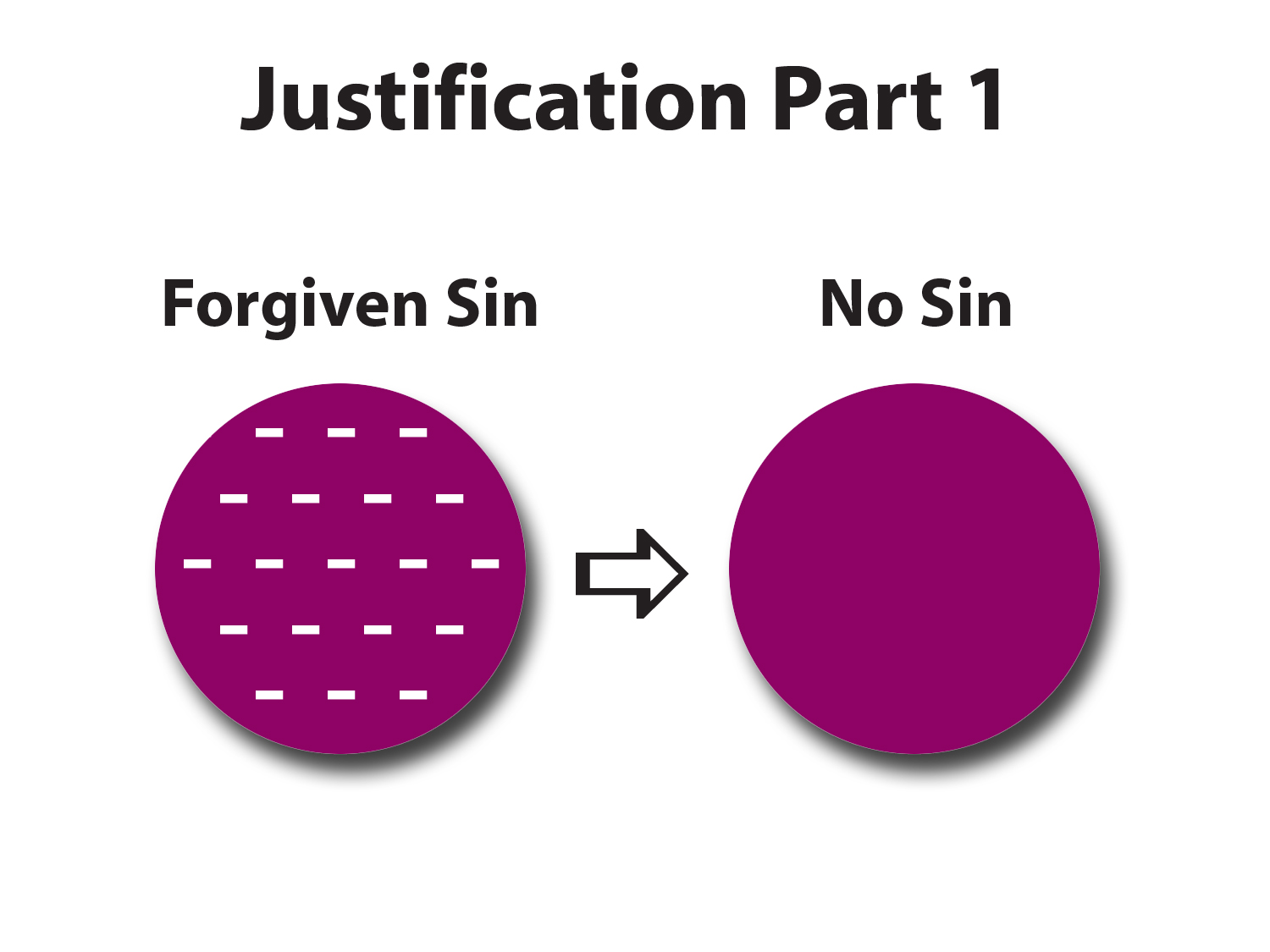
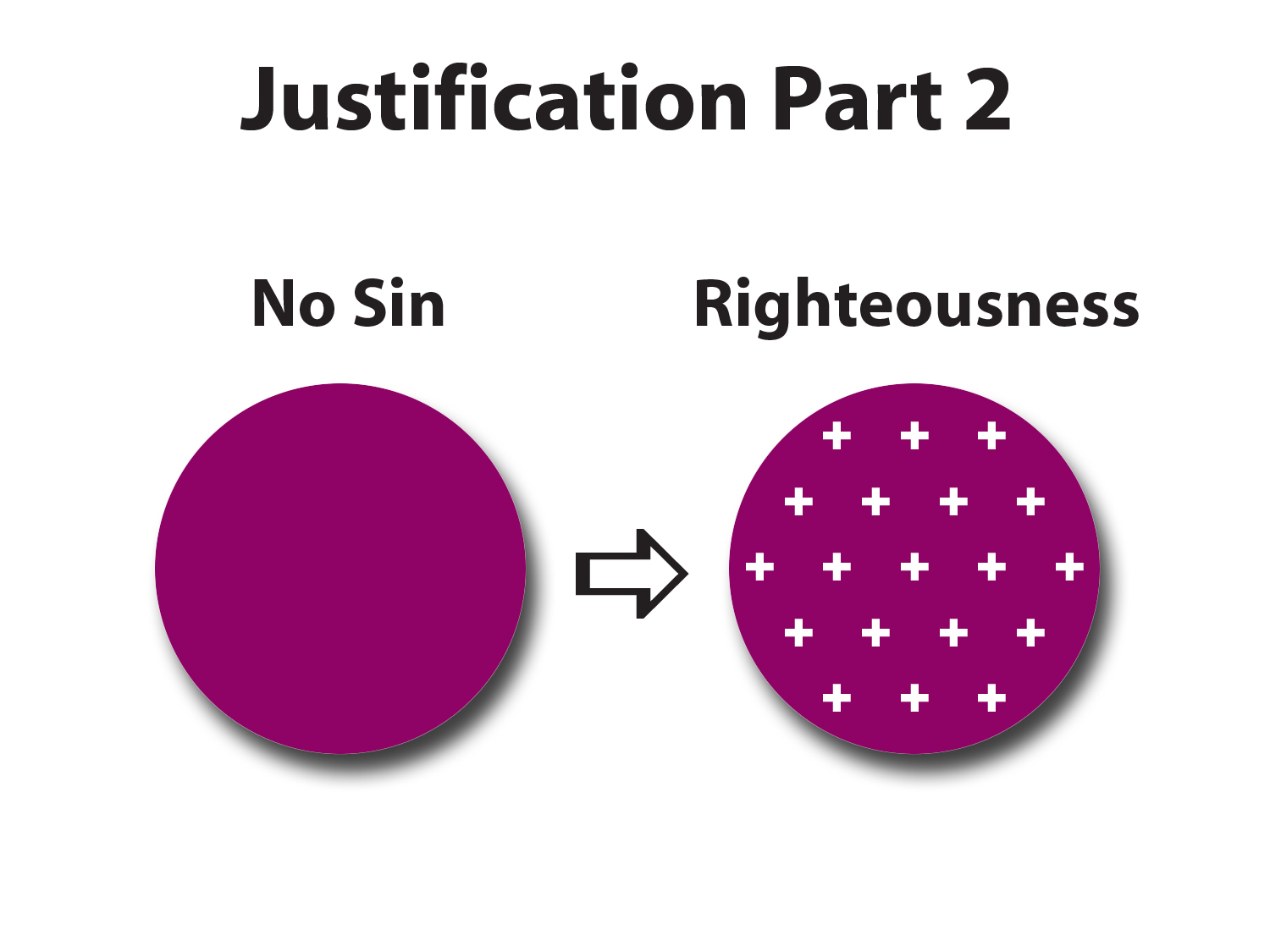
There is a sense in which, as Christians, we relish the idea of redemption. And we should. After all, the overwhelming debt of our sin has been paid for by Christ’s death on the cross. We have been released from our indebtedness and that is good news, because the wages or payment for our sin was our own death. But Jesus Christ became our sin substitute, taking our place on the cross and bearing the righteous wrath of God as our unblemished, sinless sacrifice. As a result, Paul tells us, “we are debtors, not to the flesh” (Romans 8:12 ESV). We have had our debt cancelled. Our sin ledger has been reconciled, and it now shows a zero balance. No sin. Nothing owed. But wait. Even as good as that news is, there is something missing. Our sin debt has been paid, but we need righteousness. Jesus said, “For I tell you, unless your righteousness exceeds that of the scribes and Pharisees, you will never enter the kingdom of heaven” (Matthew 5:20 ESV). The absence of sin is not righteousness. Having our sin debt paid was just part of the equation.

Justification1Justification

Paul gives us the rest of the good news. “For our sake he made him to be sin who knew no sin, so that in him we might become the righteousness of God” (2 Corinthians 5:20 ESV). Earlier in his letter to the Roman believers, Paul states that Jesus “was delivered up for our trespasses and raised for our justification. Therefore, since we have been justified by faith, we have peace with God through our Lord Jesus Christ” (Romans 4:25-5:1 ESV).

You see, in verses 12-14 of Romans, Paul was careful in his sentence structure. He said “we are debtors”, but not to sin. The Greek word he used was opheiletēs and it means “one who owes another, one held by some obligation, bound by some duty”. Yes, we are free from slavery to sin. Our sin debt has been cancelled in full. But we “owe” Christ for our righteousness. He has deposited into our account the righteousness we could never have produced on our own. We are debtors to Christ. And we will never be able to pay Him back for what He has done. But we can live according to the Spirit. We can show our gratitude for all He has done for us by living our lives in obedience to the His Spirit who lives within us. Paul states that it is by the Spirit that we are able to put to death the deeds of the body. We should want to distance ourselves from our old way of life – our sin-controlled, debt-filled life before Christ. We have been given the righteousness of Christ and are therefore, justified in the eyes of God. He sees us as righteous and just. And we owe it all to Jesus.

Earlier in his letter to the Romans, Paul states, “But now that you have been set free from sin and have become slaves of God, the fruit you get leads to sanctification and its end, eternal life” (Romans 6:22 ESV). Peter provides us with a similar admonition. “Live as free people, but do not use your freedom as a cover-up for evil; live as God’s slaves” (1 Peter 2:16 NET). We tend to overlook the fact that God paid a high price for our salvation. He gave His only Son as the payment for our sin. Peter reminds us, “you were ransomed from the futile ways inherited from your forefathers, not with perishable things such as silver or gold, but with the precious blood of Christ, like that of a lamb without blemish or spot” (1 Peter 1:18-19 ESV). Which is exactly why Paul unapologetically tells us, “Or do you not know that your body is a temple of the Holy Spirit within you, whom you have from God? You are not your own, for you were bought with a price. So glorify God in your body” (1 Corinthians 6:19-20 ESV).

We are sons and daughters of God. Not only have our sins been paid for and our debt forgiven, we have been adopted by God and placed into His family because we have had the righteousness of Christ imputed to us. And we have had the Spirit of God placed within us. So we are to live according to our new standing as God’s children, with the help of God’s indwelling Spirit. We are debtors to God. Our lives belong to Him. Our righteousness is not our own, but was made possible because of His Son’s death on the cross in our place. We have eternal life secured for us by virtue of Christ’s sacrificial death. We can’t lose it. We can’t do anything to un-earn it, because we didn’t earn it to begin with. But we can live with a sense of gratitude for all that God has done to make it possible. We can choose to live like children of God and not children of this world. We can choose to live according to the Spirit rather than according to our old sin nature. While we can never repay God for all He has done for us, we can express our appreciation through the way we live our lives.

Consider the Source.

Now they know that everything that you have given me is from you. For I have given them the words that you gave me, and they have received them and have come to know in truth that I came from you; and they have believed that you sent me. – John 17:7-8 ESV

John 17:1-26

In His prayer, Jesus claimed that His disciples had come to know and understand that everything He had – His power, miracles, position, words, insights, mission, and message – were from God. Jesus had spent three years of His life giving them the message He had received from God. It was a message concerning repentance. God was calling them to turn, not only from sin, but from their old thinking regarding God and how to be made right with Him. No longer would strict adherence to the law be the way in which men attempted to earn favor with God. Animal sacrifices, always an incomplete and temporary solution to man’s sin problem, would no longer be the preferred method for finding forgiveness of sins. God had sent His Son to be the permanent, once-for-all remedy for the death sentence that hung over mankind as a result of the fall. Jesus came preaching, “Repent of your sins and turn to God, for the Kingdom of Heaven is near” (Matthew 4:17 NLT). “Later on, after John was arrested, Jesus went into Galilee, where he preached God’s Good News. ‘The time promised by God has come at last!’ he announced. ‘The Kingdom of God is near! Repent of your sins and believe the Good News!’” (Mark 1:14-15 NLT). Jesus came bringing a new message of hope and restoration. “For God loved the world so much that he gave his one and only Son, so that everyone who believes in him will not perish but have eternal life. God sent his Son into the world not to judge the world, but to save the world through him” (John 3:16-17 NLT). Rather than salvation based on outward performance and an unachievable adherence to a set of moral and ethical standards, Jesus came offering salvation by faith alone in Him alone. He taught that there was only way in which might be made right with God and it was Him. “I am the way, the truth, and the life. No one can come to the Father except through me” (John 14:6 NLT). 

And Jesus said that His disciples had received these words and come to believe that He had been sent by God. He was, as Peter confessed, “the Christ, the Son of the living God” (Matthew 16:16 ESV). He was the Son of God just as the voice of God had said at both His baptism and His transfiguration. Jesus was not just a man, a prophet, rabbi, teacher, or miracle worker. He wasn’t just a good man, He was the God-man. He was God in human flesh, God incarnate. He was Immanuel, God with us. He was divine and divinely sent to bring the salvation of God to a lost and dying world. He was the fulfillment of the promises of God made hundreds of years earlier by the prophets of God. He was the long-awaited-for Messiah. He was the promised descendant of David who would sit on his throne in Jerusalem and whose kingdom would have no end. Jesus was sent by God to pay for the sins of the world. He took on human flesh, lived a sinless life and died a sacrificial death on behalf of mankind, in order to satisfy the just demands of a holy and righteous God. The wages of sin is death. Rebellion against God results in a death sentence. But God provided His own Son as the substitute for every person who has ever lived. His death, as the sacrificial Passover Lamb, propitiated or satisfied the wrath of God. His shed blood was necessary, because God had said, “for the life of the body is in its blood. I have given you the blood on the altar to purify you, making you right with the LORD. It is the blood, given in exchange for a life, that makes purification possible” (Leviticus 17:11 NLT). The writer of Hebrews tells us, “according to the law of Moses, nearly everything was purified with blood. For without the shedding of blood, there is no forgiveness” (Hebrews 9:22 NLT). God sent His Son to die. He had to be the sinless, spotless sacrifice for the sins of mankind. And the disciples, when they heard the words of God spoken by the Son of God, received and believed them. 

As implausible as it all sounded, they believed. As radically different and paradigm shifting as the message of Jesus was to their Jewish sensibilities, they believed. There was much that the disciples did not understand. They didn’t always comprehend everything that Jesus said. They didn’t always like what they heard coming out of His mouth, especially His admission that He was going to have to go to Jerusalem and die. But they believed that He had come from God. They believed Him to be the Messiah, the Son of God. Jesus had made God known and knowable to man. “No one has ever seen God. But the unique One, who is himself God, is near to the Father’s heart. He has revealed God to us” (John 1:18 NLT). Jesus pointed men to God. He was the very manifestation of God in human flesh. “So the Word became human and made his home among us. He was full of unfailing love and faithfulness. And we have seen his glory, the glory of the Father’s one and only Son” (John 1:14 NLT). And the disciples believed. Belief in the words of God concerning His Son are still the basis for salvation today. “The Father loves the Son and has given all things into his hand. Whoever believes in the Son has eternal life; whoever does not obey the Son shall not see life, but the wrath of God remains on him” (John 3:35-36 ESV). We must consider the source – Jesus Christ has been sent by God to be the means by which men might be made right with God. He was the God-provided sin substitute and spotless sacrifice who made our reconciliation to God possible. “For by grace you have been saved through faith. And this is not your own doing; it is the gift of God, not a result of works, so that no one may boast” (Ephesians 2:8-9 ESV).

A Timely Reminder.

I am writing to you, little children, because your sins are forgiven for his name’s sake. I am writing to you, fathers, because you know him who is from the beginning. I am writing to you, young men, because you have overcome the evil one. – 1 John 2:12-13 ESV

This section in the book of First John is a fascinating and somewhat perplexing one. Even the commentaries seem to struggle with exactly what John seems to be saying and to whom he is trying to say it. He appears to be addressing three groups of people: Little children, fathers, and young men. There are those who believe there three groups simply represent the various age segments within the local church. Like any fellowship, it would have had children, young adults and older individuals. There is another school of thought that believes these three groups represent levels or degrees of spiritual maturity. The term “children” would simple be a designation for those who were new in Christ. “Young men” would represent those in the church whose lives exhibit a degree of spiritual growth. “Fathers” would be those who were the more spiritually mature. The problem with either of these views is that John complicates any conclusions we may reach by what he has to say to each of the three groups he mentions. Our tendency is to focus on the three audiences addressed rather than the message being conveyed. It is not exactly clear who John is addressing, but it is crystal clear what he is saying to them.

Your sins are forgiven for his name’s sake.

You know him who is from the beginning.

You have overcome the evil one.

Because you know the father.

Because you know him who is from the beginning.

Because you are strong, and the word of God abides in you, and you have overcome the evil one.

If you notice, virtually every one of these statements is a review of what John has covered in his letter up until this point. Forgiveness of sins, knowledge of the Father, spiritual victory, the abiding presence of God, and a knowledge of Jesus Christ – each of these was to be real in their lives and not speculative. These truths were not to be in doubt. Regardless of who is talking to, John is reassuring them that everything he has been telling them is “true in him and in you” (1 John 2:8). Your sins are forgiven. What a remarkable statement that most of us take for granted or for to grasp its significance. We have forgiveness of our sins – for His name’s sake. Not because we have earned it or deserved it. Not because we have lived righteous and sinless lives. Not because we have paid the debt for our sins. But because of His name. God came up with a way to protect the integrity of His name, His very character, by providing His Son as the sacrifice for our sins. His sinless Son took our place and paid our debt, propitiating or satisfying the just demands of a holy, righteous God. And we are forgiven. Our sins are forgiven. “He is so rich in kindness and grace that he purchased our freedom with the blood of his Son and forgave our sins” (Ephesians 1:7 NLT). Done deal. Case closed. Sins forgiven. Past. Present. Future. For all time.

Not only that, we know Him who was from the beginning. We know Jesus Christ, the Son of God and the creator of the universe. We have a relationship with the God-man, who left the throne of heaven and took on human flesh so that He might die as a substitute for our sins. And it is that relationship with Him that gives us access to the Father. We know the Father. We have an intimate and personal relationship with Him. We can come into His presence without fear of condemnation. We can have fellowship with Him and enjoy all the blessings and benefits that come with being a child of God. This includes you who were once far away from God. You were his enemies, separated from him by your evil thoughts and actions. Yet now he has reconciled you to himself through the death of Christ in his physical body. As a result, he has brought you into his own presence, and you are holy and blameless as you stand before him without a single fault” (Colossians 1:19-20 NLT).

And if all that was not enough, John reminds his audience that they are overcomers. He doesn’t tell them they WILL be overcomers some day. No, he tells them they have already overcome the evil one. They have experienced victory over the enemy. They have conquered sin and death, because of the death of Jesus Christ on the cross. Yes, they were still living on this earth and were faced with the prospect battling their own sin natures and a very real spiritual enemy in the form of Satan, but John wanted them to know that they were already victorious and strong, because the word of God was abiding in them. They had the promise of forgiveness of sins and the assurance of eternal life with God. “But thank God! He gives us victory over sin and death through our Lord Jesus Christ. So, my dear brothers and sisters, be strong and immovable. Always work enthusiastically for the Lord, for you know that nothing you do for the Lord is ever useless” (1 Corinthians 15:57-58 NLT).

In a way, these words are for all of us who have a relationship with God through Jesus Christ. They are true of us whatever our chronological age or level of spiritual maturity. We are forgiven. We know God. We are strong. We are overcomers. And we will be victorious. Timely words. A much-needed reminder. Now let’s live like we believe it.

Nehemiah 5-6, Hebrews 8

Our Great High Priest.

Nehemiah 5-6, Hebrews 8

Here is the main point: We have a High Priest who sat down in the place of honor beside the throne of the majestic God in heaven. There he ministers in the heavenly Tabernacle, the true place of worship that was built by the Lord and not by human hands.  Hebrews 8:1-2 NLT

It is amazing to think that God had restored the people of Judah to the land – in spite of their ongoing disobedience and unfaithfulness. He had delivered them from their captivity in Babylon and miraculous arranged for a pagan king to orchestrate and underwrite the entire venture. And when they arrived back in the land, while they found a city that was still in ruins and the constant presence of their enemies, they also were able to witness the ongoing presence and provision of God. And yet, they continued to be unfaithful. It came to Nehemiah’s attention that there were serious inequities and injustices going on among the people of God. Their greatest threat was not from without, but from within. According to the Mosaic Law, the Israelites were to care for their own. In fact, God had told them, “But if there are any poor Israelites in your towns when you arrive in the land the Lord your God is giving you, do not be hard-hearted or tightfisted toward them. Instead, be generous and lend them whatever they need. Do not be mean-spirited and refuse someone a loan because the year for canceling debts is close at hand. If you refuse to make the loan and the needy person cries out to the Lord, you will be considered guilty of sin. Give generously to the poor, not grudgingly, for the Lord your God will bless you in everything you do. There will always be some in the land who are poor. That is why I am commanding you to share freely with the poor and with other Israelites in need” (Deuteronomy 15:7-11 NLT). God had made it clear that the Israelites were to treat the poor with dignity and respect. In fact, while God had made it perfectly okay for one Jew to lend to another, He had arranged that every seven years those debts would be wiped clean. Whatever had not been paid was to be completely voided from the books. If a fellow Jew was forced to sell himself as a slave because of a debt, the one who bought him was to set him free every seventh year. The picture was one of mutual care and concern. But in Nehemiah’s day, the people were taking advantage of one another’s difficult circumstances. Their were few paying jobs and a famine in the land. So the more well-to-do Jews were buying as slaves the children of those who were in desperate need. They were charging high interest on loans made to those who could barely make ends meet. And Nehemiah became incensed.

What does this passage reveal about God?

God’s standards had never changed. While the circumstances were quite different than when He had given Moses the Law, the expectations remained the same. He wanted His people to treat one another with love and mutual respect. He wanted them to care for their own and live with a sense of community and mutual responsibility. God’s intention had always been that “there will be no poor among you; for the Lord will bless you in the land that the Lord your God is giving you for an inheritance to possess” (Deuteronomy 15:4 NLT). Even all these years later, God still intended for His people to care and provide for one another. No one should go hungry. No one should go without. God’s blessing would be great enough for all to benefit, not just some. The abundance of a few was intended to be shared with the many. God would give so that others might receive. It reminds me of the scene that took place in the early days of the Church recorded in the book of Acts. “And all the believers met together in one place and shared everything they had. They sold their property and possessions and shared the money with those in need” (Acts 2:44-45 NLT). No one lacked anything, because they shared all in common. That was what God had intended to be the case even in the days of Nehemiah.       

What does this passage reveal about man?

It’s interesting to note that Nehemiah “brought charges against the nobles and officials” (Nehemiah 5:7 ESV). He accused them of exacting interest. He sarcastically accused them of enslaving and oppressing those whom God had just set from the slavery and oppression of Babylon. Evidently, some of the worst offenders were the leaders of the people of Judah. The most influential were the most guilty. So Nehemiah charged them, “Ought you not to walk in the fear of our God?” (Nehemiah 5:9 ESV). Their actions exhibited a disregard for God’s law and a flippancy toward God’s justice. They had no fear of God’s retribution. And yet Nehemiah was a living example of what God had expected. He feared God. He showed it by his actions. Rather than live off the salary made available to him as governor, he paid his own way. Not only that, he fed and provided for 150 people – out of his own money. And as governor, he didn’t sit in his palace overseeing the work of rebuilding the wall. He got his hands dirty. He worked right alongside the people. He had to put up with the daily threats of his enemies. He had to deny their vicious rumors and continue to encourage the people to remain strong and faithful to their God-given task. And his efforts proved successful. The wall was completed in only 52 days.

But while Nehemiah was faithful, there were others who were compromising and caving in to the constant temptations to trust the world rather than God. One of the more glaring examples was Shecaniah, who according to chapter 12 was a member of the priestly order and was possibly a Levite. This man had allowed his daughter to marry Tobiah, an Ammonite and one of the most vocal enemies of Nehemiah. Later on, in chapter 13, we will find out about another priest named Eliashib, who had also married into the family of Tobiah and had even provided this non-Hebrew with his own apartment in the Temple of God. It seems that even the very men who had been set aside by God to act as His mediators had compromised their convictions and sold out to the enemy.

How would I apply what I’ve read to my own life?

But the good news is that God has always had a plan for man’s persistent problem of unfaithfulness. He knew that His people would prove to be unfaithful. He knew His priests would prove to be incapable of remaining pure and dedicated to acting on His behalf. Which is why He provided a sacrificial system that would cleanse them from sin so they could effectively stand before God on behalf of the people. But in Hebrews we read about an even better plan God had in mind. It involved His own Son. From before the foundations of the world, God had planned to send His Son as the answer to man’s persistent problem of sin and unfaithfulness. In essence, Jesus became our High Priest, our mediator before God, who offered an acceptable sacrifice for our sin. It just so happened that the sacrifice He offered was His own sinless life. The writer of Hebrews described Jesus as “a high priest, one who is seated at the right hand of the throne of the Majesty in heaven, a minister in the holy places, in the true tent that the Lord set up, not man” (Hebrews 8:1-2 ESV). Jesus’ offering didn’t take place in some man-made Temple, but in the inner recesses of heaven itself. And because His sacrifice was acceptable to God, Jesus now sits on a throne in heaven seated right next to His heavenly Father. He accomplished what no earthly priest could have ever done. He lived a completely faithful, sinless life; then offered that life as a sacrifice for the sins of all mankind. And some day, Jesus is going to accomplish for the people of Israel what they were totally unsuccessful at doing. In spite of their unfaithfulness, God has promised them, “I will put my laws in their minds, and I will write them on their hearts. I will be their God, and they will be my people” (Hebrews 8:10 NLT). This will be accomplished through the work of Jesus Christ. The great High Priest will restore the people of God to a right relationship with God – once and for all. Unlike the priests in Nehemiah’s day, Jesus Christ will accomplish the will of His Father and fulfill the promises of the God of Israel.

Father, Your Son is the faithful, righteous, totally obedient High Priest who has offered the once-for-all sacrifice for my sins. He has done what no man could have ever done. He has satisfied Your holiness and paid the price due for my sins. He offered the sacrifice that was beyond value – His own sinless life on my behalf. And one day He is going to fulfill Your promise to the people of Israel, because You are a faithful God and Your Son is a faithful High Priest. Amen

Ken Miller
Grow Pastor & Minister to Men
kenm@christchapelbc.org

Leviticus 1-2, Luke 2

Holy Unto the Lord.

Leviticus 1-2, Luke 2

If his offering is a burnt offering from the herd, he shall offer a male without blemish. He shall bring it to the entrance of the tent of meeting, that he may be accepted before the Lord. He shall lay his hand on the head of the burnt offering, and it shall be accepted for him to make atonement for him.  – Leviticus 1:3-4 ESV

Reading through book of Leviticus can be a formidable task. In fact, when most people attempt to read through the Bible, Leviticus is usually where they begin to bog down and even give up. They may even be tempted to simply skip this book altogether. But while Leviticus is full of mind-numbing details about sacrifices and ancient Hebrew rituals, there is much we can learn from its pages. All throughout the book, you will see references to clean and unclean, purification, holiness, and atonement. As in the verses above, you will see the repetitive use of the phrase, “accepted before the Lord.” Similarly, you will see references of offerings and sacrifices being offered “to the Lord” and providing “a pleasing aroma to the Lord.” All throughout the pages of Leviticus you will see individuals, like you and me, bringing their offerings to the Tabernacle and sacrificing them unto the Lord. Their offerings were costly. They were required to bring the best of what they had. They could not bring a sick lamb or a defective bull. They were required to offer up to the Lord the very best. It was truly a sacrifice. And it was to be offered willingly and gladly, not begrudgingly. I am reminded of the words of Paul to us as believers, “I appeal to you therefore, brothers, by the mercies of God, to present your bodies as a living sacrifice, holy and acceptable to God, which is your spiritual worship” (Romans 12:1 ESV). As New Testament saints, we are no longer required to offer animal sacrifices to the Lord, because Jesus Christ has offered Himself as the ultimate and final sacrifice for the sins of man. But we are to give to God what Christ has died to redeem: Our lives. And it is costly to sacrifice our lives to Him. Paul goes on to tell us, “Do not be conformed to this world, but be transformed by the renewal of your mind, that by testing you may discern what is the will of God, what is good and acceptable and perfect” (Romans 12:2 ESV). We are required to give up our allegiance to this world and our love affair with the things of this world.

That is the picture of Leviticus. As the people of God, the Israelites were being asked by God to set themselves apart from the rest of the world by following His requirements for them. The ritual laws and moral/ethical requirements were designed to set the people of God apart from the world around them. Holiness, purity, and acceptability are key themes in this book. Later on in the book, we will read the command of God, “be holy, for I am holy” (Leviticus 11:44 ESV). That is a fairly sobering and scary statement. But lest we think it doesn’t apply to us as 21st -Century believers, we need to remember that these are the very words that Peter quoted: “But now you must be holy in everything you do, just as God who chose you is holy. For the Scriptures say, ‘You must be holy because I am holy'” (1 Peter 1:15-16 NLT). The theme of Leviticus is holiness – the holiness of God and His expectation of holiness among His people. The rituals and rules are merely a means to an end. They are the necessary requirements placed upon man by God that, if followed, will allow man access into His presence. 

What does this passage reveal about God?

God is serious about holiness. He is deadly serious about sin. Sin had destroyed His creation and shattered the peace that had permeated the world He had made. It had damaged the relationship between man and God, separating them from one another and leaving man condemned to physical death and an eternal death marked by a permanent separation from the presence of God. In Leviticus we see God providing a means by which man could enjoy His presence once more. But in order for that to happen, sin had to be dealt with. God’s holiness had to be recognized. His transcendence or “otherness” had to be comprehended by men. They had to understand that God was nothing like them. He was sinless and righteous. He was all-powerful and holy. As sinful men, they couldn’t just walk into His presence or treat Him flippantly or carelessly. A big part of the goal of all the rituals and rules found in the book of Leviticus was that the people of God would recognize the true nature of their God. All of these sacrifices and offerings were to be a constant reminder of their sin and His holiness. Everything they were required to do was to be done “unto the Lord.” It was all for His glory and intended to make them acceptable in His presence.

What does this passage reveal about man?

All of these rules and requirements can come across to us as somewhat arbitrary and antiquated. They seem a bit over-the-top and overly bloody. But you can’t read the book of Leviticus and not understand that sin has a cost. Not only that, atonement for sin is equally costly. Every year, tens of thousands of animals were bled to death and sacrificed on the altar as a substitutionary atonement for the sins of man. When a man brought his bull or lamb to the Tabernacle as an offering unto the Lord, he had to bring his best animal, unblemished and spotless. Then he had to lay his hands on the head of the animal, designating it as his substitute or stand-in, symbolically transferring his sin onto the animal. Then that individual would kill the animal himself. He would take its life, shedding its blood “before the Lord” in order to “make atonement for him.” Then he had to skin the animal, cut it into pieces and watch as the priests laid the dismembered carcass on the fire of the altar. This bloody, messy ordeal would end with the sacrifice becoming “a pleasing aroma to the Lord.” That was the goal. That was the whole point. That animal’s death and consumption by fire was accepted by God and, by proxy, made the one who made the offering acceptable and pleasing to God. 

Over in the book of Luke, we have recorded the birth of Jesus. He was born into an obscure Jewish family and, like any Jew, was required to keep the rituals and rules placed upon the people of Israel by God. On the eighth day after His birth, Jesus was circumcised, according to God’s command. Days later, once His mother Mary had fulfilled the purification requirements spelled out in the Law (Leviticus 12:3-4), Jesus was brought to the Temple so that He could be offered as the firstborn. Ever since the Exodus, God had required that the Jews offer their firstborn male son as a sacrifice to Him. It was a ritualistic reminder of His killing of the firstborn in Egypt that led to their eventual release from captivity by Pharaoh. God told the people, “All that open the womb are mine, all your male livestock, the firstborn of cow and sheep. The firstborn of a donkey you shall redeem with a lamb, or if you will not redeem it you shall break its neck. All the firstborn of your sons you shall redeem. And none shall appear before me empty-handed” (Exodus 34:19-20 ESV). So when the time came, Mary and Joseph brought Jesus to the Temple, in keeping with the law of God. Everything about Jesus’ birth and life was in keeping with His Father’s law. Even Jesus said, “Do not think that I have come to abolish the Law or the Prophets; I have not come to abolish them but to fulfill them” (Matthew 5:17 ESV). It was Jesus’ ability to keep God’s law perfectly and to live a human life without sin that made Him the acceptable sacrifice to God. He was able to do what no man had ever done – live in complete obedience to the law of God and without sin. And His death as our sinless sacrifice has made access into God’s presence possible for any who will accept the free gift of His substitutionary death on their behalf. Like the Israelite who was required to lay his hand on the head of that lamb and trust that God would accept find him acceptable and pleasing, we must, in essence lay our hands on the head of Jesus, and trust that His death in our place will make us pleasing and acceptable to God. 

How would I apply what I’ve read to my own life?

So much of what God requires of me can seem daunting and impossible. I am to love my neighbor. I am to live sacrificially and count others as more important than myself. I am to die to myself daily. I am to live in submission to the Holy Spirit and bear fruit in the form of love, joy, peace, patience, kindness, goodness, faithfulness, gentleness, and self-control (Galatians 5:22-23 ESV). I am to offer my body as a living sacrifice each and every day of my life. I am to live in unity with other believers, forgive those who hurt me, give to others without expecting anything in return. and keep myself unstained by the world’s influence. But those things are not what make me righteous and acceptable to God. It is the work of Christ on the cross that makes me holy. All of those things are the byproduct of my new relationship with God through Christ. I have a new capacity to live differently and distinctively in this world. I have the power of the Holy Spirit within me to guide me and the Word of God to teach me. Any offering or sacrifice I make to God is not done as some kind of penance or to act as some form of atonement. They are to be the expression of a grateful heart to a gracious God who has made me acceptable in His sight. When Peter quotes God and says, “You must be holy because I am holy,” he is not telling us to become something we are NOT. He is reminding us to live as what we ARE. We are holy. We belong to God. And our lives and actions should reflect our new nature and standing before God.

Father, Thank You that my relationship with You is not based on my ability to live in obedience to some set of standards. Thank You that the way to get right with You was not based on me trying to live a sinless life, because I could never have lived up to that standard. But while I was still a sinner, mired in my sinfulness, You sent Your Son to die in my place and to act as my atoning sacrifice. In essence, ll I had to do was place my hand on His head and believe that He would be my substitute, my stand-in and that You would accept Him in my place. And You did. For that I am eternally grateful. Now continue to help me live as what I am – Your child, holy and acceptable in Your sight. Amen

 Ken Miller
Grow Pastor & Minister to Men
kenm@christchapelbc.org

Galatians 2:1-10

Preserving the Truth.

Galatians 2:1-10

But we refused to give in to them for a single moment. We wanted to preserve the truth of the gospel message for you. – Galatians 2:5 NLT

Paul had a message, given to him from Jesus Christ Himself. And he was to share that message with Gentiles, introducing them to the availability of forgiveness of sins and a restored relationship with God Himself through Jesus Christ. No longer would they have to worship their countless idols made of wood and stone, in the hopes of appeasing them somehow with acts of service or gifts of grain, wine, animal or even human sacrifice. Gone were the fears of never knowing if you were worshiping the right god in the right way or doing enough to earn his favor. Paul had come to Galatia with a message about Jesus Christ, the God-man, the God who had taken on human flesh and lived a completely sinless life in order that the judgment of God against the sins of man might be satisfied. He had taken man’s place as a substitute or stand-in, bearing the penalty due for our rebellion against God: death. And then He rose again, showing God’s power and victory over death. Paul came preaching a message that offered men a way to be made right with God by simply believing in Jesus as their Savior and accepting His gift of salvation by an act of simple faith. No works necessary. No sacrifices needed. What Jesus had done was all that had to be done. Later in his letter to the Romans, Paul would clearly state the requirement for salvation: “If you confess with your mouth that Jesus is Lord and believe in your heart that God raised him from the dead, you will be saved” (Romans 10:9 NLT). That was it. No more. No less.

But from the early days of his ministry to the Gentiles, Paul had been hounded by the Judaizers, a zealous group of Jews who were demanding that all Gentiles who wanted to become Christ-followers, must become converts to Judaism first. Paul refers to these individuals as “false brothers with false pretenses who slipped in unnoticed to spy on our freedom that we have in Christ Jesus, to make us slaved” (Galatians 1:4 NET). In chapter one, Paul assures his readers that he had received his message directly from Jesus Himself. In chapter two, he says that his message is backed by the leaders of the church in Jerusalem, including James, Peter and John. He makes it clear that he hadn’t received his message from them, but was fully supported by them. The recognized that God had given Paul the responsibility of preaching to the Gentiles, and his message was not to include circumcision, law-keeping or any form of conversion to Judaism. Paul says the Judaizers or false brothers “wanted to enslave us and force us to follow their Jewish regulations” (Galatians 2:4b NLT). But Paul refused. He would not compromise on the message Jesus had given him. Instead, he fought to preserve and protect the truth of the gospel as given to him by the risen Lord. In these early days of the Church, there were going to be countless attacks from without, but also very subtle attacks from within. The problem was that the message of faith alone in Christ alone was almost too good to be true. It eliminated all need for self-effort and any form of earning. Rule keeping was no longer the measuring rod for determining righteousness. Compliance to a set of arbitrary demands or laws not necessary. And while comparing your good deeds  to someone else’s might make you feel better, it was not going to make you right with God. Jesus had ushered in a new standard, a new way. Jesus Himself had said, “I am the way, the truth, and the life. No one can come to the Father except through me” (John 14:6 NLT). Paul was going to guard that message with a vengeance. And we need to do the same today. Because the gospel is still under attack, in subtle and yet sinister ways. We are still prone to want to add self-effort to the mix. We want to include man-made rules and requirements. We want some kind of measuring device that allows us to compare righteousness with others. But any attempts to add anything to the gospel message should be rejected. Any requirement other than faith should be exposed for what it is: a lie and a false gospel. Jesus + nothing = everything.

Father, don’t let us buy into the lie that faith alone is not enough. Don’t allow us to unwittingly add to the gospel by requiring any kind of man-made standard that requires men to measure up to our demands. Help us keep the message simple and pure. Give us the same kind of zeal Paul had to protect the integrity of the gospel from the lies of the enemy. Amen.

Ken Miller
Grow Pastor & Minister to Men
kenm@christchapelbc.org