The Spiritual Versus the Natural

14 The natural person does not accept the things of the Spirit of God, for they are folly to him, and he is not able to understand them because they are spiritually discerned. 15 The spiritual person judges all things, but is himself to be judged by no one. 16 “For who has understood the mind of the Lord so as to instruct him?” But we have the mind of Christ. – 1 Corinthians 2:13-16 ESV

The wisdom of God is foolishness to men. The idea that a divine being sent His Son to live as a man and die on a cross to pay for the sins of humanity is ludicrous to them. It is a delusional fable at best or a diabolical lie at worst. But Paul would argue that the problem lies not with the message or with the intent of the messenger; it is that those to whom the message is shared are incapable of receiving it. They are spiritually unable to comprehend it. It would be like an American trying to understand a message spoken to him in a foreign language. The message and the messenger could both be accurate, but the meaning would be lost because the one to whom the message is being given doesn’t speak the language.

The message of the cross is heavenly in nature; it is a spiritually based message that requires interpretation by the Spirit of God. Natural man, as Paul describes him, cannot understand the words and wisdom of God. Paul refers to him as “natural” simply to say that he is not spiritual or of the spirit. Anyone who has not placed their faith in Christ is a natural man or woman; they lack the presence of the indwelling Spirit of God. And as Paul writes, “people who aren’t spiritual can’t receive these truths from God’s Spirit. It all sounds foolish to them and they can’t understand it, for only those who are spiritual can understand what the Spirit means” (1 Corinthians 2:14 NLT). The Spirit of God makes the wisdom and mind of God discernible to human beings. Without His assistance, we would be unable to comprehend the mysterious ways of God.

But it was to us that God revealed these things by his Spirit. For his Spirit searches out everything and shows us God’s deep secrets. No one can know a person’s thoughts except that person’s own spirit, and no one can know God’s thoughts except God’s own Spirit. – 1 Corinthians 2:10-11 ESV

It is impossible for natural man, under the control of his own sinful nature, to discern God’s mind. Even those who placed their faith in Christ as their Savior had to have help from God’s Spirit just to believe. Their eyes had to be opened and their hearts regenerated by the Spirit to comprehend the life-changing nature of the gospel message.

“The natural person can, of course, understand the gospel and experience salvation but only because the Holy Spirit illuminates his or her understanding.” – Robert A. Pyne, “The Role of the Holy Spirit in Conversion,” Bibliotheca Sacra 150:598 (April-June 1993):204-5).

The moment the Spirit opens the eyes of the natural person so that they can see and accept the wonderful message of God’s gracious gift of salvation through Christ, He comes to dwell within them. They go from being natural to spiritual. The word Paul uses is πνευματικός (pneumatikos) and it means “one who is filled with and governed by the Spirit of God” (“G4152 – pneumatikos – Strong’s Greek Lexicon (KJV).” Blue Letter Bible).

Because of the Spirit’s presence within them, Christ-followers have the capacity to understand the things of the Spirit, or, as Paul refers to them, spiritual truths. It is not the wisdom or eloquence of men that makes the things of God accessible and understandable; it is the Spirit of God. Human wisdom cannot make spiritual truths discernible to men; it requires the Holy Spirit. Even Paul admits, “When we tell you these things, we do not use words that come from human wisdom. Instead, we speak words given to us by the Spirit, using the Spirit’s words to explain spiritual truths” (1 Corinthians 2:13 NLT).

Even if a spiritual person attempts to speak spiritual truth without the Spirit’s help, they will end up relying upon human wisdom, and their message will fall on deaf ears. It will lack power because it will be devoid of truth. It may be eloquent, impressive, and even well-received, but it will not communicate the wisdom of God or contain the power of God.

One of the primary benefits of having the Spirit of God within us is the ability He provides to discern and evaluate all things. We have been given the Word of God and the Spirit of God so that we might understand the will of God. Jesus told His disciples, “When the Spirit of truth comes, he will guide you into all truth” (John 16:13 NLT). With the Spirit’s help, we can accurately evaluate and determine God’s will for any given circumstance. The Spirit guides and directs, comforts and consoles, and provides strength when needed and patience when waiting is necessary.

We have a supernatural source of wisdom that allows us to know the mind of God. In fact, Paul states, “we have the mind of Christ” (1 Corinthians 2:16b ESV). With the Spirit’s help, we have access to divine knowledge. We can see life through the eyes of Christ and live as He did. In other words, we have the divine capacity to live Christ-like lives even in our fallen state. We have the capacity to live holy, righteous lives even though we still have our old sin natures and exist in a sin-filled world.

The world will not understand us because natural men and women are incapable of discerning our ways. They will misunderstand and misjudge us. Our lives will make them uncomfortable. Our desire for and pursuit of holiness will leave them confused. Our attempt to live set-apart lives will make them feel judged, and so they will judge us in return. Since they are natural and not spiritual, they will never be able to understand what motivates us. Our love for the Word of God will make no sense to them. Our trust in the will of God will seem naive to them. Our hope in our future salvation by God will come across as little more than wishful thinking to them. But we have the Spirit of God and the mind of Christ, so the inexplicable has become understandable. The indiscernible has become comprehensible and believable. So we believe, wait, and live with hope because the Spirit of God has made the promises of God real and reliable.

Father, thank You for providing Your Spirit so that we can discern Your will and Your ways. Without Him, we would remain hopelessly blind to the reality of salvation made possible through the death and resurrection of Your Son. Your Spirit opened our eyes to see and accept the truth of salvation by grace alone through faith alone in Christ alone. We didn’t earn it and we could not have comprehended it without the Spirit’s assistance. And now, we live in this world with the help of the Spirit’s presence and power. As Peter wrote, Your “divine power has given us everything we need for life and godliness through the knowledge of Him who called us by His own glory and excellence” (2 Peter 1:3 BSB). And we are grateful.
Amen

English Standard Version (ESV) The Holy Bible, English Standard Version. ESV® Permanent Text Edition® (2016). Copyright © 2001 by Crossway Bibles, a publishing ministry of Good News Publishers.

New Living Translation (NLT) Holy Bible, New Living Translation, copyright © 1996, 2004, 2015 by Tyndale House Foundation. Used by permission of Tyndale House Publishers Inc., Carol Stream, Illinois 60188. All rights reserved.

Jesus Is More Than Enough

8 See to it that no one takes you captive by philosophy and empty deceit, according to human tradition, according to the elemental spirits of the world, and not according to Christ. 9 For in him the whole fullness of deity dwells bodily, 10 and you have been filled in him, who is the head of all rule and authority. 11 In him also you were circumcised with a circumcision made without hands, by putting off the body of the flesh, by the circumcision of Christ, 12 having been buried with him in baptism, in which you were also raised with him through faith in the powerful working of God, who raised him from the dead. 13 And you, who were dead in your trespasses and the uncircumcision of your flesh, God made alive together with him, having forgiven us all our trespasses, 14 by canceling the record of debt that stood against us with its legal demands. This he set aside, nailing it to the cross. 15 He disarmed the rulers and authorities and put them to open shame, by triumphing over them in him. – Colossians 2:8-15 ESV

Paul now warms to his primary task: warning the Colossian believers about the dangers of the doctrinal heresy threatening their congregation. He has established the preeminence of Christ and emphasized the foundational nature of His divinity and humanity. Now Paul presents a stinging indictment of the false teachers, labeling their rhetoric concerning Jesus as nothing more than a purely human-based philosophy based on tradition and filled with empty deceit. Paul’s use of the term “philosophy” was not meant to refer to an academic or scientific study of thought but the teaching of “certain Jewish Christian ascetics, which busied itself with refined and speculative inquiries into the nature and classes of angels, into the ritual of the Mosaic law and the regulations of Jewish tradition respecting practical life” (The Online Bible: Outline of Biblical Usage).

Paul emphasized that the teaching infiltrating the Colossian church was purely speculative and not based on divine revelation. It was not according to or in keeping with the prophetic pronouncement concerning Christ in the Old Testament. Nor was it in line with Christ’s teachings concerning Himself. No, these men propagated false doctrines based on “the elemental spirits of the world” (Colossians 2:8 ESV). The word translated as “spirits” is στοιχεῖον (stoicheion), which might be better translated as “principles.” Paul seems to be juxtaposing Christ-centered teaching with worldly and man-centered teaching. According to Paul, the elemental or fundamental theories of a non-Christian, fallen world were insufficient to explain or guide the Christian life. The false teachers were attempting to use human reasoning to explain spiritual truths.

Paul addressed this lack of spiritual discernment in his first letter to the churches in Corinth. He informed his audience that the gospel’s message was impossible to discern without assistance from the Holy Spirit.

When we tell you these things, we do not use words that come from human wisdom. Instead, we speak words given to us by the Spirit, using the Spirit’s words to explain spiritual truths. But people who aren’t spiritual can’t receive these truths from God’s Spirit. It all sounds foolish to them and they can’t understand it, for only those who are spiritual can understand what the Spirit means. Those who are spiritual can evaluate all things, but they themselves cannot be evaluated by others. For,

“Who can know the Lord’s thoughts?
    Who knows enough to teach him?”

But we understand these things, for we have the mind of Christ. – 1 Corinthians 2:13-16 NLT

Paul explained that “the word of the cross is folly to those who are perishing, but to us who are being saved it is the power of God” (1 Corinthians 1:18 ESV). He followed up this statement by quoting Isaiah 29:14.

For it is written,

“I will destroy the wisdom of the wise,
and the discernment of the discerning I will thwart.”

Then Paul excoriated the false teachers and religious traditionalists of his day, exposing them as frauds and fools who pridefully rejected the message of the gospel.

Where is the one who is wise? Where is the scribe? Where is the debater of this age? Has not God made foolish the wisdom of the world? For since, in the wisdom of God, the world did not know God through wisdom, it pleased God through the folly of what we preach to save those who believe. For Jews demand signs and Greeks seek wisdom, but we preach Christ crucified, a stumbling block to Jews and folly to Gentiles, but to those who are called, both Jews and Greeks, Christ the power of God and the wisdom of God. For the foolishness of God is wiser than men, and the weakness of God is stronger than men. – 1 Corinthians 1:20-25 ESV

Some found the apostles’ teaching concerning Christ to be illogical and unacceptable. They found the idea that Jesus was the embodiment of divinity and humanity untenable and indefensible. For others, the belief in Jesus’ sacrificial death and resurrection was little more than wishful thinking or a fairy tale. But Paul refers to his teaching concerning Christ as the power and wisdom of God.

Paul considered the false teachers’ denial of Christ’s divinity a particularly egregious sin. That’s why he unapologetically stated, “In Christ lives all the fullness of God in a human body” (Colossians 2:9 ESV). This was a foundational truth concerning the doctrine of salvation, and without it, the validity of Christ’s substitutionary death was rendered impotent. The sinlessness of Christ was based on His divinity. He was the unblemished God-man who was “tempted as we are, yet without sin” (Hebrews 4:15 ESV).

For God made Christ, who never sinned, to be the offering for our sin, so that we could be made right with God through Christ. – 2 Corinthians 5:21 NLT

To deny Jesus’ deity was to invalidate His entire ministry. He was the sinless and fully righteous Son of God who took on human flesh so that He might do what no man had ever been able to do before: Jesus fully obeyed every one of the commands of God found in the Mosaic Law.

For God has done what the law, weakened by the flesh, could not do. By sending his own Son in the likeness of sinful flesh and for sin, he condemned sin in the flesh… – Romans 8:3 ESV

The deity and humanity of Christ were both non-negotiable aspects of His character. Jesus was fully divine and entirely human. He was not a phantom or a god masquerading as a man. Some taught that Jesus only appeared to be human, and this erroneous teaching led to a distorted understanding of Jesus’ death on the cross. If He wasn’t truly human, then His death was little more than theater — a clever form of play-acting that accomplished nothing. It would mean the substitutionary nature of His death was invalid. Not only that, if Jesus didn’t die, then there was no resurrection, and if there was no resurrection, then mankind has no hope.

…if Christ has not been raised, then your faith is useless and you are still guilty of your sins. In that case, all who have died believing in Christ are lost! And if our hope in Christ is only for this life, we are more to be pitied than anyone in the world. – 1 Corinthians 15:17-19 NLT

Paul assures the Colossians believers that the resurrection of Jesus was real and that its implications for their lives were substantial.

…you were raised to new life because you trusted the mighty power of God, who raised Christ from the dead. – Colossians 2:12 NLT

He wanted them to understand that they needed nothing more than Christ. Despite the claims of the false teachers, the believers in Colossae did not miss anything from their spiritual experience. They had been filled with the fullness of Christ. The Spirit of Christ indwelled them, making the nature of Christ available to them. The righteousness of Christ had been imputed to them. Unlike the Judaizers, who taught that Gentiles needed to be circumcised to be fully saved, Paul emphasized a spiritual form of circumcision.

When you came to Christ, you were “circumcised,” but not by a physical procedure. Christ performed a spiritual circumcision—the cutting away of your sinful nature. – Colossians 2:11 NLT

This was the same thought Paul had shared with the believers in Rome.

For you are not a true Jew just because you were born of Jewish parents or because you have gone through the ceremony of circumcision. No, a true Jew is one whose heart is right with God. And true circumcision is not merely obeying the letter of the law; rather, it is a change of heart produced by the Spirit. And a person with a changed heart seeks praise from God, not from people. – Romans 2:28-29 NLT

Paul reminded the Colossians that, before encountering Christ, they had been spiritually dead because their “sinful nature was not yet cut away” (Colossians 2:13 NLT). But that problem had been taken care of by God.

God made you alive with Christ, for he forgave all our sins. He canceled the record of the charges against us and took it away by nailing it to the cross. – Colossians 2:13-14 NLT

In doing so, God “disarmed the rulers and authorities” (Colossians 2:15 ESV). This is most likely a reference to “the spiritual forces of evil in the heavenly places” (Ephesians 6:12 ESV). Paul describes them as “the cosmic powers over this present darkness” (Ephesians 6:12 ESV). In conquering sin and death on the cross, God effectively silenced Satan and his minions, voiding the accusations of guilt and shame they level against God’s people. In Revelation 12:10, Satan is described as the accuser of the brethren, “who accuses them day and night before our God.” But, because of the atoning nature of the cross, Satan’s accusations carry no weight. His weapons lack any power against the children of God. But, just as Paul warned the believers in Ephesus, the Colossians were to “Put on the whole armor of God, that you may be able to stand against the schemes of the devil” (Ephesians 6:11 ESV).

The false teachers were attempting to undermine the effectiveness of Christ’s death and resurrection by questioning its validity. These godless men were acting as pawns of the enemy by sowing doubts among the believers in Colossae. But Paul exposed their so-called truths as nothing more than cleverly disguised lies meant to deceive and destroy the faith of God’s people.

For Paul, the gospel was enough. No new teaching was required, and the power of the cross required no additional enhancement or improvement. As Paul told the believers in Corinth, the gospel’s message required no help from human reasoning and cleverly crafted rhetoric.

When I first came to you, dear brothers and sisters, I didn’t use lofty words and impressive wisdom to tell you God’s secret plan. For I decided that while I was with you I would forget everything except Jesus Christ, the one who was crucified.

Rather than using clever and persuasive speeches, I relied only on the power of the Holy Spirit. I did this so you would trust not in human wisdom but in the power of God. – 1 Corinthians 2:1-2, 4-5 NLT

English Standard Version (ESV) The Holy Bible, English Standard Version. ESV® Permanent Text Edition® (2016). Copyright © 2001 by Crossway Bibles, a publishing ministry of Good News Publishers.

New Living Translation (NLT) Holy Bible, New Living Translation, copyright © 1996, 2004, 2015 by Tyndale House Foundation. Used by permission of Tyndale House Publishers Inc., Carol Stream, Illinois 60188. All rights reserved.
The Choice is Ours

1 Wisdom has built her house;
    she has hewn her seven pillars.
2 She has slaughtered her beasts; she has mixed her wine;
    she has also set her table.
3 She has sent out her young women to call
    from the highest places in the town,
4 “Whoever is simple, let him turn in here!”
    To him who lacks sense she says,
5 “Come, eat of my bread
    and drink of the wine I have mixed.
6 Leave your simple ways, and live,
    and walk in the way of insight.”

7 Whoever corrects a scoffer gets himself abuse,
    and he who reproves a wicked man incurs injury.
8 Do not reprove a scoffer, or he will hate you;
    reprove a wise man, and he will love you.
9 Give instruction to a wise man, and he will be still wiser;
    teach a righteous man, and he will increase in learning.
10 The fear of the Lord is the beginning of wisdom,
    and the knowledge of the Holy One is insight.
11 For by me your days will be multiplied,
    and years will be added to your life.
12 If you are wise, you are wise for yourself;
    if you scoff, you alone will bear it.

13 The woman Folly is loud;
    she is seductive and knows nothing.
14 She sits at the door of her house;
    she takes a seat on the highest places of the town,
15 calling to those who pass by,
    who are going straight on their way,
16 “Whoever is simple, let him turn in here!”
    And to him who lacks sense she says,
17 “Stolen water is sweet,
    and bread eaten in secret is pleasant.”
18 But he does not know that the dead are there,
    that her guests are in the depths of Sheol. – Proverbs 9:1-18 ESV

In this Proverbs, Solomon portrays wisdom and folly as two women. One is industrious, a planner, and highly hospitable. She offers those who are “simple” the chance to dine at her table and gain good judgment and wisdom. She extends to them an opportunity to leave their simple ways behind and experience true life. Wisdom offers long life and the capacity to fear God and know Him intimately and deeply. The other woman, Folly, also calls out and offers her own invitation, but one with a completely different outcome. Folly is portrayed as a prostitute. She is brash and ignorant, yet doesn’t even know it. She too calls out to the simple and those lacking in judgment.

“‘Come in with me,’ she urges the simple. To those who lack good judgment, she says, ‘Stolen water is refreshing; food eaten in secret tastes the best!’” – Proverbs 9:16-17 NL

Two women. Two invitations. But depending on which invitation you accept, two diametrically opposed outcomes. One ends in life, the other in death. One offers wisdom and good judgment in place of foolishness and simplicity. The other can only offer sensual pleasures and immediate gratification of the senses, but really delivers disappointment and, ultimately, death.

The picture Solomon paints portrays life on this planet for each and every man and woman. Every day we are faced with two basic options: the way of wisdom as offered by God, or the way of folly or foolishness, that the world so tantalizingly and temptingly offers us. And every day, we are faced with the choice of one or the other.

The things of this world are so appealing. The ways of this world seem so logical and sensible. They appeal to our sin nature and focus on our physical senses. They have little to do with wisdom, understanding, common sense, or good judgment. And we’re not talking about intelligence, because even those with high IQs can be guilty of foolishness and live the life of the simpleminded. The Hebrew word used by Solomon for the “simple” person refers to one who is easily persuaded and enticed. They are naive. Satan and this world thrive on these kinds of people. And every person who walks on this planet IS that kind of person if they don’t have a relationship with God the Father through Jesus Christ the Son. They may be smart, successful, well-to-do, and even powerful, but they are ultimately simple-minded. They are dominated by their flesh and driven by their desires. They are susceptible to temptation and prone to live like fools. Why? Because they lack good judgment, common sense, wisdom, understanding, and the fear of God.

The key seems to be found in Wisdom’s invitation. “Leave your simple ways behind.” There has to be a point in time when you decide to acknowledge your propensity to be easily persuaded and enticed. Then you have to be willing to abandon that lifestyle for a better one. We have to choose to accept God’s invitation to sit at His table and feast on His wisdom. We must trade in our desire to satisfy our senses and choose God’s offer of understanding. We need to understand the times in which we live, the dangers that surround us, and our own tendency to live like fools. We need to understand and comprehend our incapacity to survive in this world without God. Without Him, we are easy targets for the enemy. God offers us wisdom. The world offers us folly. And every day we have a choice to make.

“But correct the wise and they will love you. Instruct the wise and they will be even wiser. Teach the righteous and they will learn even more.” – Proverbs 9:8-9 NLT

Nobody likes to be corrected, right? Who in their right mind likes to be rebuked, called out, or even judged by someone else? Just the thought of it can raise our blood pressure. It causes us to stiffen up and start defending our rights, protecting our territory and justifying our actions as just and right. But according to the book of Proverbs, there is a group of individuals, albeit a small group, who actually enjoy being corrected. In fact, if you do correct them, they will love you for it! Imagine that. Someone who actually loves being corrected.

Their response to correction is LOVE. The Hebrew word is ahab, and it is a verb that refers to human love for another. It is also translated as “friend” in the Old Testament. It is the word used to describe Abraham as the friend of God. When you correct a wise person, he actually views you as a friend, not an enemy. He takes your correction as a good thing, not a bad thing. He is grateful because he understands that correction is the key to change and maturity. Sometimes we can’t see our own faults. We are oblivious to our blind spots and we need the input of others to help us recognize areas of our lives that need work. The wise man knows he has faults, whether he sees them or not, and does not become defensive or angry when they are exposed. Instead, he loves the one who corrects him. He is grateful.

The wise person also accepts instruction willingly and gratefully. He is wise because he loves to learn. He has an appetite for knowledge, so he gladly accepts instruction from others. In the Hebrew text, the word “instruction” is not actually there. It simply says, “give to the wise.” It carries the idea of exchange or interaction. If you interact with a wise person, they will grow in wisdom. They love the exchange of ideas. They are not afraid to debate, discuss, or expose themselves to other viewpoints. They are not one-dimensional or closed to hearing the other side of an argument. They will gladly dialogue and grow wiser through the exchange. If their viewpoint is right, they will remain firm in their conviction. If they discover they are wrong, they will grow wiser from having had the discussion.

You can teach the wise. They are not so sure of themselves or set in their ways that they refuse to learn from others. The wise are constant learners. They learn from their mistakes. They learn vicariously, voraciously, and constantly. When we refuse to learn, we reveal that we are fools. Fools hate correction and instruction because they refuse to admit their own ignorance. They are content to remain foolish. Fools have a false view of life, seeing themselves as wise and everyone else as fools. The wise have a healthy view of life, seeing themselves as perpetual students with life as their schoolroom. Their perspective is based on a fear of God that results in humility and a growing dependence on Him. Their love of learning and acceptance of correction is based on their understanding that God is their teacher. He is the all-wise, all-knowing God who is constantly imparting His wisdom to them in a variety of ways through a myriad of sources. They see wisdom as a gift from God and learning as an opportunity, not a burden.

But as we have seen before, the search for wisdom begins with a healthy reverence or fear of God. The fear of the Lord, while a biblical topic, is not a popular one among most Christians today. We find it uncomfortable to talk about it because it sounds distasteful and unappealing to our modern-day sensibilities. In our minds, fear is to be avoided at all costs. It’s why we light up our homes like Christmas trees, hook them up with security systems, and lock them down at night. We want to remove all fear by providing as much security as we possibly can. But what motivates our actions? What causes us to put the security system in, install extra locks on the doors, and turn on the lights at night? It’s all motivated by fear. You see, in reality, fear can have a positive influence in our lives. And the fear of the Lord is one of the most positive and influential attitudes we can have.

In Proverbs 28:14, we’re told,  “Happy is the man in whom is the fear of the Lord at all times; but he whose heart is hard will come into trouble.” There is a joy and contentment that comes with learning to fear God. It was the Puritan minister, John Bunyan, who referred to the fear of the Lord as a gift or grace from God. It is HIS fear that He places in OUR hearts. It is a recognition and realization of His holiness, righteousness, and power. It is an awareness of His singular role as the ruler over all the universe. Listen to John Bunyan’s description of the fear of the Lord:

Had God given thee all the world, yet cursed hadst thou been, if he had not given thee the fear of the Lord; for the fashion of this world is a fading thing, but he that feareth the Lord shall abide for ever and ever. This therefore is the first thing that I would propound for thy encouragement, thou man that fears the Lord. This grace will dwell in thy heart, for it is a new covenant grace, and will abide with thee for ever. It is sent to thee from God, not only to join thy heart unto him, but to keep thee from final apostasy—“I will put my fear in their hearts, that they shall not depart from me” (Jer 32:40). That thou mayest never forsake God, is his design, and therefore, to keep thee from that wicked thing, he hath put his fear in thy heart. Many are the temptations, difficulties, snares, traps, trials, and troubles that the people of God pass through in the world, but how shall they be kept, how shall they be delivered, and escape? Why, the answer is, The fear of God will keep them — “He that feareth God shall come forth of them all.”

The fear of the Lord is a grace. It is a gift from God that He places in our hearts and provides for us so that we might live for Him. It is not something to be avoided or feared. It is a motivating factor in our lives that produces wise behavior. It protects us, watches over us, guides us, motivates us, and keeps us centered on Him as our one true source for all that we need. The fear of the Lord keeps us from fearing man. Because I fear the Lord, I don’t need to fear financial loss or even physical death. My God is greater than both. It is when I learn to fear God for who He is that I will begin to grow in wisdom and understanding. Life will begin to make sense. I will see the world through a different set of lenses. I will gain a new perspective on reality. It is the foundation of wisdom. And as I grow to know God better and better, I will develop good judgment. He will give me the capacity to make wise choices and good decisions. I will instinctively know what to do and when to do it. But it all begins with the fear of the Lord. That’s a good thing.

English Standard Version (ESV) The Holy Bible, English Standard Version. ESV® Permanent Text Edition® (2016). Copyright © 2001 by Crossway Bibles, a publishing ministry of Good News Publishers.

New Living Translation (NLT) Holy Bible, New Living Translation, copyright © 1996, 2004, 2015 by Tyndale House Foundation. Used by permission of Tyndale House Publishers Inc., Carol Stream, Illinois 60188. All rights reserved.

New English Translation (NET)NET Bible® copyright ©1996-2017 by Biblical Studies Press, L.L.C. http://netbible.com All rights reserved.


Not What They Expected

27 Just then his disciples came back. They marveled that he was talking with a woman, but no one said, “What do you seek?” or, “Why are you talking with her?” 28 So the woman left her water jar and went away into town and said to the people, 29 “Come, see a man who told me all that I ever did. Can this be the Christ?” 30 They went out of the town and were coming to him.

31 Meanwhile the disciples were urging him, saying, “Rabbi, eat.” 32 But he said to them, “I have food to eat that you do not know about.” 33 So the disciples said to one another, “Has anyone brought him something to eat?” 34 Jesus said to them, “My food is to do the will of him who sent me and to accomplish his work. 35 Do you not say, ‘There are yet four months, then comes the harvest’? Look, I tell you, lift up your eyes, and see that the fields are white for harvest. 36 Already the one who reaps is receiving wages and gathering fruit for eternal life, so that sower and reaper may rejoice together. 37 For here the saying holds true, ‘One sows and another reaps.’ 38 I sent you to reap that for which you did not labor. Others have labored, and you have entered into their labor.” – John 4:27-38 ESV

The Samaritan woman had come to the well to draw water. The disciples had gone to a nearby town to find food. John’s emphasis on the contrast between the physical and the spiritual is all over this section of his gospel. With his depiction of Jesus’ encounter with the Samaritan woman, John accentuates the stark contrast between earthly and the heavenly, the temporal and the eternal. The woman’s life depicts mankind’s obsession with meeting physical needs. The water was a symbol of her insatiable need to satisfy her earthly desires. Jesus’ revelation concerning her five failed marriages speaks volumes about her neediness, insecurity, and susceptibility to her own passions and desires. That she was living with yet another man, outside the bonds of marriage, reveals her deep-seated desire for acceptance and love. She had tremendous physical, emotional, and psychological needs. Yet, she was blind to the fact that her greatest need was spiritual in nature.

All the while Jesus had been attempting to quench this woman’s spiritual thirst, His disciples had been in search for food. And John points out their shock when they returned to find Jesus speaking to a woman, and a Samaritan woman at that. This was unacceptable behavior for someone like Jesus. The disciples, as Jews, would have been appalled that their teacher had been willing to risk becoming ceremonially unclean through interaction with a Samaritan. And while they were dying to know what had prompted Jesus’ actions, they kept their questions to themselves.

Meanwhile, the woman had made her way back into town, anxious to share the exciting news of her unexpected encounter with Jesus.

The woman left her water jar beside the well and ran back to the village, telling everyone, “Come and see a man who told me everything I ever did! Could he possibly be the Messiah?” – John 4:28-29 NLT

John’s mention of the water jar is an important part of the story that can be easily overlooked. That jar was an essential part of her daily routine. It was the key to her drawing water from the well, which, as she had told Jesus, was deep. Without the jar, she would have no means of satisfying her thirst. But her willingness to leave it behind is a subtle statement by John that she had found something far more important and significant. It is reminiscent of the words of Jesus, spoken during His sermon on the mount.

“So don’t worry about these things, saying, ‘What will we eat? What will we drink? What will we wear?’ These things dominate the thoughts of unbelievers, but your heavenly Father already knows all your needs. Seek the Kingdom of God above all else, and live righteously, and he will give you everything you need.” – Matthew 6:31-33 NLT

Jesus would later reiterate this same thought to His disciples, telling them, “That is why I tell you not to worry about everyday life—whether you have enough food to eat or enough clothes to wear. For life is more than food, and your body more than clothing.” (Luke 12:22-23 NLT). And He would add a further note of instruction:

“Seek the Kingdom of God above all else, and he will give you everything you need. So don’t be afraid, little flock. For it gives your Father great happiness to give you the Kingdom.” – Luke 12:31-32 NLT

By leaving her water jar behind, the Samaritan woman was putting the teaching of Jesus into action. She was illustrating what it means to seek the Kingdom of God above all else. Suddenly, the earthly things that had meant so much to her, lost their value and appeal. She had discovered something of far greater worth.

“Come and see a man who told me everything I ever did! Could he possibly be the Messiah?” – John 4:29 NLT

Her interest was piqued. She was curiously intrigued by all Jesus had said to her. And her excitement was contagious because she eventually returned with a crowd of her fellow townspeople in tow.

But John returns our attention to the contrast between the physical and the spiritual by describing the disciples’ attempt to get Jesus to eat. They had gone out of their way to get food, even risking their own purity by entering into a Samaritan town to purchase it, and now they expected Jesus to satisfy His physical hunger with it. But Jesus refused their offer, informing them instead that He had “food to eat that you do not know about” (John 4:32 ESV). This admission confused them because they could not imagine where Jesus had found anything to eat. And what Jesus said next did little to clear up their confusion.

“My food is to do the will of him who sent me and to accomplish his work.” – John 4:34 ESV

And just a few chapters later, John records the words of Jesus as He declares His resolute determination to accomplish His Father’s will.

“For I have come down from heaven to do the will of God who sent me, not to do my own will. And this is the will of God, that I should not lose even one of all those he has given me, but that I should raise them up at the last day. For it is my Father’s will that all who see his Son and believe in him should have eternal life. I will raise them up at the last day.” – John 6:38-40 NLT

The disciples were focused on the physical, while Jesus had His eyes set on accomplishing the spiritual and eternal will of His Heavenly Father. And, interestingly enough, just before Jesus made that statement to His disciples, He had told them:

“I am the bread of life. Whoever comes to me will never be hungry again. Whoever believes in me will never be thirsty. But you haven’t believed in me even though you have seen me. However, those the Father has given me will come to me, and I will never reject them.” – John 6:35-37 NLT

Hunger and thirst. Jesus had come to meet a need the disciples didn’t yet know they had. They were more concerned about a physical meal and the coming of the Messiah’s physical kingdom. But Jesus was on a mission from God to satisfy man’s spiritual hunger and provide a means by which sinners could gain access to the kingdom of God.

This entire exchange between Jesus and His disciples was meant to refocus their attention. They were obsessed with physical and temporal matters. Their attention was focused on their own needs and their own self-centered understanding of the kingdom. Here they were, standing in the middle of Samaria, surrounded by people they believed to be unclean and unworthy of God’s attention. And yet, Jesus said to them:

“You know the saying, ‘Four months between planting and harvest.’ But I say, wake up and look around. The fields are already ripe for harvest. The harvesters are paid good wages, and the fruit they harvest is people brought to eternal life. What joy awaits both the planter and the harvester alike!” – John 4:35-36 NLT

It seems likely that, as Jesus spoke these words, the Samaritan woman and the townspeople had come into sight. And His mention of eternal life in conjunction with a crowd of Samaritans would have shocked His disciples. But He wants them to wake up and understand the unique nature of the moment. They were standing in the presence of the Messiah, the Son of God, who had come to do the will of His Father. And the need He had come to meet was spiritual in nature, not physical. Even the physical differences between the Jews and the Samaritans were insignificant in light of God’s plan to bring redemption to all mankind through His Son’s death and resurrection.

And Jesus wants His reluctant disciples to understand that they are going to play a significant part in the coming harvest of souls.

“You know the saying, ‘One plants and another harvests.’ And it’s true. I sent you to harvest where you didn’t plant; others had already done the work, and now you will get to gather the harvest.” – John 4:37-38 NLT

Jesus had come sowing the good news of salvation that He had come to offer. He would plant the seeds, but the disciples would reap the harvest. But they would have to be willing to reap wherever the seeds had been sown – even if that meant returning to the “fields” of Samaria.

This was a head-scratching, paradigm-shifting scene for the disciples. And while John does not give us their response to Jesus’ words, it doesn’t take much imagination to think of them staring at one another in equal parts confusion and consternation. Everything about this scenario was distasteful to them. They were in a place they didn’t want to be. They were soon to be surrounded by Samaritans whom they considered unclean and unworthy of God’s mercy and grace. And yet, their Rabbi and teacher was inferring that these very same people would be included in the kingdom of God.

Whether they realized it or not, the disciples were slowly discovering that God’s will stood in stark contrast to their own. His plans for the world looked nothing like what they were expecting or hoping. And this would be just the first in a series of eye-opening, expectation-shattering lessons they would receive from the lips of Jesus.

English Standard Version (ESV) The Holy Bible, English Standard Version. ESV® Permanent Text Edition® (2016). Copyright © 2001 by Crossway Bibles, a publishing ministry of Good News Publishers.

New Living Translation (NLT)
Holy Bible, New Living Translation, copyright © 1996, 2004, 2015 by Tyndale House Foundation. Used by permission of Tyndale House Publishers Inc., Carol Stream, Illinois 60188. All rights reserved.

The Message (MSG)Copyright © 1993, 1994, 1995, 1996, 2000, 2001, 2002 by Eugene H. Peterson

Made In His Image

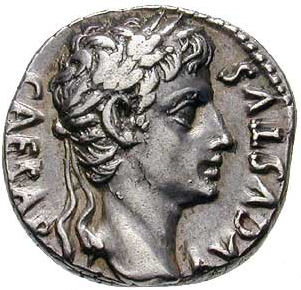
15 Then the Pharisees went and plotted how to entangle him in his words. 16 And they sent their disciples to him, along with the Herodians, saying, “Teacher, we know that you are true and teach the way of God truthfully, and you do not care about anyone’s opinion, for you are not swayed by appearances 17 Tell us, then, what you think. Is it lawful to pay taxes to Caesar, or not?” 18 But Jesus, aware of their malice, said, “Why put me to the test, you hypocrites? 19 Show me the coin for the tax.” And they brought him a denarius 20 And Jesus said to them, “Whose likeness and inscription is this?” 21 They said, “Caesar’s.” Then he said to them, “Therefore render to Caesar the things that are Caesar’s, and to God the things that are God’s.” 22 When they heard it, they marveled. And they left him and went away. –  Matthew 22:15-22 ESV

render_unto_caesar1.jpg

It’s probably safe to say that none of us actually enjoy filing our taxes. We see it as a necessary evil and a burdensome obligation. And we do it because it’s required by law and that law carries some pretty stiff penalties for those who choose to ignore it. Taxation has had a long and less-than-popular reputation throughout history. And, as bad as we think our taxes may seem, they were far worse in Jesus’ day.

The Romans levied heavy taxes on the Jews. On top of that, the Jewish tax collectors added their own exorbitant fees. And then there was the Temple tax that every Jew had to pay, which in actuality, was used to support the lavish lifestyles of the priests themselves. These men lived in luxury while the average Jew struggled to make ends meet.

In his book, The Message and the Kingdom, Richard Horsley describes the elegant lifestyles enjoyed by these government-appointed tax collectors.

“…impressive archeological remains of their Jerusalem residences show how elegant their lifestyle had become. In spacious structures unhesitantly dubbed ‘mansions’ by the archeologists who uncovered them in the 1970’s, we can get a glimpse of a lavish life in mosaic floored reception rooms and dining rooms with elaborate painted and carved stucco wall decorations and with a wealth of fine tableware, glassware, carved stone table tops, and other interior furnishings and elegant peristyles.”

This staggering combination of tax obligations was overwhelming to the Jewish people, making everyday life practically unbearable and the very mention of taxes intolerable. Palestine was a veritable powder keg waiting to ignite and, according to the Jewish historian Josephus, the refusal of the Romans to lessen the tax burdens was the eventual cause of the Jewish War and the Siege of Jerusalem in 70 AD.

By now, we know that the Jewish religious leaders were looking for any and all opportunities to trick and trap Jesus in order that they might have Him arrested and eliminated. They were certain that it was just a matter of time before He said something that got Him into trouble with the people or with the Roman authorities. If they could get Him to say something the people would disagree with, He would lose His popularity and His growing following. If they could trick Him into saying something that could be taken as divisive or revolutionary by the Romans, then they could enlist the aid of the government in getting rid of Him. So they sent some “spies pretending to be honest men” (Luke 20:20 NLT).

In other words, they didn’t come dressed as priests, Pharisees, or religious leaders. They disguised themselves as average Jews, hoping to blend in with the crowd and catch Jesus off-guard and unprepared. Their question was well-planned and had a clear motivation behind it. “They tried to get Jesus to say something that could be reported to the Roman governor so he would arrest Jesus” (Luke 20:20 NLT). After attempting to butter Him up with false flattery, they asked their question: “Tell us, then, what you think. Is it lawful to pay taxes to Caesar, or not?” (Matthew 22:17 ESV).

Render-Unto-CaesarBut Matthew makes it clear that Jesus saw through their ruse. He knew they were trying to trick Him and even accused them of hypocrisy. But in spite of His awareness of their less-than-sincere motives, He chose to answer their question. He asked for a Roman coin, which would have carried the image of Caesar, a fact that He got them to verify. Then He told them, “Therefore render to Caesar the things that are Caesar’s, and to God the things that are God’s” (Matthew 22:21 ESV).

The simple interpretation of this passage would be that Jesus was simply encouraging civil obedience. The people of God must be good citizens. They must set a good example, even in the case of a corrupt and oppressive government. But there appears to be a much more significant point to Jesus’ statement.

It’s interesting that He emphasized the image of Caesar on the coin. The Roman emperor was considered a god by his own people. So, Jesus told them to give the coin bearing Caesar’s image back to Caesar. It was stamped with his image and, therefore, belonged to him. But Jesus also stated that they were to give to God what belonged to God. Don’t miss Jesus’ logic.

What is stamped with God’s image? Back in the book of Genesis, we read, “So God created human beings in his own image. In the image of God he created them; male and female he created them” (Genesis 1:27 NLT). Every good Jew would have known this story and would have understood what Jesus was saying. Men and women are made in the image of God. In a sense, they are stamped with His image. Therefore, they belong to Him.

Jesus was teaching that, instead of worrying about the temporal things of this world, like money and taxes, the people needed to give themselves to God and His Kingdom.

All the way back in His sermon on the mount, Jesus had said, “So don’t worry about these things, saying, ‘What will we eat? What will we drink? What will we wear?’ These things dominate the thoughts of unbelievers, but your heavenly Father already knows all your needs. Seek the Kingdom of God above all else, and live righteously, and he will give you everything you need” (Matthew 6:31-33 NLT).

Those in Jesus’ audience that day had been made in the image of God. But as Jews, they also enjoyed the distinction of being God’s chosen people. They had been handpicked by God and then redeemed out of slavery in Egypt. They were His people – His prized possession. He had told them, “For you are a holy people, who belong to the LORD your God. Of all the people on earth, the LORD your God has chosen you to be his own special treasure” (Deuteronomy 7:6 NLT).

These people had been oppressed and burdened before, and God had rescued them. And while, in Jesus’ day, they were suffering oppression under Roman rule, it had far less to do with taxes than it did with sin. God wanted to rescue and redeem them from slavery to sin and death, which is why He had sent His Son. But their minds were elsewhere. They saw their burdens as earthly, not spiritual. They wanted a Messiah to rescue them from the taxes and tyranny of the Romans. But Jesus had come to rescue them from a life enslaved to sin and the death sentence that came with it.

Jesus wanted these people to give God what was rightfully His – their lives. He wanted them to turn over their lives to the very one who could save them. Jesus stood before them as the Son of God and their Messiah. He was the answer to their problem, but they failed to recognize Him. Jesus had not come to foment insurrection, but to provide salvation. He had not come to lead a revolt against Rome, but to provide restoration with God. His was a spiritual revolution, not an earthly one. And He was subtly reminding His listeners that God, in whose image they were made, required what was due Him. And just as Caesar would punish any and all who refused to pay his mandatory tax, God would punish all those who refused to give Him what rightfully belonged to Him.

God had warned the people of Israel what would happen if they failed to render unto Him what was rightfully His. “Understand, therefore, that the Lord your God is indeed God. He is the faithful God who keeps his covenant for a thousand generations and lavishes his unfailing love on those who love him and obey his commands. But he does not hesitate to punish and destroy those who reject him” (Deuteronomy 7:9-10 NLT).

As believers, we have a spiritual obligation to God. He has made us, and He has redeemed through the precious and priceless blood of His own Son. Our lives are not our own. We belong to Him because He has paid for us at a great price. He has redeemed us from slavery to sin and made us His own. We are stamped with His image, and so we should “give to God what belongs to God” – our very lives.

English Standard Version (ESV)
The Holy Bible, English Standard Version. ESV® Permanent Text Edition® (2016). Copyright © 2001 by Crossway Bibles, a publishing ministry of Good News Publishers.

New Living Translation (NLT)
Holy Bible, New Living Translation, copyright © 1996, 2004, 2015 by Tyndale House Foundation. Used by permission of Tyndale House Publishers Inc., Carol Stream, Illinois 60188. All rights reserved.

The Message (MSG)Copyright © 1993, 1994, 1995, 1996, 2000, 2001, 2002 by Eugene H. Peterson

When Rights Are Wrong.

Now concerning food offered to idols: we know that “all of us possess knowledge.” This “knowledge” puffs up, but love builds up. If anyone imagines that he knows something, he does not yet know as he ought to know. But if anyone loves God, he is known by God.

Therefore, as to the eating of food offered to idols, we know that “an idol has no real existence,” and that “there is no God but one.” For although there may be so-called gods in heaven or on earth—as indeed there are many “gods” and many “lords”— yet for us there is one God, the Father, from whom are all things and for whom we exist, and one Lord, Jesus Christ, through whom are all things and through whom we exist. However, not all possess this knowledge. But some, through former association with idols, eat food as really offered to an idol, and their conscience, being weak, is defiled. Food will not commend us to God. We are no worse off if we do not eat, and no better off if we do. But take care that this right of yours does not somehow become a stumbling block to the weak. For if anyone sees you who have knowledge eating in an idol’s temple, will he not be encouraged, if his conscience is weak, to eat food offered to idols? And so by your knowledge this weak person is destroyed, the brother for whom Christ died. Thus, sinning against your brothers and wounding their conscience when it is weak, you sin against Christ. Therefore, if food makes my brother stumble, I will never eat meat, lest I make my brother stumble. – 1 Corinthians 8:1-13 ESV

With the opening words of this chapter, Paul reveals that he is answering yet another one of the questions sent to him by the church in Corinth. It had to do with food offered to idols. To modern, 21st-Century Christians, this will sound like a strange discussion that has nothing to do with us, and little in the way of practical application. But Paul’s primary point has to do with knowledge and what we do with it, especially in our interactions with “weaker” or less spiritually mature Christians and with the lost.

There are two major views as to what was going on in the Corinthian fellowship that caused them to raise this question with Paul. The more traditional view is that there were former pagans in the church who had come to faith in Christ and who were still buying meat in the marketplace that had been sacrificed to idols. It was a common practice for pagan priests to offer sell in the market some of the meat left over from a sacrifice to their god. This was considered good, high-quality meat. The converted pagans in the church knew that the meat was good and they also knew that there was no such thing as idols. So their conclusion was that it was perfectly acceptable to buy and eat the meat and even serve it to their believing friends. And Paul confirms their conclusion when he writes, “we know that ‘an idol has no real existence,’ and that ‘there is no God but one’’ (1 Corinthians 8:4b ESV). Their “knowledge” or understanding of the matter was correct, but that same knowledge was a source of pride. It was causing them to look past the negative influence they were having on their fellow church members. There were younger, less mature believers in the church who did not yet understand the truth regarding idols. Paul writes, “not all possess this knowledge” (1 Corinthians 8:7a ESV). These people were confused by the actions of their fellow church members. And when they saw what they were doing, they were tempted to sin against their consciences. They could not help but eat that same meat and feel like they were being unfaithful to God. The spiritual arrogance of their brothers and sisters in Christ was causing them to stumble in regard to their faith.

But there is a second view regarding what was going on in Corinth that carries an even more shocking indictment on those who were eating meat that had been sacrificed to idols. It seems that this was more than just a case of buying meat at the market and serving it for dinner in your home. The problem involved a continuing practice of eating meat sacrificed to idols in the very temple dedicated to that idol. In verse 10, Paul writes, “For if anyone sees you who have knowledge eating in an idol’s temple, will he not be encouraged, if his conscience is weak, to eat food offered to idols?” It seems that there were those who had gone back to celebrating at the feasts as part of the worship of the false gods. These were common affairs in the Greek culture and were well-attended. They were social gatherings where the community came to worship their god and to share a celebratory meal together. Evidently, there were believers in the church in Corinth who were attending these meals and justifying their behavior based on their “knowledge” regarding the non-existence of idols. Their reasoning was that if idols do not exist and God is the one true god, then what difference does it make whether we eat meat in the temple of an idol or not. And while their logic made perfect sense, they were leaving out the Savior’s admonition that we love one another. They were disregarding the spiritual well-being of those within their fellowship who might be confused by their actions and caused to follow their lead.

For Paul, the issue had little to do with meat sacrificed to idols, eating in temples, or spiritual knowledge. In fact, he simply states, “this ‘knowledge’ puffs up, but love builds up” (1 Corinthians 8:1b ESV). Their knowledge had led to pride and arrogance, rather than love. They cared more about their so-called rights than they did about the spiritual well-being of their fellow believers. They enjoyed eating meals in the temple. The food was good and the fellowship was great. They got to be with all their pagan friends and act as if nothing had changed in their lives. They may have even used the excuse that being in the temple with their lost friends and neighbors gave them the opportunity to share the gospel. But Paul knew that their actions were motivated by selfishness, not selflessness. They were doing what they did for themselves, not for the sake of others.

Paul makes it clear that the issue has nothing to do with meat. He writes, “Food will not commend us to God. We are no worse off if we do not eat, and no better off if we do” (1 Corinthians 8:8 ESV). But the issue is about rights. “But take care that this right of yours does not somehow become a stumbling block to the weak” (1 Corinthians 8:9 ESV). For Paul, it was simple. He would rather give up meat altogether if it was going to cause a brother to stumble. It wasn’t worth it. If our freedoms in Christ cause a brother or sister in Christ to become enslaved to their own sin, we have missed the whole point of the gospel. Not only that, Paul says that we have actually sinned against them and against Christ. We have become a stumbling block in their spiritual path. As Christians, we have certain rights based on our newfound freedom in Christ. But when we let those rights tempt our brothers and sisters in Christ to do wrong, we stand as guilty before God. My rights should never deter another believer in their pursuit of righteousness. It would be better to die to my rights than to die for them.

The Wisdom of the Cross.

Yet among the mature we do impart wisdom, although it is not a wisdom of this age or of the rulers of this age, who are doomed to pass away. But we impart a secret and hidden wisdom of God, which God decreed before the ages for our glory. None of the rulers of this age understood this, for if they had, they would not have crucified the Lord of glory. But, as it is written,

“What no eye has seen, nor ear heard,
    nor the heart of man imagined,
what God has prepared for those who love him”

— these things God has revealed to us through the Spirit. For the Spirit searches everything, even the depths of God. For who knows a person’s thoughts except the spirit of that person, which is in him? So also no one comprehends the thoughts of God except the Spirit of God. Now we have received not the spirit of the world, but the Spirit who is from God, that we might understand the things freely given us by God. And we impart this in words not taught by human wisdom but taught by the Spirit, interpreting spiritual truths to those who are spiritual. – 1 Corinthians 2:6-13 ESV

Earlier in this same chapter, when Paul had written, “I decided to know nothing among you except Jesus Christ and him crucified” (1 Corinthians 2:2 ESV), he was stating that the knowledge of and belief in Christ and His death was all he needed to know. It was the very wisdom of God revealed to men and was sufficient to make men right with Him. It was a secret and hidden wisdom that had been unknowable up until the point that God had revealed it to men through His Spirit. Paul claimed that if the rulers in power when Jesus was alive had understood this wisdom, they would not have crucified Him. But in their human wisdom, they had been ignorant of the reality that Jesus really was the Son of God and the Savior of the world. From Pontus Pilate and Herod the king to the high priest of Israel, none of them were able to recognize who Jesus was and what God was doing through Him. Their human wisdom proved insufficient. And while they believed they were doing the right thing by eliminating Jesus as a threat to their way of life, they were only accomplishing the divine will of God. Peter made this point clear in his prayer after having been released from arrest by the high priest for preaching the resurrection of Jesus.

“for truly in this city there were gathered together against your holy servant Jesus, whom you anointed, both Herod and Pontius Pilate, along with the Gentiles and the peoples of Israel, to do whatever your hand and your plan had predestined to take place.” – Acts 4:27-28 ESV

Only those who have placed their faith in Jesus Christ, recognizing Him as the Son of God who died on the cross in their place, can recognize the wisdom of God in this seemingly hopeless event. And only the Spirit of God can make the wisdom of Jesus’ death make sense. It was not until the Holy Spirit descended upon the disciples at Pentecost that they were able to recognize the wisdom behind God’s plan of redemption. Jesus had to die. Without His death, there would have been no means by which men might be restored to a right relationship with God. As the writer of Hebrews states, “without the shedding of blood there is no forgiveness of sins” (Hebrews 9:22 ESV). Jesus’ death had made no sense to the disciples in the days immediately following His crucifixion. In their minds, the whole cause for which they had signed up, had been an abysmal failure. Their Messiah had been murdered and all hopes tied to His kingdom died with Him. His death had meant a death of their dreams. But they had been wrong. God’s ways are not our ways. His wisdom is greater than ours. His Son’s death, viewed as a tragedy from the perspective of the disciples, was actually a victory over sin and death. Jesus had not been a helpless victim, but a conquering King. As Paul states later on in this letter:

“Death is swallowed up in victory.”
   “O death, where is your victory?
O death, where is your sting?”

The sting of death is sin, and the power of sin is the law. But thanks be to God, who gives us the victory through our Lord Jesus Christ. – 1 Corinthians 15:54-57 ESV

Quoting from the prophet, Isaiah, Paul states, “What no eye has seen, nor ear heard, nor the heart of man imagined, what God has prepared for those who love him” (1 Corinthians 2:9 ESV). The death of Jesus had been a part of God’s divine redemptive plan long before the creation of the world. Even before sin entered into the world, God had ordained that His Son would die for the sins of mankind. And our ability to see and understand this reality is made possible by the Spirit of God. It is only with the help of the Spirit of God that man can understand the wisdom of God. Otherwise, it all sounds like foolishness. As Paul said earlier, “we preach Christ crucified, a stumbling block to Jews and folly to Gentiles, but to those who are called, both Jews and Greeks, Christ the power of God and the wisdom of God” (1 Corinthians 1:23-24 ESV). The only way we can comprehend the wisdom of God in the cross of Christ is through the insight provided by the Spirit of God. He is the one who helps us “understand the things freely given us by God” (1 Corinthians 2:12 ESV). As the Spirit of God, He alone can understand the thoughts and ways of God, and He makes known to us the wisdom of God – “interpreting spiritual truths to those who are spiritual” (1 Corinthians 2:13 ESV).

Paul’s use of the phrase, “those who are spiritual” is not a reference to those who happen to be somehow more mature or further along in their faith. He is simply referring to all those who have placed their faith in Christ and in whom God has placed His Spirit. It is the presence of the Spirit of God within us that makes us spiritual. He provides us with the capacity to understand the mind of God – “For the Spirit searches everything, even the depths of God” (1 Corinthians 2:10b ESV). It is the Spirit of God who helps us comprehend the wisdom behind the cross of Christ. With His assistance, we can understand how death brought about life, how seeming tragedy resulted in victory, how our condemnation has turned into a guarantee of our future glorification, and how we can enjoy the unfailing love of God rather than the inescapable wrath of God.

For my thoughts are not your thoughts,
neither are your ways my ways, declares the Lord.
For as the heavens are higher than the earth,
so are my ways higher than your ways
and my thoughts than your thoughts. – Isaiah 55:8-9 ESV

Indwelling Sin.

Did that which is good, then, bring death to me? By no means! It was sin, producing death in me through what is good, in order that sin might be shown to be sin, and through the commandment might become sinful beyond measure. For we know that the law is spiritual, but I am of the flesh, sold under sin. For I do not understand my own actions. For I do not do what I want, but I do the very thing I hate. Now if I do what I do not want, I agree with the law, that it is good. So now it is no longer I who do it, but sin that dwells within me. For I know that nothing good dwells in me, that is, in my flesh. For I have the desire to do what is right, but not the ability to carry it out. For I do not do the good I want, but the evil I do not want is what I keep on doing. Now if I do what I do not want, it is no longer I who do it, but sin that dwells within me. – Romans 7:13-20 ESV

In his letter to the church in Corinth, Paul wrote to the fellow believers there, “Dear brothers and sisters, when I was with you I couldn’t talk to you as I would to spiritual people. I had to talk as though you belonged to this world or as though you were infants in Christ.  I had to feed you with milk, not with solid food, because you weren’t ready for anything stronger. And you still aren’t ready, for you are still controlled by your sinful nature” (1 Corinthians 3:1-3 NLT). This passage is essential to understanding what Paul writes in this section of Romans 7. There are those who would claim that Paul is speaking of his pre-conversion experience. But it would seem that Paul is describing the condition that every believer faces every day of their lives. Even though we are set free from captivity to sin and death by Christ’s death on the cross, we still have our indwelling sin natures to deal with. When Paul writes, “I am of the flesh,” he is saying that he still has his sarkikos or carnal nature. At salvation, we are not removed from these earthly bodies. And these earthly bodies are driven by earthly appetites. The Greek word sarkikos that Paul uses refers to anyone who is “governed by mere human nature not by the Spirit of God” (Outline of Biblical Usage). It it to allow oneself to be controlled by our earthly appetites. It is the same Greek word that Paul used in his letter to the Corinthian believers. He wrote, “You are still sarkikos.” In other words, they were saved, but were still living as if they weren’t. Then he gave them examples of what being sarkikos looked like. “You are jealous of one another and quarrel with each other. Doesn’t that prove you are controlled by your sinful nature? Aren’t you living like people of the world?” (1 Corinthians 3:3 NLT).

There is within each and every one of us the capacity to live under the control of our sin nature or flesh. Yes, we have the Spirit of God living within us, but we must choose to live under His control or the control of our flesh. Paul makes this choice very clear in his letter to the believers in Galatia. “So I say, let the Holy Spirit guide your lives. Then you won’t be doing what your sinful nature craves. The sinful nature wants to do evil, which is just the opposite of what the Spirit wants. And the Spirit gives us desires that are the opposite of what the sinful nature desires. These two forces are constantly fighting each other, so you are not free to carry out your good intentions” (Galatians 5:16-17 NLT). It is a matter of control. In his letter to the churches in Ephesus, Paul used an interesting comparison to illustrate what it means to be controlled by the Spirit. “Don’t be drunk with wine, because that will ruin your life. Instead, be filled with the Holy Spirit” (Ephesians 5:18 NLT). To be drunk with wine is to allow yourself to be under the influence of the alcohol in the wine. It alters your behavior, speech, and thought processes. You act in ways contrary to your normal behavior. And that is exactly what happens when you allow the Holy Spirit to fill or control you. It is not a matter of getting more of the Spirit. We receive all the Spirit we need at salvation. But it is a matter of allowing the Holy Spirit to have more of you.

The dilemma each of us faces as believers is exactly what Paul described. “For I know that nothing good dwells in me, that is, in my flesh. For I have the desire to do what is right, but not the ability to carry it out” (Romans 7:18 ESV). Our flesh is sarkikos or unspiritual. But we are now spiritual creatures or new creations, because of Christ’s saving work and the Spirit’s presence within us. Our fleshly or sinful nature does daily battle with our new spiritual nature. The flesh is of this earth. It’s appetites and desires are driven by the things of this earth. But we are no longer of this earth. We are aliens and strangers here. We are residents of God’s kingdom, which is not of this world. Even Jesus said, “My Kingdom is not an earthly kingdom. If it were, my followers would fight to keep me from being handed over to the Jewish leaders. But my Kingdom is not of this world” (John 18:36 NLT). As believers, we must realize that our flesh is that part of us that stands opposed to all that is of God. It is natural and of this world. It does not desire anything that is of God. It is driven by selfish, sinful desires. That is why Paul says, “I strike a blow to my body and make it my slave” (1 Corinthians 9:27 NET). And he encourages us to “Put to death, therefore, whatever belongs to your earthly nature: sexual immorality, impurity, lust, evil desires and greed, which is idolatry” (Colossians 3:5 NET).

We must live with a constant awareness of our sin nature. We can never allow ourselves to be lulled into a sense of complacency or comfortableness, thinking that we have gained complete mastery over our sin natures. They are always there, ready to take back control of our lives as soon as we let down our guard. So we must live in constant awareness of our need for the Spirit’s control, because while we may have the desire to do what is right, we lack the ability to carry it out on our own.

Parental Prayers.

Give your love of justice to the king, O God, and righteousness to the king’s son. Help him judge your people in the right way; let the poor always be treated fairly. – Psalm 72:1-2 ESV

What should you pray for your kids? As a father of six, I have struggled with that question over the years. There were times when I prayed for their safety. Prior to their conversions, I prayed relentlessly that they would come to faith in Christ. There were plenty of times I begged God to help them just get along. I asked Him to give them good friends and to help them succeed in school. I prayed for their future mates and, in for the four who are still not married, I still do. I prayed for their healing when they were sick, for them to have joy when they were sad, that they would develop a love for God’s Word and a desire to live for Him all the days of their lives – and I still do. But as my kids have grown up and I have grown older, I have seen my prayers change in both tone and content. I have learned from reading and studying the prayers of the Bible. I have discovered there is something far more important than my children’s safety, happiness, success, future spouses, friendships, or health. It is their godliness. As i read this psalm written by David for his son, Solomon, I was reminded once again that what my children have really needed over the years is rarely what I have prayed for them. David was praying for his son as he began his reign as the king of Israel. And what he prayed for him is revealing. He asked, “Give your love of justice to the king, O God, and righteousness to the king’s son.” He didn’t pray that Solomon would be a successful king or a powerful ruler. He didn’t ask God to give him victories over all his enemies. He asked for something far more significant. The NET Bible translates David’s request in a way that makes them even more impactful. David was asking God to give his son “the ability to make just decisions” and “the ability to make fair decisions.” David knew that Solomon’s future success as a king was going to be based solely on his godliness. Solomon was going to need God’s help in the form of God’s wisdom in order to rule wisely, justly, and fairly.

It’s interesting to note that, in the early days of his reign, Solomon had a dream in which God appeared to him and said, “What do you want? Ask, and I will give it to you!” (1 Kings 3:5 ESV). Solomon’s answer seems to reveal that David had spent some time drilling into his son the understanding that wisdom and godliness were the most important assets he could seek in his life. Because when Solomon responded to God’s question, he said, “Give me an understanding heart so that I can govern your people well and know the difference between right and wrong. For who by himself is able to govern this great people of yours?” (1 Kings 3:9 NLT). The Scriptures tell us that God was pleased with Solomon’s request and that God responded, “Because you have asked for wisdom in governing my people with justice and have not asked for a long life or wealth or the death of your enemies—I will give you what you asked for! I will give you a wise and understanding heart such as no one else has had or ever will have! And I will also give you what you did not ask for—riches and fame! No other king in all the world will be compared to you for the rest of your life! And if you follow me and obey my decrees and my commands as your father, David, did, I will give you a long life” (1 Kings 3:11-14 NLT).

David knew that Solomon’s greatest need was God. Whether he became a king or a commoner, Solomon was going to need God to guide him, direct him, and provide him with a sense of right and wrong, justice and mercy, righteousness and fairness. It is interesting to note that the apostle Paul prayed for his children in the faith in a similar way. He told the young believers in Colossae, “We ask God to give you complete knowledge of his will and to give you spiritual wisdom and understanding. Then the way you live will always honor and please the Lord, and your lives will produce every kind of good fruit. All the while, you will grow as you learn to know God better and better” (Colossians 1:9-10 NLT). He knew that the key to them living lives that were God-honoring, God-pleasing, and spiritually fruitful, was that they be godly, being filled with a knowledge of God’s will.

Our children’s greatest need is God. Their future success is dependent upon their dependence upon God. Their future marriages will thrive only to the degree that they are filled with God’s wisdom, justice, righteousness and understanding. It doesn’t matter how much money they make or how many degrees they earn. It doesn’t matter how far up the corporate ladder they climb or how big a home they eventually live in. Their greatest need will remain their need for God. Their greatest strength will remain their reliance upon God. What our children really need can’t come from this world. It can only come from God. Their greatest need is spiritual, not physical, emotional, or financial. Godly children grow up to be godly teachers, parents, husbands, wives, nurses, doctors, accountants, and friends. Pray that they get more of God. Pray that they be filled with His wisdom and understanding. The more they have of Him, the more impact they will have on the world and the greater influence they will have on those around them.

Genesis 27-28, Matthew 14

The Flesh Versus the Spirit.

Genesis 27, Matthew 14

Behold, I am with you and will keep you wherever you go, and will bring you back to this land. For I will not leave you until I have done what I have promised you.  – Genesis 28:15 ESV

The entire Bible is a picture of God working in the midst of and, in most cases, in spite of man. So far we have seen even those who had been chosen by God and given the promises of God, acting as sometimes unwilling and unhelpful participants in God’s plan. That pattern continues in chapters 27 and 28 as we read about Jacob’s deception of his father in order to receive a blessing from him. Jacob’s mother, Rebekah, plays a major role in Jacob’s decision, encouraging him to deceive his father in order to cheat his brother out of his blessing. We see in this story a cast of characters controlled by their senses. The physical and sensual play a major role in all that happens. Isaac is physically old and suffering from the effects of his dying body. Yet he is driven by a desire for food and sends out his son, Esau, to kill some game and prepare him his favorite stew. Rebekah, driven by a desire to see her favorite son, Jacob, receive the blessing, allows her sin nature to control her decision making. She concocts a plan to involve Jacob in an elaborate ruse, designed to deceive her own husband and cheat her own son, Esau. Her sinful passions, while probably well-intentioned, are vividly on display in this story. Jacob, a willing pawn in his mother’s hands, allows his lust for more – a blessing AND the birthright – to drive his actions. Esau, once he discovered what had been done to him, is driven by revenge and an unbearable desire to be blessed by his father. His disappointment will drive him to seek the death of his own twin brother.

What does this passage reveal about God?

Yet, in spite of all the sinful passions the permeate these two chapters, God is in control. His will is being done – in spite of the motley cast of characters that make up this story. God does not condone Rebekah’s scheming and Jacob’s willful deceitfulness. But He uses their sinful actions to accomplish His divine will. What they meant for evil, God will use for good.

And yet, there is both pain and punishment involved in the actions of Isaac, Rebekah, Jacob and Esau. Jacob, while blessed, will have to run for his life. His actions drive a wedge between he and his brother. He is forced to leave home and take up residence with his uncle. As a result, his self-imposed exile will ensure that he never sees his mother and father again. He will live in fear of his brother, Esau, for years. Rebekah will live out the rest of her life knowing her favorite son had received the blessing, but never getting to hold him in her arms again. There are always consequences to our sins, but God is always accomplishing His will in spite of them. He did not abandon His promise because of Jacob’s actions. He remained faithful to His word, regardless of the unfaithfulness and unrighteousness of those through whom He was going to fulfill his word.  Even after all Jacob had done, God reaffirmed His covenant promise to him. “Behold, I am with you and will keep you wherever you go, and will bring you back to this land. For I will not leave you until I have done what I have promised you” (Genesis 28:15 ESV). Regardless of Jacob’s actions, God was promising to remain with him and to someday restore him to the land. You see this pattern all throughout the lives of the people of Israel. One day they would find themselves living in exile in Egypt, and God would faithfully restore them to the land. Generations later, they would find themselves living in exile in Babylon and, once again, God would faithfully restore them to the land. Years later, the people would find themselves living in spiritual exile in the land, and God would send His Son in an effort to restore them to a right relationship with Him. God has been and always will be faithful to His word. He is the covenant-keeping God.

What does this passage reveal about man?

At heart, we are all schemers and deceivers. We are driven by our senses and controlled by our passions. The physical world is the greatest barrier to our spiritual development. Our lust for more of what this world has to offer make it difficult for us to enjoy all the spiritual blessings God has promised. You see in the story of Jacob, the ease at which our passions for the physical can easily overshadow our faith in the promises of God. The enemy is always at work behind the scenes tempting us to doubt God and trust in that which we can see, hold, feel, touch, and taste. And yet, the majority of the blessings of God are spiritual in nature. They are eternal, not temporal. If you think about the gifts of the Spirit – love, joy, peace, patience, kindness, goodness, faithfulness, gentleness, and self-control – they are all spiritual in nature. And yet, they have physical implications. They show up in the physical world, but are made possible only by the Spirit of God. Any attempt to manufacture them in the flesh always fails. No one can make themselves more patient. You can fake love, but you can’t make the real thing. The physical and spiritual are always at odds in our lives. That why Paul wrote, “But I say, walk by the Spirit, and you will not gratify the desires of the flesh.For the desires of the flesh are against the Spirit, and the desires of the Spirit are against the flesh, for these are opposed to each other, to keep you from doing the things you want to do” (Galatians 5:16-17 ESV).

How would I apply what I’ve read to my own life?

I have to constantly remind myself that God’s divine plan for mankind is far greater and more important than my self-centered plans for myself. He is going to accomplish what He has promised to Abraham. He will fulfill His promises to Isaac and Jacob. He will follow through on all His commitments to the people of Israel. He will come through on all He has promised for the body of Christ. And He will complete what He has begun in my life. My petty passions and selfish desires for the physical things of this earth do not thwart God or harm His plan, but they do make my life more difficult. I can choose to do it His way or my way, but irregardless, God will always have His way. Jacob made his life far more difficult than it had to be. His life would not be an easy one. But God would still accomplish His will through him – in most cases, in spite of him. It would be far more pleasant to live in obedience to God and enjoy His blessings, than to resist Him or attempt to somehow “help” Him and have to suffer the consequences of my sin.

I can’t help but think about Peter in the story found in Matthew 14. He and the rest of the disciples of Jesus are in a boat on the Sea of Galilee in the middle of the night, experiencing strong waves and winds. They see Jesus walking on the water toward them in the midst of the storm and Peter begs Jesus to command that he be able to walk on the water too. Jesus simply said, “Come!” And Peter did. But then he took his eyes off of Jesus and began to focus on the wind and the waves. He became overwhelmed with the physical and lost sight of the spiritual. His ability to walk on water was a miracle. It was supernatural and impossible, but Peter became obsessed once again with the natural, and he sank like a rock. But Jesus was there. He rescued Peter, lifting him out of the water and placing him back in the boat. But Jesus’ words still ring true today.  “O you of little faith, why did you doubt?” (Matthew 14:28 ESV). The life of the believer is to be one of faith. It is to be lived by faith, not sight. It is to be based on the spiritual, not the physical. With God, nothing is impossible. But it is so easy to let the physical realm rob us of the spiritual reality of the promises and power of God in our lives.

Father, I want to trust You more and lean less and less on the things of this world. I want to be spiritually-motivated, not earthly-minded. I want to trust You more and the things of this earth less. I want to develop an internal, rather than a temporal, perspective. Forgive me for my doubt. Help my unbelief. Amen.

Ken Miller
Grow Pastor & Minister to Men
kenm@christchapelbc.org