The Sole Source of Strength

To the choirmaster. A Psalm of David.

1 O Lord, in your strength the king rejoices,
    and in your salvation how greatly he exults!
You have given him his heart’s desire
    and have not withheld the request of his lips. Selah
For you meet him with rich blessings;
    you set a crown of fine gold upon his head.
He asked life of you; you gave it to him,
    length of days forever and ever.
His glory is great through your salvation;
    splendor and majesty you bestow on him.
For you make him most blessed forever;
    you make him glad with the joy of your presence.
For the king trusts in the Lord,
    and through the steadfast love of the Most High he shall not be moved.

Your hand will find out all your enemies;
    your right hand will find out those who hate you.
You will make them as a blazing oven
    when you appear.
The Lord will swallow them up in his wrath,
    and fire will consume them.
10 You will destroy their descendants from the earth,
    and their offspring from among the children of man.
11 Though they plan evil against you,
    though they devise mischief, they will not succeed.
12 For you will put them to flight;
    you will aim at their faces with your bows.

13 Be exalted, O Lord, in your strength!
    We will sing and praise your power.  Psalm 21:1-13 ESV

In this Psalm, David, as the Lord’s anointed king, recognizes that any victory or success he enjoys is attributable to God alone. David can’t take any credit for any of it. He has no right to brag or boast about his own strength or military capabilities. His army isn’t the source of his strength. His prowess as a military commander couldn’t explain his record of success. For David, it all pointed back to God.

He boldly proclaims, “The king rejoices in your strength, O LORD!” (Psalm 21:1 NLT), and the joy of victory was due to the gracious intervention of God Almighty. David could look back over his life and see God’s handiwork. His power and presence were evident. His answers to David’s prayers for assistance were too many to count.

For you have given him his heart’s desire;
    you have withheld nothing he requested. – Psalm 21:2 NLT

David is not only grateful, he is blown away by God’s goodness. He has been the undeserving beneficiary of God’s gracious mercy and love. As king, David enjoyed great power, prestige, and prosperity. He had lived a long and productive life, been bestowed with honor, and clothed with splendor and majesty.

But David considered his relationship with God more significant than all the perks that came with his position. The very presence of God meant more to him than anything else. His wealth, fame, and victories were nothing compared to his undeserved privilege of knowing God. In the Book of Jeremiah, Yahweh declares the unsurpassed value of knowing Him.

“Don’t let the wise boast in their wisdom,
    or the powerful boast in their power,
    or the rich boast in their riches.
But those who wish to boast
    should boast in this alone:
that they truly know me and understand that I am the Lord
    who demonstrates unfailing love
    and who brings justice and righteousness to the earth,
and that I delight in these things.” – Jeremiah 9:23-24 NLT

In his letter to the church in Philippi, the apostle Paul wrote of his past accomplishments and defended his right to boast about all he had done.

I could have confidence in my own effort if anyone could. Indeed, if others have reason for confidence in their own efforts, I have even more! – Philippians 3:4 NLT

But instead, Paul stated that he “put no confidence in human effort” (Philippians 3:3 NLT). He recognized that his past achievements were of little value apart from his relationship with Jesus Christ.

I once thought these things were valuable, but now I consider them worthless because of what Christ has done. Yes, everything else is worthless when compared with the infinite value of knowing Christ Jesus my Lord. For his sake I have discarded everything else, counting it all as garbage, so that I could gain Christ and become one with him. – Philippians 3:7-9 NLT

As David wrote Psalm 21, he knew his current successes would not last. His enemies were many, and the likelihood of future conflicts was high. Even his relationship with God couldn’t immunize him from trouble or trials. But he knew he could count on God to hear his prayers and respond. He was confident in God’s unwavering support of His children and sovereign control over the future.

You will capture all your enemies.
    Your strong right hand will seize all who hate you.
You will throw them in a flaming furnace
    when you appear.
The Lord will consume them in his anger;
    fire will devour them.
You will wipe their children from the face of the earth;
    they will never have descendants.
Although they plot against you,
    their evil schemes will never succeed. – Psalm 21:8-11 NLT

David wasn’t immune from trouble. He didn’t live a charmed life free from conflict or potential death. But he knew that God reigned supreme and would ultimately sort out the affairs of men and mete out justice. David rested in the knowledge that the righteous would be rewarded and the wicked would be condemned — all according to God’s wise and just plan.

In this Psalm, David displays a perspective missing among many God-followers today. He expresses a confidence in God that is rare these days. His humility is refreshing but also convicting because we love to take credit for our victories and boast about our own capabilities. Even as Christians, we too often puff out our chests and bask in our own glory. But David reminds us that all glory belongs to God. He looked back over his life and recognized the hand of God in all that he had accomplished as king. Yes, he went into battle, wielded his sword, suffered wounds at the hands of his enemies, killed his fair share of them, and came back tired and bloody. But he recognized the reality that God was the one who brought about victory.

The book of 2 Chronicles contains the story of the people of God facing tremendous odds against a far superior army. Jehoshaphat, the king of Judah, stood before the people and called out to God, confessing their weakness and calling on God to save them. He prayed, “You alone are the God who is in heaven. You are ruler of all the kingdoms of the earth. You are powerful and mighty; no one can stand against you!” (2 Chronicles 20:6 NLT).

He went on to describe their dire circumstances to God and then called out, “O our God, won’t you stop them? We are powerless against this mighty army that is about to attack us. We do not know what to do, but we are looking to you for help” (2 Chronicles 20:12 NLT). As they stood there waiting, the Spirit of God came upon a man named Jahaziel. Under the inspiration of the Spirit, Jahaziel told the people, “This is what the LORD says: Do not be afraid! Don’t be discouraged by this mighty army, for the battle is not yours, but God’s” (2 Chronicles 20:15 NLT).

How did David know this same truth long before Jehoshaphat ever ascended to the throne of Judah? How could he be confident that victory was up to God and not man? Long before David became king of Israel, he experienced first-hand the triumph of God over a far superior enemy of his own. As a young man, he had come face to face with Goliath, a giant of a man who had ridiculed and taunted the men of Israel for days, challenging them to send out a champion to face him. There were no takers — until David appeared on the scene. While every other Israelite soldier, including King Saul, cowered in the shadows, afraid to face their enemy in their own strength, David called out to the boasting Philistine blowhard:

“You come to me with sword, spear, and javelin, but I come to you in the name of the LORD of Heaven’s Armies — the God of the armies of Israel, whom you have defied. Today the LORD will conquer you, and I will kill you and cut off your head. And then I will give the dead bodies of your men to the birds and wild animals, and the whole world will know that there is a God in Israel! And everyone assembled here will know that the LORD rescues his people, but not with sword and spear. This is the LORD’s battle, and he will give you to us!” (1 Samuel 17:45-47 NLT).

Notice what David said: “The Lord will conquer you, and I will kill you.”

Ultimately, he knew this confrontation would be up to God. David had a role to play, but any success would be solely attributable to the LORD. What a valuable lesson for us to learn today as we encounter enemies in our lives. The battle is STILL the Lord’s. Like David, we must learn to trust God and recognize that His unfailing love for us is what keeps us from stumbling in defeat. He is our champion, our strength, and our victory. If we really believe that to be true, then, with David, we can shout, “Rise up, O Lord, in all your power. With music and singing, we celebrate your mighty acts” (Psalm 21:13 NLT).

Father, the battle has always been Yours. Forgive me for sometimes assuming that I bring something of value to the fight. I can do nothing without You. Victory is possible only through You. Continue to teach me to trust in You and to rest in the power You alone can provide. Amen

English Standard Version (ESV) The Holy Bible, English Standard Version. ESV® Permanent Text Edition® (2016). Copyright © 2001 by Crossway Bibles, a publishing ministry of Good News Publishers.

New Living Translation (NLT) Holy Bible, New Living Translation, copyright © 1996, 2004, 2015 by Tyndale House Foundation. Used by permission of Tyndale House Publishers Inc., Carol Stream, Illinois 60188. All rights reserved.

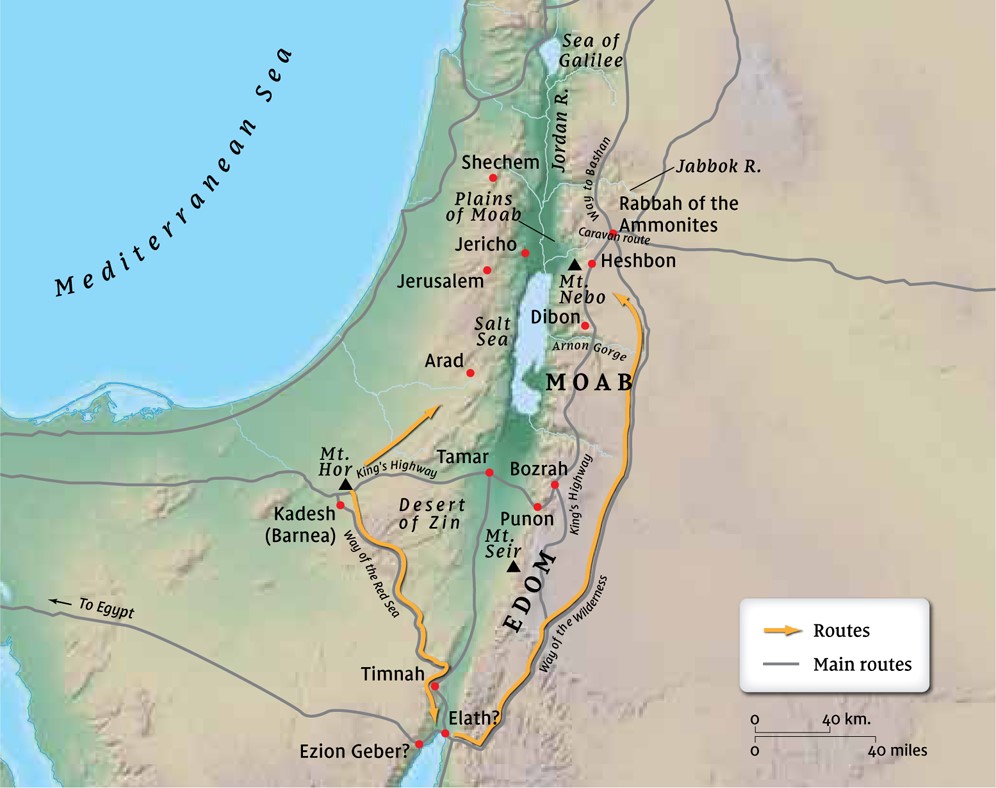
No Odds Too Great For God

To the choirmaster: according to The Sheminith. A Psalm of David.

1 Save, O Lord, for the godly one is gone;
    for the faithful have vanished from among the children of man.
Everyone utters lies to his neighbor;
    with flattering lips and a double heart they speak.

May the Lord cut off all flattering lips,
    the tongue that makes great boasts,
those who say, “With our tongue we will prevail,
    our lips are with us; who is master over us?”

“Because the poor are plundered, because the needy groan,
    I will now arise,” says the Lord;
    “I will place him in the safety for which he longs.”
The words of the Lord are pure words,
    like silver refined in a furnace on the ground,
    purified seven times.

You, O Lord, will keep them;
    you will guard us from this generation forever.
On every side the wicked prowl,
    as vileness is exalted among the children of man. Psalm 12:1-8 ESV

David opens this Psalm using obviously hyperbolic language. He asserts that “the godly are fast disappearing” and “he faithful have vanished from the earth!” (Psalm 12:1 NLT). In an attempt to paint the worst possible case, David portrays the plight of the godly as running on fumes. Under the relentless assault of the wicked, the righteous are quickly becoming extinct. They are going the way of the dinosaurs. 

Whatever situation caused David to pen these words, he was far from optimistic about the future of the faithful. Even among the godly, he noticed a downward trend in their treatment of one another.

Neighbors lie to each other,
    speaking with flattering lips and deceitful hearts. – Psalm 12:2 NLT

Wickedness was contagious and the pressure to conform to society’s moral standards was relentless. He sensed a slow but steady decline in the spiritual well-being of the nation of Israel. Over the years, the reality of living in a fallen world surrounded by godless enemies had taken a toll on the chosen people of God. The relativistic lifestyles of these pagan nations had influenced the behavior of the Israelites, just as God had said it would.

Long before the Israelites crossed the Jordan River and began their conquest of the land of Canaan, Moses had warned them about the dangers of assimilating the ways of the wicked.

“When the LORD your God brings you into the land you are about to enter and occupy, he will clear away many nations ahead of you: the Hittites, Girgashites, Amorites, Canaanites, Perizzites, Hivites, and Jebusites. These seven nations are greater and more numerous than you. When the LORD your God hands these nations over to you and you conquer them, you must completely destroy them. Make no treaties with them and show them no mercy. You must not intermarry with them. Do not let your daughters and sons marry their sons and daughters, for they will lead your children away from me to worship other gods. Then the anger of the LORD will burn against you, and he will quickly destroy you. This is what you must do. You must break down their pagan altars and shatter their sacred pillars. Cut down their Asherah poles and burn their idols. For you are a holy people, who belong to the LORD your God. Of all the people on earth, the Lord your God has chosen you to be his own special treasure. – Deuteronomy 7:1-6 NLT

Now, centuries later, David witnessed the consequences of their failure to heed God’s warning. Joshua and the people of Israel had successfully conquered Canaan but had refused to purge the land of its pagan occupants. The Book of Judges opens with a less-than-flattering assessment of Israel’s efforts to eliminate the competition.

The tribe of Manasseh failed to drive out the people living in Beth-shan, Taanach, Dor, Ibleam, Megiddo, and all their surrounding settlements, because the Canaanites were determined to stay in that region. When the Israelites grew stronger, they forced the Canaanites to work as slaves, but they never did drive them completely out of the land. – Judges 1:27-28 NLT

The tribe of Zebulun failed to drive out the residents of Kitron and Nahalol, so the Canaanites continued to live among them. – Judges 1:30 NLT

the people of Asher moved in among the Canaanites, who controlled the land, for they failed to drive them out. Judges 1:32 NLT

This failure to comply with God’s commands was a nationwide problem. Virtually every tribe of Israel refused to carry out God’s instructions and chose to compromise with the Canaanites instead. Their disobedience did not go unnoticed by God.

“For your part, you were not to make any covenants with the people living in this land; instead, you were to destroy their altars. But you disobeyed my command. Why did you do this? So now I declare that I will no longer drive out the people living in your land. They will be thorns in your sides, and their gods will be a constant temptation to you.” – Judges 2:2-3 NLT

David was witnessing the fruits of Israel’s failure to comply. Over time, the persistent presence of these godless nations had worn down the resolve of God’s people. Like the proverbial frog being boiled alive in a pot, the Israelites had not noticed the danger, and now it was too late. David seemed to believe that the righteous were already in the minority and quickly losing the battle with the wicked. He sensed among his people a growing disregard for God’s ways. Any fear of God they may have had was being replaced by a prideful and arrogant sense of autonomy.

“We will lie to our hearts’ content.
    Our lips are our own—who can stop us?” – Psalm 12:4 NLT

David felt abandoned and alone. Looking around, he saw just a handful of faithful God-followers willing to hold their ground against the enemy’s relentless onslaught. His words echo those of the prophet Elijah, when he felt that he was the last man standing in Israel.

“I have zealously served the LORD God Almighty. But the people of Israel have broken their covenant with you, torn down your altars, and killed every one of your prophets. I am the only one left, and now they are trying to kill me, too.” – 1 Kings 19:10 NLT

When living in a fallen world, it is easy to feel lost and alone. The people of God have always been in the minority and that can create a sense of isolation that leads to despair. Elijah had experienced a rousing victory over the prophets of Baal, but found himself running from the wrath of Queen Jezebel, who had issued a warrant for his death. Gripped by fear and loneliness, the prophet declared his plight to God.

“I have zealously served the LORD God Almighty. But the people of Israel have broken their covenant with you, torn down your altars, and killed every one of your prophets. I am the only one left, and now they are trying to kill me, too.” – 1 Kings 19:14 NLT

But God assured Elijah that things were not as bad as they seemed. He was not alone. In fact, God revealed that He would raise up an army of faithful men to stand alongside the beleaguered prophet.

“I will preserve 7,000 others in Israel who have never bowed down to Baal or kissed him!” – 1 Kings 19: 18 NLT

This is the message of Psalm 12. Despite his dark assessment of the situation, David knew God was in control and could turn the tables. He knew that Yahweh was well aware of the current conditions in Israel and had a plan to remedy the situation.

It would appear that David received a message from the Lord. No explanation is provided for how this oracle from God was communicated, but its content is clear and concise.

“I have seen violence done to the helpless,
    and I have heard the groans of the poor.
Now I will rise up to rescue them,
    as they have longed for me to do.” – Psalm 12:5 NLT

Whether David received this news in a vision or from a prophet of God, he knew it was reliable and trustworthy. He had no doubt that God would keep His word because, “The LORD’s promises are pure, like silver refined in a furnace, purified seven times over” (Psalm 12:8 NLT). God wasn’t concerned about the odds or the shrinking numbers of the faithful. He had always worked with a remnant. God didn’t need a mighty army to rack up victories over the enemy. His power wasn’t dependent upon man’s resources — either physical or spiritual. 

Years later, King Jehoshaphat of Judah received a disturbing message.

“A vast army from Edom is marching against you from beyond the Dead Sea. – 2 Chronicles 20:2 NLT

A coalition of Ammonite and Moabite forces was headed his way, and “Jehoshaphat was terrified by this news and begged the Lord for guidance” (2 Chronicles 20:3 NLT). The message he received was unmistakable.

“Listen, all you people of Judah and Jerusalem! Listen, King Jehoshaphat! This is what the Lord says: Do not be afraid! Don’t be discouraged by this mighty army, for the battle is not yours, but God’s. – 2 Chronicles 20:15 NLT

This was the same message Moses delivered to the people of Israel as they stood on the banks of the Red Sea with the army of Pharaoh barrelling toward them.

“Don’t be afraid. Just stand still and watch the LORD rescue you today. The Egyptians you see today will never be seen again. The LORD himself will fight for you. Just stay calm.” – Exodus 14:13-14 NLT

It was the same message Moses gave to the people of Israel as they prepared to enter the promised land for the first time.

“When you go out to fight your enemies and you face horses and chariots and an army greater than your own, do not be afraid. The Lord your God, who brought you out of the land of Egypt, is with you! When you prepare for battle, the priest must come forward to speak to the troops. He will say to them, ‘Listen to me, all you men of Israel! Do not be afraid as you go out to fight your enemies today! Do not lose heart or panic or tremble before them. For the Lord your God is going with you! He will fight for you against your enemies, and he will give you victory! – Deuteronomy 20:1-4 NLT

David was familiar with these stories but, more importantly, he had experienced the reality of God’s deliverance in his own life. That is why he could write, “LORD, we know you will protect the oppressed, preserving them forever from this lying generation,
even though the wicked strut about, and evil is praised throughout the land” (Psalm 12:7-8 NLT).

Despite the disturbing trend toward apostasy and spiritual apathy, David knew he could trust God to rescue the helpless. No battle was too great for God, and no enemy could stand toe-to-toe with the Almighty. When David looked around him, he quickly became distraught and disheartened. But when he looked up, he remembered that God was on His throne and in complete control at all times. This is what allowed David to later write:

Now I know that the Lord saves his anointed;
    he will answer him from his holy heaven
    with the saving might of his right hand.
Some trust in chariots and some in horses,
    but we trust in the name of the Lord our God.
They collapse and fall,
    but we rise and stand upright. – Psalm 20:6-8 NLT

Father, it’s so easy to allow our circumstances to weaken our faith. Like David, we sometimes feel isolated and alone, like we are the last saint standing. But with You on our side, we are never alone. The odds are never in the enemy’s favor. The victory is never in question. The number of the faithful has nothing to do with the outcome of the battle. You are our hope. You are the Jehovah-Sabaoth, the LORD of Hosts, the Commander of Armies. The battle is yours and the victory is ours. Help me to never forget that reality. Amen

English Standard Version (ESV) The Holy Bible, English Standard Version. ESV® Permanent Text Edition® (2016). Copyright © 2001 by Crossway Bibles, a publishing ministry of Good News Publishers.

New Living Translation (NLT) Holy Bible, New Living Translation, copyright © 1996, 2004, 2015 by Tyndale House Foundation. Used by permission of Tyndale House Publishers Inc., Carol Stream, Illinois 60188. All rights reserved.

The Battle is the Lord’s

When the Philistines heard that David had been anointed king over all Israel, all the Philistines went up to search for David. But David heard of it and went out against them. Now the Philistines had come and made a raid in the Valley of Rephaim. 10 And David inquired of God, “Shall I go up against the Philistines? Will you give them into my hand?” And the Lord said to him, “Go up, and I will give them into your hand.” 11 And he went up to Baal-perazim, and David struck them down there. And David said, “God has broken through my enemies by my hand, like a bursting flood.” Therefore the name of that place is called Baal-perazim. 12 And they left their gods there, and David gave command, and they were burned.

13 And the Philistines yet again made a raid in the valley. 14 And when David again inquired of God, God said to him, “You shall not go up after them; go around and come against them opposite the balsam trees. 15 And when you hear the sound of marching in the tops of the balsam trees, then go out to battle, for God has gone out before you to strike down the army of the Philistines.” 16 And David did as God commanded him, and they struck down the Philistine army from Gibeon to Gezer. 17 And the fame of David went out into all lands, and the Lord brought the fear of him upon all nations. – 1 Chronicles 14:8-17 ESV

Upon hearing word that David had been crowned king of Israel, the Philistines determined to attack him before he could establish his reign and gather strength. During the seven-year span that David ruled over the single tribe of Judah, the Philistines viewed him as no threat. But now that David was king over all 12 tribes of Israel, the Philistines determined to finish what Saul began but failed to finish; they set out to end David’s reign before it could get started.

No timeline is given for this event, but it would appear that the Philistines acted quickly so they could attack David while his new kingdom was in its infancy. At this point in time, Israel was still a loose collective of 12 tribes that operated independently of one another. David had not had time to set up a standing army and had only recently taken possession of Jerusalem from the Jebusites. While David had plans to make Jerusalem his new capital, he had not yet had time to fortify the city.

So, as the Philistine forces gathered in the Valley of Rephaim just west of Jerusalem, David and his men made their way to their stronghold in the land of Judah. We’re not told where this stronghold was but it could have been in the vicinity of the cave of Adullam near Hebron. Some scholars believe David remained in Jerusalem, which is referred to as “the stronghold of Zion” in 1 Chronicles 11:5. While David would eventually make Jerusalem his permanent capital, it is unlikely that it was ready to stand a long and drawn-out siege by the Philistines.

It seems more logical and strategic that David returned to his original stronghold in the wilderness. It would have made sense for him to return to familiar ground and draw the Philistines away from Jerusalem. The Valley of Rephaim was southwest of Jerusalem and closer to Hebron and the border between Israel and the Philistines. But regardless of where David’s stronghold was located, the more pressing matter was his reaction to the Philistine threat. His long-awaited reign over the 12 tribes of Israel had just begun and he was already facing his first test.

The Philistines were a formidable foe and were not to be taken lightly. David was well acquainted with their ways, not only from his previous battles against them but because of the years he and his men had spent living among them. David knew he was in for a fight and was ready to engage the enemy but before a single arrow was shot or a spear was thrown, David sought the counsel of God.

He wanted to know two things: Should he do battle with the Philistines and, if he did, would be successful. David could have easily assumed that war with the Philistines was inevitable and simply marched into battle without seeking any word from God. He could have rationalized that, as the king, doing battle with the enemies of Israel was his duty; it came with the job description. But instead of acting rashly or presumptuously,  David turned to God. He wanted God’s blessing and approval. But more than anything, He wanted God’s help.

David was taking nothing for granted. He knew his ascension to the throne of Israel had been God’s doing, but he had no assurances that a victory over the Philistines was part of the plan. He could have acted presumptuously and assumed that, as king, he had the right to act on God’s behalf without seeking God’s permission. But David was unwilling to take that risk.

This was not a new perspective for David. He had a long-held confidence in the Lord’s ability to provide victory in battle. As a young shepherd boy, David had his very first encounter with the Philistines and declared with confidence that God would give over Goliath, the Philistine champion.

“This day the Lord will deliver you into my hand, and I will strike you down and cut off your head. And I will give the dead bodies of the host of the Philistines this day to the birds of the air and to the wild beasts of the earth, that all the earth may know that there is a God in Israel, and that all this assembly may know that the Lord saves not with sword and spear. For the battle is the Lord‘s, and he will give you into our hand. – 1 Samuel 17:47-47 ESV

It was David who later expressed in one of his psalms his firm confidence in the Lord.

Now I know that the Lord saves his anointed;
    he will answer him from his holy heaven
    with the saving might of his right hand.
Some trust in chariots and some in horses,
    but we trust in the name of the Lord our God. – Psalm 20:6-7 ESV

In the chronicles account, God answers David’s request in the affirmative, providing David with permission to engage the enemy and a guarantee of success. With God’s blessing, David took the battle to the Philistines and won his first major victory as the king of Israel. Having routed the enemy and captured their abandoned idols, David could have reveled in his success but, instead, he gave all the credit to God. He named the place of battle Baal-perazim, which literally means, “the Lord of breaking through.” David explains the meaning of the name when he says, “The Lord has broken through my enemies before me like a breaking flood” (2 Samuel 5:20 ESV).

David could sense God’s role in the victory because it had been so quick and decisive. The God of Israel had not only defeated the Philistine army but had proven His superiority over their false gods. In the aftermath of the battle, David and his men found the discarded idols littering the battlefield. The Philistines’ gods had been worthless because they were lifeless. So, David and his men gathered them up and burned them (1 Chronicles 14:12).

But while the Philistines lost the battle, they refused to give up the war. They regrouped and regathered in the Valley of Rephaim and when David was informed, he sought the counsel of God again. He was unwilling to assume that God’s first directive was still in effect, and his decision to seek God’s will a second time proved to be timely and well worth the effort. This time, God gave David different instructions.

“You shall not go up; go around to their rear, and come against them opposite the balsam trees. And when you hear the sound of marching in the tops of the balsam trees, then rouse yourself, for then the Lord has gone out before you to strike down the army of the Philistines.” – 2 Samuel 5:23-24 ESV

As a well-seasoned commander, David could have viewed this plan with incredulity. He could have questioned God’s wisdom and debated the benefits of such a strategy. After all, God’s plan sounds a bit strange. What did God mean by “the sound of marching of the tops of the balsam tree?” What kind of sign was that? How would David know when to attack? What if the plan failed?

But David never raised those questions. He didn’t balk or bicker with God, instead, he simply obeyed and, once again, he handily defeated the Philistines.

So David did what the Lord commanded, and he struck down the Philistines all the way from Gibeon to Gezer. – 2 Samuel 5:25 NLT

These two victories were God’s doing. Yes, David and his men had to fight, but it was God who gave them success. David’s naming of the first battleground, “the Lord of breaking through” provides us with insight into his perception of the events of that day. It had been God who had broken through his enemies like a flood. David didn’t boast in the actions of his “mighty men of valor” or attempt to take personal credit for the victory. He gave God the glory, and this pattern would continue throughout David’s life. He would experience other victories just like this one, and with each win over his enemies, his faith and confidence in God increased. His dependence upon God for aid in his battles is reflected in his psalms.

God’s way is perfect.
    All the Lord’s promises prove true.
    He is a shield for all who look to him for protection.
For who is God except the Lord?
    Who but our God is a solid rock?
God arms me with strength,
    and he makes my way perfect.
He makes me as surefooted as a deer,
    enabling me to stand on mountain heights.
He trains my hands for battle;
    he strengthens my arm to draw a bronze bow.
You have given me your shield of victory.
    Your right hand supports me;
    your help has made me great. – Psalm 18:30-35 NLT

Praise the Lord, who is my rock.
    He trains my hands for war
    and gives my fingers skill for battle.
He is my loving ally and my fortress,
    my tower of safety, my rescuer.
He is my shield, and I take refuge in him.
    He makes the nations submit to me. – Psalm 144:1-2 NLT

David’s breakthroughs were God’s doing and his victories were the direct results of his reliance upon God. But God didn’t win the battles without David; He won them by using David as His preferred agent, His divinely chosen instrument to accomplish His will.

In the same way, God has chosen us as believers in Jesus Christ to act as His agents of change and His spiritual army to bring about His victories on this earth. As Paul reminds us, we are not fighting against flesh and blood.

Be strong in the Lord and in his mighty power. Put on all of God’s armor so that you will be able to stand firm against all strategies of the devil. For we are not fighting against flesh-and-blood enemies, but against evil rulers and authorities of the unseen world, against mighty powers in this dark world, and against evil spirits in the heavenly places.

Therefore, put on every piece of God’s armor so you will be able to resist the enemy in the time of evil. Then after the battle you will still be standing firm. – Ephesians 6:10-13 NLT

God has provided us with spiritual armor and equipped us with spiritual power in the form of the Holy Spirit. He has assured us of victory over our enemy but we must fight and do so according to His terms while utilizing His strategies. We must seek God’s will in the battles we face.

As Paul reminds us, we must “pray in the Spirit at all times and on every occasion. Stay alert and be persistent in your prayers for all believers everywhere” (Ephesians 6:18 NLT). David was victorious because He sought the will of God. He won because God gave him a breakthrough against his enemy. The same thing can be true for us, as long as we turn to God, rely upon Him, and do what He commands us to do.

Attempting to do battle for God, but without permission from God is doomed to failure, no matter how well-intentioned we might be. Fighting the enemies of God in our own strength and according to our own terms will end in loss and disappointment every time.

Centuries later, another king found himself facing a formidable foe on the battlefield. The odds were against him and the outcome seemed certain. But despite the dire circumstances, King Jehoshaphat received a message that would contradict his worst assumptions and guarantee an unexpected outcome.

“Listen, all you people of Judah and Jerusalem! Listen, King Jehoshaphat! This is what the Lord says: Do not be afraid! Don’t be discouraged by this mighty army, for the battle is not yours, but God’s. Tomorrow, march out against them. You will find them coming up through the ascent of Ziz at the end of the valley that opens into the wilderness of Jeruel. But you will not even need to fight. Take your positions; then stand still and watch the Lord’s victory. He is with you, O people of Judah and Jerusalem. Do not be afraid or discouraged. Go out against them tomorrow, for the Lord is with you!” – 2 Chronicles 20:15-17 NLT

And all these lessons from history were meant to encourage the returned exiles as they faced the formidable task of rebuilding and repopulating Judah.

English Standard Version (ESV)
The Holy Bible, English Standard Version. ESV® Permanent Text Edition® (2016). Copyright © 2001 by Crossway Bibles, a publishing ministry of Good News Publishers.

New Living Translation (NLT)
Holy Bible, New Living Translation, copyright © 1996, 2004, 2015 by Tyndale House Foundation. Used by permission of Tyndale House Publishers Inc., Carol Stream, Illinois 60188. All rights reserved.

The Mighty Men of David

These are the names of the mighty men whom David had: Josheb-basshebeth a Tahchemonite; he was chief of the three. He wielded his spear against eight hundred whom he killed at one time.

And next to him among the three mighty men was Eleazar the son of Dodo, son of Ahohi. He was with David when they defied the Philistines who were gathered there for battle, and the men of Israel withdrew. 10 He rose and struck down the Philistines until his hand was weary, and his hand clung to the sword. And the Lord brought about a great victory that day, and the men returned after him only to strip the slain.

11 And next to him was Shammah, the son of Agee the Hararite. The Philistines gathered together at Lehi, where there was a plot of ground full of lentils, and the men fled from the Philistines. 12 But he took his stand in the midst of the plot and defended it and struck down the Philistines, and the Lord worked a great victory.

13 And three of the thirty chief men went down and came about harvest time to David at the cave of Adullam, when a band of Philistines was encamped in the Valley of Rephaim. 14 David was then in the stronghold, and the garrison of the Philistines was then at Bethlehem. 15 And David said longingly, “Oh, that someone would give me water to drink from the well of Bethlehem that is by the gate!” 16 Then the three mighty men broke through the camp of the Philistines and drew water out of the well of Bethlehem that was by the gate and carried and brought it to David. But he would not drink of it. He poured it out to the Lord 17 and said, “Far be it from me, O Lord, that I should do this. Shall I drink the blood of the men who went at the risk of their lives?” Therefore he would not drink it. These things the three mighty men did.

18 Now Abishai, the brother of Joab, the son of Zeruiah, was chief of the thirty. And he wielded his spear against three hundred men and killed them and won a name beside the three. 19 He was the most renowned of the thirty and became their commander, but he did not attain to the three.

20 And Benaiah the son of Jehoiada was a valiant man of Kabzeel, a doer of great deeds. He struck down two ariels of Moab. He also went down and struck down a lion in a pit on a day when snow had fallen. 21 And he struck down an Egyptian, a handsome man. The Egyptian had a spear in his hand, but Benaiah went down to him with a staff and snatched the spear out of the Egyptian’s hand and killed him with his own spear. 22 These things did Benaiah the son of Jehoiada, and won a name beside the three mighty men. 23 He was renowned among the thirty, but he did not attain to the three. And David set him over his bodyguard. 2 Samuel 23:8-23 ESV

When reading about David’s storied life, it is easy to picture him as this lonely, isolated figure who always has to do everything by himself. The early years of his life, after his anointing by Samuel, were spent in seeming isolation, running and hiding from Saul. He had to leave behind his wife Michal, his best friend Jonathan, and his spiritual mentor, Samuel. Even during his reign, David appears to have suffered the curse of loneliness that comes with leadership. He was the sole individual responsible for the care of his kingdom and the well-being of his people. He alone had been anointed by God to shepherd the people of Israel. It could not have been easy to face the daily pressure of fulfilling God’s divine expectations. When it came to the spiritual and physical well-being of the nation, the buck stopped with David. As king, he had the unenviable and sometimes lonely responsibility of answering to God. It was to David alone that God said, “You will shepherd My people Israel, and you will be ruler over them” (2 Samuel 5:2 BSB).

But while God held David accountable, He never left David alone or without help. This chapter reveals that God had also provided David with companions and compatriots to walk beside him and assist him all along the way. Here in chapter 23, we are introduced to thirty individuals whom the author refers to as David’s mighty men. This list of obscure and difficult-to-pronounce names is intended to illustrate how God surrounded His servant with a network of faithful and fearless men who stood by David through thick and thin. Not only did David enjoy the presence and protection of God Almighty, but he could on the unwavering support of his band of mighty men who loved him and would give their lives in support of him.

But who were these men and how did they come to serve as David’s personal fighting force? It has always been my strong belief that this list contains the names of the very same men who showed up at the cave of Adullam when David had been forced to flee for his life from the wrath of King Saul. We are told about these individuals in 1 Samuel 22.

David left Gath and escaped to the cave of Adullam. Soon his brothers and all his other relatives joined him there. Then others began coming—men who were in trouble or in debt or who were just discontented—until David was the captain of about 400 men. – 1 Samuel 22:1-2 NLT

In one of the darkest moments of David’s life, he found himself surrounded by a band of malcontents, misfits, and money-strapped losers.  They certainly don’t fit the description of “mighty men” and, to make matters worse, there were 400 of them who showed up on David’s doorstep. David was running for his life but now he had the responsibility of caring and providing for his own family and a host of hapless and hopeless discontented outcasts. Not exactly what most of us would consider a great core group with which to start an army.

But that’s what David had to work with. Yet, over time, some of these men would be transformed and become assets rather than liabilities. Something would take these troublemakers, debtors, and malcontents and turn them into the mighty men of David. But what was it? What was the source of their remarkable transformation? Simply put, it was God. But it was also the trials and tribulations they were forced to endure as they walked alongside David all those years. They had lived in the caves beside David. They had fought the enemies of Israel alongside David. They had endured hardships and the loneliness of living on the run with David. And when God fulfilled His promise and made David the king of Israel, these men were by David’s side to serve alongside him. They were there when David was forced to evacuate Jerusalem when his son, Absalom, turned the people of Israel against him and took his throne.

Through the ups and downs of David’s life, these men stood beside by his side. They performed mighty deeds on his behalf. But this passage makes it clear that the source of their success was not their own sense of dedication and personal prowess, it was God. Sprinkled throughout this chronicle of their mighty deeds is a not-so-subtle key to the secret to their success.

And the Lord brought about a great victory that day – 2 Samuel 23:10 ESV

and the Lord worked a great victory. – 2 Samuel 23:12 ESV

The list of their exploits is impressive and their accomplishments should not be ignored. But we have to ask ourselves, why are they here? What was the author’s purpose for placing this list of mighty men and their impressive accomplishments at the end of his chronicle of David’s life? If you recall, these closing chapters of 2 Samuel form a kind of appendix to the book. They are a wrap-up or summation of David’s life. The content of these chapters is not arranged in chronological order. These are handpicked scenes that are intended to provide insights into some important details regarding David’s life.

This list of mighty men lets us know that David had help along the way. He was never alone because God had provided him with companions – faithful men who served him with distinction, displaying the characteristics of bravery, self-sacrifice, dedication, and unwavering loyalty. Rather than being impressed with their deeds, we should be blown away by their faithfulness to David. Virtually every one of their accomplishments was done on behalf of David, not for their own glory.

Of the 30 men mentioned, only a handful have the distinction of having their names listed. There is Josheb-basshebeth, Eleazar, and Shammah, the three men who served as commanders over the 30. It seems that these three were the ones who risked their lives to fulfill David’s wish to drink water from the well in Bethlehem. When they returned from their suicide mission and presented the water to David, he poured it out as a sacrifice to God, unwilling to enjoy the refreshment it would have brought. He viewed their selfless display of bravery and kindness as a sacrifice worthy only to God.

“This water is as precious as the blood of these men who risked their lives to bring it to me.” – 2 Samuel 23:17 NLT

The text says that Josheb-Basshebeth killed 800 men with his spear in one battle. Eleazar “struck down the Philistines until his hand was weary, and his hand clung to the sword” (2 Samuel 23:10 ESV). Shammah “took his stand in the midst of the plot and defended it and struck down the Philistines” (2 Samuel 23:12 ESV). Impressive? No doubt about it. But it was God who gave these men their victories. They served David, but in the end, they were instruments of God. He is the one who had placed them in David’s life and equipped them to serve the king.

While great leaders tend to get all the glory, they never operate in a vacuum. Those who attain glory and significance rarely do so alone. They are always surrounded by lesser-known men and women who serve selflessly and faithfully in relative obscurity and anonymity. The exploits of these men are not intended to impress. They serve to remind us that God is always at work in and around our lives, using others to accomplish His will. David had his mighty men but we each have our faithful friends; those who stand beside us and fight alongside us during the difficult days of our lives. How will we know who they are? They will show up in the darkest moments of our lives. They will be the ones who cry with us, rejoice with us, rescue us, pray for us, and refuse to abandon us, even when things get tough.

But before you start trying to determine who the mighty men or women in your life are, why not spend time asking whether you are performing the very same role in someone else’s life. Are you a faithful, dedicated, and loyal friend whom God is using in the life of another? Are you present when tragedy strikes someone else’s life? Are you willing to risk life and limb for the sake of another? Will you wield the spiritual sword on behalf of a needy friend, until your strength is gone?

We all need more mighty men and women in our lives; those who are willing to give their all on behalf of someone other than themselves. But mighty deeds are never self-produced; they are the byproduct of the indwelling Spirit of God. The Lord alone transforms malcontents, misfits, and miscreants into mighty men and women of valor. Even David himself recognized that his greatest accomplishments were the work of God Almighty and not himself.

Praise the Lord, who is my rock.
    He trains my hands for war
    and gives my fingers skill for battle.
He is my loving ally and my fortress,
    my tower of safety, my rescuer.
He is my shield, and I take refuge in him.
    He makes the nations submit to me. – Psalm 144:1-2 NLT

English Standard Version (ESV) The Holy Bible, English Standard Version. ESV® Permanent Text Edition® (2016). Copyright © 2001 by Crossway Bibles, a publishing ministry of Good News Publishers.

New Living Translation (NLT) Holy Bible, New Living Translation, copyright © 1996, 2004, 2015 by Tyndale House Foundation. Used by permission of Tyndale House Publishers Inc., Carol Stream, Illinois 60188. All rights reserved.

The Battle Is Not Yours

17 When the Philistines heard that David had been anointed king over Israel, all the Philistines went up to search for David. But David heard of it and went down to the stronghold. 18 Now the Philistines had come and spread out in the Valley of Rephaim. 19 And David inquired of the Lord, “Shall I go up against the Philistines? Will you give them into my hand?” And the Lord said to David, “Go up, for I will certainly give the Philistines into your hand.” 20 And David came to Baal-perazim, and David defeated them there. And he said, “The Lord has broken through my enemies before me like a breaking flood.” Therefore the name of that place is called Baal-perazim. 21 And the Philistines left their idols there, and David and his men carried them away.

22 And the Philistines came up yet again and spread out in the Valley of Rephaim. 23 And when David inquired of the Lord, he said, “You shall not go up; go around to their rear, and come against them opposite the balsam trees. 24 And when you hear the sound of marching in the tops of the balsam trees, then rouse yourself, for then the Lord has gone out before you to strike down the army of the Philistines.” 25 And David did as the Lord commanded him, and struck down the Philistines from Geba to Gezer. – 2 Samuel 5:17-25 ESV

Upon hearing word that David had been crowned king of Israel, the Philistines determined to attack him before he could establish his reign and gather strength. During the seven-year span that David ruled over the single tribe of Judah, the Philistines viewed him as no threat. But now that David was king over all 12 tribes of Israel, the Philistines determined to finish what Saul began but failed to finish; they set out to end David’s reign before it could get started.

No timeline is given for this event, but it would appear that the Philistines acted quickly so they could attack David while his new kingdom was in disarray. At this point in time, Israel was still a loose collective of 12 tribes that operated independently of one another. David had not had time to set up a standing army and, according to 2 Samuel 5:6-10, he had only recently taken possession of Jerusalem from the Jebusites. While it seems that David had plans to make Jerusalem his new capital, there had been no time to fortify the city.

So, as the Philistine forces gathered in the Valley of Rephaim just west of Jerusalem, David and his men made their way to their stronghold in the land of Judah. We’re not told where this stronghold was but it could have been in the vicinity of the cave of Adullam near Hebron. Some scholars believe David remained in Jerusalem, which is referred to as “the stronghold of Zion” in verse 7. While David would eventually make Jerusalem his permanent capital, it is unlikely that it was ready to stand a long and drawn-out siege by the Philistines.

It seems more logical and strategic that David returned to his original stronghold in the wilderness. It would have made sense for him to return to familiar ground and draw the Philistines away from Jerusalem and the other tribes of Israel. The Valley of Rephaim was southwest of Jerusalem and closer to Hebron and the border between Israel and the Philistines. But regardless of where David’s stronghold was located, the more pressing matter was his reaction to the Philistine threat. His long-awaited reign over the 12 tribes of Israel had just begun and he was already facing his first test.

The Philistines were a formidable foe and were not to be taken lightly. David was well acquainted with their ways, not only from his previous battles against them but because of the years he and his men had spent living among them. David knew he was in for a fight and was ready to engage the enemy but before a single arrow was shot or a spear was thrown, David sought the counsel of God.

He wanted to know two things: Should he fight with the Philistines and, if he did, whether or not he would be successful. David could have easily assumed that war with the Philistines was inevitable and simply marched into battle without seeking any word from God. He could have rationalized that, as the king, doing battle with the enemies of Israel was his duty; it came with the job description. But instead of acting rashly or presumptuously,  David turned to God. He wanted God’s blessing and approval. But more than anything, He wanted God’s help.

David wasn’t taking anything for granted. He knew his ascension to the throne of all Israel had been God’s doing, but he had no assurances that a victory over the Philistines was part of the plan. He could have acted presumptuously and assumed that, as king, he had the right to act on God’s behalf without seeking God’s permission. But David was unwilling to take that risk and sought God’s will in the matter.

God answered in the affirmative, providing David with permission to engage the enemy and a guarantee of success. With God’s blessing, David took the battle to the Philistines and won the first major victory as the King of Israel. Having routed the enemy and captured their abandoned idols, David could have reveled in his success but, instead, he gave all the credit to God. He named the place where the battle took place Baal-perazim, which literally means, “the Lord of breaking through.” David explains the meaning of the name when he says, “The Lord has broken through my enemies before me like a breaking flood” (2 Samuel 5:20 ESV).

David could sense God’s role in the victory because it had been so quick and decisive. The God of Israel had not only defeated the Philistine army but had proven His superiority over their false gods. In the aftermath of the battle, David and his men found the discarded idols littering the battlefield. The Philistines’ gods had been worthless because they were lifeless. So, David and his men gathered them up and burned them (1 Chronicles 14:12).

But while the Philistines lost the battle, they were not giving up the war. They regrouped and regathered in the Valley of Rephaim and, again, David sought the counsel of God. He wasn’t taking anything for granted or making any assumptions that a second victory was assured. His decision to seek God’s will a second time proved to be timely and well worth the effort.

This time, God gave David different instructions.

“You shall not go up; go around to their rear, and come against them opposite the balsam trees. And when you hear the sound of marching in the tops of the balsam trees, then rouse yourself, for then the Lord has gone out before you to strike down the army of the Philistines.” – 2 Samuel 5:23-24 ESV

As a well-seasoned commander, David could have viewed this plan with incredulity. He could have questioned God’s wisdom and debated the benefits of such a strategy. After all, God’s plan sounded a bit strange. What did God mean by “the sound of marching of the tops of the balsam tree?” What kind of sign was that? How would David know when to attack? What if the plan failed?

But those questions never came up. David didn’t balk or bicker with God. He simply obeyed and, once again, he handily defeated the Philistines.

So David did what the Lord commanded, and he struck down the Philistines all the way from Gibeon to Gezer. – 2 Samuel 5:25 NLT

These two victories had been God’s doing. Yes, David and his men had to fight, but it was God who gave them success. David’s naming of the first battleground, “the Lord of breaking through” provides us with insight into David’s perception of the events of that day. It had been God who had broken through his enemies like a flood. David would experience other victories like this one, and with each win over his enemies, his faith and confidence in God would increase. This dependence upon God for aid in his battles is reflected in his psalms.

God’s way is perfect.
    All the Lord’s promises prove true.
    He is a shield for all who look to him for protection.
For who is God except the Lord?
    Who but our God is a solid rock?
God arms me with strength,
    and he makes my way perfect.
He makes me as surefooted as a deer,
    enabling me to stand on mountain heights.
He trains my hands for battle;
    he strengthens my arm to draw a bronze bow.
You have given me your shield of victory.
    Your right hand supports me;
    your help has made me great. – Psalm 18:30-35 NLT

Praise the Lord, who is my rock.
    He trains my hands for war
    and gives my fingers skill for battle.
He is my loving ally and my fortress,
    my tower of safety, my rescuer.
He is my shield, and I take refuge in him.
    He makes the nations submit to me. – Psalm 144:1-2 NLT

David’s breakthroughs were God’s doing. His victories were the direct results of his reliance upon God. But God didn’t win the battles without David; He won them by using David as His preferred agent, His divinely chosen instrument to accomplish His will.

In the same way, God has chosen us as believers in Jesus Christ to act as His agents of change and His spiritual army to bring about His victories on this earth. As Paul reminds us, we are not fighting against flesh and blood.

Be strong in the Lord and in his mighty power. Put on all of God’s armor so that you will be able to stand firm against all strategies of the devil. For we are not fighting against flesh-and-blood enemies, but against evil rulers and authorities of the unseen world, against mighty powers in this dark world, and against evil spirits in the heavenly places.

Therefore, put on every piece of God’s armor so you will be able to resist the enemy in the time of evil. Then after the battle you will still be standing firm. – Ephesians 6:10-13 NLT

God has provided us with spiritual armor and equipped us with spiritual power in the form of the Holy Spirit. He has assured us of victory over our enemy but we must fight according to His terms while utilizing His strategies. We must seek God’s will regarding the battles we face.

As Paul reminds us, we must “pray in the Spirit at all times and on every occasion. Stay alert and be persistent in your prayers for all believers everywhere” (Ephesians 6:18 NLT). David was victorious because He sought the will of God. He won because God gave him a breakthrough against his enemy. The same thing can be true for us, as long as we turn to God, rely upon Him, and do what He commands us to do. Attempting to do battle for God, but without permission from God is doomed to failure, no matter how well-intentioned we might be. Fighting the enemies of God in our own strength and according to our own terms will end in loss and disappointment every time.

Centuries later, another king found himself facing a formidable foe on the battlefield. The odds were against him and the outcome seemed certain. But despite the dire circumstances, King Jehoshaphat received a message that would contradict his worst assumptions and guarantee an unexpected outcome.

“Listen, all you people of Judah and Jerusalem! Listen, King Jehoshaphat! This is what the Lord says: Do not be afraid! Don’t be discouraged by this mighty army, for the battle is not yours, but God’s. Tomorrow, march out against them. You will find them coming up through the ascent of Ziz at the end of the valley that opens into the wilderness of Jeruel. But you will not even need to fight. Take your positions; then stand still and watch the Lord’s victory. He is with you, O people of Judah and Jerusalem. Do not be afraid or discouraged. Go out against them tomorrow, for the Lord is with you!” – 2 Chronicles 20:15-17 NLT

English Standard Version (ESV) The Holy Bible, English Standard Version. ESV® Permanent Text Edition® (2016). Copyright © 2001 by Crossway Bibles, a publishing ministry of Good News Publishers.

New Living Translation (NLT) Holy Bible, New Living Translation, copyright © 1996, 2004, 2015 by Tyndale House Foundation. Used by permission of Tyndale House Publishers Inc., Carol Stream, Illinois 60188. All rights reserved.

God Showed Up

41 And the Philistine moved forward and came near to David, with his shield-bearer in front of him. 42 And when the Philistine looked and saw David, he disdained him, for he was but a youth, ruddy and handsome in appearance. 43 And the Philistine said to David, “Am I a dog, that you come to me with sticks?” And the Philistine cursed David by his gods. 44 The Philistine said to David, “Come to me, and I will give your flesh to the birds of the air and to the beasts of the field.” 45 Then David said to the Philistine, “You come to me with a sword and with a spear and with a javelin, but I come to you in the name of the Lord of hosts, the God of the armies of Israel, whom you have defied. 46 This day the Lord will deliver you into my hand, and I will strike you down and cut off your head. And I will give the dead bodies of the host of the Philistines this day to the birds of the air and to the wild beasts of the earth, that all the earth may know that there is a God in Israel, 47 and that all this assembly may know that the Lord saves not with sword and spear. For the battle is the Lord‘s, and he will give you into our hand.”

48 When the Philistine arose and came and drew near to meet David, David ran quickly toward the battle line to meet the Philistine. 49 And David put his hand in his bag and took out a stone and slung it and struck the Philistine on his forehead. The stone sank into his forehead, and he fell on his face to the ground.

50 So David prevailed over the Philistine with a sling and with a stone, and struck the Philistine and killed him. There was no sword in the hand of David. – 1 Samuel 17:41-50 ESV

As usual, it would be so easy to make this passage all about David. But while he is the narrative’s central character, he is far from its central focus. Even David himself will not allow us to make him the leading man. He goes out of his way to place the attention where it rightly belongs: On God. Repeatedly, Samuel draws the reader’s attention to David’s words as he stands to face the giant, Goliath:

“I come to you in the name of the Lord of Heaven’s Armies—the God of the armies of Israel, whom you have defied.” – 1 Samuel 17:45 NLT

Today the Lord will conquer you…” – 1 Samuel 17:46a NLT

“…the whole world will know that there is a God in Israel! – 1 Samuel 17:46b NLT

“…everyone assembled here will know that the Lord rescues his people…” – 1 Samuel 17:47a NLT

This is the Lord’s battle, and he will give you to us! – 1 Samuel 17:47b NLT

Yet, the temptation exists to focus on David, his sling, and the five smooth stones. We could even spend time conjecturing why he chose five stones when only one was needed. Was this a sign of a lack of faith on David’s part? But while the details provided to us by Samuel are important, we should not allow them to overshadow what is going on in the narrative. David, the man after God’s own heart who has been anointed to be the next king of Israel, has stepped into a situation where he has found the armies of Israel in an awkward stalemate with the Philistines. They have been offered a challenge by the Philistine champion to send out a warrior to do battle with him, man to man. But Saul, who has been rejected by God as king, is gripped by fear and unwilling to do what needs to be done. He has no faith – in himself or His God. And his lack of faith in God was not a recent development. Early on in Saul’s reign, Samuel had warned the people of Israel:

“And when you saw that Nahash the king of the Ammonites came against you, you said to me, ‘No, but a king shall reign over us,’ when the Lord your God was your king. And now behold the king whom you have chosen, for whom you have asked; behold, the Lord has set a king over you. If you will fear the Lord and serve him and obey his voice and not rebel against the commandment of the Lord, and if both you and the king who reigns over you will follow the Lord your God, it will be well. But if you will not obey the voice of the Lord, but rebel against the commandment of the Lord, then the hand of the Lord will be against you and your king.” – 1 Samuel 12:12-15 ESV

Several years later, Saul found himself in a predicament. The Philistines had gathered to do battle with the Israelites – “thirty thousand chariots and six thousand horsemen and troops like the sand on the seashore in multitude” (1 Samuel 13:5 ESV). When his “crack” troops discovered the size of the Philistine force, they scattered.

When the men of Israel saw that they were in trouble (for the people were hard pressed), the people hid themselves in caves and in holes and in rocks and in tombs and in cisterns. – 1 Samuel 13:6 ESV

The soldiers who remained with Saul were petrified at the prospect of facing the Philistines, even though Saul’s son Jonathan had just defeated the Philistines in a battle.

Saul had been instructed by Samuel to go to Gilgal and to wait seven days. On the seventh day, Saul became anxious because the prophet had not shown up, so he decided to take matters into his own hands and offer a burnt offering to God. But as soon as he had done so, Samuel arrived and expressed his anger with Saul at his impetuosity and disobedience.

You have done foolishly. You have not kept the command of the Lord your God, with which he commanded you. For then the Lord would have established your kingdom over Israel forever. But now your kingdom shall not continue. The Lord has sought out a man after his own heart, and the Lord has commanded him to be prince over his people, because you have not kept what the Lord commanded you.” – 1 Samuel 13:13-14 ESV

Saul lacked faith in God. When confronted with a desperate situation, he panicked and tried to remedy the problem by attempting to do God’s will his way. Yes, he offered a sacrifice to God, but he did so more out of a sense of superstition or as a form of good luck than anything else. Like rubbing a rabbit’s foot, Saul hoped that offering a burnt offering to God would somehow obligate Him to provide victory. But notice the difference between his actions and those of David. Both encountered the same enemy and, like Saul, David was out-manned and facing a well-trained Philistine champion. But unlike Saul, David was fully confident in the face of overwhelming odds because he placed his hope on God, not himself. This wasn’t going to be his battle, it would be God’s. And the coming victory would not be his doing, it would be God’s. The Philistines were not his enemies; they stood opposed to God, and the taunts and jeers of Goliath weren’t directed at David, they were a declaration of war against David’s God. Whether he realized it or not, Goliath had defied the Lord of hosts, the God of the armies of Israel, and now he was going to have to face the consequences.

The real lesson here is that the conflict between the enemies of God and the people of God is always up to the Lord; it is His battle. Yes, we may have to get involved, but our participation is not what guarantees the victory. David’s sling and stone were used by God to defeat Goliath, but they were not the primary cause of the victory; God was. He always is.

When the people of Judah had faced the Moabites and Ammonites, God had told them:

“Do not be afraid and do not be dismayed at this great horde, for the battle is not yours but God’s. Tomorrow go down against them. Behold, they will come up by the ascent of Ziz. You will find them at the end of the valley, east of the wilderness of Jeruel. You will not need to fight in this battle. Stand firm, hold your position, and see the salvation of the Lord on your behalf, O Judah and Jerusalem. Do not be afraid and do not be dismayed. Tomorrow go out against them, and the Lord will be with you.”– 2 Chronicles 20:15-17 ESV

Years later, when the people of Judah faced the Assyrians, King Hezekiah encouraged them with these words:

“Be strong and courageous. Do not be afraid or dismayed before the king of Assyria and all the horde that is with him, for there are more with us than with him. With him is an arm of flesh, but with us is the Lord our God, to help us and to fight our battles.” – 2 Chronicles 32:7-8 ESV

David understood that this was more than just another battle. They were being confronted by the enemies of God and, as the people of God, they had an obligation to place their faith in the superiority of the Lord of Heaven’s Armies. This wasn’t about a young shepherd boy facing a well-armed and formidable adversary; this was about the God of Israel doing battle with those who would defy and dishonor His name. David had all the confidence in the world that his God could snatch victory out of the jaws of defeat with a lowly shepherd boy, a simple sling, and a few smooth stones.

Without the benefit of a sword, Saul’s armor, or years of military experience, David struck down the Philistine giant. As the Philistine and Israelite armies looked on, this young shepherd boy stepped onto the field of battle and delivered a shocking victory that no one had seen coming. As Goliath fell to the ground, jaws dropped and eyes opened in surprise. No one could believe what they had just witnessed, except David and His God. Standing over the fallen Philistine, David knew the victory had been the Lord’s.  He had been nothing more than a willing instrument in the hands of God.

This faith-filled young man had entered the fray with every confidence that his God could and would come through. He knew from experience that Jehovah was reliable, powerful, and fully capable of delivering his people from the greatest difficulties.

“The Lord who delivered me from the paw of the lion and from the paw of the bear will deliver me from the hand of this Philistine.” – 1 Samuel 17:37 ESV

God showed up. Goliath dropped dead. David prevailed. But, more importantly, the people of Israel learned a valuable lesson about the faithfulness and omnipotence of their God.

English Standard Version (ESV) The Holy Bible, English Standard Version. ESV® Permanent Text Edition® (2016). Copyright © 2001 by Crossway Bibles, a publishing ministry of Good News Publishers.

New Living Translation (NLT) Holy Bible, New Living Translation, copyright © 1996, 2004, 2015 by Tyndale House Foundation. Used by permission of Tyndale House Publishers Inc., Carol Stream, Illinois 60188. All rights reserved.

Give Credit Where Credit Is Due

25 The Lord said to Moses, 26 “Take the count of the plunder that was taken, both of man and of beast, you and Eleazar the priest and the heads of the fathers’ houses of the congregation, 27 and divide the plunder into two parts between the warriors who went out to battle and all the congregation. 28 And levy for the Lord a tribute from the men of war who went out to battle, one out of five hundred, of the people and of the oxen and of the donkeys and of the flocks. 29 Take it from their half and give it to Eleazar the priest as a contribution to the Lord. 30 And from the people of Israel’s half you shall take one drawn out of every fifty, of the people, of the oxen, of the donkeys, and of the flocks, of all the cattle, and give them to the Levites who keep guard over the tabernacle of the Lord.” 31 And Moses and Eleazar the priest did as the Lord commanded Moses.

32 Now the plunder remaining of the spoil that the army took was 675,000 sheep, 33 72,000 cattle, 34 61,000 donkeys, 35 and 32,000 persons in all, women who had not known man by lying with him. 36 And the half, the portion of those who had gone out in the army, numbered 337,500 sheep, 37 and the Lord’s tribute of sheep was 675. 38 The cattle were 36,000, of which the Lord’s tribute was 72. 39 The donkeys were 30,500, of which the Lord’s tribute was 61. 40 The persons were 16,000, of which the Lord’s tribute was 32 persons. 41 And Moses gave the tribute, which was the contribution for the Lord, to Eleazar the priest, as the Lord commanded Moses.

42 From the people of Israel’s half, which Moses separated from that of the men who had served in the army— 43 now the congregation’s half was 337,500 sheep, 44 36,000 cattle, 45 and 30,500 donkeys, 46 and 16,000 persons— 47 from the people of Israel’s half Moses took one of every 50, both of persons and of beasts, and gave them to the Levites who kept guard over the tabernacle of the Lord, as the Lord commanded Moses.

48 Then the officers who were over the thousands of the army, the commanders of thousands and the commanders of hundreds, came near to Moses 49 and said to Moses, “Your servants have counted the men of war who are under our command, and there is not a man missing from us. 50 And we have brought the Lord’s offering, what each man found, articles of gold, armlets and bracelets, signet rings, earrings, and beads, to make atonement for ourselves before the Lord.” 51 And Moses and Eleazar the priest received from them the gold, all crafted articles. 52 And all the gold of the contribution that they presented to the Lord, from the commanders of thousands and the commanders of hundreds, was 16,750 shekels. 53 (The men in the army had each taken plunder for himself.) 54 And Moses and Eleazar the priest received the gold from the commanders of thousands and of hundreds, and brought it into the tent of meeting, as a memorial for the people of Israel before the Lord.  Numbers 31:25-54 ESV

There were 12,000 Israelite soldiers chosen to go into battle against the Midianites; 1,000 men from every tribe. That is a relatively small number when compared with the 601,730 men deemed battle-worthy according to the recent census taken by Moses. This small contingent of soldiers easily defeated their enemy and brought back an abundance of plunder from their raids of the towns and villages of the Midianites. And according to the military leaders, they had not lost a single man in the process.

“We, your servants, have accounted for all the men who went out to battle under our command; not one of us is missing! – Numbers 31:49 NLT

The mission had been a rousing success, and the bounty they had taken from the Midianites was substantial. But before anyone could enjoy the riches they had plundered, everyone and everything had to be ceremonially purified.

“Anything made of gold, silver, bronze, iron, tin, or lead—that is, all metals that do not burn—must be passed through fire in order to be made ceremonially pure. These metal objects must then be further purified with the water of purification. But everything that burns must be purified by the water alone. On the seventh day you must wash your clothes and be purified. Then you may return to the camp.” – Numbers 31:22-24 NLT

Moses warned the soldiers that they must also go through a purification ritual before they could enter the camp.

“…all of you who have killed anyone or touched a dead body must stay outside the camp for seven days. You must purify yourselves and your captives on the third and seventh days. Purify all your clothing, too, and everything made of leather, goat hair, or wood.” – Numbers 31:19-20 NLT

Contact with the enemy had rendered these men ceremonially impure, so they were required to go through a period of forced isolation and cleansing, along with all those taken captive during the mission. This was the process God had established and communicated to Moses back in chapter 19.

“All those who touch a dead human body will be ceremonially unclean for seven days. They must purify themselves on the third and seventh days with the water of purification; then they will be purified. But if they do not do this on the third and seventh days, they will continue to be unclean even after the seventh day. All those who touch a dead body and do not purify themselves in the proper way defile the Lord’s Tabernacle, and they will be cut off from the community of Israel. Since the water of purification was not sprinkled on them, their defilement continues. – Numbers 19:11-13 NLT

Once the men and their captives had completed the purification process, the booty was divided. The 12,000 combatants would receive their fair share of the reward, but those who remained behind would not be left out. This pattern of equity among those who went into battle and their brothers who remained behind would become a norm for the nation of Israel.

Centuries later, after a rousing victory over the Amalekites, King David encountered a problem among his soldiers. The ones who had assisted him in the battle were angry at having to share their plunder with those who had remained behind.

“They didn’t go with us, so they can’t have any of the plunder we recovered. Give them their wives and children, and tell them to be gone.” – 1 Samuel 30:22 NLT

These men wanted all the plunder for themselves. But David denied their selfish demands, saying: “No, my brothers! Don’t be selfish with what the Lord has given us. He has kept us safe and helped us defeat the band of raiders that attacked us. Who will listen when you talk like this? We share and share alike—those who go to battle and those who guard the equipment” (1 Samuel 23-24 NLT).

God had Moses establish a similar plan that required him to make a detailed list of all the plunder taken from the Midianites. Once that was done, Moses ordered that half the plunder be divided equally between the 12,000 men who had fought in the battle, while the other half was to be shared between the rest of the Israelites. But a portion of all the plunder was to be dedicated to God. From the soldier’s share 1/500th of all that was taken was to be given to the Lord.

“…one of every 500 of the prisoners and of the cattle, donkeys, sheep, and goats…” – Numbers 31:28 NLT

This share was to be placed under the care of Eleazar, the high priest, as an offering to the Lord, and the numbers are staggering. The Israelites dedicated 675 sheep and goats to God, along with 72 cattle, and 61 donkeys. The text also states that 32 virgin girls, taken as captives, were set aside for the Lord. It is likely that these young women became servants to the Levitical priests and assisted in the maintenance of the Tabernacle. Of the plunder given to the rest of the people, 1/50th of it was given to the Levites.

Moses took one of every fifty prisoners and animals and gave them to the Levites, who maintained the Lord’s Tabernacle. All this was done as the Lord had commanded Moses. – Numbers 31:47 NLT

There was one final offering presented to Yahweh. The military leaders who oversaw the battle came before Moses with an offering of atonement. Out of gratitude for God’s protection of their men, they brought a large number of gold armbands, bracelets, rings, earrings, and necklaces that the soldiers had taken as plunder. This would have been from the portion of the booty that belonged to the 12,000 soldiers. These men willingly gave up part of their reward as an offering to God.

“…we are presenting the items of gold we captured as an offering to the Lord from our share of the plunder—armbands, bracelets, rings, earrings, and necklaces. This will purify our lives before the Lord and make us right with him.” – Numbers 31:50 NLT

In essence, this was a ransom for the lives that God had graciously spared. Not one man had died in this expedition and the generals and captains were expressing their gratitude to God for His mercy and providential care.

This entire scenario paints a picture of how things were to unfold as the Israelites entered the land of Canaan. It served as a practice run in preparation for their future conquest of the promised land. There would be many more battles ahead, and every victory they enjoyed was to be recognized as the result of God’s grace and mercy. He would be going before them and fighting alongside them, and they were never to forget to render their thanksgiving to Him for His protection and provision.

Moses would repeatedly warn the people to take their relationship with God seriously. Without Him, they were nothing. He knew they would always face the temptation to take credit for their own success; a dangerous prospect that was to be avoided at all costs.

“Beware that in your plenty you do not forget the Lord your God and disobey his commands, regulations, and decrees that I am giving you today. For when you have become full and prosperous and have built fine homes to live in, and when your flocks and herds have become very large and your silver and gold have multiplied along with everything else, be careful!” – Deuteronomy 8:11-13 NLT

With every victory would come the temptation to glory in their success and celebrate their newfound wealth. But Moses wanted to remember that faithfulness was far more important than fame or financial success.

“Remember the Lord your God. He is the one who gives you power to be successful, in order to fulfill the covenant he confirmed to your ancestors with an oath.” – Deuteronomy 8:18 NLT

The Israelites had just experienced the providential hand of God. Their success over the Midianites had been His doing, not their own, and this amazing victory without the loss of a single Israelite soldier was the proof. They had learned the invaluable lesson that faith in God results in the presence and power of God. If they would only obey, they would experience even greater victories in the days ahead. But they were also learning that every successful battle was to be followed by a willing acknowledgment of God’s role as expressed by their faithful gifts of gratitude. God was going to go before them, and with each successive victory over their enemies, they would be expected to give credit where credit is due.

English Standard Version (ESV) The Holy Bible, English Standard Version. ESV® Permanent Text Edition® (2016). Copyright © 2001

New Living Translation (NLT) Holy Bible, New Living Translation, copyright © 1996, 2004, 2015 by Tyndale House Foundation. Used by permission of Tyndale House Publishers Inc., Carol Stream, Illinois 60188. All rights reserved.

Growing Confidence

10 And the people of Israel set out and camped in Oboth. 11 And they set out from Oboth and camped at Iye-abarim, in the wilderness that is opposite Moab, toward the sunrise. 12 From there they set out and camped in the Valley of Zered. 13 From there they set out and camped on the other side of the Arnon, which is in the wilderness that extends from the border of the Amorites, for the Arnon is the border of Moab, between Moab and the Amorites. 14 Therefore it is said in the Book of the Wars of the Lord,

“Waheb in Suphah, and the valleys of the Arnon,
15 and the slope of the valleys
that extends to the seat of Ar,
and leans to the border of Moab.”

16 And from there they continued to Beer; that is the well of which the Lord said to Moses, “Gather the people together, so that I may give them water.” 17 Then Israel sang this song:

“Spring up, O well!—Sing to it!—
18 the well that the princes made,
that the nobles of the people dug,
with the scepter and with their staffs.”

And from the wilderness they went on to Mattanah, 19 and from Mattanah to Nahaliel, and from Nahaliel to Bamoth, 20 and from Bamoth to the valley lying in the region of Moab by the top of Pisgah that looks down on the desert. Numbers 21:10-20 ESV

Having been denied safe passage through the land of Edom, the Israelites had attempted to make their way through the Negev. But their efforts were hampered by the Canaanites who occupied that territory. So, they reversed their steps and headed east around the borders of Edom and on to the western borders of Moab. This would have been a long and circuitous journey that left the Israelites frustrated by their slow progress. It was an unexpected and unwelcome detour that required the people of God to extend their time in the wilderness. But there was a reason for this delay. God was waiting for the last of the rebellious generous that had refused to enter Canaan the first time to die off. In the book of Deuteronomy, Moses recalls the nearly 40-year death march the Israelites were forced to make because of their disobedience to God’s command.

“Thirty-eight years passed from the time we first left Kadesh-barnea until we finally crossed the Zered Brook! By then, all the men old enough to fight in battle had died in the wilderness, as the Lord had vowed would happen. The Lord struck them down until they had all been eliminated from the community.” – Deuteronomy 2:14-15 NLT

And as that earlier generation slowly died off, the time was growing closer when the next crop of Israelites would face the decision to obey God and enter the land of Canaan. But as they drew closer to Canaan’s border, God warned the people to give the people of Moab a wide berth.

“Do not bother the Moabites, the descendants of Lot, or start a war with them. I have given them Ar as their property, and I will not give you any of their land.” – Deuteronomy 2:9 NLT

When the very last member of the earlier generation died, the Israelites were given permission to cross the border of Moab and enter the land of Ammon,

“Today you will cross the border of Moab at Ar and enter the land of the Ammonites, the descendants of Lot. But do not bother them or start a war with them. I have given the land of Ammon to them as their property, and I will not give you any of their land.’” – Deuteronomy 2:18-19 NLT

As before, the Israelites were to refrain from taking any land from the Ammonites. These people were close relatives of the Israelites and God declared their property to be off limits. God had awarded Lot’s descendants this land and the Israelites had no claim to it.

But the day came when God ordered the Israelites to begin their conquest of the land of Canaan. The older generation was gone and, after a nearly 40-year delay, it was time for God’s people to obey His command and enter the land of promise.

“Then the Lord said, ‘Now get moving! Cross the Arnon Gorge. Look, I will hand over to you Sihon the Amorite, king of Heshbon, and I will give you his land. Attack him and begin to occupy the land. Beginning today I will make people throughout the earth terrified because of you. When they hear reports about you, they will tremble with dread and fear.’” – Deuteronomy 2:24-25 NLT

Moses attempted to negotiate a treaty with Sihon, the king of the Amorites, but he was not interested in peace talks. That’s when God informed Moses to drop the peace overtures and have the people pick up their weapons.

“Look, I have begun to hand King Sihon and his land over to you. Begin now to conquer and occupy his land.” – Deuteronomy 2:31 NLT

And the victory was overwhelming. Moses indicates that “the Lord our God handed him over to us, and we crushed him, his sons, and all his people.  We conquered all his towns and completely destroyed everyone—men, women, and children. Not a single person was spared” (Deuteronomy 2:33-34 NLT).

Moses refers to “the Book of the Wars of the Lord” (Numbers 21:14 ESV. This was a record of Israel’s victories in the form of songs. The people were just beginning to witness the overwhelming power of God on their behalf. This victory over the Amorites was to be the first of many and it was intended to promote a sense of hope and confidence among the people of God.

After their defeat of the Amorites, the Israelites continued on to Beer, where God quenched the thirst of the people with refreshing water. And the people responded in grateful song.

“Spring up, O well!
    Yes, sing its praises!
Sing of this well,
    which princes dug,
which great leaders hollowed out
    with their scepters and staffs.” – Numbers 21:17-18 NLT

Israel was experiencing a sense of renewed confidence as they witnessed firsthand the power and providence of God. He was graciously preparing them for the days ahead and helping them to understand that anything was possible when they placed their faith in Him.

But while they were getting closer to the land of Canaan, they were not quite ready to take on the challenged that lie across the border. So, God continue to prepare them for the difficult days ahead.

Their enthusiasm, while admirable, would not be enough to bring victory against the nations living in Canaan. What the Israelites really needed was increased confidence in the power of God. Ultimately, the conquest of the land would be up to Him. They were going to need to learn to trust Him implicitly. Cockiness was not an acceptable substitute for confidence in God.

English Standard Version (ESV) The Holy Bible, English Standard Version. ESV® Permanent Text Edition® (2016). Copyright © 2001

New Living Translation (NLT) Holy Bible, New Living Translation, copyright © 1996, 2004, 2015 by Tyndale House Foundation. Used by permission of Tyndale House Publishers Inc., Carol Stream, Illinois 60188. All rights reserved.

Our Great God

17 Moses and Aaron took these men who had been named, 18 and on the first day of the second month, they assembled the whole congregation together, who registered themselves by clans, by fathers’ houses, according to the number of names from twenty years old and upward, head by head, 19 as the Lord commanded Moses. So he listed them in the wilderness of Sinai.

20 The people of Reuben, Israel’s firstborn, their generations, by their clans, by their fathers’ houses, according to the number of names, head by head, every male from twenty years old and upward, all who were able to go to war: 21 those listed of the tribe of Reuben were 46,500.

22 Of the people of Simeon, their generations, by their clans, by their fathers’ houses, those of them who were listed, according to the number of names, head by head, every male from twenty years old and upward, all who were able to go to war: 23 those listed of the tribe of Simeon were 59,300.

24 Of the people of Gad, their generations, by their clans, by their fathers’ houses, according to the number of the names, from twenty years old and upward, all who were able to go to war: 25 those listed of the tribe of Gad were 45,650.

26 Of the people of Judah, their generations, by their clans, by their fathers’ houses, according to the number of names, from twenty years old and upward, every man able to go to war: 27 those listed of the tribe of Judah were 74,600.

28 Of the people of Issachar, their generations, by their clans, by their fathers’ houses, according to the number of names, from twenty years old and upward, every man able to go to war: 29 those listed of the tribe of Issachar were 54,400.

30 Of the people of Zebulun, their generations, by their clans, by their fathers’ houses, according to the number of names, from twenty years old and upward, every man able to go to war: 31 those listed of the tribe of Zebulun were 57,400.

32 Of the people of Joseph, namely, of the people of Ephraim, their generations, by their clans, by their fathers’ houses, according to the number of names, from twenty years old and upward, every man able to go to war: 33 those listed of the tribe of Ephraim were 40,500.

34 Of the people of Manasseh, their generations, by their clans, by their fathers’ houses, according to the number of names, from twenty years old and upward, every man able to go to war: 35 those listed of the tribe of Manasseh were 32,200.

36 Of the people of Benjamin, their generations, by their clans, by their fathers’ houses, according to the number of names, from twenty years old and upward, every man able to go to war: 37 those listed of the tribe of Benjamin were 35,400.

38 Of the people of Dan, their generations, by their clans, by their fathers’ houses, according to the number of names, from twenty years old and upward, every man able to go to war: 39 those listed of the tribe of Dan were 62,700.

40 Of the people of Asher, their generations, by their clans, by their fathers’ houses, according to the number of names, from twenty years old and upward, every man able to go to war: 41 those listed of the tribe of Asher were 41,500.

42 Of the people of Naphtali, their generations, by their clans, by their fathers’ houses, according to the number of names, from twenty years old and upward, every man able to go to war: 43 those listed of the tribe of Naphtali were 53,400.

44 These are those who were listed, whom Moses and Aaron listed with the help of the chiefs of Israel, twelve men, each representing his father’s house. 45 So all those listed of the people of Israel, by their fathers’ houses, from twenty years old and upward, every man able to go to war in Israel— 46 all those listed were 603,550. – Numbers 1:17-46 ESV

Twelve tribes yielded over 600,000 men of fighting age. That is a staggering number, and when you consider that it only included men who were 20-years-old and older, and does not take into account women and children, you can begin to sense the size of the Israelite community. Some scholars have estimated that, based on the size of Israel’s fighting force, the total number of Israelites could have been from one to two million. But those astounding estimates have caused concern among some scholars who question the impossibility of that many people surviving life in the unforgiving wilderness for more than 40 years. The NET Study Bible provides the following summary of their misgivings.

“There has been much discussion about the numbers in the Israelite wilderness experience. The immediate difficulty for even the casual reader is the enormous number of the population. If indeed there were 603,550 men twenty years of age and older who could fight, the total population of the exodus community counting women and children would have been well over a million, or even two million as calculated by some. This is not a figure that the Bible ever gives, but given the sizes of families the estimate would not be far off. This is a staggering number to have cross the Sea, drink from the oases, or assemble in the plain by Sinai. It is not a question of whether or not God could provide for such a number; it is rather a problem of logistics for a population of that size in that period of time. The problem is not with the text itself, but with the interpretation of the word אֶלֶף (’elef), traditionally translated “thousand.” The word certainly can be taken as “thousand,” and most often is. But in view of the problem of the large number here, some scholars have chosen one of the other meanings attested in literature for this word…” – see A. H. McNeile, Numbers, 7; J. Garstang, Joshua-Judges, 120; J. Bright, History of Israel, 144

In an attempt to come up with a more reasonable and believable number, other interpretations of the word אֶלֶף (’elef) have been utilized. And while these rather clever reinterpretations have resulted in a drastic reduction in the number of fighting men and, therefore, the total number of Israelites, they are not without their flaws. One such effort managed to reduce the total size of the Israelite army to about 18,000 men, resulting in an estimated population of 72,000 Israelites. This drastic reduction may make the total number of Israelites more acceptable and believable, but it plays fast and lose with the text.

It is clear that God commanded Moses to “take a census of all the congregation of the people of Israel, by clans, by fathers’ houses, according to the number of names, every male, head by head” (Numbers 1:2 ESV). The Hebrew word translated as “head” is actually גֻּלְגֹּלֶת (gulgōleṯ), which means “skull.” Moses had been instructed to count every skull of every man in the Israelite community.

“…the count appears to have been literal, and the totals calculated accordingly, totals which match other passages in the text. If some formula is used to reduce the thousands in this army, then there is the problem of knowing what to do when a battle has only five thousand, or three thousand men. One can only conclude that on the basis of what we know the word should be left with the translation ‘thousand,’ no matter what difficulties this might suggest to the reader.” – NET Bible Study Notes

There is no accurate way of calculating the overall size of the Israelite community based on these numbers. S,o we must be careful when throwing around numbers like one or two million. We just don’t know. But at the same time, we must refrain from questioning the integrity of the text just because we find it difficult to accept the idea of an army of 603,550 men.

While we may find these numbers difficult to comprehend, the text provides no conclusive evidence to doubt their veracity. If anything, the size of Israel’s army supports the fear that drove Pharaoh to begin persecuting the people of Israel in the first place. The book of Exodus reminds us that during their stay in Egypt the descendants of Jacob had multiplied greatly.

…the people of Israel were fruitful and increased greatly; they multiplied and grew exceedingly strong, so that the land was filled with them. – Exodus 1:7 ESV

The dramatic increase in their numbers had been significant enough to catch the attention of Pharaoh.

“Behold, the people of Israel are too many and too mighty for us. Come, let us deal shrewdly with them, lest they multiply, and, if war breaks out, they join our enemies and fight against us and escape from the land.” – Exodus 1:9-10 ESV

Exodus 13:18 states that when the Israelites left Egypt they marched out like an army arrayed for battle. They were so large that they were required to line up in regiments or groups, most likely according to the various tribes. They were a vast number of men, women, and children. They were even accompanied by non-Israelites as they made their way out of Egypt. And it’s interesting to note that the book of Exodus reports that the number of men who left Egypt was virtually the same as the number of men determined by the census.

And the people of Israel journeyed from Rameses to Succoth, about six hundred thousand men on foot, besides women and children. A mixed multitude also went up with them, and very much livestock, both flocks and herds. – Exodus 12:37-38 ESV

Unless we can find a convincing reason to dismiss the numbers that Moses recorded, it is best to accept them as proof of God’s promise to Abraham that his descendants would become a great nation (Genesis 15:5).

“I believe we should take eleph in census contexts as thousands until further investigation clearly indicates that we should interpret it differently.” – Dr. Thomas L. Constable, Notes on Numbers

During their 400 years of captivity in Egypt, God had been blessing and preparing His people for the future conquest of the land of Canaan. He had multiplied them greatly and transformed them from an army of slaves into a military force made up of freemen who were heirs to the land of promise. The numbers should stagger us. The miraculous nature of Israel’s transformation is meant to amaze us. For more than four centuries, God had protected and provided for them. He had multiplied them. And when the time was right, He had delivered them. Now, He was ready to use their vast numbers to conquer the land of Canaan. And just before his death, Moses reminded the people of Israel that their God would go before them when they entered the land.

“The Lord will cause your enemies who rise against you to be defeated before you. They shall come out against you one way and flee before you seven ways. – Deuteronomy 28:7 ESV

Their future victories would be the result of God’s greatness and glory, not the size of their army. They were not to place their confidence in the might of their military. They were to trust in the unfathomable greatness of God. The words God later spoke to the prophet Zechariah sum up the attitude the Israelites were to have regarding the results of the census.

“Not by might, nor by power, but by my Spirit, says the LORD of hosts.” – Zechariah 4:6 ESV

Whether their army numbered 60,000 or 600,000, any victory they hoped to have would come from the Lord. He was the Lord of Heavens Armies and their only hope of future success.

English Standard Version (ESV) The Holy Bible, English Standard Version. ESV® Permanent Text Edition® (2016). Copyright © 2001

New Living Translation (NLT) Holy Bible, New Living Translation, copyright © 1996, 2004, 2015 by Tyndale House Foundation. Used by permission of Tyndale House Publishers Inc., Carol Stream, Illinois 60188. All rights reserved.

The Valley of Decision

Proclaim this among the nations:
Consecrate for war;
    stir up the mighty men.
Let all the men of war draw near;
    let them come up.
10 Beat your plowshares into swords,
    and your pruning hooks into spears;
    let the weak say, “I am a warrior.”

11 Hasten and come,
    all you surrounding nations,
    and gather yourselves there.
Bring down your warriors, O Lord.
12 Let the nations stir themselves up
    and come up to the Valley of Jehoshaphat;
for there I will sit to judge
    all the surrounding nations.

13 Put in the sickle,
    for the harvest is ripe.
Go in, tread,
    for the winepress is full.
The vats overflow,
    for their evil is great.

14 Multitudes, multitudes,
    in the valley of decision!
For the day of the Lord is near
    in the valley of decision.
15 The sun and the moon are darkened,
    and the stars withdraw their shining.

16 The Lord roars from Zion,
    and utters his voice from Jerusalem,
    and the heavens and the earth quake.
But the Lord is a refuge to his people,
    a stronghold to the people of Israel. Joel 3:9-16 ESV

This entire section contains a call to the nations of the earth to prepare for war. The day of the Lord is coming and it will include an epic battle of unparalleled size and scope – like nothing the world has ever seen before. It will involve all the nations of the world, but rather than fighting against one another, they will join forces against God and His people.

The scene Joel depicts is set far into the future, but it grows closer with each passing day. This is not a description of some battle from history-past, but a prophecy concerning the coming day of the Lord and, more specifically, the conflict that will take place in the valley of Jehoshaphat. Since there is no valley by that name in the region around Judah, this appellation is likely a reference to the battle God fought on behalf of King Jehoshaphat and the nation of Judah. In that conflict, God miraculously defeated the enemies of Judah, without them having to shoot a single arrow or throw a solitary spear. The victory was completely His doing. He judged the nations who had risen up against Judah and blessed His people in doing so.

In these verses, the Valley of Jehoshaphat becomes the valley of decision. This will be a place where God will pass judgment on the unregenerate nations of the earth by sending His Son to defeat them in battle. And God states that He “will sit to judge all the surrounding nations” (Joel 3:12 ESV). God the Father will watch as His Son, the King of kings and Lord of lords returns to earth in order to complete the redemptive plan of God.

But what Joel is depicting is the moments leading up to this decisive battle. In fact, he calls out to God, “Bring down your warriors, O Lord” (Joel 3:11 ESV). And he issues a call to the nations, challenging them to “stir themselves up and come up to the Valley of Jehoshaphat” (Joel 3:12 ESV). It is there that God will mete out His judgment on the nations. He will harvest the grapes and tread them in the winepress of His wrath. This is an image of God gathering up the overripe grapes (sinful men) and crushing them (judging them). We see this same imagery used in the book of Revelation, when John is given a vision of God’s pending judgment of the world.

Then I looked, and behold, a white cloud, and seated on the cloud one like a son of man, with a golden crown on his head, and a sharp sickle in his hand. And another angel came out of the temple, calling with a loud voice to him who sat on the cloud, “Put in your sickle, and reap, for the hour to reap has come, for the harvest of the earth is fully ripe.” So he who sat on the cloud swung his sickle across the earth, and the earth was reaped. – Revelation 14:14-16 ESV

And later on in the same book, John records yet another vision, revealing the second coming of Christ to judge the nations.

From his mouth comes a sharp sword with which to strike down the nations, and he will rule them with a rod of iron. He will tread the winepress of the fury of the wrath of God the Almighty. – Revelation 19:15 ESV

And the prophet Isaiah gives us a description of Jesus after the battle in the valley of decision is complete.

Why is your apparel red,
    and your garments like his who treads in the winepress?

“I have trodden the winepress alone,
    and from the peoples no one was with me;
I trod them in my anger
    and trampled them in my wrath;
their lifeblood spattered on my garments,
    and stained all my apparel.
For the day of vengeance was in my heart,
    and my year of redemption had come.” – Isaiah 63:2-4 ESV

This future battle is also known as the Battle of Armageddon, which will take place at the end of the seven years of the Tribulation. Jesus Christ will return to earth and do battle with the nations of the earth which will have joined forces against Him, under the leadership of Antichrist. Once again, the apostle John was given a vision of this battle, and he recorded it in the book of Revelation.

Then I saw heaven opened, and behold, a white horse! The one sitting on it is called Faithful and True, and in righteousness he judges and makes war. His eyes are like a flame of fire, and on his head are many diadems, and he has a name written that no one knows but himself. He is clothed in a robe dipped in blood, and the name by which he is called is The Word of God. And the armies of heaven, arrayed in fine linen, white and pure, were following him on white horses. From his mouth comes a sharp sword with which to strike down the nations, and he will rule them with a rod of iron. He will tread the winepress of the fury of the wrath of God the Almighty. On his robe and on his thigh he has a name written, King of kings and Lord of lords. – Revelation 19:11-16 ESV

Joel describes the winepresses as full and the vats as overflowing, because the sin of the people is great. In Revelation, John puts it this way: “the harvest of the earth is fully ripe” (Revelation 14:15 ESV) and “its grapes are ripe” (Revelation 14:18 ESV). John uses two different words that are both translated as “ripe” in English, but they carry different meanings in Greek. The first is xērainō, and it means “dried up” or “withered.” It describes grain that has been left in the field too long. It is of no value. The second word, used in reference to grapes, is akmazō and it means, “fully ripe.” It actually describes grapes that are overripe or about to burst. Both words are used to illustrate the unredeemable nature of mankind because they are literally bursting with sin.

Joel describes some amazing meteorological events accompanying this battle. He states that the sun and moon will become darkened and the stars will cease to shine. Himself Jesus echoed these words when He told His disciples:

“Immediately after the tribulation of those days the sun will be darkened, and the moon will not give its light, and the stars will fall from heaven, and the powers of the heavens will be shaken. – Matthew 24:29 ESV

The Tribulation will be marked by incredible atmospheric disturbances and never-before-seen cosmic signs as God brings His final judgments upon the earth. The book of Revelation describes seas turning to blood, mountains, and islands disappearing, 100-pound hailstones falling from the sky, and long periods of darkness. And while many find these signs and wonders difficult to believe and write them off as nothing more than literary metaphors and spiritual symbolism, there is no reason for us to reject their authenticity. For God, nothing is impossible. And since we are talking about the final days of the earth, it would only make sense that God is going to reveal His power in unprecedented ways during those days.

Yes, the picture Joel paints is unbelievable.

The Lord roars from Zion,
    and utters his voice from Jerusalem,
    and the heavens and the earth quake. – Joel 3:16 ESV

But faith requires belief in the improbable and impossible. And Joel calls on the people of Judah to trust in the Lord. He challenges them to believe in the One who can do the unbelievable and perform the impossible.

But the Lord is a refuge to his people,
    a stronghold to the people of Israel. – Joel 3:16 ESV

God was on their side. And while their immediate future did not look particularly good, they could trust that God had a plan in place that would include His eventual redemption and restoration of them. As the prophet had told the people of Judah hundreds of years earlier when they were facing a similarly bleak future, the people living in Joel’s day could rest in the faithfulness of the Lord.

You will not need to fight in this battle. Stand firm, hold your position, and see the salvation of the Lord on your behalf, O Judah and Jerusalem. – 2 Chronicles 20:17 ESV

God has a way of seeing His people through the valleys. He shows up in our darkest moments and rescues us when we are helpless and hopeless. And our enemies stand no chance against the God of the universe. They can turn their plowshares into swords, and their pruning hooks into spears. They can declare, “I am a warrior.” But they will prove to be nothing more than withered grain and overripe grapes in the hand of the Lord.

English Standard Version (ESV) The Holy Bible, English Standard Version. ESV® Permanent Text Edition® (2016). Copyright © 2001 by Crossway Bibles, a publishing ministry of Good News Publishers.

New Living Translation (NLT) Holy Bible, New Living Translation, copyright © 1996, 2004, 2015 by Tyndale House Foundation. Used by permission of Tyndale House Publishers Inc., Carol Stream, Illinois 60188. All rights reserved.

The Message (MSG) Copyright © 1993, 1994, 1995, 1996, 2000, 2001, 2002 by Eugene H. Peterson