Salvation By Grace Alone.

See with what large letters I am writing to you with my own hand. It is those who want to make a good showing in the flesh who would force you to be circumcised, and only in order that they may not be persecuted for the cross of Christ. For even those who are circumcised do not themselves keep the law, but they desire to have you circumcised that they may boast in your flesh. But far be it from me to boast except in the cross of our Lord Jesus Christ, by which the world has been crucified to me, and I to the world. For neither circumcision counts for anything, nor uncircumcision, but a new creation. And as for all who walk by this rule, peace and mercy be upon them, and upon the Israel of God. From now on let no one cause me trouble, for I bear on my body the marks of Jesus. The grace of our Lord Jesus Christ be with your spirit, brothers. Amen. – Galatians 6:11-18 ESV

The fear of man. It has always been a real-life, everyday problem for believers and non-believers alike. Everyone fears being rejected, disliked, misunderstood or mistreated for their views. Our deep-seated desire for attention and affection sometimes drives us to do and say things that go against what we believe. We don’t want to be the odd man out. Peer pressure is a powerful force in every person’s life, and Paul knew that. He was fully aware that following Christ put a target on the back of every believer. Bearing the cross of Christ was a costly endeavor that often brought His followers rejection and ridicule. Paul had experienced this first-hand. But as he closed out his letter to the Galatian believers, he pointed out that the party of the circumcision, those individuals who were demanding that all Gentile converts undergo the Jewish rite of circumcision in order to validate their salvation, were doing so out of the fear of man. These Judaizers, Jews who confessed to be followers of Christ, were preaching their message out of fear of rejection by their fellow Jews. They also feared being persecuted and ridiculed for putting all their hope and faith in the cross of Christ alone. To do so would require them to reject their dependence upon the law and their reliance upon their own self-effort to justify themselves before God.

But Paul pointed out the absurdity of their logic. “Those who are trying to force you to be circumcised want to look good to others. They don’t want to be persecuted for teaching that the cross of Christ alone can save. And even those who advocate circumcision don’t keep the whole law themselves. They only want you to be circumcised so they can boast about it and claim you as their disciples.” (Galatians 6:12-13 NLT). They cared more about what others thought of them than they did what God would think about their actions. This was man-pleasing at its ugliest. Paul knew that their message had a deadly side-effect that would lead people away from the saving knowledge of faith in Christ alone. For Paul, the message of salvation was found in Christ alone by faith alone. It had nothing to do with works or human effort. It could not be earned. It was a grace gift provided by God Almighty Himself. Which is why Paul appended to the end of his letter, in his own weak and scrawling hand, “But far be it from me to boast except in the cross of our Lord Jesus Christ” (Galatians 6:14 ESV). Paul wasn’t going to boast about his Hebrew heritage; his resumé as a Pharisee; his education under Gamaliel, the great Hebrew rabbi; or even his missionary exploits. At one point he confessed, “But whatever I am now, it is all because God poured out his special favor on me – and not without results” (1 Corinthians 15:10 NLT).  Paul had been transformed by the saving work of Jesus Christ. His efforts on behalf of the gospel were the result of the Spirit within him, not himself.

The primary issue threatening the Galatians believers was that of circumcision. But Paul said, “It doesn’t matter whether we have been circumcised or not. What counts is whether we have been transformed into a new creation by faith in the saving work of Jesus Christ” (Galatians 6:15 NLT). This rule or principle, regarding the efficacy of the gospel, was one that would bring peace and mercy to all who lived by it. Giving in to the false message of the Judaizers would result in guilt, shame, and a never-ending attempt to win favor with God through self-effort. Paul found that choice appalling. He also wanted his readers to know that he was anything but a man-pleaser. He had suffered greatly in his effort to bring the good news of Jesus Christ to the Gentile world. He had the physical and emotional scars to prove it. He closed his letter with the words, “I bear on my body the scars that show I belong to Jesus” (Galatians 6:17 NLT).

The message of faith in Christ is a difficult one for people to understand and even harder to accept. It sounds absurd. The story of God taking on human flesh, dying on a cross and being raised from the dead sounds crazy to most who hear it. Yet for Paul, it was the truth. He had seen it transform his life and the lives of thousands of others. The gospel was not just a message, but a powerful force for change in the world in which he lived. He believed in it wholeheartedly and preached it unapologetically. As he told the believers in Rome, living under the persecution of the Roman government, “For I am not ashamed of the gospel, for it is the power of God for salvation to everyone who believes, to the Jew first and also to the Greek” (Romans 1:16 ESV). Paul was not ashamed of the gospel because he believed in the power of the gospel. He was willing to suffer ridicule and rejection at the hands of men because he had placed his hope and trust in the promises of God. And he wanted every believer in Christ to know the joy of living with their faith placed firmly in the saving work of Jesus Christ and the future redemption promised to them by God. Their hope was never to waver from the simple message of salvation by grace alone through faith alone in Christ alone.
No Other Gospel.

You were running well. Who hindered you from obeying the truth? This persuasion is not from him who calls you. A little leaven leavens the whole lump. I have confidence in the Lord that you will take no other view, and the one who is troubling you will bear the penalty, whoever he is. But if I, brothers, still preach circumcision, why am I still being persecuted? In that case the offense of the cross has been removed. I wish those who unsettle you would emasculate themselves! – Galatians 5:7-12 ESV

Paul took this issue very seriously. As far as he was concerned, it had little to do with the rite of circumcision itself, but it had everything to do with the integrity of the gospel. God had sent His Son as the one and only means for mankind’s salvation. His sacrificial death on the cross was God’s sole solution to man’s sin problem. The law was never intended by God to save men, but to condemn them of their sins. The law revealed the holiness and righteousness that God demanded in a non-negotiable, hand-written form. It left no grey areas or anything up to man’s imagination. But man, in his sinful condition, was totally incapable of keeping the law. And this was no surprise to God. He had intended all along to send His Son in human form, in order that He might keep the law and become the sinless substitute and unblemished sacrifice for the sins of mankind. Jesus, the sinless Son of God, died on behalf of sinful men, and His death provided the only means by which men might be restored to a right relationship with God. Paul wrote to the Romans, “for all have sinned and fall short of the glory of God, and are justified by his grace as a gift, through the redemption that is in Christ Jesus, whom God put forward as a propitiation by his blood, to be received by faith” (Romans 3:23-25 ESV).

Anything and anyone that interfered with that message was considered an enemy by Paul. He didn’t suffer false teachers lightly. He would not tolerate those who preached a different version of God’s gospel. That is why he started out this letter to the Galatians with very strong words concerning those who were amending the gospel of God.

I am astonished that you are so quickly deserting him who called you in the grace of Christ and are turning to a different gospel—not that there is another one, but there are some who trouble you and want to distort the gospel of Christ. But even if we or an angel from heaven should preach to you a gospel contrary to the one we preached to you, let him be accursed. As we have said before, so now I say again: If anyone is preaching to you a gospel contrary to the one you received, let him be accursed. – Galatians 1:6-9 ESV

In today’s passage, Paul commends his readers for running the race well, but then accuses them of allowing others to knock them off course. They had accepted Christ by faith and were living the Christian life in faith, but then had run into an obstacle along the way. The Greek word Paul used was ἀνακόπτω (anakoptō) and it refers to something having its progress hindered, held back or checked in some way. The Judaizers, who were demanding that the Gentile converts in Galatia be circumcised, were actually hindering them from obeying the truth as found in the gospel. They were adding unnecessary requirements. And Paul made it clear that his new rules were not from God. “This persuasion is not from him who calls you” (Galatians 5:8 ESV). And the real danger of this kind of teaching was that it would soon permeate every aspect of their faith, causing them to walk away from the grace offered by God and back into the legalism of the law. Which is what Paul seems to be saying when he writes, “A little leaven leavens the whole lump.” This kind of false teaching would become like an uncontrolled cancer spreading through the church in Galatia and robbing them of the freedom they had found in Christ.

But Paul expressed his confidence that the Galatian believers would reject this false teaching and remain faithful to the life of faith.And he assured them that, regardless of what others might have said, he was not a proponent of circumcision. Yes, he had encouraged Timothy to be circumcised, but that was a different case altogether. Timothy, a young disciple of Paul’s, had a Jewish mother who had become a believer, but his father was Greek. In the book of Acts we read, “Paul wanted Timothy to accompany him, and he took him and circumcised him because of the Jews who were in those places, for they all knew that his father was a Greek” (Acts 16:3 ESV). It had nothing to do with Timothy’s salvation, but with his ministry to the Jews. Paul knew that they would never listen to an uncircumcised Gentile, so he encouraged Timothy to undergo circumcision to make him acceptable to the Jews and provide him a platform to share the gospel with them.

Evidently, the false teachers in Galatia had been saying that Paul was also a proponent of circumcision, most likely using the story of Timothy as evidence. But Paul denies that charge and asks why he is still being persecuted by the Judaizers if they are all on the same page. No, Paul was adamantly opposed to these men and he made his position clear. For Paul, the very nature of the cross was an offense to the legalists. Jesus’ death had removed any vestige of self-righteousness or the possibility of justification by works. The cross symbolized Jesus’ once-for-all-time payment for the sins of mankind. Nothing more was necessary. But for the legalists, this party of the circumcision, the cross was not enough. So Paul had some harsh words for them. He compared them the pagan priests who practiced ritual castration as part of their worship, and he wished that they would do the same to themselves. Paul was not necessarily wishing physical harm on these individuals, but was really expressing his desire that they be cut off from the local fellowship of believers. He saw them as a real danger to the spiritual health of the church. In his letter to the church in Philippi, Paul had similarly harsh words regarding these men”

Look out for the dogs, look out for the evildoers, look out for those who mutilate the flesh. For we are the circumcision, who worship by the Spirit of God and glory in Christ Jesus and put no confidence in the flesh. – Philippians 3:2-3 ESV

In our desire to be tolerant, we sometimes run the risk of allowing dangerously false doctrines to infiltrate the church. But when it came to the doctrine of salvation, Paul was anything but tolerant. He would not accept alternative views. He would not abide by those who offered a different gospel. For Paul, there was only one means of salvation and it was by faith alone in Christ alone. And if anyone preached a different gospel, Paul called them out. And we should do the same. It is NOT true that all roads lead to the top of the mountain. It is false to believe that there are other ways for men to be made right with God. Jesus Himself said,  “I am the way, and the truth, and the life. No one comes to the Father except through me” (John 14:6 ESV).


Salvation by God.

Why then the law? It was added because of transgressions, until the offspring should come to whom the promise had been made, and it was put in place through angels by an intermediary. Now an intermediary implies more than one, but God is one.

Is the law then contrary to the promises of God? Certainly not! For if a law had been given that could give life, then righteousness would indeed be by the law. But the Scripture imprisoned everything under sin, so that the promise by faith in Jesus Christ might be given to those who believe. – Galatians 3:19-22 ESV

There’s that word, “offspring” again. Paul continues to unpack the true meaning behind Genesis 13:15 and 17:8 where God made His promise to Abraham. The offspring to whom God referred was Jesus, according to Paul. And the law was given by God after He had made the promise to Abraham in order to expose the extend of mankind’s sinfulness. God gave His chosen people the law “because of transgressions.” What was God’s purpose in giving the law? Paul seems to be saying that the law was given by God to reveal or expose man’s sin. It clearly articulated God’s holy and righteous expectations. There could be no debate. In his letter to the Romans, Paul wrote, “Yet if it had not been for the law, I would not have known sin. For I would not have known what it is to covet if the law had not said, ‘You shall not covet’” (Romans 7:7 ESV). Prior to the giving of the law, man could have rationalized away his sin or simply claimed ignorance. But the law made it perfectly clear what God expected and demanded of mankind, especially His chosen people. In Romans, Paul also seems to be saying that the presence of the law acted as an impetus to sin, not causing man to sin, but provoking man’s sin nature to rebel against it. When the law said, “Do not…”, man’s sin nature automatically and reflexively responded, “I will…”. Paul went on to say, “sin, seizing an opportunity through the commandment, produced in me all kinds of covetousness” (Romans 7:8 ESV). Indwelling sin, which opposes God, stands opposed to His holy law. It rejects it and entices man’s fleshly, sinful nature to disobey it. Like a parent telling their child not to touch a hot stove, the prohibition creates in the child an even deeper desire and curiosity to do that which has been denied.

In verse 19, Paul says the law “was put in place through angels by an intermediary.” Moses provides us with some insight into the meaning behind Paul’s statement. Just prior to his death, Moses gave a blessing to the people of Israel, saying, “The Lord came from Sinai and dawned from Seir upon us; he shone forth from Mount Paran; he came from the ten thousands of holy ones, with flaming fire at his right hand” (Deuteronomy 33:2 ESV). Angels played a mediatory role, while Moses played an intermediatory role. The law was given and it placed responsibilities on God and upon man. God was obligated and committed to bless when men obeyed His law.

And if you faithfully obey the voice of the Lord your God, being careful to do all his commandments that I command you today, the Lord your God will set you high above all the nations of the earth. And all these blessings shall come upon you and overtake you, if you obey the voice of the Lord your God. – Deuteronomy 28:1-2 ESV

But He was also required to curse or punish when man disobeyed.

But if you will not obey the voice of the Lord your God or be careful to do all his commandments and his statutes that I command you today, then all these curses shall come upon you and overtake you.Deuteronomy 28:15 ESV

In contrast, when it came to the Abrahamic covenant, the promise God made to Him regarding his “offspring”, the sole responsibility of the covenant fell upon God. There was no intermediary. The promise was made by God and would be fulfilled by Him. Moses could add nothing to the equation. He was simply required to believe God, and Paul writes in Romans, “No unbelief made him waver concerning the promise of God, but he grew strong in his faith as he gave glory to God, fully convinced that God was able to do what he had promised. That is why his faith was ‘counted to him as righteousness’” (Romans 4:20-22 ESV).

The law did not stand opposed to or somehow replace the promise of God. It was not intended to be a replacement for the promise. And it was never designed to produce in man a righteousness that would restore him to a right relationship with God. What it did was show men just how sinful and helpless they really were. Whether motivated by genuine love for or fear of God, men were incapable of keeping His righteous decrees. The law simply confirmed that they were law breakers.

The law was designed to be temporary in nature. It was to be in effect until the promise was fulfilled and “the offspring” came. With the coming of Jesus and His death on the cross, the law’s binding hold on man was released. Jesus became the fulfillment of the law, having obediently kept every single requirement. He did what no other man had ever done. And His sinless perfection made Him the perfect, blameless sacrifice that God required to atone for the sins of mankind. Jesus paid it all. His sinless, unselfish sacrifice of His own life satisfied the just demands of a holy God.

In Romans, Paul writes of the unbelievable impact of Jesus’ death on our behalf:

For while we were still weak, at the right time Christ died for the ungodly. For one will scarcely die for a righteous person—though perhaps for a good person one would dare even to die — but God shows his love for us in that while we were still sinners, Christ died for us. Since, therefore, we have now been justified by his blood, much more shall we be saved by him from the wrath of God. – Romans 5:6-9 ESV

Law-keeping is not the answer to man’s sin problem. The law was never intended to provide salvation. It was designed to show man His sin and place him under God’s holy, just condemnation. The law was not even capable of driving men to God. As Paul indicated, it actually inflamed man’s sin nature and drove him further from God. Law-breakers hate the law. They look for ways to disobey it and get around it. They see the law as oppressive and unnecessary. But Jesus came to free men from the law. He came to provide a means by which they could be made right with God apart from the law. And Paul makes it very clear that Jesus died for us while we were still sinners. We didn’t see our need for a Savior and run to Him. We were dead in our trespasses and sins. We were blinded by our own sin natures and by Satan himself. And yet God, in His grace, opened our eyes to see the glory of the offer of the gift of His Son’s death. The scales fell off our eyes and His Spirit gave us the supernatural ability to say yes to that which we, if left to ourselves, we would have always said no.

For by grace you have been saved through faith. And this is not your own doing; it is the gift of God, not a result of works, so that no one may boast. For we are his workmanship, created in Christ Jesus for good works, which God prepared beforehand, that we should walk in them. – Ephesians 2:8-10 ESV

Even our faith is a gift from God, otherwise it would be a work. It is not our doing, but a gift from God.  Our salvation is the sovereign work of God, from beginning to end. As when Jesus called Lazarus from the tomb, shouting, “Lazarus, come forth!”, God calls us out of the death and darkness of sin, providing us with not only life but the capacity to obey. That is truly amazing grace.

Life-long Faith.

O foolish Galatians! Who has bewitched you? It was before your eyes that Jesus Christ was publicly portrayed as crucified. Let me ask you only this: Did you receive the Spirit by works of the law or by hearing with faith? Are you so foolish? Having begun by the Spirit, are you now being perfected by the flesh? Did you suffer so many things in vain—if indeed it was in vain? Does he who supplies the Spirit to you and works miracles among you do so by works of the law, or by hearing with faith — just as Abraham “believed God, and it was counted to him as righteousness”? – Galatians 3:1-6 ESV

You can sense the frustration in Paul’s words as he begins his theological defense of justification by faith alone in Christ alone. From his perspective, it is as if his readers had been cast under a spell. His previous efforts, while living and ministering among them, seem to have been in vain. He had gone out of his way to convince them of the grace of God made available through the cross of Christ alone, but now they were allowing themselves to be ‘bewitched” into believing that more was necessary. They were buying into the lie that circumcision was an added requirement to salvation. Paul’s problem was not so much with the rite of circumcision as it was with the problem of legalism.

Jesus Christ had died a gruesome death on the cross in order to provide a means of salvation for men and make possible their justification before God. He did for humanity what humanity could not do for itself. He satisfied God. His death was the propitiation for our sins. He fully satisfied the righteous wrath of God against the sins of mankind. And yet, here were the Galatians allowing themselves to be convinced that His death had not been enough. They needed to do more!

Paul was not against good works. He was not propagating a life of moral, ethical and spiritual complacency. Paul’s issue is with works being tied to and made a requirement for salvation and justification. Jesus paid it all. His sacrificial death on the cross was fully and completely sufficient to ransom men and women from their sins and restore them to a right relationship with God.

The message of false teachers will always fall into one of two categories. Either you have not done enough to be truly saved or now that you are saved, you don’t have to do anything. Theologians refer to these two extremes as nomism and antinomianism. We might recognize them as legalism and license. One promotes a doctrine of salvation based on religious rule-keeping. The other can result in a rejection of any moral requirements altogether. In essence, it teaches that we are no longer obligated to keep God’s moral law because we have been set free from it. And while there is a degree of truth to that assessment, it can easily lead to a justification of sin and a life of moral ambiguity. Both legalism and license share the same root problem: Self-centeredness. One places self at the center of man’s redemption, making human effort the key to salvation. The other promotes self to the point of making salvation all about self-gratification. Rather than holiness, license preaches happiness. Instead of encouraging death to self, license promotes a life of self-satisfaction.

Both of these extremes are dangerous. And Paul was constantly having to deal with both. In the case of the Galatians, the greater threat was legalism. They had placed their faith in Jesus Christ as their Savior, but now they were being convinced that there was something missing. Which is why Paul asked them, “Did you receive the Spirit by works of the law or by hearing with faith?” (Galatians 3:2 ESV). The answer was obvious. As Gentiles, they had done nothing in the way of keeping the law of Moses. And yet, they had come to faith in Christ and had received the gift of the Holy Spirit. None of them had done anything to deserve this incredible gift of grace from God. And Paul took it a step further, asking them, “After starting your Christian lives in the Spirit, why are you now trying to become perfect by your own human effort?” (Galatians 3:3 NLT). In other words, Paul was asking them if they thought their salvation was up to God, while their sanctification was up to them.

The issue Paul was raising was regarding their sanctification. Not only are we saved by faith in Christ, we are transformed or made Christ-like by the very same process. We can no more sanctify ourselves than we can save ourselves. God doesn’t save us, then leave it up to us to perfect ourselves. Again, Paul is not discounting the role of good works in the life of the believer. He is simply emphasizing the source from which those good works are to flow. Paul told the believers in Philippi, “he who began a good work in you will bring it to completion at the day of Jesus Christ” (Philippians 1:6 ESV). Later on in this same letter to the believers in Galatia, he will write, “the fruit of the Spirit is love, joy, peace, patience, kindness, goodness, faithfulness, gentleness, self-control” (Galatians 5:22 ESV). God not only saves us, He sanctifies us. Paul told the Corinthians, “And the Lord – who is the Spirit – makes us more and more like him as we are changed into his glorious image” (2 Corinthians 3:18 NLT). We don’t make ourselves more like Christ, that is the Spirit’s job. Our role is to remain submissive and obedient to His activity in our lives. Paul wrote to the believers in Rome, “if you live according to the flesh you will die, but if by the Spirit you put to death the deeds of the body, you will live” (Romans 8:13 ESV).

For Paul, the entire process of salvation, justification, and sanctification was the work of God. At no point does the responsibility for redemption fall on man. The only thing we are required to do is trust. We are to submit our lives to His will and relinquish our right to self-autonomy. Paul stated his position well back in chapter two: “My old self has been crucified with Christ. It is no longer I who live, but Christ lives in me. So I live in this earthly body by trusting in the Son of God, who loved me and gave himself for me” (Galatians 2:20 NLT). Faith isn’t a once-in-a-lifetime event, it is a life-long pursuit. Faith is a lifestyle, a way of life, and the key to our salvation, sanctification and ultimate glorification.

He Died. We Live.

For where a will is involved, the death of the one who made it must be established. For a will takes effect only at death, since it is not in force as long as the one who made it is alive. Therefore not even the first covenant was inaugurated without blood. For when every commandment of the law had been declared by Moses to all the people, he took the blood of calves and goats, with water and scarlet wool and hyssop, and sprinkled both the book itself and all the people, saying, “This is the blood of the covenant that God commanded for you.” And in the same way he sprinkled with the blood both the tent and all the vessels used in worship. Indeed, under the law almost everything is purified with blood, and without the shedding of blood there is no forgiveness of sins.  Thus it was necessary for the copies of the heavenly things to be purified with these rites, but the heavenly things themselves with better sacrifices than these. For Christ has entered, not into holy places made with hands, which are copies of the true things, but into heaven itself, now to appear in the presence of God on our behalf. Nor was it to offer himself repeatedly, as the high priest enters the holy places every year with blood not his own, for then he would have had to suffer repeatedly since the foundation of the world. But as it is, he has appeared once for all at the end of the ages to put away sin by the sacrifice of himself. And just as it is appointed for man to die once, and after that comes judgment,  so Christ, having been offered once to bear the sins of many, will appear a second time, not to deal with sin but to save those who are eagerly waiting for him.– Hebrews 9:16-28 ESV

All throughout this section of his letter, the author has been attempting to establish the superiority of Christ’s sacrifice. His death ushered in a new and better covenant. The shedding of His blood was necessary for that new covenant to replace the old one. The author reminds his readers that the original covenant God made with Israel was also inaugurated with blood. Moses sacrificed unblemished animals and sprinkled their blood on the book of the law, the people, as well as the tabernacle and its contents. For, as the author writes, “under the law almost everything is purified with blood, and without the shedding of blood there is no forgiveness os sins” (Hebrews 9:22 ESV). In the same way, the new covenant went into effect when Jesus sacrificed His life and allowed His blood to be poured out as a spiritual offering to God on behalf of sinful mankind. As Jesus told His disciples at the last supper, “this is my blood, which confirms the covenant between God and his people. It is poured out as a sacrifice to forgive the sins of many” (Matthew 26:29 NLT).

The sacrifice of Jesus was better and more effective. He “appeared once for all at the end of the ages to put away sin by the sacrifice of himself” (Hebrews 9:26 ESV). And His sacrifice was not offered in some tabernacle made with human hands, but it was accepted by God Himself in heaven. “For Christ has entered, not into holy places made with hands, which are copies of the true things, but into heaven itself, now to appear in the presence of God on our behalf” (Hebrews 9:24 ESV). Jesus did something no other sacrifice had been able to do. He died and was brought back to life by the power of God’s Spirit, which signified that His sacrifice had been acceptable by God. Jesus did not cease to exist after death, but His earthly body died. It remained in the grave for three days until God, through the power of His Spirit, raised it back to life. When Jesus appeared to His disciples after His resurrection, they fully recognized Him because He was, in a sense, His old self. His body even carried the holes left by the nails in His hands and feet and the wound from the spear in His side. As the author makes clear, Jesus was not going to have to die again. His sacrifice was fully sufficient. “…he did not enter heaven to offer himself again and again, like the high priest here on earth who enters the Most Holy Place year after year with the blood of an animal. If that had been necessary, Christ would have had to die again and again, ever since the world began” (Hebrews 9:25-26 NLT).

Paul would have us remember the incredible nature of the power that raised Jesus back to life, because we have that same power available to us in the form of the indwelling Holy Spirit. That power not only brought the body of Jesus back to life, but raised Him back to heaven where He sits at the right hand of God the Father.

I also pray that you will understand the incredible greatness of God’s power for us who believe him. This is the same mighty power that raised Christ from the dead and seated him in the place of honor at God’s right hand in the heavenly realms. Now he is far above any ruler or authority or power or leader or anything else—not only in this world but also in the world to come. – Ephesians 1:19-21 NLT

And just as Jesus came the first time in order to die for the sins of mankind, He is coming a second time to complete what He began. We all still face the reality of death. It is inevitable and inescapable. But the author of Hebrews gives us the good news regarding the death of those who have accepted Christ as their Savior. “And just as each person is destined to die once and after that comes judgment, so also Christ was offered once for all time as a sacrifice to take away the sins of many people. He will come again, not to deal with our sins, but to bring salvation to all who are eagerly waiting for him” (Hebrews 9:27-28 NLT). Jesus is coming again. And to all those who have placed their faith in His substitutionary sacrifice, He will provide victory over death. They will receive new, resurrected and redeemed bodies, free from pain, suffering and sin. Those under the old covenant who depended on the blood of animals to cleanse them from their sins, received a temporary atonement. They lived to sin again. They enjoyed forgiveness for the moment, but would eventually be required to offer another sacrifice. And they had the constant presence of their guilt before them and the fear of death facing them. But because of Jesus’ death, those of us who call Him Savior no longer live with the condemnation of sin or the fear of death. We are forgiven. We have a promise inheritance. Our future is secure. Because we have placed our hope in a better sacrifice.

The Wonderful Ways Of God.

Oh, the depth of the riches and wisdom and knowledge of God! How unsearchable are his judgments and how inscrutable his ways! “For who has known the mind of the Lord, or who has been his counselor? Or who has given a gift to him that he might be repaid?” For from him and through him and to him are all things. To him be glory forever. Amen. – Romans 11:33-36 ESV

Paul sums up all he has said in the last three chapters regarding Israel’s rejection of God, their partial hardening and their ultimate restoration as God’s people with a statement about God. He marvels at God’s incomparable riches, wisdom and knowledge. He confesses that God’s ways and judgments are unsearchable and inscrutable. But what does all this mean? What is Paul really saying about God?

I think the New American Standard Version has a more accurate rendering of Paul’s opening line: “Oh, the depth of the riches both of the wisdom and knowledge of God!” The word, “riches” refers to abundance or fullness. Paul is saying that God is overflowing in wisdom and knowledge. “God’s ‘wisdom’ is His ability to arrange His plan so it results in good for both Jews and Gentiles and His own glory. His ‘knowledge’ testifies to His ability to construct such a plan” (Dr. Thomas L. Constable, Notes On Romans, 2009 Edition). We may not always understand what God is doing, but we can always trust that what He is doing is right and good. Paul goes on to say that God’s judgments are unsearchable. The word, “judgment” carries a judicial sense to it. It can mean “condemnation of wrong, the decision (whether severe or mild) which one passes on the faults of others” (Outline of Biblical Usage). We have no right to judge God for what He does, including His judgment of the sins of men or His choosing to show mercy to some who deserve His judgment. His “ways” or actions are beyond our comprehension. His thought processes are out of our realm of understanding. Isaiah confirmed this reality when he wrote, “‘My thoughts are nothing like your thoughts,’ says the Lord. ‘And my ways are far beyond anything you could imagine.For just as the heavens are higher than the earth, so my ways are higher than your ways and my thoughts higher than your thoughts’” (Isaiah 55:8-9 NLT).

Paul even uses the words of Isaiah to support his point. “Who is able to advise the Spirit of the Lord? Who knows enough to give him advice or teach him? Has the Lord ever needed anyone’s advice? Does he need instruction about what is good? Did someone teach him what is right or show him the path of justice?” (Isaiah 40:13-14 NLT). In verse 35, Paul even pulls in the thoughts of Elihu, one of Job’s well-meaning friends. “If you are good, is this some great gift to him [God]? What could you possibly give him?” (Job 35:7 NLT). He also quotes the words of God given in response to Job’s questioning of His ways. “Who has given me anything that I need to pay back? Everything under heaven is mine” (Job 41:11 NLT).

God is not someone we should question. While His ways of doing things may seem odd to us or even distasteful, they are always right, just and good. There is always a method and a meaning to what may appear to us at times as His madness. He doesn’t need our advice. He isn’t in need of our counsel. He doesn’t owe us anything, including His mercy. God does not have to redeem anyone. He is not obligated to extend saving grace to any man or woman. That He does so at all should blow us away. It should leave us in awe of His incredible love, patience, and faithfulness. When Paul wrote, “For God has consigned all to disobedience” (Romans 11:32 ESV), he was saying that God was justly passing sentence on all men for their sin and rebellion against Him– “for all have sinned and fall short of the glory of God” (Romans 3:23 ESV). Every single human being has been guilty of disobedience or “obstinate opposition to the divine will” (Outline of Biblical Usage). And that includes both the Jews and the Gentiles. But God has decided to show mercy to both the Jews and the Gentiles. Because they deserved it? No. But as Paul wrote, God shows “mercy on whomever he will, and he hardens whomever he wills” (Romans 9:18 ESV). His mercy and compassion have nothing to do with human will or self-effort (Romans 9:16), but are the sole prerogative of God. Which is why Paul concludes, “For from him and through him and to him are all things” (Romans 11:36 ESV). The New Living Translation puts it this way: “For everything comes from him and exists by his power and is intended for his glory.”

Salvation is a gift of God. It is based solely on the mercy of God. It has nothing to do with anything inherently good in the one who receives it. None of us deserve God’s mercy. What He chooses to do in regards to sinful mankind is completely up to Him. As God, He is free to do whatever He deems to be just and good. And all that He does, He does for His own glory. His actions always reveal His character in such a way that He is lifted up. Whenever He acts, He expresses His judgment and He does so in a perfectly just and righteous manner. When He punishes, He never does so unjustly. It is always deserved. When He shows mercy, it is never at the expense of His justice. In other words, it is never unjust or unfair. When God pardons the sins of men who believe in His Son, He doesn’t just turn His back on their sins and act as if they never happened. That would be unjust and unrighteous. Their sins deserve punishment. The crime requires sentencing and a payment of the penalty due. So God took care of the penalty with the death of His Son. He paid the price for our sins by sending His Son to die in our place. How unsearchable are His judgments and how inscrutable are His ways! How wonderful are the ways of God!

Grace Abounded.

Therefore, as one trespass led to condemnation for all men, so one act of righteousness leads to justification and life for all men. For as by the one man’s disobedience the many were made sinners, so by the one man’s obedience the many will be made righteous. Now the law came in to increase the trespass, but where sin increased, grace abounded all the more, so that, as sin reigned in death, grace also might reign through righteousness leading to eternal life through Jesus Christ our Lord. – Romans 5:18-21 ESV

Paul continues his contrast between Adam’s one act of unrighteousness and Christ’s one act of righteousness. Adam’s sin led to condemnation and death for all men, while Christ’s sacrifice led to “justification and life for all men” (Romans 5:18 ESV). But Paul seemed to know that there were those in his audience who would question why God had bothered to give the law in the first place. Why would He have given a set of rules that no one could keep? And Paul clarifies that “the law came in to increase the trespass” (Romans 5:20 ESV). The law was not given to eliminate sin, but to expose it. In chapter seven, Paul writes, “it was the law that showed me my sin. I would never have known that coveting is wrong if the law had not said, ‘You must not covet’” (Romans 7:7 NLT). But not only that, “sin used this command to arouse all kinds of covetous desires within me! If there were no law, sin would not have that power. At one time I lived without understanding the law. But when I learned the command not to covet, for instance, the power of sin came to life, and I died” (Romans 7:8-10 NLT). The law was given to the Jews so that they might be a living proof that no man can live up to God’s holy and righteous standards. They had no excuse. They could not plead ignorance. They knew what God expected, but because of their sin natures, inherited from Adam, they could not accomplish what God demanded of them. And sin increased. But the good news is “that where sin increased, grace abounded all the more” (Romans 5:20 ESV). Man’s guilt required God’s grace. And what is amazing is that the wrath of God against the sins of man met the love and grace of God at the cross. It was there that God’s holy and righteous wrath was poured out against man’s sins and rebellion against Him. God is a holy and just judge and He cannot overlook or ignore sin. To do so would be an injustice. So God had to punish man’s sins. He required a proper payment for mankind’s sin debt. And that debt was paid by His own Son on the cross. God was required by His own law to punish sin. But the payment He required was the life of a sinless, unblemished sacrifice. It was not enough for a bull or goat to be sacrificed. It had to be a man. The author of Hebrews writes, “For it is not possible for the blood of bulls and goats to take away sins. That is why, when Christ came into the world, he said to God, ‘You did not want animal sacrifices or sin offerings. But you have given me a body to offer’” (Hebrews 10:4-5 NLT). It was the death of Jesus, the sinless Son of God, that propitiated or satisfied the just judgment of God against sin. And it all took place on the cross. It was on the cross that the love and grace of God appeared. His judgment fell on Jesus as He bore our punishment for sin. But His love was displayed as He provided a substitute to die in our place. As Paul stated earlier in this chapter, “God shows his love for us in that while we were still sinners, Christ died for us” (Romans 5:8 ESV). 

That amazing this is that God’s grace abounded even as the sinfulness of man increased. Paul has already told us, “for all have sinned and fall short of the glory of God, and are justified by his grace as a gift, through the redemption that is in Christ Jesus, whom God put forward as a propitiation by his blood, to be received by faith. This was to show God’s righteousness, because in his divine forbearance he had passed over former sins. It was to show his righteousness at the present time, so that he might be just and the justifier of the one who has faith in Jesus” (Romans 3:23-26 ESV). God had every right and even the righteous responsibility to deal with man’s sin. And yet, He delayed. He postponed judgment until such a time as He could send His Son to be the payment for man’s sin. “But when the right time came, God sent his Son, born of a woman, subject to the law. God sent him to buy freedom for us who were slaves to the law, so that he could adopt us as his very own children” (Galatians 5:4-5 NLT).

The grace of God, revealed through the life and death of Jesus Christ, is what makes it possible for men and women to be made right with God. Increased sin is no match for the grace of God. His grace super-abounds. It is more than sufficient. As the old hymn so eloquently says:

Marvelous grace of our loving Lord,
Grace that exceeds our sin and our guilt!
Yonder on Calvary’s mount outpoured,
There where the blood of the Lamb was spilled.
Grace, grace, God’s grace,
Grace that will pardon and cleanse within;
Grace, grace, God’s grace,
Grace that is greater than all our sin!

We Are Debtors.

So then, brothers, we are debtors, not to the flesh, to live according to the flesh. For if you live according to the flesh you will die, but if by the Spirit you put to death the deeds of the body, you will live. For all who are led by the Spirit of God are sons of God. – Romans 8:12-14 ESV

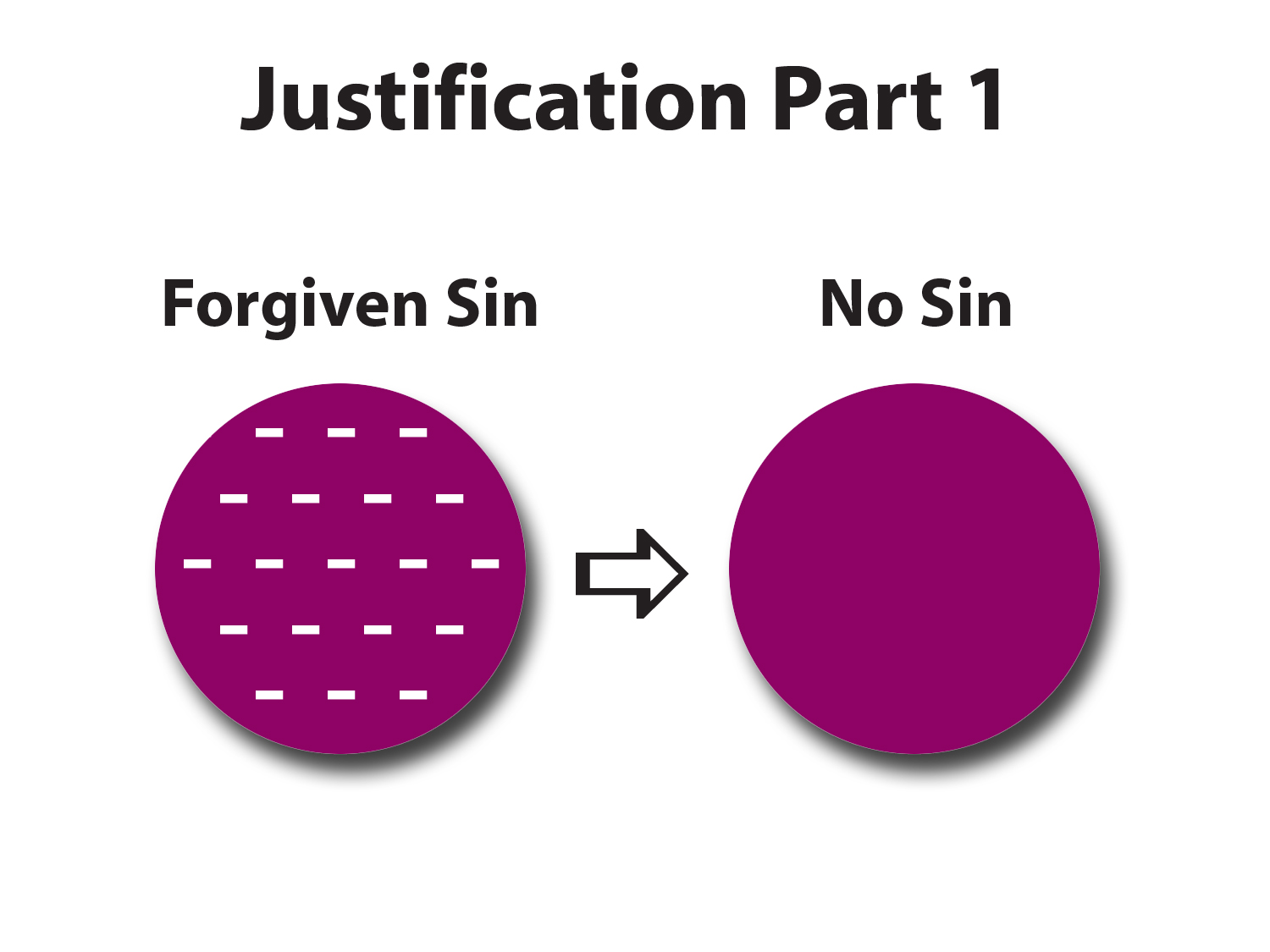
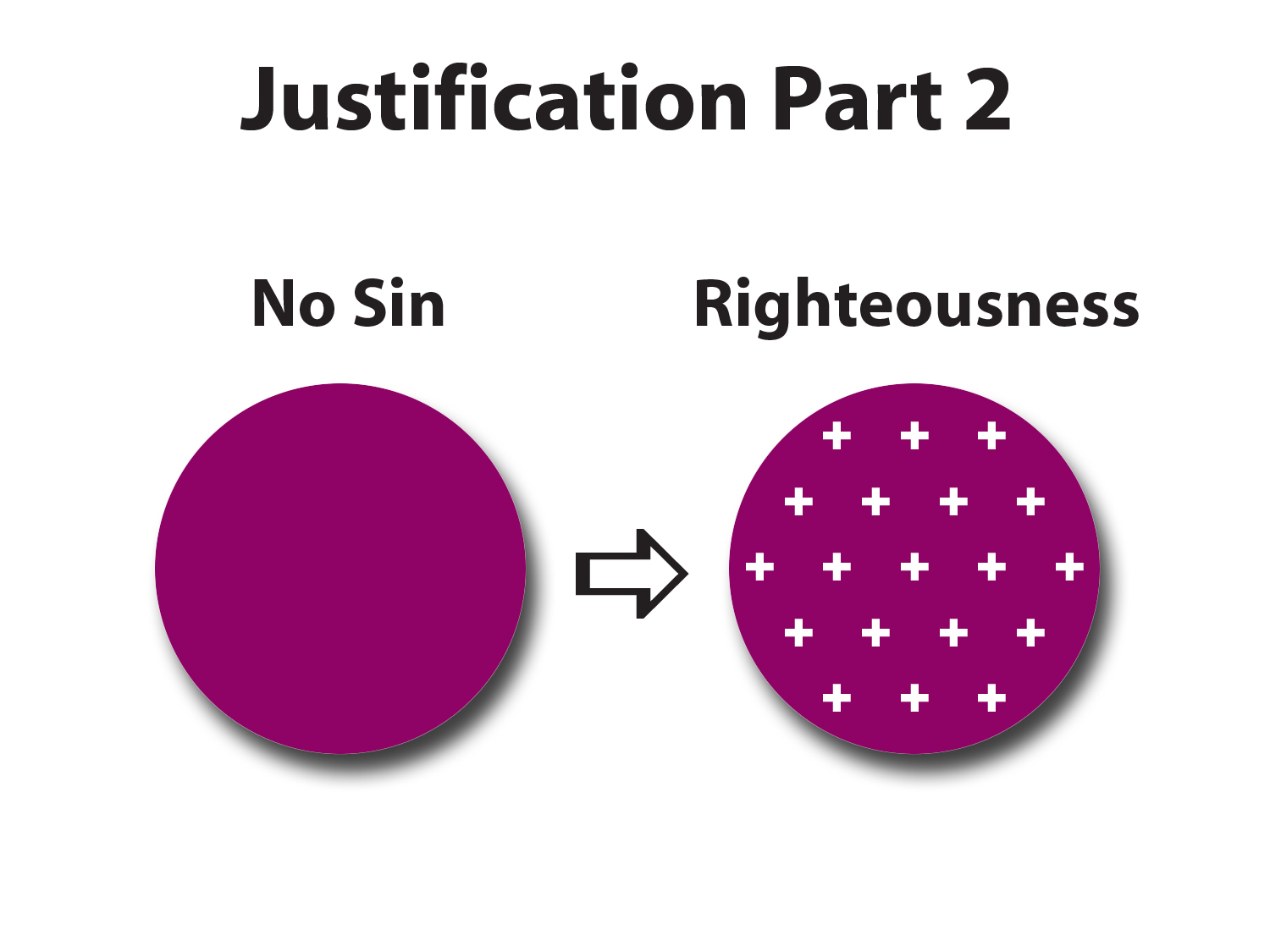
There is a sense in which, as Christians, we relish the idea of redemption. And we should. After all, the overwhelming debt of our sin has been paid for by Christ’s death on the cross. We have been released from our indebtedness and that is good news, because the wages or payment for our sin was our own death. But Jesus Christ became our sin substitute, taking our place on the cross and bearing the righteous wrath of God as our unblemished, sinless sacrifice. As a result, Paul tells us, “we are debtors, not to the flesh” (Romans 8:12 ESV). We have had our debt cancelled. Our sin ledger has been reconciled, and it now shows a zero balance. No sin. Nothing owed. But wait. Even as good as that news is, there is something missing. Our sin debt has been paid, but we need righteousness. Jesus said, “For I tell you, unless your righteousness exceeds that of the scribes and Pharisees, you will never enter the kingdom of heaven” (Matthew 5:20 ESV). The absence of sin is not righteousness. Having our sin debt paid was just part of the equation.

Justification1Justification

Paul gives us the rest of the good news. “For our sake he made him to be sin who knew no sin, so that in him we might become the righteousness of God” (2 Corinthians 5:20 ESV). Earlier in his letter to the Roman believers, Paul states that Jesus “was delivered up for our trespasses and raised for our justification. Therefore, since we have been justified by faith, we have peace with God through our Lord Jesus Christ” (Romans 4:25-5:1 ESV).

You see, in verses 12-14 of Romans, Paul was careful in his sentence structure. He said “we are debtors”, but not to sin. The Greek word he used was opheiletēs and it means “one who owes another, one held by some obligation, bound by some duty”. Yes, we are free from slavery to sin. Our sin debt has been cancelled in full. But we “owe” Christ for our righteousness. He has deposited into our account the righteousness we could never have produced on our own. We are debtors to Christ. And we will never be able to pay Him back for what He has done. But we can live according to the Spirit. We can show our gratitude for all He has done for us by living our lives in obedience to the His Spirit who lives within us. Paul states that it is by the Spirit that we are able to put to death the deeds of the body. We should want to distance ourselves from our old way of life – our sin-controlled, debt-filled life before Christ. We have been given the righteousness of Christ and are therefore, justified in the eyes of God. He sees us as righteous and just. And we owe it all to Jesus.

Earlier in his letter to the Romans, Paul states, “But now that you have been set free from sin and have become slaves of God, the fruit you get leads to sanctification and its end, eternal life” (Romans 6:22 ESV). Peter provides us with a similar admonition. “Live as free people, but do not use your freedom as a cover-up for evil; live as God’s slaves” (1 Peter 2:16 NET). We tend to overlook the fact that God paid a high price for our salvation. He gave His only Son as the payment for our sin. Peter reminds us, “you were ransomed from the futile ways inherited from your forefathers, not with perishable things such as silver or gold, but with the precious blood of Christ, like that of a lamb without blemish or spot” (1 Peter 1:18-19 ESV). Which is exactly why Paul unapologetically tells us, “Or do you not know that your body is a temple of the Holy Spirit within you, whom you have from God? You are not your own, for you were bought with a price. So glorify God in your body” (1 Corinthians 6:19-20 ESV).

We are sons and daughters of God. Not only have our sins been paid for and our debt forgiven, we have been adopted by God and placed into His family because we have had the righteousness of Christ imputed to us. And we have had the Spirit of God placed within us. So we are to live according to our new standing as God’s children, with the help of God’s indwelling Spirit. We are debtors to God. Our lives belong to Him. Our righteousness is not our own, but was made possible because of His Son’s death on the cross in our place. We have eternal life secured for us by virtue of Christ’s sacrificial death. We can’t lose it. We can’t do anything to un-earn it, because we didn’t earn it to begin with. But we can live with a sense of gratitude for all that God has done to make it possible. We can choose to live like children of God and not children of this world. We can choose to live according to the Spirit rather than according to our old sin nature. While we can never repay God for all He has done for us, we can express our appreciation through the way we live our lives.

Never Forget.

May the Lord direct your hearts to the love of God and to the steadfastness of Christ. – 2 Thessalonians 3:6 ESV

Living life on this planet can be difficult at times. As followers of Christ, it can be especially so, because we have been called to live lives worthy of God in the midst of a culture that is diametrically opposed to us. It can be easy to lose our focus, grow impatient, feel scared, or become angry. Paul knew that. That is why he prayed this short little prayer on behalf of the believers in Thessalonica. For the most part, they were former pagans who had come to know Christ and were now struggling with everything from persecution to the influence of false teaching. Paul referred to these false teachers as “perverse and evil people” (2 Thessalonians 3:2 NET). The believers to whom Paul wrote and for whom he prayed were struggling with trying to love the Christian life while constantly having to deal with the attacks of the enemy and the daily reality of their own sin natures. So what was Paul’s prayer for them? That God would direct their hearts to the love of God and to the steadfastness of Christ. Notice that he does not pray that God would remove them from their difficulties. He doesn’t ask God to remove the false teachers or stop the persecution. His request of God isn’t that He give them joy. No, he asks God to direct their hearts. He wants God to gently, kindly guide their hearts into a better understanding of just how much they are loved by God. Not only that, Paul’s request includes that they fully comprehend the degree to which Jesus suffered in order that they might have a right relationship with God. The writer of Hebrews emphasizes the suffering of Jesus and our need to fully comprehend what He endured in order that we might have eternal life – “let us strip off every weight that slows us down, especially the sin that so easily trips us up. And let us run with endurance the race God has set before us. We do this by keeping our eyes on Jesus, the champion who initiates and perfects our faith. Because of the joy awaiting him, he endured the cross, disregarding its shame. Now he is seated in the place of honor beside God’s throne. Think of all the hostility he endured from sinful people; then you won’t become weary and give up. After all, you have not yet given your lives in your struggle against sin” ( Hebrews 12:1-4 NLT). Those two things – the love of God and the endurance of Christ – should provide us with the motivation we need to keep on keeping on. But our natural tendency will be to take them both for granted. It is so easy for us to forget just how amazing it is that God loved us so much that He sent His Son to die in our place. And that He expressed that love “while we were still sinners” (Romans 5:8 ESV). When we deserved the worst, He gave us His best. And we also tend to overlook the incredible reality that Jesus willingly and humbly took on human flesh, lived life as a man, was tortured and hung on a cross, and died so that we might be restored to a right relationship with God the Father. Paul puts it this way: “Have this mind among yourselves, which is yours in Christ Jesus, who, though he was in the form of God, did not count equality with God a thing to be grasped, but emptied himself, by taking the form of a servant, being born in the likeness of men. And being found in human form, he humbled himself by becoming obedient to the point of death, even death on a cross” (Philippians 2:5-8 ESV).

When we find ourselves suffering and struggling in this life, we need to be reminded of the love of God as expressed in the suffering and death of His Son. God’s love for us is directly tied to the gift of His Son for us. God sent His Son because He loved us. Jesus came and died because He loved us. Jesus was willing to suffer humiliation, persecution, rejection, false accusations, and a death He didn’t deserve – all out of love for us. With all that that in mind, Peter tells us, “In his kindness God called you to share in his eternal glory by means of Christ Jesus. So after you have suffered a little while, he will restore, support, and strengthen you, and he will place you on a firm foundation” (1 Peter 5:10 NLT). We need to keep life in perspective. Along with Paul, we need to constantly remember that “what we suffer now is nothing compared to the glory he will reveal to us later” (Romans 8:18 NLT). We are loved by God. He gave us His greatest gift – His own Son – as proof of that love. And His Son suffered in ways that we will never be able to comprehend, as proof of His love for us. We must never lose sight of those two realities. But because Paul knew that the tendency of all believers would be to do just that, he prayed that God would guide their hearts back to those two incredible truths: the love of God and the faithful, loving endurance of Jesus. I can’t think of a better way to wrap this up than with the words of Paul found in his letter to the believers in Rome.

What then shall we say to these things? If God is for us, who can be against us? He who did not spare his own Son but gave him up for us all, how will he not also with him graciously give us all things? Who shall bring any charge against God’s elect? It is God who justifies. Who is to condemn? Christ Jesus is the one who died—more than that, who was raised—who is at the right hand of God, who indeed is interceding for us. Who shall separate us from the love of Christ? Shall tribulation, or distress, or persecution, or famine, or nakedness, or danger, or sword? As it is written, “For your sake we are being killed all the day long; we are regarded as sheep to be slaughtered.” No, in all these things we are more than conquerors through him who loved us. For I am sure that neither death nor life, nor angels nor rulers, nor things present nor things to come, nor powers, nor height nor depth, nor anything else in all creation, will be able to separate us from the love of God in Christ Jesus our Lord. – Romans 8:31-39 ESV

Love Is Of God.

So we have come to know and to believe the love that God has for us. God is love, and whoever abides in love abides in God, and God abides in him. – 1 John 4:16 ESV

1 John 4:7-21

Love is a feeling. Love makes the world go round. All you need is love. Love is a many splendid thing. There are as many sayings about love as there are definitions as to what it is. But John wants us to understand that love is of God. In fact, God is love. Everything about love emanates from God. And because man was made in the image of God, all men have the capacity to love. It is a part of God’s common grace bestowed upon all mankind. But only those who truly understand the love of God as expressed in the gift of His Son, Jesus Christ, can even begin to grasp the true nature of what love really is. Left to our own devices, we will tend to redefine love in our own terms, focusing on ourselves and seeing love as something designed to fulfill us or bring us satisfaction. Which is why we tend to fall in and out of love. We have turned loved into little more than a feeling that can come and go based on whether we have the motivation to love the other person or the persuasion that they are loving us in the way we demand. Like everything else God has so graciously given us, we can somehow find a way to make it all about us. But true love is about God. Yes, God so loved the world that He gave His Son. Yes, God loved us while we were yet sinners. But what we have to remember is that God’s love had nothing to do with our loveliness or lovableness. We did not deserve His love. We had not earned His love. Yes, we were the recipients of His love, but for no reason whatsoever on our part. And until we understand the significance of that reality, we will never understand the love of God.

John ties loving others and knowing God together. He writes, “Beloved, let us love one another, for love is from God, and whoever loves has been born of God and knows God” (1 John 4:7 ESV). Our capacity to love others the way God commands is directly tied to our knowledge of God. And what is it we are to know about God? His love. As believers in Jesus Christ, we have a unique perspective on the love of God because we have experienced it firsthand. At one point in our lives we were told about the love of God manifested or shown through the arrival of His Son here on this earth. Jesus was God in human flesh, sent by His Father to bring salvation to man by His death on the cross. “God sent his only Son into the world” (1 John 4:9 ESV), “to be the propitiation for our sins” (1 John 4:10 ESV), and “to be the Savior of the world” (1 John 4:14 ESV). And John sums it all up with the words, “So we have come to know and to believe the love that God has for us” (1 John 4:16 ESV). We have come to know and believe in Jesus. It is through our acceptance of God’s love as expressed through Jesus that we truly come to know who God is and what love is. Even as an old man, John was blown away by this kind of love. “What marvelous love the Father has extended to us! Just look at it—we’re called children of God! That’s who we really are.” (1 John 3:1 MSG).

I love how the apostle Paul puts difficult concepts into language most of us can understand. Speaking of God’s amazing love, he writes, “When we were utterly helpless, Christ came at just the right time and died for us sinners. Now, most people would not be willing to die for an upright person, though someone might perhaps be willing to die for a person who is especially good. But God showed his great love for us by sending Christ to die for us while we were still sinners. And since we have been made right in God’s sight by the blood of Christ, he will certainly save us from God’s condemnation” (Romans 5:6-9 NLT). You and I might be willing to sacrifice our lives for someone especially good. We might take a bullet for our spouse or one of our children, but we’d probably have to think long and hard about anyone else. Yet God loved us enough when we were at our worst to send His own Son to die in our place. Jesus took the bullet for us. D. A. Carson has this to say about the love of God: “Do you wish to see God’s love? Look at the cross. Do you wish to see God’s wrath? Look at the cross.” The love of God shines brightest when seen against the dark backdrop of the cross. The cross was and is a symbol of man’s sin, guilt and just condemnation. It represents what we so justly deserved as usurpers of God’s authority and rebels against His will. And yet, it is at the cross that we truly come to know God. We see His justice, wrath, righteousness, patience, mercy, grace, and love on display through the life of His Son. Because of His love, we are His children. Because of His love, we are forgiven. Because of His love, we abide in Him and in His love – constantly. Because of His love, we have His Spirit within us. Because of His love, we have our future determined for us. Because of His love, we can love others. But only as long as we remember how He has loved us. If we don’t love, we don’t know Him. That doesn’t necessarily mean we aren’t saved. It can simply mean we don’t recognize and appreciate the unbelievable nature of the love with which He has loved us. To know God is to know God’s love for us. Whenever we forget, all we need to do is look at the cross.