A Man of Divided Allegiance

10 At the end of twenty years, in which Solomon had built the two houses, the house of the Lord and the king’s house, 11 and Hiram king of Tyre had supplied Solomon with cedar and cypress timber and gold, as much as he desired, King Solomon gave to Hiram twenty cities in the land of Galilee. 12 But when Hiram came from Tyre to see the cities that Solomon had given him, they did not please him. 13 Therefore he said, “What kind of cities are these that you have given me, my brother?” So they are called the land of Cabul to this day. 14 Hiram had sent to the king 120 talents of gold.

15 And this is the account of the forced labor that King Solomon drafted to build the house of the Lord and his own house and the Millo and the wall of Jerusalem and Hazor and Megiddo and Gezer 16 (Pharaoh king of Egypt had gone up and captured Gezer and burned it with fire, and had killed the Canaanites who lived in the city, and had given it as dowry to his daughter, Solomon’s wife; 17 so Solomon rebuilt Gezer) and Lower Beth-horon 18 and Baalath and Tamar in the wilderness, in the land of Judah, 19 and all the store cities that Solomon had, and the cities for his chariots, and the cities for his horsemen, and whatever Solomon desired to build in Jerusalem, in Lebanon, and in all the land of his dominion. 20 All the people who were left of the Amorites, the Hittites, the Perizzites, the Hivites, and the Jebusites, who were not of the people of Israel— 21 their descendants who were left after them in the land, whom the people of Israel were unable to devote to destruction—these Solomon drafted to be slaves, and so they are to this day. 22 But of the people of Israel Solomon made no slaves. They were the soldiers, they were his officials, his commanders, his captains, his chariot commanders and his horsemen.

23 These were the chief officers who were over Solomon’s work: 550 who had charge of the people who carried on the work.

24 But Pharaoh’s daughter went up from the city of David to her own house that Solomon had built for her. Then he built the Millo.

25 Three times a year Solomon used to offer up burnt offerings and peace offerings on the altar that he built to the Lord, making offerings with it before the Lord. So he finished the house.

26 King Solomon built a fleet of ships at Ezion-geber, which is near Eloth on the shore of the Red Sea, in the land of Edom. 27 And Hiram sent with the fleet his servants, seamen who were familiar with the sea, together with the servants of Solomon. 28 And they went to Ophir and brought from there gold, 420 talents, and they brought it to King Solomon. – 1 Kings 9:10-28 ESV

Solomon doesn’t realize it, but he is at the midway point of his 40-year reign. He has just completed the construction of the temple, his royal palaces, and all the buildings that will house his administrative offices.

With these projects behind him, Solomon turns his attention to other pressing matters. First, he makes an attempt to compensate King Hiram of Phoenicia for all the material and financial aid he had provided over the years. Early on in his reign, Solomon had made an agreement with Hiram that provided Solomon with all the lumber he needed for his many construction projects, while Hiram received much-needed grain and olive oil in return.

So Hiram supplied as much cedar and cypress timber as Solomon desired. In return, Solomon sent him an annual payment of 100,000 bushels of wheat for his household and 110,000 gallons of pure olive oil. – 1 Kings 5:10-11 NLT

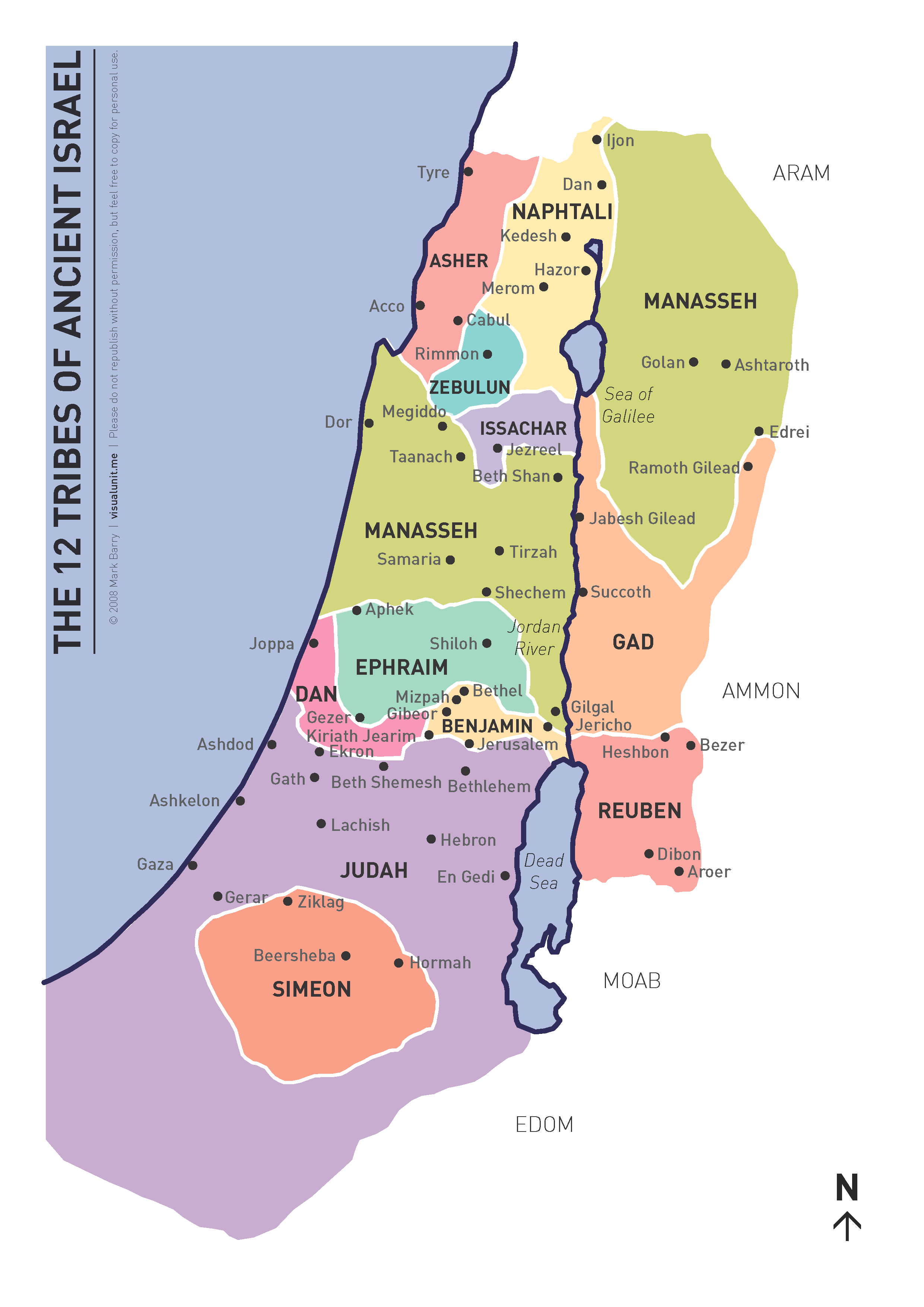
This agreement had lasted for 20 years, and during that time, Solomon had compensated King Hiram for all the lumber and he had paid wages to all the Phoenician wood-workers who had helped with the various construction projects (1 Kings 5:6). But now that all the work was done, Solomon wanted to make a gesture of goodwill to his friend in Phoenicia. So, he gave Hiram 20 cities located in the land of Galilee along the border between Israel and Phoenicia. This appears to be a gracious act of generosity on Solomon’s part, but it quickly becomes apparent that his gift was a bit disingenuous. When Hiram personally inspected the cities Solomon had given him, his response reveals his deep disappointment.

“What kind of towns are these, my brother?” he asked. So Hiram called that area Cabul (which means “worthless”), as it is still known today. – 1 Kings 9:13 NLT

Evidently, these towns were located in a region of Galilee that was not conducive to agricultural production. Since Phoenicia occupied a narrow strip of land along the Mediterranean Sea, they were woefully deficient in arable farmland. That’s why Solomon’s compensation for the lumber had taken the form of grain and olive oil. At first glance, it would appear that Solomon had given them what they had always needed: Land on which to grow crops. But Hiram described Solomon’s gift as “Cabul,” a word that means “bound” or “sterile.” And while these 20 towns expanded the range of Hiram’s kingdom, they were essentially worthless. They provided no practical value. And what makes Solomon’s gift that much more egregious is that, over the years, Hiram had given Solomon 120 talents of gold. To put that in perspective, that’s nearly 5 tons of gold.
One could almost draw the conclusion that Solomon was somewhat of a Scrooge, a financial tightwad who was more than willing to spend money on himself, but was a bit stingy when it came to others. And it’s interesting to note that Solomon had given away land that had been part of the inheritance given by God to the people of Israel.

It’s most likely that the 20 towns were located in territory that had belonged to the tribes of Asher, Naphtali, and Zebulun. In awarding these cities to Hiram, Solomon was guilty of giving away land that belonged to the people of God. His willingness to give it away, coupled with Hiram’s poor assessment of it, reveals that it held no real value to Solomon.

One of the things that can be learned from studying the history of the Israelites is that every decision they made had long-term ramifications. The book of Judges reveals that, at one point, the tribes of Asher, Napthali, and Zebulun had been given the opportunity to conquer and occupy the land allotted to them by God, but they had failed.

The tribe of Zebulun failed to drive out the residents of Kitron and Nahalol, so the Canaanites continued to live among them. But the Canaanites were forced to work as slaves for the people of Zebulun.

The tribe of Asher failed to drive out the residents of Acco, Sidon, Ahlab, Aczib, Helbah, Aphik, and Rehob. Instead, the people of Asher moved in among the Canaanites, who controlled the land, for they failed to drive them out.

Likewise, the tribe of Naphtali failed to drive out the residents of Beth-shemesh and Beth-anath. Instead, they moved in among the Canaanites, who controlled the land. Nevertheless, the people of Beth-shemesh and Beth-anath were forced to work as slaves for the people of Naphtali. – Judges 1:30-33 NLT

One of the reasons the Phoenicians even existed was because of the failure of these three tribes to do what God had commanded them to do. As a result of their failure to drive out the inhabitants of the land, the Phoenicians occupied territory that was supposed to belong to the people of God. Now, Solomon had just awarded the Phoenicians with even more of Israel’s God-given inheritance.

Solomon’s main focus was the city of Jerusalem. Having willingly forfeited the cities located in the north, Solomon poured his time and energy into expanding his royal capital. To do so, Solomon enslaved thousands of non-Jews to work as laborers on his various rebuilding and enlargement projects. He conscripted Amorites, Hittites, Perizzites, Hivites, and Jebusites who were living in the land of Israel to provide slave labor for his ambitious expansion program. These people were used to extend the walls of Jerusalem, connecting the old City of David with the newer area surrounding the temple complex and the royal palaces and administrative headquarters. They “built towns as supply centers and constructed towns where his chariots and horses could be stationed” (1 Kings 9:19 NLT). Solomon was constructing a virtual theme park dedicated to his greatness; replete with palaces, terraces, stables for his many horses, and barracks for his growing army. 

And it’s important to remember that God had warned that His kings were not to refrain from certain actions.

The king must not build up a large stable of horses for himself… – Deuteronomy 17:16 NLT

The king must not take many wives for himself… – Deuteronomy 17:17 NLT

And he must not accumulate large amounts of wealth in silver and gold for himself… – Deuteronomy 17:17 NLT

Solomon was in violation of each of these commands. And while at this point, it appears that the daughter of Pharaoh was his only wife, it wouldn’t be long before he expanded his household greatly.

Now King Solomon loved many foreign women. Besides Pharaoh’s daughter, he married women from Moab, Ammon, Edom, Sidon, and from among the Hittites. The LORD had clearly instructed the people of Israel, “You must not marry them, because they will turn your hearts to their gods.” Yet Solomon insisted on loving them anyway. He had 700 wives of royal birth and 300 concubines. And in fact, they did turn his heart away from the LORD. – 1 Kings 11:1-3 NLT

Whether it was wives and concubines or horses and chariots, Solomon always seemed to be in building mode. Enough was never enough. He even built a fleet of boats and began an aggressive trading venture that netted him 16 tons of gold. For Solomon, bigger was always better. And yet, late in his life, Solomon would make a sad but telling admission.

I increased my possessions:
I built houses for myself;
I planted vineyards for myself.
I designed royal gardens and parks for myself,
and I planted all kinds of fruit trees in them.
I constructed pools of water for myself,
to irrigate my grove of flourishing trees.
I purchased male and female slaves,
and I owned slaves who were born in my house;
I also possessed more livestock—both herds and flocks—
than any of my predecessors in Jerusalem.
I also amassed silver and gold for myself,
as well as valuable treasures taken from kingdoms and provinces.
I acquired male singers and female singers for myself,
and what gives a man sensual delight—a harem of beautiful concubines.
So I was far wealthier than all my predecessors in Jerusalem,
yet I maintained my objectivity.
I did not restrain myself from getting whatever I wanted;
I did not deny myself anything that would bring me pleasure.
So all my accomplishments gave me joy;
this was my reward for all my effort.
Yet when I reflected on everything I had accomplished
and on all the effort that I had expended to accomplish it,
I concluded: “All these achievements and possessions are ultimately profitless—
like chasing the wind!
There is nothing gained from them on earth.” – Ecclesiastes 1:4-11 NLT

They say, “hindsight is 20-20,” and that would prove to be true in Solomon’s life. He would one day discover that his obsession with constant expansion, endless pleasure, and rampant materialism would never satisfy. But at the midway point of his reign, he didn’t know any better. So, he continued to try and balance his love for the things of this world with his love for God.  He kept accumulating material goods, while at the same time, offering sacrifices to God. Without even realizing it, he was worshiping two gods. Solomon was living out the very thing Jesus would later warn His disciples about.

“No one can serve two masters. For you will hate one and love the other; you will be devoted to one and despise the other. You cannot serve God and be enslaved to money.” – Matthew 6:24 NLT

English Standard Version (ESV) The Holy Bible, English Standard Version. ESV® Permanent Text Edition® (2016). Copyright © 2001 by Crossway Bibles, a publishing ministry of Good News Publishers.

New Living Translation (NLT) Holy Bible, New Living Translation, copyright © 1996, 2004, 2015 by Tyndale House Foundation. Used by permission of Tyndale House Publishers Inc., Carol Stream, Illinois 60188. All rights reserved.

The Message (MSG)Copyright © 1993, 1994, 1995, 1996, 2000, 2001, 2002 by Eugene H. Peterson

Intoxicated With the World

15 “Woe to him who makes his neighbors drink—
    you pour out your wrath and make them drunk,
    in order to gaze at their nakedness!
16 You will have your fill of shame instead of glory.
    Drink, yourself, and show your uncircumcision!
The cup in the Lord‘s right hand
    will come around to you,
    and utter shame will come upon your glory!
17 The violence done to Lebanon will overwhelm you,
    as will the destruction of the beasts that terrified them,
for the blood of man and violence to the earth,
    to cities and all who dwell in them.” – Habakkuk 2:15-17 ESV

It’s quite obvious that God had no love affair with the Babylonians. He was going to use them as His instruments of wrath against the disobedience people of Judah, but He despised their ways. They were a wicked and degenerate nation marked by ungodliness and driven by immoral passions that knew no bounds. They were opportunistic oppressors who took advantage of their superior military strength to extend their borders and expand their vast wealth at the expense of smaller, more vulnerable nations.

The “Babylon” described in Habakkuk’s book is the Neo-Babylonian Empire, which rose to power and prominence under the leadership of King Nabopolassar and would dominate that region of the world from 626 BC until its defeat by the 539 BC. It would be under the reign of King Nebuchadnezza that Babylon would reach the zenith of its power. But in 539 BC, the Medes and Persians would invade and conquer Babylon, bringing an end to the Neo-Babylonian Empire. Yet, for the biblical authors, the name “Babylon” would come to represent all those ungodly nations which stood opposed to God and His people, glorying in their own power and worshiping their self-sufficiency and autonomy. It was King Nebuchadnezzar himself who bragged about the glory of the magnificent capital city he had constructed with the revenue he had gained from his many conquests.

“Twelve months later he was taking a walk on the flat roof of the royal palace in Babylon. As he looked out across the city, he said, ‘Look at this great city of Babylon! By my own mighty power, I have built this beautiful city as my royal residence to display my majestic splendor.’” – Daniel 4:29-30 NLT

In the book of Revelation, Babylon comes to represent the kingdom of the Antichrist, the world leader who will come to power in the last days. He will set up a great vast empire that spans the globe and his capital city will become the economic, military, and political epicenter for the world. And like the ancient nation from which it borrows its name, the end-times Babylon will be destroyed by God.

“Babylon is fallen—that great city is fallen!
    She has become a home for demons.
She is a hideout for every foul spirit,
    a hideout for every foul vulture
    and every foul and dreadful animal.
For all the nations have fallen
    because of the wine of her passionate immorality.
The kings of the world
    have committed adultery with her.
Because of her desires for extravagant luxury,
    the merchants of the world have grown rich.” – Revelation 18:2-3 NLT

And notice John’s reference to “the wine of her passionate immorality.” The power and influence of this future Babylon will tempt the nations of the world to become intoxicated by its vast wealth and attracted to the ungodly lifestyle it represents. Decadence and immorality will be the order of the day in the kingdom of the Antichrist. But it too will fall, leaving the nations of the world staggering under the weight of their loss.

…the kings of the world who committed adultery with her and enjoyed her great luxury will mourn for her as they see the smoke rising from her charred remains. – Revelation 18:9 NLT

The merchants of the world will weep and mourn for her, for there is no one left to buy their goods. – Revelation 18:11 NLT

“The fancy things you loved so much
    are gone,” they cry.
“All your luxuries and splendor
    are gone forever,
    never to be yours again.” – Revelation 18:14 NLT

“How terrible, how terrible for that great city!
    She was clothed in finest purple and scarlet linens,
    decked out with gold and precious stones and pearls!
In a single moment
    all the wealth of the city is gone!” – Revelation 18:16-17 NLT

“How terrible, how terrible for that great city!
    The shipowners became wealthy
    by transporting her great wealth on the seas.
In a single moment it is all gone.” – Revelation 18:19 NLT

In this fourth “woe,” delivered by God against the Babylon of Habakkuk’s day, we see a reference to “him who makes his neighbors drink” (Habakkuk 2:15 ESV). God accuses Babylon of using its vast power to degrade the nations of the world, causing them to stagger and reel like drunks, incapable of defending themselves against the immoral intentions of their adversary.  God exposes the true intentions of the Babylonians: “You force your cup on them so you can gloat over their shameful nakedness.” (Habakkuk 2:15 NLT). The imagery is that of sexual abuse, as the more powerful forces himself on a helpless and defenseless victim. 

But God warns that this kind of behavior will not go unpunished.

“But soon it will be your turn to be disgraced.
    Come, drink and be exposed!
Drink from the cup of the Lord’s judgment,
    and all your glory will be turned to shame.” – Habakkuk 2:16 NLT

The perpetrator would become the victim, getting a taste of their own medicine as God pours out His cup of judgment upon them. And rather than glorying in their power and prominence, they will experience shame and humiliation at the hand of God Almighty.

As has been the case with the previous three woes, God is making a not-so-subtle point, aimed at His rebellious and stubborn children, the nation of Judah. They stand guilty before Yahweh, having committed many of the same sins as the ungodly Babylonians. Prior to their fall to the Assyrians, the prophet Isaiah described the northern kingdom of Israel as drunks, who had willingly rendered themselves intoxicated and insensible, completely incapable of living up to God’s righteous standard for them.

Now, however, Israel is led by drunks
    who reel with wine and stagger with alcohol.
The priests and prophets stagger with alcohol
    and lose themselves in wine.
They reel when they see visions
    and stagger as they render decisions.
Their tables are covered with vomit;
    filth is everywhere. – Isaiah 28:7-8 NLT

God had blessed them with fertile and fruitful land, but they had taken the gift of His abundance and used it in ways that were out of step with His will for them.

What sorrow awaits the proud city of Samaria—
    the glorious crown of the drunks of Israel.
It sits at the head of a fertile valley,
    but its glorious beauty will fade like a flower.
It is the pride of a people
    brought down by wine. – Isaiah 28:1 NLT

They had become drunk on their own success, enjoying the fruits of God’s undeserved blessings, and arrogantly bragging that they were immune to His judgment.

You boast, “We have struck a bargain to cheat death
    and have made a deal to dodge the grave.
The coming destruction can never touch us,
    for we have built a strong refuge made of lies and deception.” – Isaiah 28:15 NLT

But they were wrong. Like the Babylonians, the people of Israel would see their immoral lifestyle come to an abrupt end.

“I will cancel the bargain you made to cheat death,
    and I will overturn your deal to dodge the grave.
When the terrible enemy sweeps through,
    you will be trampled into the ground.” – Isaiah 28:18 NLT

This fourth woe was intended to indict the people of Judah as much as the nation of Babylon. Just as their northern neighbors would fall to the Assyrians, the rebellious and arrogant Judahites would fall to the Babylonians. And, eventually, in His own timing, God would deal with the Babylonians themselves.

“The violence done to Lebanon will overwhelm you…” – Habakkuk 2:17 ESV

They would all reap what they sowed. Their glory would be turned to shame. Their self-sufficiency would result in self-destruction. Their love affair with wealth, power, and prominence would leave them staggering under the weight of their own poverty, weakness, and humiliation.

The prophet Isaiah warned the people of Judah that their fate was sealed. They had refused to listen to the messages of the prophets, calling them to repentance. So, God had chosen to keep His promise to bring curses upon them for their disobedience and unfaithfulness. And, like Habakkuk, they would find God’s decision difficult to fathom and even harder to accept, it was the just reward for their rebellion against Him.

Are you amazed and incredulous?
    Don’t you believe it?
Then go ahead and be blind.
    You are stupid, but not from wine!
    You stagger, but not from liquor!
For the Lord has poured out on you a spirit of deep sleep.
    He has closed the eyes of your prophets and visionaries. – Isaiah 29:9-10 NLT

They had become drunk on the things of this world. But they had also been blinded by God, spiritually incapable of comprehending the danger of their situation and insensitive to His call to repentance. How easy it is to allow temporal treasures and worldly delights to blind us to the reality of God’s love. We can even allow His blessings to become distractions, focusing on the gifts rather than the Giver. This is why the apostle John warned us to never allow the love of the world to replace our love for God.

Do not love this world nor the things it offers you, for when you love the world, you do not have the love of the Father in you. For the world offers only a craving for physical pleasure, a craving for everything we see, and pride in our achievements and possessions. These are not from the Father, but are from this world. And this world is fading away, along with everything that people crave. But anyone who does what pleases God will live forever. – 1 John 2:15-17 NLT

English Standard Version (ESV)
The Holy Bible, English Standard Version. ESV® Permanent Text Edition® (2016). Copyright © 2001 by Crossway Bibles, a publishing ministry of Good News Publishers.

New Living Translation (NLT)
Holy Bible, New Living Translation, copyright © 1996, 2004, 2015 by Tyndale House Foundation. Used by permission of Tyndale House Publishers Inc., Carol Stream, Illinois 60188. All rights reserved.

The Message (MSG)Copyright © 1993, 1994, 1995, 1996, 2000, 2001, 2002 by Eugene H. Peterson

Power, Possessions and Prestige

1 At that time Merodach-baladan the son of Baladan, king of Babylon, sent envoys with letters and a present to Hezekiah, for he heard that he had been sick and had recovered. 2 And Hezekiah welcomed them gladly. And he showed them his treasure house, the silver, the gold, the spices, the precious oil, his whole armory, all that was found in his storehouses. There was nothing in his house or in all his realm that Hezekiah did not show them. 3 Then Isaiah the prophet came to King Hezekiah, and said to him, “What did these men say? And from where did they come to you?” Hezekiah said, “They have come to me from a far country, from Babylon.” 4 He said, “What have they seen in your house?” Hezekiah answered, “They have seen all that is in my house. There is nothing in my storehouses that I did not show them.”

5 Then Isaiah said to Hezekiah, “Hear the word of the Lord of hosts: 6 Behold, the days are coming, when all that is in your house, and that which your fathers have stored up till this day, shall be carried to Babylon. Nothing shall be left, says the Lord. 7 And some of your own sons, who will come from you, whom you will father, shall be taken away, and they shall be eunuchs in the palace of the king of Babylon.” 8 Then Hezekiah said to Isaiah, “The word of the Lord that you have spoken is good.” For he thought, “There will be peace and security in my days.” – Isaiah 39:1-8 ESV

There is little doubt that Hezekiah had a love for Yahweh. And he had a deep appreciation for the miraculous healing from his terminal illness and for Yahweh’s gracious pronouncement that his life would be extended an additional 15 years. Hezekiah had even ended his poem with the declaration:

“The Lord will save me,
    and we will play my music on stringed instruments
all the days of our lives,
    at the house of the Lord.” – Isaiah 38:20 ESV

But in the days that followed his healing, a darker side of Hezekiah’s personality becomes apparent. He struggled with pride, and this was not a new characteristic in his life. It had been a problem all along. In fact, the book of 2 Chronicles informs us that, even shortly after his healing, Hezekiah’s pride problem reared its ugly head.

But Hezekiah did not respond appropriately to the kindness shown him, and he became proud. So the Lord’s anger came against him and against Judah and Jerusalem. Then Hezekiah humbled himself and repented of his pride, as did the people of Jerusalem. So the Lord’s anger did not fall on them during Hezekiah’s lifetime. – 2 Chronicles 32:25-26 ESV

While this rendering makes it appear as if Hezekiah’s pride suddenly appeared, the truth is, it was already there. The phrase, “he became proud” is actually one word in Hebrew, and it means “exalted” or “arrogant.” The passage literally reads, “his heart was haughty.” We aren’t told how Hezekiah’s pride manifested itself, but it could have been that he saw his healing by God as a sign of his value to God. There is a good chance that Hezekiah saw himself as somehow indispensable to God. The book of 2 Chronicles goes on to describe Hezekiah as very wealthy and successful. In the Jewish culture, material wealth was often viewed as a sign of God’s favor.

Hezekiah was very wealthy and highly honored. He built special treasury buildings for his silver, gold, precious stones, and spices, and for his shields and other valuable items. He also constructed many storehouses for his grain, new wine, and olive oil; and he made many stalls for his cattle and pens for his flocks of sheep and goats. He built many towns and acquired vast flocks and herds, for God had given him great wealth. He blocked up the upper spring of Gihon and brought the water down through a tunnel to the west side of the City of David. And so he succeeded in everything he did. – 2 Chronicles 32:27-30 NLT

Now, with his health restored and a divine guarantee of an additional 15 years of life, Hezekiah must have considered himself a truly blessed man. He had it all: Health, wealth, power and prosperity. But he also had a problem: Pride. And God, knowing exactly what was in Hezekiah’s heart, determined to put the king to a test, in order to expose the true nature of his condition.

However, when ambassadors arrived from Babylon to ask about the remarkable events that had taken place in the land, God withdrew from Hezekiah in order to test him and to see what was really in his heart. – 2 Chronicles 32:31 NLT

And this is where Isaiah picks up the story. It seems that news of Hezekiah’s miraculous recovery had spread, and enjoys from Babylon showed up with a message of congratulations from Merodach-baladan, the son of the king. But this little expedition was probably far more than a goodwill gesture. Babylon was an up-and-coming force in the Middle East and shared a mutual dislike for the Assyrians with Judah. It is likely that Merodach-baladan was simply attempting to build an alliance with Hezekiah, presenting the king with gifts and convincing him of Babylon’s good intentions toward Judah.

And this is where Hezekiah’s pride goes on full display. Isaiah provides us with a not-so-flattering picture of Hezekiah’s giddy delight at showing off his great wealth to these visiting dignitaries.

Hezekiah was delighted with the Babylonian envoys and showed them everything in his treasure-houses—the silver, the gold, the spices, and the aromatic oils. He also took them to see his armory and showed them everything in his royal treasuries! There was nothing in his palace or kingdom that Hezekiah did not show them. – Isaiah 39:2 NLT

Hezekiah was out to impress, and his pride took precedence over his prudence. He gave these Babylonian envoys a private viewing of every state secret concerning Judah’s wealth and military capabilities. It’s unclear whether these men had shown up with the intention of spying out Jerusalem’s power and prosperity. But it really didn’t matter, because Hezekiah showed them everything they would want to see.

And, when Isaiah approached Hezekiah and asked him who the men were and what they had seen, the king was blatantly honest.

“They saw everything,” Hezekiah replied. “I showed them everything I own—all my royal treasuries.” – Isaiah 39:4 NLT

You can almost sense Hezekiah’s giddy pride at having been able to impress his guests with his vast wealth. He was like a kid on Christmas day showing off all his presents to his friends in the hopes that they would be impressed and just a tad jealous at his good fortune. But God was not impressed. In fact, God was angry with Hezekiah’s blatant display of worldly affection, and He had Isaiah deliver a sobering message to the king.

Then Isaiah said to Hezekiah, “Listen to this message from the Lord of Heaven’s Armies: ‘The time is coming when everything in your palace—all the treasures stored up by your ancestors until now—will be carried off to Babylon. Nothing will be left,’ says the Lord. ‘Some of your very own sons will be taken away into exile. They will become eunuchs who will serve in the palace of Babylon’s king.’” – Isaiah 39:5-7 NLT

Hezekiah was going to learn the brutal reality of the truth found in the Proverbs.

When pride comes, then comes disgrace… – Proverbs 11:2 ESV

Pride goes before destruction, and haughtiness before a fall. – Proverbs 16:18 NLT

Before destruction a man’s heart is haughty, but humility comes before honor. – Proverbs 18:12 ESV

Pride ends in humiliation, while humility brings honor. – Proverbs 29:23 NLT

The condition of Hezekiah’s heart had been exposed. He loved the things of this world more than he loved God. He took more pride in his material wealth and physical health than he did in his relationship with God Almighty. And Hezekiah was more concerned with impressing men than honoring God. The apostle John provides a powerful warning to avoid the mistake that Hezekiah made.

Don’t love the world or anything that belongs to the world. If you love the world, you cannot love the Father. – 1 John 2:15 CEV

Even Jesus warned of the danger of falling in love with material wealth.

“No one can serve two masters. For you will hate one and love the other; you will be devoted to one and despise the other. You cannot serve both God and money.” – Matthew 6:24 NLT

And the apostle James adds another stern warning that strongly discourages friendship with the world and all that it offers.

You adulterers! Don’t you realize that friendship with the world makes you an enemy of God? I say it again: If you want to be a friend of the world, you make yourself an enemy of God. – James 4:4 NLT

There was nothing inherently wrong with Hezekiah’s possession of wealth. It had been given to him by God. But his wealth should have never become a substitute for God. His material possessions were never intended to replace his trust in and love for God. Hezekiah’s problem was that he saw himself as a self-made man. His identity was wrapped up in what he owned and how others viewed him. He had completely forgotten that his very life was a gift from God. He had been at the brink of death, and God had spared him. Had God allowed him to die, all his treasures and trinkets would have been left behind. God was not impressed with Hezekiah’s affluence. What God wanted from Hezekiah were his undivided attention and unwavering devotion. But Hezekiah worshiped wealth. He bowed down at the altar of worldly pleasure and temporal prosperity.

And the truly amazing thing is that Hezekiah took the report from Isaiah as good news.

“This message you have given me from the Lord is good.” For the king was thinking, “At least there will be peace and security during my lifetime.” – Isaiah 39:8 NLT

While Judah may one day fall to the Babylonians and his own sons be taken captive, he was pleased to know that he would enjoy peace and security as long as he was alive. What a short-sighted and selfish outlook. He showed no concern for the future well-being of his own sons, let alone the nation for which he was responsible. Hezekiah was in it for himself. His love of things was directly tied to his love of self. Even the admiration of the Babylonian envoys fed his already swollen ego. Their delight in his vast wealth added fuel to the fire of Hezekiah’s raging pride.

One of the most telling proofs of Hezekiah’s pride problem was his refusal to repent of his actions. Rather than hear the word of God and turn to Him in prayer and repentance, Hezekiah simply rejoiced in the news that God’s judgment would be delayed. He would continue to enjoy his power, possessions, and prestige. And that was all that seemed to matter to him. And the book of 2 Chronicles provides the epitaph to Hezekiah’s life.

When Hezekiah died, he was buried in the upper area of the royal cemetery, and all Judah and Jerusalem honored him at his death. And his son Manasseh became the next king. – 2 Chronicles 32:33 NLT

English Standard Version (ESV)
The Holy Bible, English Standard Version. ESV® Permanent Text Edition® (2016). Copyright © 2001 by Crossway Bibles, a publishing ministry of Good News Publishers.

New Living Translation (NLT)
Holy Bible, New Living Translation, copyright © 1996, 2004, 2015 by Tyndale House Foundation. Used by permission of Tyndale House Publishers Inc., Carol Stream, Illinois 60188. All rights reserved.

The Message (MSG)
Copyright © 1993, 1994, 1995, 1996, 2000, 2001, 2002 by Eugene H. Peterson


Worldly Pleasures and Treasures.

“Do not lay up for yourselves treasures on earth, where moth and rust destroy and where thieves break in and steal, but lay up for yourselves treasures in heaven, where neither moth nor rust destroys and where thieves do not break in and steal. For where your treasure is, there your heart will be also.

“The eye is the lamp of the body. So, if your eye is healthy, your whole body will be full of light, but if your eye is bad, your whole body will be full of darkness. If then the light in you is darkness, how great is the darkness!

“No one can serve two masters, for either he will hate the one and love the other, or he will be devoted to the one and despise the other. You cannot serve God and money.” – Matthew 6:19-24 ESV

The kingdom life is an other-worldly life. It is not of this world. It is not natural to this world. It is marked by…

…heavenly values, not earthly ones

…an eternal perspective, not a temporal one

For the average Jew, material prosperity was seen as a sign of God’s blessing. Affluence was a proof of God’s approval. To have much was to be loved much by God. But in these verses, Jesus refutes that mindset.

“Do not lay up for yourselves treasures in earth…but lay up for yourselves treasures in heaven.…For where your treasure is, there your heart will be also.” – Matthew 6:19, 20, 21 ESV

Jesus is attempting to shift their focus from earth to heaven. He is promoting an eternal mindset over a temporal one. Solomon, the son of David and the great king of Israel once wrote:

I said to myself, “Come on, let’s try pleasure. Let’s look for the ‘good things’ in life.” But I found that this, too, was meaningless. So I said, “Laughter is silly. What good does it do to seek pleasure?” After much thought, I decided to cheer myself with wine. And while still seeking wisdom, I clutched at foolishness. In this way, I tried to experience the only happiness most people find during their brief life in this world.

I also tried to find meaning by building huge homes for myself and by planting beautiful vineyards. I made gardens and parks, filling them with all kinds of fruit trees. I built reservoirs to collect the water to irrigate my many flourishing groves. I bought slaves, both men and women, and others were born into my household. I also owned large herds and flocks, more than any of the kings who had lived in Jerusalem before me. I collected great sums of silver and gold, the treasure of many kings and provinces. I hired wonderful singers, both men and women, and had many beautiful concubines. I had everything a man could desire!

So I became greater than all who had lived in Jerusalem before me, and my wisdom never failed me. Anything I wanted, I would take. I denied myself no pleasure. I even found great pleasure in hard work, a reward for all my labors. But as I looked at everything I had worked so hard to accomplish, it was all so meaningless—like chasing the wind. There was nothing really worthwhile anywhere. – Ecclesiastes 2:1-11 NLT

It was all meaningless in the end. You can’t take it with you. And it can’t deliver what it promises. Jesus told a parable with a similar lesson:

“Beware! Guard against every kind of greed. Life is not measured by how much you own.”

Then he told them a story: “A rich man had a fertile farm that produced fine crops. He said to himself, ‘What should I do? I don’t have room for all my crops.’ Then he said, ‘I know! I’ll tear down my barns and build bigger ones. Then I’ll have room enough to store all my wheat and other goods. And I’ll sit back and say to myself, “My friend, you have enough stored away for years to come. Now take it easy! Eat, drink, and be merry!”’

“But God said to him, ‘You fool! You will die this very night. Then who will get everything you worked for?’

“Yes, a person is a fool to store up earthly wealth but not have a rich relationship with God.” – Luke 12:15-21 NLT

A right relationship with God for eternity versus a rich lifestyle that ends at death. The problem is not with the temporal things themselves, but our affections for them.

Since you have been raised to new life with Christ, set your sights on the realities of heaven, where Christ sits in the place of honor at God’s right hand. Think about the things of heaven, not the things of earth. For you died to this life, and your real life is hidden with Christ in God. And when Christ, who is your life, is revealed to the whole world, you will share in all his glory. – Colossians 3:1-4 NLT

Teach those who are rich in this world not to be proud and not to trust in their money, which is so unreliable. Their trust should be in God, who richly gives us all we need for our enjoyment. Tell them to use their money to do good. They should be rich in good works and generous to those in need, always being ready to share with others. By doing this they will be storing up their treasure as a good foundation for the future so that they may experience true life. – 1 Timothy 6:17-19 NLT

Money and materialism are not the problem. It is the love of them

Yet true godliness with contentment is itself great wealth. After all, we brought nothing with us when we came into the world, and we can’t take anything with us when we leave it. So if we have enough food and clothing, let us be content.

But people who long to be rich fall into temptation and are trapped by many foolish and harmful desires that plunge them into ruin and destruction. For the love of money is the root of all kinds of evil. And some people, craving money, have wandered from the true faith and pierced themselves with many sorrows. – 1 Timothy 6:6-10 NLT

The treasures of this earth bring short-term returns on investment. They are temporal, not eternal. We are to treasure that which is lasting. And we are to set our eyes on the things of God. Which is what Jesus reveals in verse 22:

Your eye is like a lamp that provides light for your body. When your eye is healthy, your whole body is filled with light. – vs 22

The word, “healthy” in the Greek is haplous and it means “single, whole, singleness of purpose, undivided loyalty.” Jesus is saying that your eye, like a lamp, is to have a single purpose. And the one who is approved by God is to have unswerving loyalty to God’s kingdom purposes. He is talking about heart fidelity toward God. The good eye is the one fixed upon God, unwavering in its gaze, and constant in its focus. We should not suffer from a “wandering eye.” An eye with a single focus will have a single byproduct: Light (purity).

…but if your eye is bad, your whole body will be full of darkness. – vs 23

The word “bad” in the Greek is ponēros (pah-ney-rahs) and it means “bad, blind, or wicked.” Jesus is referring to a spiritual blindness or inability to focus on the right things. It results in darkness (devoid of God’s precepts). A dim light is a light without focus or purpose. It results in darkness. The one who is approved by God will live a life of single-mindedness.

A stingy man [a man whose eye is evil] hastens after wealth and does not know that poverty will come upon him. – Proverbs 28:22 ESV

Do not eat the bread of a man who is stingy; [a man whose eye is evil] do not desire his delicacies. – Proverbs 23:6 ESV

Take care lest there be an unworthy thought in your heart and you say, “The seventh year, the year of release is near,” and your eye look grudgingly [be evil] on your poor brother, and you give him nothing, and he cry to the Lord against you, and you be guilty of sin. – Deuteronomy 15:9 ESV

In verse 25, Jesus sums up this part of his message with a warning about duplicity or divided allegiance.

“No one can serve two masters, for either he will hate the one and love the other, or he will be devoted to the one and despise the other. You cannot serve God and money.” – Matthew 6:24 ESV

This is about loyalty. It forces us to ask the question, “What do we love most? The things of this earth or the kingdom of God?” During trials, our true allegiances get revealed. When we face the potential loss of those things we love dearly, it shows. You can’t serve the kingdom of God and the kingdom of this earth equally. We are to have an eternal perspective. When we love the things of this world, it becomes obvious. Our love shows up in the form of anxiety. Worry is a common malady to all men, regardless of income level or social status. We worry about not having enough or losing what we already have. Five times in 10 verses, Jesus uses the word, “anxious” and He will tie it to temporal, earthly things:

  • Life
  • Food and drink
  • The body
  • Clothes
  • The future (on earth)

But Jesus reminds us that those who are approved by God trust Him for all these things:

  • For life
  • For food and drink
  • For our bodies
  • For our clothes
  • For the future

We are to seek first the kingdom of God and His righteousness. Our allegiance is to be undivided – focusing on Him and Him alone. God knows what we need and He can provide for those needs. But notice His emphasis on NEEDS, and not wants. We have a tendency to turn wants into needs. It is not enough to be clothed – we want to be richly clothed. It is not enough to be fed – we want to be well fed. It is not enough to have health – want to be immune to all illness. It is not enough to have life – we have to have abundant life (on our terms). So we want and we worry. But when we make the things of this earth our focus, the desire for them produces unwarranted worry and unnecessary anxiety.

The seed that fell among the thorns represents those who hear God’s word, but all too quickly the message is crowded out by the worries of this life and the lure of wealth, so no fruit is produced. – Matthew 13:22 NLT

Don’t worry about anything; instead, pray about everything. Tell God what you need, and thank him for all he has done. Then you will experience God’s peace, which exceeds anything we can understand. His peace will guard your hearts and minds as you live in Christ Jesus. – Philippians 4:6-7 NLT

So humble yourselves under the mighty power of God, and at the right time he will lift you up in honor. Give all your worries and cares to God, for he cares about you. – 1 Peter 5:6-7 NLT

Worldly pleasures and treasures produce divided allegiance and result in worry and stress. But when we make God our focus and the treasures He has laid up for us our greatest desire, we will be truly blessed and find that there is no reason to worry. Our God will meet all our needs, both now and for eternity.

English Standard Version (ESV)
The Holy Bible, English Standard Version. ESV® Permanent Text Edition® (2016). Copyright © 2001 by Crossway Bibles, a publishing ministry of Good News Publishers.

New Living Translation (NLT)
Holy Bible, New Living Translation, copyright © 1996, 2004, 2015 by Tyndale House Foundation. Used by permission of Tyndale House Publishers Inc., Carol Stream, Illinois 60188. All rights reserved.

The Message (MSG)Copyright © 1993, 1994, 1995, 1996, 2000, 2001, 2002 by Eugene H. Peterson

Forgetting God.

For they sow the wind, and they shall reap the whirlwind. The standing grain has no heads; it shall yield no flour; if it were to yield, strangers would devour it. Israel is swallowed up; already they are among the nations as a useless vessel. For they have gone up to Assyria, a wild donkey wandering alone; Ephraim has hired lovers. Though they hire allies among the nations, I will soon gather them up. And the king and princes shall soon writhe because of the tribute. Because Ephraim has multiplied altars for sinning, they have become to him altars for sinning. Were I to write for him my laws by the ten thousands, they would be regarded as a strange thing. As for my sacrificial offerings, they sacrifice meat and eat it, but the Lord does not accept them. Now he will remember their iniquity and punish their sins; they shall return to Egypt. For Israel has forgotten his Maker and built palaces, and Judah has multiplied fortified cities; so I will send a fire upon his cities, and it shall devour her strongholds. – Hosea 8:7-14 ESV

Futility. That is the message in these verses. Sowing to the wind. Headless grain. No flour. Useless vessels. Stubborn wild donkeys. Impotent allies. Cash-strapped kings. An ungrateful, unfaithful nation.

Years of idolatry and rejection of God’s grace, goodness and mercy were going to catch up to the nation of Israel. Their stubborn unwillingness to keep their covenant with God was going to result in their own destruction. While their kings were busy building palaces and erecting idols to their false gods, God was plotting their destruction at the hands of the Assyrians. Thinking they could somehow prevent the inevitable from happening, they made alliances with other nations, like Egypt. And the irony of that should not escape us. They were turning to their former slave masters as their source of deliverance.  Little did they know that they would end up back in slavery just like they had experienced in Egypt, but this time in Assyria. Their sad, sordid history was about to come full circle.

They had had their chance. When they entered the land of Canaan after 40-plus years of wandering in the wilderness, God had commanded them:

When you drive out the nations that live there, you must destroy all the places where they worship their gods—high on the mountains, up on the hills, and under every green tree. Break down their altars and smash their sacred pillars. Burn their Asherah poles and cut down their carved idols. Completely erase the names of their gods! – Deuteronomy 12:2-3 NLT

But rather than follow God’s orders, they did things their way. They failed to rid the land of idols. They intermarried with the pagan nations, accepting their false gods as their own. They compromised their standards and treated God’s commands with contempt. Somehow they thought they knew better than God. They rationalized their behavior and justified their attempts to model their lives after the nations that occupied the land. And now they were going to have to pay for their insolence and insubordination. God’s laws had become superfluous and somehow optional. They felt no obligation to obey God. They saw no compelling reason to believe that God would keep His promise to bring curses on them if they failed to obey His commands. But they would soon discover just how wrong they were.

Sure, they were still offering sacrifices to Yahweh, but not on His terms. In fact, their offerings to God were little more than reasons to enjoy a good meal. They would sacrifice a bull or a lamb, not with a mind to receive forgiveness for their sins, but to satisfy their own sinful appetites. Feasting had taken precedence over forgiveness. Self-gratification was more important to them than God’s grace and mercy. Israel had forgotten its Maker (Hosea 8:14). They had turned their back on God. They had long ago forgotten His miraculous deliverance of them from slavery in Egypt. His provision for and protection of them during their wilderness years was a distant memory. The memories of their God-ordained conquest of the land of Canaan had faded a long time ago. The glory days of King David and the nation’s preeminence as a major power were things of the past. They had long ago become God-less and self-sufficient. They were God-followers in name only. In fact, their sinfulness had become so bad that they were actually worse than the pagan nations around them. God would later say of the southern nation of Judah, “You people have behaved worse than your neighbors and have refused to obey my decrees and regulations. You have not even lived up to the standards of the nations around you” (Ezekiel 5:7 NLT). God was appalled at the obstinate attitude of both Israel and Judah. Their unfaithfulness to Him was unprecedented. The prophet Jeremiah wrote, “Has any nation ever traded its gods for new ones, even though they are not gods at all? Yet my people have exchanged their glorious God for worthless idols!” (Jeremiah 2:11 NLT). Even the pagan nations would never have considered turning their backs on their gods. They were more faithful to their false gods than Israel and Judah had been to the one true God.

The Israelites were guilty of forgetting God. It had begun with them taking Him for granted. He was their God and they were His people. They felt a certain sense of security and smug superiority. They somehow believed God was obligated to care for them and to continue to forgive them, no matter what they did. The sacrifical system had become little more than a get-out-of-jail free card, requiring God to forgive them whether they were repentant or not. They thought nothing of offending God by their actions. Worshiping false gods just seemed to make common sense. Putting their trust in foreign governments for protection was just good governmental policy. Intermarrying with the pagan nations around them was profitable and preferable to God’s unrealistic policy of isolation. They had become wiser than God. And in time, God’s goodness, holiness, love, power and mercy faded from their memories. They forgot God. And it’s a lot easier to do than we might think. Because God is invisible, He can easily become indiscernible. Since we can’t see Him, we can easily forget about Him. We forget about His love. His holiness becomes a faded memory. His promises of future blessings become overshadowed by present pleasures and the pressing problems of the day. When we forget our Maker, we lose sight of our purpose in life. We end up seeking fulfillment from the things of this world. We begin to live by sight instead of by faith. The desire for worldliness replaces the pursuit of holiness. But we can rest assured that while we may occasionally forget God, He never forgets us.

The Mind-set of a Set Mind.

For those who live according to the flesh set their minds on the things of the flesh, but those who live according to the Spirit set their minds on the things of the Spirit. For to set the mind on the flesh is death, but to set the mind on the Spirit is life and peace. For the mind that is set on the flesh is hostile to God, for it does not submit to God’s law; indeed, it cannot. Those who are in the flesh cannot please God. – Romans 8:5-8 ESV

What do you think about? Where does your mind go in times of difficulty? What kinds of thoughts fill your minds when things are going well? We are always thinking. Even when we attempt to go to sleep at night our minds are filled with thoughts – some good, some bad, some pleasant and some disturbing. All throughout the day, we worry, daydream, plan, plot, reminisce, regret, decide, doubt, and utilize our mind in a myriad of ways. But in these verses, Paul would have us wrestle with the question: On what is our mind set? Because the answer to that question will inevitably determine our mind-set as we live on this planet. If our mind is set on the flesh, Paul states, it will show up in the way we live our lives. It will be revealed in our mind-set or inclinations and attitudes. The flesh Paul is speaking about is not just referring to our sinful nature, though that is part of the problem. It is life apart from Christ. That is why Paul says the outcome of a mind that is set on the flesh is death, while the outcome of a mind set on the Spirit is life.

In his book, Life By the Spirit, Arthur Wood writes, “Flesh, then is the life of man apart from the touch of God. It is human nature on its material level, divorced from any contact with the spiritual. In a word, flesh is man adrift from God.” Philip Melanchthon, the German reformer and collaborator with Martin Luther, said that the flesh was “the entire nature of man without the Holy Spirit.” So the question is, can a believer who has the Holy Spirit of God living within him, live “according to the flesh”? And the answer, according to Paul, is a resounding, “Yes!” That is the whole reason for this passage. Each and every day of our lives we have the choice to live “according to” or in keeping with the flesh or the Spirit. And it all depends on which one of the two we choose to set our mind. To set your mind on the flesh is to live obsessed with the things of this world. It is to operate under the mind-set or attitude that this is all there is, that all of your joy, contentment, satisfaction and pleasure are determined by what this world has to offer. Arthur Wood writes, “What Paul is talking about here is the dominant interest of a man’s life, the bent of his desire, the goal of all his activities.” In other words, he is talking about our ambition.

Paul is contrasting two ways of life. The life of the flesh and the life of the Spirit. He is not talking about live in the flesh, and that is an important distinction. We all have to live life in the flesh. We have no choice. Even Jesus Christ lived in the flesh. Back in verse 3, Paul states that God, “By sending his own Son in the likeness of sinful flesh and for sin, he condemned sin in the flesh.” Jesus took on human flesh and yet we are told, “he faced all of the same testings we do, yet he did not sin” (Hebrews 4:15 NLT). Jesus lived in the flesh, but did not live by or according to the flesh. Jesus did not live for this world. He died for the sins of this world. Jesus did not have an ambition to get rich, comfortable, famous, important, or popular. His intent was to do the will of His Father, to live in obedience to the Spirit of God, even to the point of death. And we are to be like Him. That is why Paul says, “seek the things that are above” and “set your minds on things that are above, not on things that are on earth” (Colossians 3:1-2 ESV). John Wesley wrote that those who “mind the things of the flesh” are those who “have their thoughts and affections fixed on such things as gratify corrupt nature; namely, on things visible and temporal; on things of earth, on pleasure, praise, or riches.”

If we live with our minds set on the things of this world, believing that they alone can deliver what we are looking for, we will end up with a mind-set or attitude that leads to spiritual death. No, we will not lose our salvation, but we will miss out on the joy, peace, contentment, power and abundant life that we have been promised in Christ. Life lived according to the flesh, with the mind set on the flesh, will always disappoint. It can never deliver what it promises. But the mind set on the Spirit results in life – abundant life. Those who make it their ambition to get the most out of this life, the life of the flesh, will find themselves disillusioned and disappointed in the end. Jesus made it clear, “Seek the Kingdom of God above all else, and live righteously, and he will give you everything you need” (Matthew 6:33 NLT). But do we believe it? Do we live like it? Or do we seek the kingdom of this world above all else, and live according the flesh, thinking that it can deliver all that we need?

So it all boils down to this: On what are you going to set your mind? What will be your ambition, your obsession? Will it be the things that this world has to offer or the things God has promised through His Son? One brings death and disappointment. The other brings life and peace. Sounds like a fairly clear choice, but a choice nonetheless.

Praying in the Spirit – Part II

But you, beloved, building yourselves up in your most holy faith and praying in the Holy Spirit, keep yourselves in the love of God, waiting for the mercy of our Lord Jesus Christ that leads to eternal life. – Jude 1:20 ESV

Praying in the Spirit. What exactly is it? How do you do it? Jude was giving his readers some extremely important advice that was intended to prevent a potentially negative outcome in their lives. He had just told them, “you must remember, beloved, the predictions of the apostles of our Lord Jesus Christ” (Jude 1:17 ESV). But what predictions did he have in mind? Jude leaves no doubt. “In the last time there will be scoffers, following their own ungodly passions. It is these who cause divisions, worldly people, devoid of the Spirit” (Jude 1:18 ESV). The prediction was that there would be those in the church who were worldly, controlled by ungodly passions and who did not have the Holy Spirit resident within them. In other words, they were not saved. But those to whom he was writing were in the “beloved” – they were members of the body of Christ and the family of God. As believers they were expected to live differently. They were to build themselves up in their faith. They were to grow spiritually. In fact, Paul told the believers in Ephesus that God had given to the church the roles of apostle, prophet, evangelist, shepherd and teacher “to equip the saints for the work of ministry, for building up the body of Christ” (Ephesians 4:12 ESV). Those within the church were to be equipped so that they could assist one another in their mutual pursuit of spiritual maturity.

The antidote to worldliness and ungodly desires is to pursue spiritual growth, to increase in our knowledge of God and our understanding of His Word. It is to become increasingly more dependent upon the Holy Spirit for wisdom and for strength. That is why Jude says that we are to pray in the Spirit. The very thing that sets us apart from the worldly is our possession of the Holy Spirit and His ability to empower our prayers, as well as interpret our prayers before God Himself. It is our growing reliance upon the Spirit whose presence within us allows us to understand spiritual truths and apply them to our hearts. It is the Holy Spirit who gives our prayers spiritual weight and allows them to resonate with God’s heart and align with God’s will.

While those around us may be devoid of the Spirit, we are to be filled with the Spirit. We are to be controlled by the Spirit. We are to be reliant upon the Spirit. It is this relationship with the Spirit that allows us to stay firmly planted within God’s love and provides us with the patience to wait for the return of God’s Son and eternal life. The Holy Spirit is a kind of down-payment, guaranteeing that what God has promised for the future will actually take place. He gave us the Spirit to help convince us that what He has said about eternity is true and well worth waiting for.

And while we wait, we are to grow and pray – all with the help of the Holy Spirit. As we wait, we are to show mercy to all those with whom we come in contact. Jude writes, “And have mercy on those who doubt; save others by snatching them out of the fire; to others show mercy with fear, hating even the garment stained by the flesh” (Ephesians 4:22-23 ESV). All that we do in this life and on this earth, we are to do in the power of the Spirit, and that includes our prayer life. We must never forget that without Him, we are nothing. Those devoid of the Spirit have no capacity to reject worldliness or their own ungodly passions. They end up causing divisions within the body of Christ and scoff at the things of God. But because we have the Spirit, we can grow, we can pray, we can love, we can show mercy, and we can live holy lives in the midst of an unholy generation.

The Folly of What Is Fading.

And the world is passing away along with its desires, but whoever does the will of God abides forever. – 1 John 2:17 ESV

This world is temporary and transient. But for most of us, it has become our only perception of what is real. Here in this world we can see, touch, smell and experience what appears to be reality. We can enjoy a good meal, watch a beautiful sunset, feel the love of another human being, and experience a thousand other moments of legitimate joy and pleasure. And there is nothing wrong with any of those things, until we allow them to replace or distract us from what is truly real. John’s whole point in this passage has been to warn believers of the danger of the desires of the flesh, the desires of the eyes and the pride we get from our possessions or positions. When we turn to those things in order to find our sense of worth and value or to feed our need for self-importance and self-indulgence, we have lost sight of reality. Those things we lust after, long for, and find satisfaction in are temporary and not timeless. John says they are fading away. Not only that, he indicates that our desire for them should be diminishing as well. As believers, we should have a growing sense of eternity, that our destiny is out ahead of us. This world is not our true home. We truly are just passing through on our way to somewhere else.

The writer of Hebrews spoke of this very attitude when he wrote about the saints of the Old Testament. “By faith Abraham obeyed when he was called to go out to a place that he was to receive as an inheritance. And he went out, not knowing where he was going. By faith he went to live in the land of promise, as in a foreign land, living in tents with Isaac and Jacob, heirs with him of the same promise. For he was looking forward to the city that has foundations, whose designer and builder is God” (Hebrews 11:8-10 ESV). Abraham never got to live in a city with foundations – on this earth. But he does now. His faith was in something he couldn’t see. He trusted the promises of God in spite of the fact that those promises so often appeared to be unfulfilled. The writer of Hebrews goes on to say, “These all died in faith, not having received the things promised, but having seen them and greeted them from afar, and having acknowledged that they were strangers and exiles on the earth. For people who speak thus make it clear that they are seeking a homeland.  If they had been thinking of that land from which they had gone out, they would have had opportunity to return. But as it is, they desire a better country, that is, a heavenly one” (Hebrews 11:13-16 ESV). Moses, Abraham, Sarah, Abel, Isaac, and Jacob – they all lived by faith, setting their hopes on things they could not see. “Faith is the confidence that what we hope for will actually happen; it gives us assurance about things we cannot see” (Hebrews 11:1 NLT).

The danger we all face is to confuse our present circumstances with future reality. Nothing here lasts. New cars become old ones. They lose their value as soon as you drive them off the lot. New outfits become outdated in no time at all. New homes slowly fall apart. New toys lose their novelty and appeal. Even the bodies we live in are growing old and giving out on us. But Paul would remind us that these bodies are indeed temporary. They are not built to last. But we are. We are eternal creatures. Our souls are eternal and not temporary. Paul refers to these bodies as tents – much like what Abraham lived in. They are not our permanent home. “For we know that when this earthly tent we live in is taken down (that is, when we die and leave this earthly body), we will have a house in heaven, an eternal body made for us by God himself and not by human hands.” (2 Corinthians 5:1 NLT). We are to live in this world with a sense of expectation in what is to come. Like Abraham, we are to see ourselves as temporary residents here. Our home is elsewhere. “So we are always confident, even though we know that as long as we live in these bodies we are not at home with the Lord. For we live by believing and not by seeing. Yes, we are fully confident, and we would rather be away from these earthly bodies, for then we will be at home with the Lord. So whether we are here in this body or away from this body, our goal is to please him” (2 Corinthians 5:6-9 NLT).

Our goal is to please Him. That is exactly John’s point when he says, “whoever does the will of God abides forever” (1 John 2:17 ESV). We are to live in this world with a determination to do what is pleasing to God, not ourselves. We are eternal creatures. We have an eternal destiny. This world is fading along with its desires. Which is why Paul warns us to live our time here wisely and carefully, with a full awareness that how we live our life in the here and now directly is directly tied to our view of the hereafter. “For we must all stand before Christ to be judged. We will each receive whatever we deserve for the good or evil we have done in this earthly body” (2 Corinthians 5:10 NLT).

Self-glorification.

For the world offers only a craving for physical pleasure, a craving for everything we see, and pride in our achievements and possessions. These are not from the Father, but are from this world. – 1 John 2:16 NLT

John provides us with a third and final symptom of someone who is having a love affair with the world or, better yet, a love affair with self. Each of the three reflect an unhealthy infatuation with self that simply uses the world as a means to feed our sin nature. The world, while more than willing to accommodate our self-infatuation, doesn’t do so because it loves us, but because it hates us. In this case, it willingly feeds our ego and helps create in us a false sense of inflated self-worth and pride based on what we own or what we have accomplished. What we have achieved or accumulated in life become the measuring rods of our success. The old adage, “clothes make the man” becomes true in our life. The cars we drive becomes a symbols of our success. Our homes become not just places of shelter, but visible representations of our status in society. As with the second one, the desires of the eyes, this one can be subtle because God does not forbid us from having nice things. He does not say, “You shalt not buy a new car.” He has not made material possessions off limits. But the issue here is pride or self-glorification. It is about making much of self. And when we begin to use position or possessions to determine our self-worth, we are treading on dangerous ground. Self-glorification is a subtle, yet dangerous pursuit, and the enemy has been feeding man’s built-in tendency towards it since the beginning. When Satan tempted Adam and Eve in the garden, he used the phrase, “you will be like God.” The fruit wasn’t the real temptation. It was the possibility of possessing what God possessed. He was tempting them to become their own gods. At the heart of John’s warning regarding the pride of life is self-glorification – wanting what only God should have. It is about seeking glory for yourself. It is about seeing yourself as the center of your own universe. And Satan feeds this desire by telling us lies about ourselves. His goal is our independence from God. Self-sufficiency is his objective. He wants us to live as if we don’t need God. And he uses the things of this world to convince us that we are something special. We end up wanting what only God should have: glory. And Satan whispers in our ears that we deserve it. We have earned it.

It is interesting to note that King Solomon took seven years to build the Temple, the house of God. But he took 13 years to build his own palace. Some time later, when he was visited by the Queen of Sheba, she was blown away by all that she saw. “And when the queen of Sheba had seen all the wisdom of Solomon, the house that he had built, the food of his table, the seating of his officials, and the attendance of his servants, their clothing, his cupbearers, and his burnt offerings that he offered at the house of the Lord, there was no more breath in her. And she said to the king, ‘The report was true that I heard in my own land of your words and of your wisdom, but I did not believe the reports until I came and my own eyes had seen it. And behold, the half was not told me. Your wisdom and prosperity surpass the report that I heard. Happy are your men! Happy are your servants, who continually stand before you and hear your wisdom! Blessed be the Lord your God, who has delighted in you and set you on the throne of Israel! Because the Lord loved Israel forever, he has made you king, that you may execute justice and righteousness’” (1 Kings 10:4-9 ESV). Do you notice that the queen seems to be worshiping Solomon and not God? She is blown away by Solomon, not Solomon’s God. She is impressed with Solomon’s wisdom and wealth. In reality, she seems to saying that God was fortunate to have someone like Solomon to lead His people.

When the people of Israel were getting ready to enter into the land of Canaan, God gave them a warning. He had already promised that He would give them the land, but He wanted them to be extremely careful. So He said, “when the Lord your God brings you into the land that he swore to your fathers, to Abraham, to Isaac, and to Jacob, to give you – with great and good cities that you did not build, and houses full of all good things that you did not fill, and cisterns that you did not dig, and vineyards and olive trees that you did not plant—and when you eat and are full, then take care lest you forget the Lord…” (Deuteronomy 6:10-12 ESV). Interestingly enough, God’s warning ultimately had to do with worshiping false gods. And it would begin as soon as they began to forget the Lord their God. When they began to believe that their houses, vineyards, cities, and material possessions were their own doing and had not been provided by God, they would forget Him. Self-worship always leads to false worship. We end up making much of the things God has provided rather than making much of Him. The glorification of self is a dangerous pursuit. Our confidence is to be in God, not self. Our hope is to be in God, not things. Our sense of worth is to be found in God, not material possessions. May we share the perspective of the apostle Paul: “I know how to be brought low, and I know how to abound. In any and every circumstance, I have learned the secret of facing plenty and hunger, abundance and need. I can do all things through him who strengthens me” (Philippians 4:12-13 ESV).

Self-indulgence.

For the world offers only a craving for physical pleasure, a craving for everything we see, and pride in our achievements and possessions. These are not from the Father, but are from this world. – 1 John 2:16 NLT

Self-indulgence: indulging one’s own desires, passions, whims, etc., especially without restraint. The second description John gives us to let us know if we are having a love affair with the world is a craving for everything we see or, as the ESV puts it, “the desires of the eyes.” But as I stated in my last post, this is really all about love of self. While it appears to be a reciprocal in nature, it is really one-directional. The world, under the control of its Satan, is only more than happy to oblige our obsession with self and give us what we think we want, need or deserve. It gladly feeds our insatiable appetite for more, like a drug dealer supplies the fix for a junkie. No love is involved. And in the end, a love of self becomes self-destructive. Which is why Jesus warned us that the world would hate us. It seeks our destruction, not our delight. So when we turn to the world to help us fulfill our craving for all we see, it is more than willing to play its part. In fact, it feeds the monster inside us through a steady diet of images and messages designed to tease us and tempt us to have what we don’t really need. Having spent 29 years in the advertising business, I am quite familiar with an old adage that says, “advertising is designed to get people to buy things they don’t need with money they don’t have to impress people they don’t like.” Sadly, there is a lot of truth to that claim. Ads for products and services are designed to get us to become dissatisfied with what we DO have and desire something we DON’T have. A newer car. A bigger home in a better neighborhood. A different perfume that will make us more attractive or a new outfit that will make us more popular. In longing for these things, we make them little gods, expecting them to deliver to us and for us the contentment, joy, satisfaction and sense of self-worth we long for. And it is not that these things are bad. In fact, this symptom of worldly love is quite different than the desire of the flesh we talked about yesterday. That is when we desire or crave something God has forbidden. We say yes to what God has no to. But the desire of the eyes is when we say yes to what God has NOT said yes to. In other words, we indulge our desires without including God in the decision. And for most of us, we do it quite often. Just think about all the purchases you make without giving God’s input a second thought. Would He want you to have that new car? What would He think about your purchase of a new outfit or a new set of golf clubs. It is not that these things are evil or wrong. It is a question of whether they are truly needed. They are typically wants and desires, not necessities.

Over in the gospel of Matthew, we have the words of Jesus warning us to avoid the love of money, because as believers, it is impossible for us to serve two masters. We will end up loving one and hating the other. Then Jesus says, “That is why I tell you not to worry about everyday life—whether you have enough food and drink, or enough clothes to wear. Isn’t life more than food, and your body more than clothing?” (Matthew 6:25 NLT). Then He uses the birds and the flowers as examples of God’s ability to feed and care for His creation. It is all a matter of faith. Do we trust God to provide what we really need or are we going to give in to our natural desire to purchase our satisfaction and contentment from the temporary things this world offers. Jesus would tell us, “So don’t worry about these things, saying, ‘What will we eat? What will we drink? What will we wear?’ These things dominate the thoughts of unbelievers, but your heavenly Father already knows all your needs. Seek the Kingdom of God above all else, and live righteously, and he will give you everything you need” (Matthew 6:31-33 NLT). There is nothing wrong with buying a new dress, a new flat screen TV, a more reliable car, a more comfortable home or new carpet for the living room. It is a matter of motivation. So often, we are driven by our sin nature and we don’t even know it. We are struggling with discontentment and dissatisfaction with life, so we become easy targets for the advertising messages designed to feed our ego, stroke our pride, and make us the center of our world. The danger is that we are to keep God at the center of our world. We are to seek His Kingdom, not our own. We are to fulfill His desires, not our own. Self-indulgence is self-love without restraint, without oversight. It would be like a child let free in a candy store without their parents and with free access to all the treats on the shelves. The outlook, from the child’s perspective would be bright, but the outcome would be less than happy. God longs to be involved in every area of our lives. He wants to be included in our decisions. He wants to be consulted in what we do and how we spend our money. Because He cares. He knows our hearts. He can see the inward motivation and help us steer clear of self-indulgent behavior that is ultimately self-destructive.