A Model Prayer.

“Pray then like this: Our Father in heaven, hallowed be your name. Your kingdom come,
your will be done, on earth as it is in heaven. Give us this day our daily bread, and forgive us our debts, as we also have forgiven our debtors. And lead us not into temptation, but deliver us from evil.

“For if you forgive others their trespasses, your heavenly Father will also forgive you, but if you do not forgive others their trespasses, neither will your Father forgive your trespasses.” – Matthew 6:9-15 ESV

Jesus has just told His audience how not to pray. They were not to pray hypocritically, pretending to be concerned with God, while actually trying to impress those around them with their prayerful piety. And He told them not to pray lengthy, repetitive prayers, in the hopes that God might see them as more holy, and answer their prayers more readily. Jesus knew there was a lot about the practice of prayer that was misunderstood by His listeners and causing them to misuse and abuse it. They had turned prayer into little more than an outward display of their own apparent righteousness. They prayed to impress and to gain the approval of men. So, what should proper prayer look like? That is the question that Jesus answers in these verses. He opens with the statement: “Pray then like this…” (Matthew 6:9 ESV).  What follows is a model for prayer. It was not intended to be a stand-in for your own prayers or to become some kind of daily recitation that we pray routinely and mechanically. In these verses, Jesus provides us with a model to be followed, not a prayer simply to be recited. It contains the key elements that should be found in every prayer we pray. It provides a simple, easy-to-follow outline for proper prayer.

First of all, Jesus would have us remember that prayer is not about us. It is, first and foremost, about God and our relationship with Him as child to Father. We are more than free to come to God with our needs, wants, and even our desires. But we must attempt to bring those needs, wants and desires within His will. So, Jesus begins His model prayer with the words:

Our Father in heaven…

Jesus sets up an interesting juxtaposition. He refers to God as our Father, but reminds us that His residence is in heaven. The term “father” communicates intimacy. We are to come before God as a child, recognizing that He loves and cares for us. Realizing that He is our provider and protector. He is responsible for us. Which is why Jesus would have us never forget that, in prayer, we are talking to the transcendent God of the universe. He is in heaven. We are on earth. The word, “heaven” is intended to remind us of God’s divinityand our own humanity. He is eternal and we are temporal. He is holy, while we are marred by sin. And yet, we can come before Him and talk with Him. In fact, the author of Hebrews tells us to “come boldly to the throne of our gracious God. There we will receive his mercy, and we will find grace to help us when we need it most” (Hebrews 4:16 NLT). But we must always remember that God is both good and great. He is approachable, but we must never come into His presence flippantly or disrespectfully. One of the problems that can develop from the father/child relationship is a spirit of over-familiarity. Children can become too comfortable with their parents and begin to treat them like peers. A parent who refuses to maintain their proper position of authority may end up with a child who becomes demanding toward them, even demeaning. The old phrase, “familiarity breeds contempt” can become true of the parent/child relationship. It can produce an attitude of flippancy and disrespect. And the same thing can happen in our relationship with God the Father. We are His children, but that relationship should not cause us to forget about His sovereignty over us. We should never fail to remember that it is Christ who provides us with access to God. Jesus would later boldy claim, “No one comes to the Father except through me” (John 14:6 ESV). And Paul reminds us:

Because of Christ and our faith in him, we can now come boldly and confidently into God’s presence. – Ephesians 3:12 NLT

But let us do so respectfully, honoring Him as both God and Father. We must not let our newfound familiarity with God breed contempt for Him.

Next. Jesus provides us with an interesting way to address our Father God:

…hallowed be your name…

Now, why would Jesus insert this line in His model prayer? Think about what this statement is saying. The word translated “hallowed” is from the Greek word hagiazo, which means “to separate from profane things and dedicate to God.” The English word “hallow” means “to honor as holy; consider sacred; venerate.” But why would we need to say to God that His name be treated as holy? Isn’t His name always holy? One of the things we must understand is the extreme importance a man’s name held in the Hebrew culture. An individual’s name was tied to his character. So to say to God, “hallowed be your name” was a statement of desire. We are not asking God to keep His name holy, but that we, as His children, might live in such a way that we do nothing to profane His name. To say, “hallowed be your name” is to express to Him our desire and intention to live in such a way that we bring honor and glory to Him. We are pledging to treat His name as holy, and we do so by our actions. God will never do anything that will discredit or dishonor His own name. But as His children, we can do immeasurable harm to the character of God by the manner in which we conduct our lives on this planet.

The next part of Jesus’ model prayer states:

…your kingdom come, your will be done, on earth as it is in heaven…

Notice the emphasis: His kingdom. His will. Not ours. Prayer is not to be focused on us, but on God. Despite what we may believe, prayer is not primarily an opportunity to tell God things all the things we think He doesn’t know and when we get to provide Him with a lengthy list of things we think we need. Jesus has just said, “your Father knows what you need before you ask him” (Matthew 6:8 ESV). Prayer is an opportunity to align our will with His. It is a chance to remind ourselves that we exist for the good of His kingdom, not the other way around. And to ask that His kingdom and will be done “on earth as it is in heaven” is to say to God that we want His rule and reign to permeate every area of our life, just as it does in heaven. It is a willful submission to His authority over us.

One of the things Jesus seems to want us to know is that prayer is about sharing our hearts, not information. Prayers allows us to…

…realign our perspective

…refocus our attention

…reveal our sin

…refresh our commitment

…request His assistance

Prayer should focus on His kingdom, not ours. It should stress His will, not ours. But that does not mean we are unable to make requests of God. But Jesus provides us with a sobering reminder of just what we should focus on when we do.

Give us this day our daily bread…

Here is the interesting thing about Jesus’ model prayer. Wanting God’s will to be done should change what we ask for. If we truly believe that God is all-knowing, all-powerful, all-loving and fully capable of providing for us what we need for life, we will trust Him to do so. Our priorities will change. Rather than seeking significance and satisfaction from those things the world offers, we will be content to trust God to meet our daily needs. Thomas L. Constable describes our daily bread as:

“the necessities of life, not its luxuries. This is a prayer for our needs, not our greeds. The request is for God to supply our needs day by day.” – Thomas L. Constable, Notes on Matthew, 2008 Edition

The next request Jesus makes in His prayer is that of forgiveness.

…and forgive us our debts, as we also have forgiven our debtors…

But weren’t all our sins paid for on the cross? Why do we need forgiveness? Because we still have sin natures. Because we still sin. And sin creates a barrier between God and us. The forgiveness Jesus is talking about has nothing to do with salvation, but with restoring fellowship with God. Sin indebts us to God. When we confess those sins, it brings forgiveness.

If we confess our sins, he is faithful and just to forgives us our sins and to cleanse us from all unrighteousness. – 1 John 1:9 ESV

Confession restores fellowship. Fellowship with God should mean more to us than anything else. But is Jesus teaching that our forgiveness from God is tied to our willingness to forgive others? To refuse to forgive others shows open disregard for the forgiveness of God. To refuse to forgive is sin. It is against the will of God for His children.

Since God chose you to be the holy people he loves, you must clothe yourselves with tenderhearted mercy, kindness, humility, gentleness, and patience. Make allowance for each other’s faults, and forgive anyone who offends you. Remember, the Lord forgave you, so you must forgive others. – Colossians 3:12-13 NLT

The next part of His prayer is intriguing.

…and lead us not into temptation…

Is Jesus suggesting that we ask God not to tempt us? If so, He would be contradicting what James would later write, “Let no one say when he is tempted, ‘I am being tempted by God,’ for God cannot be tempted with evil, and he himself tempts no one” (James 1:13 ESV). Paul seems to muddy the waters even more:

No temptation has overtaken you that is not common to man. God is faithful, and he will not let you be tempted beyond your ability, but with the temptation he will also provide the way of escape, that you may be able to endure it. – 1 Corinthians 10:13 ESV

The Greek word for “temptation” is peirasmos and it can mean a trial or testing. It can refer to an inner temptation to sin, but also to a trial that tests the character. So what is Jesus suggesting? That we have an awareness of our dependence upon God. That we recognize that God’s way never leads us to sin. That doesn’t mean we WON’T sin. It is to ask God to protect us from falling into sin along the way. We need His help not to sin as He leads us. Following God’s leadership will not be easy. There will be trials along the way. Which is what Jesus is referring to when He adds:

…but deliver us from evil…

God will not only lead us, He will deliver us. He can keep us from committing evil. He can protect us from the evil committed against us. Remember what Jesus prayed in the garden:

I do not ask that you take them out of the world, but that you keep them from the evil one. – John 17:15 ESV

Jesus ends this section by revisiting the issue of forgiveness. It was obviously important to Him. An unforgiving person has never fully understood or appreciated the forgiveness of God. How can we, who have been forgiven so much, be unwilling to forgive others? The key to receiving God’s forgiveness is confession – an acknowledgement of our sin. To not forgive others is to sin against them. And we can’t just confess that sin, we need to rectify it. We need to forgive, as we have been forgiven. In fact, we demonstrate whether we have been forgiven by whether or not we will forgive others.

English Standard Version (ESV)
The Holy Bible, English Standard Version. ESV® Permanent Text Edition® (2016). Copyright © 2001 by Crossway Bibles, a publishing ministry of Good News Publishers.

New Living Translation (NLT)
Holy Bible, New Living Translation, copyright © 1996, 2004, 2015 by Tyndale House Foundation. Used by permission of Tyndale House Publishers Inc., Carol Stream, Illinois 60188. All rights reserved.
The Message (MSG)Copyright © 1993, 1994, 1995, 1996, 2000, 2001, 2002 by Eugene H. Peterson

A Grave Discussion.

1 Remember also your Creator in the days of your youth, before the evil days come and the years draw near of which you will say, “I have no pleasure in them”; 2 before the sun and the light and the moon and the stars are darkened and the clouds return after the rain, 3 in the day when the keepers of the house tremble, and the strong men are bent, and the grinders cease because they are few, and those who look through the windows are dimmed, 4 and the doors on the street are shut—when the sound of the grinding is low, and one rises up at the sound of a bird, and all the daughters of song are brought low— 5 they are afraid also of what is high, and terrors are in the way; the almond tree blossoms, the grasshopper drags itself along, and desire fails, because man is going to his eternal home, and the mourners go about the streets— 6 before the silver cord is snapped, or the golden bowl is broken, or the pitcher is shattered at the fountain, or the wheel broken at the cistern, 7 and the dust returns to the earth as it was, and the spirit returns to God who gave it. 8 Vanity of vanities, says the Preacher; all is vanity. – Ecclesiastes 12:1-8 ESV

Solomon ended chapter 11 with an appeal to young people:

Rejoice, O young man, in your youth, and let your heart cheer you in the days of your youth. – Ecclesiastes 11:9 ESV

And he begins chapter 12 in a similar fashion, addressing the same group of individuals: The young. And it would appear that, because of Solomon’s advanced age, he views everyone as younger than he is. But he warns them, “Remember also your Creator in the days of your youth” (Ecclesiastes 12:1 ESV). It is as if he wants them to recognize that spiritual wisdom and a God-focused perspective are not attributes that simply come with age. In other words, don’t make the mistake that old age will bring with it a new excitement about and interest in the things of God. That kind of focus begins when you’re young. That’s exactly why Paul told his young protegé Timothy, “Don’t let anyone think less of you because you are young. Be an example to all believers in what you say, in the way you live, in your love, your faith, and your purity” (1 Timothy 4:12 NLT). He gave similar advice to Titus, telling him, “…encourage the young men to live wisely. And you yourself must be an example to them by doing good works of every kind. Let everything you do reflect the integrity and seriousness of your teaching” (Titus 2:6-7 NLT).

So, in a similar way, Solomon shared his words of wisdom with the young, encouraging them to make the most of their youth because, like everything else in the world, this season of life would come and go. And Solomon uses some very poetic words to describe the not-so-subtle signs of aging. As an old man himself, he describes that phase of his life as “evil days” that have little to no pleasure associated with them. For Solomon, old aged was marked by increasing physical weakness due to the diminishing capacity of the human body as it slowly decays. He describes a scenario in which “the sun and the light and the moon and the stars are darkened and the clouds return after the rain” (Ecclesiastes 12:2 ESV). His words portray life as seen through the eyes of someone who suffers from the effects of cataracts and failing vision. The sun, moon and stars appear darker than they really are. The contrasts and clarity of normal vision are replaced with the flat grayness of a cloudy day.

Solomon writes from the perspective of someone who knows what he is talking about. He describes what it is like when “the keepers of the house tremble, and the strong men are bent” (Ecclesiastes 12:3 NLT). The “keepers” are a reference to his legs, the means by which his body stands erect and makes it way in the world. As old age creeps in, the legs tremble, making mobility an issue. And when the legs shake, the whole body follows suit. The “strong men” are his shoulders, bent over and devoid of the youthful strength and vigor they once held. We see these images lived out right in front of our eyes on a daily basis as we watch the elderly among us shuffling their way along, bent over and shakily attempting to manage life in their diminished capacity. 

And for someone who put a high priority on fine food, good wine and a lifestyle built around culinary delights, the next description most likely left Solomon more than a bit frustrated. He states that “the grinders cease because they are few” (Ecclesiastes 12:3 ESV). An obvious reference to his own teeth, which had begun to fall out, leaving him with just a handful left in his mouth, making some foods off limits and his diet more than a bit bland and unappealing. Notice what Solomon is doing here. He is describing the loss of those things that were necessary for him to enjoy all the things around which he had built his life. He’s already mentioned the eyes, but he adds, “those who look through the windows are dimmed” (Ecclesiastes 12:3 ESV). The eyes become glazed over, incapable of seeing the beauty of all the things with which he has surrounded himself. He can no longer see and enjoy the beauty of the palace he built. He can’t take in the natural beauty of the gardens he designed and planted. Even the 700 wives and 300 concubines he had chosen because of their physical beauty were indistinguishable from one another.

“The doors on the street are shut” seems to be a reference to his loss of hearing. He could no longer hear what was going on outside his own room. Life was taking place all around him, but he couldn’t hear it or enjoy it. Even “the sound of the grinding is low” (Ecclesiastes 12:4 ESV). In other words, you can’t even hear yourself chew your own food. How frustrating to a man who was used to hearing fine music echoing through the halls of his palace. And the real irony is that this same person, unable to sleep, finds himself waking up with the birds singing outside his window, but him being unable to hear them. The “daughters of song” is a reference to musical notes, no longer audible or distinguishable to the one whose hearing has faded with old age. The beauty available in this life becomes increasingly off-limits and unattainable to the elderly. It is inevitable and unavoidable.

On top of that, the aging process comes with increased fears of all kinds. The fear of falling. Fear of harm. Fear of being alone. And fear of death. Along with all the physical changes Solomon has already described comes the reality that the hair on his head had grown both thin and grey, like the white blossoms of an almond tree. And to make matters worse, there were days when Solomon felt like he was dragging himself along like a dying grasshopper on its last legs.

The next comparison Solomon uses is incredibly insightful and probably represents one of the most dreaded aspects of old age for him. In the original Hebrew, he refers to ‘abiyownah, which is a word for the Capparis spinosa fruit which was eaten as an aphrodisiac in the ancient Near East. Solomon is bemoaning the fact that the aging process had robbed him of all sexual desire. And for a man used to availing himself of the hundreds of wives and concubines in his harem, this loss had to have hit him hard. There is little doubt that Solomon tried any and all of the known cure-alls available in his day. He was known for experimentation and innovation, so it is likely that he would have checked out every available aphrodisiac and sexual enhancement drug on the market, all in a vain attempt to prolong this aspect of his life.

Notice that Solomon’s focus in all of this is death and the grave, not eternal life. Dying is a slow, inexorable process that ultimately and inevitably results in death, with man “going to his eternal home” (Ecclesiastes 12:5 ESV). The literal translation is “house of his eternity.” This is an idiom for the grave, not heaven. It was also a Hebrew euphemism for a burial ground or cemetery. Solomon has his dim eyes set on the grave because he has no idea what happens next. It was all a mystery to him. In verse six, he uses a series of visual illustrations to help convey the abrupt end of life. He refers to the silver cord that is snapped, the golden bowl this is suddenly broken, the pitcher that ends up shattered at the fountain, and the wheel broken at the cistern. All of these images conjure up the sudden cessation of life. It just stops. And like a snapped cord, a broken bowl, a shattered pitcher and a broken wheel, death is an irreconcilable condition.

And Solomon soberly summarizes his view, stating, “the dust returns to the earth as it was, and the spirit returns to God who gave it” (Ecclesiastes 12:7 ESV). The body returns to the earth, where it will decay and turn to dust. The soul returns to God. But notice that Solomon doesn’t state this last fact as if it is good news. There is a finality to his words and a sense of loss. Because for Solomon, the body was the means by which he had enjoyed what life had to offer. With the body gone, he had no way of knowing what would be left for the soul to experience in the afterlife. Which is why he sums up this section the same way he has throughout the rest of his book. “Vanity of vanities, says the Preacher; all is vanity” (Ecclesiastes 12:8 ESV). So, what Solomon could assess, from his vantage point as an old man, was that young people should enjoy life while they had it. But they should also recognize that it is God who has given them life and the capacity to enjoy all that it has to offer. The sad reality, for Solomon, was that life passed so quickly. It was as if he was looking back, wondering where all the time had gone. He could remember being young. He could recall the pleasures he had enjoyed. But he was also well aware of all the moments he had missed. He had been so busy building, buying, accumulating, experimenting, working, learning, and trying to discover the meaning and purpose behind life, that he had failed to truly enjoy the life given to him by God. And now, his life was about to end. You can sense the regret in his words. You can feel the remorse in his self-revealing description of old age. He would have done things differently. He would have approached life more gratefully and taken his walk with God more seriously. We have a lot to learn from the wisdom of Solomon.

English Standard Version (ESV) The Holy Bible, English Standard Version. ESV® Permanent Text Edition® (2016). Copyright © 2001

New Living Translation (NLT) Holy Bible, New Living Translation, copyright © 1996, 2004, 2015 by Tyndale House Foundation. Used by permission of Tyndale House Publishers Inc., Carol Stream, Illinois 60188. All rights reserved.

The Message (MSG)  Copyright © 1993, 1994, 1995, 1996, 2000, 2001, 2002 by Eugene H. Peterson

Living Sacrifices.

I appeal to you therefore, brothers, by the mercies of God, to present your bodies as a living sacrifice, holy and acceptable to God, which is your spiritual worship. Do not be conformed to this world, but be transformed by the renewal of your mind, that by testing you may discern what is the will of God, what is good and acceptable and perfect. – Romans 12:1-2 ESV

Here Paul makes a transition, from talking about God’s relationship to the Jews in general, to the conduct of believers in particular. He has been addressing the issue of justification, being made right with God, based on the grace of God and not the efforts of man. Whether Jew or Gentile, every man or woman is justified before God by faith in Christ alone. Human effort has nothing to do with it. But Paul would not leave his readers with the false impression that behavior or actions are no longer a part of the equation. The salvation that God offers through the death of His Son should result in a dramatic change in the way we live. Paul has already addressed this on two different occasions.

Do not present your members to sin as instruments for unrighteousness, but present yourselves to God as those who have been brought from death to life, and your members to God as instruments for righteousness. – Romans 6:13 ESV

For just as you once presented your members as slaves to impurity and to lawlessness leading to more lawlessness, so now present your members as slaves to righteousness leading to sanctification. – Romans 6:19 ESV

When Paul uses the word, “therefore,” he is telling us, that in light of all that God has done, our response should reflect our deep gratitude. In chapter five, Paul told us, “Therefore, since we have been made right in God’s sight by faith, we have peace with God because of what Jesus Christ our Lord has done for us” (Romans 5:1 NLT). Because of the sacrifice that Christ made on our behalf, giving Himself as our sin substitute on the cross, we have been restored to a right relationship with God. And God is the one who made it all possible. He sent His Son. He sacrificed what was most precious to Him so that we could be given new life and a right relationship with Him. And as Paul stated in chapter eight, “So now there is no condemnation for those who belong to Christ Jesus. And because you belong to him, the power of the life-giving Spirit has freed you from the power of sin that leads to death” (Romans 8:1-2 NLT). We no longer live under the Damocles sword of sin’s condemnation. Eternal separation from God is no longer a threat for us. It is also no longer to be a motivation for right behavior. We don’t attempt to live righteously to earn favor with God. That is a thing of the past. We live righteously out of thankfulness for all that God has done for us, including giving us the capacity to live righteous lives by virtue of His indwelling Holy Spirit.

Our desire to live for God is no longer to be motivated by fear. It is not to be based on some kind of hope that what we do scores us enough points with God to make Him accept us. Our behavior in this lifetime is not about earning our way into God’s good graces, but about living according to the grace He has extended to us through the death of His Son. He has given us new life. He has and is transforming us into new creations. We are already His children, adopted into His family and heirs of all that is His. We don’t have to make God love us, He already does. The gift of His Son was the greatest expression of His love. “But God showed his great love for us by sending Christ to die for us while we were still sinners” (Romans 5:8 NLT). So Paul urges us to present our bodies as “living sacrifices.” Our death is not required, because the payment for our sins has already been made in full. Our motivation for offering ourselves to God is the mercy of God. Unlike most sacrifices, where the one making the sacrifice is attempting to obtain mercy from God, we are offering ourselves because of the mercy we have already received from God. God has shown us mercy by delivering us from condemnation. Rather than giving us what we deserved, He showered us with His grace. And for that we should be eternally grateful.

So what does our “living sacrifice” look like? How are we to conduct ourselves in this world as a result of all that God has done for us? Paul gives us a negative and a positive aspect to our behavior. First of all we are NOT to be conformed to this world. The Greek word, syschēmatizō means “to conform one’s self (i.e. one’s mind and character) to another’s pattern, (fashion one’s self according to)” (Outline of Biblical Usage). We are not to pattern ourselves after the ways of this world. When Paul refers to the “world,” he is speaking of the mindset that is prevalent in our culture that seeks to exclude God from life. It is a man-centered way of thinking that diminishes God and deifies man. We make ourselves the center of the universe and live according to our own self-centered passions. We are not to live like this world. We have been separated by God from this world. As Jesus said, we are to live in it, but not be a part of it. We are to live separately and distinctly different lives. But how? Paul gives us a critical and non-negotiable requirement to pulling of this kind of life. It entails the “renewal” of our minds. We are to undergo a complete transformation in the way we act and think. Paul speaks of renewal, which is the Greek word, anakainōsis. It refers to “a renewal, renovation, complete change for the better” (Outline of Biblical Usage). It begins in our minds – how we think. We must constantly remind ourselves of all that God has done for us. We must repeatedly dwell on the fact that our transformation is as much the work of God as our salvation was. We must seek to eliminate our self-help mentality and lean on the assistance of the indwelling Holy Spirit. It is as we live with this constant dependency upon God and His transformation power that we will begin to see what His will for our lives is all about. And as Paul so succinctly puts it, “God’s will is for you to be holy…” (1 Thessalonians 4:3 NLT). That is His overarching objective for our lives. Nothing more. Nothing less. And as we present ourselves as living sacrifices to God, we are telling Him that we want what He wants. We desire to be used by Him however He sees fit – for our good and His glory.

We Are Debtors.

So then, brothers, we are debtors, not to the flesh, to live according to the flesh. For if you live according to the flesh you will die, but if by the Spirit you put to death the deeds of the body, you will live. For all who are led by the Spirit of God are sons of God. – Romans 8:12-14 ESV

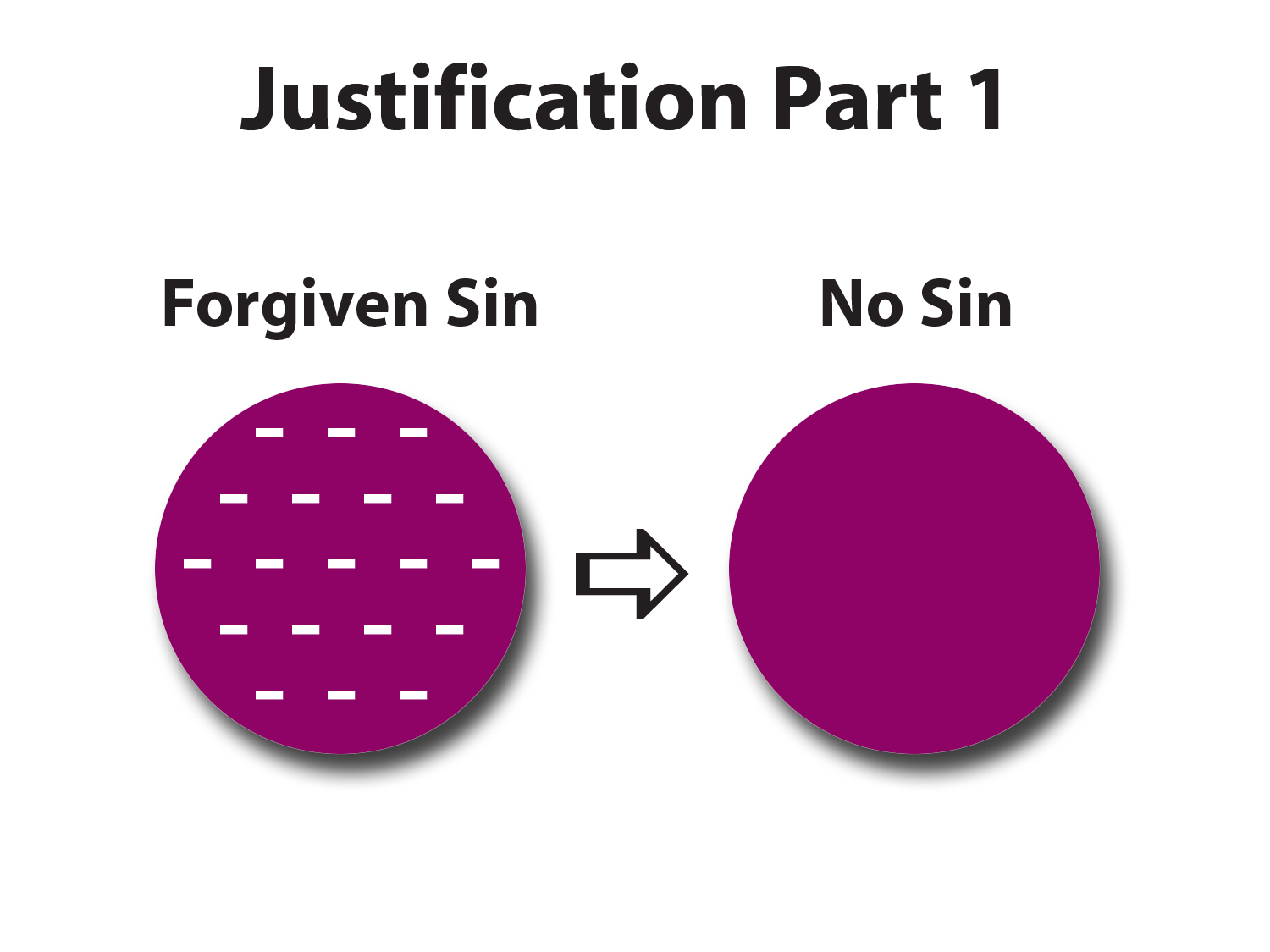
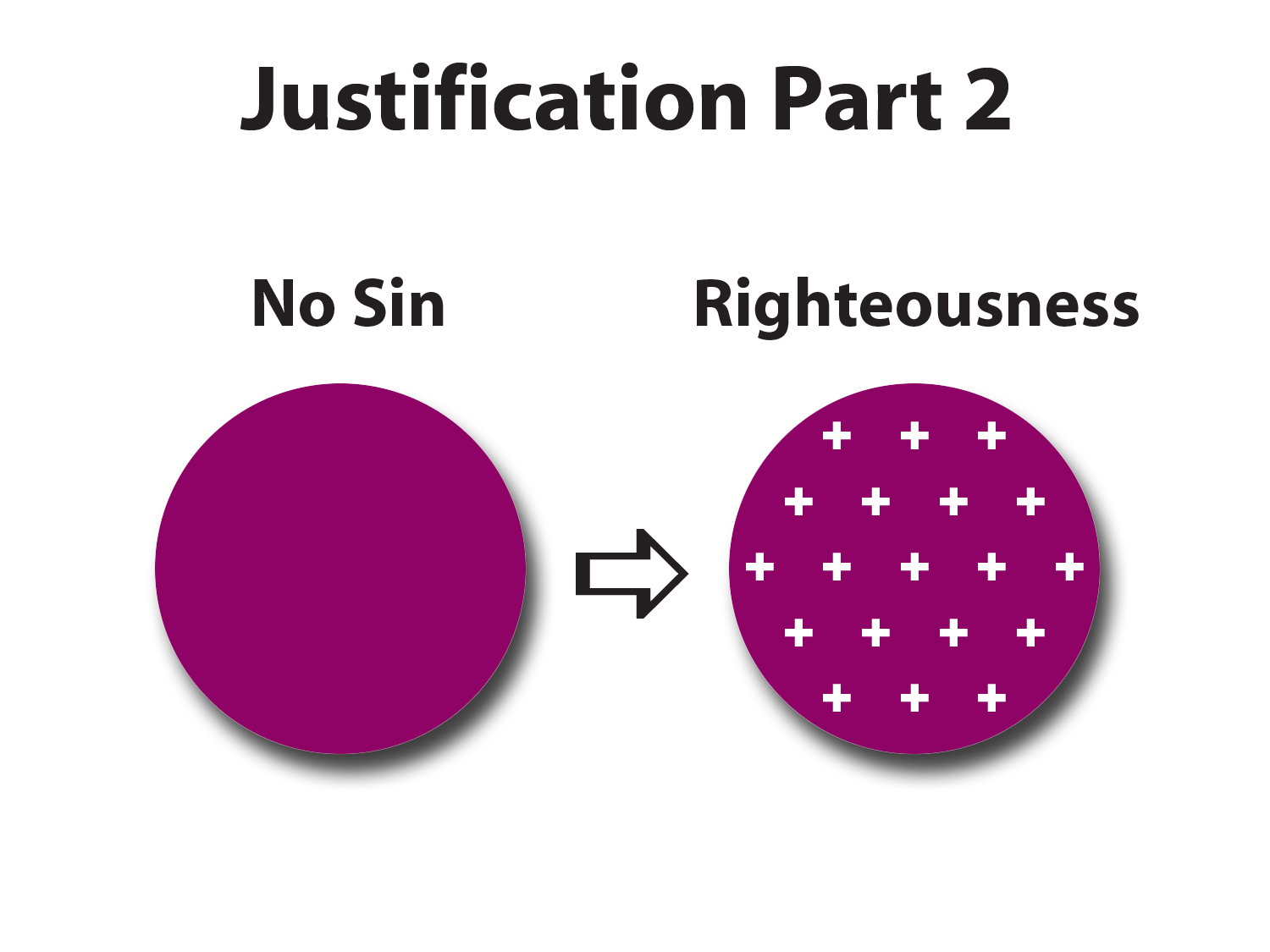
There is a sense in which, as Christians, we relish the idea of redemption. And we should. After all, the overwhelming debt of our sin has been paid for by Christ’s death on the cross. We have been released from our indebtedness and that is good news, because the wages or payment for our sin was our own death. But Jesus Christ became our sin substitute, taking our place on the cross and bearing the righteous wrath of God as our unblemished, sinless sacrifice. As a result, Paul tells us, “we are debtors, not to the flesh” (Romans 8:12 ESV). We have had our debt cancelled. Our sin ledger has been reconciled, and it now shows a zero balance. No sin. Nothing owed. But wait. Even as good as that news is, there is something missing. Our sin debt has been paid, but we need righteousness. Jesus said, “For I tell you, unless your righteousness exceeds that of the scribes and Pharisees, you will never enter the kingdom of heaven” (Matthew 5:20 ESV). The absence of sin is not righteousness. Having our sin debt paid was just part of the equation.

Justification1Justification

Paul gives us the rest of the good news. “For our sake he made him to be sin who knew no sin, so that in him we might become the righteousness of God” (2 Corinthians 5:20 ESV). Earlier in his letter to the Roman believers, Paul states that Jesus “was delivered up for our trespasses and raised for our justification. Therefore, since we have been justified by faith, we have peace with God through our Lord Jesus Christ” (Romans 4:25-5:1 ESV).

You see, in verses 12-14 of Romans, Paul was careful in his sentence structure. He said “we are debtors”, but not to sin. The Greek word he used was opheiletēs and it means “one who owes another, one held by some obligation, bound by some duty”. Yes, we are free from slavery to sin. Our sin debt has been cancelled in full. But we “owe” Christ for our righteousness. He has deposited into our account the righteousness we could never have produced on our own. We are debtors to Christ. And we will never be able to pay Him back for what He has done. But we can live according to the Spirit. We can show our gratitude for all He has done for us by living our lives in obedience to the His Spirit who lives within us. Paul states that it is by the Spirit that we are able to put to death the deeds of the body. We should want to distance ourselves from our old way of life – our sin-controlled, debt-filled life before Christ. We have been given the righteousness of Christ and are therefore, justified in the eyes of God. He sees us as righteous and just. And we owe it all to Jesus.

Earlier in his letter to the Romans, Paul states, “But now that you have been set free from sin and have become slaves of God, the fruit you get leads to sanctification and its end, eternal life” (Romans 6:22 ESV). Peter provides us with a similar admonition. “Live as free people, but do not use your freedom as a cover-up for evil; live as God’s slaves” (1 Peter 2:16 NET). We tend to overlook the fact that God paid a high price for our salvation. He gave His only Son as the payment for our sin. Peter reminds us, “you were ransomed from the futile ways inherited from your forefathers, not with perishable things such as silver or gold, but with the precious blood of Christ, like that of a lamb without blemish or spot” (1 Peter 1:18-19 ESV). Which is exactly why Paul unapologetically tells us, “Or do you not know that your body is a temple of the Holy Spirit within you, whom you have from God? You are not your own, for you were bought with a price. So glorify God in your body” (1 Corinthians 6:19-20 ESV).

We are sons and daughters of God. Not only have our sins been paid for and our debt forgiven, we have been adopted by God and placed into His family because we have had the righteousness of Christ imputed to us. And we have had the Spirit of God placed within us. So we are to live according to our new standing as God’s children, with the help of God’s indwelling Spirit. We are debtors to God. Our lives belong to Him. Our righteousness is not our own, but was made possible because of His Son’s death on the cross in our place. We have eternal life secured for us by virtue of Christ’s sacrificial death. We can’t lose it. We can’t do anything to un-earn it, because we didn’t earn it to begin with. But we can live with a sense of gratitude for all that God has done to make it possible. We can choose to live like children of God and not children of this world. We can choose to live according to the Spirit rather than according to our old sin nature. While we can never repay God for all He has done for us, we can express our appreciation through the way we live our lives.

Worthy of Praise.

Blessed be God, because he has not rejected my prayer or removed his steadfast love from me! – Psalm 66:20 ESV

Have you ever stopped to consider the unbelievable reality that God hears your prayers? Not only does He hear them, He answers them. Maybe not in the way you would like or were expecting, and perhaps not on the schedule you were hoping for, but He always answers. But the even more amazing fact is that God hears our prayers to begin with. Think about that. Why should He? What have we done to deserve the attention of the holy, righteous, sinless God who created the entire universe. He is the one who made us and yet we have returned the gift of His creation with sin, rejection of His authority, indifference to His Word, and a constant love for creation instead of the Creator. So why does He listen? Because for those of us who are in Christ, He sees us as righteous because of the sacrificial blood of His Son. God no longer sees us as rebellious sinners, but as saints, sons and daughters. We are His children and, as a good Father, He listens to our calls for help, our pleas for direction, and our cries for mercy. The psalmist praised God because his prayers had not been rejected. He praised the fact that God was still in love with him in spite of him. He was able to say, “But truly God has listened; he has attended to the voice of my prayer” (Psalm 66:19 ESV). 

The sad fact is that we take that reality for granted. God listens to our prayers and the unbelievable nature of that thought doesn’t even seem to register with us. God chooses to hear me when I call out to Him. Not because I deserve it, but because His Son has paid the price for my sins so that I can come into the very presence of God the Father with no fear of condemnation or rejection. He hears me and He listens to me as His child. He loves me and answers me like a loving Father would one of His children. And I take it for granted. So do you. We have given God plenty of good reasons to reject our prayers and ample cause for Him to fall out of love with us. But He continues to hear and listen to us. He continues to love us unconditionally and unwaveringly. So why don’t we praise Him more? David did. He got it. He appreciated God’s love and the fact that He heard his prayers. Read the following words of David and ask yourself when was the last time you felt the same way.

Let all that I am praise the Lord;
    with my whole heart, I will praise his holy name.
Let all that I am praise the Lord;
    may I never forget the good things he does for me.
He forgives all my sins
    and heals all my diseases.
He redeems me from death
    and crowns me with love and tender mercies.
He fills my life with good things. – Psalm 103:1-5 NLT

God hears you. He answers you. He loves you. So why doesn’t that amaze you? Why doesn’t that produce an attitude of gratitude and praise in you? If you’re anything like me, it is probably because we don’t pray and truly believe He hears us or answers us. Or it could be that we pray and then fail to recognize His answers when they come. David said, “He fills my life with good things.” We have lost the sense of God’s goodness in our lives. We no longer see all the good things that He is doing in our lives every day. Instead, we have boiled down the proof of His activity in our lives to the list of things we ask of Him and expect Him to deliver. We are like a child who wants a new bike, but fails to appreciate the bed in which he sleeps, the food he eats, the clothes he wears, and the room full of toys he already enjoys. We want and demand more from God, while failing to appreciate and show gratitude for all He has already done. God is worthy of our praise – all the time. The very fact that He hears us when we pray and loves us even when we sin, should amaze and astound us. It should produce in us an overwhelming sense of thankfulness. Our attitude should be that of David. “Shout for joy to God, all the earth; sing the glory of his name; give to him glorious praise! Say to God, ‘How awesome are your deeds!’” (Psalm 66:1-3 NLT). Praise Him. Not because of what you are waiting for Him to do for you, but for the very fact that He loves you enough to hear you when you call. Praise Him for all He has already done. Praise Him because He provided His own son as a sacrifice for your sins and has made it possible for you to enjoy a relationship with Him, free from fear and condemnation. He is worthy of our praise. So let us praise Him. Shout for joy to the Lord. Sing His praises. Let Him know just how grateful you are that He hears you and loves you.

Word of Mouth.

One generation shall commend your works to another, and shall declare your mighty acts. On the glorious splendor of your majesty, and on your wondrous works, I will meditate. They shall speak of the might of your awesome deeds, and I will declare your greatness. They shall pour forth the fame of your abundant goodness and shall sing aloud of your righteousness. – Psalm 145:4-7 ESV

Psalm 145

Commend. Declare. Speak. Pour forth. Sing aloud.

Silence may be golden, but it has no place in the life of the believer when it comes to God. We are to be blatantly verbal and vociferous about Him. According to David, the only time we should be silent about God is in order to meditate on the splendor of His majesty and on His wondrous works. But the meditation is simply intended to provide us with food for thought and then words of testimony and praise. When we think about God and His greatness, we will be motivated to turn those thoughts into verbal expressions. God is due our praise and if we are silent, we demonstrate either our ignorance of His greatness or our indifference. It is interesting to note that when Jesus was entering Jerusalem on the back of a donkey’s foal, the crowds were cheering wildly, exclaiming “Blessed is the King who comes in the name of the Lord! Peace in heaven and glory in the highest!” (Luke 19:38 ESV). When the Pharisees witnessed this scene, they demanded that Jesus silence the crowd. But His response was simply, “I tell you, if these were silent, the very stones would cry out” (Luke 19:40 ESV).

God deserves praise. And as the only members of His creation with the capacity for speech, we are intended to use our voices to verbally acknowledge who He is and all that He has done. We are to commend, declare, speak, pour forth and sing aloud. And of all people, believers should have the most to say about God. There is something normal and natural about talking about that for which we are grateful or by which we have been amazed. When we see a beautiful sunrise, we feel the urge to tell someone. When we take a memorable vacation, we can’t help talking about it. When we are proud of our children, no one will be able to stop us from bragging about them. We tend to praise that which we appreciate. We talk about what interests us. We unashamedly testify to others about what we find meaningful in our lives. It could be a delicious meal at a local restaurant, a good book, a movie, a newly discovered musical group, a recent Facebook post, a personal achievement or any of a number of other things. But how often do we declare the greatness of God? How many times do we commend God to others? How frequently do praises concerning God come from our lips and to the ears of those we meet? Are we prone to sing God’s praises out loud and outside the context of a Sunday morning worship service?

David so eloquently wrote, “The heavens proclaim the glory of God. The skies display his craftsmanship. Day after day they continue to speak; night after night they make him known. They speak without a sound or word; their voice is never heard. Yet their message has gone throughout the earth, and their words to all the world” (Psalm 19:1-4 NLT). The heavens declare the glory of God. We can see it in a sunrise or sunset, a cloud formation, a night sky filled with stars or the gentle breeze on a warm summer night. God’s creation constantly praises Him. The angels in heaven never cease to offer Him verbal praise and adoration. But as human beings, the pinnacle of His creative energies, far too often we remain silent. Rather than commend God to others, we complain. Instead of declaring the mighty acts He has already done, we demand that He do more. We speak, but do the words that come out of our mouths concern God? Do words of praise, thanksgiving and honor for God pour forth from our lips? Do we sing aloud of His righteousness?

Our silence condemns us. But it has even far greater implications. Our failure to speak up concerning God’s glory and greatness puts the next generation at a distinct disadvantage. They run the risk of growing up having never heard of who He is. And it is not that they are living in a verbal void. They are surrounded by voices of all kinds shouting messages of every type imaginable. Their ears are being bombarded by false messages and deceitful words that leave God out or attempt to diminish His significance. So we must speak up. We must commend, declare, speak, pour forth and sing aloud. What the next generation will know about God will only come from what we tell them about God. Paul would have us consider “And how can they believe in him if they have never heard about him? And how can they hear about him unless someone tells them?” (Romans 10:14 NLT). God deserves our praise. The next generation depends upon it.

The words of the chorus, “My Lips Will Praise You” say it all.

My lips will praise You
For You are holy
My voice will ever rise
Before Your throne
My heart will love You
For You are lovely
And You have called me
To become Your own
We have much for which to praise God. There is no reason to remain silent. Our silence indicts us. It reveals an ingratitude or at least an ignorance of His activity in our lives. And it leaves the next generation at a distinct disadvantage. So let us talk loud and often. Let us declare boldly and proudly. Our God is great and greatly to be praised.

Greatly To Be Praised.

I will extol you, my God and King, and bless your name forever and ever. Every day I will bless you and praise your name forever and ever. Great is the Lord, and greatly to be praised, and his greatness is unsearchable. – Psalm 145:1-3 ESV

Psalm 145

David loved God. In fact, he talked about Him and to Him constantly. God seemed to be on David’s mind a lot. Maybe it was because he knew just how much he needed God. He seemed to have a firm grasp on the reality of his dependence upon God – for everything. God had chosen him while he was just a shepherd boy and transformed him into the king of Israel. God had given David victory over Goliath, the Philistines, Saul and a host of other enemies. God had spared David from the full ramifications of his own sin with Bathsheba and allowed him to continue his reign as king. David had much to be grateful for and he constantly praised God for who He was and for all He had done. David extolled God. He lifted Him up, exalted Him and gave Him the glory and honor due Him. He didn’t treat God flippantly or casually. David refused to see God as common place or take Him for granted. In David’s estimation, God was great and greatly to be praised. As a matter of fact, God’s greatness was unsearchable. In other words, you could never plumb the depths of His greatness. Just when you think you know how great God is, He surprises you. God’s greatness isn’t limited or exhaustible. He doesn’t run out of wonders or miracles to perform – a fact that David had experienced personally, time and time again.

Here was David the king of Israel acknowledging Yahweh as his God and as his King. David would not have used the term “king” lightly. He was a king himself and he knew well the implications of that title. God was sovereign. He was the ruler over everyone and everything, including David himself. God was not just a deity to be worshiped, but a King to be honored and obeyed. God’s word was final. His majesty was incomparable. There was no other king who could compare to Him, including David. God was great and He deserved David’s praise, and David was more than happy to give it – each and every day of his life.

But what about us? Do we find God great and greatly to be praised? Is He worthy of our adoration, honor and daily praise? Do we think enough of Him or about Him that it results in us telling Him how much we love Him? Sometimes our problem is that we don’t give God enough thought. We allow our minds to be occupied with thoughts of anything and everything but God, including ourselves. We can end up praising all kinds of things but God. But David would remind us that God alone is worthy of our praise. He would encourage us to recognize and appropriately respond to the greatness of God. And he would have us see God as not only as a great God, but as our King. Recognition of God’s sovereignty and rule over our lives includes submission to His will for our lives. It entails giving up our rights for His righteous rule over every area of our lives. David was king, but he knew that his reign was subject to God’s. Any authority he enjoyed was God-ordained and could be removed by God at His discretion. David’s greatness was solely due to God’s goodness and graciousness. God had made him king. God had blessed his kingship. God had given him victory over his enemies. God had made him powerful. So God was worthy of honor and praise. Our failure to recognize God’s greatness can result in a tendency toward self-exaltation. We can begin to believe that we are responsible for our own achievements. We can end up taking credit for who we are and all that we have done. But an awareness of God’s greatness keeps us from becoming enamored with our own significance. All that we have and all that we are we owe to Him. He alone gives life and breath. He alone sustains and blesses. He alone does mighty deeds. He alone is worthy to be praised. But the truth is, we only praise that for which we are grateful and that holds our affections. So we praise our health, our homes, our jobs, our material possessions, our family and our own accomplishments – forgetting that we owe it all to God. He is great and greatly to be praised. He is our God and King. Every day we wake up, we should offer Him the praise, honor and gratitude He so richly deserves. And no matter how often we praise Him, we will never run out praiseworthy  things for which to honor Him. Because His greatness is unsearchable.

None Like You.

Because of your promise, and according to your own heart, you have brought about all this greatness, to make your servant know it. Therefore you are great, O Lord God. For there is none like you, and there is no God besides you, according to all that we have heard with our ears. – 2 Samuel 7:21-22 ESV

2 Samuel 7:18-29

God had transformed David from an obscure shepherd boy into a mighty king over the nation of Israel – God’s chosen people. Not only that, God had promised to give David an everlasting dynasty, with one of his descendants occupying the throne in Jerusalem. David could look back over his life and see the hand of God, and now he could contemplate the future with confidence, knowing that God had it all under control. Yes, David was going to have to die to his dream of building a temple for God, but his disappointment was replaced with joy as soon as he understood that God had an even great plan in store. The interesting thing to note is the David, the king of Israel, willingly submitted himself to God, the King of the universe. In fact, David repeatedly refers to himself as God’s servant throughout this prayer. Yes, he was king and held the most powerful position in the land. But he humbly submitted himself to God because he recognized that any power, authority, success or significance he enjoyed was due to the sovereign hand of God. He confessed to God, “you have brought about all this greatness”. David could look back over his life and see God intimately involved every step along the way. From his unlikely selection by Samuel to be the next king of Israel to his defeat of the Philistine warrior, Goliath, David saw God’s divine fingerprints. He knew that it had been God who had protected him all those years he lived in exile in the wilderness with a bounty on his head issued by King Saul. He knew that it had been God who had arranged his ascent to the throne. God had given him his victories over the enemies of Israel. God had been the one to forgive his sin with Bathsheba and allowed him to continue his reign. Everywhere David looked, he could see the hand of God.

They say hindsight is 20/20. It sometimes takes the passing of time and the opportunity to contemplate where we have been to give us a true perspective on just what has happened. Looking back allows us to view the events of our life more realistically. We are able to see the lessons learned even in the darkest moments. From our present vantage point, we are more apt to understand now what was going on then. In fact, our reflection on the past often leads us to say, “If I had only known then what I know now”. But as believers in Christ, there is far more benefit to reflection on the past than potential life lessons to be learned. Like David, we should be able to look and see God’s fingerprints all over every aspect of our lives. We should be able to see how He was leading us and eventually calling us to Himself. We should recognize the moments in which He had protected us or possibly disciplined us. Looking back allows us to better see our own sin and God’s gracious acts of salvation all along the way. And the result of our reflection should be the same as that of David. “Therefore you are great, O Lord God. For there is none like you, and there is no God besides you.”

But not only does looking back allow us to see the handiwork of God in our lives, so does looking forward. David could “see” into the future and rest easy, knowing that God had promised that He would “raise up your offspring after you, who shall come from your body, and I will establish his kingdom” (2 Samuel 7:12 ESV). God had told David that He would “establish the throne of his kingdom forever” (2 Samuel 7:13 ESV). And one of the reasons David could trust God’s word regarding the future was because he had experienced God’s faithfulness in the past. He had learned to trust God. He had no reason to doubt that God would fulfill His promises for the future because God had already proven Himself trustworthy and good for His word.

The greatness of God. Sometimes I think that reality escapes many of us who call ourselves Christians. We have somehow lost our awe for God. Rather than see Him as great, we simply take Him for granted. We fail to look back and see His hand in our lives. Any success we have achieved, we tend to take credit for. Any difficulties we have endured, we fail to see any value in. Some of us simply regret the past. Others of us inordinately revel in it. And either way, we can fail to see God in it. Recognizing God’s involvement in our past is essential if we are going to trust His promises for the future. If we don’t believe He has been there for us all along the way, we are going to have a hard time believing He will be there for us in the days ahead. One of the greatest lessons we can learn in this life is to recognize and appreciate the greatness of God. He is always great, whether we see it or are willing to acknowledge it. Sometimes, the best way to comprehend His greatness is to come to grips with our own weakness and insignificance. For David, the very thought that God had chosen him, an insignificant shepherd boy, and made him a king, was mind blowing. That God had chosen to protect him all those years he was running from a psycho king with a one-track mind focused on David’s annihilation, was almost too much for him to believe. But he did believe and he was grateful. He was awed at God’s greatness. And so should we be. Like David, we should be able and willing to exclaim, “Great is the LORD! He is most worthy of praise! No one can measure his greatness” (Psalm 145:3 NLT).

Who Am I?

Then King David went in and sat before the Lord and said, “Who am I, O Lord God, and what is my house, that you have brought me thus far? And yet this was a small thing in your eyes, O Lord God. You have spoken also of your servant’s house for a great while to come, and this is instruction for mankind, O Lord God! And what more can David say to you? For you know your servant, O Lord God!” – 2 Samuel 7:18-20 ESV

2 Samuel 7:18-29

David desired to build a temple for God. He had enjoyed great success and his kingdom had grown strong and prosperous. As a show of gratitude, he wanted to construct a suitable house for his God. But Nathan the prophet, under instructions from God Himself, informed David that he would not be building a temple. First, God made it clear that He had never asked for anyone to build Him a permanent dwelling place. “In all places where I have moved with all the people of Israel, did I speak a word with any of the judges of Israel, whom I commanded to shepherd my people Israel, saying, ‘Why have you not built me a house of cedar?’” (2 Samuel 7:7 ESV). Not only that, God told David that He would build his house. But instead of talking about a dwelling place, God was speaking of David’s dynasty or lineage. God told David, “When your days are fulfilled and you lie down with your fathers, I will raise up your offspring after you, who shall come from your body, and I will establish his kingdom. He shall build a house for my name, and I will establish the throne of his kingdom forever. I will be to him a father, and he shall be to me a son” (2 Samuel 7:12-14 ESV). God was speaking of David’s son, Solomon. It would be he who would build the temple David envisioned. But it would be God who made it all possible, providing Solomon with a prosperous and peace-filled reign. And as a final word of promise to David, God said, “And your house and your kingdom shall be made sure forever before me. Your throne shall be established forever” (2 Samuel 7:16 ESV).

While David’s initial reaction to this news was probably disappointment, because he was not going to get to fulfill his dream of building a temple for God, his prayer reflects his amazement and gratitude at the grace of God. His immediate response was one of awe, leading him to ask, “Who am I, O Lord God, and what is my house, that you have brought me thus far?” God had reminded David of how he had gotten to where he was. “I took you from the pasture, from following the sheep, that you should be prince over my people Israel. And I have been with you wherever you went and have cut off all your enemies from before you. And I will make for you a great name, like the name of the great ones of the earth” (2 Samuel 7:8-9 ESV). David’s rise to prominence had been totally God’s doing. He had taken an obscure shepherd boy and transformed him into a mighty warrior-king. And this reminder led David to wonder out loud why God would have ever chosen him as the recipient of such an amazing blessing. God had done great things for David and that fact had not escaped the king. And now God was promising David a dynasty – an ongoing, unbroken succession of kings who would be his own descendants. This was a first for Israel. Saul had been their first king, but David had succeeded him. Now David was being told, “your house and your kingdom shall be made sure forever before me. Your throne shall be established forever” (2 Samuel 7:16 ESV). This was an incredible piece of news for David. He was being promised by God that his throne or kingdom would have no end. David knew that for that to happen, it would have to be the work of God. No dynasty lasted forever. No earthly kingdom went on without interruption or end. So God was promising something extraordinary and seemingly impossible, and David reacted accordingly.

But little did David know what this covenant really meant. God had something far greater in store than even David could imagine. We know that Solomon’s reign would not end well. In fact, his disobedience to God would end up splitting the kingdom in half. The coming years would see a succession of kings, most of whom would not serve the Lord faithfully. Eventually, the northern kingdom of Israel would be defeated and taken captive by the Assyrians. Not long afterwards, the southern kingdom of Judah would fall to the Babylonians. And then there would be a long period of time where no king reigned over Israel. It would appear as if God’s promise to David had failed. But God was not done. It was all part of His divine plan of redemption. Because eventually, He would send His own Son, born to Mary, a descendant of David, making Jesus a legitimate heir to the throne of David. God made this clear to Mary when He gave her news of her unexpected and miraculous pregnancy. “And behold, you will conceive in your womb and bear a son, and you shall call his name Jesus. He will be great and will be called the Son of the Most High. And the Lord God will give to him the throne of his father David, and he will reign over the house of Jacob forever, and of his kingdom there will be no end” (Luke 1:31-33 ESV).

God had chosen an unknown shepherd boy and made him a king. He chose an obscure peasant girl and making her the mother of the Messiah. God is always the instigator. As Paul reminds us, “None is righteous, no, not one” (Romans 3:10 ESV). No one deserves God’s blessing. No one merits God’s salvation. All of us who have experienced the joy of forgiveness of sins and restoration with God through faith in Jesus Christ could say along with David, “Who am I?” We must never forget our own undeservedness and the reality that “all have sinned and fall short of the glory of God” (Romans 3:23 ESV). Our salvation is the work of God and of His Son Jesus Christ. It is not our doing. Which is why we should never cease to be amazed that God chose to extend His love, grace and mercy to us.

1 Thessalonians 5:12-28

God’s Will – Part 2.

1 Thessalonians 5:12-28

Always be joyful. Never stop praying. Be thankful in all circumstances, for this is God’s will for you who belong to Christ Jesus. – 1 Thessalonians 5:16-18 NLT

Earlier in his letter, Paul had told the Thessalonian believers that it was God’s will for them to be holy. then he gave them a practical example of what that kind of life looked like. They were to avoid sexual sin at all costs. They were to control their own lustful passions and live holy lives, not impure lives. They were to love and honor one another. They were to live their lives in such a way that they honored and pleased God. And now, at the close of his letter, Paul gives them another practical application of what a holy life looks like – a life that reflects God’s will for all believers. It is a life marked by joy. Not a giddy, unstable happiness based on changing circumstances, but a deep joy that is founded on the knowledge that we have a right relationship with God, our sins forgiven, our eternity secure and a God who loves us so much that there is nothing we can do that would ever cause Him to fall out of love for us. He is constantly out for our best interests and our circumstances, whether good or bad, are not an indicator of God’s love for us. His love is expressed in our spiritual transformation, that was made possible by His Son’s death on the cross. And that transformation is ALWAYS taking place within us, because of the indwelling presence of His Spirit. Which should bring us joy.

We are to pray without ceasing. In other words, prayer should be a constant part of our lives because God is a constant part of our lives. Prayer is not just petition, or asking God for things. It is also expressions of thanksgiving and praise. Prayer is the intimate communication between the Father and His child. And He wants to hear from us as much as we want to hear from Him. Prayer includes spending time listening to God, which is difficult, because we can’t hear His voice audibly or out loud. He speaks to us through His Word and His Spirit. God is always speaking to us, but the problem is that we seldom take time to listen. So we are to pray or communicate with Him constantly, unceasingly.

And we are to live lives that are marked by thankfulness – not just for the good things that happen in our lives – but even for the trials and difficulties. Why? Because as believers, we should know that God is at work in our lives at ALL times, using even the difficulties of life to transform us into the likeness of His Son. And we can live our lives with the assurance that He ALWAYS loves us – at all times – even when our circumstances seem to shout otherwise. And we can be thankful for that love and express our gratitude back to Him. None of this comes naturally. It isn’t a normal reaction for most of us, because it runs contrary to our sinful nature. We are wired to complain, not express thanks. We are prone toward dissatisfaction and discontentment, not gratefulness. Prayer is the ultimate expression of dependence on God, and we tend to be far too independent to have to rely on God. And since joy is a fruit of the Spirit, and not a byproduct of our human nature, it must be produced by the Spirit in our life. We can’t manufacture it or even fake it well. As we live in tune with and in obedience to the Spirit, He produces within us a joy that goes far beyond mere happiness. It is not based on circumstances, but on the certainty of God love for us.

God’s will for us is that we live holy live. But holy lives are practical lives. And ultimately, Paul tells us, God must make us holy. That is his prayer for the Thessalonian believers and, by extension, his prayer for us. “Now may the God of peace make you holy in every Way and make your whole spirit and soul and body be kept blameless until our Lord Jesus Christ returns again. God will make this happen, for he who calls you is faithful” (1 Thessalonians 5:23-24 NLT). It is not only God’s will that we be holy. It is His mission. And one day He will complete that mission. There is a day coming when our holiness will be complete. Sin will be eradicated. Our transformation into the likeness of Christ will be finalized. We will be holy and blameless, because God is faithful and true.

Father, our holiness is of great importance to You, so it should be of great importance to us. Not that we should try to make ourselves holy, but that we should see it as our highest priority. We should view the circumstances of life as Your laboratory in which You are refining and perfecting us. You are always at work within and around us. Your ultimate goal is not our temporary happiness, but our eternal holiness. Give us that divine perspective. Help us to see our lives from Your viewpoint and with Your ultimate goal for us in mind. Amen.

Ken Miller
Grow Pastor & Minister to Men
kenm@christchapelbc.org