Running With Endurance and Expectation

13 Since we have the same spirit of faith according to what has been written, “I believed, and so I spoke,” we also believe, and so we also speak, 14 knowing that he who raised the Lord Jesus will raise us also with Jesus and bring us with you into his presence. 15 For it is all for your sake, so that as grace extends to more and more people it may increase thanksgiving, to the glory of God.

16 So we do not lose heart. Though our outer self is wasting away, our inner self is being renewed day by day. 17 For this light momentary affliction is preparing for us an eternal weight of glory beyond all comparison, 18 as we look not to the things that are seen but to the things that are unseen. For the things that are seen are transient, but the things that are unseen are eternal. – 2 Corinthians 4:13-18 ESV

What Paul taught, he fully believed, and his belief in the resurrection of Jesus Christ is what fueled his ministry and personal life. It was also his firm, unwavering belief in the reality of our future redemption and glorification that motivated all his efforts. Quoting from Psalm 116:10, Paul says, “I believed, and so I spoke.” To understand why Paul chose this particular verse from this particular psalm, it is essential to recall what Paul has been discussing with the Corinthians.

We are afflicted in every way, but not crushed; perplexed, but not driven to despair; persecuted, but not forsaken; struck down, but not destroyed; always carrying in the body the death of Jesus, so that the life of Jesus may also be manifested in our bodies. – 2 Corinthians 4:8-10 ESV

In these three verses, Paul describes the nature of his earthly ministry that was difficult and, at times, dangerous. No doubt, Paul chose to quote from Psalm 116 because it had become near and dear to his heart during those many times of trials and troubles. The second part of the verse he quoted reveals that this psalm carried special meaning for Paul.

I believed, even when I spoke:
“I am greatly afflicted” –
Psalm 116:10 ESV

Even during his times of difficulty, Paul’s cries of despair were driven by his belief in God. The psalmist shared Paul’s faith in the sovereignty and compassionate mercy of God.

I love the Lord, because he has heard
    my voice and my pleas for mercy.
Because he inclined his ear to me,
    therefore I will call on him as long as I live. – Psalm 116:1-12 ESV

For you have delivered my soul from death,
    my eyes from tears,
    my feet from stumbling;
I will walk before the Lord
    in the land of the living. – Psalm 116:8-9 ESV

What shall I render to the Lord
    for all his benefits to me?
I will lift up the cup of salvation
    and call on the name of the Lord,
I will pay my vows to the Lord
    in the presence of all his people. – Psalm 116:12-14 ESV

Paul had experienced the mercy of God not only in his conversion but also in the everyday struggles of life. His awareness of the Lord’s constant and compassionate intervention became part of the message he shared with others. He wanted them to know that his efforts on their behalf were motivated by his firm belief in the Lord’s providential involvement in his life.

He assures the Corinthians that his ministry among them was done for their sake.

All of this is for your benefit. And as God’s grace reaches more and more people, there will be great thanksgiving, and God will receive more and more glory. – 2 Corinthians 4:15 NLT

The greater good of men and the glory of God were what motivated his efforts. And it was these two things that prevented him from losing heart or becoming discouraged, no matter how much difficulty he faced.

That is why we never give up. Though our bodies are dying, our spirits are being renewed every day. – 2 Corinthians 4:16 NLT

Paul could relate to the reflections of the psalmist.

How kind the Lord is! How good he is!
    So merciful, this God of ours!
The Lord protects those of childlike faith;
    I was facing death, and he saved me.
Let my soul be at rest again,
    for the Lord has been good to me. – Psalm 116:5-7 NLT

Paul was buoyed by the mercy and grace of God. He believed in God’s presence and trusted in His power. Yes, his body was dying, and he knew what it was like to suffer physically as he performed his ministry, but he found hope in the knowledge that God was with him in this life and would one day reward him with eternal life. From Paul’s perspective, his suffering was nothing more than “light momentary affliction” (2 Corinthians 4:17 ESV). In the grand scheme of things, the trials of this life were small and of limited duration, “Yet they produce for us a glory that vastly outweighs them and will last forever!” (2 Corinthians 4:17 NLT).

He chose to view his earthly struggles from a positive, rather than a negative, perspective. They would be short-lived but have a long-lasting influence on his life. In his letter to the believers in Rome, he reminded them that their temporal suffering was nothing when compared with the future glory God had in store for them.

…if we are to share his glory, we must also share his suffering. Yet what we suffer now is nothing compared to the glory he will reveal to us later. For all creation is waiting eagerly for that future day when God will reveal who his children really are. – Romans 8:17-19 NLT

Suffering precedes glory. Jesus believed it and demonstrated it in His own life. He endured the cross before He received the crown. That is why He promised that this life would have its difficulties (John 16:33), but He also assured us that this life is not all there is; there is more to come. And it was Paul’s belief in the reality of the resurrection and its guarantee of our future redemption that kept him going.

So we don’t look at the troubles we can see now; rather, we fix our gaze on things that cannot be seen. For the things we see now will soon be gone, but the things we cannot see will last forever. – 2 Corinthians 4:18 NLT

It is our faith in the future that gives us strength in the present. Having a future-focused faith keeps us from fixating on our troubles and trials, as if they are reality and heaven is nothing more than a fantasy. Paul reminds us, “the things we see now will soon be gone, but the things we cannot see will last forever” (2 Corinthians 4:18 NLT).

Like a runner who keeps his eyes on the finish line, we are to run the race of life with endurance. We must be willing to suffer the pains and difficulties associated with this world because we believe the reward at the end of the race will be well worth the effort.

The writer of Hebrews provides us with some powerful words of motivation:

Therefore, since we are surrounded by such a huge crowd of witnesses to the life of faith, let us strip off every weight that slows us down, especially the sin that so easily trips us up. And let us run with endurance the race God has set before us. We do this by keeping our eyes on Jesus, the champion who initiates and perfects our faith. Because of the joy awaiting him, he endured the cross, disregarding its shame. Now he is seated in the place of honor beside God’s throne. Think of all the hostility he endured from sinful people; then you won’t become weary and give up. After all, you have not yet given your lives in your struggle against sin. – Hebrews 12:1-4 NLT

Father, too oftern I buy into the enemy’s life that this life is all there is. Even though I believe in the promise of the resurrection and the reality of eternal life, I find myself trying to turn this world into my personal “heaven.” I want to experience all the abundant life Your Son promised but I want it now. and on my own terms. Then, when things don’t turn out quite the way I expected, I find myself questioning Your goodness or doubting Your promises. I end up inflating the light momentary afflictions I face and forgetting about the future glory that awaits me. I take my eye off the prize and forget why I was running the race to begin with. Help me to maintain my focus and remember that I am running with a destination in mind. There is an end to this race, and the reward will far outweigh any pain and suffering I may have to endure along the way. Amen

English Standard Version (ESV) The Holy Bible, English Standard Version. ESV® Permanent Text Edition® (2016). Copyright © 2001 by Crossway Bibles, a publishing ministry of Good News Publishers.

New Living Translation (NLT) Holy Bible, New Living Translation, copyright © 1996, 2004, 2015 by Tyndale House Foundation. Used by permission of Tyndale House Publishers Inc., Carol Stream, Illinois 60188. All rights reserved.
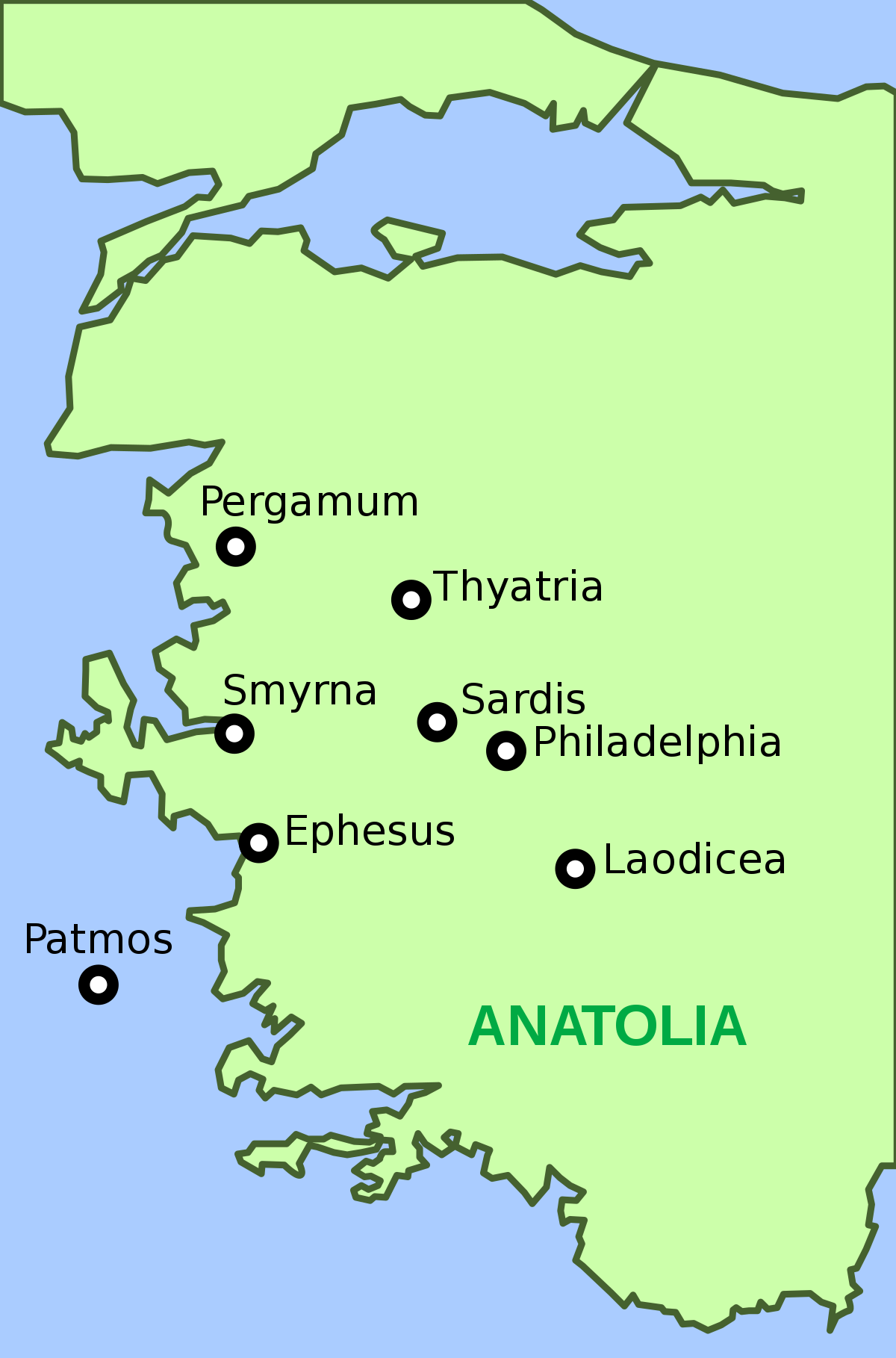
The Grit and Grip of God’s Grace

12 For our boast is this, the testimony of our conscience, that we behaved in the world with simplicity and godly sincerity, not by earthly wisdom but by the grace of God, and supremely so toward you. 13 For we are not writing to you anything other than what you read and understand and I hope you will fully understand— 14 just as you did partially understand us—that on the day of our Lord Jesus you will boast of us as we will boast of you. – 2 Corinthians 1:12-14 ESV

It will become increasingly evident from the content of this letter that Paul’s ministry was being maligned or at least questioned. His motives were also under the microscope, constantly scrutinized and criticized by those who chose to reject his authority as an apostle. But Paul responds with confidence, claiming that he and his companions “behaved in the world with simplicity and godly sincerity” (2 Corinthians 1:12 ESV). Paul writes with complete confidence, even boasting that his conscience is clear. He knows what he has done and why he has done it. He has no reason to question his motives, because he knows that his actions were the result of God’s grace, not earthly wisdom. Paul had made this claim to the Corinthians in his first letter.

But by the grace of God I am what I am, and his grace toward me was not in vain. On the contrary, I worked harder than any of them, though it was not I, but the grace of God that is with me. – 1 Corinthians 15:10 ESV

It was God’s unmerited favor that had produced the transformation in Paul’s life. His words, actions, and even the content of his letters were the by-product of God’s ongoing grace in his life. God was working in him and through him, and he had no reason to take credit for it or apologize because of it. Paul says that his behavior had been marked by simplicity and godly sincerity. The Greek word for simplicity is haplotēs and it refers to “the virtue of one who is free from pretense and hypocrisy” (“G572 – haplotēs – Strong’s Greek Lexicon (KJV).” Blue Letter Bible. Web. 18 Sep, 2016. <https://www.blueletterbible.org&gt;). Paul claims that his conduct and speech have been free of hypocrisy or any hint of a hidden agenda. What he has said and done has not been motivated by selfishness or intended for personal gain. After all, as he stated in the opening verses of his letter, his ministry had not made him rich and famous, but resulted in affliction and even the threat of death.

The Greek word translated as “sincerity” is eilikrineia, which means “purity” or “cleanness.” Paul uses this same word again in the next chapter.

For we are not, like so many, peddlers of God’s word, but as men of sincerity, as commissioned by God, in the sight of God we speak in Christ. – 2 Corinthians 2:17 ESV

Paul’s conscience is clear because he knows his motives are pure. Anything he has accomplished in his life has been the work of the Spirit of God, and that is especially true of his relationship with and ministry to the Corinthians. Even now, as he writes this letter, he reminds them that all of his previous letters “have been straightforward, and there is nothing written between the lines and nothing you can’t understand” (1 Corinthians 1:13 NLT).

It is his sincere desire that they fully comprehend what it is he is trying to say to them and all that he is attempting to teach them. They might not immediately understand, but he longed for the day when it all made sense to them. He wasn’t in it to win friends, but to make a difference in their faith. He wanted to see them experience all that God had in store for them — the full expression of faith in Christ lived out in everyday life. He longed for them to grow in godliness and to put off their old, sinful natures. He wanted to see them grow in their knowledge of God and their dependence upon the Holy Spirit.

One can get a sense of Paul’s heart by reading some of the prayers he prayed for the churches he helped to start. He wrote to the believers in Colossae:

we have not stopped praying for you since we first heard about you. We ask God to give you complete knowledge of his will and to give you spiritual wisdom and understanding. Then the way you live will always honor and please the Lord, and your lives will produce every kind of good fruit. All the while, you will grow as you learn to know God better and better.

We also pray that you will be strengthened with all his glorious power so you will have all the endurance and patience you need. May you be filled with joy, always thanking the Father. – Colossians 1:9-11 NLT

He sent a similar message to the Christ-followers in Ephesus.

I have not stopped thanking God for you. I pray for you constantly, asking God, the glorious Father of our Lord Jesus Christ, to give you spiritual wisdom and insight so that you might grow in your knowledge of God. I pray that your hearts will be flooded with light so that you can understand the confident hope he has given to those he called—his holy people who are his rich and glorious inheritance.

I also pray that you will understand the incredible greatness of God’s power for us who believe him. This is the same mighty power that raised Christ from the dead and seated him in the place of honor at God’s right hand in the heavenly realms. Ephesians 1:16-20 NLT

Paul knew that if they listened to what he said and applied it to their lives, there would come a day when they would find reason to boast or glory in all that Paul had taught them, because they would see the fruit of it in their lives. The day to which Paul refers is the return of Christ, when he and all the Corinthians will stand before the Lord. It will be on that occasion that they fully comprehend the simplicity and sincerity of Paul’s methods and message.

For we must all stand before Christ to be judged. We will each receive whatever we deserve for the good or evil we have done in this earthly body. Because we understand our fearful responsibility to the Lord, we work hard to persuade others. God knows we are sincere, and I hope you know this, too. 2 Corinthians 5:10-11 NLT

Paul’s desire for the Corinthians was the same as he had for the believers in Philippi.

…that you may be blameless and innocent, children of God without blemish in the midst of a crooked and twisted generation, among whom you shine as lights in the world, holding fast to the word of life, so that in the day of Christ I may be proud that I did not run in vain or labor in vain. – Philippians 2:15-16 ESV

Paul wanted to be a success, but not so that he could gain recognition or earthly rewards. His motivation wasn’t money or fame, it was the hope of one day standing before the Lord and seeing the fruit of his labors — the countless believers who had held fast to the word of life and remained faithful to the end. Paul’s motives were pure, his heart was sincere, and his actions were the result of God’s grace in his own life. He wanted nothing more than to see the Corinthians grow in their faith and in their knowledge of God. They might not understand it now, but the day was coming when their eyes would be opened and their hearts filled with the joy of God’s grace, mercy, and love.

Father, Paul was anything but a quiter. Despite all the setbacks, suffering, and rejections he faced in his decades-long ministry, he never gave up or threw in the towel. He traveled incessantly, preached relentlessly, and suffered greatly for his efforts. But he wasn’t bitter or resentful. He was grateful for the opportunity to serve You in spreading the good news of Christ to the nations. He was often misunderstood, misrepresented, and maligned for what he wrote and said. His motives were questioned, his integrity was attacked, and he was constantly accused of everything from heresy to sedition. But your grace gave him the strength to carry on the mission free from hypocrisy, hidden agendas, or false pretense. He operated in the power of the Holy Spirit, so his efforts were pure and pleasing in Your eyes. That’s they way I want to live my life, but it can seem so impossible. Yet, by Your grace, all things are possible. Because of Your strength, I can do all things. Never let me lose sight of that reality.   Amen

English Standard Version (ESV) The Holy Bible, English Standard Version. ESV® Permanent Text Edition® (2016). Copyright © 2001 by Crossway Bibles, a publishing ministry of Good News Publishers.

New Living Translation (NLT) Holy Bible, New Living Translation, copyright © 1996, 2004, 2015 by Tyndale House Foundation. Used by permission of Tyndale House Publishers Inc., Carol Stream, Illinois 60188. All rights reserved.

Difficulties Produce Dependence Upon God

For we do not want you to be unaware, brothers, of the affliction we experienced in Asia. For we were so utterly burdened beyond our strength that we despaired of life itself. Indeed, we felt that we had received the sentence of death. But that was to make us rely not on ourselves but on God who raises the dead. 10 He delivered us from such a deadly peril, and he will deliver us. On him we have set our hope that he will deliver us again. 11 You also must help us by prayer, so that many will give thanks on our behalf for the blessing granted us through the prayers of many. – 2 Corinthians 1:8-11 ESV

Paul has just finished talking about the affliction he has suffered as a result of his ministry and the comfort he has received from God. He willingly accepted the first and gladly praised God for the second. He wants the Corinthians to know that his knowledge of suffering and affliction is firsthand and not academic. He knows what he is talking about. To make his point, he refers to a real-life incident of which they seemed to have some knowledge.

For we do not want you to be unaware, brothers, of the affliction we experienced in Asia. – 2 Corinthians 1:8 ESV

It’s unclear what occasion Paul is referring to, but we know that his life and ministry were marked by regular persecution and difficulty. The most likely event was the riot that took place in Ephesus at the instigation of “Demetrius, a silversmith who had a large business manufacturing silver shrines of the Greek goddess Artemis” (Acts 19:24 NLT). This disgruntled artisan stirred up his fellow craftsmen by accusing Paul and his companions of destroying their business. He asserted, “This man Paul has persuaded many people that handmade gods aren’t really gods at all. And he’s done this not only here in Ephesus but throughout the entire province!” (Acts 19:26 NLT).  According to Demetrius, Paul’s declaration that there was only one true God had diminished their sales of “handmade gods.” Not only that, he asserted that “the temple of the great goddess Artemis will lose its influence and that Artemis—this magnificent goddess worshiped throughout the province of Asia and all around the world—will be robbed of her great prestige!” (Acts 19:27 NLT). 

Luke records the outcome of Demetrius’ efforts.

Soon the whole city was filled with confusion. Everyone rushed to the amphitheater, dragging along Gaius and Aristarchus, who were Paul’s traveling companions from Macedonia. Paul wanted to go in, too, but the believers wouldn’t let him. Some of the officials of the province, friends of Paul, also sent a message to him, begging him not to risk his life by entering the amphitheater. – Acts 19:29-31 NLT

The unrest continued to escalate and was only curtailed when the town clerk gave an impassioned speech warning that the local Roman authorities would be forced to take action if they did not disperse.

I am afraid we are in danger of being charged with rioting by the Roman government, since there is no cause for all this commotion. – Acts 19:40 NLT

For his own safety, Paul was forced to leave the city. Later in this same letter, Paul offers an autobiographical glimpse into additional trials and tribulations he endured on behalf of Christ.

Are they servants of Christ? I know I sound like a madman, but I have served him far more! I have worked harder, been put in prison more often, been whipped times without number, and faced death again and again. Five different times the Jewish leaders gave me thirty-nine lashes. Three times I was beaten with rods. Once I was stoned. Three times I was shipwrecked. Once I spent a whole night and a day adrift at sea. I have traveled on many long journeys. I have faced danger from rivers and from robbers. I have faced danger from my own people, the Jews, as well as from the Gentiles. I have faced danger in the cities, in the deserts, and on the seas. And I have faced danger from men who claim to be believers but are not. I have worked hard and long, enduring many sleepless nights. I have been hungry and thirsty and have often gone without food. I have shivered in the cold, without enough clothing to keep me warm. Then, besides all this, I have the daily burden of my concern for all the churches. – 2 Corinthians 11:23-28 NLT

Whatever happened in Asia, it was enough to make Paul and his companions question whether they would make it out alive.

We were crushed and overwhelmed beyond our ability to endure, and we thought we would never live through it. – 2 Corinthians 1:8b NLT

This was an occasion when Paul felt like he had received a death sentence and was going to end up martyred for the cause of Christ. This provides an insight into how Paul viewed his life and ministry. While he knew affliction was to be expected and viewed it as sharing in the sufferings of Christ, he was human and felt the same apprehension anyone would when facing death. Paul never knew the outcome of his work on behalf of Christ. It could end well or turn out poorly, and he had experienced both. But he had also known the comfort of God, which enabled him to continue his ministry with boldness and confidence.

Paul had learned to accept the possibility of death with a certain degree of confident assurance, because it caused him to rely even more greatly on God. He always knew that his efforts on behalf of Christ could end with his death, and he was prepared for that outcome. The “sentence of death” hanging over their heads caused them to put all their trust in God.

…we stopped relying on ourselves and learned to rely only on God, who raises the dead. – 2 Corinthians 1:9 NLT

The promise of the resurrection comes into much clearer focus when facing death. Every person will have to come face-to-face with death, and there is little they can do to prevent it. The question is whether there is anything after death. Because of his belief in the resurrected Christ, Paul was confident that he would experience life after death and receive his glorified, resurrected body. As he wrote to the Corinthians in his first letter, “For our dying bodies must be transformed into bodies that will never die; our mortal bodies must be transformed into immortal bodies” (1 Corinthians 15:53 NLT).

But Paul’s reliance upon and confidence in God didn’t stop with his assurance of life after death. It was the promise of the resurrection that gave Paul his courage to face the trials and difficulties of life with boldness. He knew his future was in good hands. Since he had no fear of death, he was able live his life with a sense of abandonment. He even told the believers in Philippi:

But I will rejoice even if I lose my life, pouring it out like a liquid offering to God, just like your faithful service is an offering to God. And I want all of you to share that joy. – Philippians 2:17 NLT

He told his young protege, Timothy:

Don’t be afraid of suffering for the Lord. Work at telling others the Good News, and fully carry out the ministry God has given you. As for me, my life has already been poured out as an offering to God. The time of my death is near. I have fought the good fight, I have finished the race, and I have remained faithful. And now the prize awaits me—the crown of righteousness, which the Lord, the righteous Judge, will give me on the day of his return. And the prize is not just for me but for all who eagerly look forward to his appearing. – 2 Timothy 4:5-8 NLT

Paul could suffer all the afflictions and difficulties that came with his job because he trusted God. He had not only experienced the comfort of God, but he had also been an eyewitness to the salvation of God. God’s constant intervention and protection gave him confidence.

And he did rescue us from mortal danger, and he will rescue us again. We have placed our confidence in him, and he will continue to rescue us. – 2 Corinthians 1:10 NLT

Paul also realized that the prayers of the saints played a big part in the success of his ongoing ministry and in God’s miraculous provision and protection. So he encouraged the Corinthians to continue praying for him; they were partners in his ministry because they lifted him up before God. While there was little they could do to physically assist Paul, they could pray and ask God to do what they could not.

Prayer is a form of dependence upon God. We place ourselves at His mercy and submit ourselves to His care, asking Him to act on our behalf. It is a call for Him to display His power and intercede for us in our weakness. Paul was a firm believer in the need to rely upon God. He had learned to trust God for everything, including his life.

Difficulties are designed to make us dependent upon God. Trials have a way of forcing us to trust Him. Afflictions can be perfect opportunities to experience His affection. It is in the daily affairs of life that God intends for us to see the faithful expression of his love.

Father, I’ll be honest, I don’t like to suffer. But the truth is, most of my suffering is self-inflicted and not the result of my efforts on Your behalf. Yet, even my mistakes and miscues can force me to come to You in prayer. They take me to my knees and cause me to turn to You for comfort and rescue. They reveal my weakness and remind me that You are the God of all power and all comfort. You care for me deeply, and are willing to step in and deliver me from my trials, even when they are self-induced. Thank You for this timely reminder that I serve a God who doesn’t keep score. You don’t make me clean up my own messes. You’re always willing to intervene in my life, and all You ask is that I humble myself and rely upon Your love, grace, mercy, and power. Forgive me for rejecting suffering because I believe it has no value. Help me to see that trials have a way of diminishing my self-sufficiency and increasing my dependence upon You, and that is always a good thing. Amen

English Standard Version (ESV) The Holy Bible, English Standard Version. ESV® Permanent Text Edition® (2016). Copyright © 2001 by Crossway Bibles, a publishing ministry of Good News Publishers.

New Living Translation (NLT) Holy Bible, New Living Translation, copyright © 1996, 2004, 2015 by Tyndale House Foundation. Used by permission of Tyndale House Publishers Inc., Carol Stream, Illinois 60188. All rights reserved.

The God of All Comfort

1 Paul, an apostle of Christ Jesus by the will of God, and Timothy our brother,

To the church of God that is at Corinth, with all the saints who are in the whole of Achaia:

Grace to you and peace from God our Father and the Lord Jesus Christ.

Blessed be the God and Father of our Lord Jesus Christ, the Father of mercies and God of all comfort, who comforts us in all our affliction, so that we may be able to comfort those who are in any affliction, with the comfort with which we ourselves are comforted by God. For as we share abundantly in Christ’s sufferings, so through Christ we share abundantly in comfort too. If we are afflicted, it is for your comfort and salvation; and if we are comforted, it is for your comfort, which you experience when you patiently endure the same sufferings that we suffer. Our hope for you is unshaken, for we know that as you share in our sufferings, you will also share in our comfort. – 2 Corinthians 1:1-7 ESV

As the title of this letter indicates, this is a second letter that Paul wrote to the believers in Corinth. Some time between the writing of the first letter and the receipt of this second one, Paul had been able to visit Corinth. Evidently, things had not gone well. His visit had been painful for both Paul and the Corinthians (2 Corinthians 2:1). There were still those in Corinth who opposed Paul and questioned his apostleship and, therefore, his authority. Later in this second letter, Paul addresses those who stood against him.

This is the third time I am coming to you. Every charge must be established by the evidence of two or three witnesses. I warned those who sinned before and all the others, and I warn them now while absent, as I did when present on my second visit, that if I come again I will not spare them—since you seek proof that Christ is speaking in me. – 2 Corinthians 13:1-2 ESV

It appears that Paul wrote a third letter, now lost, that he sent to the Corinthians sometime before writing 2 Corinthians. He refers to this lost letter several times.

I wrote as I did, so that when I came I might not suffer pain from those who should have made me rejoice, for I felt sure of all of you, that my joy would be the joy of you all. For I wrote to you out of much affliction and anguish of heart and with many tears, not to cause you pain but to let you know the abundant love that I have for you. – 2 Corinthians 2:3-4 ESV

For even if I made you grieve with my letter, I do not regret it—though I did regret it, for I see that that letter grieved you, though only for a while. As it is, I rejoice, not because you were grieved, but because you were grieved into repenting. For you felt a godly grief, so that you suffered no loss through us. – 2 Corinthians 7:8-9 ESV

So, Paul wrote 2 Corinthians to encourage the congregation there and to continue his efforts to refute the accusations of an influential minority who questioned his authority and undermined his ministry in Corinth.

But before Paul addresses the issues in Corinth, he spends some time reminding the Corinthians of who he is and what he has endured as an apostle of Jesus Christ. His journey has not been easy. His ministry to them and to the other churches he helped found has not been without its problems. But Paul is not complaining. He is simply stating the facts and letting them know that he is grateful for the opportunity to serve them and for receiving comfort from God Himself. In verses 3-7, Paul will use a variation of the word “comfort” ten times. He will refer to “affliction” or “suffering” seven times. And each time he applies these words to himself and the other men who minister alongside him.

These opening verses offer an autobiographical look at Paul’s life and ministry as he faithfully ministered the gospel, in keeping with the commission he had received from the risen Christ.

Paul refers to God as “the Father of mercies and God of all comfort, who comforts us in all our affliction” (2 Corinthians 1:3-4 ESV). First of all, God is compassionate and merciful, but He is also comforting. The Greek word Paul uses is paraklesis, and it means consolation, encouragement, or refreshment. Notice its similarity to the Greek word used for the Holy Spirit: paraklētos.

Before His crucifixion, Jesus told the disciples, “And I will ask the Father, and he will give you another Helper (paraklētos), to be with you forever” (John 14:16 ESV). He refers to the coming Holy Spirit as an advocate, comforter, and intercessor. The Holy Spirit, as the third member of the Trinity, shares the same nature as God the Father and Christ the Son. And Paul experienced this comforting presence in his life as he faced the trials and afflictions that accompanied his gospel ministry.

Paul had learned to expect opposition and affliction; it came with the territory. But he rejoiced because his affliction was always accompanied by the comfort of God.

…we rejoice in our sufferings, knowing that suffering produces endurance, and endurance produces character, and character produces hope, and hope does not put us to shame, because God’s love has been poured into our hearts through the Holy Spirit who has been given to us. – Romans 5:3-5 ESV

Now I rejoice in my sufferings for your sake, and in my flesh I am filling up what is lacking in Christ’s afflictions for the sake of his body, that is, the church, of which I became a minister according to the stewardship from God that was given to me for you, to make the word of God fully known… – Colossians 1:24-25 ESV

Paul saw his sufferings as reflective of his relationship with Christ and a tangible expression of the bond he shared with his Savior.

For the more we suffer for Christ, the more God will shower us with his comfort through Christ. – 2 Corinthians 1:5 NLT

Paul’s sufferings were not caused by sin; they were the result of his obedience to the will of Christ. He was suffering as Christ did, for doing the will of the Father. The affliction he endured was due to obedience, not disobedience. Therefore, he could rely on the comfort and mercy of the Father. This included having his apostleship rejected by those in Corinth. As long as he was doing the will of God, Paul knew he would face opposition and experience difficulties. But he would also receive the comfort and encouragement of God, which he willingly passed on to others.

Even when we are weighed down with troubles, it is for your comfort and salvation! For when we ourselves are comforted, we will certainly comfort you. Then you can patiently endure the same things we suffer.2 Corinthians 1:6 NLT

Paul suffered, and so would they. He was comforted by God, and he passed that encouragement on to the Corinthians.

Jesus told His disciples, “Here on earth you will have many trials and sorrows. But take heart, because I have overcome the world” (John 16:34 NLT). And just after Paul was converted on the road to Damascus, Jesus told Ananias to go and anoint him, saying, “Go, for Saul is my chosen instrument to take my message to the Gentiles and to kings, as well as to the people of Israel. And I will show him how much he must suffer for my name’s sake” (Acts 9:15-16 NLT). Suffering is an inevitable and unavoidable part of the Christian life, but so is the comfort of God. That thought should bring us courage.

Paul’s strange message of comfort in the face of affliction was not reserved just for the Corinthians. It was something he shared with all believers, including those in Rome, because suffering for Christ isn’t just a possibility, it’s an inevitability. 

We can rejoice, too, when we run into problems and trials, for we know that they help us develop endurance. And endurance develops strength of character, and character strengthens our confident hope of salvation. And this hope will not lead to disappointment. For we know how dearly God loves us, because he has given us the Holy Spirit to fill our hearts with his love. – Romans 5:3-5 NLT

As Jesus said, “You will have many trials and sorrows,” but we can take heart because He has “overcome the world” (John 16:34 NLT) and we serve God, “the source of all comfort” (2 Corinthians 1:3 NLT).

Father, no one likes trials, difficulties, and sorrow. In fact, we avoid them like the plague. Yet, they are an unavoidable and inevitable part of living in a fallen world that is marred by sin. Yet, Your Son said, “I came that they may have life and have it abundantly” (John 10:10 ESV). I have always struggled with that verse because it seems to promise Christ-followers a trouble-free existence. But 70 years of life have convinced me He must have had something else in mind. Your Son didn’t come to earth and die on the cross so we could have out best life now; He came that we might have a life free from the condemnation of sin and the threat of eternal separation from You, His life, death, burial, and resurrection have given us new life that will one day result in eternal life. That is how we endure the any present pain and suffering we face. We keep our eye on the prize, the promise of a world made new and a sin-free existence in Your presence. And in the meantime, You extend Your mercy and provide us with comfort, and for that I am grateful. Amen

English Standard Version (ESV) The Holy Bible, English Standard Version. ESV® Permanent Text Edition® (2016). Copyright © 2001 by Crossway Bibles, a publishing ministry of Good News Publishers.

New Living Translation (NLT) Holy Bible, New Living Translation, copyright © 1996, 2004, 2015 by Tyndale House Foundation. Used by permission of Tyndale House Publishers Inc., Carol Stream, Illinois 60188. All rights reserved.

Ready, Willing, and Able

I will visit you after passing through Macedonia, for I intend to pass through Macedonia, and perhaps I will stay with you or even spend the winter, so that you may help me on my journey, wherever I go. For I do not want to see you now just in passing. I hope to spend some time with you, if the Lord permits. But I will stay in Ephesus until Pentecost, for a wide door for effective work has opened to me, and there are many adversaries.

10 When Timothy comes, see that you put him at ease among you, for he is doing the work of the Lord, as I am. 11 So let no one despise him. Help him on his way in peace, that he may return to me, for I am expecting him with the brothers.

12 Now concerning our brother Apollos, I strongly urged him to visit you with the other brothers, but it was not at all his will to come now. He will come when he has opportunity. .– 1 Corinthians 16:5-12 ESV

Paul was a man on the move because he was a man on a mission for God. He wrote this letter from Ephesus, where he spent three years ministering, one of his longest stops on any of his missionary journeys. He was constantly seeking opportunities to share the gospel and to help believers grow in their knowledge of God and their faith in Christ. Paul had a deep love for the churches he helped establish and saw their members as his children in the faith. He felt a special bond with them and had a strong sense of responsibility for their spiritual well-being.

In the case of Ephesus, there were “many adversaries” who were opposing his work and making life difficult for the believers there. Like a mother hen protecting her chicks, Paul was not about to leave the Ephesian believers alone and defenseless. Plus, he saw “a wide-open door for a great work” (1 Corinthians 16:9 NLT) opened to him. As long as there were unbelievers to share the gospel with and new believers who needed to grow, Paul had work to do. His job was never done. Despite pain, suffering, rejection, and seeming failure, Paul was prone to soldier on, giving everything he had to accomplish the mission given to him by Christ.

When Paul wrote his letter to the believers in Philippi, he was in prison in Rome. For a man like Paul, the real pain of imprisonment was not the conditions or confinement, but the fact that he was unable to visit the churches he loved so much. While he always knew that he could die for his faith, he was not quite ready to give up his mission.

For I fully expect and hope that I will never be ashamed, but that I will continue to be bold for Christ, as I have been in the past. And I trust that my life will bring honor to Christ, whether I live or die. For to me, living means living for Christ, and dying is even better. But if I live, I can do more fruitful work for Christ. So I really don’t know which is better. I’m torn between two desires: I long to go and be with Christ, which would be far better for me. But for your sakes, it is better that I continue to live. – Philippians 1:20-24 NLT

This passage provides a glimpse into Paul’s heart. He longed to be bold and unashamed, even while under Roman guard. He wanted his life to honor Christ, in life or in death, and he was torn between the two. He knew it would be better if he could die and go to be with Christ, but he also knew that there was work yet to be done. Notice that he puts the Philippians’ needs ahead of his own.

But for your sakes, it is better that I continue to live. – Philippians 1:24 NLT

In the case of the Corinthian believers, Paul longed to see them again, but he did not want it to be “in passing.” In other words, he wanted to stay with them longer, probably because he saw their spiritual needs as great. His entire letter reflects the many concerns he had about their spiritual well-being. But while Paul had to delay his visit because of the open doors in Ephesus, he had made plans to send Timothy, his young protegé and disciple in the faith, to minister to their needs. Since Paul knew that the Corinthians were prone to judging by appearances and were already struggling with divisions over leadership (1 Corinthians 3:4), he reminded them to “see that you put him at ease among you, for he is doing the work of the Lord, as I am. So let no one despise him” (1 Corinthians 16:10-11 ESV).

Timothy was young and easily intimidated. Which is why Paul had told him, “Don’t let anyone think less of you because you are young. Be an example to all believers in what you say, in the way you live, in your love, your faith, and your purity” (1 Timothy 4:12 NLT).

Verse 12 of 1 Corinthians 16 contains Paul’s  sixth and final use of the phrase, “now concerning…” In each instance, he has used it to answer a question or concern raised by the Corinthians.

Now concerning our brother Apollos, I strongly urged him to visit you with the other brothers, but it was not at all his will to come now. He will come when he has opportunity. – 1 Corinthians 16:12 ESV

It’s unclear what the issue was with Apollos, but we know that a group in the church in Corinth considered him their leader. They may have been wondering when Apollos would return to see them. In fact, they may have preferred his presence to Paul’s. But rather than being offended, Paul simply stated that he had urged Apollos to visit them, but for some reason Apollos had chosen not to. Paul didn’t throw Apollos under the bus or malign him in any way. For Paul, it was not a competition; it was about sharing the gospel and building up the body of Christ. As he stated earlier in this letter, “I planted the seed in your hearts, and Apollos watered it, but it was God who made it grow” (1 Corinthians 3:6 NLT). Paul assured them that Apollos would come when he had the opportunity.

In the meantime, Paul cited his longing to be with them again. He knew there was much work that needed to be done in Corinth. The church was divided, and the people were immature and misusing their spiritual gifts. Selfishness and pride were evident among them, and the influence of paganism and Hellenistic dualism was having a negative impact on the fellowship. All of this would result in Paul’s eventual return. As long as there were immature believers who needed to grow and lost individuals who needed to hear the gospel, Paul would find a way to return to Corinth.

The door was wide open, and he was more than willing to walk through it. For Paul, there was no rest for the weary, no retirement plans, and no time for an extended vacation. Open doors are meant to be entered. Opportunities needed to be taken advantage of. Pressing needs required immediate attention. And Paul was always reading, willing, and able.

Father, give me the determination and energy of Paul. He was like the Energizer Bunny; he kept going and going and going. He never gave up or threw in the towel. Even after being stoned and left for dead, he got up and went back to ministering the gospel. He was a workhorse and a tireless proponent of the faith who walked the talk. He knew what it was like to be tired, but he refused to let weariness keep him from doing Your will. He was well-acquiainted with rejection and suffering, but he never took his eye off the prize. I want to live according to his mantra: “Let’s not get tired of doing what is good” (Galatians 6:9 NLT), but I know I can only do it in Your strength and as long as I am doing Your will. Amen

English Standard Version (ESV) The Holy Bible, English Standard Version. ESV® Permanent Text Edition® (2016). Copyright © 2001 by Crossway Bibles, a publishing ministry of Good News Publishers.

New Living Translation (NLT) Holy Bible, New Living Translation, copyright © 1996, 2004, 2015 by Tyndale House Foundation. Used by permission of Tyndale House Publishers Inc., Carol Stream, Illinois 60188. All rights reserved.

Strong to the Finish

Tychicus will tell you all about my activities. He is a beloved brother and faithful minister and fellow servant in the Lord. I have sent him to you for this very purpose, that you may know how we are and that he may encourage your hearts, and with him Onesimus, our faithful and beloved brother, who is one of you. They will tell you of everything that has taken place here.

10 Aristarchus my fellow prisoner greets you, and Mark the cousin of Barnabas (concerning whom you have received instructions—if he comes to you, welcome him), 11 and Jesus who is called Justus. These are the only men of the circumcision among my fellow workers for the kingdom of God, and they have been a comfort to me. 12 Epaphras, who is one of you, a servant of Christ Jesus, greets you, always struggling on your behalf in his prayers, that you may stand mature and fully assured in all the will of God. 13 For I bear him witness that he has worked hard for you and for those in Laodicea and in Hierapolis. 14 Luke the beloved physician greets you, as does Demas. 15 Give my greetings to the brothers at Laodicea, and to Nympha and the church in her house. 16 And when this letter has been read among you, have it also read in the church of the Laodiceans; and see that you also read the letter from Laodicea. 17 And say to Archippus, “See that you fulfill the ministry that you have received in the Lord.”

18 I, Paul, write this greeting with my own hand. Remember my chains. Grace be with you. Colossians 4:7-18 ESV

As Paul prepares to wrap up his letter to the Colossian church, he mentions the names of eight men: Tychicus, Onesimus, Aristarchus, Jesus (Justus), Epaphras, Luke, Demas, and Archippus. Each had played a vital role in Paul’s life and ministry. Two of them, Tychicus and Onesimus, were chosen by Paul to deliver the letter once he had completed it. The first mention of Tychicus in the Scriptures is found in Acts 20, where Luke records his name, as well as that of Aristarchus, among those who accompanied Paul as he left Greece and made his way to Syria.

…he [Paul] decided to return through Macedonia. Sopater the Berean, son of Pyrrhus, accompanied him; and of the Thessalonians, Aristarchus and Secundus; and Gaius of Derbe, and Timothy; and the Asians, Tychicus and Trophimus. These went on ahead and were waiting for us at Troas, but we sailed away from Philippi after the days of Unleavened Bread, and in five days we came to them at Troas, where we stayed for seven days. – Acts 20:3-6 ESV

Tychicus, like the rest of these men, had become a disciple of Paul and had aided him in his ministry. In his letter to the Ephesians, Paul refers to Tychicus as his “beloved brother and faithful minister in the Lord” (Ephesians 6:21 ESV). Paul had instructed Tychicus to deliver his letter to the Ephesian believers and bring them up to speed on his current situation (Ephesians 6:22). Paul had entrusted Tychicus with the same responsibility regarding the congregation in Colossae.

Tychicus will tell you all about my activities. He is a beloved brother and faithful minister and fellow servant in the Lord. I have sent him to you for this very purpose, that you may know how we are and that he may encourage your hearts, and with him Onesimus, our faithful and beloved brother, who is one of you. They will tell you of everything that has taken place here. – Colossians 4:7-9 ESV

He was accompanied by Onesimus, another disciple of Paul who, at one time, had been a runaway slave. Paul had befriended Onesimus in Rome, where Paul was imprisoned. The young man was hiding from his former master, Philemon. While it is unclear how Paul and Onesimus met, we know that Paul had the privilege of leading Onesimus to Christ. After discipling his young friend for a period of time, he determined to send Onesimus back to his master. What makes this situation rather strange is that Paul knew Onesimus’ master well. The church in Colossae met in Philemon’s home. Paul wrote a letter to Philemon, asking him to receive Onesimus back, not as a runaway slave, but as a brother in Christ.

I appeal to you to show kindness to my child, Onesimus. I became his father in the faith while here in prison. Onesimus hasn’t been of much use to you in the past, but now he is very useful to both of us. I am sending him back to you, and with him comes my own heart.

I wanted to keep him here with me while I am in these chains for preaching the Good News, and he would have helped me on your behalf. But I didn’t want to do anything without your consent. I wanted you to help because you were willing, not because you were forced. It seems you lost Onesimus for a little while so that you could have him back forever. He is no longer like a slave to you. He is more than a slave, for he is a beloved brother, especially to me. Now he will mean much more to you, both as a man and as a brother in the Lord. – Philemon 1:10-16 NLT

According to Colossian 4:9, Onesimus accompanied Tychicus back to Colossae. Tychicus was to deliver Onesimus and the letter from Paul to Philemon. We are not told how this reunion turned out, but it seems likely that Philemon heeded Paul’s advice and treated Onesimus as a “beloved brother” (Philemon 1:16).

Paul also mentions Aristarchus, a Greek who hailed from Thessalonica (Acts 20:4). Paul refers to Aristarchus as his “fellow prisoner” (Colossians 4:10), but it seems unlikely that Paul was inferring that Aristarchus was also under house arrest in Rome. Paul used the term “fellow prisoner” when referring to several of his co-workers in the ministry.

Greet Andronicus and Junia, my kinsmen and my fellow prisoners. They are well known to the apostles, and they were in Christ before me. – Romans 16:7 ESV

Epaphras, my fellow prisoner in Christ Jesus, sends greetings to you, and so do Mark, Aristarchus, Demas, and Luke, my fellow workers. – Philemon 1:23-24 ESV

Paul likely used this term to refer to their shared captivity to the will of God and their constant presence with him during his house arrest. Paul opened up his letter to Philemon by describing himself as “a prisoner for Christ Jesus” (Philemon 1:1 ESV). He used the exact phrase when writing to the church in Ephesus, another Gentile community.

I, Paul, a prisoner of Christ Jesus on behalf of you Gentiles—assuming that you have heard of the stewardship of God’s grace that was given to me for you… – Ephesians 3:1-2 ESV

Paul didn’t consider himself a prisoner of the Roman government but of Jesus Christ. He was where he was because he had faithfully fulfilled Christ’s will, and he viewed these other men as fellow captives who shared his commitment to carrying the good news of Jesus Christ to the Gentiles.

In a sense, Paul was name-dropping, providing his readers with a list of individuals they knew well and whose reputations would further enhance and support the content of his letter. The believers in Colossae had never met Paul face to face. They were familiar with his name and had likely heard about his miraculous salvation story and prolific ministry, but he was a stranger to them. Paul used the names of these men to assure the Colossians that his words could be trusted. Over time, the various churches heard about Paul’s travels and the assistance he received from various individuals, including John Mark and his cousin Barnabas. That is why Paul mentions their names. John Mark had accompanied Paul on his first missionary journey and Barnabas had been a part of the church since its earliest days in Jerusalem. Luke mentions his name in Acts 4.

Thus Joseph, who was also called by the apostles Barnabas (which means son of encouragement), a Levite, a native of Cyprus, sold a field that belonged to him and brought the money and laid it at the apostles’ feet. – Acts 4:36-37 ESV

Jesus Justus was one of several Jewish Christians (“men of the circumcision”) who made up Paul’s ethnically diverse ministerial team. When Paul wrote, “In this new life, it doesn’t matter if you are a Jew or a Gentile, circumcised or uncircumcised, barbaric, uncivilized, slave, or free” (Colossians 3:11 NLT), he meant it. The apostle to the Gentiles practiced what he preached, surrounding himself with men and women from every walk of life and ethnic background. They all shared a common faith in Christ..

Christ is all that matters, and he lives in all of us. – Colossians 3:11 NLT

Epaphras, a citizen of Colossae, had played a significant role in the church’s founding (Colossians 1:7), but he had left his hometown to minister alongside Paul. It seems that Paul had a small contingent of co-workers who accompanied him to Rome and remained by his side while he was under house arrest and awaiting trial. This included Luke, the author of the gospel that bears his name. Luke also wrote the Book of Acts and served as Paul’s “beloved physician” (Colossians 4:14 ESV). This faithful friend remained by the apostle’s side throughout his confinement in Rome. Demas was also at Paul’s side in Rome, but as Paul records in his second letter to Timothy, Demas later allowed his love for the world to replace his commitment to Paul and the gospel ministry.

Demas, in love with this present world, has deserted me and gone to Thessalonica. – 2 Timothy 4:10 ESV

Paul closes out his letter by asking it be shared with the church in Laodicea. Evidently, there was a letter he wrote to the Laodicean congregation that he wished to be read by the Colossians as well. All of these congregations were near one another, and the letters Paul wrote to them were intended to be circulated among them. The messages they contained were universal and applicable in every one of the communities where local congregations were attempting to live out their faith in hostile surroundings.  Remaining faithful in a fallen and often antagonistic world was difficult, and nobody knew that better than Paul. That is why he closed out his letter by calling his children in the faith to “Remember my chains” (Colossians 4:18 ESV). He wanted them to know he had been imprisoned because of the gospel. His own experience with suffering gave him a unique capacity to understand what the Colossians were experiencing. He was not oblivious to their situation but was well acquainted with the trials often accompanying Christian life. He rejoiced that God had deemed him worthy of the privilege of suffering as Christ had suffered – on behalf of His body, the church.

I am glad when I suffer for you in my body, for I am participating in the sufferings of Christ that continue for his body, the church. – Colossians 1:24 NLT

For Paul, the walk of faith was challenging but well worth the effort. He knew the Colossian believers were suffering persecution and wrestling with doubts because of the influence of false teachers. But he wanted them to remain firm in their faith and committed to the cause of Christ. Paul played the long game, concentrating on the promise of Christ’s return and the assurance of eternal life as the final reward.

I press on to possess that perfection for which Christ Jesus first possessed me. No, dear brothers and sisters, I have not achieved it, but I focus on this one thing: Forgetting the past and looking forward to what lies ahead, I press on to reach the end of the race and receive the heavenly prize for which God, through Christ Jesus, is calling us. – Philippians 3:12-14 NLT

English Standard Version (ESV) The Holy Bible, English Standard Version. ESV® Permanent Text Edition® (2016). Copyright © 2001 by Crossway Bibles, a publishing ministry of Good News Publishers.

New Living Translation (NLT) Holy Bible, New Living Translation, copyright © 1996, 2004, 2015 by Tyndale House Foundation. Used by permission of Tyndale House Publishers Inc., Carol Stream, Illinois 60188. All rights reserved.

Where There’s HIS Will, There’s Always a Way

17 The king sent an answer: “To Rehum the commander and Shimshai the scribe and the rest of their associates who live in Samaria and in the rest of the province Beyond the River, greeting. And now 18 the letter that you sent to us has been plainly read before me. 19 And I made a decree, and search has been made, and it has been found that this city from of old has risen against kings, and that rebellion and sedition have been made in it. 20 And mighty kings have been over Jerusalem, who ruled over the whole province Beyond the River, to whom tribute, custom, and toll were paid. 21 Therefore make a decree that these men be made to cease, and that this city be not rebuilt, until a decree is made by me. 22 And take care not to be slack in this matter. Why should damage grow to the hurt of the king?”

23 Then, when the copy of King Artaxerxes’ letter was read before Rehum and Shimshai the scribe and their associates, they went in haste to the Jews at Jerusalem and by force and power made them cease. 24 Then the work on the house of God that is in Jerusalem stopped, and it ceased until the second year of the reign of Darius king of Persia.  Ezra 4:17-24 ESV

After a letter-writing campaign to King Artaxerxes, the enemies of the Jews finally got their wish. The king took the advice of the letter’s authors and searched the royal archives where he found ample evidence of Israel’s former glories and past rebellions. The records revealed that powerful kings had once ruled over this kingdom “Beyond the River” (Ezra 4:17 ESV), a reference to the Euphrates. Men like David and Solomon had established far-reaching empires that exacted the payment of taxes and tribute from the surrounding nations. Unwilling to risk a Jewish insurrection if the walls of Jerusalem were rebuilt, Artaxerxes ordered the immediate cessation of all rebuilding efforts. He addressed his letter to Rehum who served as the “lord” over the province once known as Judah. Rehum’s exact role is unclear but he either served as governor or as the head of the Persian military high command stationed in Judah. Artaxerxes gave Rehum the royal authority to force the Jews to stop building.

…make a decree that these men be made to cease, and that this city be not rebuilt, until a decree is made by me.” – Ezra 4:21 ESV

The king was buying time to consider a more permanent solution to the problem. But, in the meantime, Rehum and his cohorts had the authority to use military force to outlaw any efforts to rebuild the walls. They had gotten what they wanted. It would be two years before King Artaxerxes allowed construction on Jerusalem and its walls to begin again. His change of heart came at the behest of one of his servants who just happened to be a Jew. Nehemiah, who served as cupbearer to the king, received news of the sad state of affairs back in Judah.

“The remnant there in the province who had survived the exile is in great trouble and shame. The wall of Jerusalem is broken down, and its gates are destroyed by fire.” – Nehemiah 1:3 ESV

Using his access to the king, Nehemiah put in a request to return to Judah to help oversee the rebuilding of the walls.

“If it pleases the king, let letters be given me to the governors of the province Beyond the River, that they may let me pass through until I come to Judah, and a letter to Asaph, the keeper of the king’s forest, that he may give me timber to make beams for the gates of the fortress of the temple, and for the wall of the city, and for the house that I shall occupy.” – Ezra 2:7-8 ESV

In his record of the occasion, Nehemiah writes, “the king granted me what I asked, for the good hand of my God was upon me” (Nehemiah 2:8 ESV). Nehemiah and a contingent of fellow Jews made the long trip back to Judah accompanied by Persian troops sent by the king. When he arrived in Judah, Nehemiah met with the local officials and handed over the king’s letters.

Then I came to the governors of the province Beyond the River and gave them the king’s letters. Now the king had sent with me officers of the army and horsemen. But when Sanballat the Horonite and Tobiah the Ammonite servant heard this, it displeased them greatly that someone had come to seek the welfare of the people of Israel. – Nehemiah 2:9-10 ESV

Despite the negative reception, Nehemiah would begin work on the walls and gates of Jerusalem.

However, the two-year delay must have been difficult for the Jews living in Jerusalem. They had no way of knowing that God would one day move Nehemiah to use his position on the king’s staff to request royal authority to restart construction on the walls. So, each day, they would walk by the dilapidated walls and wonder why God had allowed the enemy to win. They had faithfully tried to carry out God’s plans but had failed.

So why the delay? Why were the Jews seemingly thwarted in their attempt to remain faithful to God? It is easy to sit on this side of the story and question why the people did not persevere and simply continue to build in the face of opposition. But they were greatly outnumbered and ill-equipped to stand against their enemies. This was a time of great discouragement and disillusionment. The people of God had to feel confused by the events surrounding them. They had to question whether God was in control. They had to wonder whether they should have ever returned.

In verse 24, Ezra returns the story back to the days of King Cyrus. He states that “the work on the house of God that is in Jerusalem stopped, and it ceased until the second year of the reign of Darius king of Persia” (Ezra 4:24 ESV). Verses 6-23 serve as a parenthetical section that was meant to accentuate the ongoing persecution of the Jews as they attempted to carry out God’s plans for the rebuilding of Jerusalem. Work on the Temple was stopped in 536 B.C. and would not begin again until 520 B.C., 16 years later.

Setbacks and standstills are common in our spiritual journeys. We should not be surprised by them, but instead, we need to learn to expect them and push through them. Despite the unexpected delays, Ezra and his fellow Jews needed to know that God was not done yet. He was still sovereign and all-knowing. He was fully aware of the opposition and the pressure being put on the Jews to give up on their God-given task. The enemy was alive and well. The temptation to throw in the towel and give up on their divine commission was real. But their God was great.

We too will face opposition. We will be tempted to give up when the going gets tough. But we have to remember that God is with us. He will not leave us or forsake us. The rebuilding did begin again. After a delay, the people once again took up the task of completing God’s Temple. God was still in control. Distraction, discouragement, and delays are inevitable. But in the end, God’s will always wins out.

God is always there, even when things look bleak and the opposition seems too strong. When we face delays in our spiritual journey, it is easy to lose hope and give up. But we must never lose sight of His constant presence, all-prevailing plan, and limitless power. We must never be surprised when facing opposition; it is part of the process. It is par for the course. But we must also never forget that God is always working. He never gets distracted or discouraged. He is always there, behind the scenes, fulfilling His will in His way and according to His perfect timing.

English Standard Version (ESV)
The Holy Bible, English Standard Version. ESV® Permanent Text Edition® (2016). Copyright © 2001 by Crossway Bibles, a publishing ministry of Good News Publishers.

New Living Translation (NLT)
Holy Bible, New Living Translation, copyright © 1996, 2004, 2015 by Tyndale House Foundation. Used by permission of Tyndale House Publishers Inc., Carol Stream, Illinois 60188. All rights reserved.

The Message (MSG)Copyright © 1993, 1994, 1995, 1996, 2000, 2001, 2002 by Eugene H. Peterson

Much-Needed Words from a Well-Tested Saint

1 Paul and Timothy, servants of Christ Jesus,

2 To all the saints in Christ Jesus who are at Philippi, with the overseers and deacons:

Grace to you and peace from God our Father and the Lord Jesus Christ. Philippians 1:1-2 ESV

As we begin our study of Paul’s letter to the believers in Philippi, we must establish the historical context behind this document. Obviously, the opening line, which serves as the salutation to the letter, establishes Paul as its author. But we also find the name of Timothy, his young protégé and spiritual son in the faith. Timothy was alongside Paul as he penned this letter while under house arrest in Rome.

Paul’s arrival in Rome had been the culmination of a series of complicated and, obviously, God-ordained events that began with a plot on his life. Paul had returned to Jerusalem to meet with James and the other leaders of the Jerusalem church. He made a report regarding his work among the Gentiles, and this news was met with great joy. But, while James and his associates were excited about the obvious evidence of God’s hand upon Paul and his missionary efforts, they reported that the believing Jews in Jerusalem were less-than-enthusiastic about Paul’s work. Some disturbing rumors had reached their ears that Paul had been teaching that Jews who came to faith in Christ no longer had to keep the law of Moses. James presented Paul with the basic gist of the rumor.

“…they have been told about you that you teach all the Jews who are among the Gentiles to forsake Moses, telling them not to circumcise their children or walk according to our customs.” – Acts 21:21 ESV

One can understand why this news would have upset the Jewish believers in Jerusalem. Ever since the birth of the Church at the Feast of Pentecost, the vast majority of its converts had been Jews who continued to practice all the rites and rituals of Judaism. In the Book of Acts, Luke records that these new believers had not viewed their decision to follow Christ as a replacement for Judaism.

…all who believed were together and had all things in common. And they were selling their possessions and belongings and distributing the proceeds to all, as any had need. And day by day, attending the temple together and breaking bread in their homes, they received their food with glad and generous hearts, praising God and having favor with all the people. – Acts 2:44-47 ESV

Since they viewed Jesus as their long-awaited Messiah, they believed He would be a champion of the Mosaic Law. Yet, Paul was allegedly teaching something quite contrary and concerning.

James was concerned that once these Jews heard that Paul was in town, they would stir up trouble for him. So, he recommended that Paul go through a period of purification, signaling to his critics that he was still a faithful Jew. Paul had agreed to the recommendation and, as the seven days of purification were coming to a close, he had made his way to the temple to complete the process. But Paul ended up being accused of bringing a Gentile into the restricted area of the temple reserved solely for Jews. A mob descended upon him intending to put him to death but Paul was rescued by Roman soldiers and placed under arrest. This led a small faction of the Jews to swear an oath among themselves that they would fast from food or drink until they had put Paul to death.

When the plot was exposed, Paul was shipped to Caesarea where he appeared before the Roman governor, Felix. Paul would remain in Caesarea for two years, under house arrest. Eventually, Felix was replaced by Festus, who decided to send Paul back to Jerusalem for trial. But Paul, knowing that he would not receive a fair trial in Jerusalem, appealed to his right as a Roman citizen to appear before Caesar in Rome. He was granted his request and shipped to Rome where he remained for two years under house arrest, awaiting trial before Caesar. It was while in Rome that Paul wrote this letter.

But why is any of this background information relevant? It is because the entire letter to the Philippian believers is filled with words of encouragement. Here was a man who had spent years facing trumped-up charges that had left him imprisoned for a crime he had not committed. He was still facing a plot on his life and the prospect of appearing before Caesar with no guarantee that his trial would end in either his acquittal or release.  In fact, he would tell his brothers and sisters in Philippi:

For I fully expect and hope that I will never be ashamed, but that I will continue to be bold for Christ, as I have been in the past. And I trust that my life will bring honor to Christ, whether I live or die. – Philippians 1:21 NLT

Long before Paul ever arrived in Rome, he made a similar statement to the believers living there.

If we live, it’s to honor the Lord. And if we die, it’s to honor the Lord. So whether we live or die, we belong to the Lord. – Romans 14:8 NLT

So, here was Paul, writing to the believers in Philippi and attempting to encourage them in their faith. The words that Paul writes to these people carry far more significance and weight when you consider the circumstances under which he wrote them. Consider this well-known declaration by Paul found later on in his letter.

I have learned how to be content with whatever I have. I know how to live on almost nothing or with everything. I have learned the secret of living in every situation, whether it is with a full stomach or empty, with plenty or little. – Philippians 4:11-12 NLT

He follows this expression of contentment in the face of adversity with the confident assertion, “For I can do everything through Christ, who gives me strength” (Philippians 4:13 NLT). This was a man who knew what he was talking about. He was not offering pious-sounding platitudes, but well-tested counsel based on his own personal experience.

Paul had a strong attachment to the believers in Philippi because he had played a major role in their coming to faith. In the book of Acts, Luke records Paul’s arrival in Philippi, a Roman colony. Paul had the privilege of leading a woman named Lydia to Christ, along with her entire household. Her home became the meeting place for the fledgling congregation. It was in Philippi that Paul and Silas were imprisoned for casting a demon out of a young slave girl whose masters profited from her use as a fortune teller. Once freed from her demon, her value as a soothsayer was greatly diminished and her owners turned their anger against Paul and Silas. After having been severely beaten, Paul and his companions were imprisoned. But Paul was not one to let obstacles stand in his way, even the bars of a prison cell. It was while in prison that Paul and Silas led to Christ the jailer in charge of their care.

Once released from jail, Paul and Silas eventually made their way to Thessalonica, but it seems that Paul made at least one return trip to Philippi sometime before the penning of this letter to them. It was a direct response to a gift he had received from them that had been delivered by a man named Epaphroditus. Paul would use this young man to deliver his letter, allowing him to return home and put any concern they had over his well-being to rest. It seems that Ephaphroditus had become deathly sick during his time in Rome, but had recovered.

I have thought it necessary to send to you Epaphroditus my brother and fellow worker and fellow soldier, and your messenger and minister to my need,  for he has been longing for you all and has been distressed because you heard that he was ill. – Philippians 2:25-26 ESV

Paul was happy to send Ephaphroditus home with a word of commendation, praising him for risking his life to minister to Paul’s needs.

But back to Paul’s salutation or greeting. He describes himself and Timothy as servants. The Greek word he used is doulos, and it refers to a bondservant or slave. It literally meant, “one who is subservient to, and entirely at the disposal of, his master; a slave.”

Rather than present himself as some kind of superior leader who deserves respect and honor, Paul refers to himself as a lowly slave. This is the same designation Paul used when writing to the church in Rome.

Paul, a servant [doulos] of Christ Jesus, called to be an apostle, set apart for the gospel of God. – Romans 1:1 ESV

Little did he know that, when he wrote these words, they would be prophetic. He would later become like a slave, living under the authority of the Roman government and completely subservient to their will. But he would still be serving Christ even while subject to the power and control of Rome.

Paul addresses his letter “to all the saints in Christ Jesus who are at Philippi.” He refers to them as “saints,” using the Hebrew word hagios, which carries a depth of meaning. It is often translated as “holiness” but can also mean “to be set apart.” According to Thayer’s Greek Lexicon, hagios was used “of things which on account of some connection with God possess a certain distinction and claim to reverence.” Like the temple itself and the items found within it, believers have been set apart by God for His use. They belong to Him. This is what led Paul to tell the believers in Rome:

Do not present your members to sin as instruments for unrighteousness, but present yourselves to God as those who have been brought from death to life, and your members to God as instruments for righteousness. – Romans 6:13 ESV

Paul had a deep desire to see his brothers and sisters in Christ live up to their calling as children of God. He will plead with them to live lives that are set apart, reflecting their unique status as saints of God.

Only let your manner of life be worthy of the gospel of Christ, so that whether I come and see you or am absent, I may hear of you that you are standing firm in one spirit, with one mind striving side by side for the faith of the gospel… – Philippians 1:27 ESV

Here was a man well-acquainted with suffering for his faith. He had first-hand experience with what happens when you live as hagios in a world that stood in direct opposition to all he believed in and stood for. At the core of Paul’s message to the Philippian church will be his call to spiritual maturity in the face of adversity. They were a relatively healthy congregation but were surrounded by darkness and faced with the constant temptation to compromise their faith. Paul will use his own walk with Christ as an example of what holiness looks like in real life.

But one thing I do: forgetting what lies behind and straining forward to what lies ahead, I press on toward the goal for the prize of the upward call of God in Christ Jesus. – Philippians 3:13-14 ESV

Paul knew that this determination to press on and strive for the goal of Christ-likeness would require the grace and peace of God. But his confidence in God’s faithfulness to provide the strength needed to reach the prize was based on personal experience, not speculation. This is what allowed him to boldly proclaim, “I can do all things through him who strengthens me” (Philippians 4:13 ESV).

English Standard Version (ESV) The Holy Bible, English Standard Version. ESV® Permanent Text Edition® (2016). Copyright © 2001 by Crossway Bibles, a publishing ministry of Good News Publishers.

New Living Translation (NLT) Holy Bible, New Living Translation, copyright © 1996, 2004, 2015 by Tyndale House Foundation. Used by permission of Tyndale House Publishers Inc., Carol Stream, Illinois 60188. All rights reserved.

The Message (MSG) Copyright © 1993, 1994, 1995, 1996, 2000, 2001, 2002 by Eugene H. Peterson

Faith, Hope, and Love

We always thank God, the Father of our Lord Jesus Christ, when we pray for you, since we heard of your faith in Christ Jesus and of the love that you have for all the saints, because of the hope laid up for you in heaven. Of this you have heard before in the word of the truth, the gospel, which has come to you, as indeed in the whole world it is bearing fruit and increasing—as it also does among you, since the day you heard it and understood the grace of God in truth, just as you learned it from Epaphras our beloved fellow servant. He is a faithful minister of Christ on your behalf and has made known to us your love in the Spirit. – Colossians 1:3-8 ESV

Paul describes the believers in Colossae using three of his favorites terms: Faith, hope, and love. He mentions their faith in Christ and their love for all the saints. And he indicates that these two qualities are based on the hope that is laid up for them in heaven. Because they have a secure hope in the future salvation promised to them because of their faith in Jesus Christ, they are able to love others as they have been loved. This triad of Christian character traits was near and dear to Paul’s heart. In fact, in his great “love chapter,” 1 Corinthians 13, Paul summarizes his statements on love by writing, “Three things will last forever—faith, hope, and love—and the greatest of these is love” (1 Corinthians 13:13 NLT).

For Paul, faith, hope, and love were the non-negotiable essentials of the Christian experience. In writing to the church in Corinth, he expressed his admiration for them and expressed that they had been blessed by God with every spiritual gift.

God has enriched your church in every way—with all of your eloquent words and all of your knowledge. This confirms that what I told you about Christ is true. Now you have every spiritual gift you need as you eagerly wait for the return of our Lord Jesus Christ. – 1 Corinthians 1:5-7 NLT

And yet, despite their giftedness, the Corinthians were a divided church, bickering over who had the most impressive of the spiritual gifts. They had missed the whole point and were allowing the gifts that God had given them to create a hierarchy of spiritual elitism marked by pride and arrogance.

So, as Paul wrote to the fledgling church in Colossae, he emphasized the three characteristics that were essential to living the Christian life and honoring the name of Christ: Faith, hope, and love. Paul had used the same trifecta of godly qualities when addressing the believers in Thessalonica.

We give thanks to God always for all of you, constantly mentioning you in our prayers, remembering before our God and Father your work of faith and labor of love and steadfastness of hope in our Lord Jesus Christ. – 1 Thessalonians 1:2-3 ESV

In Paul’s theology, faith was an ongoing experience, not a one-time, once-for-all action that ushered in one’s salvation. While faith was essential for experiencing God’s saving grace as expressed through Christ’s sacrificial and substitutionary death on the cross, it did not stop at the point of salvation. Faith was to be a dynamic and ever-increasing quality in the life of the believer. Paul told the Corinthians believers that “we walk by faith, not by sight” (2 Corinthians 5:7 ESV). He commended the believers in Thessalonica for their ever-expanding faith.

We ought always to give thanks to God for you, brothers, as is right, because your faith is growing abundantly, and the love of every one of you for one another is increasing. – 2 Thessalonians 1:3 ESV

When speaking of his own life, Paul stated, “the life I now live in the flesh I live by faith in the Son of God, who loved me and gave himself for me” (Galatians 2:20 ESV). He no longer relied upon his own strength and his capacity to produce good works in the flesh but, instead, he relied upon the sanctifying work of Christ – by faith. He truly believed what he wrote to the church in Philippi: “I am sure of this, that he who began a good work in you will bring it to completion at the day of Jesus Christ” (Philippians 1:6 ESV).

And for Paul, love was the greatest proof of a truly transformed life. According to the author of Hebrews, without faith, it is impossible to please God (Hebrews 11:6). But Paul would qualify that statement by adding, “if I have all faith, so as to remove mountains, but have not love, I am nothing” (1 Corinthians 13:1 ESV). Love for others provides demonstrable proof that we have been loved by God and had our hearts transformed by the indwelling presence of His Holy Spirit. As James so eloquently put it, faith that produces no tangible evidence is not really faith at all.

What good is it, my brothers, if someone says he has faith but does not have works? Can that faith save him? If a brother or sister is poorly clothed and lacking in daily food, and one of you says to them, “Go in peace, be warmed and filled,” without giving them the things needed for the body, what good is that? So also faith by itself, if it does not have works, is dead. – James 2:14-17 ESV

James was not inferring that we are saved by works, but he was emphasizing that saving faith produces godly fruit, such as love for those in need. The apostle John would echo that sentiment.

If anyone says, “I love God,” and hates his brother, he is a liar; for he who does not love his brother whom he has seen cannot love God whom he has not seen. – 1 John 4:20 ESV

And according to Paul, both faith and love are founded upon the hope of our future glorification, promised to us by God and provided for us by the sacrificial death of Jesus Christ. The resurrection of Jesus was intended to provide us with proof that there is life after death. This world is not all there is. That is why Paul told the Corinthians, “I delivered to you as of first importance what I also received: that Christ died for our sins in accordance with the Scriptures, that he was buried, that he was raised on the third day in accordance with the Scriptures” (1 Corinthians 15:3-4 ESV).

And Paul went on to stress the essential nature of Christ’s resurrection. If He is not risen from the dead, then our faith has no meaning whatsoever. It’s little more than a pipe dream.

But if there is no resurrection of the dead, then not even Christ has been raised. And if Christ has not been raised, then our preaching is in vain and your faith is in vain. – 1 Corinthians 15:13-14 ESV

And if Christ has not been raised, your faith is futile and you are still in your sins. Then those also who have fallen asleep in Christ have perished. If in Christ we have hope in this life only, we are of all people most to be pitied. – 1 Corinthians 15:17-19 ESV

Ultimately, our faith is in the resurrection of Jesus Christ because it is His resurrection that assures us of our future hope of glorification. And Paul went on to assure the Corinthians of the unwavering reliability of God’s plan for our future glorification.

…in a moment, in the twinkling of an eye, at the last trumpet. For the trumpet will sound, and the dead will be raised imperishable, and we shall be changed. For this perishable body must put on the imperishable, and this mortal body must put on immortality. When the perishable puts on the imperishable, and the mortal puts on immortality, then shall come to pass the saying that is written:

“Death is swallowed up in victory.”
“O death, where is your victory?
    O death, where is your sting?”  – 1 Corinthians 15:52-55 ESV

We live by faith in the present because we have hope for the future. The God who will fulfill all that He has promised regarding the hereafter is fully capable of meeting all our needs in the here-and-now. And because we rest in His unfailing love for us, we are able to express that same love to all those around us, including our enemies.

And Paul commends the Colossian believers because the gospel continues to bear fruit in their lives.

…it is bearing fruit and increasing—as it also does among you, since the day you heard it and understood the grace of God in truth… – Colossians 1:6 ESV

Their faith, hope, and love were anything but static. Each was increasing daily and being manifested in their lives for the world to see. The missionary work of Epaphras had been productive, resulting in their salvation and ongoing sanctification. Paul wanted the Colossians to know how proud he was of their perseverance and determination to continue to pursue faith, hope, and love – even in the midst of the difficulties and distractions of life in a fallen world.

English Standard Version (ESV) The Holy Bible, English Standard Version. ESV® Permanent Text Edition® (2016). Copyright © 2001 by Crossway Bibles, a publishing ministry of Good News Publishers.

New Living Translation (NLT) Holy Bible, New Living Translation, copyright © 1996, 2004, 2015 by Tyndale House Foundation. Used by permission of Tyndale House Publishers Inc., Carol Stream, Illinois 60188. All rights reserved.

New English Translation (NET)NET Bible® copyright ©1996-2017 by Biblical Studies Press, L.L.C. http://netbible.com All rights reserved.


Committed At All Costs

1 I charge you in the presence of God and of Christ Jesus, who is to judge the living and the dead, and by his appearing and his kingdom: preach the word; be ready in season and out of season; reprove, rebuke, and exhort, with complete patience and teaching. For the time is coming when people will not endure sound teaching, but having itching ears they will accumulate for themselves teachers to suit their own passions, and will turn away from listening to the truth and wander off into myths. As for you, always be sober-minded, endure suffering, do the work of an evangelist, fulfill your ministry. 2 Timothy 4:1-5 ESV

Preach the word.

This three-word summary says it all. Paul greatly desired to hear that his young protégé was faithfully fulfilling his God-ordained commission as a minister of the gospel. Paul had poured his life into Timothy; mentoring and instructing him, and providing his own life as a model of dedication and perseverance. Paul had let nothing deter him from his divine calling and he longed for Timothy to follow his example. For Paul, this was a matter of great importance because he knew his time of ministry was drawing to a close. He was writing from prison in Rome, facing trumped-up, yet serious charges that could result in his death. In the very next verse, Paul states, “I am already being poured out as a drink offering, and the time of my departure has come” (2 Timothy 4:6 ESV.

The gospel must continue to be preached and Paul was convinced of Timothy’s role in that divine endeavor. His words are intended to provide Timothy with a gentle, yet sobering boost of moral courage and spiritual conviction. And he provides his words with added weight by using the Father and His Son as witnesses. Paul may have been the one who chose to make Timothy his disciple, but he wanted Timothy to understand that calling was by the sovereign will of God. In the opening lines of his letter, Paul recalled the day when Timothy was ordained. He had placed his hands on his young acolyte, using his apostolic authority to commission him for ministry. But it had been God who poured out His Spirit on Timothy, divinely gifting him for service.

I remind you to fan into flame the gift of God, which is in you through the laying on of my hands – 2 Timothy 1:6 ESV

And Paul wanted Timothy to know that God and Christ Jesus were both witnesses to his ministry. They had a vested interest in his work because it involved the proclamation of God’s gracious gift of salvation, made possible through the sacrificial death of His Son. The very same Jesus whom Timothy preached as having been resurrected from the dead will one day return and “judge the living and the dead” (2 Timothy 4:1 ESV). Timothy needed to constantly remind himself that Jesus was going to show up a second time and establish His Kingdom on earth. And when He does, all the ungodly, who appear to be prospering and profiting from their immoral behavior in this life, will face judgment at His hands.

With that thought in mind, Timothy was to “Preach the word of God” (2 Timothy 4:1 NLT).  The Greek word Paul used is kēryssō, which means “to herald” or “proclaim.” Knowing that Jesus will one day judge and condemn all those who remain unbelieving, Timothy was obligated to declare the good news of salvation through faith in Christ. He was to preach the gospel boldly and powerfully, motivated by his awareness of its life and death implications.

to officiate as herald; to proclaim after the manner of a herald; always with a suggestion of formality, gravity, and an authority which must be listened to and obeyed – Thayer’s Greek Lexicon

But for Timothy to be effective, he was going to have to “be ready in season and out of season” (2 Timothy 4:2 ESV). Timothy could not afford to be a fair-weather preacher. He couldn’t wait until things were more convenient or the atmosphere was more conducive to his message. Regardless of the circumstances he faced, Timothy had to be prepared to preach the word unapologetically, faithfully, and with equal doses of encouragement and correction. Timothy was to “reprove, rebuke, and exhort, with complete patience and teaching” (2 Timothy 4:2 ESV).

The danger in preaching the “good news” is that it can easily leave people believing that the Christian life is a trouble-free existence – a kind of heaven on earth. But nothing could be further from the truth. Salvation does not guarantee a lack of trials or suffering in this life. It offers a way to avoid eternal suffering in the life to come. When Jesus promised His disciples life more abundantly (John 10:10), He wasn’t offering them a life filled with ceaseless pleasure, abundant possessions, and perfect health. In fact, He warned them that they could expect just the opposite.

“Look, I am sending you out as sheep among wolves. So be as shrewd as snakes and harmless as doves. But beware! For you will be handed over to the courts and will be flogged with whips in the synagogues. You will stand trial before governors and kings because you are my followers. But this will be your opportunity to tell the rulers and other unbelievers about me. When you are arrested, don’t worry about how to respond or what to say. God will give you the right words at the right time.” – Matthew 10:16-19 NLT

Jesus went on to tell them, “If you refuse to take up your cross and follow me, you are not worthy of being mine. If you cling to your life, you will lose it; but if you give up your life for me, you will find it” (Matthew 10:38-39 NLT).

The abundant life is one in which the believer lives with their eyes focused on eternity. The trials and troubles of this life pale in comparison with the joys to come. That’s exactly what Paul meant when he wrote, “what we suffer now is nothing compared to the glory he will reveal to us later” (Romans 8:18 NLT).

So, Timothy was to preach a well-rounded gospel message, clearly communicating the future glories to come, while also warning of the dangers inherent in this present life. Jesus Himself warned that “Anyone who puts a hand to the plow and then looks back is not fit for the Kingdom of God” (Luke 9:62 NLT). The decision to follow Christ is a costly one, requiring the disciple to reprioritize everything else in their life so that nothing competes with or distracts from their calling.

But Paul warns Timothy that not everyone will embrace the Christian life with the level of zeal and unbridled enthusiasm that is required. They’ll confuse the “good news” with the “good life” and demand that their preachers support their wrong assumptions with false messages that replace the truth with pleasant-sounding lies.

…a time is coming when people will no longer listen to sound and wholesome teaching. They will follow their own desires and will look for teachers who will tell them whatever their itching ears want to hear. They will reject the truth and chase after myths. – 2 Timothy 4:3-4 NLT

But while there will always be those who are little more than people-pleasers willing to offer pious-sounding platitudes in place of truth, Timothy was to remain fully committed to God’s Word.

As for you, always be sober-minded, endure suffering, do the work of an evangelist, fulfill your ministry. – 2 Timothy 4:5 NLT

Truth-telling and ear-tickling are antithetical. You can’t please God and please people at the same time. A ministry motivated by a desire for popularity and focused on earthly rewards may garner a following and appear successful, but it will be devoid of God’s presence and power. Timothy’s reward would not come in this life. The true measure of his success would be revealed when he stood before the Lord and heard Him say, “Well done, good and faithful servant. You have been faithful over a little; I will set you over much. Enter into the joy of your master” (Matthew 25:23 ESV).

English Standard Version (ESV)
The Holy Bible, English Standard Version. ESV® Permanent Text Edition® (2016). Copyright © 2001 by Crossway Bibles, a publishing ministry of Good News Publishers.

New Living Translation (NLT)
Holy Bible, New Living Translation, copyright © 1996, 2004, 2015 by Tyndale House Foundation. Used by permission of Tyndale House Publishers Inc., Carol Stream, Illinois 60188. All rights reserved.

The Message (MSG)Copyright © 1993, 1994, 1995, 1996, 2000, 2001, 2002 by Eugene H. Peterson